Reviewed · LONDON TOURS
London: Hidden Baker Street Tube Station Tour
London’s first Underground railway began here, beneath the streets around Baker Street. On this 85-minute walking tour, you go past the platforms used by ordinary passengers and into closed corridors, old lift shafts, and staff areas that have been off limits for decades. The staff rifle range is an especially unexpected stop in a railway station.
I like the tour’s strong sense of place, and I like that the stories come from the London Transport Museum’s archive rather than from a loose collection of station folklore. Guides including Anthony, Sophie, and Pat have been praised for their friendly, lively approach. The main drawback is practical: you walk on uneven ground, use stairs in low light, and cannot use an elevator, so this is not a good fit for anyone with limited mobility or claustrophobia.
Key points to know before you book
- Original 1863 railway setting: Baker Street opened on January 10, 1863, as part of the Metropolitan Railway, the line that helped launch the modern metro.
- Closed areas beyond the public platforms: See old platforms, corridors, and lift shafts that have not been used by the public for as long as 75 years.
- A staff rifle range underground: This unusual stop shows that Baker Street was also a workplace for Underground employees, not just a place to board a train.
- Stories from the London Transport Museum archive: Expect social and operational history, including what early passengers thought of going underground.
- A short but physical tour: The walk lasts 85 minutes, with stairs, uneven surfaces, low lighting, and no elevators.
- A focused experience for railway fans: The $60 price makes the most sense if you care about London transport, old buildings, or access to places normally closed.
Why Baker Street is the right place to explore London’s Underground past
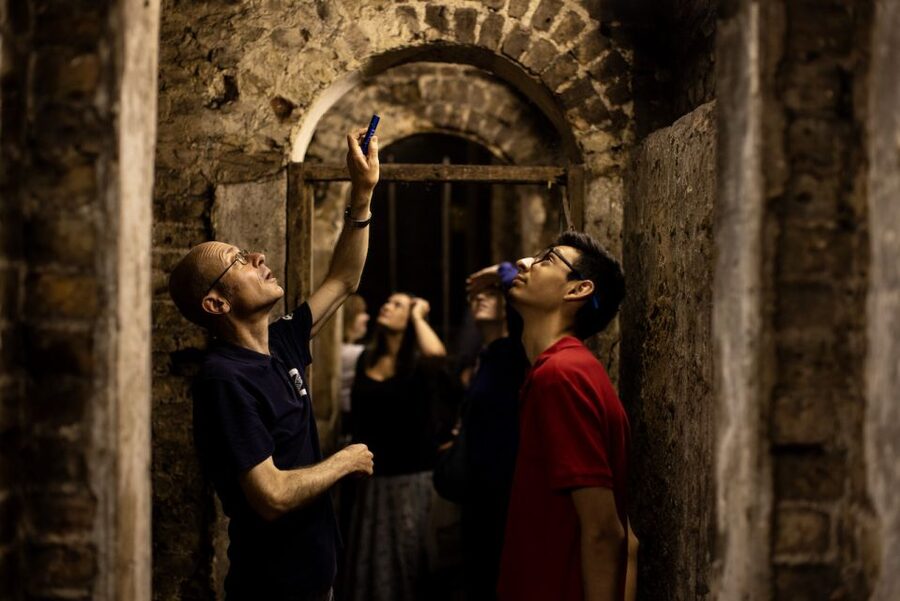
The appeal of this tour starts with a simple fact: Baker Street was present at the birth of the Underground. When the Metropolitan Railway opened on January 10, 1863, it introduced a strange new idea to Victorian London, carrying passengers through tunnels beneath streets that were crowded with traffic.
That first railway became the foundation for metro systems around the world. You are not just looking at an old station here. You are walking through one of the places where underground urban travel first took practical shape.
The tour also shows how the station changed over time. Baker Street served passengers, but it also became an operational headquarters for the London Underground. That gives the visit a broader angle than a standard railway history talk. You learn about trains and platforms, but also about the people who kept the system running.
I like this human scale. The best part is not simply seeing old brickwork. It is hearing how employees worked and spent their time in the station, and how a railway site became a place with its own routines, staff spaces, and behind-the-scenes life.
A handful of other London outings to weigh up
- From London: Harry Potter Warner Bros Studio Tour
★ 4.7 · 26,588 reviews - London: Westminster to Greenwich River Thames Cruise
★ 4.5 · 22,836 reviews - Magical London: Harry Potter Guided Walking Tour
★ 4.7 · 22,044 reviews
Meeting beside Sherlock Holmes
Your meeting point is outside Baker Street Underground Station, in front of the Sherlock Holmes statue. This is easy to identify and ties the tour to the famous literary association of Baker Street without making the experience about Holmes.
You should arrive ready to walk. The tour does not include hotel pickup or drop-off, so you make your own way to the station and meet the guide there. Since the activity takes place in working London rather than at a separate museum entrance, checking the exact starting time when you book is important.
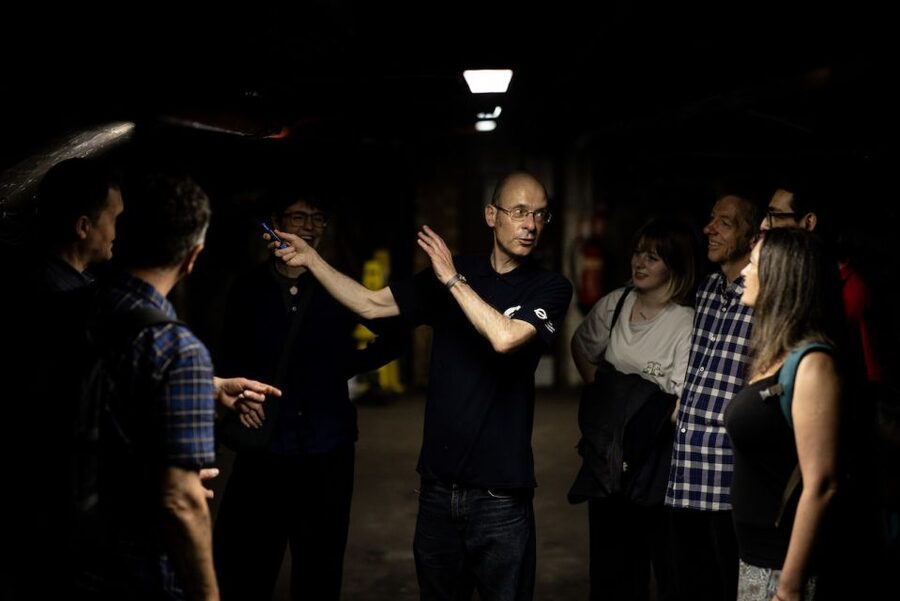
The tour is conducted in English with a live guide. Recent guide teams have included Anthony, Sophie, and Pat, and the strongest praise has focused on the guides’ friendly manner, energy, and command of the subject. That matters here because the closed areas may not look self-explanatory. A good guide helps you understand what a corridor or shaft meant when it was in daily use.
Entering the station’s earliest surviving spaces
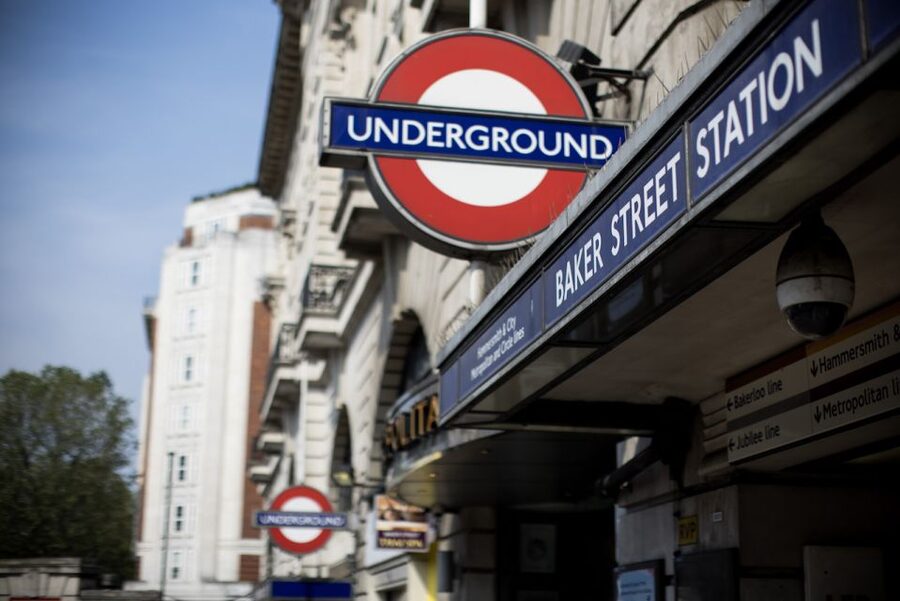
The opening part of the tour sets up the 1863 story. You hear about the first passengers and their reactions to underground travel, a new experience that must have seemed both useful and unsettling in Victorian London.
This context helps you read the station’s physical remains. Old platforms and early passages are not just relics. They show the practical problems of building a railway beneath a growing city, then adapting that railway as the network expanded over the next 160 years.
The station’s age is part of the pleasure, but it also shapes the conditions. These are not polished exhibition rooms with wide paths and bright displays. You may encounter uneven ground, stairs, and low light. Wear comfortable shoes, and do not expect the clean, level route you would get in a conventional museum.
For the right visitor, that roughness adds to the sense of the place. For someone who dislikes confined spaces or has trouble on stairs, it can turn the tour into hard work. The activity is not suitable for people with mobility impairments or claustrophobia, and there are no elevators.
Closed platforms and corridors last used decades ago
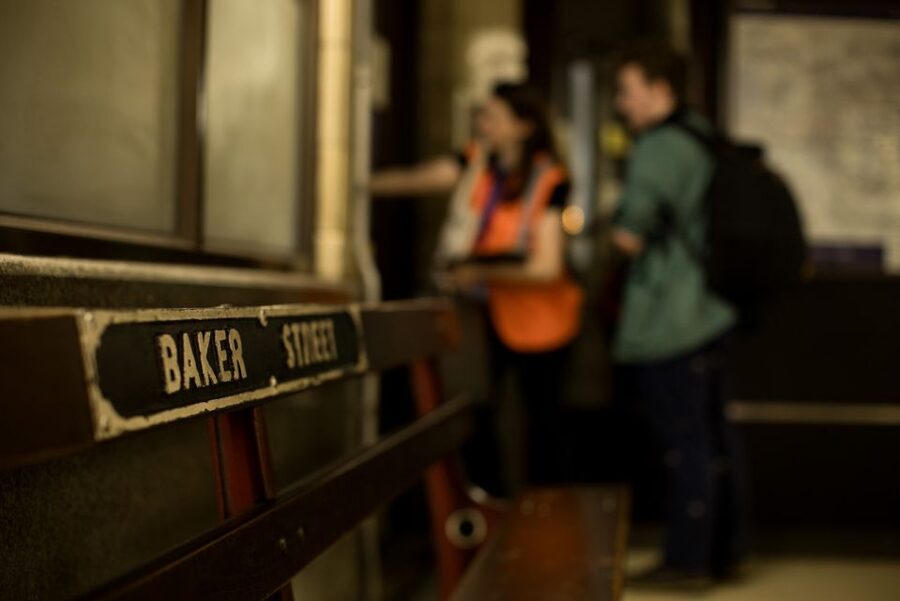
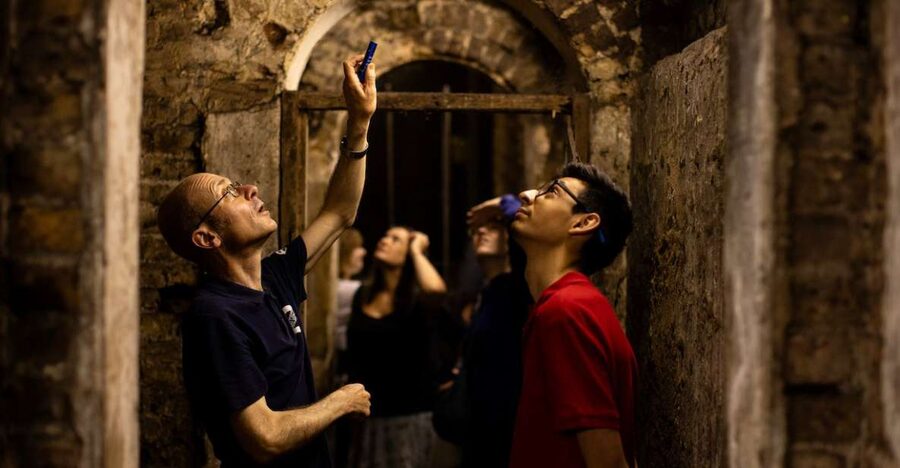
The most compelling part of the visit is the chance to enter areas that regular passengers never see. Some corridors and old lift shafts were last accessed by the public as far back as 1945. That long gap gives the tour its special character.
You are not simply standing at the edge of an abandoned platform and looking through a gate. The format allows you to move through parts of the station normally closed to the public. The exact order of the stops can depend on the guide and the station route, but the focus remains on original platforms, disused passages, and the structures that supported early passenger movement.
Old lift shafts are particularly useful for understanding how the station once worked. Modern visitors tend to think of an Underground station as stairs, escalators, and platforms. Earlier stations relied on lifts and different circulation routes, so these shafts help explain how passengers were moved between street level and the railway.
The corridors also reveal the difference between a public station and an operating workplace. A passenger sees signs, ticket areas, and platforms. Staff needed routes, offices, storage areas, and other facilities that could remain out of sight. This tour shifts your attention from the passenger experience to the machinery of running a railway.
Elsewhere in London, a change of pace:
- London: Madame Tussauds London
★ 4.6 · 20,915 reviews - London: Warner Bros. Studio Tour with Transfers
★ 4.7 · 17,586 reviews - London: Tower Bridge Entry Ticket
★ 4.7 · 15,560 reviews - London: St Paul’s Cathedral Entry Ticket
★ 4.7 · 9,813 reviews
The staff rifle range and the people behind the trains
A staff rifle range is an odd thing to find at Baker Street, and it is one of the tour’s most memorable details. It shows that Underground stations once contained spaces with purposes far removed from buying a ticket or waiting for a train.
The rifle range is also a reminder that railway history is about institutions and workers, not only engineering. Baker Street served as an operational headquarters, so the tour considers how staff used the station and what happened beyond the passenger areas.
The stories include the people who worked and played there over the years. That phrase matters because it keeps the tour from becoming a dry list of dates. You get a sense of the station as a workplace with its own staff culture.
The London Transport Museum’s archive supplies the tour with first-hand accounts and historical material. That gives the guide something solid to work with. Instead of filling every quiet corner with speculation, the commentary can connect the physical rooms to documented experiences.
The strongest guide reports have singled out Anthony, Sophie, and Pat for being friendly, enthusiastic, and well informed. I would value that quality on a tour like this. A closed railway area can feel stark without explanation, while a good guide can make a shaft, corridor, or staff room meaningful without overloading you with technical detail.
How the Underground grew from one railway into a city system
Baker Street gives you a useful starting point for the whole story of London transport. In 1863, underground passenger travel was a new experiment. Over the next 16 decades, the Underground grew and expanded into the network used across London today.
The tour places Baker Street inside that change. You hear how early underground travel was received, how the system developed, and how the station adapted to a larger operation.
That broad span is valuable because it connects the old spaces to the network you use today. The closed corridors are not isolated curiosities. They belong to the first stage of a transport system that changed how London worked.
You should not expect a full survey of every Underground line or every major station. At 85 minutes, the tour stays focused on Baker Street. That is a strength if you want a detailed look at one site, but a limitation if you are seeking a general London transport tour.
For a wider museum visit, the London Transport Museum is a separate attraction. This experience is an on-site guided walk, and the included feature is the tour itself. Pickup, drop-off, food, and drinks are not included.
What the $60 price means in practical terms
At $60 per person, this is not a cheap way to pass an hour underground. You are paying for restricted access, a live English-speaking guide, and a tightly focused look at parts of a famous station that ordinary ticket holders cannot enter.
The price makes more sense when you value access over length. The tour lasts 85 minutes, so you are not buying a full-day activity. You are buying the chance to go into closed areas that have not been used publicly for decades, with the history explained as you walk.
I would compare it with the cost of a standard sightseeing stop in London. A normal Underground journey gives you transport, not access to original platforms, old lift shafts, staff corridors, or a rifle range. This tour offers a very different kind of value, especially for railway fans, urban-history enthusiasts, and people who have already seen London’s major attractions.
The value is weaker if you have little interest in transport history or old infrastructure. Much of the experience comes from listening closely and noticing modest physical details. If you want grand rooms, sweeping views, or a fast-moving sightseeing route, this will probably feel too specialized.
There is also a sensible booking advantage: you can reserve now and pay later, and cancellation is free up to 24 hours before the tour for a full refund. That makes it easier to fit into a changing London schedule.
Who will enjoy the walking conditions
You need comfortable shoes and water, though food and drinks are not allowed during the tour. Bring a passport or ID card as requested, and leave luggage and large bags behind. Open-toed shoes are not permitted.
The route involves a lot of walking, stairs, uneven ground, and low lighting. There are no elevators. You should treat the physical requirements seriously rather than assuming that an Underground station tour will be an easy indoor stroll.
Children under 10 cannot join. Children aged 10 to 15 are allowed, with a maximum of four children in that age group per adult. Older children who enjoy trains, engineering, or unusual London stories could find the rifle range and closed platforms memorable, but the low light and stair-heavy route may test younger participants.
The tour is conducted in English, so you should be comfortable following spoken historical explanation in that language. The guides’ friendly and enthusiastic style helps, but the activity still depends on listening as you walk.
The strongest reasons to choose this Baker Street tour
I would choose this experience for its access. Baker Street is already a familiar name, but the public route tells only part of the story. The tour takes you into the station’s service side, where old corridors, lift shafts, and staff facilities explain how the railway functioned.
I also like the balance between technical and personal history. You hear about the first underground passengers and the expansion of the network, but you also hear about the employees who worked at the station. That combination gives the visit more life than a simple architecture walk.
The guides are another important part of the decision. Anthony, Sophie, and Pat have been praised for their character, friendliness, and enthusiasm. Those qualities matter because the tour is not based on dramatic scenery. The guide’s storytelling does much of the work.
Finally, the visit is short enough to fit into a busy London day. At 85 minutes, it can sit beside other sightseeing without taking over your schedule. Just remember to allow extra time to reach the meeting point and to arrive prepared for a physical route.
Should you book Hidden Baker Street?
Book it if you want to see London from below street level and prefer a focused, story-led experience to another standard city tour. The closed platforms, old lift shafts, staff corridors, and rifle range offer access you cannot get from an ordinary Tube journey.
I would especially recommend it to railway fans, transport-history enthusiasts, repeat visitors to London, and anyone curious about how a modern city’s first Underground system began. The $60 cost is reasonable for rare access and a live guide, but only if those subjects genuinely interest you.
Skip it if you need step-free access, dislike confined spaces, cannot manage stairs, or want a broad overview of London. For everyone else, this is a compact and unusual look at the station where Victorian underground travel helped change city life.
FAQ
Where does the Hidden Baker Street Tube Station Tour meet?
Meet your guide outside Baker Street Underground Station, in front of the Sherlock Holmes statue.
How long does the tour last?
The tour lasts 85 minutes.
How much does the tour cost?
The listed price is $60 per person.
What language is the tour in?
The tour is conducted in English with a live guide.
What areas of Baker Street Station can I see?
The tour includes closed-off parts of the station, such as original platforms, old lift shafts, and hidden corridors. It also includes the staff rifle range.
Are the closed areas accessible by elevator?
No. The tour has no elevators and includes stairs, uneven ground, and low lighting.
Is the tour suitable for children?
Children under 10 are not allowed. Children aged 10 to 15 can attend, with a maximum of four children per adult.
What should I bring?
Bring comfortable shoes, water, and a passport or ID card. Food and drinks, luggage, large bags, and open-toed shoes are not allowed.
Can I cancel the booking?
Yes. You can cancel up to 24 hours in advance for a full refund. You can also reserve now and pay later.
New listings around London
- Windsor Castle & Hampton Court Palace VIP Black Taxi Tour★ 4.9 · 14 reviews
- London Royal Tour – Buckingham Palace Entry – 12 guests 2,5h★ 4.9 · 14 reviews
- London: GoBoat Rental in Canary Wharf with London Docklands★ 4.2 · 14 reviews
- London: Christmas Party Dinner Cruise★ 3.9 · 14 reviews
- London: Traditional Afternoon Tea Tour in a Luxury Coach★ 4.7 · 15 reviews
- Hobbledown Heath One-Day Entry Ticket★ 4.2 · 15 reviews
- Iconic London: Bard, Beatles, Bond & Baker Street★ 4.9 · 15 reviews
- London: Sherlock Holmes Tour by Black Cab★ 4.9 · 15 reviews
London Tours, compared.

Westminster to Greenwich River Thames Cruise
Read our review →
Magical London: Harry Potter Guided Walking Tour
Read our review →