Reviewed · LONDON TOURS
Hidden Tube Tour – Piccadilly Circus: The Heart of London
Piccadilly Circus is more than neon signs and hurried Tube changes. Below the famous roundabout sits a station with disused passenger tunnels and lift shafts sealed to the public since 1929. This 75-minute tour takes you behind secret doors into that forgotten part of London’s transport story.
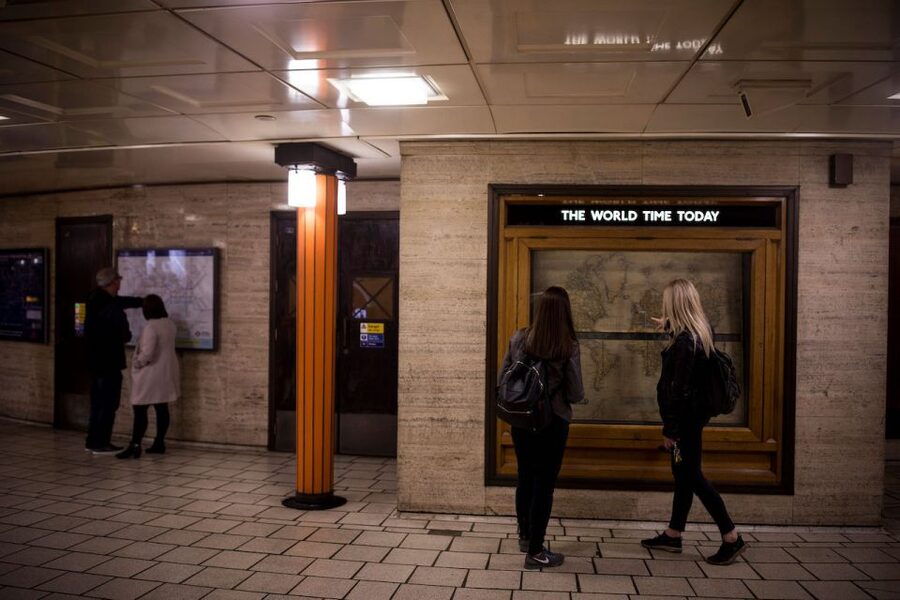
I like the strong sense of place here. You are not looking at a model or a museum display, but walking through original station spaces beneath one of London’s best-known landmarks. I also like the human stories, from wartime shelterers seeking safety underground to the careful storage of priceless artefacts. The main drawback is practical: there are many stairs, uneven surfaces, low lighting, and no lift, so this is not a comfortable choice for anyone with mobility limits or claustrophobia.
Key points about Piccadilly Circus Underground
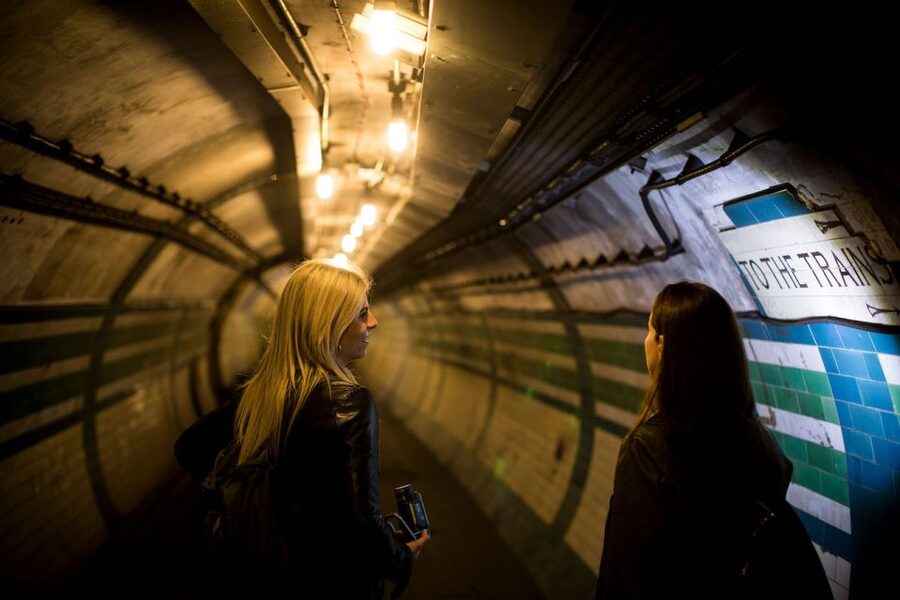
- Walk through tunnels closed since 1929: The route enters old passenger areas that ordinary Tube users cannot see.
- See Edwardian station design: Piccadilly Circus opened in 1906, and original details survive behind later alterations.
- Hear wartime shelter stories: The guide explains how Londoners used the station during wartime.
- Understand a changing Tube station: The 1925 to 1928 modernization shows how the Underground adapted to growing demand.
- Meet at Exit 4: Find the bottom of the stairs at the corner of Shaftesbury Avenue and Coventry Street, beside the Criterion Restaurant.
- Prepare for a physical tour: Wear sturdy, closed shoes and leave luggage behind, since there is no cloakroom.
Why Piccadilly Circus is such a good place for a hidden-station tour
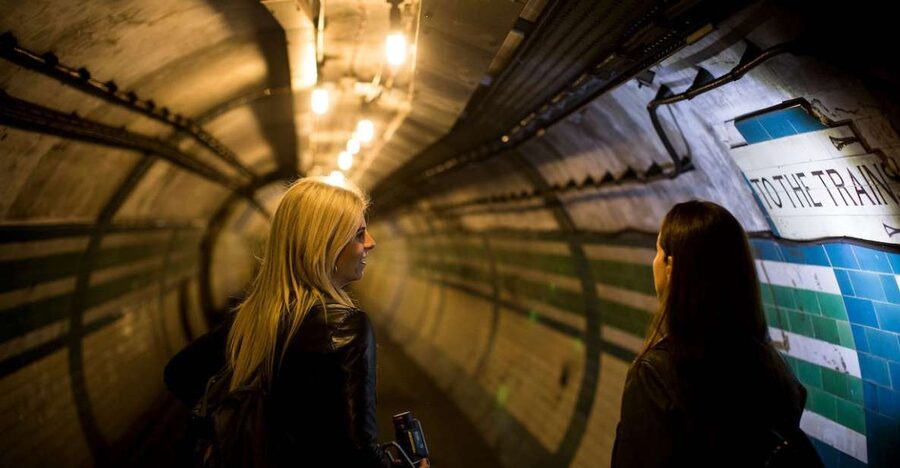
Piccadilly Circus station opened in 1906 for the Bakerloo and Piccadilly lines. That date matters because the station belongs to the early Edwardian period of London’s Underground, when engineering, decoration, and public transport were developing side by side.
The station was built beneath one of the capital’s busiest meeting points. Piccadilly Circus was already an important central location, and the Tube gave workers, shoppers, and theatregoers a fast way into the heart of London. As use grew, the station needed major changes. It was extensively modernized between 1925 and 1928, then the older passenger areas were closed in 1929.
That leaves you with two layers of London below street level. The public station reflects later demands for speed and capacity. The tour takes you into parts of the older station, where the earlier design and engineering remain visible.
I find that contrast more interesting than simply seeing an old room. You can consider why a station changes, what gets kept, and what gets sealed away when a city needs more space. Piccadilly Circus becomes a small lesson in how London keeps rebuilding without fully erasing what came before.
A handful of other London outings to weigh up
- From London: Harry Potter Warner Bros Studio Tour
★ 4.7 · 26,588 reviews - London: Westminster to Greenwich River Thames Cruise
★ 4.5 · 22,836 reviews - Magical London: Harry Potter Guided Walking Tour
★ 4.7 · 22,044 reviews
Meeting beside the Criterion Restaurant
The meeting point is at the bottom of the stairs for Exit 4 of Piccadilly Circus Underground station. Exit 4 is at the corner of Shaftesbury Avenue and Coventry Street, next to the Criterion Restaurant.
This is a central London location, but do not arrive at the last second. Piccadilly Circus is a busy station with several exits, and using the wrong one can put you on the opposite side of the junction. Check the exit number before leaving the platform area, then look for the stairs beside the restaurant.
The tour ends back at the same meeting point. That makes planning simple, especially if you have theatre tickets, a meal reservation, or another central London sight afterward.
Your booking includes the guided visit through the disused parts of Piccadilly Circus station. It does not include travel to or from the station, so you need to arrange your own Tube journey or walk there. Bring a passport or ID card, as identification is required.
Behind the secret doors and into the old station
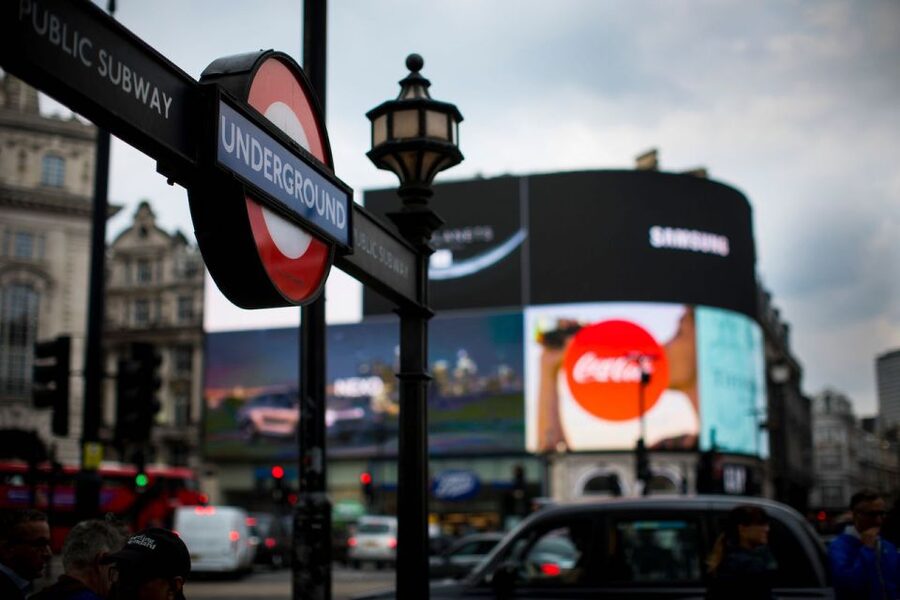
The tour begins in the working Piccadilly Circus station before moving away from the areas used by daily commuters. The exact order of the stops can vary, but the focus is clear: old passenger tunnels, lift shafts, original design details, and the station’s changing role over time.
The phrase secret doors sounds dramatic, but the real appeal is not theatrical suspense. It is the chance to cross a boundary that normally separates London’s functioning transport system from its abandoned infrastructure. You move from a station people use every day into spaces that have been closed for nearly a century.
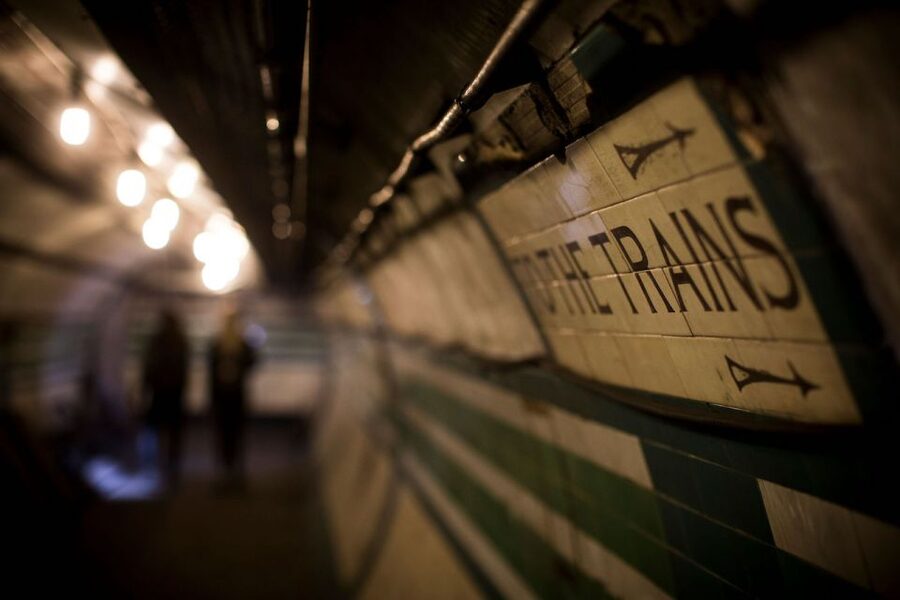
The disused passenger tunnels are the main attraction. These areas have not been open to ordinary Tube passengers since 1929, so you get a rare look at the circulation routes of an earlier station. Rather than rushing through a famous landmark, you spend time noticing how people once moved through it.
Expect a lot of walking. Some areas have uneven ground and low light, and the route includes flights of stairs. Sturdy shoes are not a suggestion here. Open-toed footwear is not allowed, and casual shoes with thin soles may make the walk less pleasant.
Edwardian details beneath modern London
The station’s original Edwardian design features give the tour its visual character. Piccadilly Circus is regarded as one of the finest examples of underground architecture on the London Underground, and the older spaces help explain why.
You may find yourself paying attention to details that would be easy to miss in a working station. The point is not only that the features are old. They show how early Underground stations tried to make an unfamiliar subterranean environment orderly, usable, and presentable.
The 1925 to 1928 modernization adds another useful layer. London’s transport network was not frozen in its early form. It had to respond to rising passenger numbers, changing technology, and the practical demands of a growing city. The old and new parts of Piccadilly Circus show that process in one place.
I like tours that explain why a place looks the way it does. Here, design is tied to use. A tunnel was not made for decoration alone. A lift shaft was not just an architectural feature. Each part had a job, and later changes reflect the pressure of London life above and below ground.
Elsewhere in London, a change of pace:
- London: Madame Tussauds London
★ 4.6 · 20,915 reviews - London: Warner Bros. Studio Tour with Transfers
★ 4.7 · 17,586 reviews - London: Tower Bridge Entry Ticket
★ 4.7 · 15,560 reviews - London: St Paul’s Cathedral Entry Ticket
★ 4.7 · 9,813 reviews
Wartime shelterers and the station’s human story
The tour also tells the story of people who used Piccadilly Circus station as a wartime shelter. That shifts the experience from engineering to everyday survival.
London’s Underground is often associated with transport, but during wartime it also became a place of refuge. Hearing how people sought safety in stations helps you picture the old tunnels as working parts of London’s social life, not simply abandoned passages.
This is one of the strongest reasons to choose a guided visit instead of trying to understand the station alone. Empty tunnels can be visually striking, but a guide gives them meaning. The stories connect the architecture to the people who passed through it, waited in it, and depended on it.
The guides are expected to be informative, enthusiastic, kind, and good-humored. That matters in a confined setting. A dry lecture would make the tour feel longer, while an overly theatrical presentation could distract from the facts. The strongest approach here is a lively explanation that lets the place speak for itself.
A storage space for priceless artefacts
Another unusual chapter concerns the top-secret storage of priceless artefacts. The station’s closed areas were not simply left unused. At one point, they served a sensitive storage purpose, adding a layer of wartime and institutional secrecy to the tour.
You will not be visiting a standard museum gallery with labels and cases. The interest comes from learning how a transport site could be repurposed for something far removed from its original function. Piccadilly Circus was built to move people, yet its concealed spaces could also protect objects of great value.
That detail makes the tour especially appealing if you enjoy London’s behind-the-scenes stories. It shows how old infrastructure can acquire new roles, sometimes without the public knowing what is happening behind the walls.
The guide’s job is important here. Without context, a sealed room or unused shaft may look like little more than a dark space. With the story attached, you begin to see the station as a place shaped by transport, war, preservation, and secrecy.
What the 75 minutes feel like
Seventy-five minutes is a useful length for this experience. You have enough time to move through several parts of the station and hear the main stories without giving up half a day.
The tour is focused rather than sprawling. You are not walking across central London or visiting several separate attractions. The whole experience stays within Piccadilly Circus Underground station, with the public areas acting as a starting point before you enter the closed sections.
The pace should suit you if you enjoy looking carefully and listening. It will not suit you if you want a quick photo stop with minimal walking. The route includes stairs and uneven ground, and low lighting may slow your movement.
Because the tour is led in English, you need enough English to follow historical explanations and safety instructions. There is no indication of other language options.
Children must be at least 10 years old. The rule allows a maximum of four children aged 10 to 15 per adult. That makes the experience possible for older children who are interested in engineering, London, or wartime stories, but the dark, enclosed setting may not appeal to every child.
Price, practical value, and who should book
At $60.61 per person, this is not a cheap Tube ride. You are paying for access to parts of a station that are normally closed, along with a specialist guided presentation based on the London Transport Museum’s archive and collection.
The value depends on what you want from London. If you are simply trying to see the city’s headline sights, the price may feel high for 75 minutes underground. If you have already seen the main monuments and want a more unusual look at how London works, the cost is easier to justify.
I see the price as paying for access and interpretation rather than distance covered. You are not traveling far, but you are entering a place most people cannot visit independently. The guide also provides the background that turns old tunnels, shafts, and architectural details into a coherent story.
The tour was named Best Hidden Gem in the World at the 2022 Tiqets’ Remarkable Venue Awards by public vote. I would treat that as an indication of its unusual appeal, not a reason by itself to book. The more useful test is simple: do you enjoy old infrastructure, transport history, wartime London, and places that are normally off limits?
Book it if you:
- Like London’s Underground and want more than a normal journey
- Enjoy original architecture and engineering
- Prefer a small, focused historical experience
- Are comfortable with stairs, low light, and uneven floors
- Want a central activity that finishes where it began
- Are visiting with children aged 10 or older who can manage the physical route
Think twice if you:
- Have claustrophobia
- Need step-free access
- Have a mobility impairment
- Dislike enclosed places or low lighting
- Want a relaxed, seated tour
- Plan to bring a suitcase or large bag
There is no cloakroom, so travel light. Food and drinks are not allowed, and open-toed shoes are prohibited. Wear suitable clothing and closed, sturdy footwear.
You can cancel up to 24 hours in advance for a full refund, and the reserve-now, pay-later option can help if your London schedule is still shifting. Check the available starting times before booking, since the tour runs at set times rather than whenever you happen to arrive.
How this tour fits into a London day
Piccadilly Circus places you close to several central London areas, but the tour itself is fully concentrated underground. You can pair it with a walk around Shaftesbury Avenue, Coventry Street, or the surrounding West End before or after the visit, though those nearby plans are separate from the tour.
The meeting point beside the Criterion Restaurant is useful for a simple before-and-after plan. You start at Exit 4 and return there, so you do not need to arrange a second pickup point.
I would schedule the tour when you have enough time to arrive early and recover from the stairs afterward. Do not wedge it between two distant bookings. Central London looks compact on a map, but busy streets and crowded Tube corridors can make a short connection take longer than expected.
The experience also works well on a day when the weather is poor. Much of the tour is underground, and it offers something very different from another museum, palace, or open-air monument. Just remember that underground does not mean effortless. You still walk, climb, and spend time in dim spaces.
Should you book the Piccadilly Circus Hidden Tube Tour?
I would book this tour if you want to understand London through the spaces beneath its streets. The closed tunnels, Edwardian details, wartime shelter stories, and secret storage give Piccadilly Circus a far more interesting past than its bright signs suggest.
The best part is the combination of access and explanation. You get into areas closed since 1929, then learn how the station served changing transport needs and unexpected wartime purposes. The guides bring an informative, enthusiastic tone, with enough warmth and humor to keep the history approachable.
I would skip it if stairs, low light, or enclosed passageways will make you uncomfortable. At $60.61, it is also best saved for a day when you are genuinely interested in London’s Underground rather than treating it as a spare-hour activity.
For the right visitor, this is a memorable 75 minutes beneath one of London’s most familiar landmarks. You leave with a better sense of how much of the city is still operating, preserved, or simply waiting behind a locked door.
FAQ
Where does the Piccadilly Circus Hidden Tube Tour begin?
The meeting point is at the bottom of the stairs for Exit 4 of Piccadilly Circus Underground station. Exit 4 is at the corner of Shaftesbury Avenue and Coventry Street, next to the Criterion Restaurant.
How long does the tour last?
The guided tour lasts 75 minutes. Starting times vary, so check availability when booking.
What language is the tour conducted in?
The tour is conducted in English with a live guide.
Can children join the tour?
Children under 10 are not permitted. For children aged 10 to 15, there is a maximum of four children per adult.
Is the tour step free or suitable for people with mobility impairments?
No. The tour includes flights of stairs, uneven ground, and low lighting. There is no elevator, and it is not suitable for people with mobility impairments.
What should I bring and wear?
Bring a passport or ID card. Wear sturdy, closed footwear and suitable clothing. Open-toed shoes, food, drinks, luggage, and large bags are not allowed, and there is no cloakroom.
New listings around London
- London: GoBoat Rental in Canary Wharf with London Docklands★ 4.2 · 14 reviews
- Windsor Castle & Hampton Court Palace VIP Black Taxi Tour★ 4.9 · 14 reviews
- London Royal Tour – Buckingham Palace Entry – 12 guests 2,5h★ 4.9 · 14 reviews
- London: Christmas Party Dinner Cruise★ 3.9 · 14 reviews
- London: Traditional Afternoon Tea Tour in a Luxury Coach★ 4.7 · 15 reviews
- Hobbledown Heath One-Day Entry Ticket★ 4.2 · 15 reviews
- London: Sherlock Holmes Tour by Black Cab★ 4.9 · 15 reviews
- Iconic London: Bard, Beatles, Bond & Baker Street★ 4.9 · 15 reviews
London Tours, compared.

Westminster to Greenwich River Thames Cruise
Read our review →
Magical London: Harry Potter Guided Walking Tour
Read our review →