
Reviewed · LONDON TOURS
London: Beyond Jack the Ripper Serial Killers Walking Tour
London’s darker stories take on a different weight when you hear them in narrow lanes after sunset. This two-hour walk follows cases linked to Jack the Ripper, Dennis Nilsen, Peter Sutcliffe, and seven other killers, using London streets as the setting for a serious look at crime, investigation, and human behavior.
I like the guide’s reported 30 years of research and the theatrical way he presents each case. I also like that the tour keeps its attention on victims and law enforcement instead of turning murderers into folk heroes. The main drawback is clear: this is not a playful ghost walk, and the subject matter can be shocking or upsetting.
Key points to know before you book
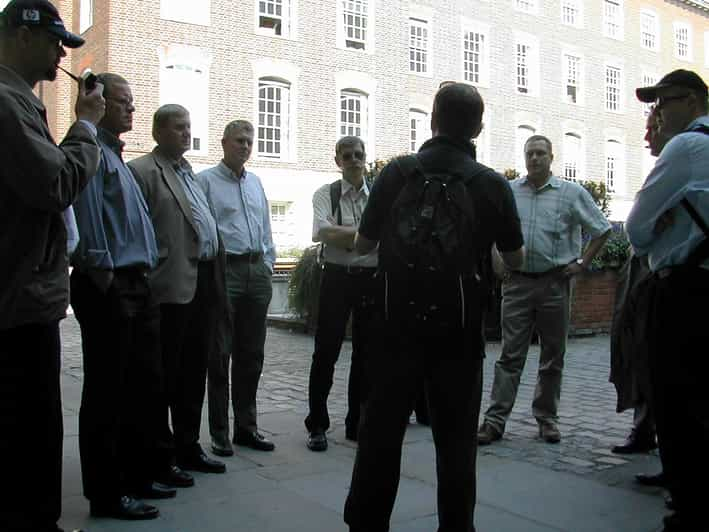
- Declan leads the walk with cinematic storytelling, photographs, questions, and profiling exercises.
- The route covers about 2 miles, or 3.2 kilometres, from Barbican to Holborn.
- Ten killers are discussed, including famous and less familiar cases from London’s past.
- The tone is serious rather than tongue-in-cheek, with little emphasis on gore.
- Fleet Street and several less obvious lanes provide the setting, but this is not a standard sightseeing tour.
- Comfortable shoes and weather protection matter, since the entire experience takes place outdoors.
Why this London crime walk feels different
Many dark-history walks lean on atmosphere, jokes, and gruesome detail. This one takes a more serious route. You are asked to think about why crimes happened, how suspects behaved, and how police officers tried to identify them.
That approach gives the experience more substance than a simple parade of shocking facts. You still hear disturbing stories, but the purpose is not to make the killers seem clever or fascinating. The stated focus is firmly on the victims, the police, and the psychology behind the crimes.
The guide, Declan, brings a long period of personal research to the subject. His style is described as passionate, theatrical, and highly detailed. He uses photographs of suspects, explains what is known about their lives, and encourages you to take part in profiling exercises. That makes the walk feel more like an outdoor case study than a routine guided stroll.
I would not book this expecting a relaxed London history tour with a few spooky anecdotes. The final part of the route moves into increasingly creepy alleys, and the material can be scary, shocking, and disturbing. The warning is not decoration. Take it seriously.
More Walking Tours in London
- Magical London: Harry Potter Guided Walking Tour
★ 4.7 · 22,044 reviews - London: The Original Jack the Ripper Walking Tour
★ 4.7 · 7,833 reviews - London: Harry Potter Movies Walking Tour (Kids Go Free)
★ 4.7 · 3,071 reviews
Meeting Declan outside Barbican station
The walk begins at Barbican Underground station, which has only one exit. Your guide waits just outside it, about 20 feet away, with a sign on his backpack placed on the ground.
That meeting point is simple, but London timing can be tricky. Do not aim to arrive at the scheduled start time. Trains can be delayed, and the tour leaves on time. Once the group has set off, late arrivals cannot join, so give yourself a useful cushion.
From Barbican, you begin with a few minutes of orientation before moving toward the first tucked-away lanes. The opening section helps set the tone. You are not simply being shown a crime scene and handed a date. You are introduced to the way the tour examines motive, behavior, evidence, and the limits of what investigators knew at the time.
The route includes short stops of four to seven minutes, longer story sections of 10 to 15 minutes, and a couple of brief pauses. That variety keeps the walk moving, although anyone hoping to sit often will find this fairly active.
The first alleys and early cases
The opening stops are described as hidden or secret locations rather than major monuments. That is useful for this subject. Big London attractions can make any tour feel predictable, while a quiet lane gives the guide room to build tension through storytelling.
You will hear about several killers across the route, not just Jack the Ripper. The cases include Thomas Neill Cream, John Christie, Bishop and Head, and an uncaught murderer of children. The program also includes Joanne Dennehy, a more recent name, alongside Peter Sutcliffe and Dennis Nilsen.
That broad range is one of the walk’s strongest features. Jack the Ripper is the obvious draw, but he is only part of the story. You get a wider view of how different crimes, suspects, and police challenges fit into London’s long record of violent crime.
The guide’s method also seems well suited to people who like true crime for its investigative side. At different points, you are encouraged to consider personality, opportunity, patterns of behavior, and the evidence available to authorities. You will not simply hear who did what. You will be asked to think about how a case might have developed.
Viewpoints, photographs, and the psychology of crime
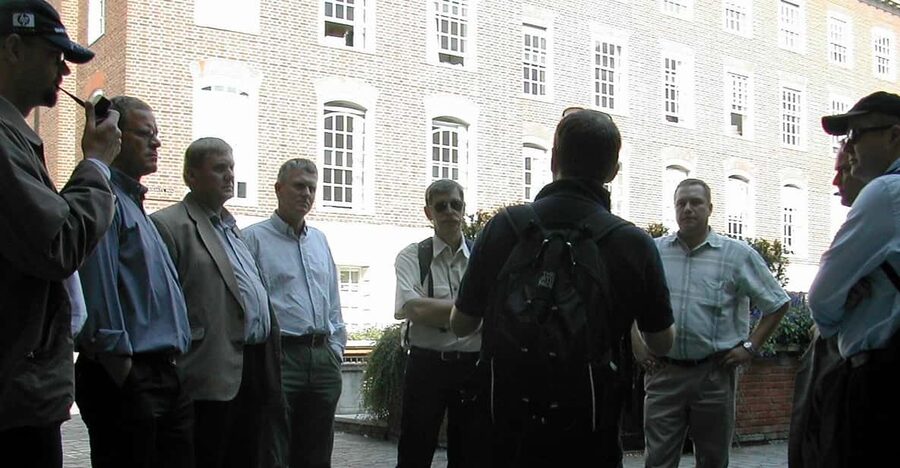
The short sightseeing pauses provide breathing room between the heavier sections. One viewpoint lasts only a minute, while another takes about 10 minutes. These pauses do not turn the tour into a conventional city walk, but they help break up the concentration required by the stories.
Declan uses photographs of suspects during his presentations. That detail matters because the walk is built around faces, decisions, and known behavior, not just dates and locations. Seeing the people involved while hearing about the cases can make the material easier to follow, though it may also make the experience feel more personal and unsettling.
The psychology angle is a good reason to choose this walk over a more theatrical horror tour. You may consider how a killer’s actions were planned, how patterns were recognized, and why some cases remained difficult to solve. The profiling exercises give you a role in the discussion, rather than leaving you as a silent audience.
Still, this is a serious topic. The word psychology does not make the stories less painful. The tour’s value comes from examining the cases carefully, not from making them comfortable.
Further Ripper walks after dark:
- London: Jack the Ripper Small Group Tour
★ 4.7 · 3,159 reviews - German Language : Original Jack the Ripper Tour
★ 4.6 · 1,805 reviews - London: Jack the Ripper Walking Tour – Ripper Vision Tours
★ 4.5 · 1,752 reviews - London: Jack the Ripper Evening Walking Tour
★ 4.9 · 1,449 reviews
Fleet Street brings the route into focus
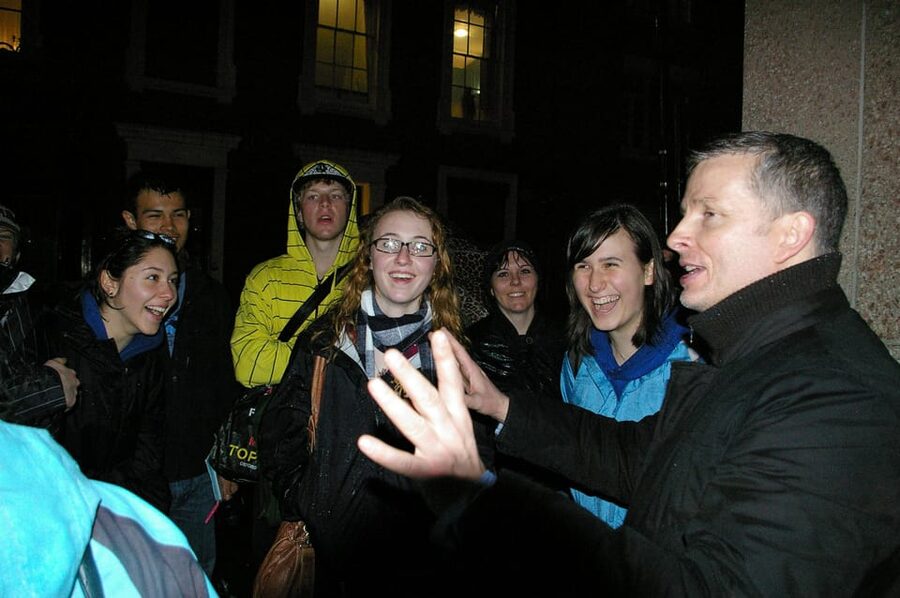
Fleet Street appears during the middle of the walk, with a 12-minute guided section and a later eight-minute break. The street gives the route a clearer urban setting after the earlier lanes and small stops.
You should not think of Fleet Street as a single dramatic crime scene. Its role here is to connect several parts of the route and provide a recognizable London setting. The guide uses the area as another place to tell stories, place events in context, and keep the walk moving toward Holborn.
The break is useful. Two hours of standing and listening can be tiring, especially in cold or wet weather. It also gives you a moment to reset before the final group of cases. Bring warm clothing, rain gear, and shoes suited to roughly 3.2 kilometres of city walking.
The itinerary includes another Fleet Street pause later, so you are not expected to listen without interruption for the full two hours. These are short breaks rather than a meal stop. Bring anything you personally need for the walk, including medication.
The later stops grow more unsettling
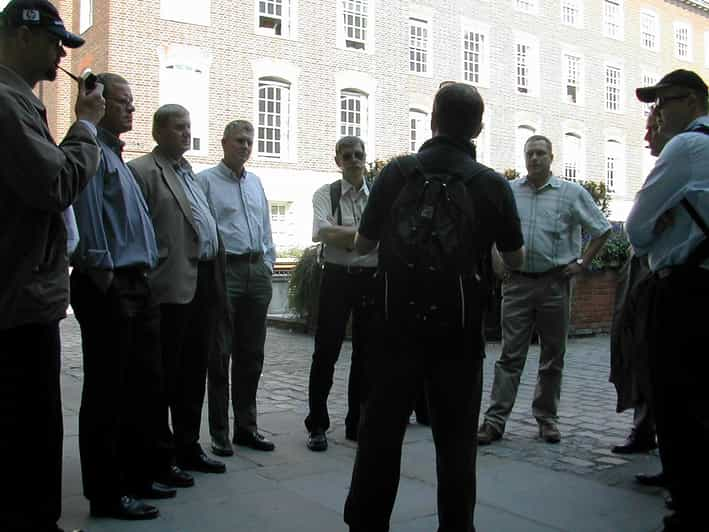
After Fleet Street, the walk returns to smaller and less obvious places. Several stops last six to eight minutes, followed by longer 15-minute sections. This gradual shift into quieter lanes supports the tour’s mood without requiring theatrical props or staged scenes.
The guide describes the cases with passion and flair, but the experience does not glorify the murderers. That distinction is important. Some crime tours make notorious figures sound like celebrities. Here, the goal is to understand the crimes and the investigation while keeping moral attention on the people harmed.
The route’s final stretch includes Holborn and ends there. By this point, the walk has moved away from its starting point, so you should plan your next step from Holborn rather than expecting to return to Barbican.
The increasingly creepy setting may be the part you remember most, but it is also the part most likely to trouble you. If you have a low tolerance for frightening material, this is not a clever choice simply because the price is modest.
The ten cases give you more than one famous name
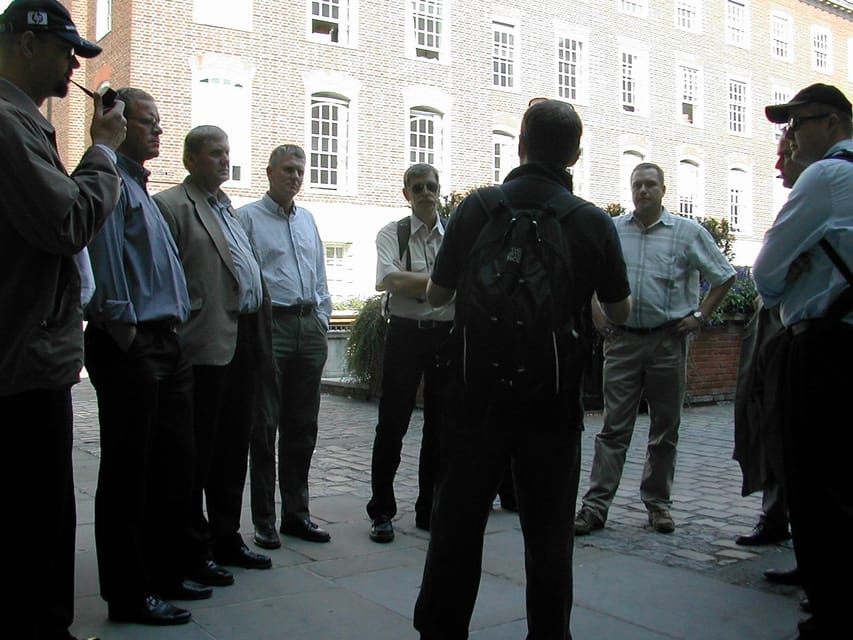
Jack the Ripper will probably be the name that prompts most bookings. He is also the case most likely to dominate public attention, so it is helpful that the tour places him among other London killers.
Peter Sutcliffe and Dennis Nilsen bring different eras and different patterns of offending into the discussion. Joanne Dennehy adds a more recent case, while Thomas Neill Cream and John Christie take you into older periods. Bishop and Head, plus an uncaught killer of children, broaden the program further.
The surprise tenth killer is not identified in advance. That small element gives the walk a final hook, although you should not book solely for a mystery reveal. The real strength is the range of cases and the chance to compare them.
A two-hour tour cannot tell every story in full. The guide’s book is available for purchase and includes additional details, along with directions for finding the places described by foot and Underground. If you want a much fuller account, buying it at the end may be worthwhile. The book is not part of the ticket, so treat it as an optional extra.
How much value do you get for $27?
At $27 per person, the tour sits in a reasonable range for a two-hour guided walk in central London. The value depends on what you want from the experience.
If you only want famous locations and quick facts, you may find the price less compelling. Much of the appeal comes from Declan’s delivery, research, and ability to connect separate cases. You are paying for a live storyteller who has spent decades studying the subject, not for entry to a museum or a large attraction.
I consider the price fair for people who enjoy true crime, forensic history, and guided storytelling. The route covers a solid distance, includes ten cases, and uses several locations rather than keeping you in one square or pub.
The price also makes it easier to add the walk to a London itinerary without committing a full day. You will need to give it a serious two-hour block, plus time to reach Barbican early and continue from Holborn afterward.
Who should book this experience?
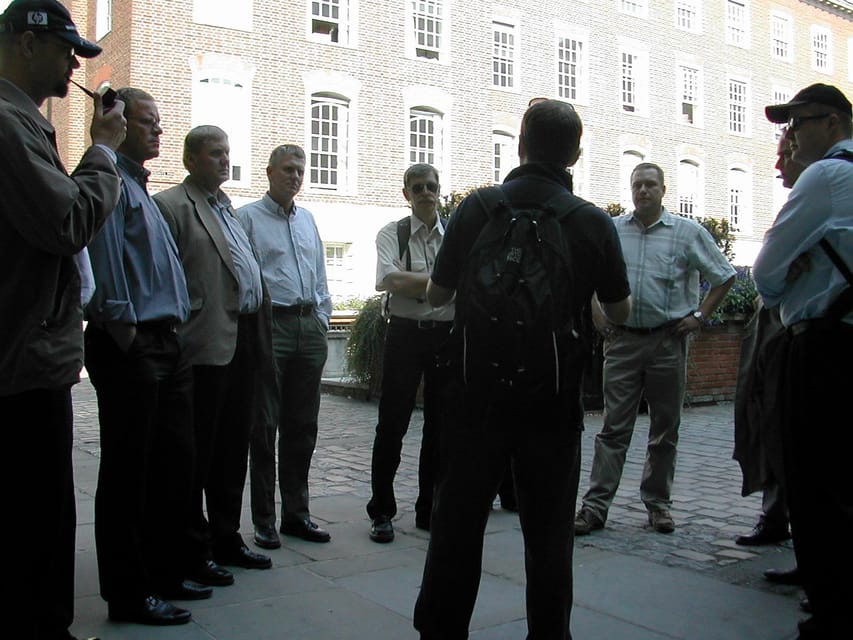
I would recommend it to adults and older teenagers aged 12 and above who have a genuine interest in crime history. It suits people who enjoy listening closely, asking questions, and considering evidence rather than simply chasing scares.
It also fits visitors who have already seen the main London attractions and want a less conventional way to understand the city. You will not get a broad survey of architecture, art, or royal history. You will get a focused look at criminal cases through streets, alleys, and familiar districts.
The tour is conducted in English. A French-language review specifically praised Declan’s clear articulation and his willingness to answer questions, but the official language is English, so non-native speakers should be comfortable following extended spoken storytelling.
This is not suitable for children under 12, people with heart problems, people over 75, or people with a low level of fitness. The information also says the route is wheelchair accessible while separately advising that it is not suitable for people with mobility impairments. That combination is worth clarifying with the provider before booking, since the walk covers about 3.2 kilometres and includes repeated standing and walking.
Do not attend intoxicated, and unaccompanied minors are not permitted.
Practical tips for a smoother two hours
Arrive early at Barbican station. This is the most important logistical advice because the group cannot wait for latecomers.
Wear comfortable walking shoes. The route is not long by London standards, but standing at multiple stops can make poor footwear uncomfortable. Dress for the forecast, and bring warm layers and rain gear. The experience runs outdoors, so weather can change the mood and the comfort level quickly.
Keep your expectations clear. This is not a costume show, a comedy walk, or a collection of harmless ghost stories. It deals with murder, children as victims, disturbing behavior, and real suffering.
You can ask questions during the tour. The format includes audience participation and profiling exercises, so an active listener will get more from it than someone who wants background narration only.
Finally, allow time at the end if you may want Declan’s book. It offers more detail than can fit into two hours and includes directions to the places discussed. That is particularly useful if the walk leaves you wanting to explore the subject further.
Should you book the Beyond Jack the Ripper walk?
Book it if you want a serious, highly focused London walk led by an experienced storyteller. The strongest reasons are Declan’s long research into the subject, the range of ten cases, and the decision to examine psychology and police work without celebrating the killers.
Skip it if you dislike disturbing crime stories, want a lighthearted evening, or are looking for a general sightseeing tour. The route is active, the content is intense, and the final alleys are meant to feel unsettling.
For the right audience, $27 is a fair price for two hours of detailed storytelling from Barbican to Holborn. Just arrive early, dress for the weather, and book this as a true-crime experience, not as casual entertainment.
FAQ
Where does the tour begin?
It begins outside Barbican Underground station. There is only one exit, and the guide waits about 20 feet outside with a sign on his backpack placed on the ground.
Where does the tour finish?
The walking tour finishes in Holborn.
How long is the walk?
The experience lasts two hours and covers about 2 miles, or 3.2 kilometres.
Which killers are discussed?
The tour covers Jack the Ripper, Dennis Nilsen, Peter Sutcliffe, Joanne Dennehy, Bishop and Head, an uncaught serial murderer of children, Thomas Neill Cream, John Christie, and a surprise tenth killer.
Is the tour suitable for children?
No. It is not suitable for children under 12, and unaccompanied minors are not allowed.
What should I bring?
Bring comfortable shoes, warm and weather-appropriate clothing, rain gear, outdoor clothing, and any personal medication you need.
New listings around London
- London: Bermondsey Craft Brewery Tour★ 5.0 · 3 reviews
- Colourful Notting Hill Photography Tour★ 5.0 · 3 reviews
- The London Historic Pubs Tour★ 4.0 · 3 reviews
- Ultimate Royal London, Thames River Boat Ride & Walking Tour★ 5.0 · 3 reviews
- London: Wallace Collection & National Gallery Private Tours★ 5.0 · 3 reviews
- London: The Birthplace of The Rolling Stones Private Tour★ 5.0 · 3 reviews
- Historic pub tour with Brazilian guide (in Portuguese)★ 5.0 · 3 reviews
- London: Royal Tour with Westminster Abbey & Afternoon Tea★ 3.0 · 3 reviews
London Tours, compared.

Westminster to Greenwich River Thames Cruise
Read our review →
Magical London: Harry Potter Guided Walking Tour
Read our review →

Warner Bros. Studio Harry Potter Tour with Transfers
Read our review →Browse the lists this tour appears in