Reviewed · LONDON TOURS
London: Private Underground and Tube Tour
London’s Underground is more than a way to get across town. It is a working museum beneath your feet, and this 165-minute private tour brings its odd stories into view, from the first railway opened in 1863 to abandoned stations and lines shaped by rival companies. You travel along the oldest stretch of railway line, learn why direction mattered on the Circle line, and spot details most passengers miss.
I like the focus on small, easily missed details, not just famous landmarks. I also like the private format, which gives you room to ask questions. Guides including Rory, Jericho, Chris, and Fiona have been praised for making the subject lively and personal. The main catch is practical: you must pay your own Tube fares, and the route includes stairs and locations that are not suitable for wheelchairs or prams.
Key points
- Start beneath Paddington’s Platform 1 clock, an easy landmark inside one of London’s best-known stations.
- Ride the oldest stretch of Underground railway, with the guide explaining how the system began in 1863.
- Learn the Circle line’s old directional problem, a useful story that explains why Tube travel was once less straightforward.
- Look for signs of London’s ghost stations, including places that no longer serve regular passengers.
- Expect a changing route, since engineering work can alter which stations and platforms you visit.
- Bring a Zone 1 Travelcard or Oyster card, topped up with at least £7 of pay-as-you-go credit.
Why London’s Underground makes a good walking tour
The Tube is one of those London sights you use before you understand it. You hurry through tiled passageways, follow colored lines, and descend into stations without asking why the network looks the way it does.
This tour slows that process down. You still travel by train, but the real work happens on foot, in stations and along platforms, where your guide points out design choices, old railway clues, and odd corners that are easy to pass without a glance.
The Underground opened in 1863, long before electric trains and modern route maps. Its first services used steam locomotives, and the network grew through separate companies competing for routes and passengers. That rivalry helps explain why some lines connect in awkward ways, why station layouts can feel confusing, and why the Tube map is useful but not geographically exact.
I find this approach more rewarding than a simple list of station facts. You learn how London’s transport system grew in pieces, then became one network. The result is a practical history lesson that keeps moving.
A handful of other London outings to weigh up
- From London: Harry Potter Warner Bros Studio Tour
★ 4.7 · 26,588 reviews - London: Westminster to Greenwich River Thames Cruise
★ 4.5 · 22,836 reviews - Magical London: Harry Potter Guided Walking Tour
★ 4.7 · 22,044 reviews
Beginning at Paddington’s Platform 1 clock
Your meeting point is beneath the clock on Platform 1 at Paddington Station. It is a precise place to gather, but Paddington is large, so allow time to get inside the station and find the correct platform.
Paddington is a fitting start. It is one of London’s major railway stations, and its long association with rail travel gives the opening some atmosphere. From here, your guide sets the scene: how the Underground arrived, why underground railways were needed, and how early engineers dealt with steam, smoke, and crowded streets.
You should expect an active start rather than a seated presentation. The tour combines walking through stations with Tube journeys, so wear shoes that can handle hard floors, stairways, and a steady pace.
Your guide may be Rory, Jericho, Chris, or Fiona. Each has received praise for a different strength. Rory is described as engaging, personable, and happy to spend extra time on questions. Jericho led a pleasant, informative tour that kept its price from feeling excessive. Chris brought enthusiasm to the subject, while Fiona made the experience feel warm and approachable, especially for a private family occasion.
The guide matters here. Underground history can sound dry if it is delivered as dates and company names. A good guide connects those facts to what you can see around you, and the available feedback points to guides who do that well.
Riding the oldest stretch of railway line
One of the tour’s central promises is a journey along London’s oldest stretch of railway line. This is where the age of the system becomes more than a number.
You can expect an explanation of how the first Underground section worked and why early travel below street level was such a major change. The guide also covers the move from steam engines to electric trains. That shift was not just a technical improvement. It made underground travel cleaner and more practical in enclosed tunnels.
The exact stops can change because improvement work affects the network. This is worth knowing before you book. You are signing up for the subject and the guide’s interpretation, not a fixed list of platforms that can never change.
That flexibility is sensible in London. Stations close for repair, platforms alter, and trains are diverted. A route change may mean you see a different example of the same idea, rather than missing the point altogether.
I like the way this part connects engineering to everyday travel. When you next hear a train arrive in a tunnel, you will have a better sense of the technical problems early operators faced.
The Circle line and the problem of direction
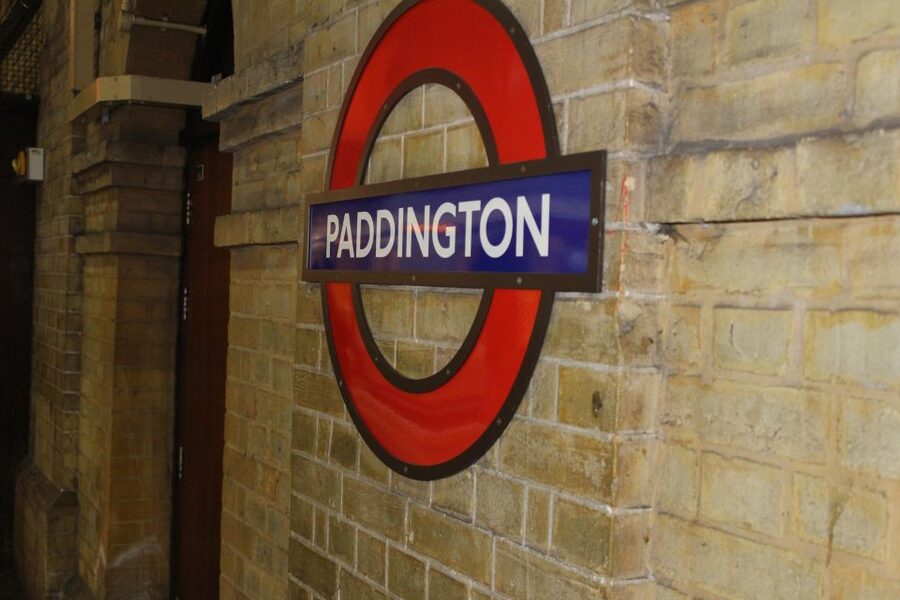
The Circle line sounds simple. On a Tube map, it forms a loop around central London. Yet the tour explains why it once mattered to know which way you were going.
This is a fine example of the Underground’s less obvious history. A route that looks clear on paper can be harder to understand when several companies operate different sections, trains share tracks, and stations serve more than one line.
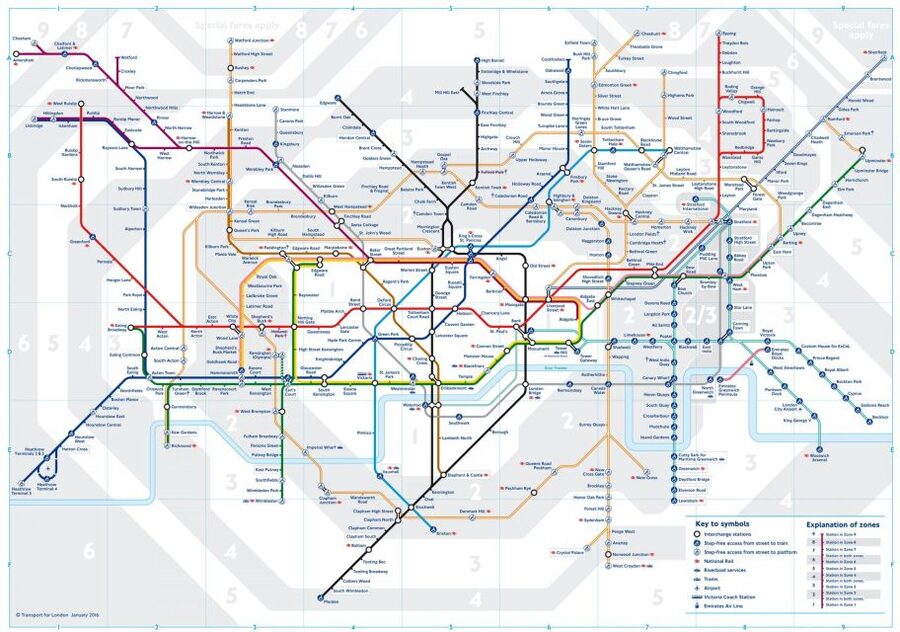
Your guide uses the Circle line to show how the network developed through practical decisions rather than one master plan. That helps you read the map with fresh eyes. The famous colored diagram is designed for quick travel decisions, not accurate geography, and the tour examines how closely it matches the city above.
This is one of the most useful parts for anyone who regularly uses the Tube. You learn why a short-looking journey may involve a long walk between platforms, why a route can appear to go the wrong way, and why a line’s name does not always tell the whole story.
The point is not to criticize the map. The map works remarkably well for getting around. It simply leaves out the historical complications that shaped the network.
Elsewhere in London, a change of pace:
- London: Madame Tussauds London
★ 4.6 · 20,915 reviews - London: Warner Bros. Studio Tour with Transfers
★ 4.7 · 17,586 reviews - London: Tower Bridge Entry Ticket
★ 4.7 · 15,560 reviews - London: St Paul’s Cathedral Entry Ticket
★ 4.7 · 9,813 reviews
Station details most passengers miss
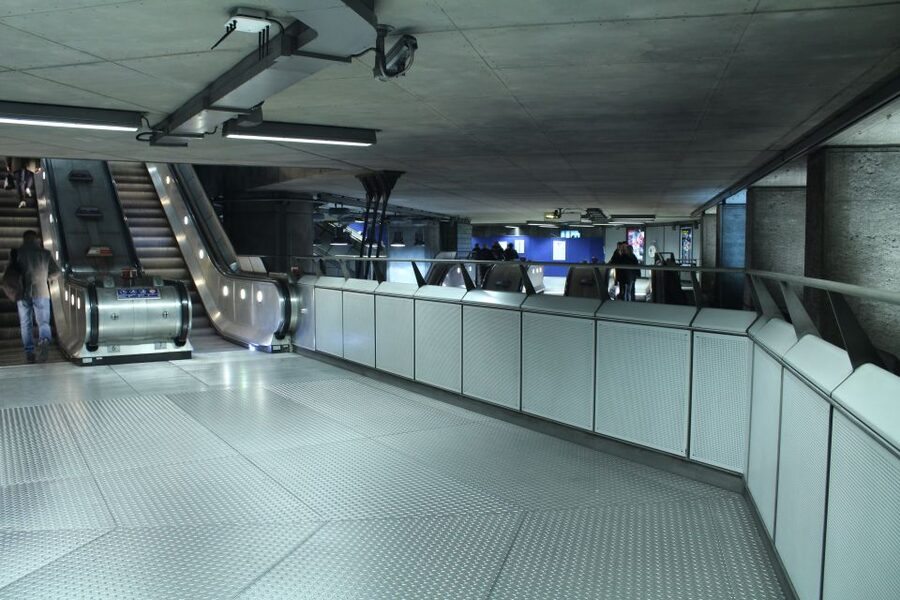
The tour visits some of London’s famous, deep, beautiful, and peculiar stations. The supplied information does not promise a fixed station-by-station route, so you should not book it expecting a guaranteed checklist of every celebrated stop.
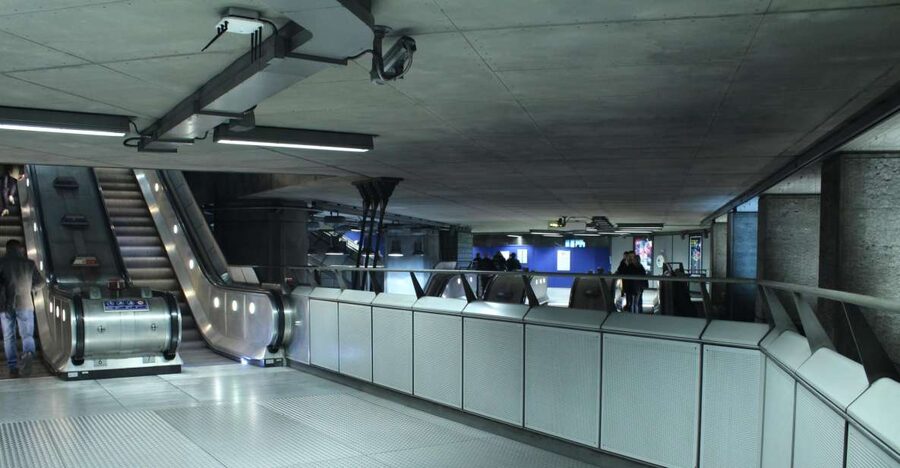
Instead, expect your guide to select stations that help explain a particular story. One may show how the Underground’s design changed over time. Another may reveal a clue about an old operator or a closed platform. A deep station can give you a sense of the vertical effort involved in getting passengers below street level.
This is where the private format has a real advantage. You can ask why a station has a certain layout, how passengers once found their way, or what happened to a line that no longer appears on the daily route. Guides such as Rory have been praised for welcoming questions and continuing beyond the scheduled time when discussion runs long.
That extra conversation is valuable for families and curious first-time visitors. It also means the tour may feel less polished and fixed than a large group outing, but the tradeoff is a more personal exchange.
One practical point: there is no promised toilet stop. Someone attending the tour specifically found the lack of a loo break difficult, so plan ahead at Paddington before you begin.
London’s ghost stations and abandoned routes
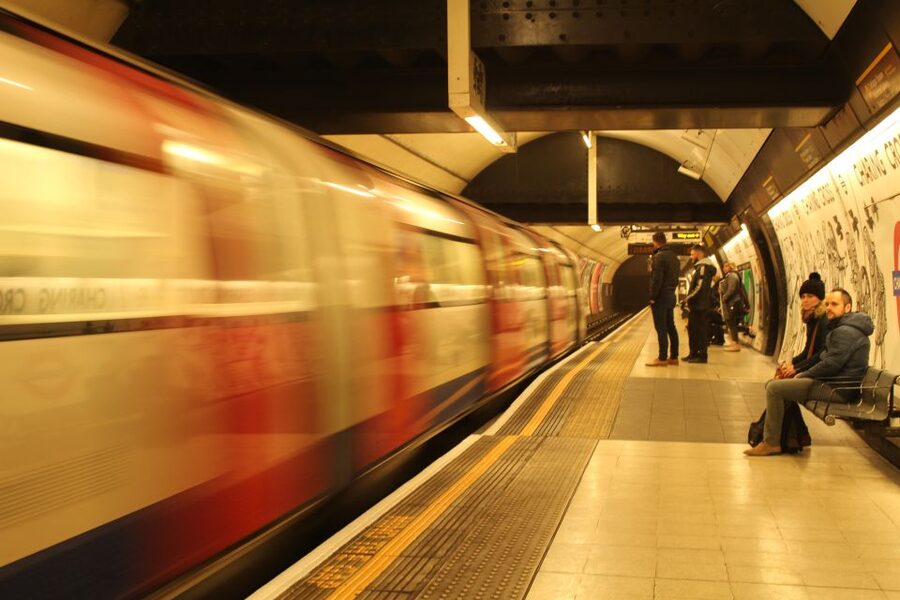
Ghost stations are among the most appealing parts of the experience. These are stations or platforms that have been closed, altered, or left out of normal passenger use. You may not enter every closed area, but the guide can help you identify traces of places that still exist in the network’s structure.
The appeal is partly visual. A dark platform, sealed entrance, old sign, or unused section can make the past feel close. The stronger appeal, though, is the reason each place disappeared. Stations close because routes change, demand shifts, lines are rebuilt, or newer facilities replace old ones.
This gives you a useful lesson in how cities edit themselves. London does not erase every earlier version of its transport system. Parts remain behind walls, beneath platforms, or in station names that make little sense until you know the story.
You will also hear about quirks that regular Tube passengers overlook. The tour’s value comes from learning what to watch for, not from expecting access to restricted areas. Do not assume that ghost station means you will walk through an abandoned station. The experience is an explanation of these places from within the active network.
For children old enough to appreciate stories about secret platforms and lost stations, this may be the most memorable section. For anyone uncomfortable with stairs, tight passages, or extended standing, it may be tiring.
From Paddington toward Westminster
The route is designed to move through central London and is described as concluding at Westminster Station. However, the meeting-point details also say the activity ends back at the meeting point. That is a genuine point to clarify before booking, especially if you have a timed reservation afterward.
The difference may reflect a change in the route description, but the information provided does not resolve it. Ask Brit Icon Tours which ending applies to your date.
If Westminster is the final stop, it gives the tour a strong finish. Westminster is one of the Underground’s most recognizable stations, and its position near major sights makes it a useful place to continue sightseeing. The focus remains the station and the Tube system, not a guided visit to nearby attractions.
The final part should leave you looking at the network differently. A station is no longer just a place to enter and exit. Its platforms, signs, tunnels, and connections become evidence of decisions made over 150 years.
What the private format adds
This is a private-group activity with a live English-speaking guide. The listing does not state the maximum group size, so do not assume it means a one-to-one tour. It means your booking is arranged for a private party rather than being combined with unrelated participants.
That distinction can matter underground. Stations are noisy, and a small private party is easier to keep together than a large crowd. You can stop for a question without holding up strangers, and your guide can adjust explanations to your interests.
The private format is especially useful if you have one Tube enthusiast in the family who wants every railway detail, or if you are introducing someone to London’s transport system for the first time. Rory’s willingness to continue while a group asked questions is a good sign for people who prefer conversation over a rigid script.
The downside is cost. At $84.86 per person, this is not a cheap way to spend a few hours underground. The price becomes easier to justify when you have several people sharing a private booking and plan to ask questions. It is less compelling if you only want a quick overview of how to use the Tube.
You must also pay your own travel costs. Bring a Zone 1 Travelcard or an Oyster card with at least £7 in pay-as-you-go credit. The tour price covers the professional guide, not the Tube journeys.
Who should book this Underground tour
I would choose this for a repeat London visitor who has already seen the major street-level sights and wants to understand the city’s transport system. It also suits families with older children, rail fans, history students, and anyone who enjoys seeing familiar places in a new way.
The experience is less suited to a visitor with limited time who wants a broad introduction to London. It spends its energy on one subject, and that subject works best when you enjoy details.
You should also be comfortable walking through active stations and handling stairs. The tour is not accessible for wheelchair users, and parents with prams cannot take them along. Baby carriages are specifically not allowed.
The route may change because of network improvement work, so flexibility helps. If you need a guaranteed station list or a fully step-free route, choose another activity.
Practical advice before you go
Arrive early at Paddington and find Platform 1 before the meeting time. Look for the clock overhead, then use the time before the tour for a toilet stop.
Wear comfortable shoes and keep your belongings manageable. You will be walking inside stations as well as riding trains, and crowded public transport is easier when you are not carrying bulky luggage.
Keep your Zone 1 travel card or Oyster card ready. At least £7 of pay-as-you-go credit is required if you use Oyster. Since travel costs are separate, check that your card covers the journeys the guide plans to make.
The tour is in English. If you want a particular guide, the supplied information does not offer a guide-selection option, so you should ask Brit Icon Tours before reserving. Fiona, Rory, Jericho, and Chris have all been associated with positive experiences, but guide assignment may depend on availability.
The tour allows free cancellation up to 24 hours before departure for a full refund, and you can reserve now and pay later. Those terms help if your London plans are still moving around.
Is the London Underground tour worth booking?
Book it if you want history with movement, rather than another sit-down museum visit. The price is fair for a private 165-minute tour when you value a live guide, ask plenty of questions, and share the booking with family or friends.
The strongest reasons to go are the old railway section, the Circle line story, the ghost stations, and the chance to notice details you have passed for years. Rory, Fiona, Jericho, and Chris have each been praised for making the subject clear and enjoyable.
Skip it if you need step-free access, a guaranteed toilet break, or a fixed route with no changes. Also confirm the ending point, since the information gives both Westminster and the original meeting point.
For the right audience, this is a smart way to turn an ordinary Tube journey into a piece of London’s past. You will still use the Underground to get around, but you will stop seeing it as just a map of colored lines.
FAQ
How long does the London Underground tour last?
The tour lasts 165 minutes, or two hours and 45 minutes. Starting times depend on availability.
Where does the tour begin?
Meet beneath the clock on Platform 1 at Paddington Station.
Where does the tour end?
The route description says the tour concludes at Westminster Station, while the meeting-point information says the activity ends back at the meeting point. Confirm the ending point with Brit Icon Tours before booking.
Do I need to pay for Tube travel?
Yes. Travel costs are not included. You need a Zone 1 Travelcard or an Oyster card with at least £7 of pay-as-you-go credit.
Is the tour suitable for wheelchair users or prams?
No. The tour is not suitable for wheelchair users or parents with prams, and baby carriages are not allowed.
Can I cancel the booking?
Yes. You can cancel up to 24 hours in advance for a full refund. The activity also offers a reserve-now, pay-later option.
New listings around London
- London: GoBoat Rental in Canary Wharf with London Docklands★ 4.2 · 14 reviews
- Windsor Castle & Hampton Court Palace VIP Black Taxi Tour★ 4.9 · 14 reviews
- London Royal Tour – Buckingham Palace Entry – 12 guests 2,5h★ 4.9 · 14 reviews
- London: Christmas Party Dinner Cruise★ 3.9 · 14 reviews
- London: Traditional Afternoon Tea Tour in a Luxury Coach★ 4.7 · 15 reviews
- Hobbledown Heath One-Day Entry Ticket★ 4.2 · 15 reviews
- London: Sherlock Holmes Tour by Black Cab★ 4.9 · 15 reviews
- Iconic London: Bard, Beatles, Bond & Baker Street★ 4.9 · 15 reviews
London Tours, compared.

Westminster to Greenwich River Thames Cruise
Read our review →
Magical London: Harry Potter Guided Walking Tour
Read our review →