
Reviewed · LONDON TOURS
London: Jack The Ripper Walking Tour
Jack the Ripper’s crimes are still debated, but the streets are real. This 150-minute walk takes you through Whitechapel, Mitre Square, Petticoat Lane, Spitalfields, and Brick Lane, ending at the Ten Bells pub, a place closely tied to the story. The best part is seeing how ordinary East End streets can hold such a grim past.
I like the focus on the five victims, who are treated as people rather than props in a ghost story. I also like the mix of crime history and Victorian social history, which gives the murders a human setting. The drawback is simple: you are outside for two and a half hours, with little shelter, so cold rain can make the experience hard work.
Key points to know before you book
- The tour begins at Aldgate Station, not Aldgate East, beside Hotel Saint at 9 Aldgate High Street.
- The five victims receive serious attention, with the story placed in the setting of Victorian East London.
- Mitre Square and Whitechapel provide the strongest connection to the original crimes.
- Spitalfields Market and Brick Lane add everyday East End life to a tour often dominated by murder.
- The Ten Bells pub is the finish, giving you the option of having a drink after the walk.
- Comfortable walking shoes and weatherproof clothing matter, since you remain outdoors for 150 minutes.
Starting beside Aldgate Station
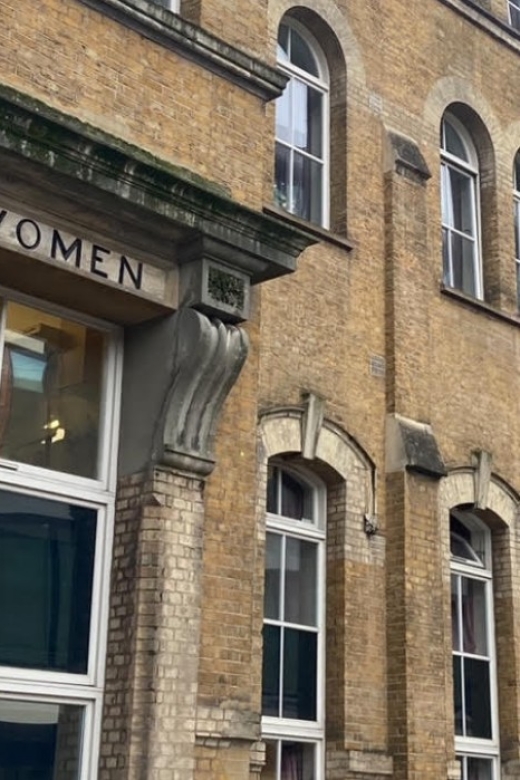
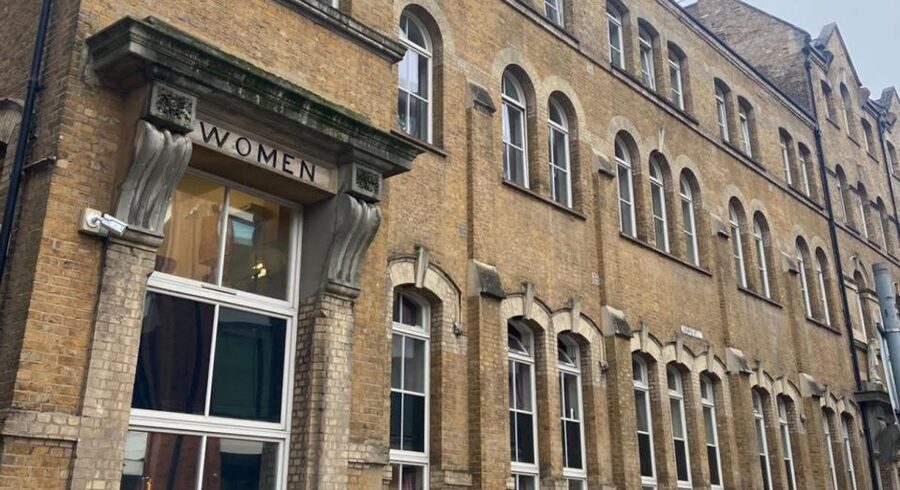
Your meeting point is easy to find if you follow the instructions closely. Go to Aldgate Station, not Aldgate East Station. As you leave the station, Hotel Saint is on the right at 9 Aldgate High Street, London, EC3N 1AH.
Look for the guide carrying a yellow umbrella. That detail matters in a busy part of London, especially if several groups are gathering nearby. Since the tour is conducted in English, you should be comfortable following spoken explanations while walking and often pausing on public streets.
I would arrive with enough time to find the correct station exit. Aldgate and Aldgate East are separate Underground stations, and choosing the wrong one can create an unnecessary dash before the tour starts.
The opening point also gives you an immediate sense of the area’s modern city traffic and older street pattern. The tour is not set in a preserved historical village. You are walking through a working part of London, where shops, roads, offices, markets, and pubs share space with sites linked to the 1888 murders.
More Walking Tours in London
- Magical London: Harry Potter Guided Walking Tour
★ 4.7 · 22,044 reviews - London: The Original Jack the Ripper Walking Tour
★ 4.7 · 7,833 reviews - London: Harry Potter Movies Walking Tour (Kids Go Free)
★ 4.7 · 3,071 reviews
Whitechapel, where the story takes shape
The first main section leads into Whitechapel, the East London district most associated with the Ripper case. Here, the guide explains the conditions of Victorian London and the lives of people who lived and worked in the area.
This context is important. Without it, the tour could become a parade of dark alleys and crime-scene details. With it, you get a clearer sense of poverty, overcrowding, prostitution, policing, and the difficult choices available to working-class women in the East End.
The strongest guides keep the attention on the women who were killed. Carolina has been praised for clear delivery, strong historical detail, and respectful treatment of the five victims. Eric or Erik has also led the walk with a fact-based approach to Victorian life, while Adam has been noted for his enthusiasm and command of the subject.
Guide quality will shape the evening. The material is naturally gripping, but a good guide must separate confirmed evidence from later storytelling. This tour is at its best when it explains what is known, what is disputed, and what was added by newspapers, police speculation, or later writers.
Mitre Square and the evidence
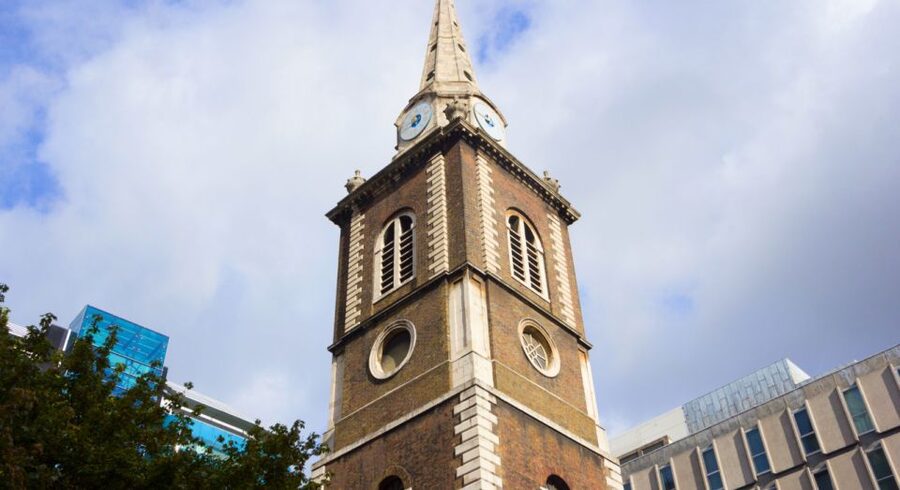
Mitre Square is one of the most important stops. It is connected with the murder of Catherine Eddowes, one of the five women commonly called the canonical five.
You will hear about the crime, the investigation, and the clues that have fueled arguments over the Ripper’s identity. The value of this stop is not simply that you are near a real location. It is that the guide can explain how the place, the timing, witness accounts, and police work fit together.
Do not expect the Victorian scene to remain intact. London has changed greatly, and modern buildings and traffic surround the area. That contrast is part of the experience. You are asked to picture an earlier street arrangement while standing in the present city.
The tour’s mystery element works best if you enjoy weighing evidence rather than waiting for a final answer. You will hear theories about who Jack the Ripper might have been, but the case remains unsolved. A careful guide should leave you with better questions, not pretend to produce proof where none exists.
Petticoat Lane and the working East End
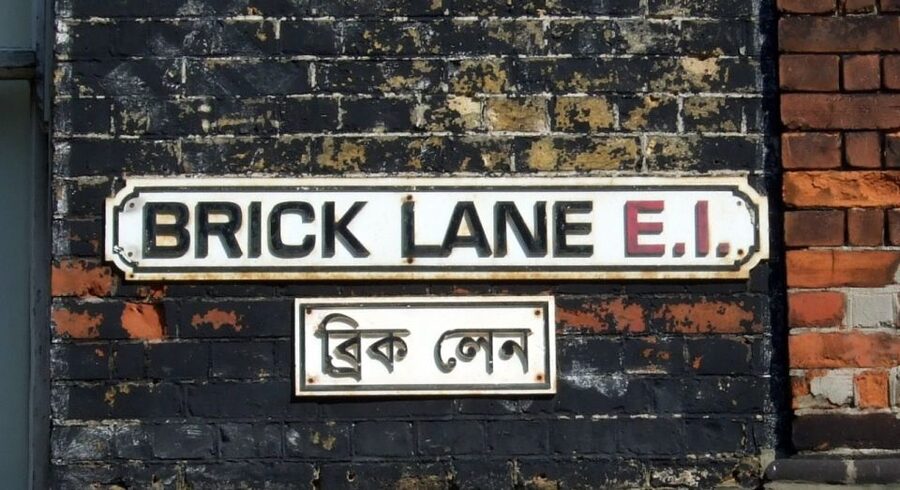
Petticoat Lane brings the walk into another part of the old East End. The name is strongly associated with street commerce and local life, making it a useful stop for understanding the district beyond the murders.
This is where the tour can broaden its purpose. You are not only tracing a killer. You are also looking at the streets through which ordinary people moved, worked, shopped, and tried to survive.
The setting is still urban and active, so you may find that the atmosphere is less eerie than expected. That is not a flaw. The real story is more powerful when you see how the locations functioned as normal streets rather than theatrical sets.
I would pay attention to the guide’s explanation of how newspapers and public fear shaped the case. The police investigation became an international sensation, and the press helped turn a local series of murders into one of the world’s most famous unsolved crimes.
Further Ripper walks after dark:
- London: Jack the Ripper Small Group Tour
★ 4.7 · 3,159 reviews - German Language : Original Jack the Ripper Tour
★ 4.6 · 1,805 reviews - London: Jack the Ripper Walking Tour – Ripper Vision Tours
★ 4.5 · 1,752 reviews - London: Jack the Ripper Evening Walking Tour
★ 4.9 · 1,449 reviews
Spitalfields, markets, and changing London
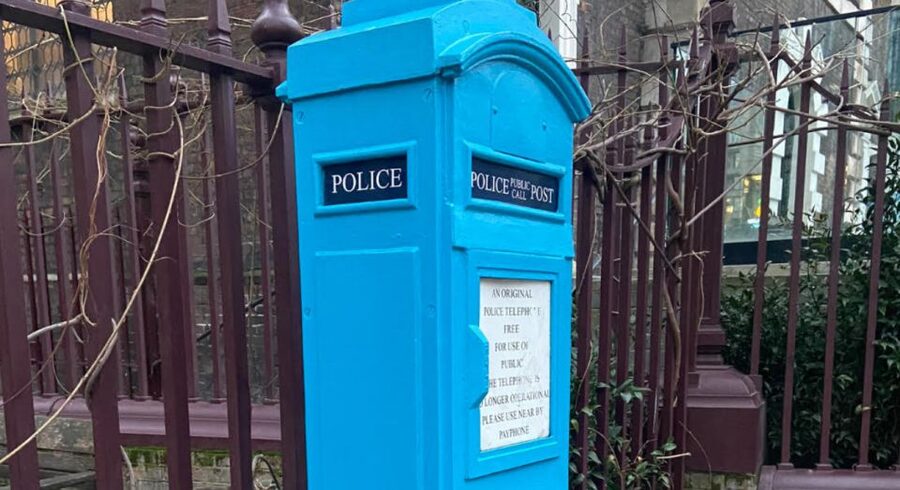
The route continues toward Spitalfields and Old Spitalfields Market. This section gives you a break from a strictly crime-focused narrative and shows how the East End has changed.
Spitalfields Market is a useful landmark because it connects the tour to the area’s continuing public life. You can see a place that has moved through different eras while remaining part of the neighborhood’s identity.
The guide may use the market and surrounding streets to explain the social setting of the period. That makes the tour more than a hunt for murder locations. You begin to see the Ripper case as part of a city shaped by class divisions, poor housing, migration, work, policing, and sensational journalism.
There is also a practical point here. Markets and busy streets can make it harder to hear, especially in a large group. Carolina has been praised for speaking clearly and loudly enough that her explanations were easy to follow. That is the kind of detail that matters more than dramatic presentation.
Brick Lane adds the everyday city
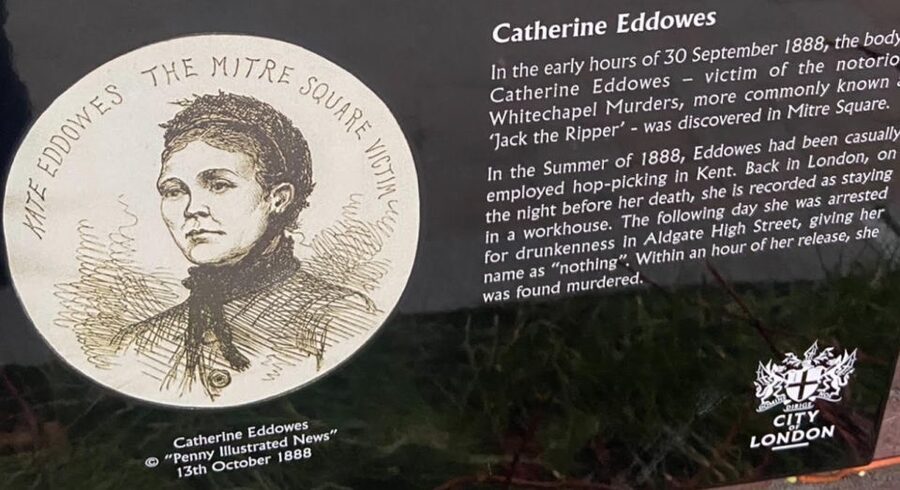
Brick Lane is another useful stop because it shows the East End as a living part of London rather than a frozen crime story. The route connects famous Ripper locations with a street known today for food, shops, and local culture.
I like this contrast. You can think about the Victorian past while seeing the present-day neighborhood carry on around you. It also gives the guide room to explain London’s wider social development and how places change meaning over time.
Do not expect every stop to be a perfectly preserved crime scene. Some locations may feel only loosely connected to the events, and modern London can make the original geography difficult to read. One visitor felt that some stopping points were not closely tied enough to the subject. That is a fair concern if you want every minute to focus directly on confirmed crime evidence.
The route’s broader approach will suit you if you want social history alongside the mystery. If you want a tightly edited crime-scene investigation with little additional context, the market and Brick Lane sections may feel less essential.
The five victims come first
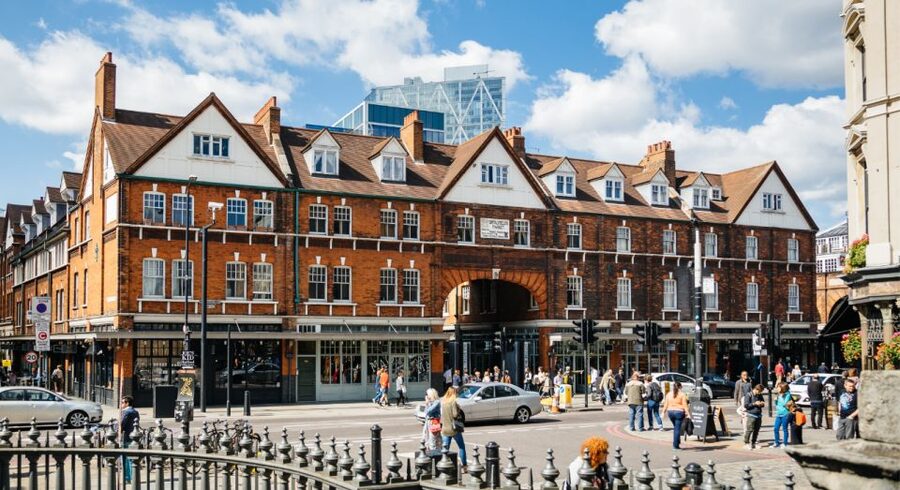
The most praised feature of this walk is its treatment of the victims. The five women commonly known as the canonical five are not reduced to names in a murder puzzle.
A respectful guide presents their lives, the circumstances they faced, and the limits of what can be known about them. That approach changes the tone. Instead of treating Jack the Ripper as a glamorous villain, you are reminded that real women lost their lives in brutal circumstances.
This matters because Ripper tourism can easily become sensational. The experience is strongest when the guide explains the facts without turning suffering into entertainment. The comments about Carolina, Eric or Erik, and other guides point to a consistent preference for human stories and historical accuracy.
The subject includes murder and prostitution, so it is not suitable for young children as a casual family outing. Participation is left to a parent or guardian, but an age of 14 or older is recommended. The guide will not change the material to suit younger children.
The Ten Bells is the natural finish
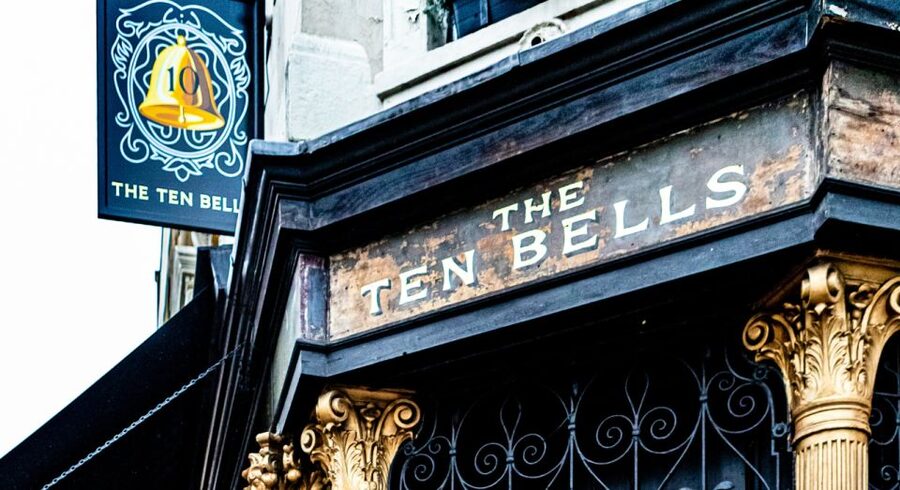
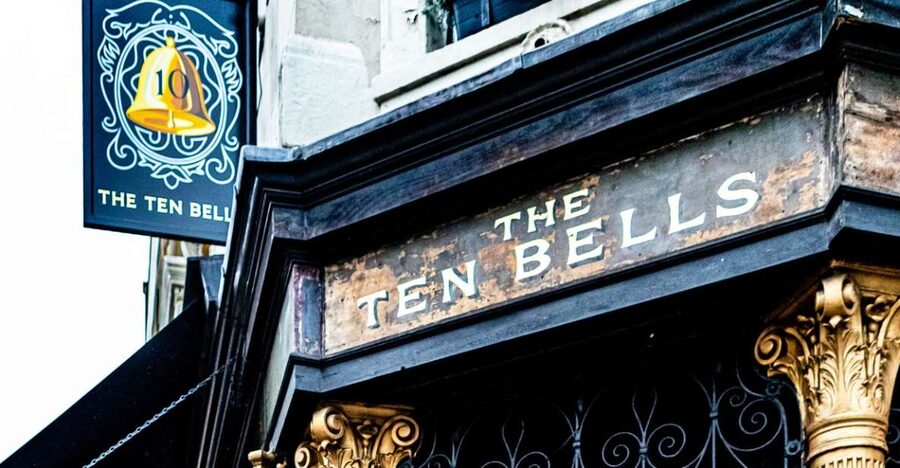
The walk ends at The Ten Bells in Spitalfields. This pub is one of the best-known places linked with the Ripper story and is a fitting final stop.
The tour does not say that a drink is included, so plan to pay separately if you choose to stay. Finishing here gives you the chance to continue thinking about the case in a more relaxed setting, though the pub itself may be busy and the tour does not promise a reserved table or extended indoor talk.
The Ten Bells also makes the weather issue more noticeable. The walk finishes indoors or at least at an indoor venue, but most of the explanation takes place outside. If the forecast is poor, do not assume the pub will serve as a regular shelter during the route.
One useful improvement would be occasional pub stops in severe rain or wind. The walk is fixed at 150 minutes, and standing on wet streets can wear you down even when the guide is strong.
How much walking and how difficult is it?
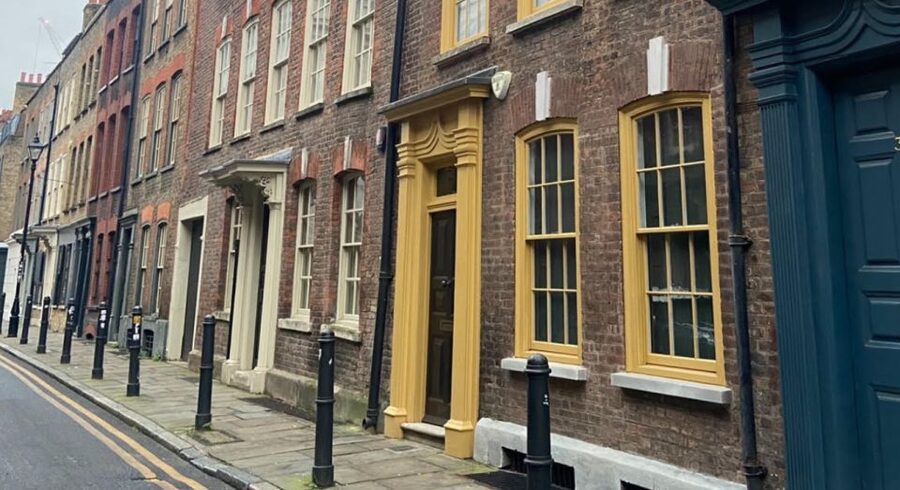
You spend the full two and a half hours walking or standing outdoors. The route covers several areas of the East End, including Whitechapel, Mitre Square, Petticoat Lane, Spitalfields, Old Spitalfields Market, Brick Lane, and the Ten Bells.
The activity is not suitable for wheelchair users, people with mobility impairments, or people with a low level of fitness. Large bags and luggage are not allowed, and pets are not permitted.
Wear shoes that are comfortable for city walking. Bring a waterproof jacket, and check the forecast before setting out. The cold and rain can turn a thoughtful history walk into an uncomfortable endurance test, particularly because there is no stated indoor alternative.
The tour may work better in cool, dry weather than during a storm. In warm weather, remember that you still need to remain outside for long periods, with limited chances to sit.
Is $18 a fair price?
At $18 per person, the tour is reasonably priced for a guided 150-minute walk in central London. You are paying for a live English-speaking guide, local orientation, historical explanation, and access to a route that would be difficult to interpret fully on your own.
The value depends on what you want from the subject. If you already know the case well and want new evidence, the guide’s ability to separate fact from speculation will matter most. If the topic is new to you, the walk offers a clear way to connect names, locations, police work, and Victorian society.
You are not paying for transport, food, or a private indoor presentation. The price covers the walking tour and the guide. A drink at the Ten Bells is an optional extra, and you should budget for it separately.
Free cancellation is available up to 24 hours before the tour for a full refund. You can also reserve now and pay later, which helps if your London plans are still shifting.
Who will enjoy this Whitechapel walk?
I would recommend it to adults and older teenagers who like true crime, urban history, and unsolved mysteries. It is also a good choice if you want to see the East End while learning how Victorian London shaped the case.
You should book it if you prefer:
- Historical explanation over ghost stories
- Respectful attention to the victims
- Real locations rather than a museum display
- A walking route that includes markets and streets of modern East London
- A guide-led discussion of competing theories
You may want a different activity if you dislike murder-related subjects, have difficulty walking or standing for 150 minutes, or want a fully indoor experience. It is also a poor match for a rainy day if you are not prepared to remain outside.
The guide names associated with particularly strong sessions include Carolina, Eric, Erik, and Adam. Guides can vary by departure, so you should not assume a specific person will lead your tour unless the booking details confirm it.
Should you book the Jack the Ripper Walking Tour?
Book it if you want a serious, location-based look at the Ripper case, especially one that gives the five victims more attention than the killer. The combination of Mitre Square, Whitechapel, Spitalfields, Brick Lane, and the Ten Bells gives you a useful view of both the crime story and the East End around it.
Skip it if you need shelter, have limited mobility, or prefer a short, theatrical scare. For the best experience, choose a dry forecast, meet at the correct Aldgate station, wear good walking shoes, and arrive ready for mature subject matter.
At $18, it offers solid value for an informed guide and a long walk through one of London’s most discussed crime stories. Its real strength is not solving the mystery. It is helping you understand the women, the neighborhood, and the Victorian city behind it.
FAQ
Where does the Jack the Ripper tour start?
The tour starts beside Hotel Saint at 9 Aldgate High Street, London, EC3N 1AH. Meet at Aldgate Station, not Aldgate East Station. The guide will be holding a yellow umbrella.
How long does the tour last?
The walking tour lasts 150 minutes, or two and a half hours.
Where does the tour finish?
The tour finishes at The Ten Bells pub in Spitalfields.
Is a drink at The Ten Bells included?
The tour includes the guided walk, but the provided information does not state that a drink is included. You should expect to pay separately for any drink.
What language is the tour conducted in?
The live tour guide conducts the experience in English.
Is the tour suitable for children?
The tour covers murder and prostitution. Children’s participation is left to a parent or guardian, but an age of 14 or older is recommended. The guide will not adjust the content for children attending.
Is the tour suitable for wheelchair users?
No. The experience is not suitable for wheelchair users, people with mobility impairments, or people with a low level of fitness. Pets and luggage or large bags are also not allowed.
New listings around London
- London: Secrets of Freddie Mercury Tour with a Cocktail★ 4.1 · 15 reviews
- London: Hampton Court Private Guided Tour★ 3.4 · 15 reviews
- London: Jack the Ripper Tour and Underground Prison in Spanish★ 5.0 · 15 reviews
- Spanish Language : Original Harry Potter Walking Tour★ 4.5 · 15 reviews
- London: Private Couples Photography Session with Landmarks★ 5.0 · 15 reviews
- London: The Saturday Supershow Cabaret at Phoenix Arts Club★ 4.5 · 15 reviews
- London: 2-Hour Guided Tour of the British Museum★ 4.7 · 16 reviews
- London’s Ghosts & Gruesome Past Nighttime Walking Tour★ 4.8 · 16 reviews
London Tours, compared.

Westminster to Greenwich River Thames Cruise
Read our review →
Magical London: Harry Potter Guided Walking Tour
Read our review →


Warner Bros. Studio Harry Potter Tour with Transfers
Read our review →Browse the lists this tour appears in