Reviewed · LONDON TOURS
London: The Birthplace of The Rolling Stones Private Tour
The most useful thing about this Rolling Stones tour is that it follows the band before the stadium years. You begin near Earl’s Court, where the group’s earliest London story took shape, then ride west to Putney, Barnes, and Richmond, the places where the band found its sound, audience, and first real break.
I like the small private group, capped at seven, and the way early photographs and Stones music give the bus ride a sense of place. I also like the guide, Paul, who has lived in Richmond for more than 45 years and brings plenty of personal knowledge to the local stops. The main drawback is the price: $485 per group is fair for a full small group, but expensive if only one or two people are sharing it.
Key points about the Stones’ early London
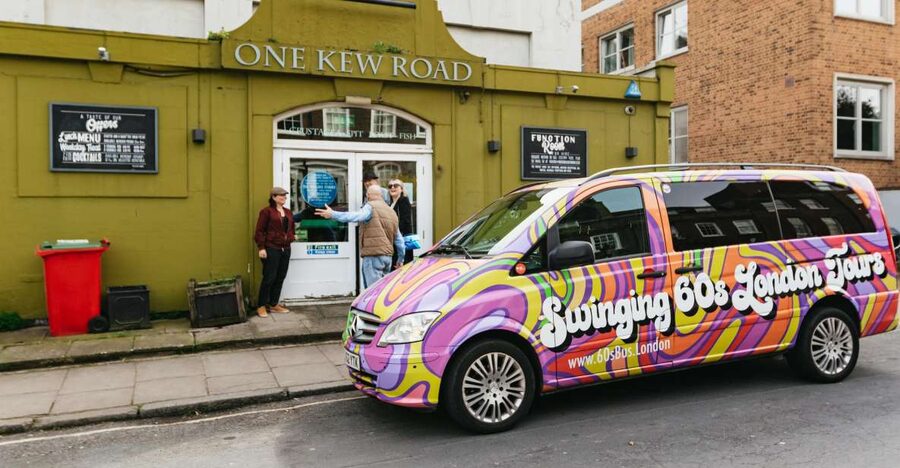
- Earl’s Court begins the story: See the area tied to the band’s name, first rehearsals, and Bill Wyman’s early audition.
- The Half Moon in Putney adds a working-band feel: The Stones performed at this pub as recently as 2000.
- Olympic Studios in Barnes connects the early band to its records: The group recorded its first six albums there.
- Richmond is the main chapter: Visit places linked to their homes, free time, audience, and first residency.
- The Station Hotel marks several turning points: It was tied to their first residency, first meeting with The Beatles, Decca Records, and Andrew Loog Oldham.
- The format stays personal: You travel by air-conditioned minibus with early Stones music, photographs, and a live English-speaking guide.
Why the early Stones story starts in West London
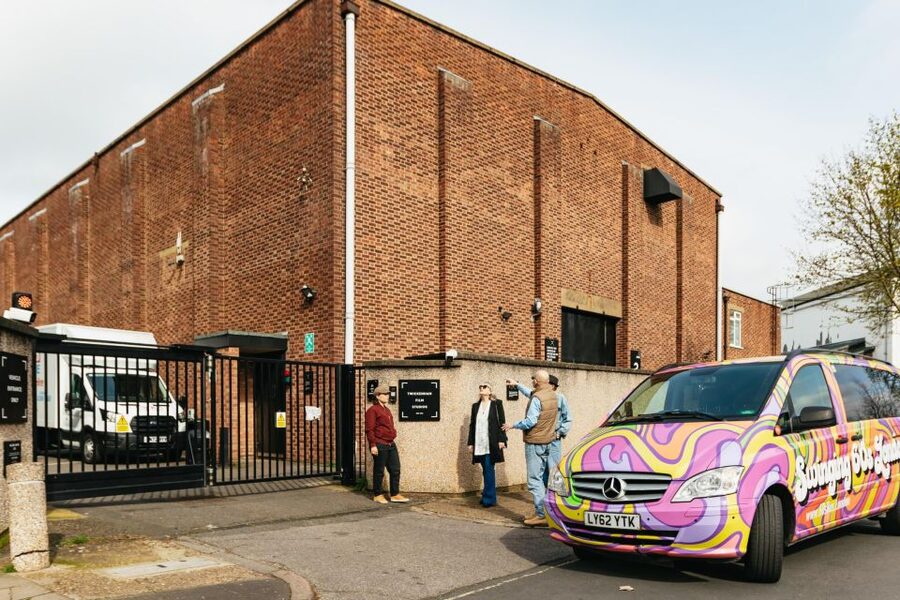
Many music tours rush toward famous album covers and major concert halls. This one takes a better route for understanding the band. It looks at the uncertain beginning, when The Rolling Stones were still a young blues group trying to find regular work and a loyal crowd.
The group was conceived at the Ealing Club in 1962. That detail matters because the Stones did not appear fully formed. They grew out of the early 1960s, a time when young musicians were testing old social rules, listening to American blues and rhythm and blues, and building new scenes in small clubs.
You will not spend three hours inside a museum. Instead, the tour uses London streets, pub exteriors, recording history, and spoken stories to show how a band becomes part of a city. The point is not only where the members lived. It is how they found places to rehearse, perform, meet other musicians, and get noticed.
That makes this a good choice for fans who already know the big songs but want the before they were famous chapter. You get a clearer sense of the steps between a local club act and a band with a record deal and a new manager.
A handful of other London outings to weigh up
- From London: Harry Potter Warner Bros Studio Tour
★ 4.7 · 26,588 reviews - London: Westminster to Greenwich River Thames Cruise
★ 4.5 · 22,836 reviews - Magical London: Harry Potter Guided Walking Tour
★ 4.7 · 22,044 reviews
Starting at Earl’s Court and following the band’s first steps
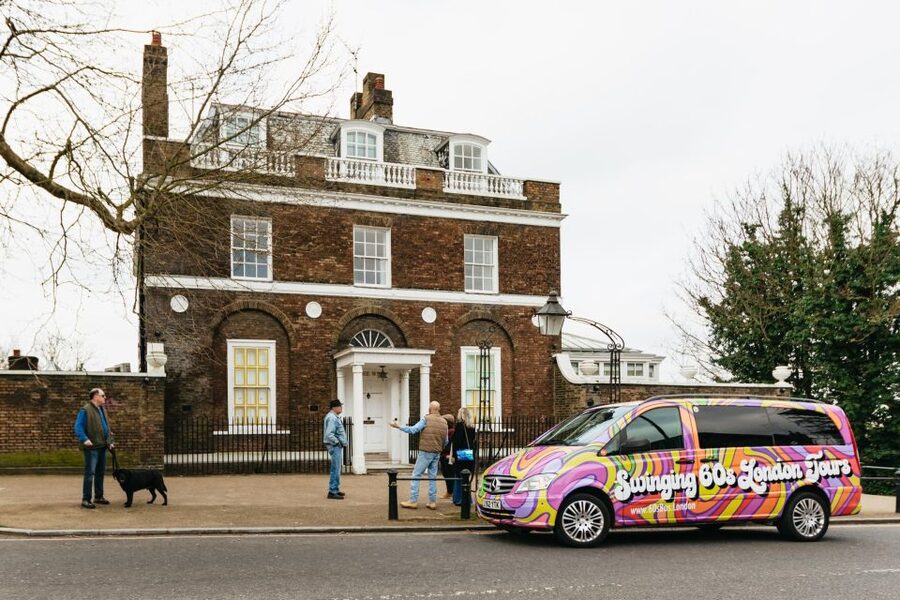
The meeting point is outside Earl’s Court tube station on Earl’s Court Road. Look for the psychedelic minibus parked as close to the station entrance as possible. This is a practical start because you do not need to find a tucked-away pub or a private address.
Earl’s Court is linked to the moment Brian Jones gave the band its name in 1962. The area also connects to the group’s first rehearsals and to the audition for Bill Wyman. Those details turn a familiar Tube stop into an opening scene in the Stones story.
The stop is especially useful if you are interested in the band’s lineup taking shape. Bill Wyman was not simply a later addition in a long list of names. His audition became part of the early formation of the group you know today.
Your guide adds spoken context as you travel. Paul is the named guide associated with this experience, and his long connection to Richmond is a real advantage once the route reaches the west London neighborhoods. The tour is conducted in English, so you should be comfortable following a fast-moving music story in that language.
The Half Moon in Putney, a pub with working-band roots
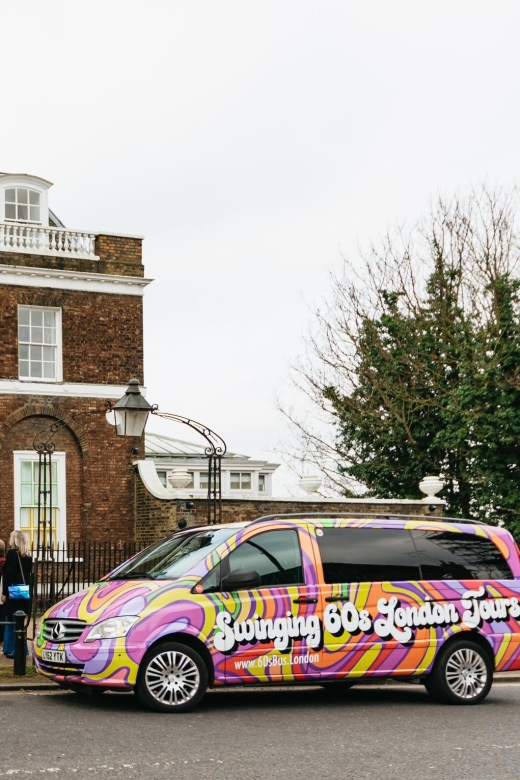
The next stop is the Half Moon pub in Putney. The Rolling Stones played there as recently as 2000, which gives the venue a useful link between the band’s early club days and its later career.
A pub stop can sound modest beside a recording studio or a famous concert hall. I think that is part of its value. The Half Moon represents the kind of venue where a band builds a following one performance at a time. It helps you picture the Stones as a live act earning attention rather than as a distant brand.
The tour does not list an admission to the pub or a separate drink stop, so you should think of this as a sightseeing and storytelling visit. Do not count on a long sit-down break unless your guide says otherwise. The three-hour schedule has several locations to cover, and the emphasis is on the story.
For fans, the pub also adds a useful time span. The band’s relationship with the venue did not end in the 1960s. Their appearance there in 2000 shows how some London music places continued to matter to them decades after the first wave of success.
Olympic Studios in Barnes and the sound of the first six albums
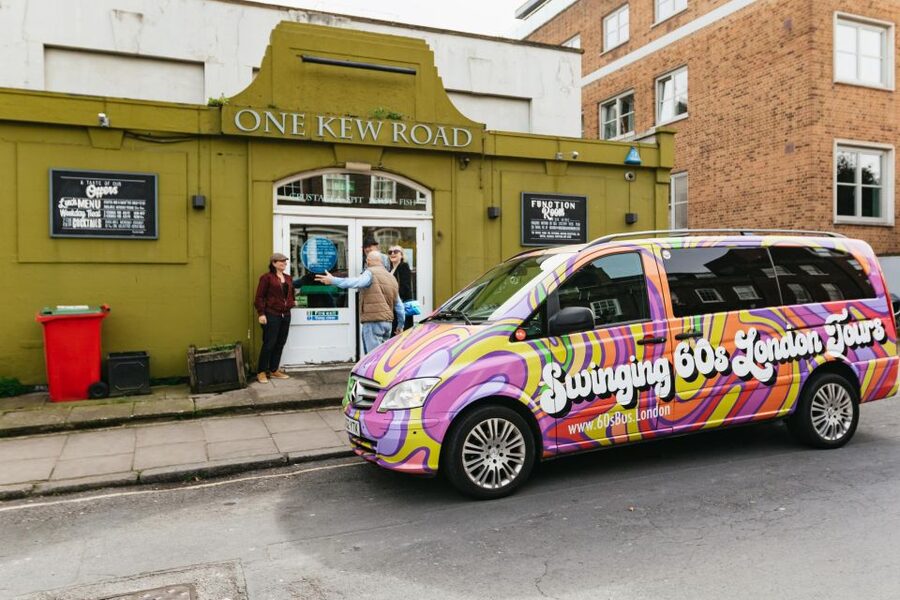
The minibus then takes you to Olympic Studios in Barnes. This is one of the strongest stops for anyone who cares about the music itself, because The Rolling Stones recorded their first six albums there.
A recording studio is not just another address. It is where songs became finished records, where performances were shaped for listeners beyond the club circuit, and where the band’s early sound gained a wider reach. Seeing the studio location helps connect the raw club beginnings to the records that carried the group across Britain and beyond.
The experience includes early Rolling Stones music played on the minibus. That is a smart touch here. You can hear the music while moving between the places tied to its creation, rather than treating the stop as a silent photo opportunity.
The available details do not promise an interior studio visit. Plan on seeing the location from the tour route and hearing its story from the guide. That distinction is important if you are expecting a working studio tour or access behind closed doors. The value comes from the setting and the explanation, not from a scheduled recording session.
Elsewhere in London, a change of pace:
- London: Madame Tussauds London
★ 4.6 · 20,915 reviews - London: Warner Bros. Studio Tour with Transfers
★ 4.7 · 17,586 reviews - London: Tower Bridge Entry Ticket
★ 4.7 · 15,560 reviews - London: St Paul’s Cathedral Entry Ticket
★ 4.7 · 9,813 reviews
Richmond, where the band found an audience
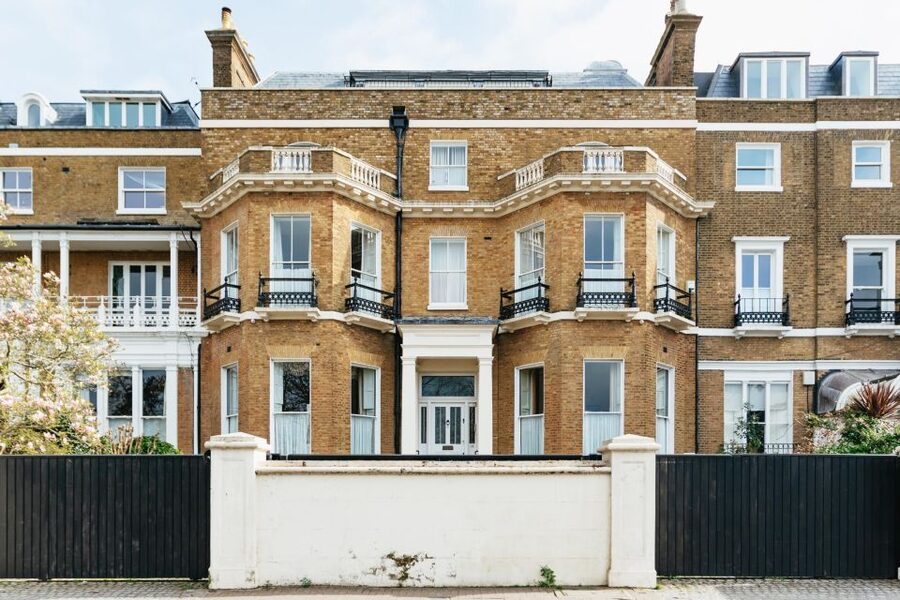
Richmond is the heart of the route. The band lived there, spent time there, and found an audience there. It was also where the group’s early career took a major step forward.
This part of the tour benefits most from Paul’s local connection. He has lived in Richmond for more than 45 years, so the area is not simply a backdrop on a map. His personal anecdotes and long familiarity with the town can help fill in the spaces between the headline facts.
The tour uses early photographs to support the stories. That matters because many of the places have changed, and a current street view alone may not show what the band saw. A photograph can put the older setting back in front of you while the guide explains what happened there.
You will hear about homes, hangouts, and venues linked to the group’s rise. The route is less about one grand monument and more about seeing how several ordinary-looking places formed a working circuit for young musicians. That is often the best kind of music sightseeing. It puts fame back into a real neighborhood.
The Station Hotel and the band’s first major break
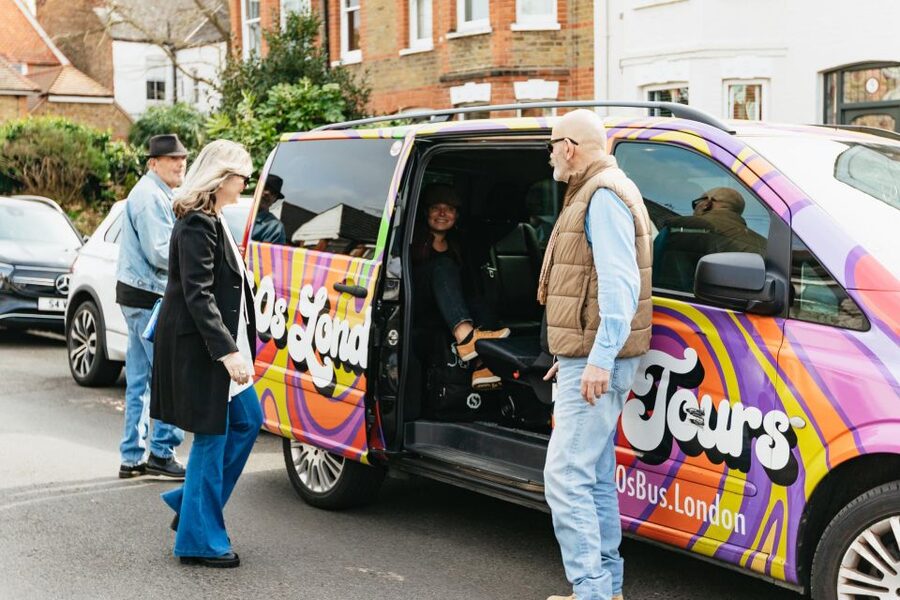
The Station Hotel in Richmond is one of the most important pieces of the tour. It was where The Rolling Stones secured their first residency, met The Beatles for the first time, signed with Decca Records, and came under the management of Andrew Loog Oldham.
Those are four separate turning points gathered around one venue. The residency gave the band a regular platform. Meeting The Beatles placed them in the same emerging music world as another group about to reshape popular culture. The Decca signing created a recording path, and Oldham’s management helped push the Stones toward a bigger public identity.
This is the point where the tour’s social context becomes important. The early 1960s were not just a backdrop. The climate for change helped make room for new music, new youth culture, and bands that did not fit the neatest version of pop respectability.
The guide’s job here is to show how chance, place, and timing worked together. The Stones needed songs and stage skill, but they also needed a venue, an audience, a record company, and someone willing to market them in a distinctive way.
You should not expect the Station Hotel stop to function like a major attraction with an elaborate display. Its importance is historical and musical. The reward comes from understanding what happened there and how quickly the group’s prospects changed.
A private minibus makes the three-hour route workable
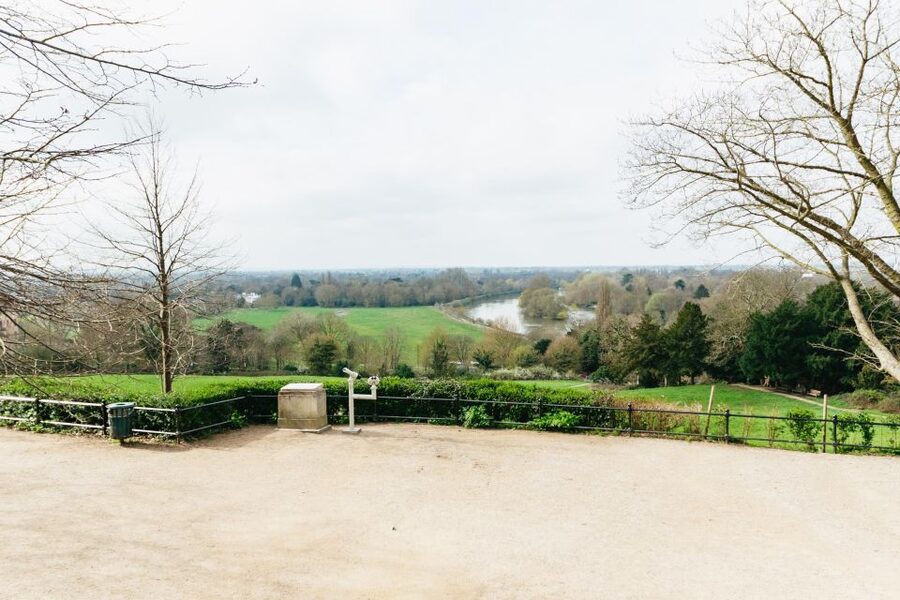
The tour uses an air-conditioned minibus for private groups of up to seven people. That format matters because the stops spread across Earl’s Court, Putney, Barnes, and Richmond. You are not trying to piece together several Tube journeys and bus rides while keeping track of a tight schedule.
A small group also gives the tour a more personal shape. You can ask about a particular song, member, recording, or venue without speaking over a large crowd. The experience includes early Stones music, supporting photographs, and live narration, so the vehicle becomes part transport and part listening room.
The three-hour length is about right for the route. It gives you enough time to cover several chapters without turning the outing into a full-day commitment. Still, you should expect a moving tour with short visits, not long periods at every location.
The tour description does not promise extensive walking, indoor access, food, or drinks. I would wear comfortable shoes anyway, since you may stand briefly at stops and around station areas. Bring your interest in the band, not expectations of a concert or museum exhibition.
Glass objects are not allowed. Children under 11 are not suitable for the experience, so this is aimed at older children, adults, and serious music fans.
Is $485 good value for a private group?
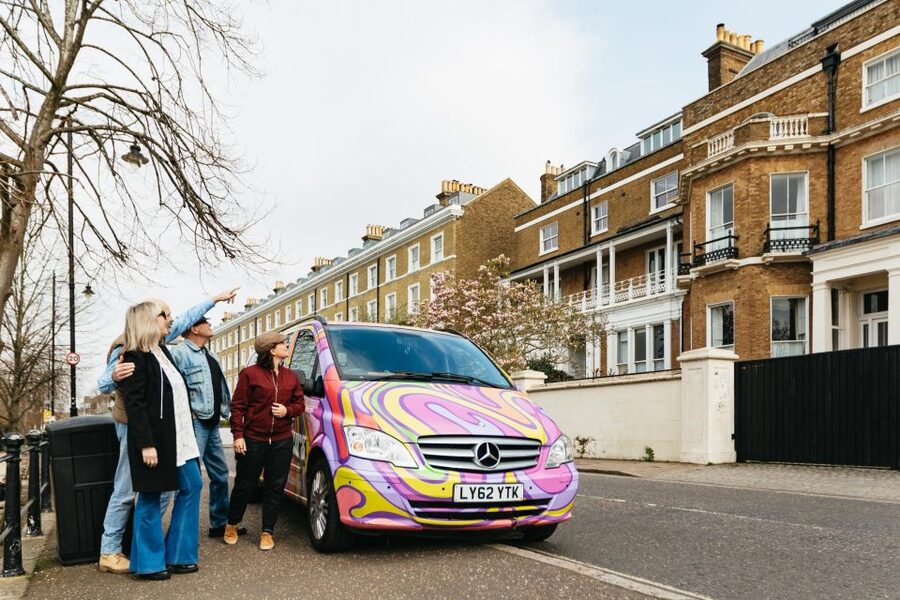
The price is $485 per group of up to seven people. That works out to about $69 per person if you fill every seat, before considering any exchange-rate changes or booking conditions.
At full capacity, the price is reasonable for a three-hour private tour with transport, a dedicated guide, music, photographs, and no extra entry costs. You also avoid paying separately for admissions along the route, since no additional entry fees are required.
For two people, the calculation changes. You are paying for the privacy, the minibus, and the guide rather than for a per-person ticket. That can still be worthwhile for committed Stones fans, couples marking a special trip, or visitors who value a custom-feeling outing. It is harder to justify if you only have a casual interest in the band.
The strongest value comes from access to a route that is not limited to the usual famous London music addresses. You see early homes, local haunts, a pub, a studio location, and Richmond venues tied to the band’s first following. If you want a large attraction with displays and objects, spend your money elsewhere. If you want place-based storytelling with your own small group, this format makes more sense.
Who will get the most from this Stones tour?
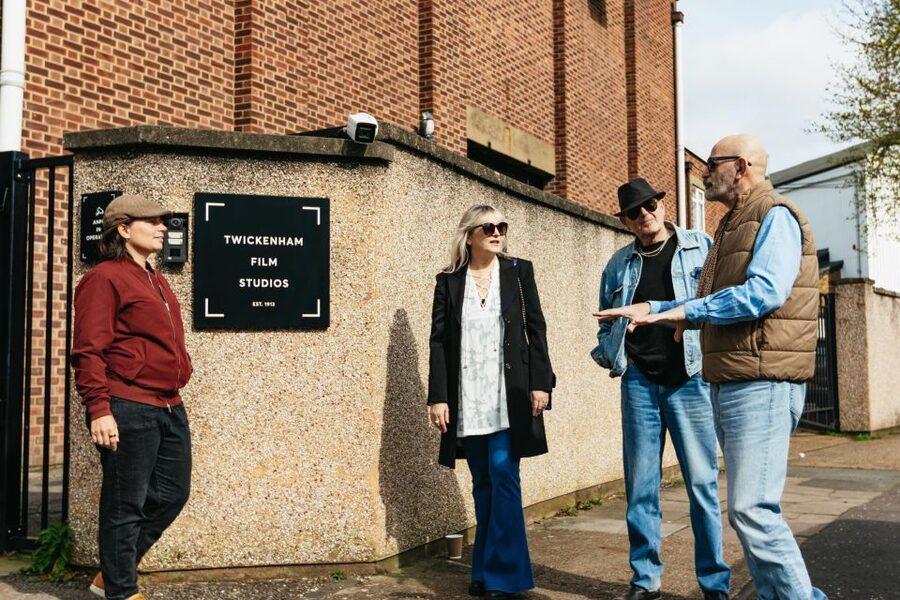
I would recommend it first to fans who can name more than the biggest hits and want to understand the band’s early working life. The tour is also a good fit if you care about London music scenes, British pop in the early 1960s, or the connection between small clubs and major record deals.
You will get more from the experience if you listen to some early Stones music before arriving. Since the tour includes early tracks on the minibus, the stops will mean more when you recognize the sound changing from one period to another.
The tour suits a group of friends or family members who already agree on the subject. A private group of seven can keep the discussion focused and makes the high flat price easier to share.
I would be more cautious if you are looking for a general London sightseeing tour. The route is tightly focused on The Rolling Stones and related early music stories. It is not designed to cover Westminster, central London landmarks, or a broad list of rock attractions.
Language matters, too. The guide speaks English, and the stories appear to be a major part of the experience. You should be ready to listen closely, especially if you want to catch the personal anecdotes and links between the locations.
Book this tour if the places matter as much as the songs
I would book this for a committed Stones fan, especially with four to seven people sharing the cost. The best parts are the route through Richmond, the Station Hotel connections, Olympic Studios, and Paul’s long local knowledge.
I would skip it if you mainly want an indoor exhibition, a live performance, or a cheap group excursion. The tour’s pleasure comes from seeing real streets and venues while an enthusiastic guide explains why they mattered.
For the right person, this is a sharp, focused way to follow The Rolling Stones before the fame became enormous. You leave with a clearer picture of the band as young musicians finding rooms, audiences, and opportunities across west London.
FAQ
Where does The Rolling Stones tour begin?
The tour begins outside Earl’s Court Tube station on Earl’s Court Road. Look for the psychedelic minibus parked as close to the station entrance as possible.
How long does the tour last?
The tour lasts three hours.
How many people can join the private group?
The private minibus can accommodate up to seven people.
What language is the tour conducted in?
The live tour guide speaks English, and English is the listed tour language.
Who is the guide?
The guide associated with the experience is Paul. He has lived in Richmond for more than 45 years and shares stories, early photographs, music, and personal anecdotes.
Which Rolling Stones locations are included?
The route includes Earl’s Court, the Half Moon pub in Putney, Olympic Studios in Barnes, and several places in Richmond linked to the band’s homes, hangouts, venues, and early audience.
Why is Olympic Studios important?
The Rolling Stones recorded their first six albums at Olympic Studios in Barnes.
What happened at the Station Hotel in Richmond?
The band secured its first residency there, met The Beatles for the first time, signed with Decca Records, and came under the management of Andrew Loog Oldham.
Is transport included?
Yes. Transport is provided in an air-conditioned tour bus for the private group, along with early Rolling Stones music and an experienced guide.
Are there extra entry costs?
No additional entry costs are required for the tour.
Is the tour suitable for young children?
The experience is not suitable for children under 11.
What items are not allowed?
Glass objects are not allowed.
Can I cancel the booking?
You can cancel up to 24 hours in advance for a full refund.
Can I reserve now and pay later?
Yes. You can reserve your place and pay later, keeping your travel plans flexible.
New listings around London
- London: Bermondsey Craft Brewery Tour★ 5.0 · 3 reviews
- Colourful Notting Hill Photography Tour★ 5.0 · 3 reviews
- The London Historic Pubs Tour★ 4.0 · 3 reviews
- Ultimate Royal London, Thames River Boat Ride & Walking Tour★ 5.0 · 3 reviews
- London: Wallace Collection & National Gallery Private Tours★ 5.0 · 3 reviews
- Historic pub tour with Brazilian guide (in Portuguese)★ 5.0 · 3 reviews
- London: Royal Tour with Westminster Abbey & Afternoon Tea★ 3.0 · 3 reviews
- Royal London: from Tudors & Stuarts to Windsors Walking Tour★ 5.0 · 3 reviews
London Tours, compared.

Westminster to Greenwich River Thames Cruise
Read our review →
Magical London: Harry Potter Guided Walking Tour
Read our review →