
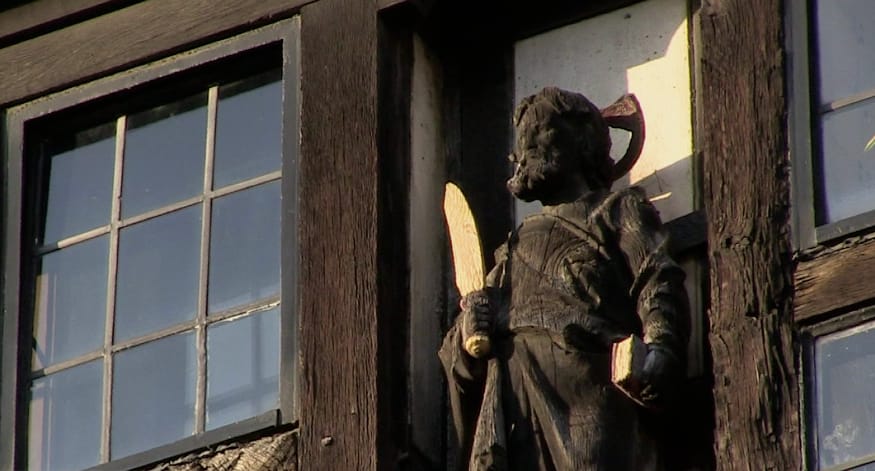
Reviewed · LONDON TOURS
Secret Old London Walking Tour
London’s modern towers can hide a grimmer city beneath your feet. This 1.5-hour walk leads you from Barbican through plague grounds, execution sites, medieval churchyards, a bombed church shell, and the location of a Roman amphitheatre. It is history with plenty of guts, gore, and atmosphere.
I like the way the tour visits places you could easily pass without noticing, especially Charterhouse Square and the remains of the Roman amphitheatre. I also like the guides’ lively delivery. Rosie, Jess, Pepe, Jeremy, and Jesse are all praised for making difficult history easy to follow. The main drawback is the brisk 90-minute format. There is a lot to absorb, and one winter review wished for less time looking at pictures and more walking to stay warm.
Key points at a glance
- Start at Barbican: Meet outside Barbican Underground Station and enter one of London’s most history-packed districts.
- Plague and executions: Charterhouse Square and Smithfield reveal the city’s harsh medieval past.
- St Bartholomew the Great: See one of London’s finest medieval churches, known to many from Four Weddings & A Funeral and Sherlock Holmes.
- Roman London beneath the streets: Locate the perimeter of the city’s long-lost Roman amphitheatre.
- Quiet memorials and wartime ruins: Visit a touching memorial and the shell of a church destroyed during the Blitz.
- Good value for history fans: At $26 per person, the price is modest for a focused guided walk through central London.
Why this walk feels different from a standard London tour
This is not a greatest-hits walk past Buckingham Palace, Westminster Abbey, and the Tower of London. It concentrates on the City of London, the old commercial core, where modern office blocks sit beside fragments of medieval and Roman London.
That contrast gives the tour its character. You might be standing beside a quiet garden one moment, then hearing how the same ground once served a very different purpose. Streets have been repaired and rebuilt, but their shape and odd corners still hint at older uses.
The tone is dark, though not joyless. You will hear about disease, public punishment, executions, war, and death. The guides add humor and practical context, which helps keep the material from becoming heavy. If you prefer kings, grand interiors, and polished museums, this may not be your first choice. If you enjoy stories about how ordinary people lived and died, it is a strong pick.
The 4.8 rating from 154 reviews fits the experience described by the available feedback. The most consistent praise concerns the guides’ energy, clear storytelling, and command of London’s past. Several people who live or work in London also came away with new information, which tells you this is not only for first-time visitors.
More Walking Tours in London
- Magical London: Harry Potter Guided Walking Tour
★ 4.7 · 22,044 reviews - London: The Original Jack the Ripper Walking Tour
★ 4.7 · 7,833 reviews - London: Harry Potter Movies Walking Tour (Kids Go Free)
★ 4.7 · 3,071 reviews
From Barbican to Charterhouse Square
The meeting point is outside Barbican Underground Station. This is a sensible starting place, since the Barbican area gives you an immediate lesson in how London layers its past and present.
From here, the walk heads toward Charterhouse Square. Today, the square has a calm, almost removed feel. Six hundred years ago, it was associated with the disposal of victims of the Black Death, one of the worst disease outbreaks in European history.
That change in atmosphere is one of the tour’s first effective moments. You are not simply looking at a plaque and moving on. The peaceful setting makes the earlier use of the ground harder to picture, and the guide’s job is to connect the quiet square with the fear and disorder of medieval London.
This stop also shows why a walking tour helps. A book can tell you where plague victims were buried. A guide can point out how the space sits within the old city and explain why this particular area mattered. The visit does not require a long museum stop, so the tour keeps moving while giving you a strong sense of place.
You should wear comfortable shoes from the start. The tour is only 90 minutes, but it is a continuous walk with repeated stops. You will want footwear that works on city pavements and does not distract you from the stories.
Smithfield and the city’s public punishments
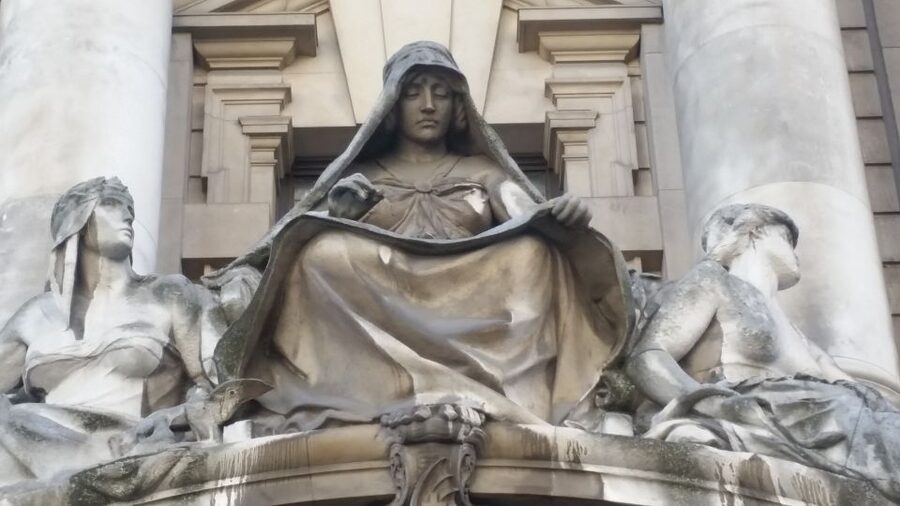
The next major setting is Smithfield, an open space with a long connection to markets, medieval jousts, and public executions. This is where the tour’s darker title earns its keep.
Smithfield was one of London’s principal execution sites. The walk places you near the spots where condemned people met their end, including William Wallace, the Scottish hero associated with the film Braveheart.
One useful point to keep in mind is that the tour focuses on the setting and the stories rather than turning the walk into a theatrical horror show. The aim is to help you understand how public punishment once worked in the city. Executions were not hidden away. They were public events, drawing crowds and reinforcing the power of the authorities.
This can be confronting, particularly for younger children, which is why the activity is suitable for people over 12. The subject matter is part of the appeal, but it is worth knowing what you are signing up for before booking.
One booking from March 2025 noted that William Wallace was not mentioned, despite being part of the advertised material. That is a small but useful warning: the exact balance of stories can depend on the guide and the pace of the group. If Wallace is your main reason for booking, ask about it at the start rather than assuming it will receive extended attention.
St Bartholomew the Great, medieval London in plain sight
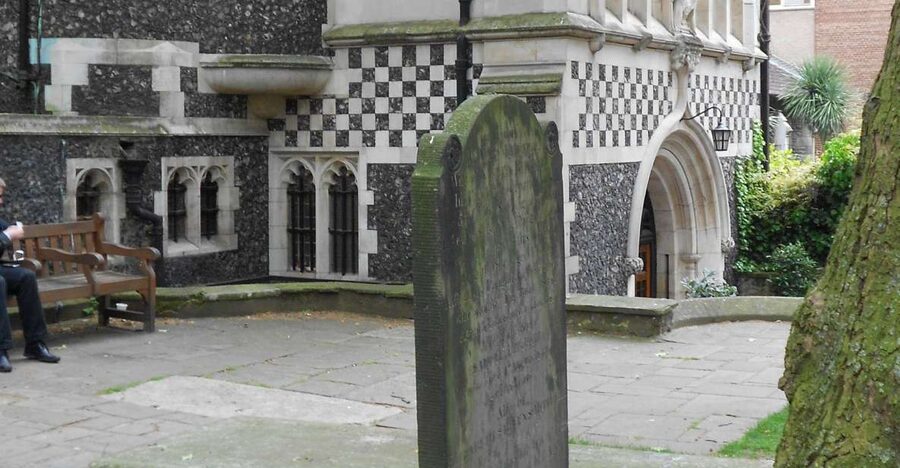
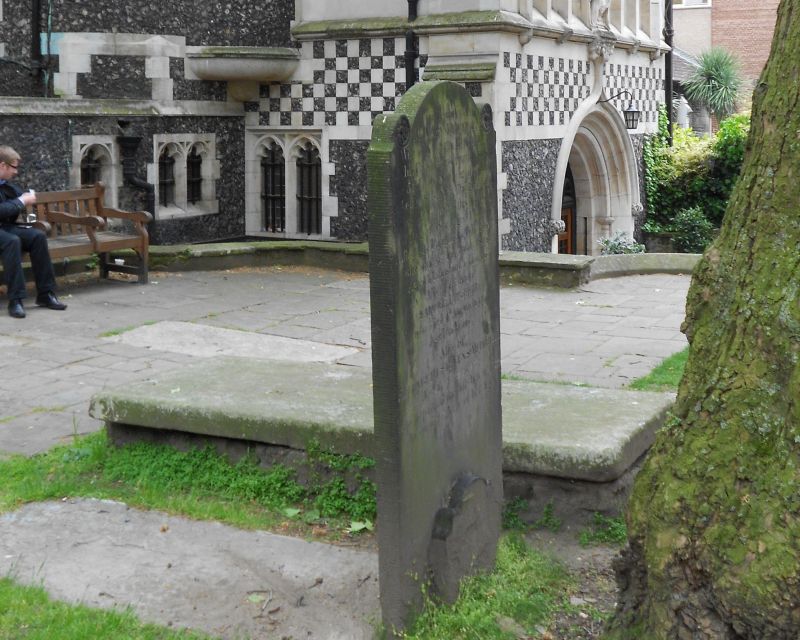
Between the plague ground and Smithfield is St Bartholomew the Great, one of London’s most important medieval churches. It is also a familiar screen location, having appeared in Four Weddings & A Funeral and Sherlock Holmes.
The church gives the walk a welcome change of mood. After the open spaces and grim stories around Smithfield, you move into a place where medieval architecture remains visible and tangible. The building helps you picture the religious institutions that once shaped daily life in this part of London.
Guides also use the area to discuss monasteries, church foundations, architecture, and the way London’s language and politics developed. Rosie, in particular, received praise for connecting history with those wider subjects instead of giving a narrow list of dates.
That broader approach matters. You are not just learning that a church is old. You are getting clues about why it survived, what role religious communities played, and how the surrounding district changed. The stories can come quickly, though. One person found the information excellent but difficult to remember in full, so I recommend choosing one or two details at each stop rather than trying to retain everything.
Elsewhere in London, a change of pace:
- From London: Harry Potter Warner Bros Studio Tour
★ 4.7 · 26,588 reviews - London: Westminster to Greenwich River Thames Cruise
★ 4.5 · 22,836 reviews - London: Madame Tussauds London
★ 4.6 · 20,915 reviews - London: Warner Bros. Studio Tour with Transfers
★ 4.7 · 17,586 reviews
A church shell left by the Blitz
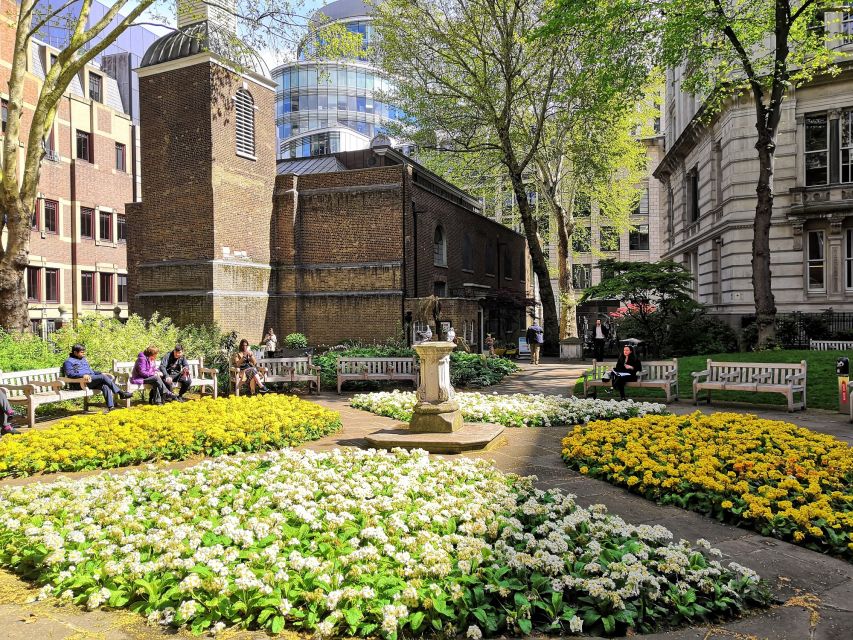
Another stop takes you through the shell of a church destroyed during the Blitz. The remains offer a direct reminder that London’s history did not end in the medieval period.
The ruined church is especially effective because it places wartime destruction inside the same walk as plague and Roman London. The city’s story is not a straight line from old to new. It is a series of breaks, repairs, losses, and survivals.
You should expect an outdoor visit rather than a full church tour. The value lies in seeing what remains and hearing how the site fits into the wider history of the City. It is a brief stop, but one that gives the route emotional range.
This is also one reason the walk works well for people who already know central London. The modern city can make old sites hard to spot. A guide draws your attention to a church shell, a courtyard, or a line in the street that might otherwise pass unnoticed.
The memorial to self-sacrifice
The tour also visits a park containing a memorial to heroic self-sacrifice. The information provided does not specify the person or event commemorated, but the stop is described as one of the walk’s most touching moments.
That balance between gore and compassion is important. The tour is not simply a parade of executions and plague. It also asks you to notice courage and selflessness in a quiet public space.
The park setting gives the group time to pause. After the intensity of Smithfield and the wartime church ruins, a small memorial can have more effect than another grand monument. You are encouraged to look closely and consider the individual story rather than only the broad sweep of London’s past.
Finding the Roman amphitheatre
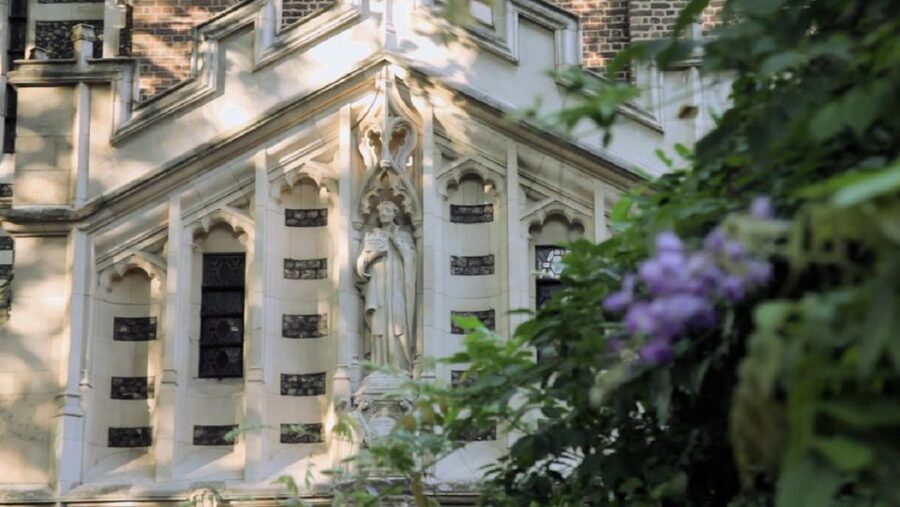
The final major theme is Roman London. The walk takes you to the location of the city’s long-lost Roman amphitheatre and helps you locate its perimeter.
You should set your expectations correctly. This is not a complete ancient arena rising above the street. The appeal is in understanding where the amphitheatre once stood and recognizing how Roman London survives through traces, outlines, and buried remains.
For many people, this is the most satisfying part of the route. Roman London can feel abstract when you only see artifacts in a museum. Standing at the former perimeter gives you a physical sense of the city’s size and organization.
It also reinforces the tour’s main lesson: London’s past is often present but easy to miss. You need someone to point out the evidence and explain what the modern buildings have covered or replaced.
The guides make the difference
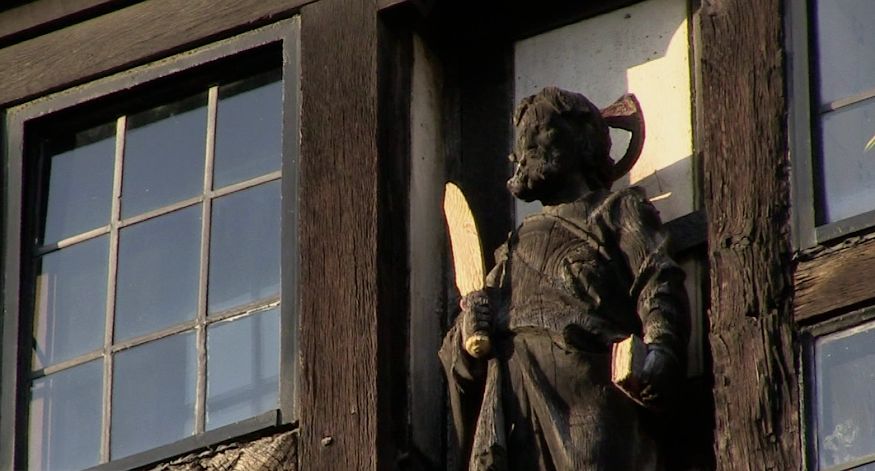
The experience depends heavily on the guide. That is normal for any walking tour, but it matters especially here because the route is built around storytelling.
The guides named in the feedback include Rosie, Jess, Pepe, Jeremy, and Jesse. Their styles may differ, but the strongest pattern is lively, well-prepared delivery. Rosie is praised for connecting history with politics, architecture, language, monasteries, and gardens. Jess is described as funny, approachable, and deeply familiar with the area. Pepe is noted for broad knowledge of London, while Jeremy is praised for making the presentation entertaining.
You should expect a talk rather than a silent escort from one place to another. The guide may use pictures to show how a site once looked. This helps with lost buildings and Roman remains, but it can also slow the walking pace. On a cold day, bring an extra layer. One winter booking found the tour worthwhile but wished for less time standing with images.
The group format is also worth considering. You will be listening in public spaces, not sitting in a heated room. Keep close enough to hear and be ready for the guide to move on after each explanation.
Price, pace, and practical value
The cost is $26 per person, with the guide included and refreshments excluded. For London, that is a reasonable price for a dedicated 90-minute walk, particularly if you value local context more than a long list of major landmarks.
The value comes from the selection of places. You are not paying simply to walk through familiar streets. You are paying for the links between plague, religion, public punishment, wartime destruction, and Roman London.
At 1.5 hours, the tour also fits neatly into a busy day. You could pair it with another City of London visit, though I would avoid scheduling something that requires an immediate cross-town transfer. The route has enough material to keep your attention, and the timing leaves room for lunch or another nearby stop afterward.
There are limits. The tour does not include food or drinks, and you should not bring luggage or large bags. Video recording is not allowed. Pets are not permitted, except guide dogs. The walk is wheelchair accessible, but the route’s many outdoor stops and street conditions still make it sensible to confirm any personal mobility needs before booking.
Cancellation is flexible: you can cancel up to 24 hours ahead for a full refund. You can also reserve now and pay later, which helps if your London schedule is still shifting.
Who should book this London history walk?
I would choose this tour if you want:
- Unusual City of London sights that are easy to miss on your own
- Medieval and Tudor stories with a darker edge
- Roman history presented at the actual city site
- A guide-led walk rather than a museum visit
- A short activity that fits into a larger London itinerary
- Fresh material even if you live in London or have visited many times
It suits adults, older teenagers, history fans, film-location followers, and people who enjoy atmospheric places. It can also work well for a team outing or a London weekend with friends.
I would think twice if you dislike discussions of executions, plague, or death. The route is not designed as a gentle introduction to London. It also may not suit you if you need frequent indoor rests or prefer a slow stroll with little commentary.
For the best experience, wear comfortable shoes, dress for changing weather, and arrive ready to listen. The walk takes place in the open air, and London can feel cold when you are stopped in one place. If a guide is showing pictures, use that moment to connect the image with the building or street in front of you.
Should you book the Secret Old London Walking Tour?
Book it if you want London to feel less polished and more human. The tour shows how plague, faith, punishment, war, and Roman power all left marks on the same compact part of the city.
At $26, it offers good value, especially when you consider the guides’ strong reputation for clear and entertaining storytelling. Just know that the tour is information-heavy, the exact stories may vary by guide, and one advertised detail, William Wallace, was not always covered.
For a short, atmospheric look at London’s overlooked past, I would recommend it. Bring good shoes, tolerate a little gore, and let the modern City reveal what it has been built over.
FAQ
Where does the Secret Old London Walking Tour begin?
The tour begins outside Barbican Underground Station.
How long does the tour last?
The walking tour lasts 1.5 hours.
How much does the tour cost?
The listed price is $26 per person.
What language is the tour conducted in?
The tour is conducted in English.
Is a guide included?
Yes. A live English-speaking tour guide is included.
Is the tour wheelchair accessible?
Yes, the activity is listed as wheelchair accessible.
Is the tour suitable for children?
It is suitable for people over 12.
Can I bring my dog?
Dogs are not permitted, except for guide dogs.
What should I bring?
Bring comfortable shoes. You should also avoid bringing luggage or large bags.
Can I cancel my booking?
Yes. You can cancel up to 24 hours in advance for a full refund. You can also reserve now and pay later.
New listings around London
- London: Secrets of Freddie Mercury Tour with a Cocktail★ 4.1 · 15 reviews
- London: Hampton Court Private Guided Tour★ 3.4 · 15 reviews
- London: Jack the Ripper Tour and Underground Prison in Spanish★ 5.0 · 15 reviews
- Spanish Language : Original Harry Potter Walking Tour★ 4.5 · 15 reviews
- London: Private Couples Photography Session with Landmarks★ 5.0 · 15 reviews
- London: The Saturday Supershow Cabaret at Phoenix Arts Club★ 4.5 · 15 reviews
- London: 2-Hour Guided Tour of the British Museum★ 4.7 · 16 reviews
- London’s Ghosts & Gruesome Past Nighttime Walking Tour★ 4.8 · 16 reviews
London Tours, compared.

Westminster to Greenwich River Thames Cruise
Read our review →
Magical London: Harry Potter Guided Walking Tour
Read our review →


Warner Bros. Studio Harry Potter Tour with Transfers
Read our review →Browse the lists this tour appears in