
Reviewed · TICKETS
Chatham: The Historic Dockyard Chatham Annual Ticket
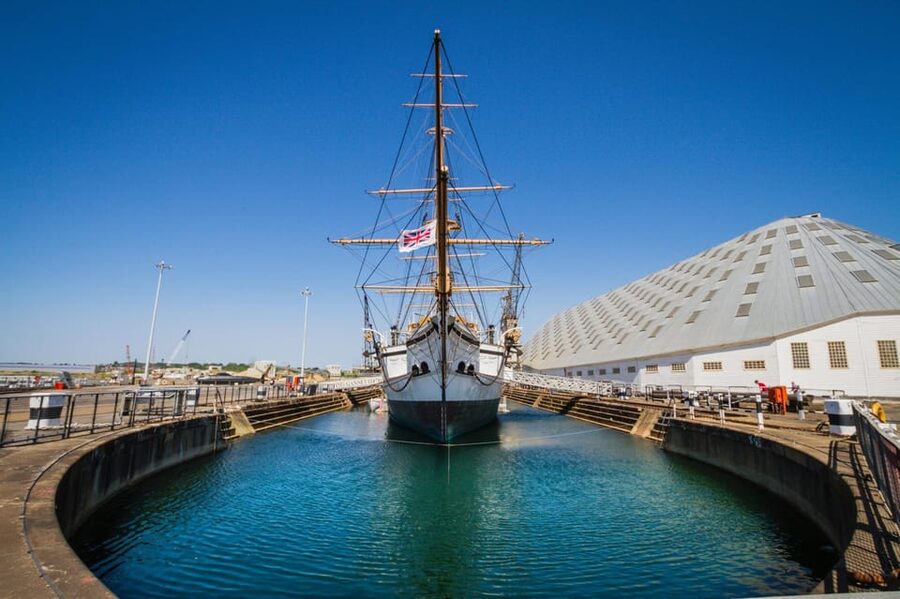
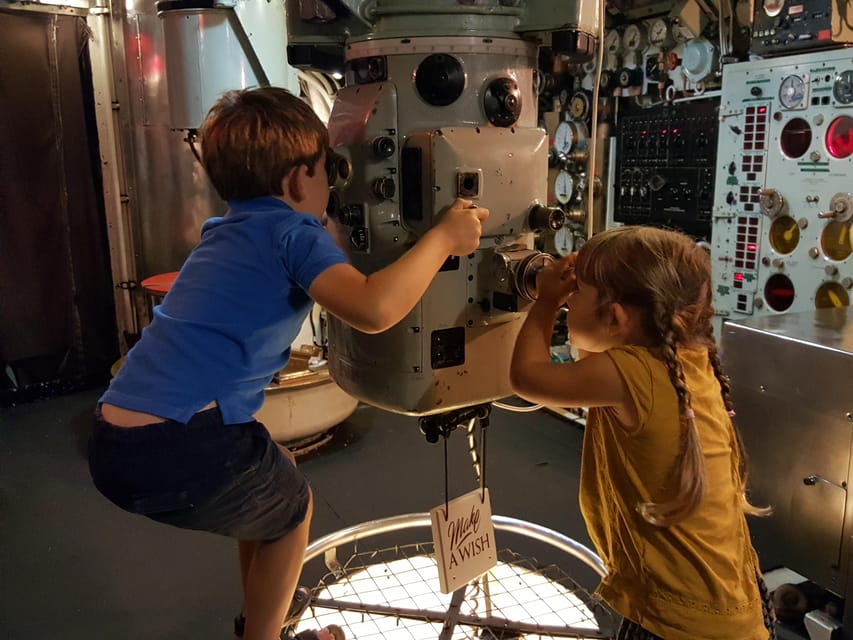
Chatham’s Historic Dockyard gives you something many museums cannot: the chance to walk through the actual buildings where Britain’s ships were built, repaired, supplied, and launched. You can peer through a Cold War submarine periscope, take the bridge of a Second World War destroyer, and ring the bell aboard a Victorian sloop.
I like the quarter-mile ropewalk, where rope has been made for Britain’s ships since 1618, and I like the annual ticket even more than a standard one-day admission. The site is large enough to defeat a rushed visit. The main drawback is simple: four hours may not be enough, and parking costs extra.
Key points at Chatham Historic Dockyard
- Three historic vessels: Explore a Cold War submarine, a Second World War destroyer, and a Victorian sloop.
- The 400-year-old ropewalk: Watch rope-making on a working quarter-mile route with roots going back to 1618.
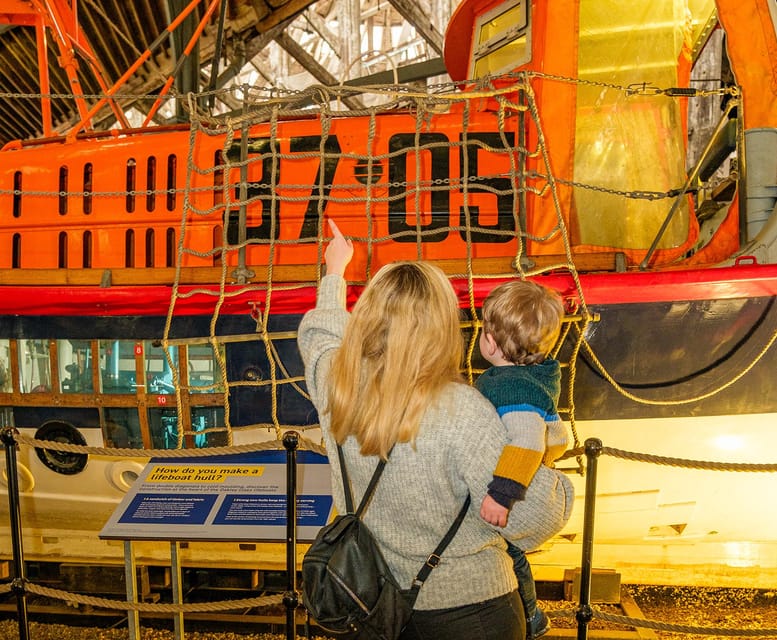
- Britain’s largest RNLI historic lifeboat collection: See lifeboats from different eras and learn how rescue work changed.
- Command of the Oceans: Find interactive displays and look below the floor to uncover the hidden structure of an ancient ship.
- No. 1 Smithery: See maritime collections from Royal Museums Greenwich and Imperial War Museums.
- A ticket for a full year: Your admission remains valid for 365 days after first activation, making repeat visits practical.
Entering a dockyard that built ocean-going power
Chatham was not simply a museum site assembled around a few old ships. It was a working naval dockyard, and its buildings, workshops, rope-making facilities, and vessels help you see how a fleet depended on far more than sailors and guns.
I like the way the site spreads the story across a real industrial setting. You move between large historic structures, ship decks, galleries, and working demonstrations rather than following one narrow museum corridor. That variety matters if you are visiting with children or with people whose interests differ.
The dockyard also helps explain the Age of Sail in practical terms. A wooden warship needed rope, timber, sails, stores, skilled trades, and constant repair. Chatham’s exhibitions show how those parts fitted together, giving the naval story more weight than a simple display of uniforms and paintings.
Plan on giving yourself most of the day. One four-hour visit can cover the main ships and a few exhibitions, but the site has enough material for a return trip. The annual ticket is designed for that slower approach.
More History Tours in Britain:
- London: Historic Pubs of Central London Walking Tour
★ 4.9 · 1,065 reviews - Portsmouth: Historic Dockyard Ultimate Explorer Ticket
★ 4.8 · 1,052 reviews - York: Witches and History Old Town Walking Tour
★ 4.7 · 928 reviews
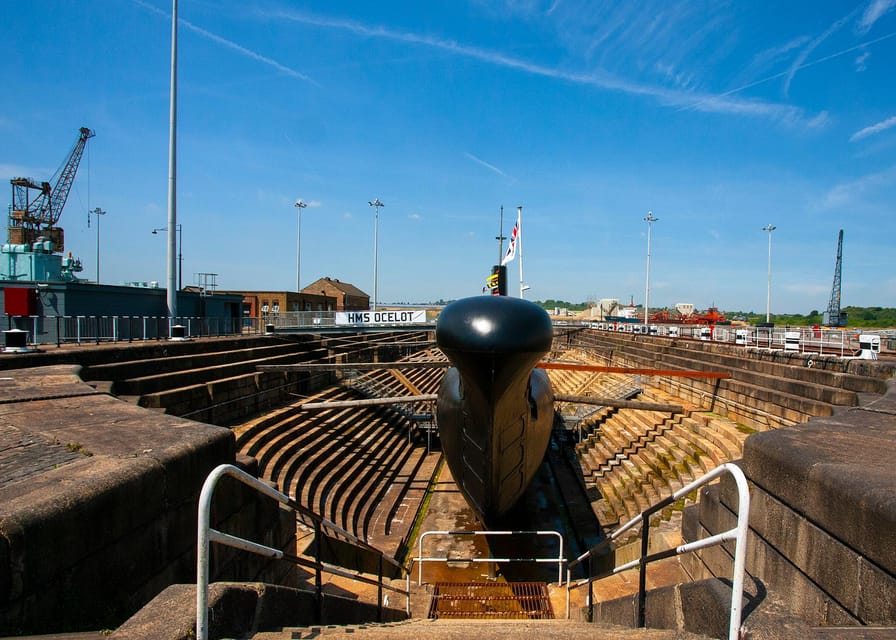
The submarine Ocelot and the Cold War at close quarters
The submarine is one of the most memorable parts of the visit because its scale becomes clear only after you step inside. The corridors are tight, the equipment is close together, and the periscope gives you a direct connection with the submarine’s role at sea.
The attraction is not only the machinery. A submarine forces you to think about daily life in confined conditions. Every passage and compartment feels designed around limited space and practical work. If you have a special interest in naval service, you can spend a long time studying how the vessel functioned.
The submarine is identified as Ocelot, and its Cold War setting adds a different layer to the dockyard story. Chatham is often associated with sailing ships and Victorian industry, but Ocelot brings the timeline into the modern military age.
Access through historic vessels can feel tight, so take your time and do not treat this as a quick photo stop. The dockyard is wheelchair accessible overall, but the individual ship interiors may have their own physical limits. If access is important for your visit, check the current arrangements before setting out.
Taking the bridge of a Second World War destroyer
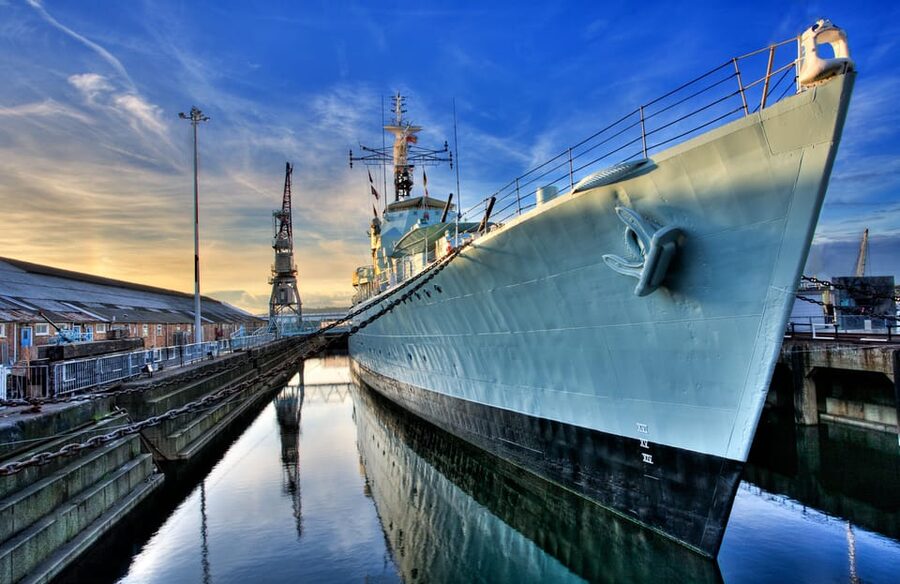
The destroyer gives you a more open sense of naval command. From the bridge, you can imagine the practical work of directing a vessel, reading the sea, and responding to orders during wartime service.
I find this ship particularly useful for families because it invites participation. You are not only looking at a preserved object behind a barrier. You can move through working spaces and picture how the ship’s crew used them.
The contrast with Ocelot is part of the pleasure. The submarine is enclosed and inward-looking, while the destroyer opens the story toward navigation, command, and action at sea. Seeing both vessels in one visit helps you compare different forms of naval service.
Allow more time than you expect. Historic ships are full of small rooms, equipment, signs, and viewpoints. If you hurry from one deck to another, you will miss the details that explain how the ship operated.
The Victorian sloop and a touch of shipboard ceremony
The Victorian sloop offers a gentler entry into maritime history. Here you can step aboard and ring the ship’s bell, a small action that makes the vessel feel less like a static exhibit.
That bell is a simple but effective detail. It gives younger visitors something immediate to do, while adults can focus on the vessel’s age, design, and place in the dockyard story. The sloop also helps connect naval technology with the traditions and routines of shipboard life.
Taken together, the three vessels give you a useful progression. Ocelot shows the tight, technical world of the Cold War submarine. The destroyer presents wartime command and operations. The Victorian sloop brings you back to an earlier period of shipbuilding and ceremony.
A handful of other Britain outings to weigh up
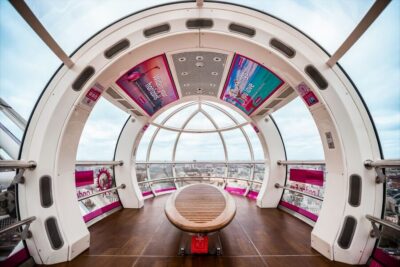
- London: The London Eye Entry Ticket
★ 4.6 · 35,875 reviews - London: Tower Bridge Entry Ticket
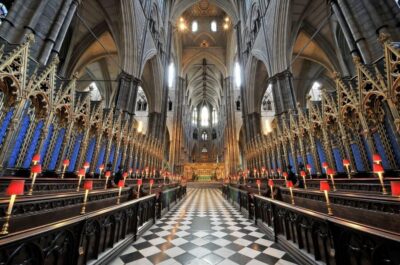
★ 4.7 · 15,560 reviews - London: Westminster Abbey Entrance Ticket
★ 4.6 · 11,254 reviews - London: St Paul’s Cathedral Entry Ticket
★ 4.7 · 9,813 reviews
The ropewalk, Chatham’s most distinctive stop
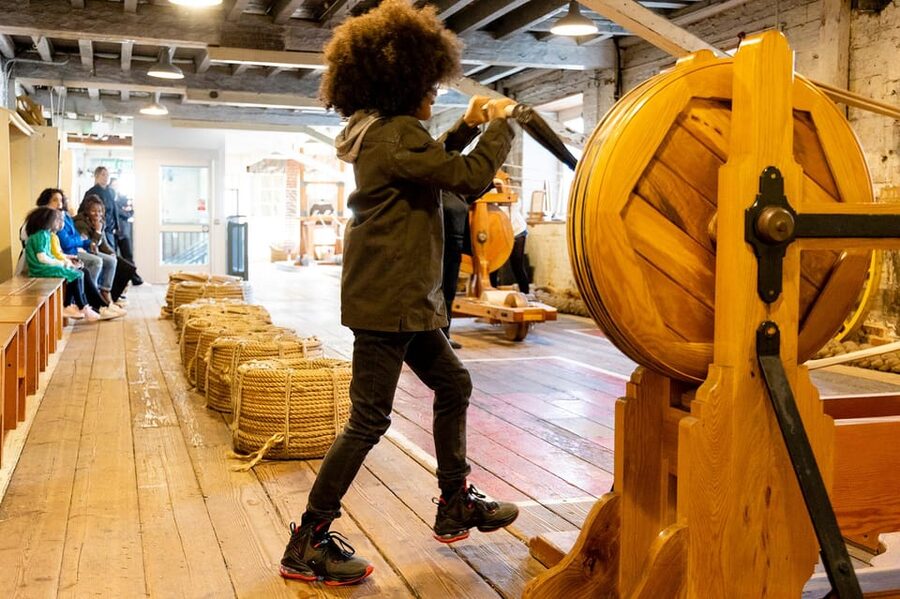
The rope-making operation is the part I would protect in your schedule. Chatham’s ropewalk stretches for a quarter of a mile, and rope has been made here since 1618. That long, straight working space tells you why dockyards needed so much land.
The ropewalk is more than an old workshop preserved for display. The process shows how a basic material became essential naval equipment. Rope supported sails, rigging, loading, mooring, and many other tasks. A ship could not operate without it.
Watch the demonstration carefully. The machinery and method make more sense when you see how separate strands are combined into a stronger rope. It is a practical lesson in engineering, craft, and naval supply.
This is also one of the strongest stops for visitors who want something beyond famous ships. The ropewalk explains the skilled work behind the fleet. I would visit early enough to find out when demonstrations are running, since timing may affect what you see during a single day.
Lifeboats and the human side of rescue
The dockyard holds the UK’s biggest collection of RNLI historic lifeboats. This collection shifts the focus from naval power to civilian rescue and the risks faced by crews responding to emergencies at sea.
You can follow how lifeboats changed over time and consider the demands placed on both the boats and their crews. The collection works well alongside the warships because it shows another reason Britain needed strong maritime skills: protecting people in difficult waters.
The lifeboat displays are also a good change of pace after walking through enclosed ship interiors. You can look at the boats from different angles and take in their construction without the same cramped movement found aboard the submarine.
If you are visiting with children, this section provides a clear human story. It is easier to connect a lifeboat with a rescue mission than to understand a complex naval vessel at first glance. Give the collection more than a quick walk-through.
Command of the Oceans and the ship beneath the floor
Command of the Oceans is the dockyard’s interactive way into naval history. The exhibit lets you explore the hidden structure of an ancient ship beneath the floor, turning a subject that can seem technical into something you can see and investigate.
I like this approach because wooden ships are often misunderstood. From the outside, you see a hull and a deck. Below that surface were layers of construction, storage, work areas, and structural decisions that kept the vessel afloat.
The interactive format makes this a useful stop for mixed-age groups. Children can look for details and follow the display physically, while adults can connect the design to the wider story of shipbuilding and naval expansion.
It is worth visiting before or after the historic vessels. The exhibit gives you a framework for understanding the earlier ships, while the ships themselves provide the scale and atmosphere that an indoor display cannot match.
No. 1 Smithery and major maritime collections
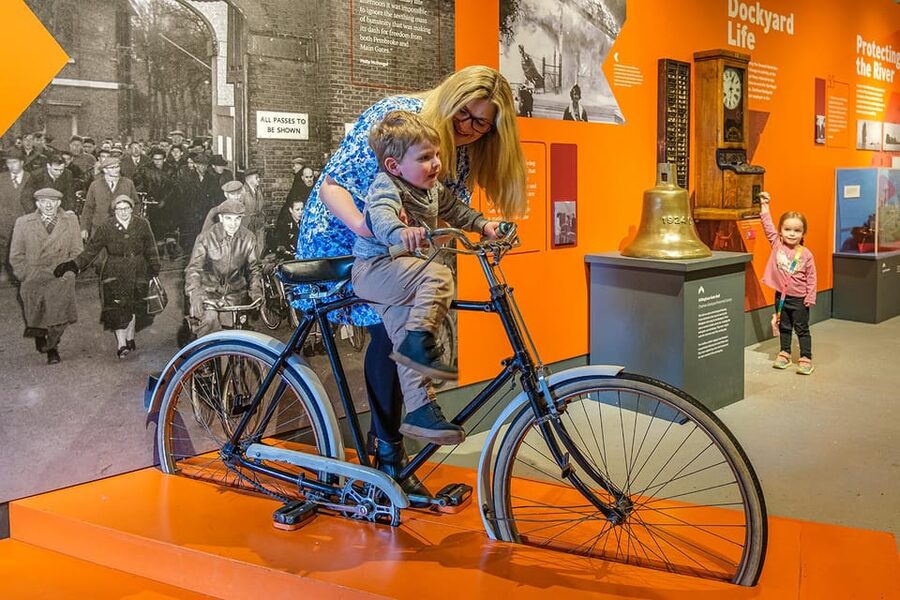
No. 1 Smithery adds a more traditional museum experience to the dockyard. It presents collections from Royal Museums Greenwich and Imperial War Museums, giving you objects and stories that reach beyond Chatham itself.
This is a good place to slow down after the larger attractions. The ships show you the working environment, but a museum collection can focus on individual objects, documents, and visual material. Together, the two formats create a fuller picture of maritime life and military history.
The building matters, too. A former dockyard structure gives the collection a sense of place. You are not simply visiting an anonymous gallery. You are looking at maritime objects within the industrial setting that helped produce and support ships.
Temporary and permanent exhibitions are included with admission. That makes repeat visits more worthwhile, since the experience may change even if the major ships and buildings remain in place.
How to plan your day without rushing
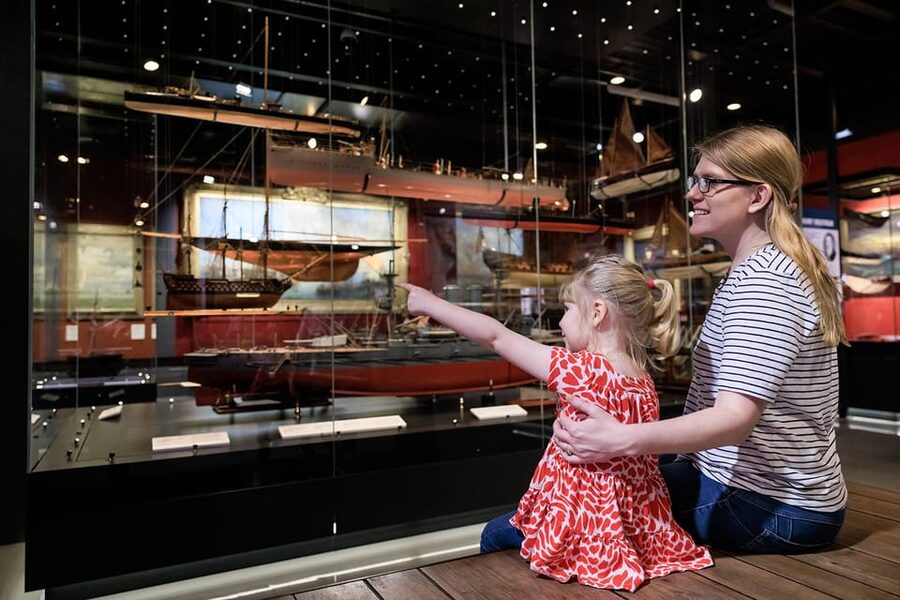
The dockyard is large, and the best schedule depends on your priorities. For a first visit, I would begin with the submarine and the other historic ships, then set aside time for the ropewalk and lifeboat collection.
Keep Command of the Oceans and No. 1 Smithery for a period when you want a quieter indoor stop. School holiday activities are included, so families may find extra programming during those dates. Check the day’s activity times when you arrive.
A sensible plan might look like this:
- Start with the three historic vessels while you have plenty of energy.
- Visit the ropewalk demonstration and allow time for the full quarter-mile route.
- Take a slower look at the RNLI lifeboats.
- Use Command of the Oceans to understand the construction of earlier ships.
- Finish with No. 1 Smithery or return to any ship you had to rush.
Do not expect to cover every corner in four hours. The annual ticket changes the strategy. You can make one broad first visit, then return for the ropewalk, exhibitions, or details you missed.
Price, repeat visits, and practical value
At $37 per person, the ticket is not a low-cost quick attraction. Its value comes from the number of substantial attractions included and the 365-day validity after first activation.
A one-day visitor who sees the ships, submarine, ropewalk, lifeboats, and exhibitions can get a full day from the price. The value becomes much stronger if you can return. Two visits spread the cost across a second day, and a third visit makes the annual format especially useful.
You also receive access to temporary and permanent exhibitions, plus school holiday activities. That matters because the dockyard is not only a ship collection. It combines vessels, historic buildings, working craft, interactive displays, and museum galleries.
Parking is not included, so add that cost to your plans. The ticket is wheelchair accessible, and the host or greeter service is in English. Since the site includes old ships and industrial buildings, accessibility can differ from one area to another, so confirm the route details if you need step-free access throughout.
You can cancel up to 24 hours in advance for a full refund, and reserve now while paying later. Those terms are useful if your South East England plans are still moving around.
Who will enjoy Chatham most
I recommend this experience to anyone interested in ships, naval service, engineering, industrial work, or British maritime history. It also suits families because the visit mixes hands-on features with large objects and open areas to explore.
Adults can spend time on the technical and historical details, while younger visitors can climb aboard ships, look through a periscope, ring the bell, and take part in school holiday activities. The site is not dependent on one age group or one style of museum visit.
It is also a good choice for repeat visitors from South East England. The annual ticket makes more sense for local residents than for someone passing through Britain once, but even a visitor staying nearby can benefit if the trip allows a second day.
The main caution is pace. If you prefer a compact attraction that takes two hours, Chatham may feel too large. If you enjoy moving between ships and buildings and returning to details later, its size is a strength.
Final verdict: book it if you can give it time
I would book the Chatham annual ticket if you want a substantial maritime day rather than a quick museum stop. The submarine, destroyer, sloop, ropewalk, lifeboats, and Smithery create enough variety to keep the visit moving, while the 365-day validity protects you from the pressure to see everything at once.
The rope-making operation deserves top priority, and the historic vessels are the main reason to come. Book with realistic expectations about time, remember that parking is extra, and plan a return visit if you are within easy reach of Chatham.
If you have only a short afternoon, choose another attraction or accept that you will see only part of the dockyard. If you can give Chatham a full day, the ticket offers strong value, especially when you use the return visits.
FAQ
How long is the Chatham Historic Dockyard ticket valid?
The ticket is valid for 365 days from first activation.
What is included with admission?
Admission includes entry to The Historic Dockyard Chatham, all temporary and permanent exhibitions, and school holiday activities.
Which historic vessels can I visit?
You can visit a Cold War submarine, a Second World War destroyer, and a Victorian sloop.
Can I see the rope-making operation?
Yes. The dockyard includes a quarter-mile-long ropewalk where rope-making has taken place since 1618.
Is parking included?
No. Parking is not included in the ticket price.
Is the experience wheelchair accessible?
The activity is listed as wheelchair accessible. Historic ships and older buildings can have different physical layouts, so check current access details if you require step-free access in every area.
Can I cancel my booking?
Yes. You can cancel up to 24 hours in advance for a full refund.
New listings around Britain
- Brighton Delicious Donut Adventure by Underground Donut Tour★ 5.0 · 14 reviews
- From Cambridge: Guided Day Tour to Bath and Stonehenge★ 4.8 · 14 reviews
- From Southampton: Stonehenge & Salisbury Private Day Trip★ 4.9 · 14 reviews
- Edinburgh: Stirling, Whisky & St Andrews Tour in Italian★ 3.9 · 14 reviews
- Blackpool: Viva Decades Rewind Show Ticket★ 3.9 · 14 reviews
- Royal Horticultural Society: Harlow Carr Garden Ticket★ 4.7 · 14 reviews
- London: GoBoat Rental in Canary Wharf with London Docklands★ 4.2 · 14 reviews
- London Royal Tour – Buckingham Palace Entry – 12 guests 2,5h★ 4.9 · 14 reviews
Tickets, compared.



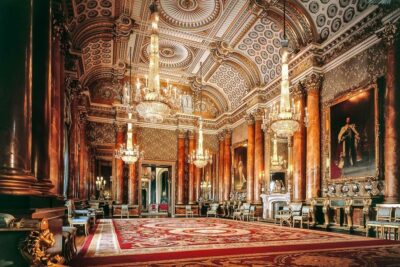
Buckingham Palace: The State Rooms Entrance Ticket
Read our review →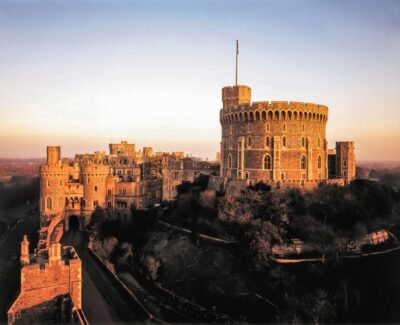

Browse the lists this tour appears in