
Reviewed · WORKSHOPS
Thurso: Dunnet Beach Beginner Surf Lesson
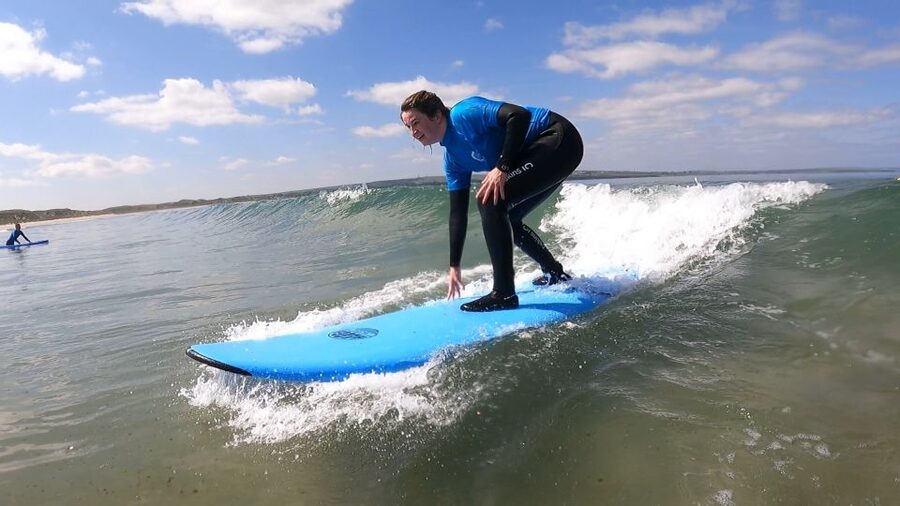
Dunnet Beach gives you a proper North Coast introduction to surfing, with Scottish champion coaches and waves suited to first-timers. You begin on the sand with safety and board skills, then head into the water to work on the pop-up and catch your first rides.
I like the full cold-water kit, since a 5mm wetsuit, boots, and gloves take much of the fear out of Scottish surf. I also like the lesson’s local feel: you meet at a white van by the beach, walk over the dunes, and learn from coaches who know these waves.
The main drawback is that conditions control the day. The lesson runs in rain, but flat seas or dangerous storms can force a cancellation or change of plan. There are also no showers or changing rooms, so arrive ready for a brisk, practical beach change.
Key points to know before booking
- Two hours in the water and on the sand: Learn safety, board design, paddling basics, and the pop-up before trying the waves.
- Warm 5mm equipment included: Wetsuit, boots, gloves, and surfboard are supplied.
- Meeting point is easy to spot: Look for the white van with surfboards and wetsuits, plus an instructor wearing a yellow rash vest.
- Small groups or private lessons: Group sessions need at least three people, with a private option available.
- Weather can change the plan: The lesson operates in rain, but flat or unsafe conditions may lead to a refund or rescheduling.
- No showers at the beach: Wear swimwear beneath your clothes and bring warm layers and a towel.
Why Dunnet Beach makes a good first surf lesson
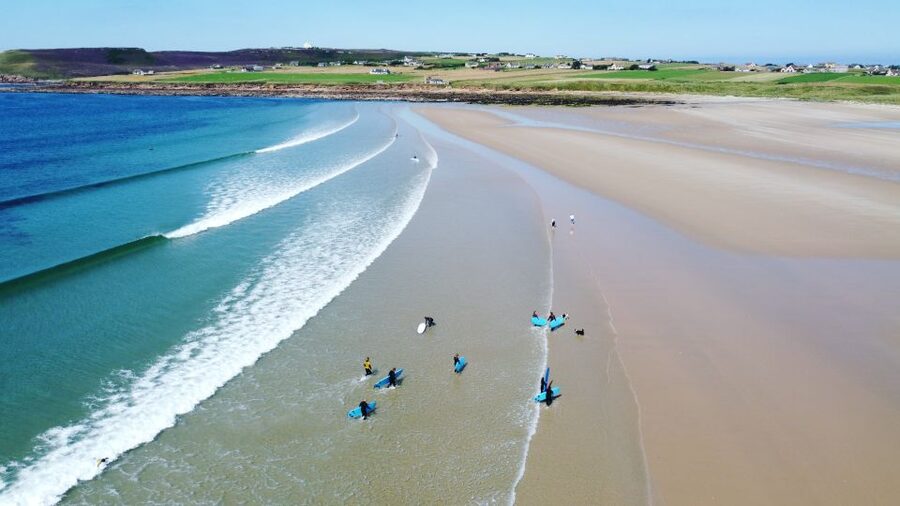
Dunnet Beach sits on Scotland’s North Coast, where the setting feels far removed from a city sports center. You are not learning on a small artificial wave pool. You are looking out across open sea, standing on sand backed by dunes, and beginning a sport in the same waters that attract experienced surfers.
That does not mean the lesson throws you straight into difficult surf. The first part is built around preparation. Your coaches explain the plan, fit you with the equipment, and take you through safety before you enter the water. For a beginner, this order matters. You learn what to do before the board and waves demand quick decisions.
The lesson is aimed at people trying surfing for the first time or looking to improve basic skills. It is also a good choice if you want an active North Coast stop that feels different from a castle, viewpoint, or roadside photo break.
More workshops and classes in Britain:
- London: Traditional English Scone Making and Tea Workshop
★ 5.0 · 702 reviews - York: Chocolate Bar Making Workshop at York Cocoa Works
★ 4.7 · 401 reviews - London: East End Street Art Tour and Spray Painting Workshop
★ 4.8 · 297 reviews
Meeting the white van at Dunnet Beach
Your starting point is the Dunnet Beach car park. Look for the white van surrounded by surfboards and wetsuits. The instructor should be wearing a yellow rash vest, which makes the meeting point easier to identify.
The exact location can change with the conditions. The supplier will contact you if the group needs to meet somewhere else or start at a different time. Keep your phone available on the day, especially in unsettled weather.
Transportation is not included, so you need to make your own way to the beach. Food and drinks are not included either. Plan those before or after the lesson rather than expecting a café-style setup at the meeting point.
There are no changing rooms or showers. The simplest approach is to put on your swimwear before arriving, then wear warm clothes over it. Bring a towel and another warm layer for afterward. This is a small detail, but it can make the difference between ending the lesson pleased and ending it shivering beside the car.
Getting fitted for a 5mm wetsuit
The equipment package covers the items you need for the lesson: a surfboard, 5mm wetsuit, boots, and gloves. That thick suit is one of the strongest practical reasons to book this particular activity if cold water worries you.
The kit is designed to keep you warm while you learn. Previous feedback includes a parent who was nervous about cold water and found the wetsuits did an excellent job, even with a seven-year-old taking part. The lesson is not only for hardy adults who already enjoy chilly seas.
Still, arrive prepared for the changeover. Wetsuits can feel snug, and getting in and out of one without a changing room takes a little patience. Warm clothing and a towel are listed essentials, not optional extras.
The boards are supplied as part of the lesson, so you do not need to carry specialist equipment across Scotland. That helps keep the activity simple for visitors building a North Coast itinerary around a rental car or a series of short stops.
Learning safety and board basics on the sand
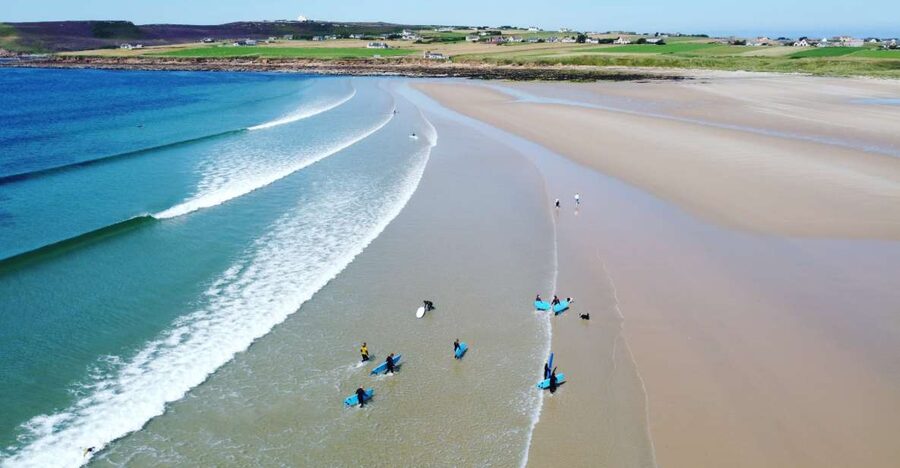
Before you go into the sea, the coaches take you over the dunes and explain the lesson. You learn the basic safety points, how the board is designed, and how to get from lying down to standing up.
This beach briefing is where the lesson earns its beginner label. Surfing looks simple when someone else is gliding along a wave, but the first attempt involves balance, timing, board position, and awareness of the water around you. A clear explanation on land lets you focus on one skill at a time once you are wet.
The pop-up is the key movement. You begin on the board, prepare your hands and feet, then rise into a stable stance. The coaches can show you the steps and help you repeat them before you try to catch a wave.
Do not expect to master every part in two hours. The better aim is to understand the basic sequence, get a feel for the board, and leave with enough progress to decide if you want another lesson. That is a more useful measure than counting how many seconds you manage to stand.
Elsewhere in Britain, a change of pace:
- London: The London Eye Entry Ticket
★ 4.6 · 35,875 reviews - From London: Harry Potter Warner Bros Studio Tour
★ 4.7 · 26,588 reviews - London: Westminster to Greenwich River Thames Cruise
★ 4.5 · 22,836 reviews - Magical London: Harry Potter Guided Walking Tour
★ 4.7 · 22,044 reviews
Heading into the North Coast waves
After the land instruction, you enter the water with the coaches. This is the part most people are waiting for, but the earlier preparation makes it less daunting.
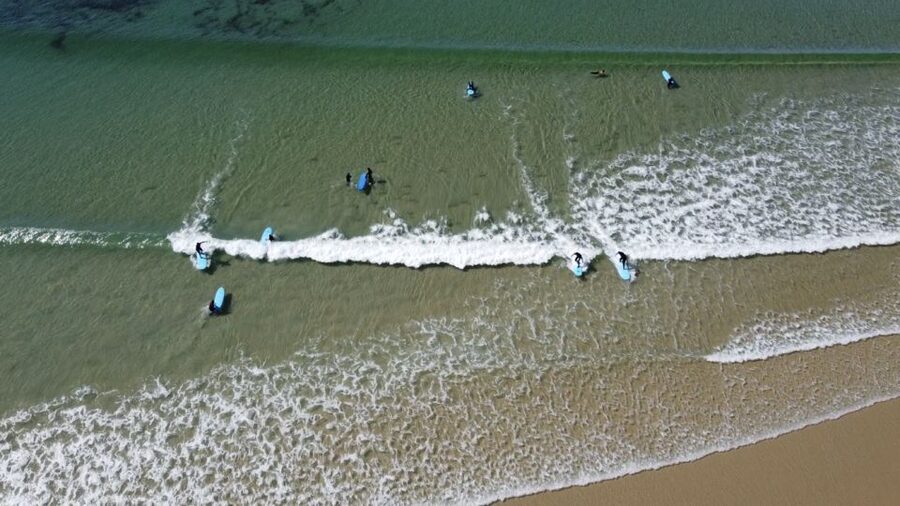
The instructors work with you as you try to catch waves and stand up. A small group can be helpful here because the coaches can watch each person’s attempts and offer corrections. Private lessons are also available if you want more direct attention or prefer to learn at your own pace.
The wording around the waves deserves a little balance. Dunnet Beach is promoted as a place to surf among some of the best waves in the United Kingdom, but natural surf is never guaranteed at a set level. Some days can bring useful beginner waves. Other days may be too flat for a productive lesson or too stormy to be safe.
The provider runs the activity in rain, so cloudy or wet weather alone does not cancel the plan. If the sea is flat or conditions become dangerous, the lesson may be canceled. You should then receive a full refund or the choice to reschedule.
That weather policy is sensible for a sea activity. It also means you should keep some flexibility in your North Coast schedule rather than placing the lesson immediately before an important departure.
The coaches and teaching style
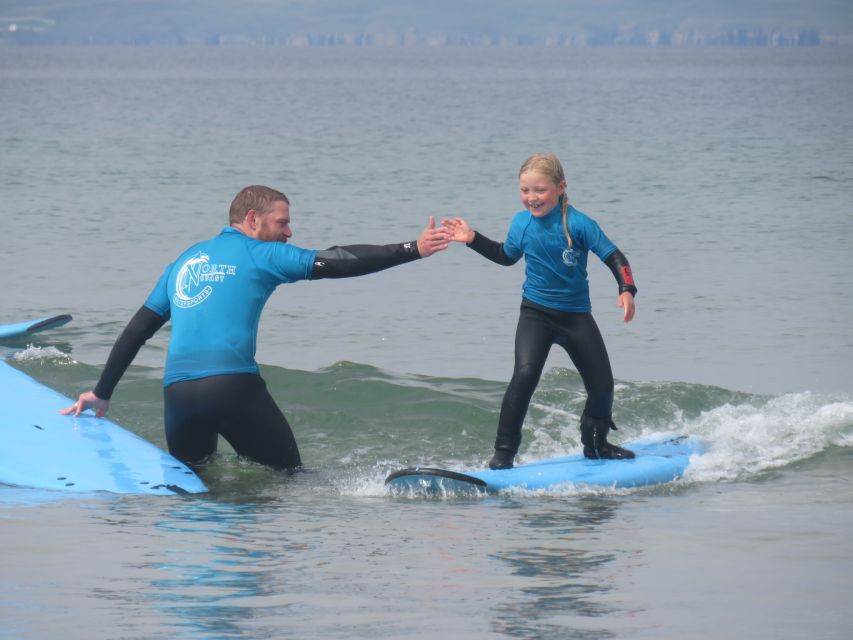
The instructors are described as experienced Scottish champion coaches. Their role is not just to push you into the sea with a board. They guide you through safety, equipment, technique, and the first attempts in the waves.
The strongest praise attached to this lesson focuses on patience, fun, and organization. That is especially important for mixed ability groups. A confident teenager, a nervous adult, and a parent with a child may all need different kinds of help.
One booking included a seven-year-old and an adult who was afraid of cold water. Both found the session enjoyable, with patient instruction and warm equipment making the difference. The minimum age is six, so younger children cannot join, but this example suggests that the lesson can work well for families who meet the age requirement.
The activity is conducted in English. No individual instructor names are provided, so you should not expect to select a particular coach when booking. What you can expect is instruction from the local coaching team connected with North Coast Watersports.
Is $60 a fair price for two hours?
At $60 per person, the price covers two hours of tuition plus the board, wetsuit, boots, and gloves. For a first lesson, that is a straightforward package. You do not need to rent equipment separately or buy cold-water gear before deciding if surfing suits you.
The value depends on how actively you use the session. If you spend the full time learning, practicing, and trying waves, the cost is reasonable for a specialist outdoor lesson in a remote coastal setting. If conditions are poor, the experience may feel less satisfying, though the cancellation policy protects you when the sea is flat or unsafe.
One piece of practical price advice comes from the booking experience itself: an August booking reported that arranging the lesson directly at the location was cheaper. Treat that as a tip to investigate, not a guarantee. Direct booking terms, availability, and prices can change, and you may prefer the flexibility of reserving in advance.
The ability to reserve now and pay later also has value for a changeable trip. You can hold a place without paying immediately, then keep an eye on the weather and your wider plans. Free cancellation is available up to 24 hours before the activity for a full refund.
Group size, age limits, and comfort level
Private and small-group formats are available. Group lessons require at least three people. If fewer than three people have booked for your chosen time, the supplier will contact you 12 hours before the lesson and offer a different time or turn the session into a private lesson.
That rule can work in your favor. You may book expecting a small group and receive a private session instead. On the other hand, a last-minute time change could be awkward if your day is tightly planned.
The lesson is not suitable for non-swimmers, people with mobility impairments, children under six, or people over 70. The age and swimming restrictions are clear and should be taken seriously. You need to be comfortable in the water before attempting a surf lesson, even with an instructor present.
Do not attend while intoxicated, and alcohol and drugs are not allowed. Littering is also prohibited. Those rules are basic, but they matter on a remote beach where safety and care for the shore depend on everyone behaving responsibly.
Planning your Dunnet Beach visit
Set aside the full two-hour lesson, plus extra time before and after for arrival, changing, and warming up. Since the meeting point can move with conditions, avoid creating a narrow schedule around the activity.
Arrive in swimwear under your clothes. Bring:
- A towel
- Warm clothing
- Any food or drink you want before or after the lesson
You do not need to bring a surfboard or wetsuit. The supplier provides the board, wetsuit, boots, and gloves.
The lesson takes place rain or shine unless the sea is flat or dangerous. That means waterproof outer clothing can be useful while you wait on the beach, but do not confuse rain with a cancellation signal. The sea conditions, not simply the forecast for rain, determine whether the session can go ahead.
If the supplier needs to alter the meeting point or start time, you will be contacted. Check your messages before leaving for Dunnet Beach.
Who will enjoy this surf lesson most?
I would recommend it to a first-time surfer who wants proper coaching rather than a casual board rental. The two-hour format gives you enough time for a safety briefing, land practice, and attempts in the water without demanding a full day.
It also suits families with children aged six and over, provided the children can swim and are comfortable with the water. The warm wetsuit, boots, and gloves are reassuring for anyone who expects Scottish seas to be painfully cold.
This is a good fit for an active couple, a small group of friends, or a solo visitor who is happy to join a small session. A private lesson may be the better choice if you want more individual attention or have a specific fear about cold water or standing on the board.
I would be cautious about booking it as the only fixed activity on a tightly timed itinerary. Weather changes can affect the start time, meeting point, or ability to run the lesson. I would also avoid it if you cannot swim, have limited mobility, or do not want to handle the practical realities of changing outdoors.
Should you book the Dunnet Beach lesson?
Book it if you want a friendly, hands-on introduction to surfing in a striking North Coast setting. The included cold-water gear, patient teaching, and small-group options give beginners a solid start without requiring a major equipment purchase.
The $60 price is fair when you use the full lesson, and the pay-later option helps if your Scotland plans are still shifting. Just keep your schedule loose, arrive in swimwear, and pack warm clothes and a towel.
If your heart sinks at the thought of cold water, the 5mm wetsuit, boots, and gloves should help. If your main concern is unpredictable surf, remember that a flat or dangerous sea can cancel the lesson. For a first taste of Scottish surfing, though, Dunnet Beach offers a practical and memorable way to meet the North Coast from the water.
FAQ
How long is the Dunnet Beach surf lesson?
The lesson lasts two hours, including the beach instruction and time in the water.
What equipment is included?
The price includes a wetsuit, boots, gloves, and surfboard, along with the full two-hour lesson.
Where do I meet the instructor?
Meet at the Dunnet Beach car park and look for a white van with surfboards and wetsuits. The instructor will be wearing a yellow rash vest.
Can the meeting point change?
Yes. The location can change based on sea conditions. The supplier will contact you if the meeting point or start time needs to change.
What should I bring?
Bring warm clothing and a towel. Since there are no changing rooms or showers, it is recommended that you arrive wearing swimwear beneath your clothes.
Does the lesson run in the rain?
Yes, the activity takes place rain or shine. It may be canceled if the waves are flat or conditions are too stormy and dangerous.
What happens if the lesson is canceled?
You will be offered a full refund or the option to reschedule if the lesson must be canceled because of unsafe or unsuitable conditions.
Is the lesson suitable for children and non-swimmers?
Children under six cannot take part, and the activity is not suitable for non-swimmers. It is also not suitable for people with mobility impairments or people over 70.
New listings around Britain
- Loch Lomond & Trossachs National Park Drive Tour with an App★ 3.8 · 3 reviews
- London: Bermondsey Craft Brewery Tour★ 5.0 · 3 reviews
- Chawton: Village tour to discover its ties to Jane Austen★ 5.0 · 3 reviews
- Colourful Notting Hill Photography Tour★ 5.0 · 3 reviews
- Roybridge, Lochaber: CANYONING – Laggan Canyon★ 5.0 · 3 reviews
- The London Historic Pubs Tour★ 4.0 · 3 reviews
- Anglesey Tour App, Hidden Gems Game and Big Britain Quiz (7 Day Pass) UK★ 5.0 · 3 reviews
- Ultimate Royal London, Thames River Boat Ride & Walking Tour★ 5.0 · 3 reviews
Workshops, compared.

Traditional English Scone Making and Tea Workshop
Read our review →
Chocolate Bar Making Workshop at York Cocoa Works
Read our review →
East End Street Art Tour and Spray Painting Workshop
Read our review →




Browse the lists this tour appears in