Reviewed · TICKETS
London: Kew Gardens Admission Ticket
Kew Gardens is far more than a pleasant London park. It is a 326-acre plant world with rainforest glasshouses, a royal palace, rare trees, art, and a striking beehive structure that glows with LED lights. You can spend four hours here and still leave with parts unseen.
I especially like the Palm House, where the warm, humid air makes London feel very far away, and the Arboretum, where paths lead among more than 14,000 trees. The free walking tours, held at least twice daily when available, are also a useful way to understand a site that can feel almost too large at first.
The main drawback is simple: the ticket is not cheap at $32, and food and the Explorer train cost extra. Kew also requires plenty of walking, with limited shade in some areas, so a hot day can make the visit tiring.
Key points to know before visiting Kew Gardens
- 326 acres to explore: Plan on a full day if you want the main glasshouses, palace, treetop walkway, and outdoor gardens.
- Rainforest under glass: The Palm House feels like a tropical escape, while the Princess of Wales Conservatory takes you through 10 climate zones.
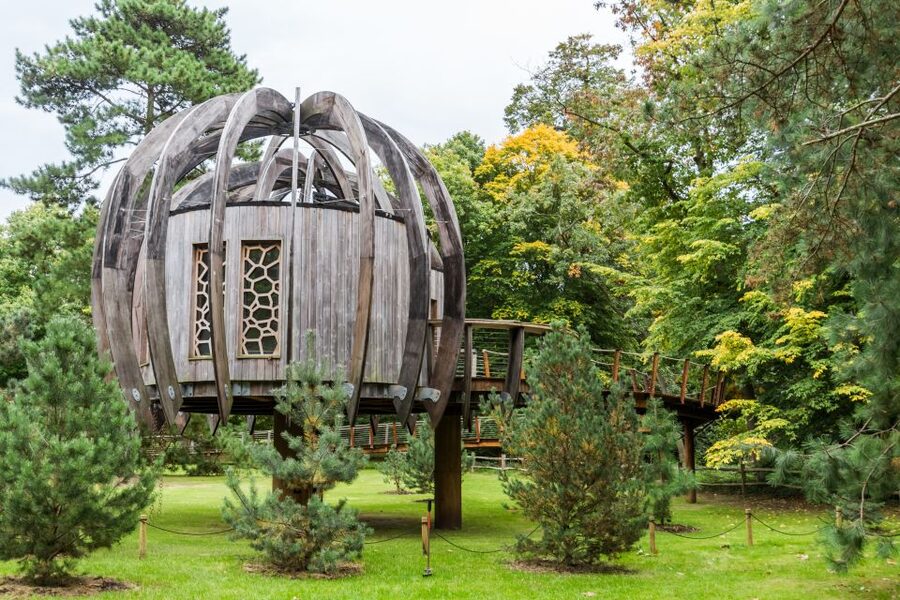
- The Hive is the most unusual stop: This 17-meter structure uses 170,000 aluminum parts and 1,000 LED lights to recreate the look and sound of a bee colony.
- The treetop walkway adds height: You walk 18 meters above the ground, with views across the trees and gardens.
- Kew Palace changes by season: It offers royal rooms and restored Georgian kitchens, but it closes during winter.
- Bring time and sensible shoes: Kew is spacious, and even a brisk visit can take several hours.
Entering one of London’s biggest green spaces
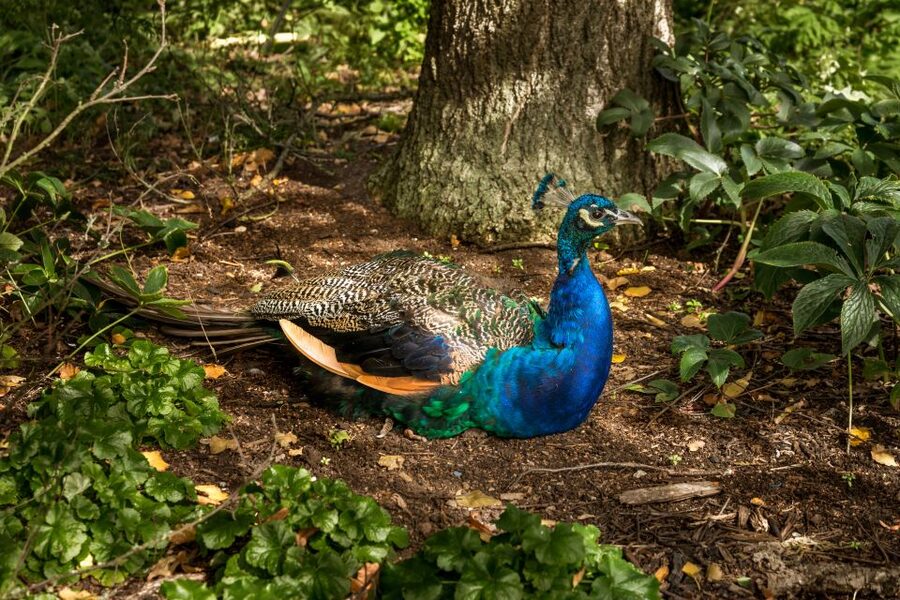
Kew Gardens is in South West London, about 30 minutes from central London by Underground or Overground train. The easiest entrance from Kew Gardens station is Victoria Gate on Kew Road, though your admission ticket allows entry at any garden entrance.
Once inside, pick up the map and seasonal highlights guide. I suggest spending a few minutes getting your bearings before setting off. Kew is not difficult to navigate, but its size can work against you if you cross the grounds repeatedly.
The gardens combine formal beds, open lawns, historic buildings, ponds, wooded paths, sculptures, and plant collections. You can walk at your own pace, join a free walking tour if one is available, or add the Explorer train for an extra fee. The train costs £6 according to the information supplied, and it can help you understand the layout while saving some walking.
The train is not included in the $32 admission price, which may disappoint families or anyone who expected transport across such a large site. Still, the grounds are part of the experience. Walking lets you pause at unusual trees, outdoor displays, and quieter paths that you might miss from a vehicle.
A handful of other Britain outings to weigh up
- London: The London Eye Entry Ticket
★ 4.6 · 35,875 reviews - London: Tower Bridge Entry Ticket
★ 4.7 · 15,560 reviews - London: Westminster Abbey Entrance Ticket
★ 4.6 · 11,254 reviews
The Palm House and Kew’s glasshouse circuit
The Palm House is the most atmospheric building at Kew. Inside, tropical plants rise around paths and walkways, and the warm air offers a sharp change from ordinary London weather. The building gives you a chance to see palms and exotic flowers in a setting that feels closer to a tropical holiday than a city garden.
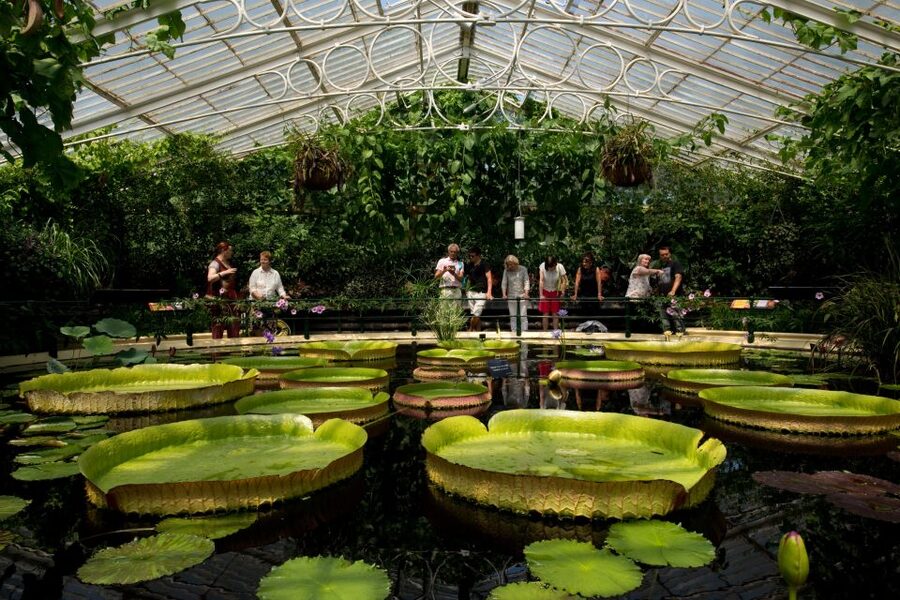
The Waterlily House offers a different kind of spectacle. Its giant lily pads are a popular sight, especially around the pool with koi. The scale of the leaves helps you understand how different these plants are from the small pond lilies found in many public gardens.
The Princess of Wales Conservatory is designed as a trip through 10 climate zones. That makes it more than a collection of pretty displays. You move between plant environments with different conditions, and the variety gives the visit a clear sense of purpose.
Plan these glasshouses around the weather and your energy. They are especially useful on a rainy or cold day, though some visitors find the heat intense on a warm afternoon. If you arrive later in the day, visit the buildings you most want to see first. Several close before the gardens themselves, and it is easy to lose track of time outdoors.
Seasonal displays can change the character of these buildings. Orchid events and special exhibitions have been a particular draw, but the exact displays depend on your date. Check what is open before you go, especially outside the main spring and summer season.
The Hive, where architecture follows the bees
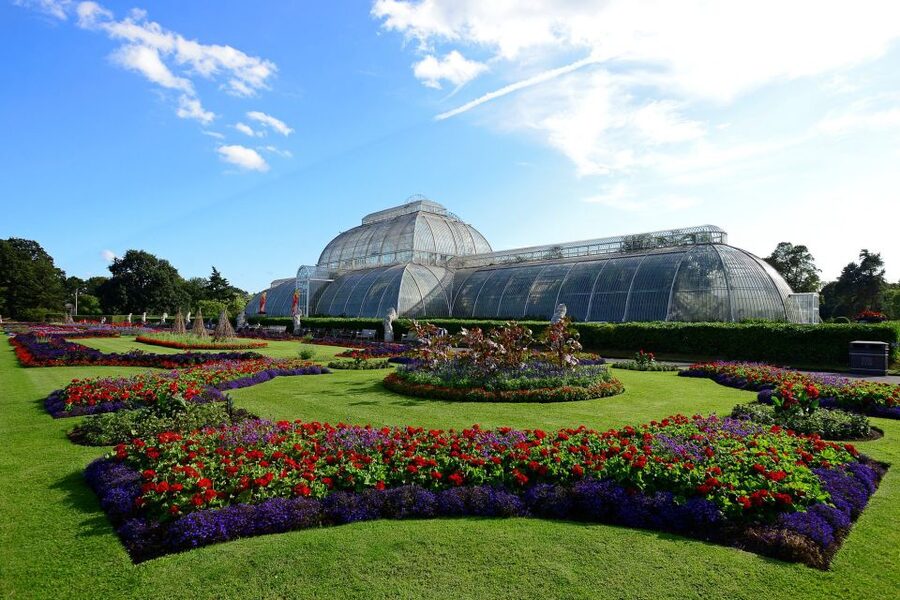
The Hive is one of Kew’s most memorable structures. It rises 17 meters high and uses 170,000 aluminum parts with 1,000 LED lights. Its design and sound effects imitate a working beehive, turning a scientific subject into something you can experience with your eyes and ears.
The installation explains the life of bees and their role in the health of the planet. For children, it offers an engaging break from plant labels. For adults, it gives the visit a wider point: Kew is not only displaying beautiful species, it is also showing how plant life depends on insects and wider natural systems.
The Hive works best when you give it time rather than treating it as a quick photo stop. Its unusual shape makes it easy to spot, but the meaning is in the sound, light, and explanation inside.
Kew also includes three art galleries and changing outdoor sculptures. Past art displays have included work by Marc Quinn and a Queer exhibition linking human identity and the plant world. The exact program changes, but the art adds another layer to a visit that might otherwise be focused only on horticulture.
Climbing 18 meters above the gardens
The treetop walkway takes you 18 meters above the ground. It is one of the clearest reasons to include Kew in a London itinerary, since it changes your view from ground-level planting to the upper branches and open sky.
The walk is high enough to feel exciting without turning into a full adventure attraction. You can see across parts of Kew from a new angle, and the structure gives children and adults a shared goal during a long day of walking.
Access can be harder for people with limited mobility, particularly at the treetop walkway. Kew itself is wheelchair accessible, but the high walk may not feel equally easy for everyone. Ask staff for current access details if this feature is important to your visit.
The gardens have many places to pause, but some longer and more remote paths could use more benches. Wear comfortable shoes, take breaks, and do not try to see every corner at top speed.
Elsewhere in Britain, a change of pace:
- From London: Harry Potter Warner Bros Studio Tour
★ 4.7 · 26,588 reviews - London: Westminster to Greenwich River Thames Cruise
★ 4.5 · 22,836 reviews - Magical London: Harry Potter Guided Walking Tour
★ 4.7 · 22,044 reviews - London: Madame Tussauds London
★ 4.6 · 20,915 reviews
Kew Palace and the royal kitchens
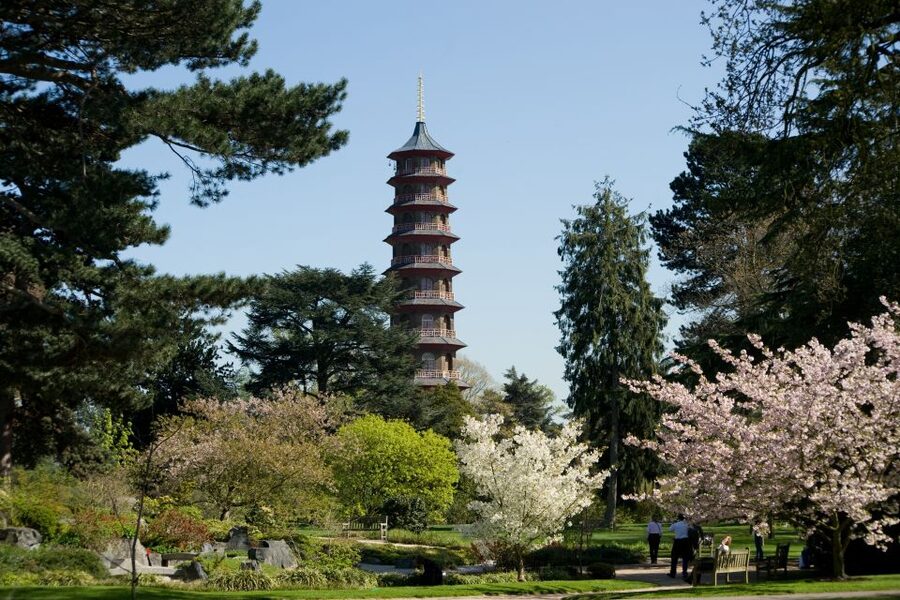
Kew Palace is a smaller, more intimate stop than the grand palaces in central London. Inside, you see the bedrooms of princesses, a dining room, and the recently restored Georgian Royal Kitchens.
The palace helps connect the garden to the people who lived and worked here. It is not just another historic building placed among the plants. The rooms give you a closer look at domestic royal life, while the kitchens show the practical work behind the household.
Kew Palace closes during winter, so do not build your plan around it unless you have checked the season. On a later arrival, I would visit the palace early, then work outward through the glasshouses and gardens.
The palace is also a good change of pace. After humid conservatories and long outdoor paths, its rooms give you a quieter indoor pause.
The Arboretum and the outdoor gardens
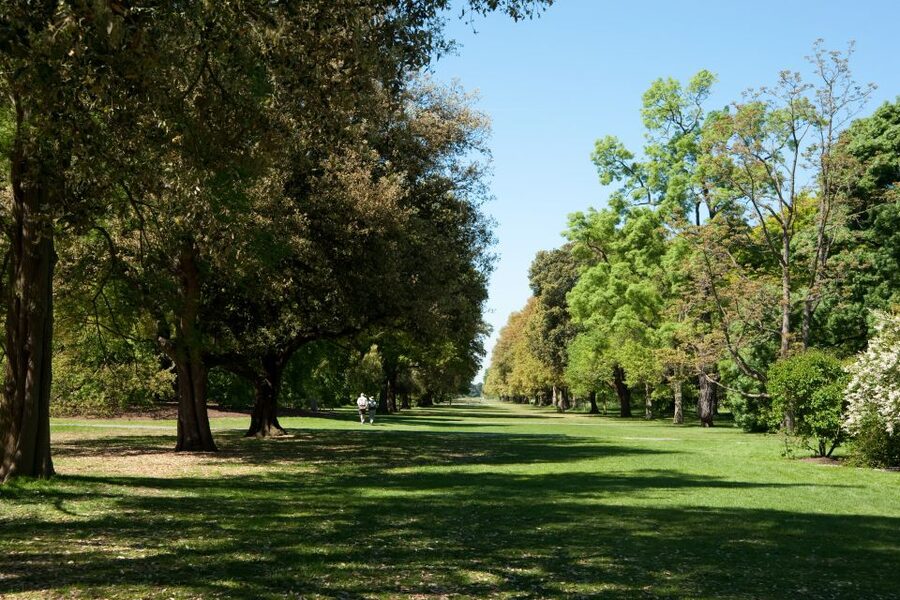
The Arboretum contains more than 14,000 trees, making it one of the best parts of Kew for anyone who prefers open-air walking to enclosed displays. The trees give the garden scale and age, and the paths feel calmer than the busiest glasshouses.
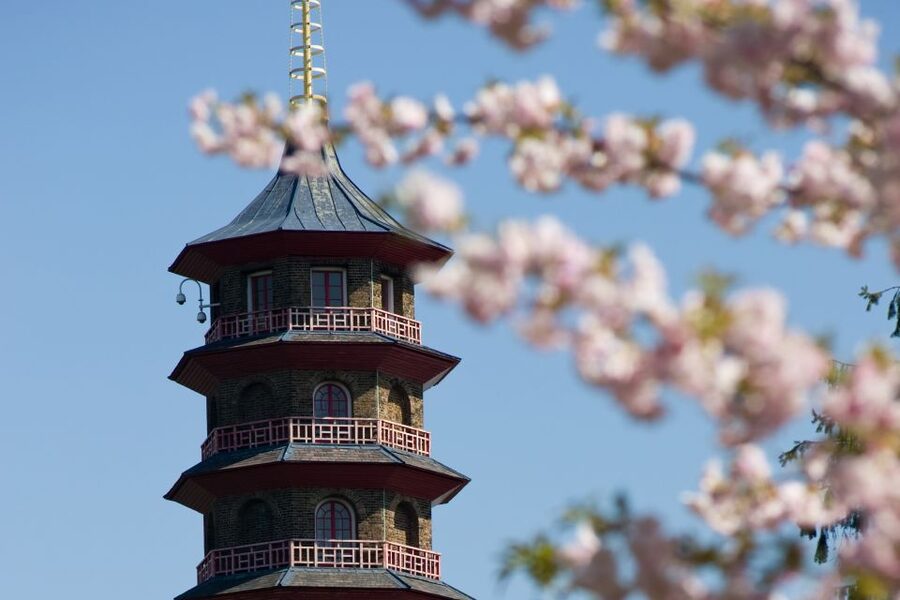
You will find unusual shrubs, flowering beds, old trees, ponds, sculptures, and seasonal planting across the grounds. The Japanese garden is another worthwhile stop, especially if you enjoy carefully arranged spaces and slower walking.
Kew rewards curiosity. Plant labels provide names and details, and the sheer variety means you can move from familiar garden plants to species you may never have seen before. You do not need expert botanical knowledge to enjoy it, but the labels give the visit more substance than a simple stroll.
On hot days, some areas offer shade, but not every path does. Carry water and plan indoor stops during the warmest part of the afternoon. On rainy days, the gardens may not show their best side, but the glasshouses can still make the outing worthwhile.
Food, timing, and the real cost of a day out

At $32 per person, admission is a serious part of a London sightseeing budget. I think the price can be fair if you use the ticket for most of a day and visit several major areas. It feels less worthwhile if you only have two hours or mainly want a quick walk.
The ticket includes the gardens, three art galleries, the treetop walkway, Kew Palace when open, the map, the seasonal guide, and free walking tours when available. It does not include meals, drinks, or the Explorer train.
Cafes and restaurants serve hot meals and classic afternoon teas. Food inside can be expensive, and service may slow when the site is busy. You have the practical option of eating outside Kew near Kew Road and the station, where there are pubs and other places to eat, but leaving and returning should be planned carefully.
Picnic areas are available, and snack vans and ice cream stops add flexibility. If you need gluten-free food, check the options before committing to an on-site meal, since suitable choices may not always be available.
Set aside at least four hours for a useful visit. A full day is better if you want the main glasshouses, the Hive, Kew Palace, the treetop walkway, and a proper walk through the Arboretum. Some people find two days more relaxed, but most London visitors can cover the highlights in one long day.
Who will enjoy Kew Gardens most?
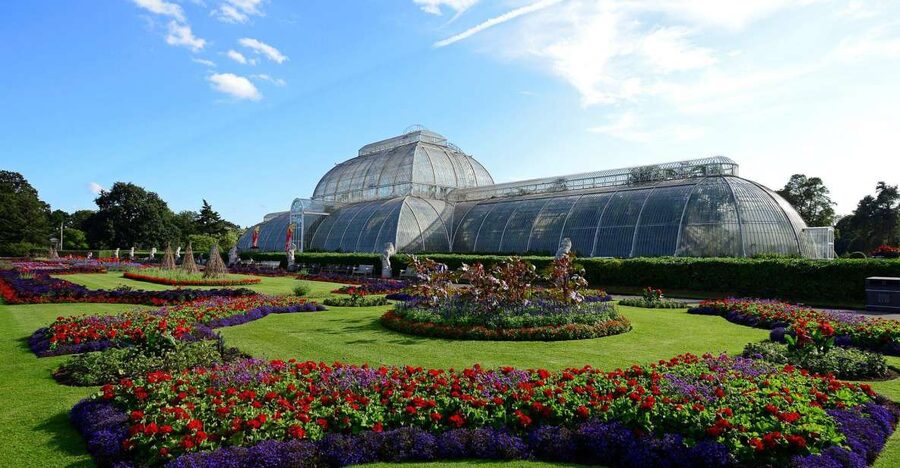
Kew suits families, couples, solo walkers, gardeners, architecture fans, and anyone who needs a break from central London streets. The Hive gives children something hands-on, while the palace and galleries keep the visit from becoming only a plant collection.
It also works well for repeat visits. The gardens change with the seasons, and the orchid displays, flowers, sculptures, and indoor collections can give you a different reason to return. A London resident who enjoys gardens could easily use Kew more than once during the year.
It is less suitable for anyone who dislikes walking or wants a compact attraction that can be seen quickly. The grounds are large, benches are not found at every point, and the full experience demands planning.
Kew is wheelchair accessible, with an elevator serving the upper floors of Kew Palace. Children aged 16 and under must be accompanied by an adult. Pets are not allowed, although assistance dogs are permitted.
Should you book the Kew Gardens ticket?

Book it if you want a full-day London outing with plants, history, art, and space to breathe. The Palm House, Waterlily House, Hive, treetop walkway, Arboretum, and palace create enough variety to justify the admission for most people with time to use it.
Think twice if your schedule allows only a short visit, if the extra cost of the train and food will bother you, or if hot weather and long walks are a concern. Choose a cooler day when possible, arrive early enough to see the buildings, and use the map to avoid backtracking.
For a first visit, I would make the Palm House, Princess of Wales Conservatory, Waterlily House, Hive, treetop walkway, and Kew Palace the priority stops. Then spend whatever time remains among the trees and outdoor gardens. That plan gives you the most distinctive parts of Kew without turning the day into a race.
FAQ
Where is Kew Gardens located?
Kew Gardens is in South East England, around 30 minutes from central London by Underground or Overground train. Victoria Gate on Kew Road is the closest entrance to Kew Gardens station.
How long is the Kew Gardens ticket valid?
The admission ticket is valid for one day. Check availability for the opening times on your chosen date.
What does the Kew Gardens admission ticket include?
It includes admission to Kew Gardens, the 326 acres of gardens, three art galleries, the treetop walkway, Kew Palace when open, a map, and a seasonal highlights guide. Free walking tours take place at least twice daily when available.
Is the Explorer train included?
No. The Explorer train is not included in the admission price. The supplied information states that it costs £6 each.
Is Kew Palace open all year?
No. Kew Palace is closed during winter. Check the seasonal opening information if the palace is important to your plan.
Is Kew Gardens wheelchair accessible?
Yes. Kew Gardens is wheelchair accessible, and an elevator provides access to the upper floors of Kew Palace. Access to the treetop walkway may be more difficult for people with limited mobility.
Can children visit Kew Gardens alone?
No. All children aged 16 and under must be accompanied by an adult.
Can I bring a pet into Kew Gardens?
Pets are not allowed. Assistance dogs are permitted.
New listings around Britain
- London: Secrets of Freddie Mercury Tour with a Cocktail★ 4.1 · 15 reviews
- London: Hampton Court Private Guided Tour★ 3.4 · 15 reviews
- London: Jack the Ripper Tour and Underground Prison in Spanish★ 5.0 · 15 reviews
- Edinburgh: Isle of Skye, Highlands & Jacobite Steam Train★ 4.6 · 15 reviews
- Spanish Language : Original Harry Potter Walking Tour★ 4.5 · 15 reviews
- THE HANGOVER BRUNCH | Benidorm Bingo & Drag Queens★ 4.5 · 15 reviews
- London: Private Couples Photography Session with Landmarks★ 5.0 · 15 reviews
- London: The Saturday Supershow Cabaret at Phoenix Arts Club★ 4.5 · 15 reviews
Tickets, compared.


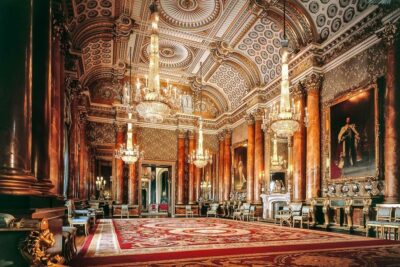
Buckingham Palace: The State Rooms Entrance Ticket
Read our review →