Reviewed · LONDON TOURS
London: Westminster WW2 Tour & Churchill’s War Rooms Ticket
London’s most revealing World War II museum is hidden below ordinary streets. Behind the grand facades of Westminster, Churchill and his ministers planned the war in a cramped underground bunker while German bombs fell above. This tour connects that bunker to the monuments and government buildings around it, giving you the setting before you enter.
I like the one-hour Westminster walk, which adds context to the War Rooms instead of dropping you straight at the museum door. I also like the self-guided time underground, since you can linger over Churchill’s speeches, wartime maps, and private rooms without being rushed.
The main drawback is simple: you walk and stand almost the entire time before reaching the museum. The bunker can also feel tight and crowded, and the audio guide may take a little practice to match with the correct rooms.
Key points to know before booking
- Churchill’s bunker remains much as it was in 1945, including room signs showing the weather outside.
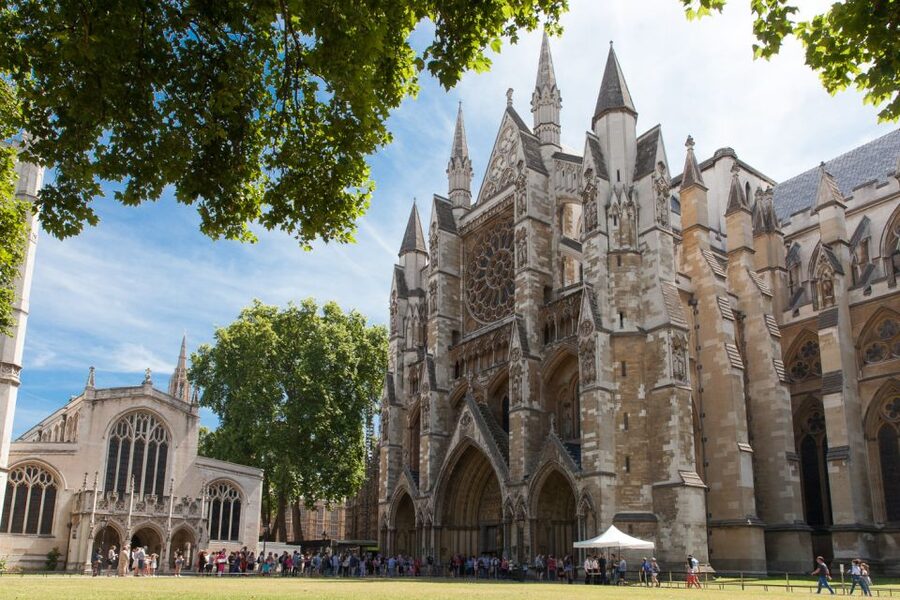
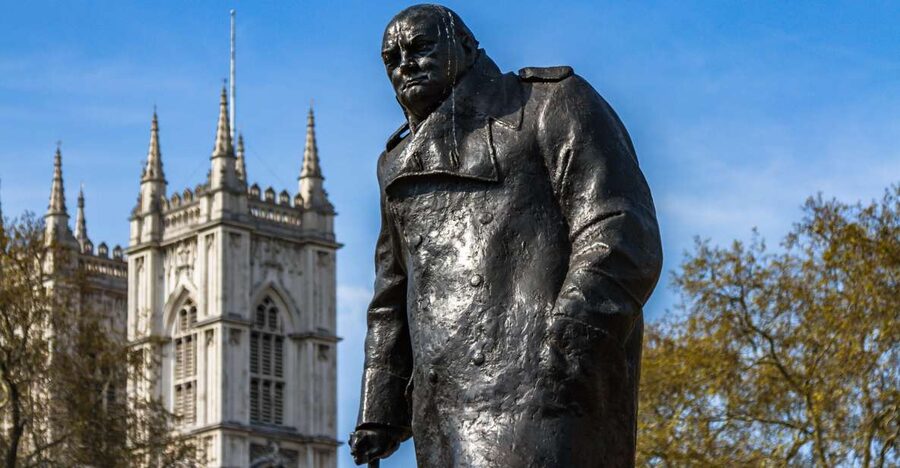
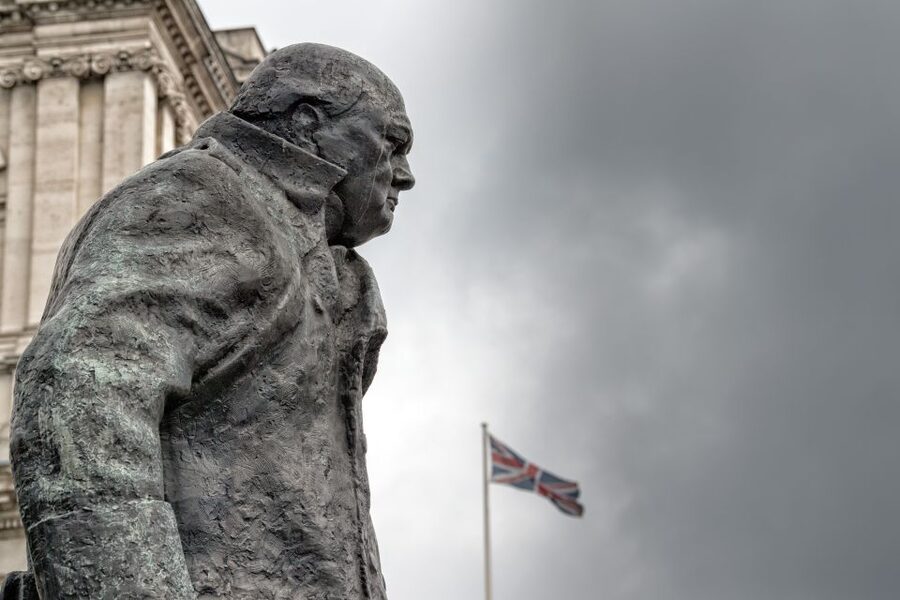
- The walk passes major Westminster landmarks, including Parliament, Big Ben, Westminster Abbey, 10 Downing Street, the Cenotaph, and Churchill’s statue.
- The guide leaves you at the War Rooms, where you continue with the museum’s audio guide.
- The visit goes beyond military planning, covering Churchill’s kitchen, staff life, family secrecy, and his talks with Roosevelt.
- The listed price is $59 per person, only about $20 more than a self-guided War Rooms visit, according to one comparison.
- Comfortable shoes matter, and this activity is not suitable for wheelchair users or people with mobility impairments.
Why the Westminster walk improves the museum visit
The tour begins outside Westminster Station, not at the Churchill War Rooms. That detail matters. Follow the signs inside the station for Exit 2, Victoria Embankment, then go up to street level. Your guide meets you at the top of the stairs, behind the statue of Boadicea on her chariot.
From there, the walk sets up the political story of wartime London. You are not just looking at famous buildings. You are learning how the British government operated in their shadow, how Europe’s defeated governments and monarchs came to London, and why Westminster became a center for diplomacy, secrecy, and espionage.
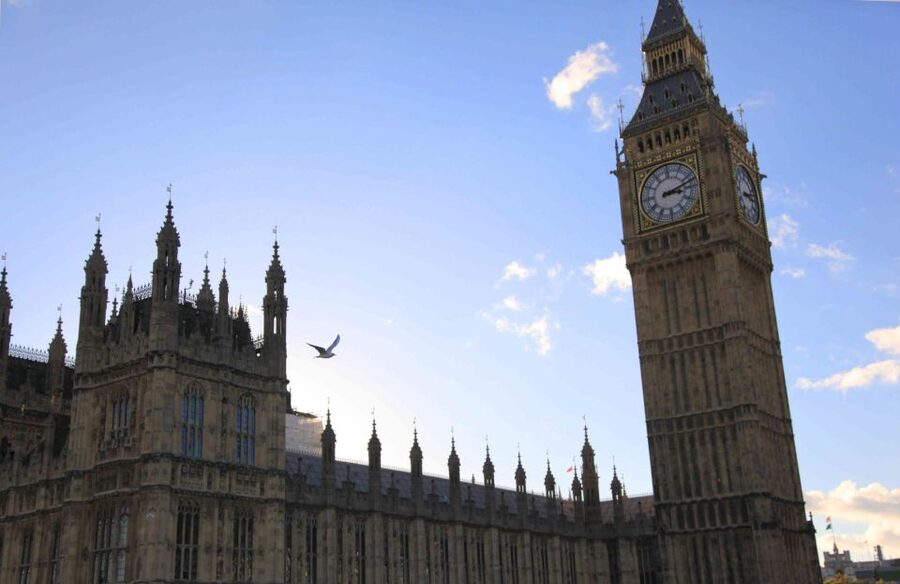
The route includes photo stops at Big Ben, the Houses of Parliament, and Westminster Abbey. These are not interior visits, so you should not expect to enter the abbey or Parliament as part of this experience. The value lies in hearing how these places fit into wartime London while standing outside them.
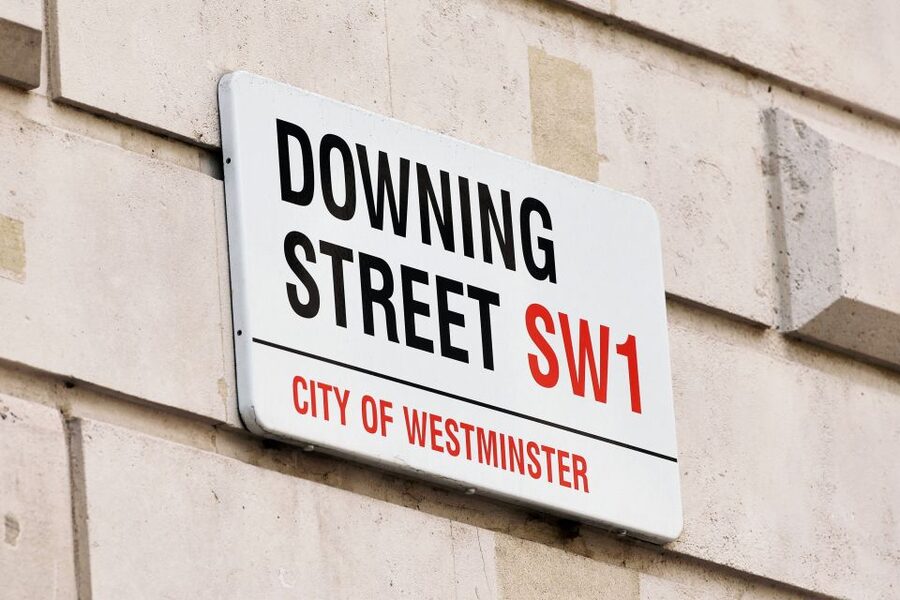
You also stop near 10 Downing Street, the prime minister’s official residence. The tour includes the original door Churchill used after becoming prime minister, an especially nice detail for anyone interested in the personal side of political history.
The walking portion continues toward the Cenotaph, Britain’s main national war memorial. Built to honor the dead of World War I, it later became a place of national remembrance for later conflicts as well. Along the way, you see the statue of Churchill and the monument to the Women of World War II.
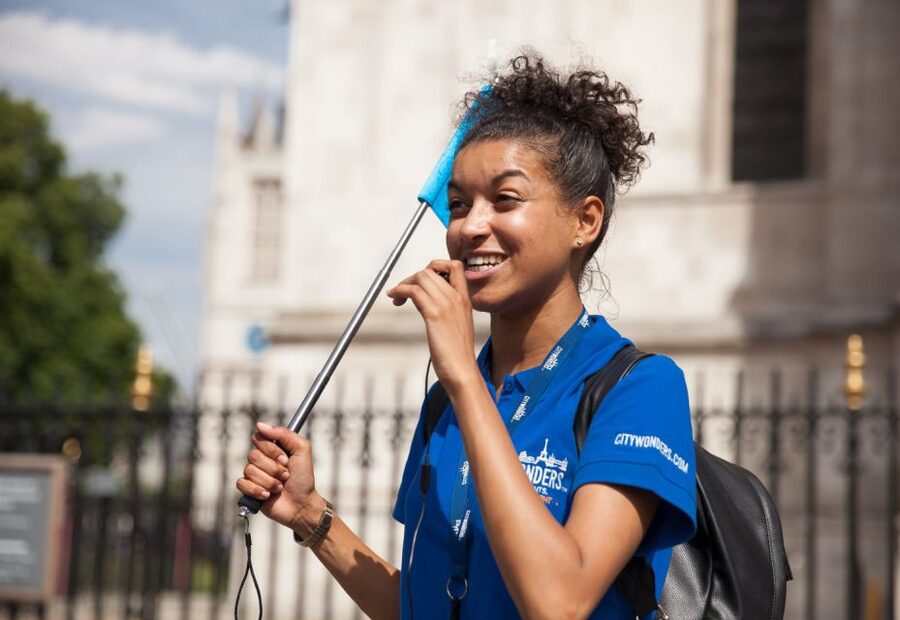
The route is packed with information. Guides such as Paul, Michael, Maggie, Lee, Andy, and Peter have been praised for combining historical detail with humor and for answering questions. The exact guide varies, but the format is designed to keep the walk moving while making sure you can hear.
You receive a headset, which is useful around traffic and large crowds. One practical warning: check your earpiece at the start. A few people have needed to switch channels away and back again before the sound worked properly.
A handful of other London outings to weigh up
- From London: Harry Potter Warner Bros Studio Tour
★ 4.7 · 26,588 reviews - London: Westminster to Greenwich River Thames Cruise
★ 4.5 · 22,836 reviews - Magical London: Harry Potter Guided Walking Tour
★ 4.7 · 22,044 reviews
Big Ben, Parliament, and the wartime center of power
The first stops are familiar London sights, but the wartime angle changes how you see them. Big Ben and Parliament represent the public face of Britain, while the War Rooms reveal the private machinery behind the speeches and decisions.
At Parliament, the guide explains the political world Churchill entered as prime minister. At Westminster Abbey, you get a sense of the symbolic heart of the country. The tour does not spend long at each site, so these are best treated as orientation stops and photo opportunities rather than full historical visits.
That pacing works well for a first visit to London. You cover several major sights in one compact route, but you should not book this tour expecting detailed architectural commentary or entry into every building.
The walk also brings in the governments and royal families forced into exile after Germany took control of much of Europe. London became a temporary home for people who had lost their capitals, governments, and normal diplomatic channels. That story gives the Westminster streets a wider European connection.
It is easy to think of the Blitz as a story only about bomb shelters and damaged buildings. This tour adds the political pressure: leaders had to keep functioning, maintain alliances, read enemy communications, and make decisions while the city was under attack.
Entering Churchill’s War Rooms
The guided walk ends at the Churchill War Rooms. Your guide helps you reach the entrance and explains practical details such as the toilets and cafe, then you continue inside on your own with the museum’s audio guide.
This handoff is important to understand before booking. The guide does not lead you through the underground rooms. The included walking commentary prepares you for the museum, but the actual bunker visit is self-guided.
The War Rooms are preserved as they were when the lights were switched off in 1945. Signs indicate the weather above ground, a small but powerful reminder that the staff were working below while daily conditions changed overhead.
You move through a maze of offices, meeting rooms, communications spaces, and domestic areas. The rooms show how a large wartime operation depended on ordinary routines as much as grand strategy. Staff worked in dark, crowded conditions, decoded enemy messages, and updated maps showing army movements.
The museum also explains the unusual measures used to keep people functioning underground. Primitive sun lamps supplied extra vitamin D, since many workers rarely saw daylight. Families of staff members often did not know what their relatives actually did for a living. Secrecy reached into private homes.
The preserved rooms are the main attraction, but the atmosphere comes from the details. A kitchen shows the domestic side of life underground. Offices reveal how many people had to share limited space. The bunker feels less like a dramatic movie set than a workplace operating under severe pressure.
Churchill, Roosevelt, and the personal side of war
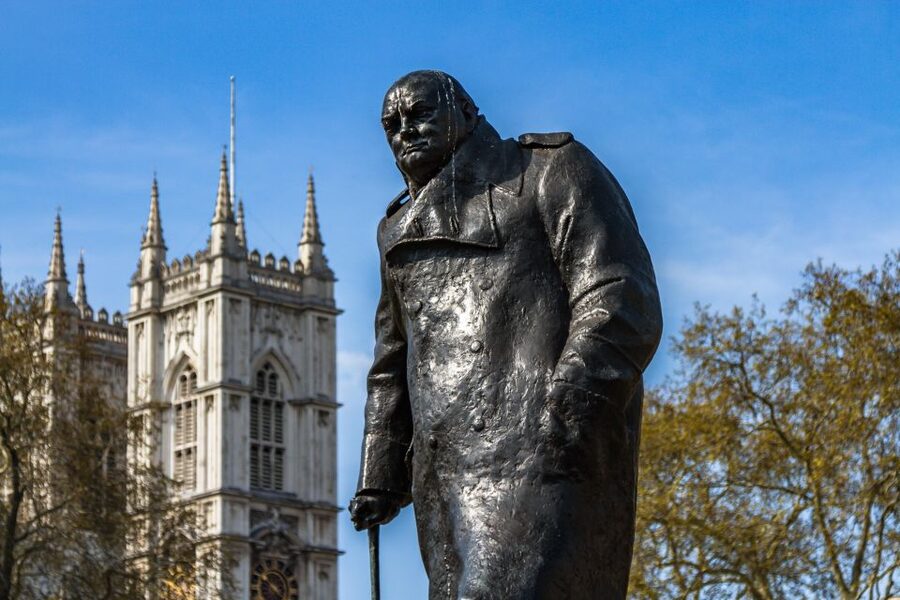
The Churchill Museum forms a major part of the visit. It follows Churchill’s life and public career, not only his years as prime minister during World War II.
You hear authentic recordings of his wartime speeches, which gives the display a strong sense of his public voice. The museum also looks at his private life, including his relationship with his wife, and his close connection with President Franklin Roosevelt.
One of the most memorable rooms is the Transatlantic Telephone Room, where top-secret conversations between Churchill and Roosevelt took place. The room makes the Allied relationship feel physical and practical. Decisions that shaped the war were discussed through secure communications in a small underground space.
The museum balances public leadership with personal habits and working routines. You see how Churchill’s political role connected with the staff who prepared maps, relayed information, maintained communications, and kept the bunker running.
If your interest is only in battlefield equipment, this may not be the ideal London museum. The focus here is government, leadership, communication, and the experience of working underground. For anyone curious about how Britain made decisions during the war, it is a strong match.
Elsewhere in London, a change of pace:
- London: Madame Tussauds London
★ 4.6 · 20,915 reviews - London: Warner Bros. Studio Tour with Transfers
★ 4.7 · 17,586 reviews - London: Tower Bridge Entry Ticket
★ 4.7 · 15,560 reviews - London: St Paul’s Cathedral Entry Ticket
★ 4.7 · 9,813 reviews
How long you really need
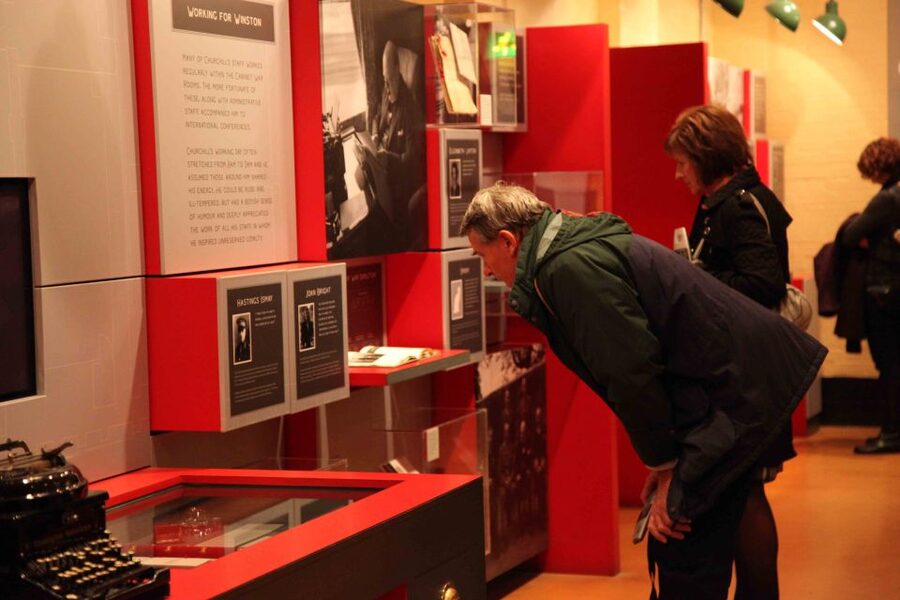
The advertised duration is 2.5 hours, including about an hour of guided walking and roughly 1.5 hours inside the War Rooms. That is enough for a solid introduction, but it may not be enough if you read every panel or listen to every audio segment.
There is no fixed time limit once you enter the War Rooms. You can leave after the planned visit, or stay longer and explore at your own pace. Some people have spent several additional hours inside, including time at the cafe.
That flexibility is one of the best parts of the arrangement. The walking portion has a set rhythm, while the museum portion lets you slow down. If you are a serious history fan, plan your day around staying longer rather than treating the 2.5-hour estimate as a firm exit time.
The museum can become crowded, and the underground rooms are cramped. Move patiently, especially when groups gather around the audio points. If tight spaces bother you, this is worth considering before you book.
Is $59 a fair price?
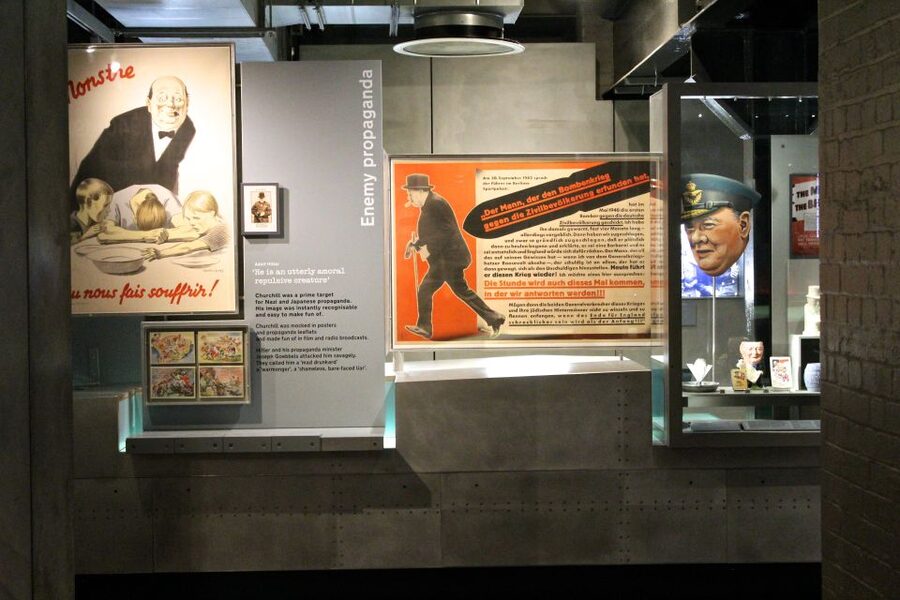
At $59 per person, this tour costs more than entering the War Rooms alone. The difference pays for the Westminster walk, an English-speaking guide, the reservation fee, headsets, and the convenience of having the route connected to the museum visit.
I see the price as fair if you want help understanding the area before entering the bunker. The walk turns a famous museum into part of a larger story about government, exile, memorials, and Churchill’s role in Westminster.
If you already know Westminster well and prefer to explore at your own pace, buying a museum ticket alone may suit you better. But the guided walk costs only about $20 more than a self-guided War Rooms visit in one direct comparison, making the added context a reasonable upgrade.
The strongest value comes from the combination, not from either part alone. You get an outdoor introduction followed by an indoor museum visit that can last longer than the official tour time.
Walking conditions, meeting point, and access
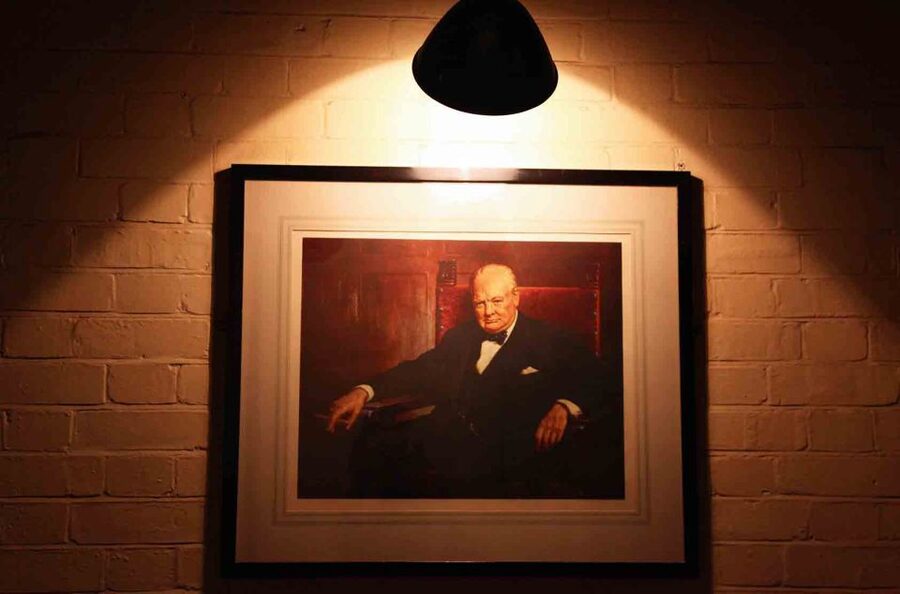
Wear comfortable shoes. You will walk between several central London landmarks and remain on your feet for much of the experience. Weather can affect the first part, though guides have adapted by finding shaded spots on hot days and sheltered places during rain.
The meeting point is outside Westminster Station, behind Boadicea’s statue at Victoria Embankment. Do not go directly to the War Rooms expecting to meet the guide there.
Hotel pickup and drop-off are not included. The tour is conducted in English, with headsets supplied for the outdoor commentary. Strollers are not allowed, and the experience is not suitable for wheelchair users or people with mobility impairments.
The route may include busy streets and crowded public areas. Keep close to the group and take care when crossing roads. The headsets make it easier to follow the guide, but they do not remove the need to watch where you are walking.
Who should book this experience?
I would choose this tour if you are interested in Churchill, World War II, British politics, or the mechanics of wartime government. It is also useful early in a London visit, since the route covers several central landmarks and gives you a practical sense of how Westminster fits together.
It suits adults and older children who enjoy political and military history. The material is serious and often detailed, so it may not hold the attention of young children. The walking and cramped museum spaces also make it a poor fit for anyone who needs frequent seating or step-free access.
You do not need to be a Churchill expert. The guide explains the setting before you enter, and the museum fills in the details through maps, displays, artifacts, and recorded speeches.
The experience is less suitable if you want to enter Westminster Abbey, tour Parliament, or see only outdoor landmarks. Those sites are viewed from the outside. The main ticketed visit is the War Rooms.
Should you book the Westminster and Churchill War Rooms tour?
Book it if you want the Churchill War Rooms to mean more than a collection of preserved underground offices. The outdoor walk explains the people, buildings, and political pressure surrounding the bunker, while the museum lets you examine the working spaces at your own speed.
I especially recommend it for a first-time London visitor who wants an organized introduction to Westminster and has at least three hours available, preferably longer. Skip the guided option if you already know the district, dislike group pacing, or plan to spend only a short time at the museum.
For most history-minded visitors, the extra cost over a museum-only ticket is justified by the guide’s storytelling and the well-planned route. Just arrive at the correct station meeting point, wear good shoes, and expect a crowded, sometimes tight underground visit.
FAQ
Where does the tour meet?
Meet your English-speaking guide outside Westminster Station. Use Exit 2 for Victoria Embankment, then go upstairs to street level. The group meets behind the statue of Boadicea on a chariot.
Does the tour meet at the Churchill War Rooms?
No. The meeting point is at Westminster Station, and the guided walk ends at the Churchill War Rooms.
How long does the experience last?
The scheduled duration is 2.5 hours. This includes about one hour of guided walking and 1.5 hours inside the Churchill War Rooms, though you may stay longer inside the museum.
Is Westminster Abbey included?
No. Westminster Abbey is a photo stop from outside. Entry into the abbey is not included.
Is the War Rooms visit guided?
The Westminster portion is guided. Inside the Churchill War Rooms, your guide does not accompany you. You explore independently with the included audio guide.
What should I bring?
Bring comfortable shoes because the tour involves substantial walking and standing. Headsets are provided for the guided portion.
Is the tour suitable for wheelchair users?
No. The experience is not suitable for wheelchair users or people with mobility impairments. Baby strollers are also not allowed.
New listings around London
- London: GoBoat Rental in Canary Wharf with London Docklands★ 4.2 · 14 reviews
- Windsor Castle & Hampton Court Palace VIP Black Taxi Tour★ 4.9 · 14 reviews
- London Royal Tour – Buckingham Palace Entry – 12 guests 2,5h★ 4.9 · 14 reviews
- London: Christmas Party Dinner Cruise★ 3.9 · 14 reviews
- London: Traditional Afternoon Tea Tour in a Luxury Coach★ 4.7 · 15 reviews
- Hobbledown Heath One-Day Entry Ticket★ 4.2 · 15 reviews
- London: Sherlock Holmes Tour by Black Cab★ 4.9 · 15 reviews
- Iconic London: Bard, Beatles, Bond & Baker Street★ 4.9 · 15 reviews
London Tours, compared.
Westminster to Greenwich River Thames Cruise
Read our review →
Magical London: Harry Potter Guided Walking Tour
Read our review →