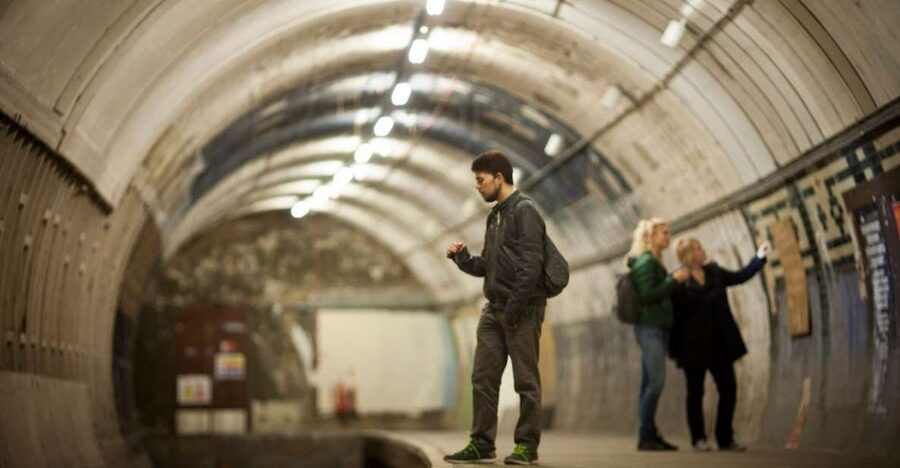
Reviewed · LONDON TOURS
Aldwych: Hidden Tube Station Guided Tour
Aldwych station is one of London’s best time capsules: a former Piccadilly line terminus with an abandoned ticket hall, original lifts, silent platforms, and tunnels that helped shelter people during the Blitz. I like the mix of transport history and wartime stories, and I like that the station also reveals London’s film-making side, with scenes from Sherlock, Atonement, Darkest Hour, The ABC Murders, and Luther: The Fallen Sun.
The strongest part is the guide team. Colin, Cat, Emily, Jas, Dom, and others have been praised for turning old walls and empty tracks into a lively story. The main drawback is physical: you will climb stairs, walk on uneven ground, and move through low-lit spaces. There is no lift, and this is not a good choice if you have claustrophobia or limited mobility.
Key things to know before entering Aldwych
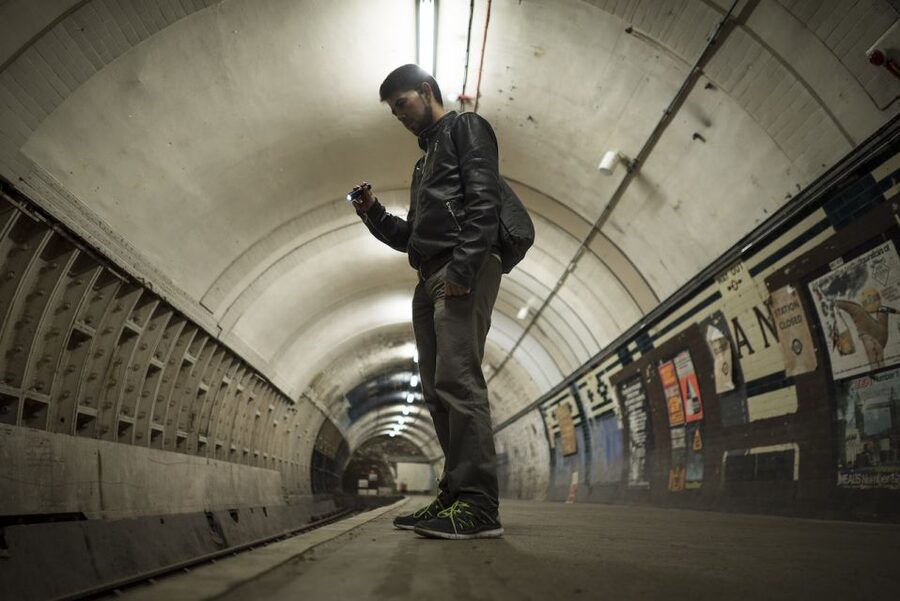
- A station closed since 1994: Aldwych operated for almost 90 years, yet its low passenger numbers helped preserve much of its unusual character.
- A real Blitz shelter: The station protected Londoners during the Second World War and also stored priceless treasures away from bombing.
- Film locations underground: The old platforms and passageways have appeared in productions including Sherlock, Atonement, Darkest Hour, The ABC Murders, and Luther: The Fallen Sun.
- A 75-minute walking tour: You will visit the ticket hall, original lifts, abandoned platforms, tunnels, and connecting walkways.
- A tour for history and transport fans: The content covers London Underground design, wartime London, the station’s decline, and its later life on screen.
- Plan for stairs and sturdy shoes: Open-toed shoes, food, drinks, luggage, and large bags are not allowed.
Why Aldwych station feels different from ordinary London sightseeing
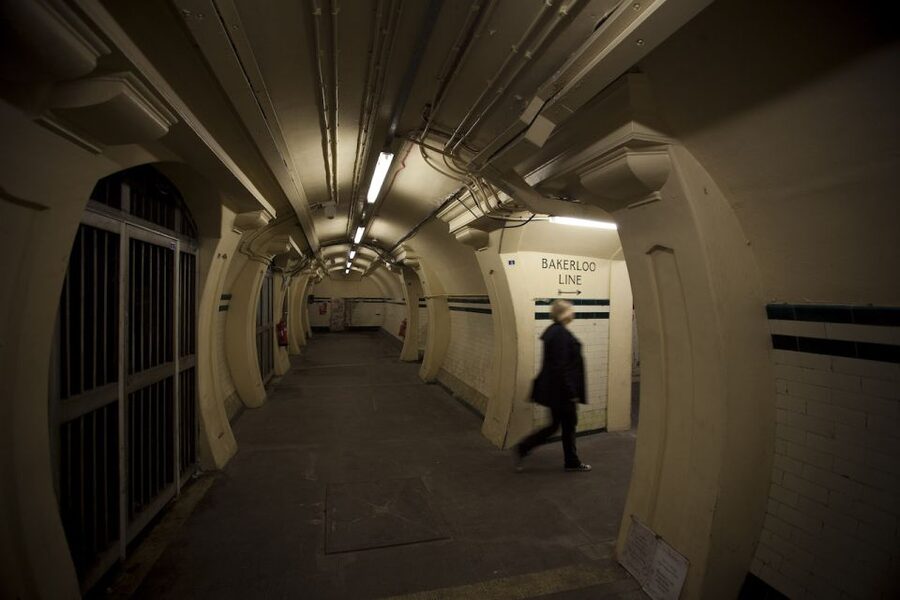
Most London Underground stations are places you pass through quickly. Aldwych asks you to slow down and look at the parts that daily commuters rarely notice: the architecture, the old machinery, the empty platforms, and the practical choices that shaped the station’s short working life.
The station opened in 1907 as part of the Piccadilly line network. It was intended to serve a busy part of central London, but passenger numbers never matched the original hopes. That low footfall is important to the experience. Aldwych was not rebuilt and polished to the same degree as heavily used stations, so its former purpose remains easier to read.
I like that tension. The station was designed for public use, yet it spent much of its life underused. It then gained new roles as an air-raid shelter, a storage site for national treasures, and a film set. You are not simply looking at an old Tube stop. You are following the changing needs of London across nearly a century.
The London Transport Museum developed the tour using historical research and material from its archive. That gives the visit a firm base, while the guides provide the human side. The best moments are likely to come when a guide connects an ordinary feature, such as a corridor or lift entrance, with the people who used it during the war.
A handful of other London outings to weigh up
- From London: Harry Potter Warner Bros Studio Tour
★ 4.7 · 26,588 reviews - London: Westminster to Greenwich River Thames Cruise
★ 4.5 · 22,836 reviews - Magical London: Harry Potter Guided Walking Tour
★ 4.7 · 22,044 reviews
Meeting the guide on Surrey Street
You meet outside the Aldwych station entrance on Surrey Street. This is important because the meeting point is not the entrance facing the Strand. Allow a little extra time to find the correct side of the station, especially if you are coming from another central London attraction.
The experience is in English and lasts 75 minutes. That is long enough to cover several parts of the station without taking up your entire day. It also fits neatly beside a visit to the London Transport Museum, which is close enough to make a useful pairing for anyone interested in transport, design, or London’s past.
Bring a passport or ID card. You cannot leave luggage or large bags in a cloakroom because there is no cloakroom available. Pack light, wear sturdy closed shoes, and avoid bringing food or drinks into the station.
The tour is not step free. You will walk up and down staircases, and there is no elevator. The ground can be uneven, and lighting is low in parts of the route. Those details are not minor footnotes. They shape how comfortable the visit will feel.
The ticket hall and Aldwych’s original design
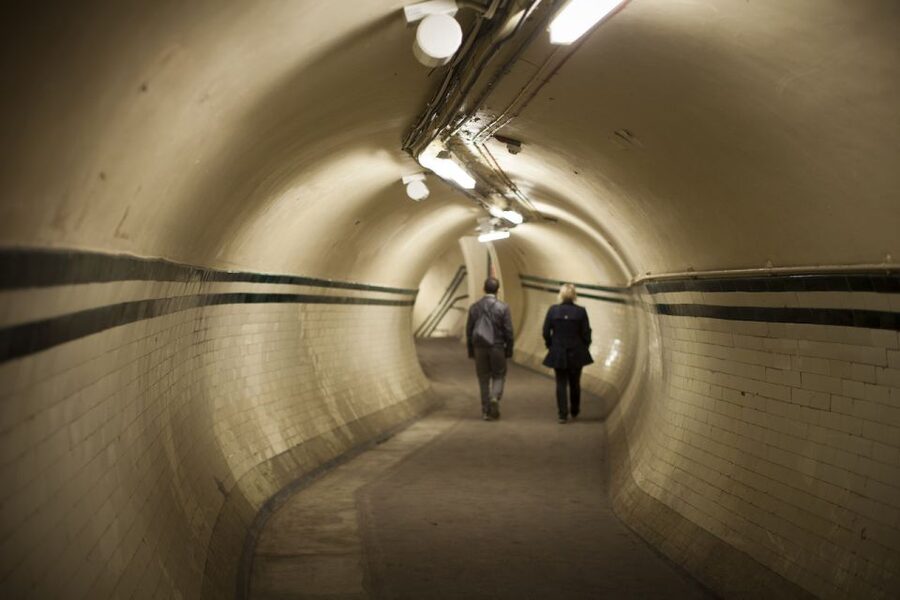
The tour begins with the station’s former ticket hall, where original architectural features help set the scene. This is one of the most rewarding parts for anyone who enjoys the physical design of the Underground, not just its trains.
An abandoned ticket hall can sound plain on paper, but it gives you a useful starting point. You can see how passengers would have entered, bought tickets, and made their way below street level. The space also shows how London’s Underground stations were built to guide crowds through a controlled sequence of entrances, lifts, corridors, and platforms.
Your guide will put the features into context rather than leaving you to inspect them in silence. This matters at Aldwych because the station’s story is not obvious from its surfaces. The empty spaces need explanation. A guide can point out what was original, what changed over time, and how the station’s low passenger numbers affected its later use.
The ticket hall is also where the sense of time travel begins. You are in central London, close to the Strand, yet the station’s disused areas feel removed from the traffic above. I would pay attention to small architectural details here, since they help you understand the station before the route becomes more industrial and underground.
Original lifts and the walk below street level
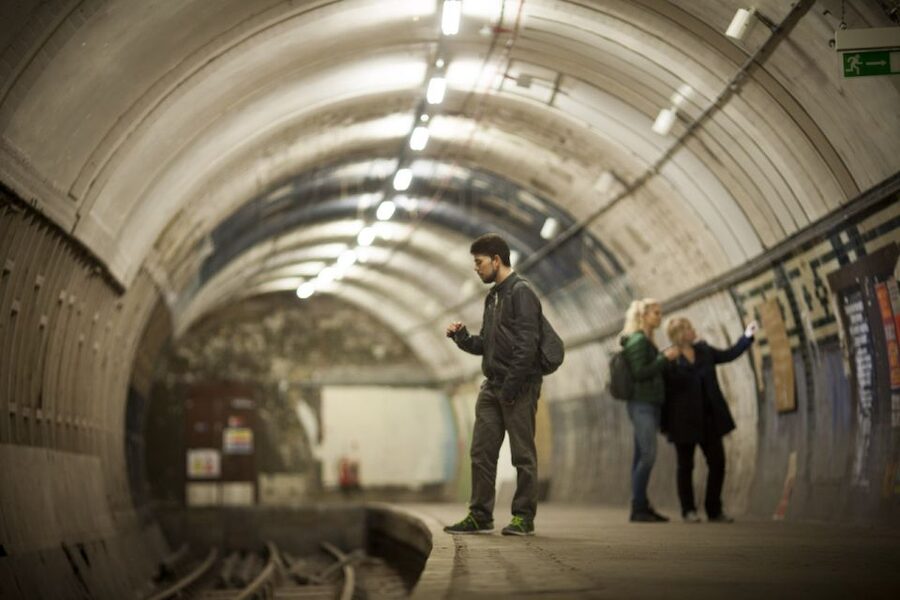
Aldwych’s original lifts are among the features that make the tour more than a walk through an empty tunnel. They show how passengers once moved between the street and the platforms before modern station layouts became familiar.
The lifts also help explain the practical rhythm of an early Underground station. A station was not just a platform and a train. It was a chain of spaces, each designed to move people safely and efficiently. At Aldwych, those spaces have been left outside everyday use, so the guide can focus on how they worked rather than rushing you through with a commuter crowd.
You should expect stair climbing as the tour moves through the station. The route includes staircases and uneven ground, so sturdy footwear is essential. Open-toed shoes are not permitted, and this is not a suitable outing for anyone who needs step-free access.
The low lighting adds atmosphere, but it can also make footing less certain. I would keep your hands free and avoid carrying anything bulky. With no cloakroom and a rule against large bags, traveling light is both easier and more practical.
Elsewhere in London, a change of pace:
- London: Madame Tussauds London
★ 4.6 · 20,915 reviews - London: Warner Bros. Studio Tour with Transfers
★ 4.7 · 17,586 reviews - London: Tower Bridge Entry Ticket
★ 4.7 · 15,560 reviews - London: St Paul’s Cathedral Entry Ticket
★ 4.7 · 9,813 reviews
Abandoned platforms, tunnels, and connecting walkways
The central thrill comes as you reach the abandoned platforms, tunnels, and interconnecting walkways. These are the areas that make Aldwych feel like a working piece of the Underground rather than a museum display built above ground.
A closed platform lets you imagine the station in use, but it also shows the limits of its original plan. Aldwych was the former terminus of the Piccadilly line, and its layout reflects that role. The end-of-line setting gives the station a different feel from a busy interchange, where passengers would be constantly moving through.
Some walkways are seldom open to the public. That restricted access is a major part of the value. You are seeing working infrastructure that most London sightseeing does not reveal, including the less polished spaces between the ticket hall and platforms.
The route is guided rather than self-directed. That is useful in a place where it would be easy to lose track of which space served which purpose. The guide can also explain why a tunnel exists, how the platforms were used, and which details later attracted film crews.
Do not expect a bright, smooth museum route. The station is old and disused. Its appeal comes partly from the worn surfaces, quiet platforms, and sense that the place has been waiting between uses. For some people, that is the magic. For others, the dim, enclosed setting may feel uncomfortable.
Aldwych during the Blitz
The wartime section gives the tour its strongest human story. During the Blitz, Aldwych became a place of refuge for people seeking protection from bombing. The station’s underground position made it useful in a crisis, even though it had not succeeded as a busy passenger station.
First-hand accounts from people who sheltered during the Second World War add meaning to the physical spaces. A bare platform can seem abstract until you understand that people spent frightening nights there, waiting for danger above to pass. This is where the tour moves beyond transport design and into the lives of Londoners.
The station also helped protect priceless treasures during the Blitz. That detail is especially memorable because it shows the range of wartime planning. Aldwych was not only a shelter for people. It also became a secure place for objects considered too important to leave exposed in central London.
I appreciate this part because it avoids treating the station as a curiosity frozen in time. The underground spaces mattered at a moment when London faced a real threat. Your guide’s job is to connect the surviving rooms with those practical wartime decisions and the people affected by them.
The atmosphere may feel more serious here than in the film-location sections. That balance is welcome. Aldwych has plenty of unusual stories, but the wartime use gives the visit emotional weight without requiring a long museum lecture.
Seeing the station through film and television
Aldwych has also had a second life on screen. The station has appeared in The ABC Murders from 2018, Darkest Hour from 2017, Sherlock from 2014, Atonement from 2007, and Luther: The Fallen Sun.
Film fans will enjoy seeing how a disused station can provide the look of an earlier London or a fictional Underground setting. The old platforms, tunnels, and walkways offer visual details that are difficult to reproduce convincingly in a modern station.
You may recognize particular areas from the productions, though the value is not limited to spotting a famous location. The film stories show how Aldwych’s abandoned condition became an asset. A working station has passengers, advertising, safety rules, and modern equipment. Aldwych offers a more flexible setting for period drama and suspense.
I like this part as a change of pace. The Blitz stories explain what the station meant to real people, while the film section shows how its appearance has been re-used by storytellers. Together, they explain why the station remained useful after it stopped carrying passengers.
If you are not interested in film, you will still have plenty to see. The screen connections are one strand of the tour, not its entire purpose.
The guide makes the difference
Aldwych’s spaces are unusual, but the guide determines how much you get from them. The tour team has included Colin, Cat, Emily, Jas, Dom, and other London Transport Museum guides. The strongest descriptions of the experience focus on their enthusiasm, warmth, humor, and ability to explain complicated details clearly.
That praise makes sense. A silent platform can quickly become repetitive if you only receive dates and construction facts. A good guide gives the station a sequence: why it opened, why it saw fewer passengers than expected, how it helped during the Blitz, and why it later appeared in films.
I would listen for the personal accounts and practical details rather than trying to photograph every surface. The station is best understood through the stories attached to it. Photos can record the walls, but they cannot replace the explanation of how the spaces were used.
The tour has also received a public-voted award for Best Hidden Gem in the World at the 2022 Tiqets Remarkable Venue Awards. The award is not a reason by itself to book, but it reflects how unusual the experience is compared with standard London sightseeing.
Is $60 good value for 75 minutes?
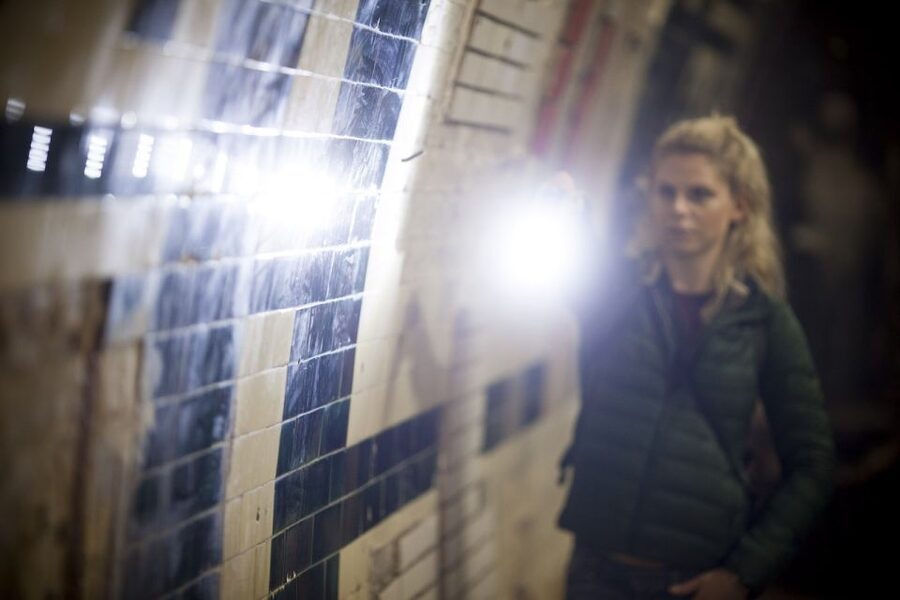
At $60 per person, this is not a cheap way to fill an hour. You are paying for access to a disused station, a specialist guided experience, and a carefully researched presentation rather than a general walking tour.
The value is strongest if you already care about the London Underground, wartime London, architecture, or film locations. In those cases, Aldwych offers access to spaces you cannot see during a normal Tube journey. The station’s unusual combination of uses also gives the tour more range than a simple transport history talk.
The price is harder to justify if you only want a quick look at an old station. The visit lasts 75 minutes, and the route is not step free. You will need to accept the physical demands as part of the cost.
I would compare it with the price of other central London attractions by asking what kind of experience you want. Aldwych is not a large museum with many rooms and displays. It is a focused encounter with one preserved underground site, led by a guide who gives meaning to what you see.
For the right visitor, that focus is a strength. You are not spending hours moving through unrelated exhibits. You are spending one compact session inside a place with several distinct chapters.
Who should book this tour?
I would recommend Aldwych to:
- London Underground fans who want to see a station beyond the public network
- People interested in the Blitz and civilian shelter life
- Visitors who enjoy historic architecture and industrial spaces
- Film fans curious about real locations used in period drama and crime productions
- Repeat London visitors looking for something different from the usual major sights
- Families with children aged 10 and older who can manage stairs and low light
There can be no more than four children aged 10 to 15 per adult. Children under 10 cannot join the tour.
I would not choose it if you have claustrophobia, a mobility impairment, or difficulty walking on uneven ground. The route includes staircases, low lighting, and no elevator. Wear suitable clothing and closed, sturdy footwear.
Free cancellation is available up to 24 hours before the tour for a full refund, and you can reserve now and pay later. Check the available starting times when booking, since the 75-minute duration alone does not tell you when the tour runs.
My verdict on Aldwych’s abandoned Tube station
I would book this if I wanted a well-told London experience with real atmosphere and a clear sense of place. The station’s original ticket hall, lifts, platforms, and tunnels are the draw, but the Blitz shelter stories and film connections give the visit lasting interest.
The $60 price is fair for a specialist tour, provided you will value the access and the guide. It is not the right choice for a casual, step-free sightseeing stop. For an Underground enthusiast, history fan, or repeat visitor who wants to see a side of London normally kept behind closed doors, Aldwych is a strong pick.
FAQ
How long does the Aldwych station tour last?
The guided tour lasts 75 minutes.
Where does the tour meet?
Meet your guide outside the entrance to Aldwych station on Surrey Street. This is different from the entrance facing the Strand.
What areas of Aldwych station will I see?
The tour includes the former ticket hall, original lifts, abandoned platforms, tunnels, and interconnecting walkways.
Is the tour available in English?
Yes. The tour has a live English-speaking guide.
Can children join the tour?
Children under 10 cannot join. Children aged 10 to 15 are allowed, with a maximum of four children in that age range per adult.
Is the tour suitable for people with limited mobility?
No. The route is not step free, includes staircases and uneven ground, and has no elevator. It is not suitable for people with mobility impairments.
What should I bring and wear?
Bring a passport or ID card and wear sturdy closed-toe footwear with suitable clothing. Open-toed shoes, food, drinks, luggage, and large bags are not allowed, and there is no cloakroom.
New listings around London
- London: GoBoat Rental in Canary Wharf with London Docklands★ 4.2 · 14 reviews
- Windsor Castle & Hampton Court Palace VIP Black Taxi Tour★ 4.9 · 14 reviews
- London Royal Tour – Buckingham Palace Entry – 12 guests 2,5h★ 4.9 · 14 reviews
- London: Christmas Party Dinner Cruise★ 3.9 · 14 reviews
- London: Traditional Afternoon Tea Tour in a Luxury Coach★ 4.7 · 15 reviews
- Hobbledown Heath One-Day Entry Ticket★ 4.2 · 15 reviews
- Iconic London: Bard, Beatles, Bond & Baker Street★ 4.9 · 15 reviews
- London: Sherlock Holmes Tour by Black Cab★ 4.9 · 15 reviews
London Tours, compared.
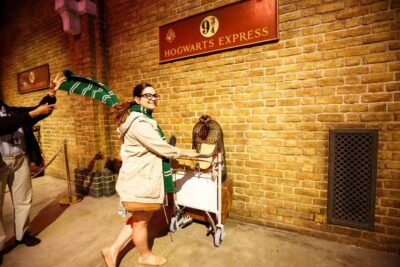
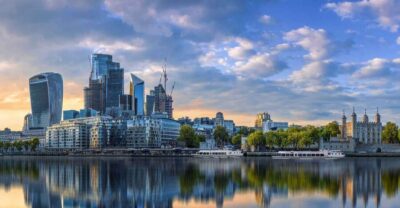
Westminster to Greenwich River Thames Cruise
Read our review →
Magical London: Harry Potter Guided Walking Tour
Read our review →