
Reviewed · BATH TOURS
Bath: Guided Walking Tour
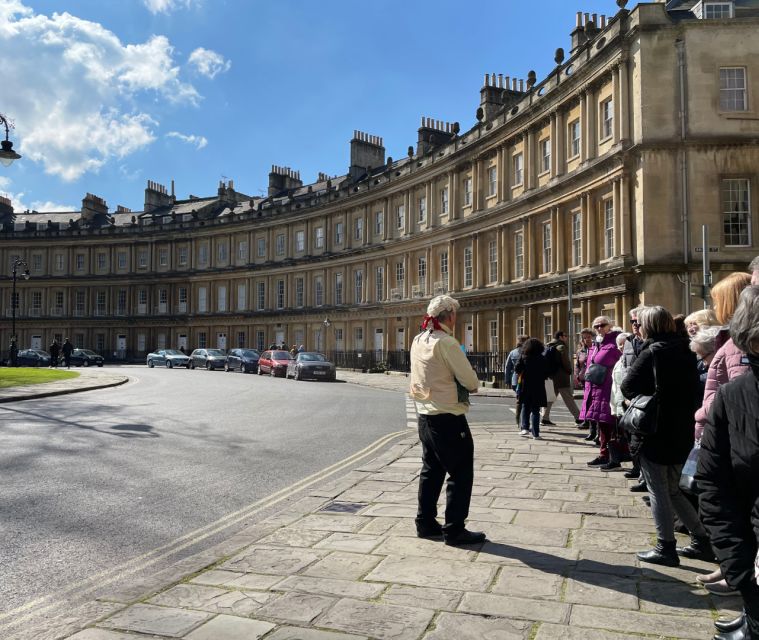
Bath’s story comes alive on foot, especially when the route links the Roman Baths and Abbey Green with the graceful Georgian streets above. Guide Paul Elliott leads you from the Abbey Hotel North Parade through old lanes, grand squares, and Bath’s most famous crescents, adding historical context and light humor along the way.
I like the tour’s efficient route and its focus on the city’s outside views. I also like that it covers both Roman Bath and Georgian Bath in only two hours. The main drawback is that it is not suitable for wheelchairs, pushchairs, babies under one, or children under five, and the pace and guide interaction may not suit every family.
Key points to know before you book
- Bath Abbey and the Roman Baths are explained from outside: You get useful background, but entry tickets are not part of the tour.
- Paul Elliott is the named guide: The tour is in English, with history, local tips, and a few amusing details.
- The route covers Bath’s major Georgian sights: Queen Square, the Assembly Rooms, the Circus, and Royal Crescent all fit into the walk.
- It finishes near Thermae Bath Spa: You see Bath’s modern bathing attraction at the end, but admission is separate.
- Expect an easy two-hour stroll with many stops: The route is designed to cover a lot without becoming a full-day march.
- Check the access rules carefully: Scooters, pushchairs, and very young children can be a problem, while assistance dogs are allowed.
Starting beside Bath Abbey
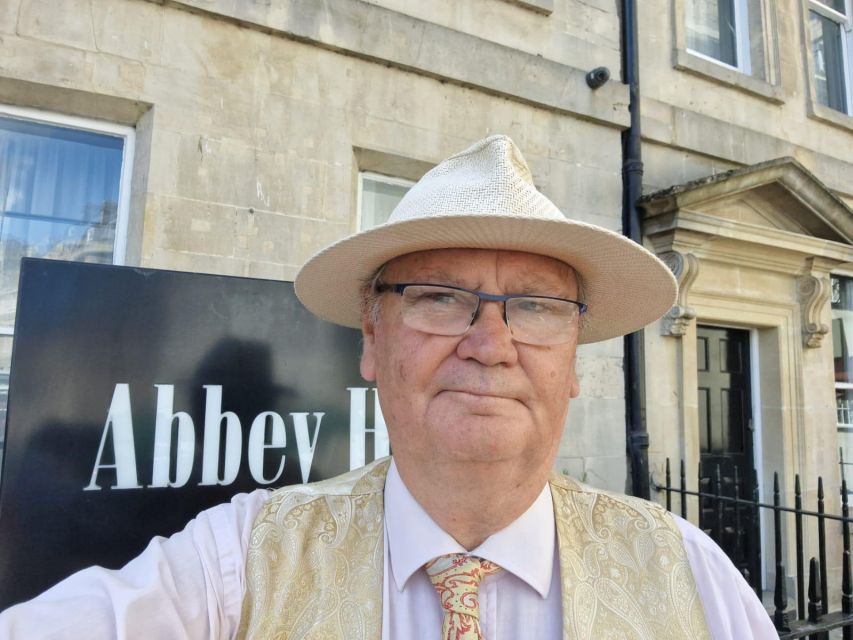
Meet at The Abbey Hotel North Parade, near the city center, for a short introduction with Paul Elliott. The starting point is practical because you are already close to Bath Abbey, the Roman Baths, Sally Lunn’s, and the streets leading toward Pulteney Bridge.
The first minutes matter in Bath. The city can look compact on a map, but its layers are easy to confuse. Roman foundations, medieval church land, Georgian planning, and modern spa culture sit close together. A guide gives you a useful framework before you begin wandering on your own.
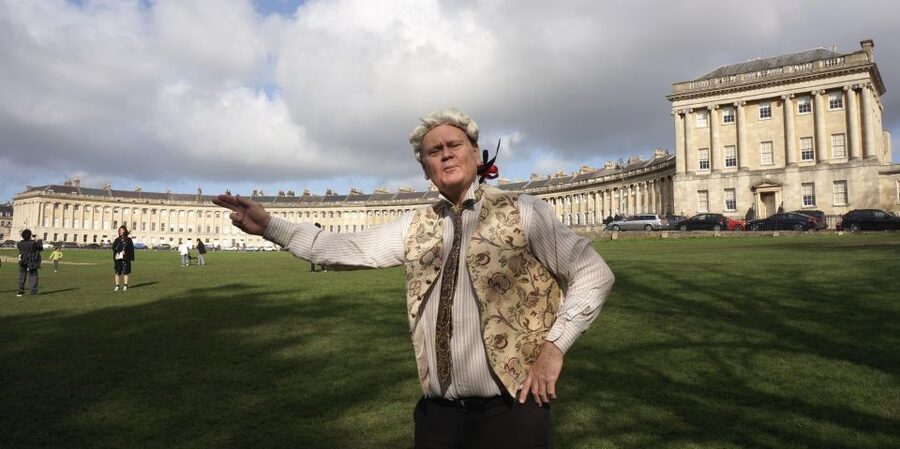
Paul’s role is not simply to point at buildings. The tour is built around explaining how the city developed and why its streets look so different from one another. His style has received strong marks for historical detail, clear explanations, useful tips, and fun facts. One especially positive account described him as full of knowledge and advice, which is the sort of help that can improve the rest of your day in Bath.
More Walking Tours in Bath
- Bath: City Walking Tour with Optional Roman Baths Entry
★ 4.7 · 1,401 reviews - Bath: Guided Walking Tour
★ 4.9 · 1,198 reviews - Bath: Bridgerton Filming Locations Walking Tour with Music
★ 4.7 · 416 reviews
Sally Lunn’s and the quiet side of Abbey Green
The first major stop is Sally Lunn’s, known as Bath’s oldest house. You see it from the outside and learn why this small building matters in a city filled with much larger monuments.
The nearby Abbey Green gives the tour a calmer setting. The old London Plane tree and the former monastery site help explain that this part of Bath was not created only for Georgian visitors. There are older layers beneath the polished stone and busy central streets.
This is a good early stop because it sets up the main theme of the walk: Bath is not one historical period. The city has Roman beginnings, medieval religious roots, Georgian ambition, and a modern spa identity. You do not need a long lecture to grasp the idea, but the short explanations make later sights easier to read.
Roman Bath, Prince Bladud, and Bath Abbey
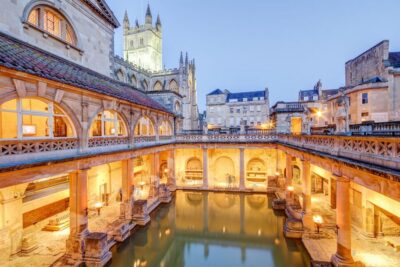
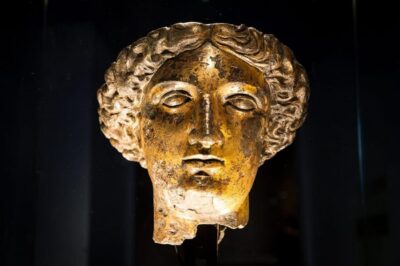
The guide explains the Roman Baths without taking you inside. That distinction is important. You will learn about the site and its connection with the legend of Prince Bladud, but an admission ticket is not included and the indoor Roman Baths visit must be done separately.
For many people, this outside explanation is enough to orient a first visit. For others, the Roman Baths are the main reason to come to Bath, so you should plan extra time to enter independently. The tour does not replace that museum visit. It gives you a story and a sense of place before or after you see the exhibits for yourself.
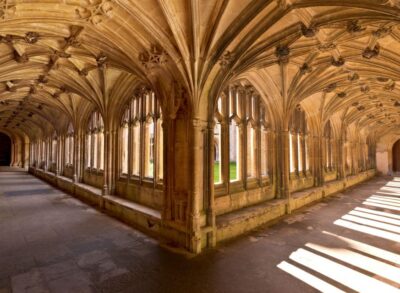
Bath Abbey receives a fuller explanation, including the churches that occupied the site before the present building. This adds depth to what might otherwise be a quick photograph. You begin to understand why the area around the Abbey has been a center of worship and public life for so long.
The advantage here is efficiency. In a short tour, you get context for two major sights without spending the whole morning inside one attraction. The tradeoff is that you must pay separately and arrange your own visit if you want to see the interiors.
Pulteney Bridge and the old East Gate
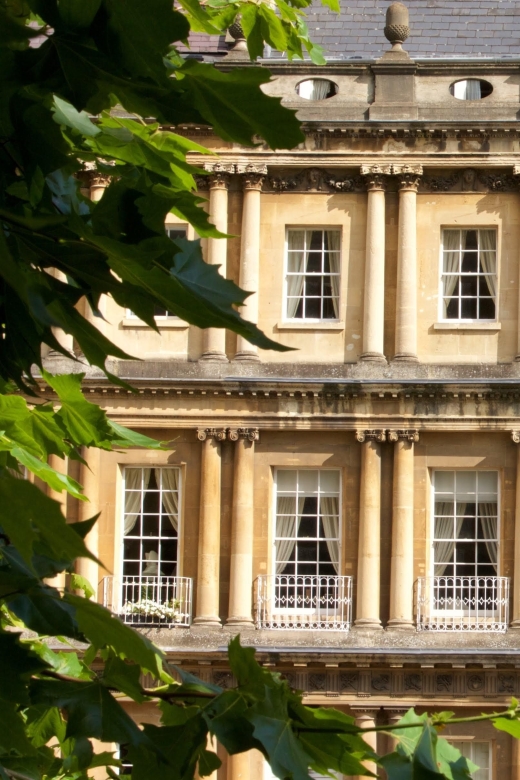
The route continues toward the original East Gate of Bath, which led down toward the River Avon. From here, the walk brings you to Pulteney Bridge, one of the city’s most recognizable views.
Pulteney Bridge is more than a pretty crossing. Its shops and position over the river make it one of the clearest examples of Bath’s habit of combining practical city design with visual drama. This is also one of the tour’s better photo stops, so keep your camera ready and give yourself time to look beyond the first view.
The route does not linger at every landmark for a long period. Instead, Paul uses the stops to build a connected story. You keep moving, but you are not rushed from one photo point to the next. The stated aim is an easy two-hour walk with many stops, and that balance is useful if you want an introduction rather than a demanding historical lecture.
Elsewhere in Bath, a change of pace:
- Bath: Guided Ghost Tour
★ 4.8 · 1,036 reviews - From Bath: Stonehenge & the Cotswolds Day Tour with Entry
★ 4.8 · 543 reviews - Bath: Tootbus Bath Discovery Hop-On Hop-Off Tour
★ 4.5 · 430 reviews - Bath: Roman Baths Entry Ticket with Audio Guide
★ 4.7 · 425 reviews
Climbing through Bath’s lanes
After the riverfront sights, the route heads through Bath’s alleyways and rises toward the upper part of the city. This change in elevation is modest for most walkers, but it is still worth considering if you have mobility concerns.
The lanes provide a welcome contrast to the formal Georgian avenues. They show how Bath’s older street pattern fits beneath and around the later city. You might find these transitions more revealing than a straight walk between famous buildings because the change in scale is so clear.
The tour does not promise an accessible route, and the restrictions are firm. It is not suitable for wheelchair users, pushchairs, baby carriages, babies under one, or children under five. Assistance dogs are allowed, but ordinary pets are not. A child’s scooter also caused difficulty for one family, so I would avoid bringing one unless you have confirmed that it is acceptable in advance.
Queen Square and Jane Austen’s Bath
At the top, the character of Bath changes. Queen Square introduces the Georgian sector, shaped in part by John Wood and built with stone connected to Ralph Allen’s work. These names can seem abstract in a history book, but the square gives you a clear example of the planning ideas behind Bath’s grand architecture.
The Georgian city was designed to impress, but it was not just a collection of pretty facades. Streets, squares, terraces, and public rooms were arranged to create an orderly setting for social life. Your guide explains that design in place, where you can see the repeated windows, pale stone, and broad open spaces yourself.
The route passes the Jane Austen Centre before continuing toward the Assembly Rooms. Jane Austen lived in Bath and used the city as a setting in her novels, so this part of the walk helps connect architecture with literature and social customs.
You should not expect admission to the Jane Austen Centre or the Assembly Rooms. They are viewed as part of the outside route, and any indoor visit requires a separate ticket. That arrangement keeps the walking tour affordable, but it means you need to schedule extra time if either attraction is high on your list.
The Circus and Royal Crescent
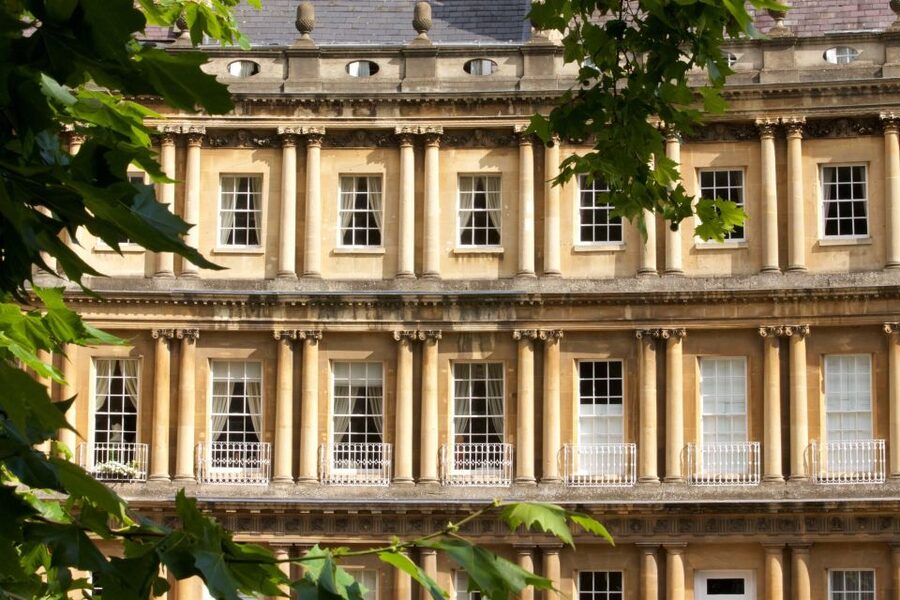
The Circus is one of Bath’s most impressive urban designs. Its curved arrangement makes the buildings feel like one complete work rather than a row of separate houses. Paul explains the Georgian plan as you walk around it, which helps you notice the relationship between the stonework, repetition, and shape.
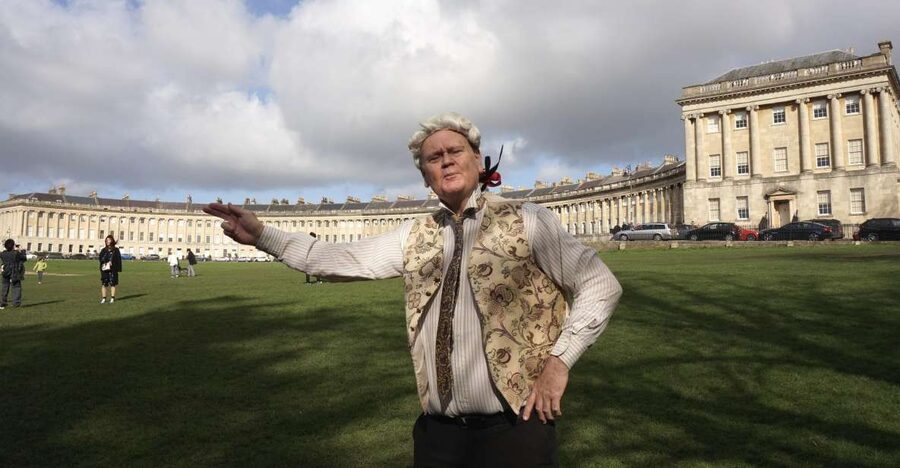
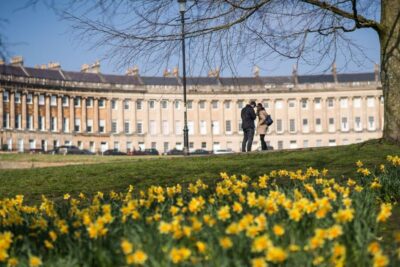
From there, the route continues to the Royal Crescent. This is the grand visual finish of the Georgian section, with its long sweep of buildings and broad open space in front. It is the sort of place that can be reduced to a quick photograph, but the guide’s explanation gives you a reason to look at the crescent as a planned statement of status and order.
The Royal Crescent is also a useful point for understanding Bath’s scale. The center can feel dense, but these open spaces show how Georgian designers created room for promenading and display. You see why Bath is so strongly associated with the period.
This section is likely to be the high point for architecture lovers. If your main interest is medieval churches, Roman archaeology, or small historic interiors, the earlier stops may matter more. The route offers a broad sample rather than an in-depth study of one era.
Royal Victoria Park and the route back downhill
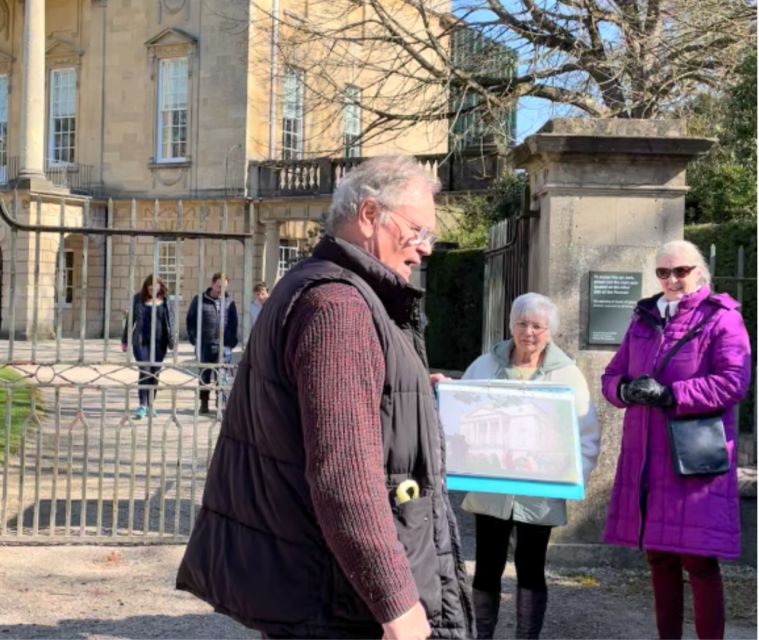
The walk then heads downhill through Royal Victoria Park toward the Theatre Royal. The park gives you a break from stone streets and offers another set of photo opportunities.
Because the tour lasts only two hours, the park section is part of the route rather than a long stop for recreation. You should not plan to picnic, browse slowly, or spend extended time here during the tour. Think of it as a pleasant connection between the Georgian heights and the lower city.
The downhill direction is generally easier than the earlier climb, but uneven streets and changing surfaces can still affect comfort. Wear shoes that you can walk in for two hours. Bath is compact enough to explore on foot, but its slopes and stone paving make flimsy footwear a poor choice.
Theatre Royal and modern Thermae Bath Spa
The route reaches the Theatre Royal before finishing near Thermae Bath Spa on Hot Bath Street. The Theatre Royal adds another cultural layer to the walk, showing that Bath’s identity has long included performance and public entertainment as well as religion, architecture, and bathing.
Thermae Bath Spa provides the final link between old Bath and present-day Bath. The city’s spa tradition is ancient, but the modern facility is a contemporary attraction. You see it as part of the walking route, but entry is not included.
Ending near Hot Bath Street is convenient if you want to continue sightseeing, eat, or look into a separate spa visit. It also means the tour does not return to its starting point, so note the finish location when planning your next activity. The end point is given as Hot Bath St, Bath BA1 1SJ.
What the 26 dollar price really covers
At $26 per person, this is a reasonable orientation tour if you want a guide to connect Bath’s major sights. You are paying for two hours of live explanation and a carefully arranged route, not for attraction tickets.
The value is strongest if this is your first time in Bath and you want to understand the city before exploring on your own. You see a wide range of landmarks, learn the basic story behind them, and receive local tips from an English-speaking guide. The cost is also easier to justify if you would otherwise spend time wandering without knowing what you are looking at.
The value is weaker if you want extended time inside the Roman Baths, Bath Abbey, the Assembly Rooms, the Jane Austen Centre, or Thermae Bath Spa. You will need to pay those admission costs separately and fit them around the two-hour walk.
The tour offers free cancellation up to 24 hours before departure and allows you to reserve now while paying later. Check the available start times before booking, since the tour duration is fixed at two hours but departure times can vary.
Who should take this walk
I would recommend it to first-time visitors who want a clear overview of Bath’s Roman and Georgian sides. It also suits adults and older children who can manage a steady walk with some uphill and downhill sections.
History fans will appreciate the links between Prince Bladud, the Roman Baths, Bath Abbey, John Wood, Ralph Allen, Jane Austen, and the city’s later spa culture. Architecture lovers get Queen Square, the Circus, and Royal Crescent in one route. Photographers benefit from the number of strong exterior viewpoints.
I would be cautious if you are visiting with a baby, pushchair, scooter, or very young child. The tour rules specifically exclude children under five and babies under one, and the walk is not designed for wheelchairs. Families should also be prepared for a firm approach to those restrictions.
The named guide is Paul Elliott, and his feedback is mostly very strong, especially for historical explanations and practical tips. Still, one serious account describes a rude exchange involving a pregnant parent and children with a scooter. That does not define every tour, but it is a fair reason to confirm your group’s equipment and needs before booking.
Should you book the Bath walking tour?
Book it if you want a brisk introduction to Bath’s main sights and are happy to visit the interiors separately. For $26, the combination of Roman context, Georgian planning, famous landmarks, and local guidance is useful, especially on a first day in the city.
Skip it if you need step-free access, want a relaxed family outing with a pushchair, or prefer long visits inside attractions. You should also allow extra time and money for the Roman Baths, Bath Abbey, the Assembly Rooms, the Jane Austen Centre, or Thermae Bath Spa.
For most suitable participants, this is a smart way to get your bearings fast without giving up half a day. Just wear sensible shoes, arrive ready for a two-hour walk, and treat the tour as an introduction to Bath rather than a substitute for its paid sights.
FAQ
Where does the Bath walking tour start?
The tour starts at The Abbey Hotel North Parade in Bath, with the listed starting postcode BA1 1LF.
Where does the tour finish?
It finishes on Hot Bath Street in Bath, with the listed address Hot Bath St, Bath BA1 1SJ.
How long does the walking tour last?
The guided walk lasts two hours.
What language is the tour in?
The live tour guide speaks English.
Who is the named guide?
The experience is provided by Paul Elliott.
Are Roman Baths admission tickets included?
No. The Roman Baths are explained from outside, and admission must be arranged separately.
Are any attraction admission fees included?
No. The walking tour includes the guide and the walk only. Entry fees for attractions must be paid separately.
Is the tour suitable for wheelchair users?
No. The tour is listed as unsuitable for wheelchair users.
Can I bring a pushchair, baby carriage, or pet?
Pushchairs and baby carriages are not allowed, and ordinary pets are not allowed. Assistance dogs are permitted.
Can young children join the tour?
Children under five are not suitable for this tour, and babies under one are excluded.
New listings around Bath
- Bath: 2 Hour Private City Walking Tour★ 4.9 · 16 reviews
- From Bath: Cotswolds Private Day Tour with Pickup★ 4.9 · 17 reviews
- Bath : 2 Hour Historic Walking Tour With An App★ 3.6 · 19 reviews
- Bath: 90-Minute Private Ghost Walking Tour★ 4.8 · 20 reviews
- City of Bath: British Wine and Cheese Tasting Experience★ 4.9 · 21 reviews
- Bath: Walking Tour of Bath and Guided Tour of Bath Abbey★ 5.0 · 27 reviews
- Bath: Local Pubs & Historic Sights Walking Tour (3h)★ 4.9 · 29 reviews
- Full-Day Stonehenge and Bath Tour★ 4.4 · 39 reviews
Bath Tours, compared.
City Walking Tour with Optional Roman Baths Entry
Read our review →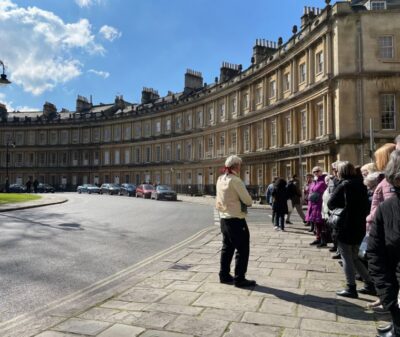
Stonehenge & the Cotswolds Day Tour with Entry
Read our review →
Bridgerton Filming Locations Walking Tour with Music
Read our review →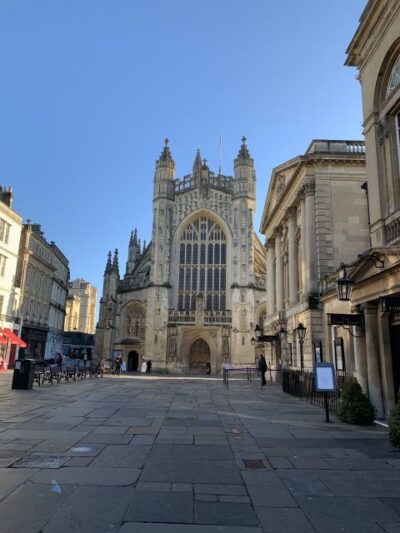
Guided City Walking Tour with Entry To The Roman Baths
Read our review →Browse the lists this tour appears in