Reviewed · LONDON TOURS
Booze, Brothels & the Bard: London’s Bawdy Borough
Southwark’s past is not polite, and that is exactly what makes this two-hour walk so entertaining. Outside the control of the City of London, the borough became a convenient home for brothels, prisons, theaters, and alehouses, with a thousand years of misbehavior packed into roughly two miles.
I like the way the walk links famous names to places you could easily pass without noticing, especially Shakespeare, Charles Dickens, and the medieval Winchester Geese. I also like the small group limit, which makes it easier to hear the guide and ask questions. The main drawback is pace: with fourteen stops between Borough Station and the Globe, several sites receive only a short explanation rather than a full visit.
Key points to know before you go
- A two-mile history walk: The route takes about two hours, with most of the journey on foot through Borough and Bankside.
- Southwark’s darker past: Learn about prostitution, prison life, public drinking, and the old freedoms of an area beyond the City of London’s rules.
- Famous sights with a different angle: See Borough Market, Southwark Cathedral, London Bridge, Winchester Palace, and Shakespeare’s Globe through their less polished stories.
- Tom Currie is a strong guide: He is friendly, clear, humorous, and happy to answer questions as the group moves between stops.
- Small groups help: Attendance is limited to fifteen people, useful in crowded areas such as Borough Market.
- The Globe visit is exterior-focused: The walk shows the original theater site and the present Globe, but a separate ticket is needed to tour the theater itself.
Why Southwark makes such a good walking tour
The appeal here is not simply that Southwark has old buildings. It is that the borough tells a different story about London.
For centuries, Southwark sat just outside the authority of the City of London. That boundary mattered. Activities frowned upon inside the City could operate more freely south of the river, including prostitution, theaters, gambling, drinking houses, and prisons. The result was a district with a rough reputation and a steady supply of people looking for entertainment, work, escape, or trouble.
The tour uses that setting to explain how London worked over time. You meet medieval prostitutes known as the Winchester Geese, hear about prisons that held debtors and criminals, and follow the theatrical thread from Shakespeare’s original Globe to the building you can see today.
I find this more useful than a simple list of dates. The guide keeps asking why these places appeared here and what they reveal about London society. The bawdy material gives the walk its hook, but the real value is the connection between law, money, religion, entertainment, and ordinary life.
A handful of other London outings to weigh up
- From London: Harry Potter Warner Bros Studio Tour
★ 4.7 · 26,588 reviews - London: Westminster to Greenwich River Thames Cruise
★ 4.5 · 22,836 reviews - Magical London: Harry Potter Guided Walking Tour
★ 4.7 · 22,044 reviews
Starting at Borough Station
Meet outside the Borough Station exit on Borough High Street. Look for the guide holding a Historic London Tours sign.
This is a practical starting point because Borough Station is easy to reach, and the route then moves steadily toward London Bridge and Bankside. You will not spend the opening minutes on a long transfer or orientation walk. The story begins almost at once.
The activity is in English and led by a live guide. The group limit of fifteen is worth noting. A smaller party usually makes street-side explanations easier to follow, and you have a better chance of asking a question without holding up a large crowd.
Tom Currie has led the walk and is particularly good at keeping the tone relaxed. He explains complicated pieces of local history in short, clear sections, then leaves room for questions. One useful touch is the option to receive a link with information from the tour, giving you something to revisit later instead of trying to remember every name while walking.
Marshalsea Prison and the stories of confinement
The first major stop is the former Marshalsea Prison. Only part of the old prison survives, but that fragment is enough to make the subject real.
Marshalsea is closely tied to the history of debt imprisonment. The name also has a strong Charles Dickens connection, since Dickens knew the misery of debt and drew on the world of Southwark in his writing. The stop helps explain that prisons were not just places for dangerous criminals. Debt, poverty, and family hardship could also pull people into the prison system.
This is one of the places where a guide adds real value. A remaining wall or architectural fragment can look unimportant if you do not know what happened there. With the story attached, it becomes evidence of a system that shaped everyday life.
You should not expect an extended museum visit. The tour pauses briefly, explains the site, and moves on. If prison history is your main interest, you may want to spend extra time exploring Southwark after the walk.
Crossbones Garden and the Winchester Geese
Crossbones Garden brings the tour back to the women whose work gave Southwark its notorious reputation. The area is associated with the medieval Winchester Geese, prostitutes licensed by the Bishop of Winchester.
The subject is handled as part of the borough’s social history rather than as cheap shock. These women worked in an area where the church and local authorities could profit from prostitution while keeping it outside the City’s formal boundaries. That contradiction tells you plenty about medieval London.
Crossbones also adds a more reflective note. The site is linked with the unrecognized dead of Southwark, including women who lived outside respectable society. It is a useful counterpoint to the grand names that appear later in the walk. The story is not only about kings, bishops, writers, and theaters. It is also about people whose lives were poorly recorded.
Expect a short guided stop, not a formal garden tour. The route is designed to keep moving, so take note of the location if you want to return on your own.
Elsewhere in London, a change of pace:
- London: Madame Tussauds London
★ 4.6 · 20,915 reviews - London: Warner Bros. Studio Tour with Transfers
★ 4.7 · 17,586 reviews - London: Tower Bridge Entry Ticket
★ 4.7 · 15,560 reviews - London: St Paul’s Cathedral Entry Ticket
★ 4.7 · 9,813 reviews
The Hop Exchange and the George Inn
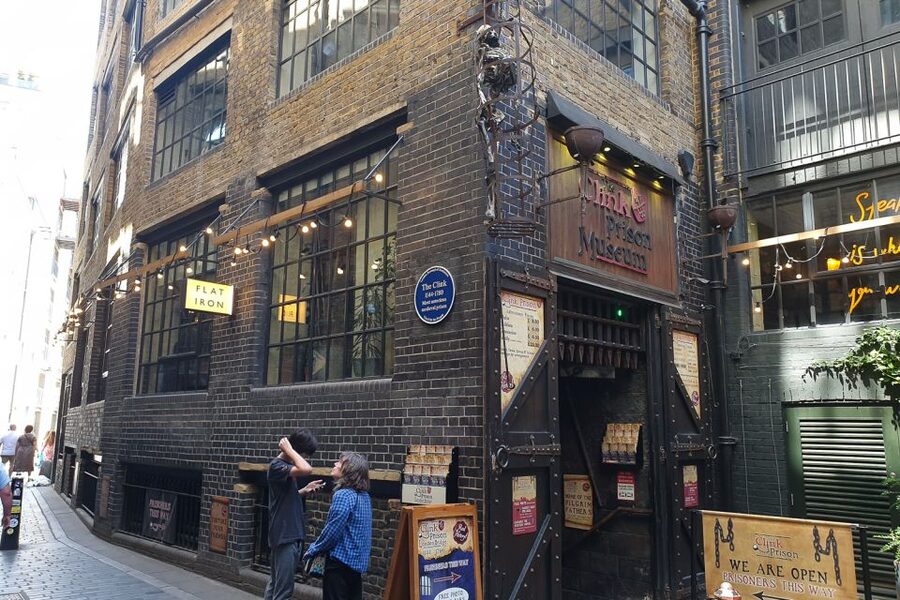
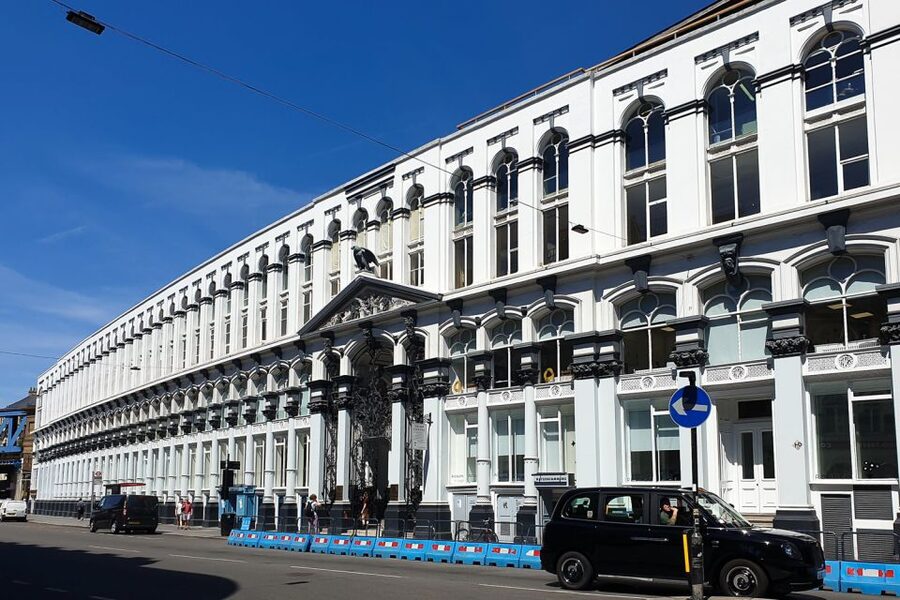
At the Hop Exchange, the subject shifts toward drinking and trade. Its name recalls the hop trade, an essential part of brewing, and it fits the tour’s wider look at how alcohol shaped Southwark’s economy and public life.
This is where the title’s booze theme makes sense. Drinking was not a side detail in old London. It supported businesses, brought people together, and helped make the borough a destination for those seeking entertainment beyond the City’s control.
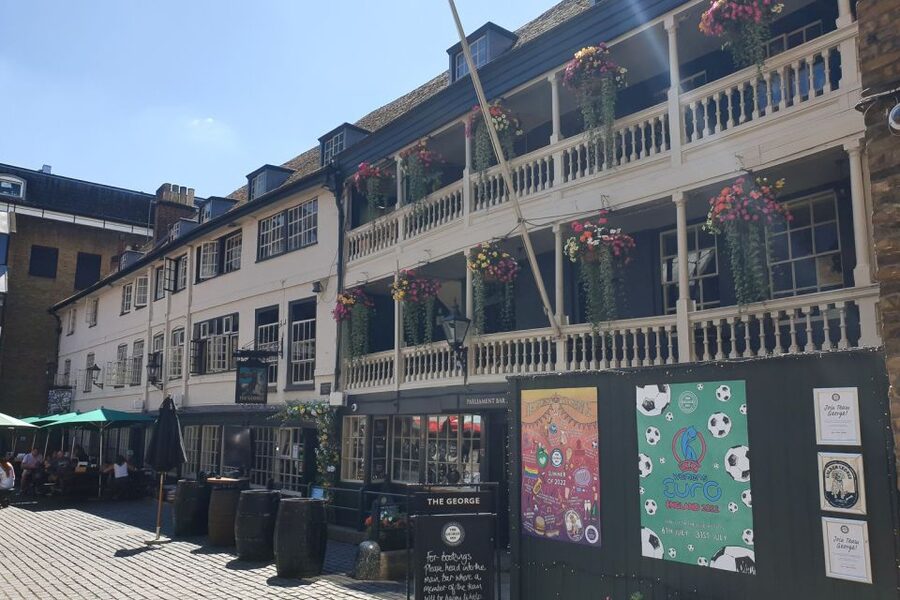
The George Inn gives you a more tangible link to that world. It is one of London’s historic coaching inns, and the stop connects the building with the movement of people through Southwark. The guide explains how inns, theaters, markets, and prisons all worked within the same compact district.
You will not sit down for a drink as part of the tour, so do not book this expecting a pub crawl. The value is the historical setting and the story of how an old inn fits into the borough’s larger past.
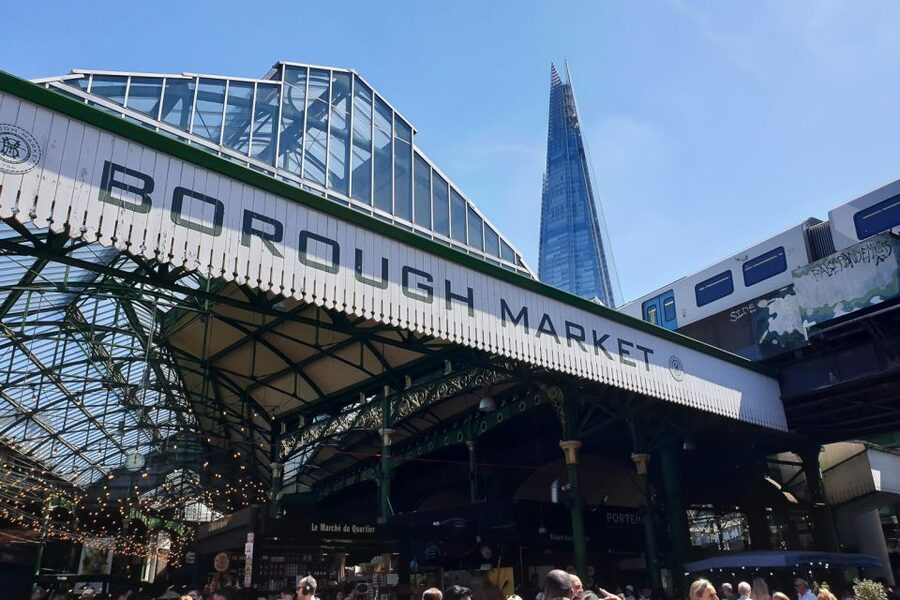
Borough Market, London’s busy crossroads
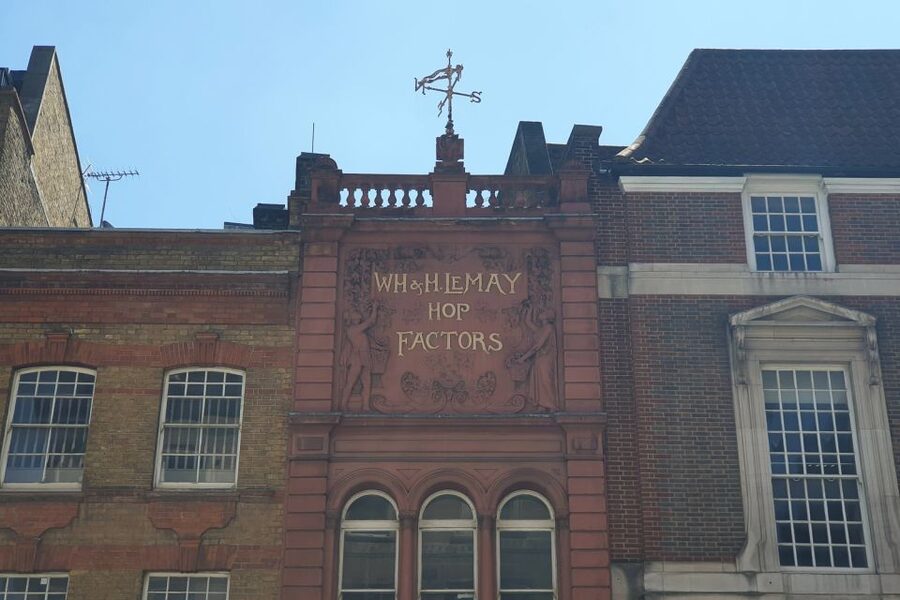
Borough Market is one of the walk’s most recognizable locations and one of its most crowded. It is described as London’s largest and oldest market, and it remains a major meeting point south of the river.
The guide uses the market to explain trade and food supply rather than simply pointing out stalls. Its position near London Bridge made it part of the flow of goods and people into the capital. That location also helps you understand why Southwark developed such a mixed reputation. Markets bring business, but they also bring crowds, travelers, pickpockets, workers, entertainers, and people living outside ordinary routines.
Crowds are the main practical issue here. A Sunday can be especially packed, and you may need to stay close to the guide. The small group size helps, but this is still an active public market, not a quiet historical site.
I recommend returning after the tour if you want time to browse or eat. The walking stop gives you useful context, but it does not leave much time for shopping.
The old operating theater and Southwark Cathedral
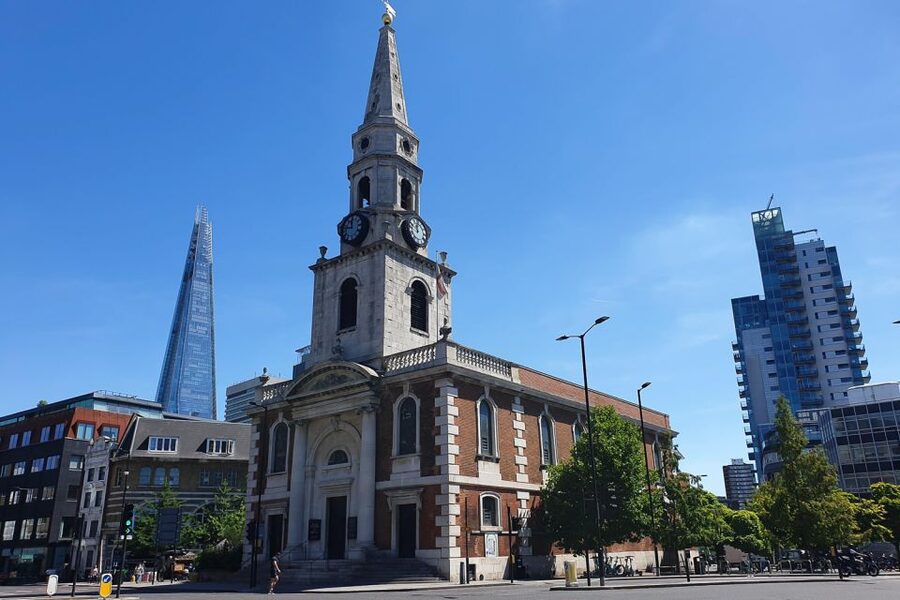
The Old Operating Theatre Museum and Herb Garret adds medical history to the route. The stop shows that Southwark’s past was not only about sex, alcohol, and theater. It was also a place where people worked, suffered, and sought treatment under very different medical conditions from today.
The museum is housed in the old St Thomas’ Hospital area, and the name alone points to a grimmer side of London life. The tour provides a brief introduction from outside or around the site, but the activity does not include a separate museum admission. If you are curious about surgery, herbal medicine, or hospital history, mark it for another visit.
Southwark Cathedral gives the route a religious and architectural counterweight. Its age helps place the surrounding streets in a much longer time frame, reaching back well before Shakespeare. The guide explains why the cathedral matters and how religious institutions were tied to the borough’s authority and charitable life.
A useful plan is to return to the cathedral after the walk if the talk catches your interest. One participant did exactly that and found the interior worth seeing. The guided stop is enough to explain its importance, but not enough for a full architectural visit.
London Bridge and the remains of Winchester Palace
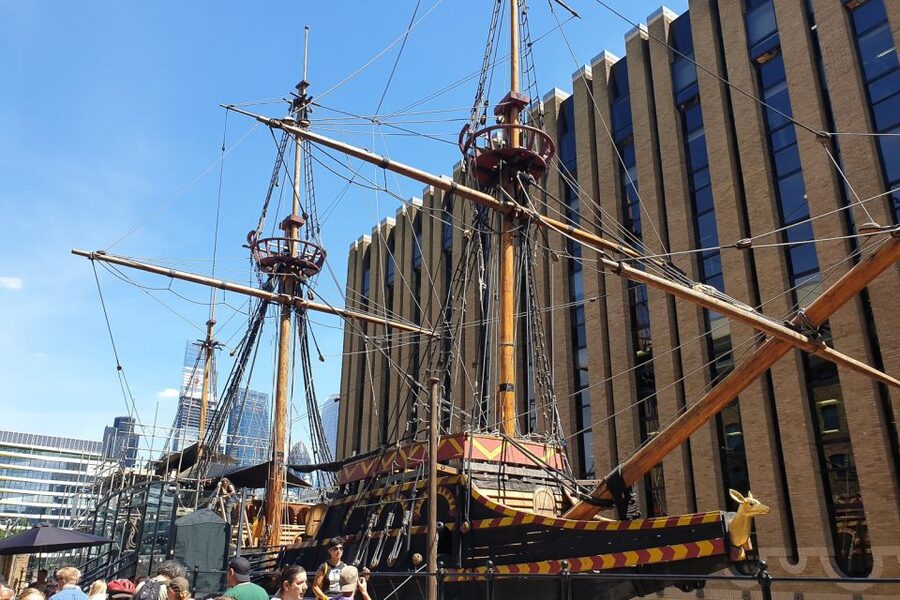
At London Bridge, the tour reaches one of the key reasons Southwark mattered. For centuries, this was the main crossing into London from the south, bringing travelers, traders, pilgrims, workers, and anyone else headed toward the City.
The bridge is more than a photo stop. It explains the geography of the whole walk. Southwark’s position beside the crossing helped feed its inns, market, theaters, and less respectable trades. If you look at the route as a map, the connection becomes clear: people arrived here, spent money here, and sometimes got trapped here.
Winchester Palace provides a striking look at the power behind the district. The surviving ruins are connected to the medieval palace of the Bishop of Winchester, who held authority over the area. That is a fascinating contrast with the stories of prostitution and disorder. The same institution could profit from the borough while representing religious respectability.
The remains are limited, so do not expect a complete palace. Their importance comes from what they reveal about ownership and control. The stop helps you see Southwark as a place shaped by powerful institutions as well as by taverns and theaters.
The Clink Prison and Southwark’s reputation
The Clink Prison Museum is another famous name on the route. The original prison is gone in its old form, but the site and surviving remains keep its reputation alive.
The word clink entered the English language as a term for prison, and the stop explores why this place became so notorious. It also reinforces the difference between hearing about a location and understanding its place in the borough. Southwark held several forms of confinement close together, alongside entertainment and commerce.
The tour does not include entry to the Clink Prison Museum. You receive the history from the guide and see the relevant location, which is enough for a first visit. If you want displays and a longer look at prison conditions, you would need to purchase a separate admission.
This is one of several stops where the tour gives you a useful preview rather than a full attraction visit. That keeps the walk affordable and within two hours, but it also means you should plan extra time if a particular subject grabs you.
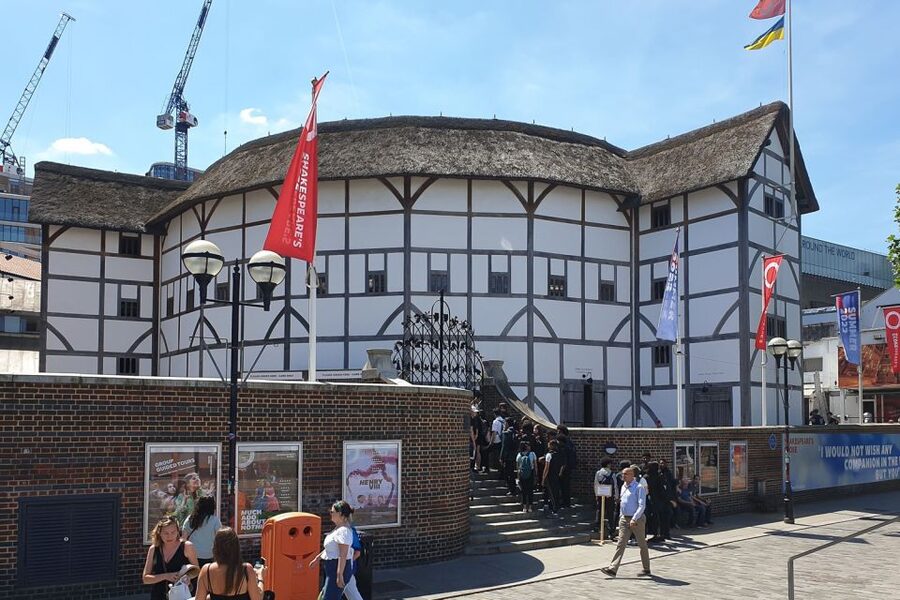
Shakespeare’s original Globe site
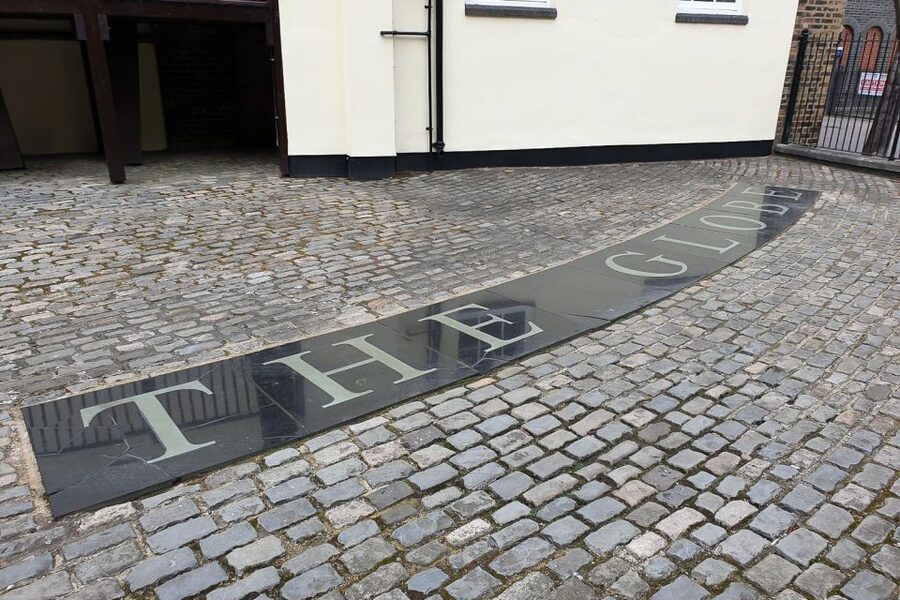
The theatrical part of the tour begins at the location of Shakespeare’s original Globe Theatre. This is where the Bard connection becomes more than a name on a tour title.
The original Globe was part of Southwark’s entertainment district, where theater could operate outside the City’s restrictions. Shakespeare’s plays drew a broad public, and the theater belonged to the same world of inns, markets, prostitution, and riverside commerce that shaped the rest of the walk.
The guide explains the site and connects it with the changing history of the area. You get a sense of how a major cultural institution could grow in a district that respectable London often treated with suspicion.
The stop is outside and brief. You will not see a full reconstruction at the original location, so keep your expectations clear. Its value is historical location and context, especially when paired with the present Globe a few minutes later.
Finishing at Shakespeare’s Globe
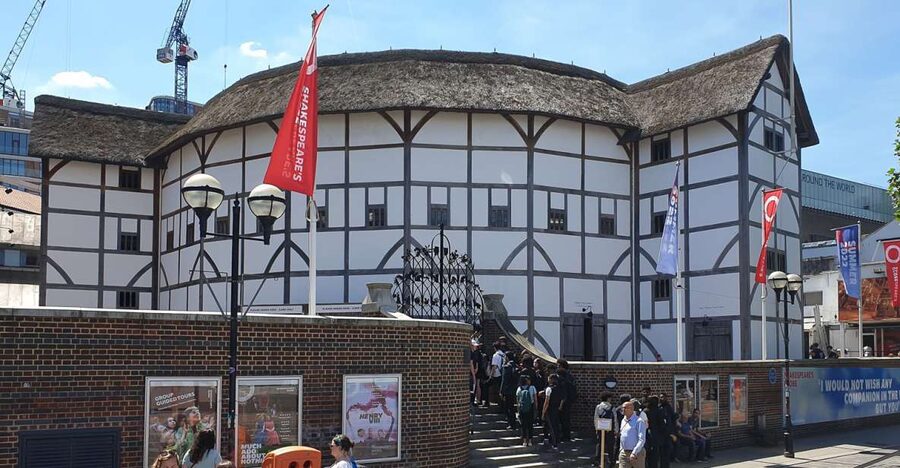
The walk ends at Shakespeare’s Globe Theatre, the modern reconstruction on Bankside. Seeing the old site and the new building in the same tour creates a satisfying final comparison.
The present theater is a separate attraction, and the walking tour does not include a ticket for entry. That distinction matters. If you want to see the inside, attend a performance, or take a theater tour, reserve additional time and budget.
The final stop is still useful without admission. You can compare the modern building with the original site and understand why this stretch of the river became associated with Shakespeare. The walk ends near London Bridge Station, making it easy to continue sightseeing or return to the City.
Plan your day carefully if you want to visit the Globe afterward. The tour gives you an excellent introduction, but it does not leave you with a long theater visit built in.
Price, timing, and who gets the best value
At $26 per person, this is a fair price for a guided two-hour walk in central London. You are paying for a live English-speaking guide, a carefully connected route, and local context at fourteen historically important locations. You are not paying for museum entry, food, drinks, or a Globe ticket.
That makes the tour best for someone who wants orientation and stories before exploring Southwark alone. I think the value is strongest if you are new to the area or have already seen the headline sights and want the less polished version of London’s past.
The two-mile distance is manageable for most people used to city walking, but you will be on your feet for the full activity. Wear comfortable shoes and keep an eye on the guide near Borough Market and London Bridge, where crowds can make regrouping harder.
Children under 13 are not permitted. The subject matter, including prostitution, prisons, and medical history, is aimed at adults and older teenagers. The small group limit should help keep the experience conversational rather than lecture-like.
Free cancellation up to 24 hours before the start and the option to reserve now and pay later make the booking less risky if your London plans are still shifting.
Who should book Booze, Brothels & the Bard
Book this tour if you enjoy social history, literary connections, old crime stories, and seeing how famous London landmarks fit together. It is also a good choice if you want a guide who can answer questions rather than deliver a fixed speech. Tom Currie’s relaxed manner, clear explanations, and humor are a strong match for this subject.
You should skip it if you want extensive time inside museums, the cathedral, or the Globe. The route visits or views many sites, but the stops are short, usually around five minutes each. It is a walking introduction, not a series of full attraction visits.
I would also avoid scheduling it immediately before a timed Globe admission unless you leave plenty of room. Crowds and street conditions can affect the pace, especially around Borough Market.
For $26, this is a smart way to make sense of Southwark’s odd mix of religion, vice, literature, trade, and imprisonment. Book it for the stories and the connections, then return to the places that deserve a closer look.
FAQ
How long is the tour?
The walking tour takes about two hours.
How far do you walk?
The total walking distance is about two miles, or 3.2 kilometers.
Where does the tour begin?
Meet just outside the Borough Station exit on Borough High Street. The guide will hold a Historic London Tours sign.
Where does the tour finish?
The tour finishes at Shakespeare’s Globe, near London Bridge Station.
What language is the tour in?
The live guided tour is conducted in English.
Is admission to Shakespeare’s Globe included?
No. The walking tour visits the Globe and the original Globe site, but entry to the theater requires a separate ticket.
Is admission to the Clink Prison Museum included?
No. The tour visits the location and provides a guided explanation, but museum admission is separate.
Can children join the tour?
Children under 13 are not permitted to take part.
How many people can attend?
Ticket sales are limited to fifteen attendees.
New listings around London
- Windsor Castle & Hampton Court Palace VIP Black Taxi Tour★ 4.9 · 14 reviews
- London Royal Tour – Buckingham Palace Entry – 12 guests 2,5h★ 4.9 · 14 reviews
- London: GoBoat Rental in Canary Wharf with London Docklands★ 4.2 · 14 reviews
- London: Christmas Party Dinner Cruise★ 3.9 · 14 reviews
- London: Traditional Afternoon Tea Tour in a Luxury Coach★ 4.7 · 15 reviews
- Hobbledown Heath One-Day Entry Ticket★ 4.2 · 15 reviews
- Iconic London: Bard, Beatles, Bond & Baker Street★ 4.9 · 15 reviews
- London: Sherlock Holmes Tour by Black Cab★ 4.9 · 15 reviews
London Tours, compared.
Westminster to Greenwich River Thames Cruise
Read our review →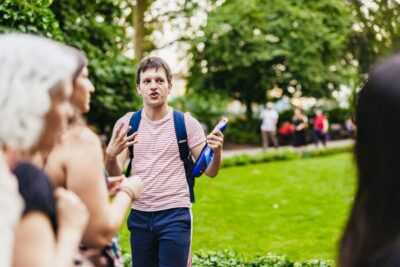
Magical London: Harry Potter Guided Walking Tour
Read our review →