
Reviewed · BRIGHTON TOURS
Brighton: Piers & Queers LGBTQ History Tour
Brighton’s LGBTQ story is not tucked away in one museum. It is written across the seafront, the old Lanes, and the streets of Kemptown. This 90-minute walking tour brings those places together, showing how people lived, loved, resisted, and found room to be themselves across more than 200 years.
I like the mix of famous names and overlooked lives, from Anne Lister and Oscar Wilde to a pioneering doctor who lived as a man and an Edwardian drag king. I also like the small maximum of 12 people, which gives Ric, the Blue Badge guide, room to answer questions. The main consideration is pace: this is a compact overview, not a full day of Brighton history.
Key points
- A route through three distinct Brighton areas: Begin at Regency Square, walk the seafront and Lanes, and finish in Kemptown’s LGBTQ district.
- More than famous names: Hear about Lord Byron, Dusty Springfield, Anne Lister, and several less-known figures whose lives challenged social rules.
- Two centuries in 90 minutes: The story includes Regency dandies, 1950s lesbian and gay life, and political activism.
- A small group format: The tour is limited to 12 people, making conversation with Ric easier than on a large coach-style walk.
- Useful for a first day in Brighton: The route gives you an early look at central Brighton and leaves you with ideas for the rest of your stay.
- Accessible and flexible booking: The walk is wheelchair accessible, conducted in English, and can be cancelled up to 24 hours ahead for a full refund.
Starting at Regency Square with Brighton’s Regency past
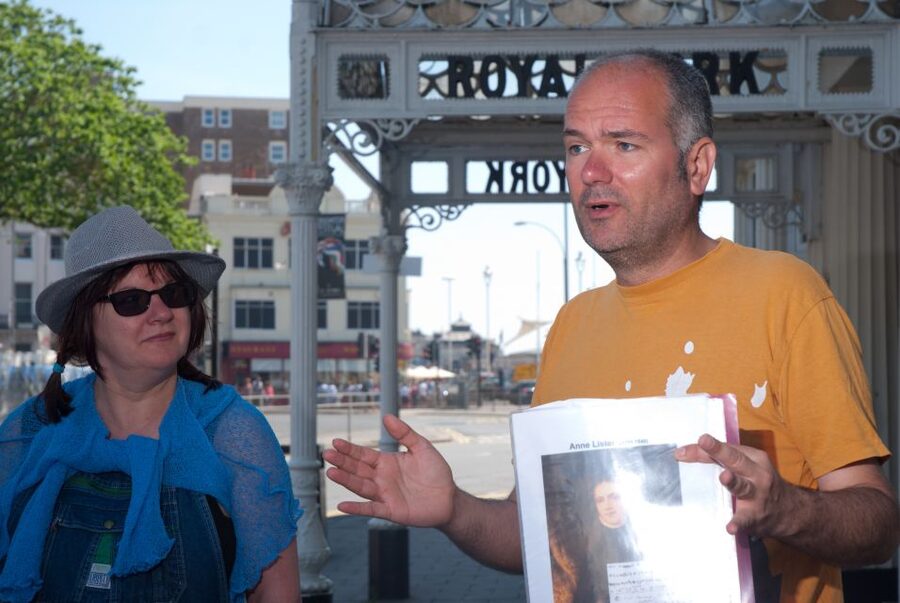
Meet Ric beside the statue in Regency Square, Brighton BN1 2FZ. This is a sensible starting point because the tour opens with the grand side of Brighton, a city shaped by the Regency era and its visitors.
The early part of the walk looks at Regency dandies and the social codes of the period. That setting matters. Brighton’s polished terraces and seafront were built for display, leisure, and public encounters, yet people still had to manage what they revealed about their private lives.
I like beginning with this contrast. The buildings suggest order and respectability, while the stories show how flexible, complicated, and sometimes daring life could be behind that surface.
The route also brings in Lord Byron, one of the best-known figures linked with the tour. You are not simply given a list of famous names. The point is to place well-known people inside a wider story about desire, reputation, gender, and the limits imposed by their time.
Because the walk begins outdoors, wear shoes you can comfortably use on pavements for an hour and a half. Brighton’s seafront can also feel exposed, so a light extra layer is a practical idea even when the town centre feels mild.
More History Tours in Brighton:
- London: Historic Pubs of Central London Walking Tour
★ 4.9 · 1,065 reviews - Portsmouth: Historic Dockyard Ultimate Explorer Ticket
★ 4.8 · 1,052 reviews - York: Witches and History Old Town Walking Tour
★ 4.7 · 928 reviews
Walking the seafront through stories of identity
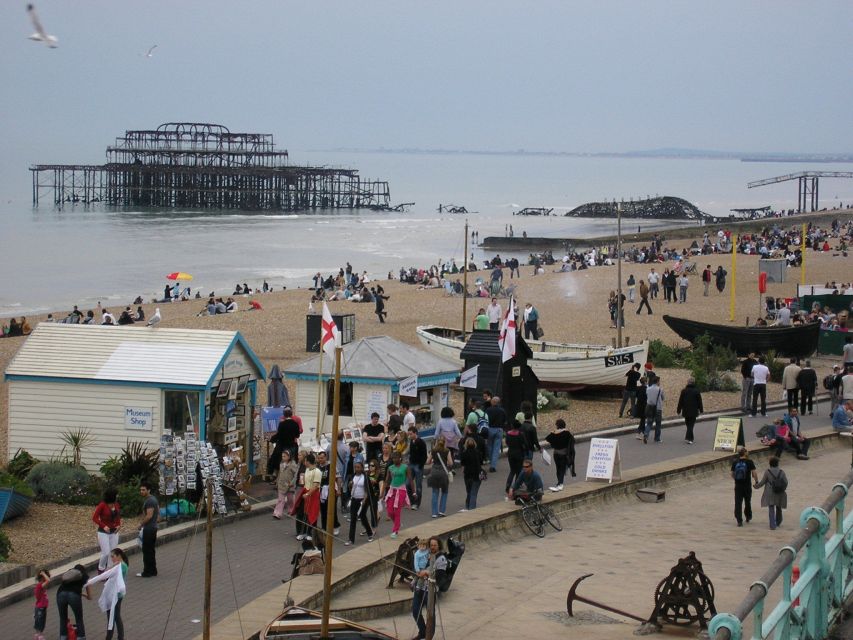
From Regency Square, the route follows Brighton’s seafront. This gives the tour a strong sense of place. You are not sitting in a classroom hearing about queer history as something distant. You are walking through the public spaces where Brighton’s social life developed.
The seafront section also helps explain Brighton’s reputation as the gay capital of Britain. That reputation did not appear overnight, and the tour connects it to earlier lives, social habits, public figures, and political change.
Anne Lister is one of the most intriguing names included. Her visit to Brighton is especially interesting for anyone who knows the BBC and HBO series Gentleman Jack. The tour places her trip in the context of a real city, rather than treating her only as a television character.
You will also hear about Oscar Wilde and Dusty Springfield. These names give the walk broad reach across different periods and forms of public life. Still, the strongest part of the route may be the way it moves beyond celebrated figures.
One of the stories concerns a pioneering doctor who lived as a man long before women were allowed to practise medicine. That detail offers a useful reminder that LGBTQ history is not only about labels used today. It is also about how people understood themselves, presented themselves, worked, formed relationships, and survived within older social systems.
The Lanes and the city behind the postcard
The route then turns into Brighton’s old Lanes. Their narrow streets and older buildings create a different mood from the open seafront. This is where the walk can feel less like a grand civic history lesson and more like a close look at the city’s everyday fabric.
The Lanes are a good place for stories about people who did not make it into the standard tourist version of Brighton. The tour includes an Edwardian drag king and a same-sex marriage in 1923, two details that make the past feel less tidy and predictable.
The 1923 marriage is particularly useful as a discussion point. It shows how couples could create commitments and public lives even when the law and wider society did not offer the recognition people sought. You get a sense of both personal courage and the practical barriers faced by same-sex couples.
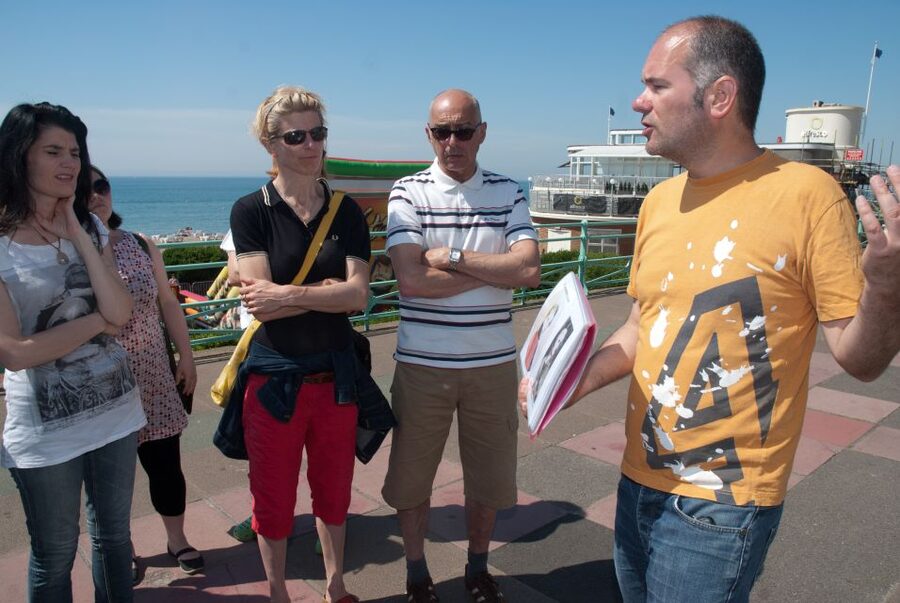
The Lanes are also a good section for questions. With no more than 12 people, you should have a better chance of asking Ric about a person, period, or term that catches your attention. Several people who took the walk found Ric easy to talk to and happy to answer questions, which is important on a history tour built around sensitive subjects.
Do not expect every story to have a neat modern equivalent. The guide has to explain lives from periods when language, law, and social customs were different. That can make the tour more thoughtful, but it also means you should listen for context rather than expect a simple list of present-day identities.
1950s Brighton and the cost of being private
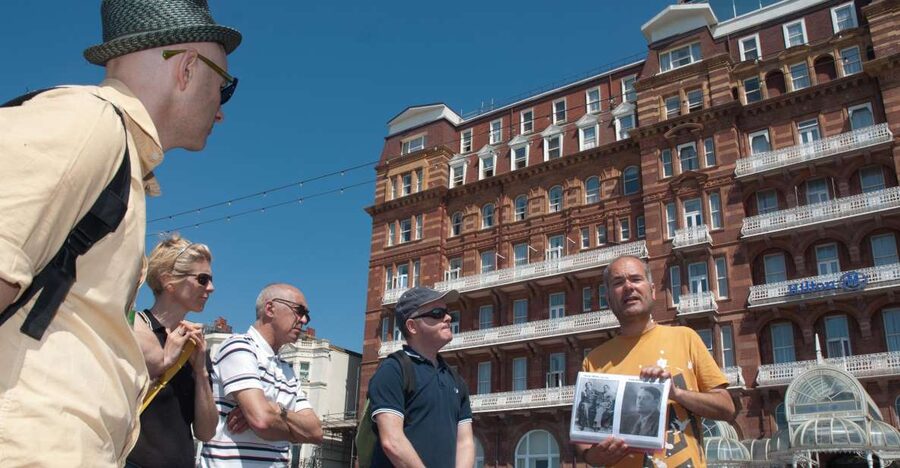
The tour covers lesbian and gay life in the 1950s, adding a more recent and often more difficult chapter. This period helps show that Brighton’s welcoming image existed alongside serious risks and restrictions.
The shift from Regency stories to the 1950s gives the route a useful rhythm. You hear about people who played with gender presentation and social convention, then move toward a period when privacy, secrecy, and community networks could be essential.
The guide’s job here is not only to celebrate progress. It is to show the bravery involved in living openly, the pressure placed on people who did so, and the importance of those who pushed for change.
Political activism is part of the final historical arc. That makes the walk more than a collection of personal biographies. You also learn how individual lives connect to wider efforts to change public attitudes and political rules.
I appreciate this balance. A tour focused only on famous artists and stylish characters could make queer history seem like a parade of colourful personalities. Including 1950s life and activism gives you a clearer sense of hardship, organisation, and long-term change.
Elsewhere in Brighton, a change of pace:
- Brighton: Royal Pavilion Admission Ticket
★ 4.7 · 956 reviews - From Brighton: Seven Sisters and South Downs Tour
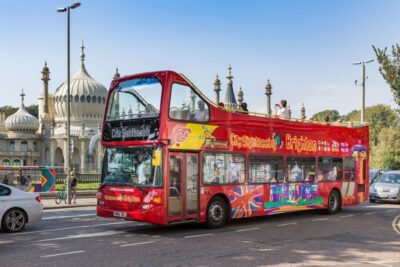
★ 4.9 · 746 reviews - Brighton: City Sightseeing Hop-On Hop-Off Bus Tour
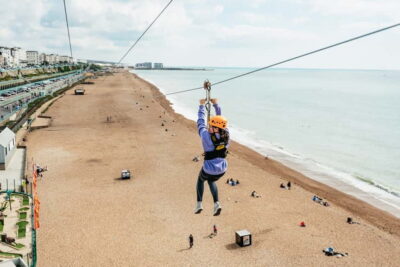
★ 4.5 · 352 reviews - Brighton: Zip Wire Experience Ticket
★ 4.5 · 260 reviews
Finishing in Kemptown, Brighton’s LGBTQ district
The walk finishes in Kemptown, the part of Brighton most closely associated with its present-day LGBTQ life. Ending here gives the tour a clear geographical and historical direction, from older stories around the seafront and Lanes to the district that is widely identified with Brighton’s gay community.
This final section is useful if you are new to the city. You get a basic sense of where Kemptown fits into Brighton and can use the end of the tour to plan the rest of your visit.
Several people booked the walk early in their stay because it helped them get their bearings. That is good advice. At 90 minutes, the tour is short enough to fit into a morning or afternoon, and its finish in Kemptown gives you a logical starting point for further exploring.
The tour does not promise a long stop at individual venues, so you should not book it expecting a nightlife crawl. Its focus is history, streets, people, and interpretation. If you want recommendations for later, ask Ric. He has offered practical suggestions for what to do with the remaining time in Brighton.
Ric’s guiding style and the value of a small group
Ric is a qualified Blue Badge guide, and his approach appears to be one of the main strengths of the experience. He is described as friendly, approachable, easy to listen to, and passionate about Brighton and its LGBTQ past.
That combination matters. A tour about sexuality, gender, discrimination, and personal courage needs a guide who can explain difficult subjects without turning the walk into a lecture. The small-group limit of 12 helps keep the tone conversational.
The size also affects what you get for the price. At $52 per person, this is not the cheapest way to spend 90 minutes in Brighton. You are paying for a specialist subject, a qualified guide, a carefully shaped route, and the chance to ask questions in a semi-private group.
I would consider that fair value if LGBTQ history is a real interest for you. It is less compelling if you want a general introduction to Brighton’s architecture, shopping, or royal history. You will encounter some of those settings, but the tour keeps returning to queer lives and social change.
A small group can also feel more personal for couples and solo visitors. One couple took the walk on the first full day of a honeymoon and found it both an introduction to the city and a way to explore a shared interest. That is the kind of occasion this tour suits well.
What the 90-minute format does well
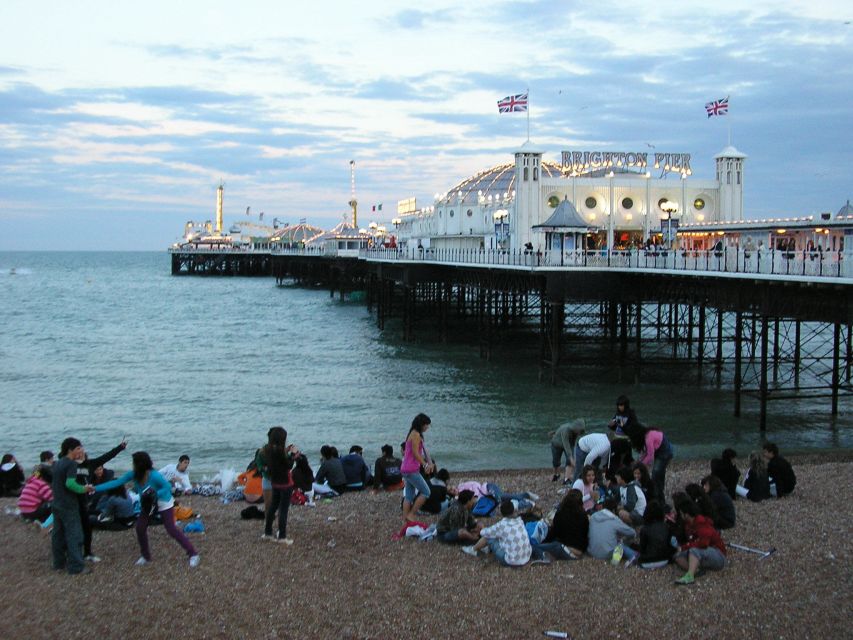
The short duration is both a strength and a limit. Ninety minutes is easy to fit around meals, museum visits, shopping, or a train arrival. It also keeps the walk focused, with no time spent on long transfers or unrelated stops.
You will cover more than 200 years, from Regency dandies to 1950s life and political activism. That is a lot of ground, so expect selected stories rather than a full account of every period.
I like this format for a first introduction. You get a clear route, several memorable people, and enough background to understand why Brighton became associated with LGBTQ life. You can then decide which subjects deserve more time during the rest of your visit.
The tradeoff is depth. If you already know Brighton’s queer history well, you may want a longer specialist walk or a book to continue reading afterward. Ric has offered a book containing 20 guided walking tours, which could be useful if you want to explore more of the city independently.
Accessibility, timing, and booking details
The walk is wheelchair accessible, which removes one common concern for visitors choosing a city walking tour. Since the route runs through the seafront, Lanes, and Kemptown, check the available start time when booking and allow yourself time to reach Regency Square.
The meeting point is by the statue in Regency Square, Brighton BN1 2FZ. The tour is delivered in English, with a live guide, and the listed duration is 1.5 hours.
The price is $52 per person. You can reserve now and pay later, which is useful if your Brighton plans may shift. You can also cancel up to 24 hours in advance for a full refund.
Those terms make the tour easier to fit into a flexible itinerary. I would still book a time that works well with the weather, since the experience is entirely outdoors and the seafront can be less comfortable in poor conditions.
Who will get the most from this Brighton walk
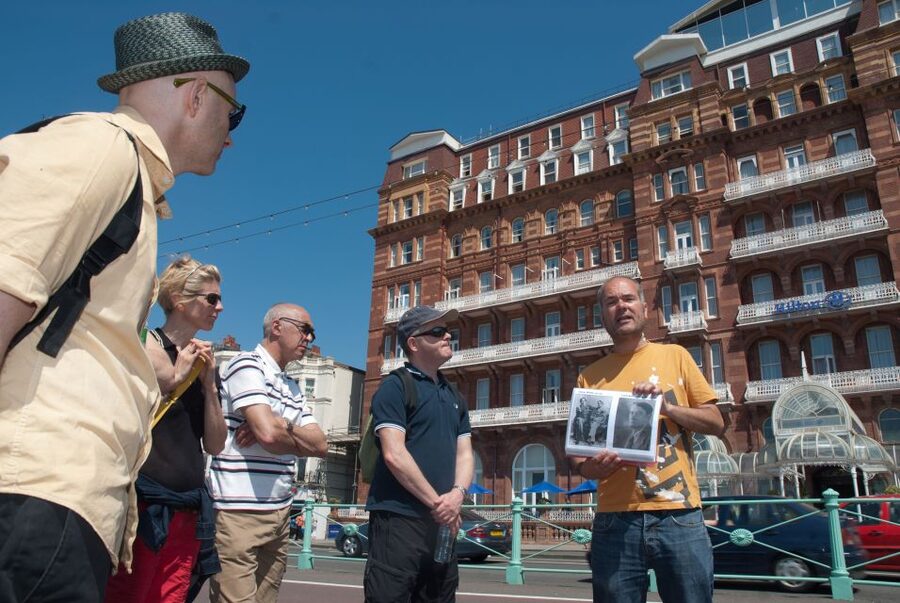
This is a strong choice for you if you enjoy social history, biographies, LGBTQ subjects, or city walks that connect buildings with real lives. It also suits first-time visitors who want an orientation to Brighton without signing up for a long general tour.
You do not need prior knowledge of Anne Lister, Lord Byron, Oscar Wilde, or Dusty Springfield. The stories are designed to introduce both famous and lesser-known people, and the guide can answer questions along the way.
The tour may be less suitable if you want a fast-paced sightseeing checklist or a nightlife-focused experience. It is also not the right choice if you prefer spending most of your time inside museums, since the route is a walking tour through public streets.
For couples, solo visitors, and small groups of friends, the 12-person limit is a real advantage. You get the structure of a planned tour without the feel of being moved through Brighton in a crowd.
Should you book Piers & Queers?
Book it if you want to understand why Brighton became known as Britain’s gay capital through the people who shaped, questioned, and challenged the city. The mix of Regency dandies, Anne Lister, 1950s lesbian and gay life, political activism, and lesser-known figures gives the walk more substance than a simple list of famous names.
At $52, the value depends on your interest in the subject. For a curious visitor, the small group, qualified guide, strong route, and useful city orientation make the cost reasonable. If you only want broad Brighton sightseeing, choose a general city tour instead.
For the best use of your time, take this walk early in your stay. You will finish in Kemptown with a better sense of the city’s LGBTQ geography, several stories to think about, and suggestions for how to spend the rest of your visit.
FAQ
How long is the Piers & Queers LGBTQ History Tour?
The tour lasts 1.5 hours, or 90 minutes.
How much does the tour cost?
The listed price is $52 per person.
Where does the tour meet?
Meet by the statue in Regency Square, Brighton BN1 2FZ, United Kingdom.
Where does the walking tour finish?
The route finishes in Kemptown, Brighton’s LGBTQ district.
Who leads the tour?
The walk is led by Ric, a qualified Blue Badge tour guide with Ric’s Tours.
How many people can join each tour?
The tour is a small-group, semi-private experience with a maximum of 12 people.
What language is the tour in?
The live tour is conducted in English.
Is the walking tour wheelchair accessible?
Yes, the activity is listed as wheelchair accessible.
Can I cancel for a refund?
Yes. You can cancel up to 24 hours in advance for a full refund.
Can I reserve the tour and pay later?
Yes. You can reserve your place and pay nothing at the time of booking.
New listings around Brighton
- Brighton: Electric Mountain Bike Rental★ 5.0 · 4 reviews
- From Brighton: Stratford-upon-Avon & The Cotswolds Day Trip★ 4.6 · 4 reviews
- Brighton: Forbidden Nights Male Strip Show and After-Party★ 4.6 · 5 reviews
- Brighton: City Walking Tour & Exploration Game★ 3.8 · 5 reviews
- From Brighton: Private Boat Charter★ 5.0 · 5 reviews
- Brighton: Guided Chocolate Tour with Tastings★ 5.0 · 6 reviews
- Brighton: Archery Experience★ 5.0 · 6 reviews
- Seven Sister Coastal eBike & Drive Tour★ 5.0 · 8 reviews
Brighton Tours, compared.

Browse the lists this tour appears in