
Reviewed · CHESTER TOURS
Chester: Chester Zoo Entry Ticket
Chester Zoo is less a quick animal stop than a full day on foot. Its 130 acres of gardens hold more than 30,000 animals, from giraffes and snow leopards to naked mole rats and free-flying birds. The huge scale is its greatest strength, but it also means you will not see everything at a relaxed pace in a short afternoon.
I like the thoughtful habitats, especially Heart of Africa, where giraffes, zebra, antelope, ostrich, and smaller African species share a broad setting. I also like the mix of indoor stops, gardens, play areas, and the free Lazy River Boat, which gives families a useful break from walking.
The main drawback is cost and time. Food and extras can be expensive, and many people walk six to eight miles while still missing sections. Arrive early, wear comfortable shoes, and bring a picnic if you want to keep the day affordable.
Key points to know before you go

- Heart of Africa covers 22 acres: See giraffes, zebra, antelope, ostrich, flamingos, vultures, porcupines, aardvarks, and pygmy mice in one large themed area.
- Monsoon Forest is the UK’s largest tropical biodome: It houses Sumatran orangutans, Sunda gharial crocodiles, rhinoceros hornbills, and free-flying birds.
- The zoo is genuinely enormous: Plan for a full day, and consider two days if seeing every area matters to you.
- The gardens are part of the experience: Thousands of plants and five national collections make the paths attractive even when animals are resting.
- Families get plenty of breathing room: Five adventure playgrounds, children’s play areas, animal talks, and indoor habitats keep the day moving.
- Your ticket supports conservation: Entry, food purchases, coffee, and shop spending help fund work for endangered species.
Why Chester Zoo needs a full day
Chester Zoo works best when you treat it as a day trip, not a stop squeezed between other plans. The ticket covers the whole zoo for one day, and the grounds are large enough that simply moving between major areas takes time.
Several visitors managed five or six hours and still missed a few sections. Others walked more than six miles, and one family reached roughly eight miles after making a careful route. That tells you what to expect: this is a walking day with animals along the way, not a compact park where every enclosure is close together.
I suggest arriving close to opening time and choosing a few must-see areas before you start. The zoo app can help you plan a route, while a printed map is useful if you prefer not to rely on your phone. Signposting is generally helpful, though some paths can feel confusing, so pause at junctions instead of simply following the crowd.
You should also allow time for animal talks, food, toilets, playgrounds, and indoor habitats. If you rush from enclosure to enclosure, you will miss much of what makes the place pleasant: the planting, shaded paths, small species, and unexpected views into the gardens.
More zoos in Britain:
- London Zoo: Entry Ticket
★ 4.4 · 2,386 reviews - Blackpool: Zoo Admission Ticket
★ 4.7 · 351 reviews - Dunstable: Whipsnade Zoo Full-Day Entrance Ticket
★ 4.6 · 153 reviews
Heart of Africa, the zoo’s big open-air centerpiece
Heart of Africa is one of the strongest reasons to visit. Its 22 acres are built around Central and East African settings, with grassland, plants, and shrubs chosen to suggest the different parts of the region.
The large savannah habitat brings giraffes, zebra, antelope, and ostrich into the same broad setting. That arrangement feels more natural than a row of small pens, and it gives you a better sense of how different animals share space. You might also spot vultures, porcupines, aardvarks, and tiny pygmy mice, so do not focus only on the tallest animals.
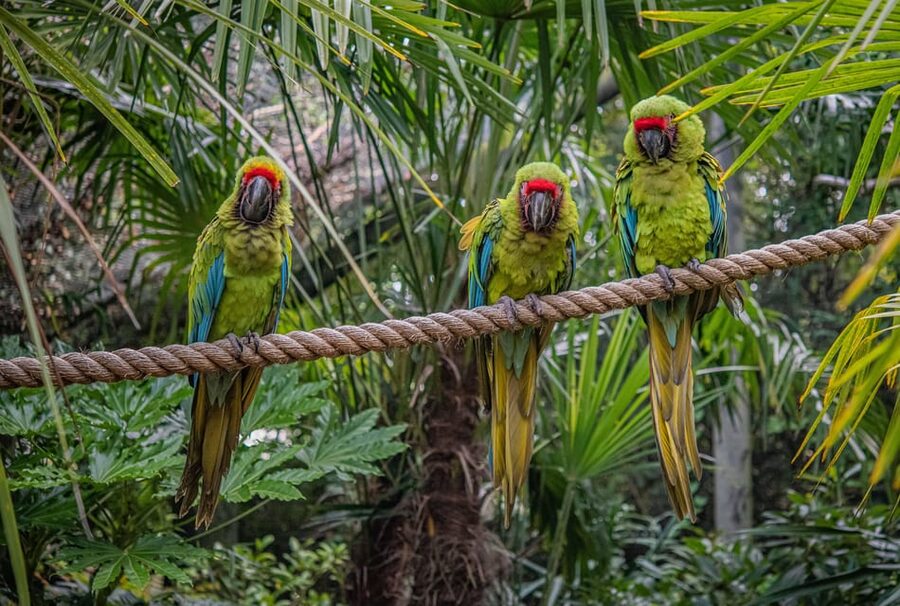
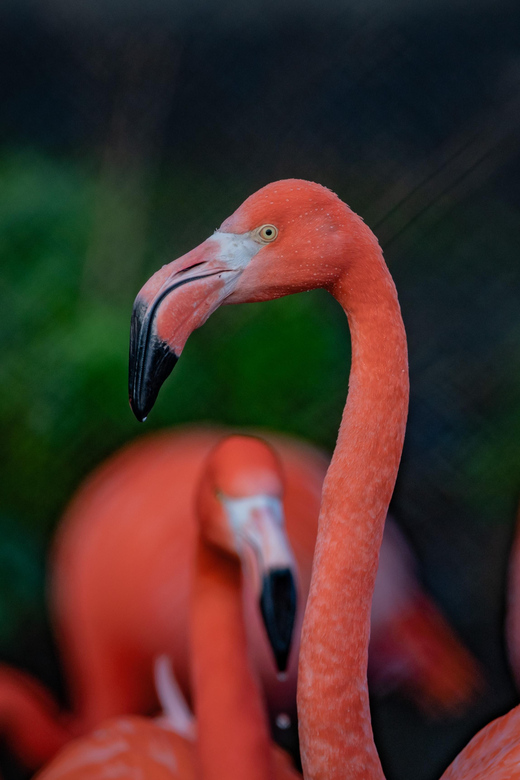
More than 50 animal species are represented across the area, along with over 30 bird species. Flamingos and black-cheeked lovebirds add color, while the birds of prey offer a reminder that conservation is not just about famous mammals.
Hidden Savannah shifts attention to Africa’s smaller residents. Chameleons, pancake tortoises, and naked mole rats reward a slower look. This is a useful stop for children because it shows that unusual animals can be just as interesting as lions and giraffes.
The open design has one practical catch: animal sightings depend on weather, time of day, and animal mood. On very hot days, some animals may stay out of sight or rest in shaded places. That is normal, but it is one reason not to build your whole visit around seeing one particular species.
Islands and the Lazy River Boat

The Islands area recreates tropical settings from Southeast Asia and combines several attractions in one part of the zoo. It is home to the Lazy River Boat and Monsoon Forest, making it a good place to slow down after the open paths of Heart of Africa.
The boat trip around Islands is included in the entry ticket. It is not a major thrill ride, but that is part of its value. You get a chance to rest your legs while seeing the area from another angle, and families can use it as a calm change of pace between animal habitats.
Monsoon Forest is the UK’s largest tropical biodome. Inside, you can see Sumatran orangutans, Sunda gharial crocodiles, rhinoceros hornbills, and free-flying birds. The warm, enclosed setting is especially useful on a wet or chilly day, though it can feel busy when many people head indoors at once.
The free-flying birds make this area more than a standard indoor enclosure. Keep your eyes moving above and around the paths. The crocodiles and orangutans offer very different kinds of viewing, so allow time rather than treating the biodome as a quick shelter from the rain.
Food in this area includes Southeast Asian street food. It gives you more variety than the usual zoo meal, though the overall food offer still leans toward familiar family choices in other parts of the park.
Lemurs, snow leopards, bats, and butterflies
The Madagascar Lemur Walkthrough is one of the more direct animal encounters. Four free-roaming lemur species move through the area, including ring-tailed lemurs, white-belted ruffed lemurs, and crowned lemurs.
Because the lemurs are not behind a conventional viewing barrier, you need to follow the rules and give them space. Their freedom to move makes the visit more memorable, but you should not expect every species to appear right beside the path.
The Himalayan-inspired snow leopard habitat uses rocky terrain for Yashin and Nubra. The pair produced Bheri, the zoo’s first cub, in June 2025. This makes the area particularly interesting for anyone following the zoo’s conservation work, although young animals may not always be visible when you arrive.
The bat cave and butterfly areas are repeatedly singled out as favorites for good reason. They provide a close, atmospheric look at animals that are often ignored in favor of large mammals. The butterfly house is bright and active, while the bat cave offers a darker, more unusual stop.
You may also find more reptiles than the main promotional material suggests, including animals such as monitor lizards and Komodo dragons. If your family likes reptiles, allow extra time in the indoor areas rather than assuming they are a small side attraction.
A handful of other Britain outings to weigh up
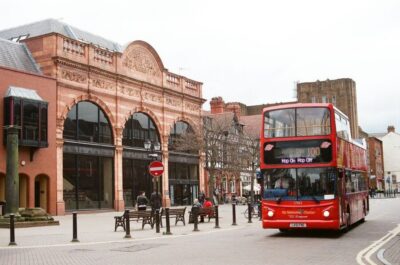
- Chester: City Sightseeing Hop-On Hop-Off Bus Tour
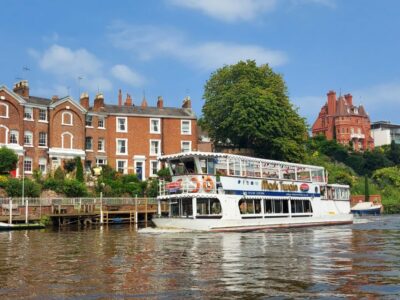
★ 4.6 · 274 reviews - Chester: Half-Hour City Cruise
★ 4.6 · 231 reviews - From Chester: Full-Day Guided North Wales Sightseeing Tour
★ 4.8 · 114 reviews - Chester: The Heart of Chester Walking Tour
★ 4.8 · 57 reviews
Gardens that deserve more than a walk-through

Chester Zoo is also a botanical garden. Thousands of plants fill the grounds, and five national collections add serious horticultural interest to the animal displays.
The planting is not simply decoration. It helps shape the feel of each themed area, gives animals more natural surroundings, and creates shade and visual variety along the long paths. On a day when an animal is sleeping or out of view, the gardens give you another reason to keep exploring.
I would not plan the whole visit around the plants unless you are a keen gardener, but you should avoid treating them as background scenery. The changing colors, smells, trees, and shrubs make the walk between habitats more pleasant and give you quiet spots away from the busiest viewing areas.
The wide grounds also help the zoo feel less cramped, even on a popular day. That space comes at a price: you walk farther, and the zoo can be tiring for anyone with limited stamina. Wheelchair access is available, and scooters appear to be available for hire, but check current arrangements if you need one.
Playgrounds and family-friendly breaks
Families get more than animal viewing here. Five adventure playgrounds and additional children’s play areas give children a chance to run, climb, and reset after a slower indoor habitat.
That matters because young children often cannot spend a full day moving at an adult pace. You can use a playground as a planned break rather than waiting for everyone to become tired and hungry. The gardens also provide picnic areas for families bringing their own food.
The zoo is clean and well maintained, with toilets and places to stop spread around the grounds. That makes a long day easier, though indoor seating can become scarce in bad weather. If rain drives many people into the eateries, finding a table may take patience.
Face painting and virtual reality experiences cost extra. They can add to the day for some children, but they are not needed to enjoy the zoo, especially if you already plan to use the playgrounds and boat ride.
Food, picnics, and the real cost of the day

The advertised ticket price is $33 per person. Whether that feels like good value depends on how long you stay. For five or six hours across a large zoo, with daily animal talks, the Lazy River Boat, gardens, and indoor habitats included, the price can make sense. A short visit will feel less satisfying because you will only cover part of the grounds.
Food is where the budget can rise quickly. Options include Sunday lunch at The Oakfield gastropub, Southeast Asian street food on Islands, and snacks from kiosks. The Oakfield is a good choice if you want a proper sit-down meal, while kiosks are convenient when you are far from the main dining areas.
The food quality and value may vary by outlet. Burgers, chips, and other familiar meals are easy for families, but more variety would be welcome. Gluten-free choices may also feel limited. Some simple snacks and meals can cost considerably more than expected, so I would bring a packed lunch if saving money matters to you.
Picnic areas are available, and bringing your own food also means you can eat when you want instead of walking to a central dining spot. That is especially useful with small children. Remember that indoor tables may be intended for paying customers during poor weather, so outdoor picnic space is the safer plan when conditions allow.
The gift shop, face painting, and other purchases are optional. Spending there does support conservation work, but a child’s souvenir can turn an already expensive day into a costly one.
Getting there and making the entrance easy

The main entrance is just off the A41 and Moston Road. Follow the brown tourist signs once you reach the A41, and stay on that road until the roundabout marked for Chester Zoo.
Navigation apps can send drivers the wrong way. In particular, do not turn down Flag Lane North, which is a dead end. Parking is included, so driving is straightforward once you follow the zoo signs rather than relying entirely on the map app.
At the entrance, show your ticket for admission and use the skip-the-line entry. Babies up to 12 months and carers accompanying a person with a disability are free, but they still need a free ticket. Go to Guest Services on arrival to add one.
Assistance dogs are allowed, but other pets and bikes are not. The zoo is wheelchair accessible, which is important given the size of the site, although the long distances can still make the day physically demanding.
How to plan your route without wearing yourself out

Start with the areas you most want to see, then build in flexible time. Animal schedules are never fully predictable, and hot weather can keep some animals indoors or in shade.
A practical plan could begin with Heart of Africa, continue toward Islands and Monsoon Forest, then use the boat as a rest stop. You can fit in the lemurs, snow leopards, bats, butterflies, and reptiles around those larger areas, depending on the route shown on the day.
Do not leave all the indoor habitats until late afternoon. They are useful in poor weather, but they can become crowded when rain arrives. Likewise, save some energy for the return walk, especially if your children want playground time and a visit to the shop.
Comfortable shoes are essential. Bring clothing for changing weather, since much of the zoo is outdoors and open areas can become wet quickly. A picnic, refillable drinks, and a rough route plan will do more for your day than trying to see every enclosure in order.
Is Chester Zoo worth booking?
I would book Chester Zoo if you want a substantial family day out, enjoy walking, and care about seeing animals in spacious, carefully designed settings. It also suits couples and adults without children, especially if you like gardens, birds, reptiles, and indoor tropical habitats as much as big mammals.
I would think twice if you have only a few hours, dislike long walks, or expect every animal to be visible on demand. The price is not small, and food and extras can add up.
For the best value, arrive early, bring lunch, use the app or a map, and choose your priorities before entering. If you want to cover nearly everything at an easy pace, plan two days. For one well-organized day, the ticket offers a lot, and your spending helps fund conservation work beyond the zoo itself.
FAQ
How long does a Chester Zoo ticket last?
The ticket provides entry for one day. The zoo is large, so you should plan for a full day if you want to see a wide range of areas.
What is included with the entry ticket?
Entry to Chester Zoo, daily animal talks from safari rangers, parking, and the Lazy River Boat are included.
Is the Lazy River Boat included?
Yes. The boat trip around Islands is included in the zoo entry ticket.
How many animals are at Chester Zoo?
Chester Zoo has more than 30,000 animals from over 520 species.
Is Chester Zoo suitable for children?
Yes. The zoo has five adventure playgrounds, children’s play areas, animal talks, indoor habitats, food outlets, and picnic areas.
Is Chester Zoo wheelchair accessible?
Yes, Chester Zoo is fully accessible. The grounds are very large, so the distance between areas may still require careful planning.
Can I bring a picnic?
Yes. Picnic areas are available, and bringing your own food can help control the cost of the day.
Are pets allowed at Chester Zoo?
Pets are not allowed, but assistance dogs are permitted.
How do babies and carers enter free?
Babies up to 12 months and carers accompanying a person with a disability are free, but they still need free admission tickets. Go to Guest Services on arrival to add the required ticket.
New listings around Britain
- London: Secrets of Freddie Mercury Tour with a Cocktail★ 4.1 · 15 reviews
- London: Hampton Court Private Guided Tour★ 3.4 · 15 reviews
- Edinburgh: Isle of Skye, Highlands & Jacobite Steam Train★ 4.6 · 15 reviews
- London: Jack the Ripper Tour and Underground Prison in Spanish★ 5.0 · 15 reviews
- Spanish Language : Original Harry Potter Walking Tour★ 4.5 · 15 reviews
- THE HANGOVER BRUNCH | Benidorm Bingo & Drag Queens★ 4.5 · 15 reviews
- London: Private Couples Photography Session with Landmarks★ 5.0 · 15 reviews
- London: The Saturday Supershow Cabaret at Phoenix Arts Club★ 4.5 · 15 reviews
Chester Tours, compared.

Browse the lists this tour appears in