Reviewed · TICKETS
Dover Castle Admission Ticket
Dover Castle’s best surprise is below ground. Its wartime tunnels turn the 1940 Dunkirk evacuation into a tense, moving presentation, while the castle above takes you from Roman Britain to Henry II’s court and the Cold War. I like the lifelike medieval scenes in the Great Tower, and I like the huge views from its roof. The main catch is physical: steep slopes, rough ground, and many stairs can make this a tiring day.
At $33 per person, the ticket is not cheap, but it covers a full day at one of England’s most important fortresses. I would allow four hours at minimum, and longer if you want every tunnel tour, performance, and historical display. Arrive early, since the underground attractions can develop queues and the last entry is two hours before closing.
Key points to know before you go
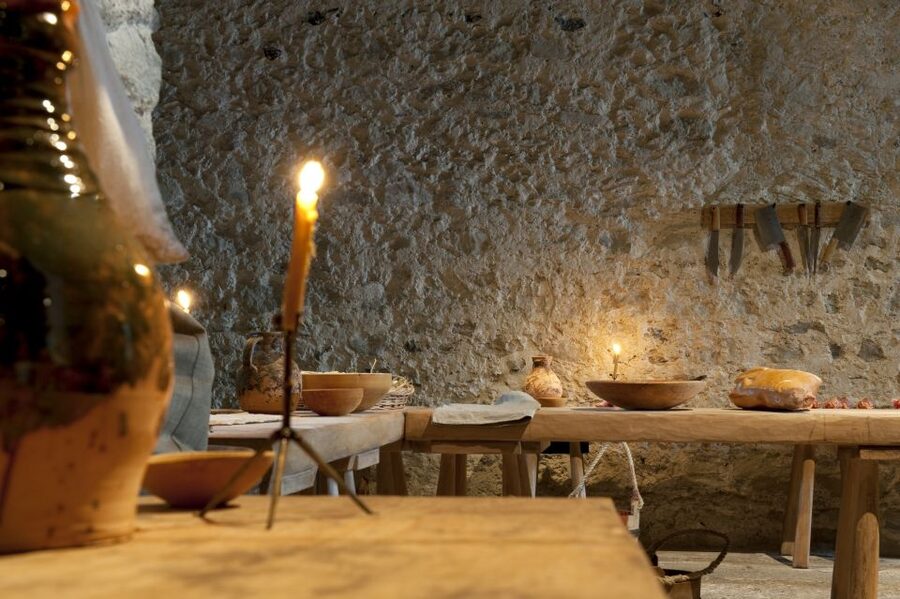
- Henry II’s royal rooms: Follow hologram figures through the great hall, private chambers, guest rooms, kitchen, and armories.
- The Great Tower roof: Climb high above the castle for broad views toward Dover and the Channel.
- Three eras of tunnels: See medieval passages, Napoleonic defenses, and the Second World War command and hospital areas.
- Dunkirk brought to life: Film, sound, and archive photographs recreate the evacuation of more than 300,000 British and allied troops.
- A long, hilly visit: Four hours gives you a fair chance to see the main attractions, but the site can take most of a day.
- A rare working gun: The anti-aircraft gun display adds a hands-on military note to the castle’s wartime story.
Why Dover Castle deserves a full day
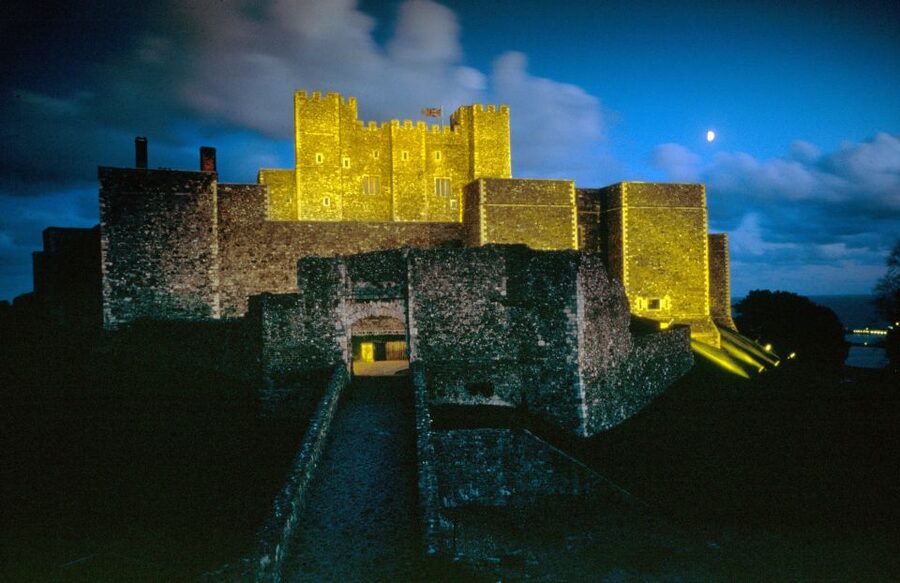
Dover Castle is not just one stone building with a moat. It is a huge defensive site spread over Castle Hill, with a royal palace, walls, towers, underground passages, wartime rooms, and open ground. That scale explains the ticket price better than any single exhibit.
I would treat the admission as a full-day sight, not a quick stop between Dover and Canterbury. Some people manage the main castle in two hours, but that means choosing carefully. If you want the Great Tower, the wartime tunnels, the hospital, the grounds, and the guided activities, plan on three to four hours at least.
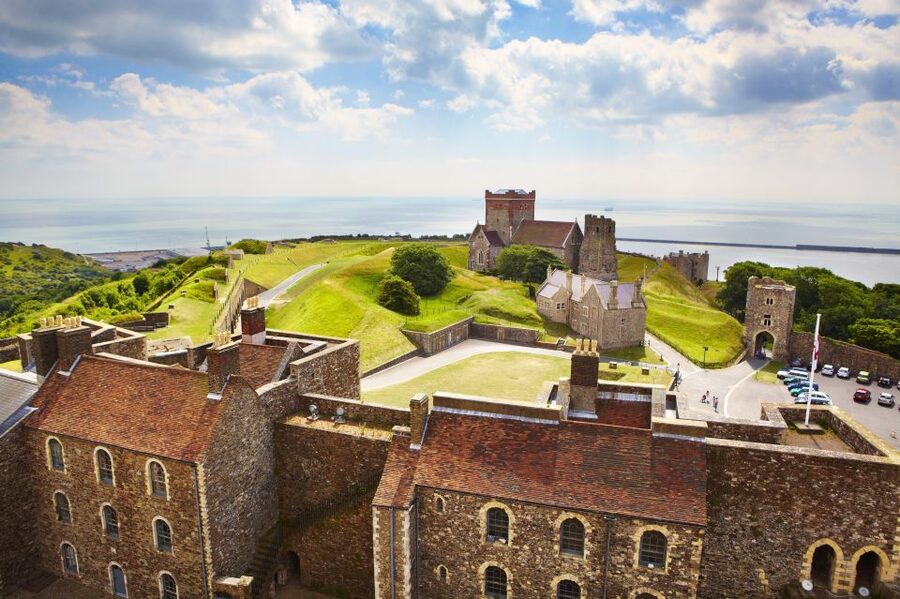
The setting does much of the work. Dover Castle rises above the famous white cliffs, and the Great Tower gives you a useful sense of why this site mattered. From the roof, you can look across the castle’s defenses and out toward the coast. On a clear day, the view is one of the strongest reasons to make the climb.
A handful of other Britain outings to weigh up
- London: The London Eye Entry Ticket
★ 4.6 · 35,875 reviews - London: Tower Bridge Entry Ticket
★ 4.7 · 15,560 reviews - London: Westminster Abbey Entrance Ticket
★ 4.6 · 11,254 reviews
Henry II’s palace inside the Great Tower
Start with the medieval section if it is open. The Great Tower was built for Henry II, and its interior has been arranged as a working royal palace rather than left as a bare shell of stone.
Hologram figures guide you through the private chambers, guest rooms, great hall, kitchen, and armories. The scenes help answer a question that ruins often leave hanging: how did people actually use all these rooms? Furnishings, color, staged activity, and the figures in medieval dress give the tower a sense of daily court life.
I especially like this approach for families and for anyone who finds a plain architectural tour too dry. Children can follow the action from room to room, while adults get a clearer picture of royal meals, guests, military preparation, and ceremony.
The Great Tower is also a place where time slips away. You may enter expecting a short walk through a historic shell and find yourself stopping at each room. Give yourself enough time to read the displays and notice how the rooms connect.
The climb to the roof is worth the effort, but it is not effortless. There are stairs, slopes, and uneven surfaces around the site. A visit can be physically demanding for older people or anyone with limited fitness. Take breaks, wear sturdy shoes, and do not rush the descent.
One small safety point is worth noting: the roof area includes a step that may be easy to miss when you are focused on the view. Keep your eyes on the path as well as the horizon.
Medieval walls, grounds, and defensive scale
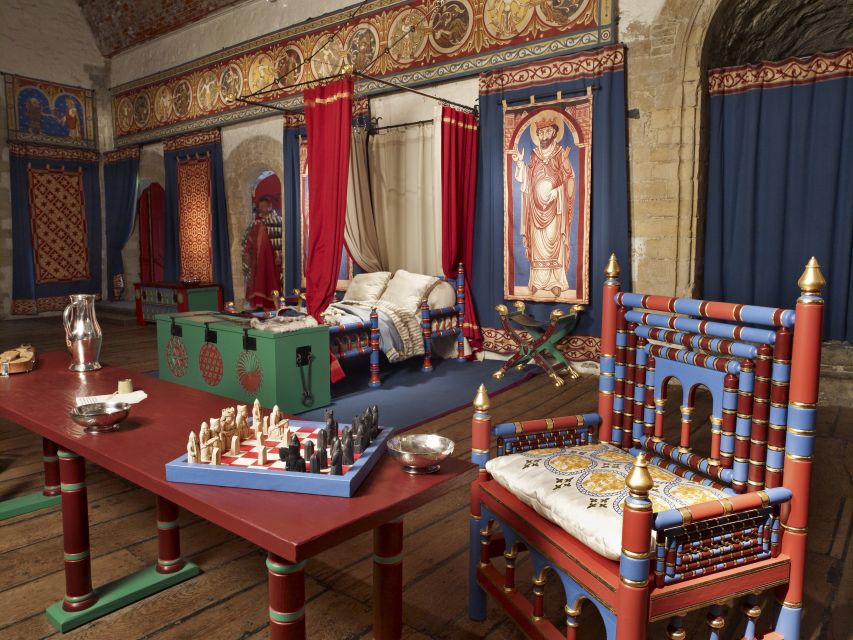
After the tower, walk the grounds and outer defenses. The open areas make the castle easier to understand as a military position. You can see how the site used height, walls, towers, and access routes to control movement.
The castle’s age is part of its appeal. Its story reaches from Roman use of the area through medieval kings, later military threats, the Napoleonic period, the two world wars, and the Cold War. You are not looking at one frozen moment. You are walking through repeated changes in warfare and national defense.
English Heritage staff are stationed around the site, and it is worth stopping to ask questions. The best details may come from a short conversation rather than a sign. Staff can also help you decide which tours to catch first, which matters when the underground attractions have limited capacity or scheduled entry.
Families may find extra activities during school breaks, including historical performances and hands-on displays. One seasonal activity has included dressing up with mesh armor and shields. These additions help younger children stay interested while adults take in the military details.
Do not assume that online admission means every part of the visit will be quick. The ticket can make entry easier, but the site’s popular tunnel experiences may still have queues. Head toward the attractions you most want to see early in the day.
The wartime tunnels and the Dunkirk story
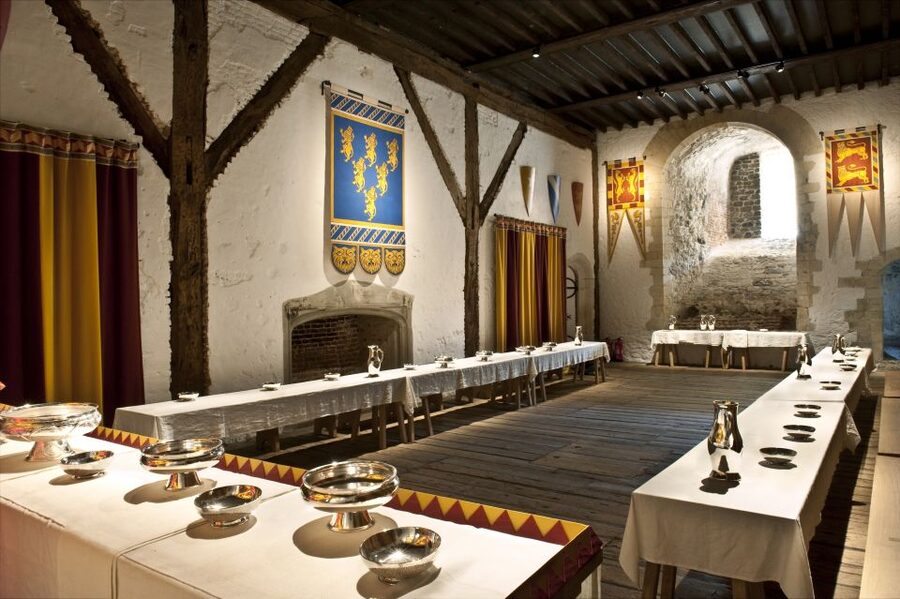
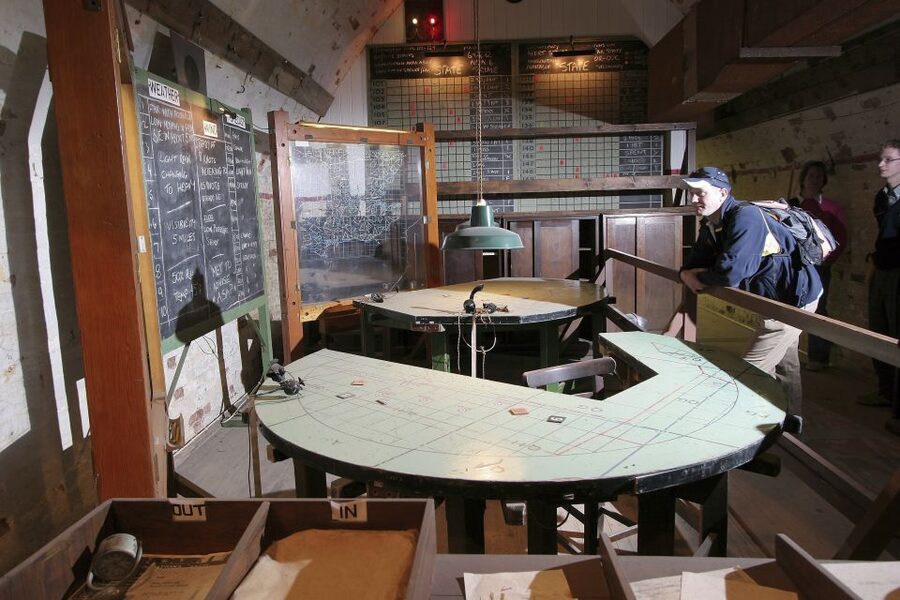
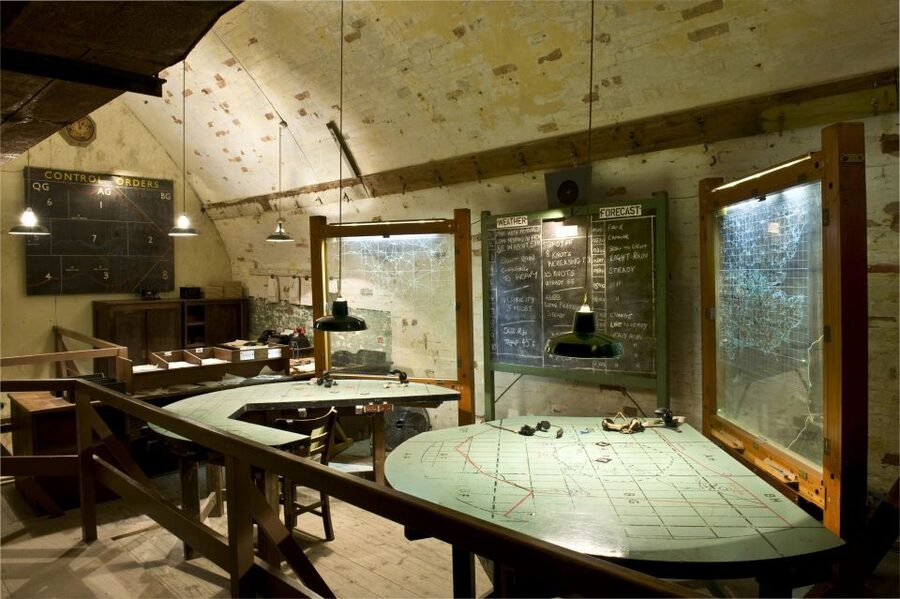
The secret wartime tunnels are the emotional center of the castle. Here, the site shifts from medieval royal power to the pressure of modern war.
The Dunkirk presentation tells the story of the 1940 evacuation through film, sound, and archive photography. It follows the rescue of more than 300,000 British and allied troops, showing how the operation was managed from Dover’s underground command areas.
This is more than a collection of military facts. The tunnels place you in a cramped setting linked to urgent decisions, communication, and evacuation planning. The presentation gives the operation a human scale, and the material can be genuinely moving.
The wartime tunnel experience is also one of the attractions most likely to fill up. A long queue can cost you time elsewhere, so make it a priority if Second World War history is your main reason for visiting. If you arrive late, you may miss some guided tours and activities.
The tunnel route is not ideal for anyone who dislikes confined spaces, though the provided information does not define the exact conditions throughout every section. The sensible approach is to ask staff about the current route before joining.
Elsewhere in Britain, a change of pace:
- From London: Harry Potter Warner Bros Studio Tour
★ 4.7 · 26,588 reviews - London: Westminster to Greenwich River Thames Cruise
★ 4.5 · 22,836 reviews - Magical London: Harry Potter Guided Walking Tour
★ 4.7 · 22,044 reviews - London: Madame Tussauds London
★ 4.6 · 20,915 reviews
The underground hospital tour
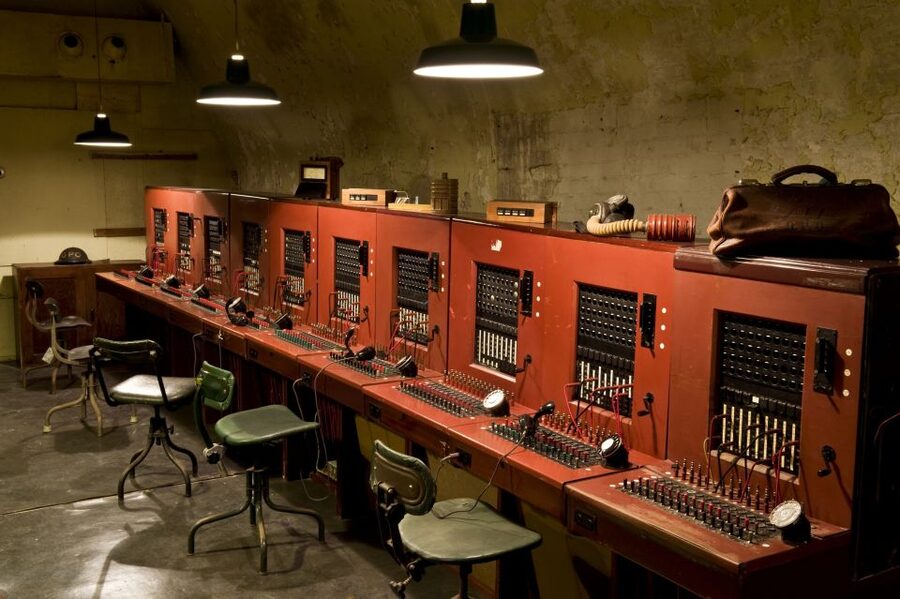
The underground hospital is another major highlight. Its rooms and displays show how the castle site was used during wartime, when the tunnels were not simply historic curiosities but working military spaces.
A guided visit adds much to this section. The staff explain what you are seeing and help the rooms make sense, rather than leaving you to walk through a dark passage with only brief labels. I would choose this tour even if you have limited time, particularly if the Dunkirk presentation has a long wait.
The hospital tour has received some of the strongest praise because it connects architecture with ordinary human experience. You get a sense of how medical care had to function underground during dangerous periods, and how the castle served more than one defensive purpose.
As with the other tunnel areas, expect stairs and walking. The tour may not suit everyone with mobility concerns, even though the overall activity is described as wheelchair accessible. Contact the site directly if you need to confirm the current route and facilities for your particular needs.
Dover Castle Under Siege
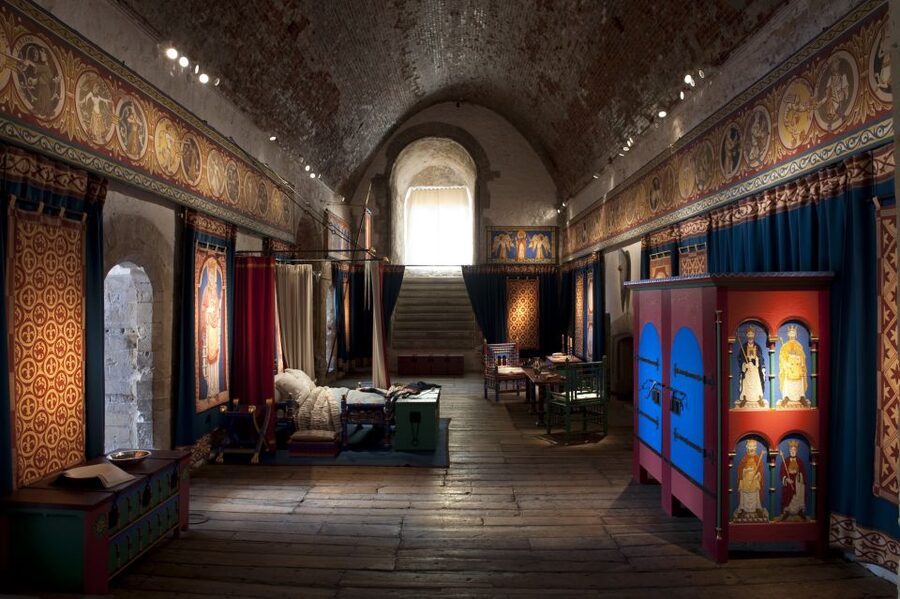
Dover Castle Under Siege adds a newer layer to the visit. It focuses on the castle’s most difficult periods through interactive displays and reopened medieval tunnels.
This attraction helps fill the gap between the grand royal palace and the later wartime command rooms. You see the castle as a place that had to respond to attack over many centuries, not simply as a monument to one king.
Interactive displays can be useful when you want more than dates and names. They show the practical side of siege warfare and the pressure placed on the people defending the castle. The reopened medieval tunnels also give you another reason to look below the familiar towers and walls.
Because attractions and opening arrangements can change, check the current English Heritage information before setting your route. The supplied details note that the site can sometimes be open on dates marked as closed, so direct confirmation is sensible.
The anti-aircraft gun and military displays
The rare anti-aircraft gun display gives the Second World War section a more physical focus. Seeing the gun in action helps you understand the technology used to defend the coast, rather than treating the war as a distant story on a wall.
This is a good stop for children who are interested in vehicles, machinery, and emergency services. One family visit became especially memorable when emergency service vehicles parked nearby and allowed a child to look inside. That kind of unscheduled detail cannot be promised, but the site clearly has appeal beyond formal history lessons.
I would not build the whole visit around the gun display. Its value comes from placing it alongside the tunnels, hospital, and Dunkirk command story. Together, these parts show the castle’s role in defense, planning, medical care, and coastal protection.
How long should you spend at Dover Castle?
Two hours is enough only for a selective visit. You might see the Great Tower and some of the grounds, but you risk missing the tunnel tours and other activities.
Three to four hours is a better target. That gives you time for:
- The Great Tower rooms and roof
- A walk through the grounds and defenses
- The wartime tunnels
- The underground hospital
- Dover Castle Under Siege
- Staff-led talks, performances, or demonstrations when available
A full day is best if you like history and want to move at a relaxed pace. Several areas require uphill walking, and constant rushing between displays can make the visit feel like an endurance test.
Try to arrive early. This gives you more control over the tunnel schedule and leaves time for the Great Tower when you are not yet tired. If you arrive late, make a quick decision about priorities instead of attempting everything.
Price, ticketing, and practical value
The listed price is $33 per person for one day of admission. I see it as fair value if you spend several hours on site and take advantage of the palace, tunnels, grounds, and guided experiences. It is less convincing if you only have an hour or two.
A voucher is exchanged for the admission ticket at the ticket office. The stated rule is important: the last entry is two hours before closing, and you need to reach the ticket office at least two hours before closing to exchange the voucher. Check the available starting times and closing details for your date before setting out.
Digital vouchers can work well at the entrance, and some people have used the app to avoid a long admission line. That does not guarantee a fast route through every attraction. Tunnel queues are separate from the basic act of entering the castle, so keep that distinction in mind.
Free cancellation is available up to 24 hours in advance for a full refund, and you can reserve now and pay later. Those terms help if your coastal plans depend on weather, transport, or a changing day trip schedule.
The family ticket covers two adults and up to three children aged 5 to 17. Check the exact family pricing before booking, since the adult and child arrangement matters for larger or smaller groups.
Walking, weather, and access
The castle is wheelchair accessible, but the experience still includes hills, rough surfaces, and many stairs. Accessibility at the entrance does not mean every tower, tunnel, or route will feel easy to use. Ask English Heritage staff about the current access arrangements for the specific attractions you want.
Comfortable shoes matter. The castle spreads across uneven ground, and the walk between buildings can be tiring. On hot days, bring water and pace yourself. The roof has little protection from sun and wind, and the views may tempt you to stay longer than planned.
Rain can affect the outdoor sections, while poor visibility may reduce the value of the roof climb. The indoor palace rooms and tunnels still offer plenty to see, but the castle’s coastal outlook is best on a clear day.
The site suits families, history enthusiasts, and anyone who enjoys exploring at their own pace. It may frustrate you if you dislike stairs, queues, or a visit that requires a full schedule.
Is Dover Castle worth booking?
I would book this admission if you can give Dover Castle at least three hours, with four hours being better. The strongest combination is the Great Tower’s medieval palace, the roof views, and the wartime tunnels, which together cover very different periods and moods.
Book with a clear plan: arrive early, make the tunnel experiences a priority, and leave time for the grounds. If you are combining the castle with Canterbury or the white cliffs, watch the clock carefully. It is easy to underestimate the site and end up seeing only part of it.
Skip it if your schedule allows only a rushed hour or if steep ground and stairs will make the visit uncomfortable. For everyone else, the $33 ticket buys much more than a view of a famous castle. It gives you a full historical site, strong guided interpretation, and a moving look at the underground operations behind Dunkirk.
FAQ
Where is Dover Castle located?
Dover Castle is at Castle Hill, Dover, Kent, CT16 1HU, in South East England.
How long is the Dover Castle admission valid?
The ticket is valid for one day.
What is the last entry time?
The last entry is two hours before closing. You must reach the ticket office at least two hours before closing to exchange your voucher for an admission ticket.
Does the ticket include the wartime tunnels?
Admission includes access to the castle site and its attractions, including the wartime tunnel experiences when they are operating. Tunnel queues and guided tour availability can affect how quickly you see them.
Is Dover Castle wheelchair accessible?
The activity is listed as wheelchair accessible. The site also includes hills, rough surfaces, and stairs, so check the current arrangements for individual towers and tunnel routes if you need specific assistance.
Can I cancel the booking?
Yes. You can cancel up to 24 hours in advance for a full refund. A reserve now and pay later option is also available.
New listings around Britain
- Brighton Delicious Donut Adventure by Underground Donut Tour★ 5.0 · 14 reviews
- From Cambridge: Guided Day Tour to Bath and Stonehenge★ 4.8 · 14 reviews
- From Southampton: Stonehenge & Salisbury Private Day Trip★ 4.9 · 14 reviews
- Edinburgh: Stirling, Whisky & St Andrews Tour in Italian★ 3.9 · 14 reviews
- Blackpool: Viva Decades Rewind Show Ticket★ 3.9 · 14 reviews
- Royal Horticultural Society: Harlow Carr Garden Ticket★ 4.7 · 14 reviews
- London: GoBoat Rental in Canary Wharf with London Docklands★ 4.2 · 14 reviews
- London Royal Tour – Buckingham Palace Entry – 12 guests 2,5h★ 4.9 · 14 reviews
Tickets, compared.




Buckingham Palace: The State Rooms Entrance Ticket
Read our review →