
Reviewed · LONDON TOURS
Eating London: Heart Of ‘The City’ Food Tour
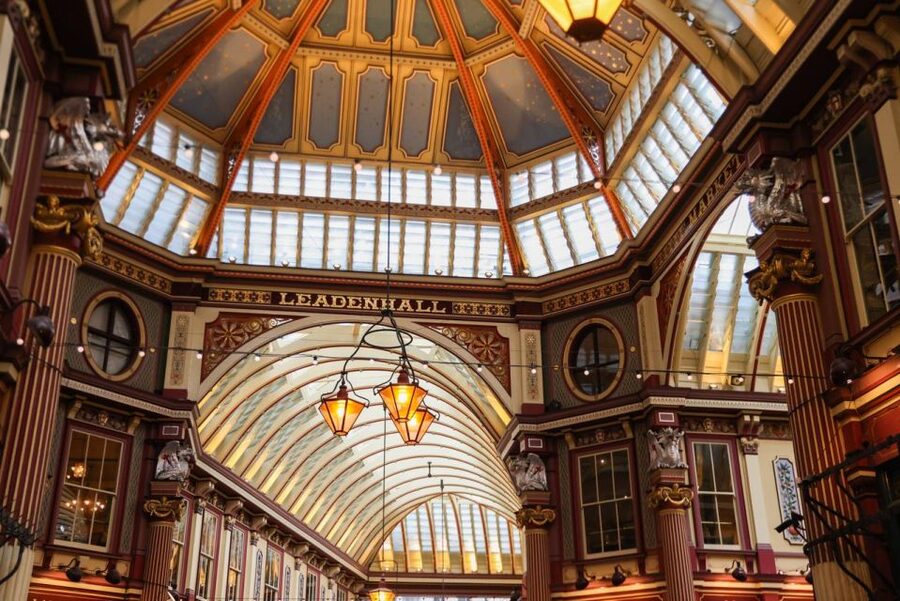
London’s oldest streets become much more interesting when you follow them from pie to chocolate, with a British pale ale, cocktails, desserts, and plenty of old City stories along the way. This three-hour walk links Roman London, Shakespeare’s world, Dickens, the sugar trade, and modern finance through food rather than a museum display.
I like the mix of historic venues and proper British classics, especially the stop at London’s oldest fish restaurant, a place loved by Anthony Bourdain. I also like the clear format: six samples at five tasting locations gives you enough food to make the $121 price feel substantial, without turning the tour into an all-day eating contest.
The main catch is dietary. This tour is not suitable for vegans, vegetarians, people with gluten intolerance, or anyone with a severe or life-threatening allergy. You’ll also need comfortable shoes, and only visitors aged 18 or older can drink the alcoholic samples.
Key points at a glance
- Six tastings at five City of London locations: Expect a compact food walk with enough stops to show different sides of British cooking.
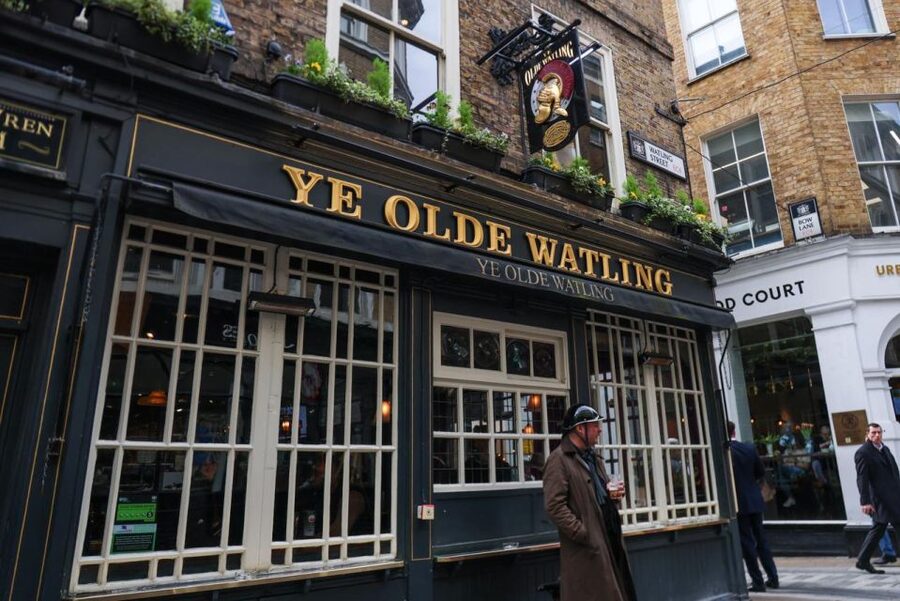
- A historic fish restaurant: Taste a classic at London’s oldest fish restaurant, a venue associated with Anthony Bourdain.
- Tavern, chophouse, oyster house, and chocolate house: The route connects food with the businesses that helped London grow.
- A lesson in sugar and spice: The tour addresses the controversial trade behind some of Britain’s favorite flavors.
- Three hours on foot: Meet outside St-Mary-Le-Bow church near St Paul’s, and wear shoes made for walking.
- Strict dietary limits: This is designed for omnivores who can eat gluten and safely handle the listed food and drink samples.
Starting beside St-Mary-Le-Bow
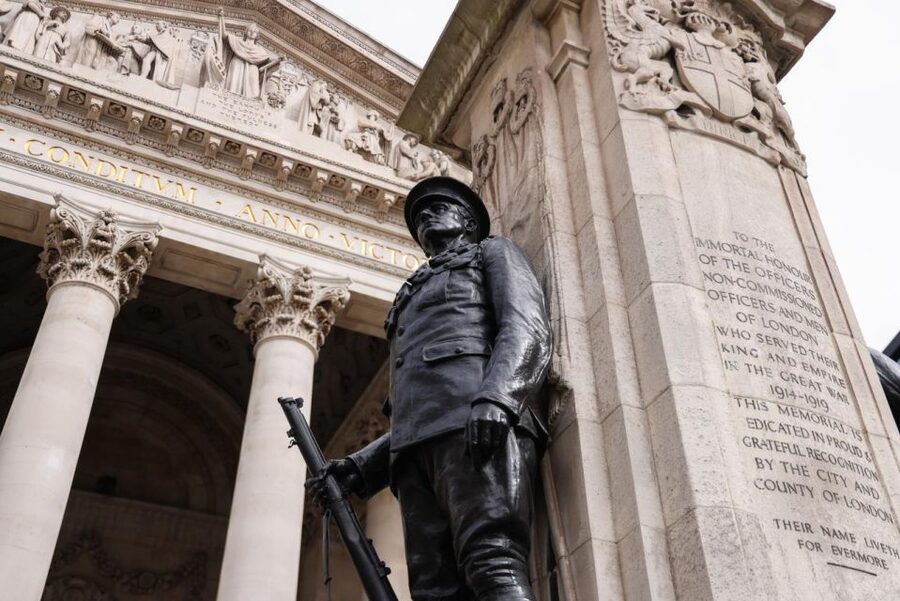
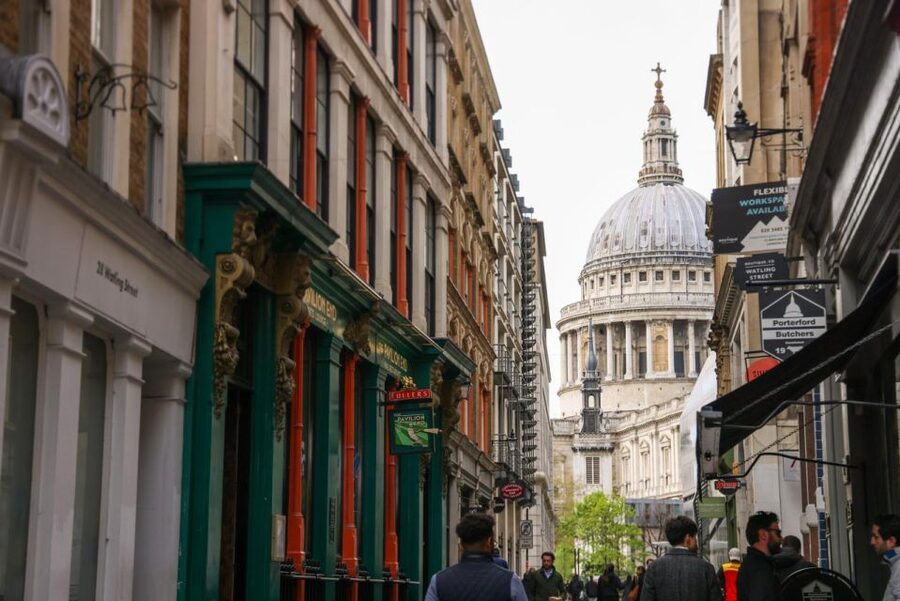
Your meeting point is the statue of Captain John Smith outside St-Mary-Le-Bow church. The nearest Underground station is St Paul’s, placing you right in the middle of the City of London, the small but historic central district often called the Square Mile.
This is a useful starting point because the area compresses many layers of London into a short walk. Roman foundations, medieval churches, old trading streets, literary connections, and today’s financial offices all sit close together.
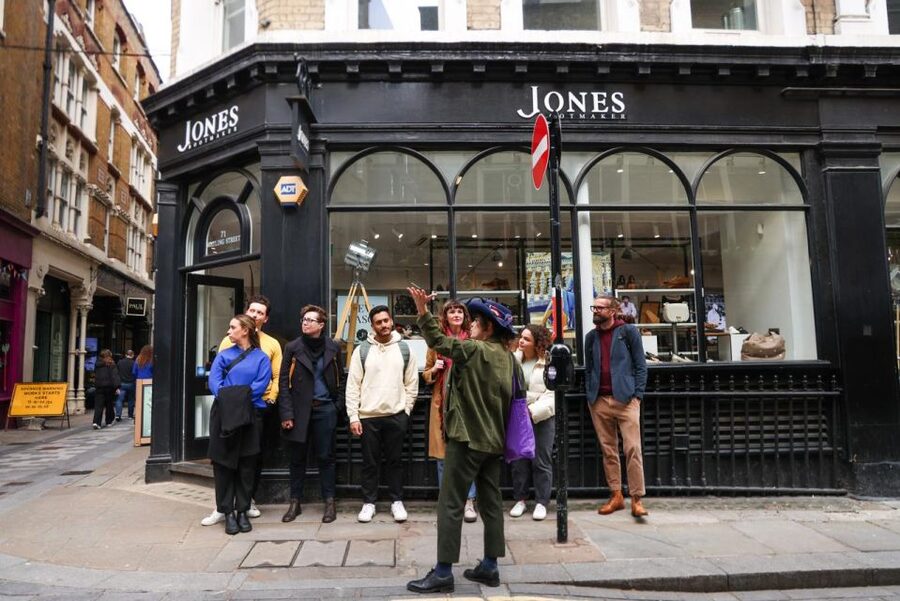
You should allow enough time to reach the statue without rushing. The tour begins on foot, and the experience is built around moving between stops rather than sitting in one place. A three-hour walk can pass quickly when food is involved, but comfortable shoes still matter.
The English-speaking guide leads the group through the route and explains the links between each dish and the City. No guide’s name is provided in the tour details, so you should not book expecting a particular guide.
More Food Tours in London
- London: Piccadilly and Soho Beer Bike Tour
★ 3.9 · 198 reviews - Eating London: Twilight Soho VIP Food & Drinks Tour
★ 4.8 · 126 reviews - Obi’s African & Caribbean Food Tour in Brixton
★ 5.0 · 123 reviews
Roman soldiers, writers, and the modern City
The food is only half of the appeal. The tour uses the City’s streets as a timeline, beginning with ancient Roman roots and moving through the forces that helped London become a major commercial center.
You’ll hear about Roman soldiers and Celtic queens, then move toward the literary London of Charles Dickens and William Shakespeare. The route also nods to Harry Potter’s magical world, which may appeal to fans who enjoy spotting familiar corners from popular culture.
I like this approach because the history is tied to things you can taste. Instead of hearing a general lecture about trade, you learn how sugar, spices, oysters, meat, fish, bread, beer, and chocolate fit into London’s growth.
The City can feel impersonal if you only pass through it for St Paul’s Cathedral or a business appointment. A food walk gives you a reason to pause at streets and buildings that might otherwise look like background scenery.
Still, this is not a full historical sightseeing tour. The central goal is food, so the historical stories support the tastings rather than replace a dedicated museum or walking tour. If you want long visits inside major landmarks, this is not the right format.
The tavern favored by a famous author
One highlight takes you to the favorite tavern of London’s most famous author. The author is not named in the supplied details, so the appeal lies in the literary setting and the chance to connect a familiar British drinking place with the city’s writing past.
A tavern stop gives the route a different feel from a restaurant meal. You’re tasting in a place built around conversation, drink, and social life, while the guide explains how the City’s food and drinking culture developed.
The included British pale ale fits this part of the experience. It offers a straightforward introduction to a classic British pub drink and gives you a chance to compare the character of a traditional ale with the other flavors on the route.
Alcohol is not compulsory for everyone, but the tour does include alcoholic elements such as beer and cocktails. You must be at least 18 to drink them. If you do not drink, check the available alternatives before booking because the supplied information does not promise nonalcoholic replacements.
Pies, buns, and the food of ordinary London
The tour includes British favorites ranging from savory pies to buns. These foods may sound simple, but that is part of their value. They show you everyday British cooking rather than only polished restaurant dishes.
A pie can tell you something about portability, work, and the practical need for filling food in a working city. A bun brings a sweeter, lighter style to the route and helps break up the heavier tastes.
The exact fillings and preparation are not specified, so you should avoid booking with one particular pie or bun in mind. The tour promises samples of these styles, not a fixed menu you can customize.
Portion size also matters. Six samples across five stops should give you a satisfying introduction, but this is still a tasting tour rather than six complete meals. I would plan a normal meal later if you have a large appetite, especially if you prefer substantial portions.
Elsewhere in London, a change of pace:
- From London: Harry Potter Warner Bros Studio Tour
★ 4.7 · 26,588 reviews - London: Westminster to Greenwich River Thames Cruise
★ 4.5 · 22,836 reviews - Magical London: Harry Potter Guided Walking Tour
★ 4.7 · 22,044 reviews - London: Madame Tussauds London
★ 4.6 · 20,915 reviews
The chophouse and a classic British meal

The chophouse stop brings the route toward hearty meat-focused cooking. A chophouse classic is a useful counterpoint to pies and seafood, showing the kind of substantial fare associated with London’s older dining traditions.
This part should suit you if you want a broad look at British food. The tour is not built around one narrow specialty. Instead, it moves from tavern food to seafood, meat, baked goods, sweets, and drinks.
The tradeoff is that the route may feel less suitable if you prefer delicate dishes, plant-based food, or a modern tasting menu. The tour’s identity is traditional British food, and the dietary restrictions are clear.
The food also connects with London’s commercial past. Chophouses, taverns, oyster houses, and other long-running businesses served people working in and around the City. The guide uses those places to show how commerce shaped what Londoners ate.
Oysters, fish, and the oldest fish restaurant
Seafood is one of the tour’s strongest talking points. You’ll visit an oyster house and taste a classic at London’s oldest fish restaurant, a venue loved by Anthony Bourdain.
That detail gives the fish stop extra personality. You are not simply eating seafood in a generic restaurant. You are visiting a place presented as part of London’s food story, with a long connection to the city’s dining culture.
The menu item itself is not identified, so you should expect a traditional fish sample rather than a particular dish promised by name. If you have strong likes or dislikes around seafood, keep that uncertainty in mind.
This stop also helps explain why food history is useful. Oysters, fish restaurants, and working-city dining are tied to access, trade, class, and changing tastes. You may find that the guide’s explanation adds more value than the sample alone.
The tour is not suitable for vegetarians or vegans, and seafood allergies would be a serious concern. Severe or life-threatening allergies are specifically excluded for safety. You should not rely on the guide to manage a major allergy.
Sugar, spice, and London’s uncomfortable trade story
The tour does not treat British food as a collection of harmless old recipes. It also examines the controversial history of the City’s sugar and spice trade.
That is important context. Sweet foods and familiar seasonings often seem detached from the systems that moved them across the world. A food tour can make those connections easier to understand because you encounter the ingredients as part of real dishes.
The details provided do not spell out the full historical discussion, so I would expect an introduction rather than a university-style course. Still, the subject gives the walk more weight and helps you understand that London’s food traditions were shaped by wealth, shipping, trade, and exploitation as well as local cooking.
I appreciate that the tour includes this harder subject alongside the pleasures of beer, chocolate, and old restaurants. You can enjoy the food while also asking where the ingredients came from and who benefited from their trade.
Chocolate houses and your choice of sweet
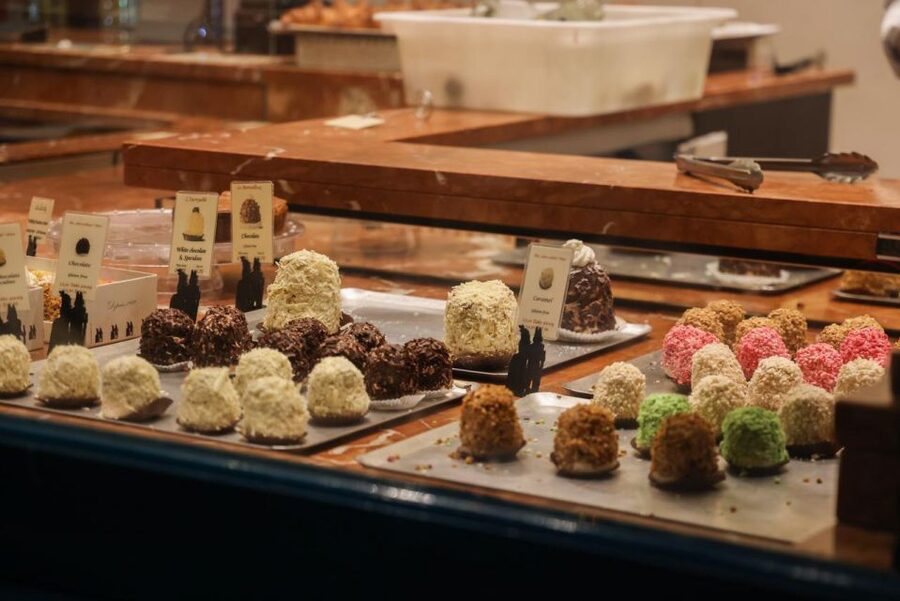
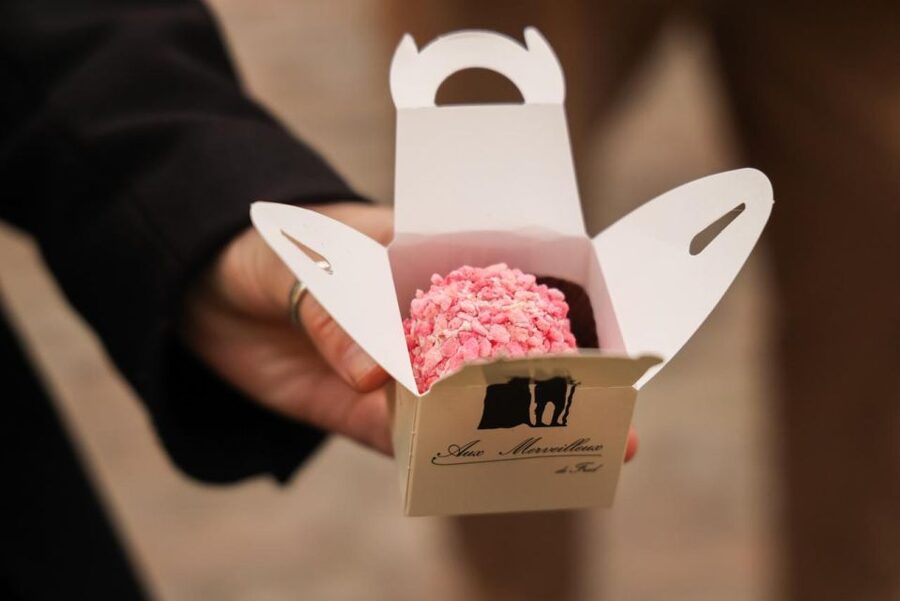
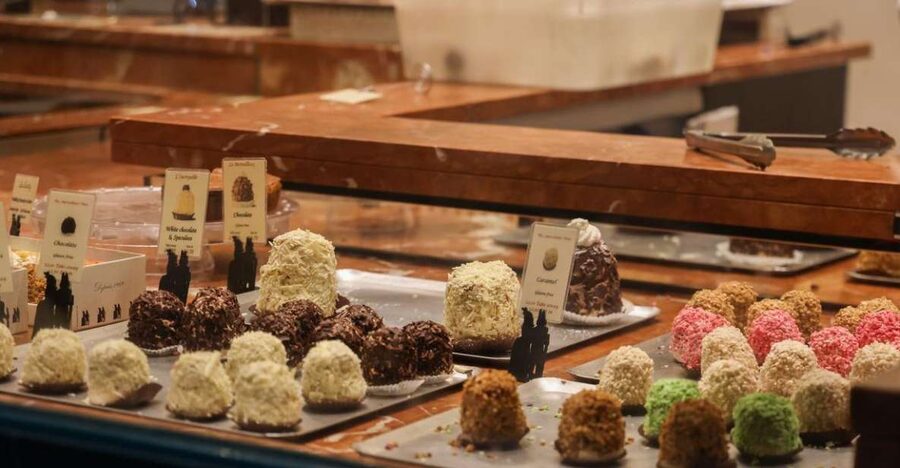
Chocolate gets its own place on the route. You’ll learn about chocolate in London and choose your own sweet, which adds a small element of personal choice to a tour otherwise built around set tastings.
This may be the lightest and most playful stop, but it also fits the wider story. Chocolate houses were part of changing social habits and London’s appetite for imported goods. The stop brings the sugar and spice discussion into a form you can taste.
The ability to choose your sweet is useful if your preferences differ from the group’s. It does not mean the entire tour is customizable, however. You should expect a planned route with a specific set of six samples.
Dessert is also a welcome finish after pies, fish, and chophouse food. The listed inclusions cover desserts as well as British pale ale and cocktails, though the exact sequence is not stated.
What the $121 price includes
At $121 per person, this is not a cheap snack walk. The value depends on how much you want from the historical setting and the number of included stops.
You receive six samples at five different tasting locations, an English-speaking guide, British pale ale, cocktails and desserts, plus a London food-lover’s guide. You are paying for the food, but also for access to established venues and for the connections between them.
The five-location format is a good sign for anyone who dislikes tours that spend most of the time in one restaurant. You get movement, variety, and several different food settings within three hours.
Extra drinks are not included, and hotel pickup and drop-off are not provided. Those are small costs compared with the tour price, but you should allow for them when planning your day.
I would call the price fair for a visitor who values context and wants several tastings in historic surroundings. It is less convincing if you only want the cheapest way to try British food. You could spend less on individual snacks, but you would miss the guided route and the historical links.
Who will enjoy this City food walk
This tour suits you best if you:
- Want a first introduction to British food beyond fish and chips
- Like stories about London’s streets, trade, writers, and old businesses
- Enjoy walking between several tasting locations
- Eat meat, seafood, gluten, and dairy without major restrictions
- Are happy with traditional flavors rather than a modern restaurant menu
- Want a compact experience near St Paul’s
Families may need to check the alcohol arrangements carefully, since only people aged 18 or older can drink. The activity requires at least two participants, so solo booking may depend on another guest joining.
The route is not suitable for wheelchair users according to the provided information. No exact distance or step count is given, so anyone with limited mobility should ask the operator for current route details before paying.
Timing, drinks, and practical planning
The activity lasts three hours, with starting times depending on availability. It is best placed on a day when you are not racing to another timed attraction.
Because you move through the City on foot, the weather may affect your comfort. Comfortable shoes are the one item specifically recommended, and you should dress for an outdoor walk between indoor tasting stops.
The tour is conducted in English. You’ll need enough English to follow food explanations and historical stories, not just to order a dish.
The experience includes drinks, but extra drinks cost more. You may want to keep the rest of your day flexible, since the combination of food, beer, cocktails, and walking can be more filling than the sample count suggests.
Cancellation is flexible up to 24 hours before the start for a full refund, and you can reserve now and pay later. Those terms help if your London plans are still shifting, though you should always check the available start time before booking.
Is Eating London: Heart Of The City worth booking?
Book it if you want a food-and-history walk that treats London’s Square Mile as one connected story. The strongest reasons are the five tasting locations, the fish restaurant associated with Anthony Bourdain, the old tavern and chophouse settings, and the honest look at sugar and spice trade.
Skip it if you need vegetarian, vegan, gluten-free, or allergy-safe food. It is also not ideal if you want full restaurant portions, a wheelchair-accessible route, or a dedicated architectural tour.
For the right eater, $121 buys a well-packed three hours with six samples, drinks, desserts, and a guide who gives the food a sense of place. I would choose it early in a London visit, when you want useful orientation and a first taste of the city’s older commercial center.
FAQ
Where does the Eating London food tour meet?
The meeting point is the statue of Captain John Smith outside St-Mary-Le-Bow church. The nearest Tube station is St Paul’s.
How long does the tour last?
The tour lasts three hours.
How many tastings are included?
You receive six samples at five different tasting locations.
What drinks are included?
The inclusions list British pale ale beer, cocktails, and desserts. Extra drinks are not included.
Is the tour conducted in English?
Yes. The tour has a live English-speaking guide and is offered in English.
Can vegetarians or vegans join?
No. The activity is not suitable for vegetarians or vegans.
Is the tour suitable for people with gluten intolerance?
No. The activity is not suitable for people with gluten intolerance.
Can children drink the alcoholic samples?
No. You must be at least 18 years old to drink alcoholic beverages on the tour.
Can I cancel for a full refund?
Yes. You can cancel up to 24 hours in advance for a full refund. You can also reserve now and pay later.
New listings around London
- London: Bermondsey Craft Brewery Tour★ 5.0 · 3 reviews
- Colourful Notting Hill Photography Tour★ 5.0 · 3 reviews
- The London Historic Pubs Tour★ 4.0 · 3 reviews
- Ultimate Royal London, Thames River Boat Ride & Walking Tour★ 5.0 · 3 reviews
- London: Wallace Collection & National Gallery Private Tours★ 5.0 · 3 reviews
- London: The Birthplace of The Rolling Stones Private Tour★ 5.0 · 3 reviews
- Historic pub tour with Brazilian guide (in Portuguese)★ 5.0 · 3 reviews
- London: Royal Tour with Westminster Abbey & Afternoon Tea★ 3.0 · 3 reviews
London Tours, compared.

Westminster to Greenwich River Thames Cruise
Read our review →
Magical London: Harry Potter Guided Walking Tour
Read our review →


Warner Bros. Studio Harry Potter Tour with Transfers
Read our review →Browse the lists this tour appears in