
Reviewed · CARDIFF TOURS
From Cardiff: The Valleys Heritage And South Wales Landscapes
South Wales tells its story underground. This nine-hour tour links the working world of the coal mines with the forests, canals, towns, and mountain roads that grew around them. The strongest moment comes at Big Pit National Coal Museum, where you descend 300 feet with a real miner.
I like the small group, limited to seven people, because guide Andy can explain local details and adjust the day when conditions allow. I also like the mix of stops: Fourteen Locks and Cwmcarn Forest give you fresh air and wide views before the more serious reminders of mining disasters and mine closures. The drawback is the packed schedule. You spend a lot of time in the vehicle, and one past visitor found the seven-seat car tight for a full day.
Key points to know before booking
- Big Pit is the main event: Go 300 feet below ground on a tour led by a real miner.
- Guide Andy adds local context: His commentary covers mining, politics, community change, and Welsh identity.
- The group is small: The maximum is seven people, allowing more conversation than a large coach tour.
- The day covers a lot of ground: Expect canal locks, forest roads, memorial sculpture, a town stop, mountain views, and a museum.
- Lunch is your responsibility: You can choose between Kenny’s Vinyl Vault Crystal Café, with vegan options, or Fradds Café in Abertillery.
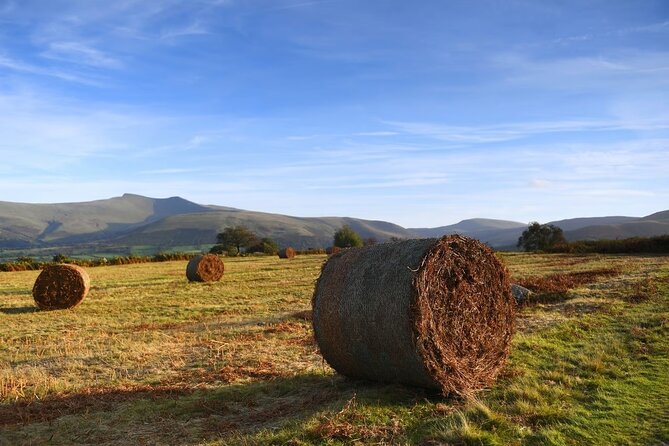
- The scenery is part of the lesson: Forests, valleys, and high roads show how industry sits alongside rural Wales.
Why this tour matters beyond the mine
It is easy to treat South Wales as a green corner of Britain with pleasant hills and stone villages. This tour asks you to look closer. The valleys were shaped by coal, canals, railways, local communities, and the difficult changes that followed the mines closing in the 1990s.
That makes the day more than a museum visit. You see how workers and families once depended on collieries, how disasters affected entire communities, and how towns are finding their way after the industrial era. Andy’s commentary is a major part of that experience. He has a strong grasp of local events and can add unscheduled detail when time and road conditions permit.
His approach may not suit everyone. The political history of Welsh mining is hard to separate from the politics of mine closures, and Andy speaks openly about that background. If you prefer a strictly neutral, quiet drive, his strong opinions may occasionally feel like more than you wanted. If you want context rather than a simple list of dates, that direct style can make the day more meaningful.
More History Tours in Cardiff:
- Cardiff Private Dark History Tour
★ 5.0 · 12 reviews - London: Historic Pubs of Central London Walking Tour
★ 4.9 · 1,065 reviews - Portsmouth: Historic Dockyard Ultimate Explorer Ticket
★ 4.8 · 1,052 reviews
Fourteen Locks and the canal story
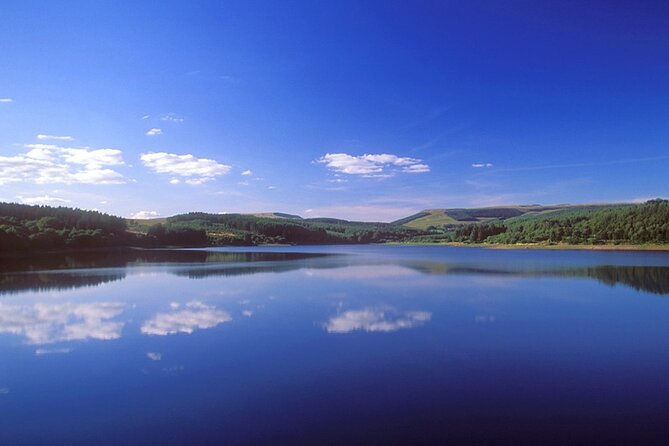
The first stop is Fourteen Locks Canal and Conference Centre near Newport. This is a scheduled ancient monument on the Crumlin Arm of the Monmouthshire and Brecon Canal, and it is one of the most striking canal-lock flights in South Wales.
You have about 90 minutes here. That is enough time to see the locks, take in the setting, and visit the canal centre’s gift shop and tea room. Admission is free, but coffee and tea are not included in the tour price, so bring money if you want something warm.
The locks show the practical side of industrial South Wales. Canals were built to move goods through difficult terrain, and a flight of locks allowed boats to handle a steep change in level. I like beginning here because it gives you a physical sense of the engineering that supported the coal economy before the day moves on to the mine itself.
This stop is also a gentle start. You are not immediately asked to confront disaster or underground working conditions. Instead, you begin with water, stone, and quiet surroundings. Wear shoes that you can walk in comfortably, since the day includes several outdoor stops and uneven historic sites may be part of the experience.
Cwmcarn Forest and the road between valleys
The journey through Cwmcarn Forest is not just a transfer between attractions. The vehicle follows twisting bends through the forest, then parks at one of seven car parks so you can stop for panoramic views of the surrounding countryside.
You have about 90 minutes here, including the drive through the forest and the viewpoint stop. The guide provides more information about the area, so this is a useful moment to ask questions about how the valleys are changing today.
I like the contrast with Fourteen Locks. The canal shows controlled movement through an engineered waterway, while Cwmcarn gives you a broader view of the hills and wooded slopes. Together, the stops help you understand that South Wales is not only a former mining district. It is also a place of forests, open ridges, and winding roads.
The tradeoff is that this is a scenic stop rather than a long walk. The description promises time to absorb the views, not a detailed hike. If you want a full outdoor day, this tour will feel too vehicle-based. If you want scenery without giving up the cultural visits, the balance works well.
Remembering the Six Bells disaster
At Six Bells near Abertillery, the Guardian of the Valleys sculpture commemorates one of the area’s darkest events. On June 28, 1960, an underground explosion at the Arrael Griffin colliery killed 45 miners. All were local men.
The sculpture, created by Sebastien Boyesen, rises more than 60 feet above the site. It was dedicated 50 years after the disaster, on the same date, following years of work by local residents and organizations.
You have around 30 minutes here. That is not a long visit, but the memorial does not need a large museum to explain its purpose. The scale of the steel sculpture and the number of men who died make the cost of mining clear in a way that machinery alone cannot.
This is likely to be an emotional part of the tour. I would not treat it as a quick photo stop. Give yourself time to read the memorial information, listen to Andy, and consider how a single underground accident affected an entire community. The visit also prepares you for Big Pit, where the focus shifts from remembrance to the daily work of miners.
A handful of other Cardiff outings to weigh up
- The Wandering Bard’s Valley Tour or the Swansea Bay Tour.
★ 5.0 · 394 reviews - Cardiff Bay Boat Tour
★ 4.0 · 384 reviews - Alcotraz Prison Cocktail Experience in Cardiff
★ 5.0 · 139 reviews - The Wandering Bard’s Mythical West Wales Tour
★ 5.0 · 129 reviews
Abertillery, lunch, and a living Welsh town
The tour continues to Abertillery, a town in Blaenau Gwent County Borough. Its traditional town centre developed mainly in the late 19th century, so you can see Victorian-era architecture while having lunch on Church Street.
You have about an hour here. Lunch is not included, but two suggested choices are Kenny’s Vinyl Vault Crystal Café, which offers vegan options, and the more traditional Fradds Café. Since the stop is only an hour, you should be ready to choose quickly rather than spend much of the break searching for somewhere to eat.
This pause matters because it takes you away from preserved industrial sites and into a town where people live today. The tour is interested in how communities are faring after the mines closed, and Abertillery gives you a chance to see that question in a normal town setting rather than only in a museum display.
The lunch arrangement also keeps the day flexible, but it means the final cost is higher than the ticket price alone. Plan for your meal, drinks, and snacks. If you have dietary needs, the listed vegan option at Kenny’s is useful, though the tour information does not promise a wider range of special diets.
The Saint Illtyd to Abersychan mountain road
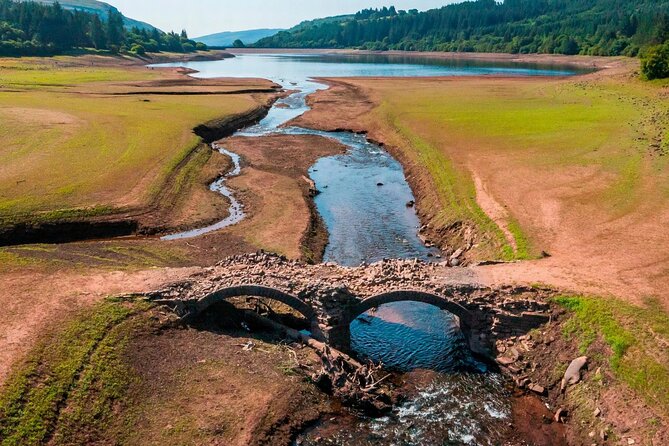
After Abertillery, you take the mountain road from Saint Illtyd to Abersychan. The road reaches about 1,200 feet above sea level and offers open views toward the Brecon Beacons to the north.
This part lasts about an hour and is best understood as a moving viewpoint. You stay in the vehicle as it follows the high road, with the guide explaining the area along the way. On a clear day, the open views should provide one of the most memorable scenery breaks in the program.
Weather matters here. The tour requires good weather, and mountain visibility can change quickly. If poor weather forces cancellation, you are offered another date or a full refund. The route can still be worthwhile on a cloudy day, but the views are naturally less rewarding when mist covers the higher ground.
The road also breaks up the emotional weight of the Six Bells memorial before the final museum visit. That pacing is sensible. You get time to think, see another side of the region, and arrive at Big Pit with a fuller picture of the valleys.
Going underground at Big Pit National Coal Museum
Big Pit is the tour’s centerpiece. It is a real coal mine and one of Britain’s leading mining museums, with exhibitions in the pithead baths, historic colliery buildings, mining galleries, and an underground tour.
The underground experience takes you 300 feet below the surface with a real miner. You see what life was like for the men who worked at the coal face, rather than viewing mining only through photographs or machinery behind glass.
You have about two and a half hours here. That is the longest stop of the day, and rightly so. The time allows you to take the underground tour and see the other museum areas, including the multimedia Mining Galleries with a virtual miner and the exhibitions in the Pithead Baths.
Big Pit gives the earlier stops more meaning. The canal explains how materials moved. The memorial shows the danger faced by mining communities. The town shows the human setting. Underground, you get the closest possible sense of the working environment itself.
The museum admission is included, which helps the value of the tour. If you visited Big Pit independently, you would still need to arrange transport from Cardiff and connect it with the other valley sites. This tour handles the driving and adds interpretation across the whole day.
The underground visit may not suit someone who dislikes confined spaces, though the supplied information does not give specific medical or accessibility restrictions. Most people can participate, and confirmation is sent at booking. If this is a concern for you, ask the provider before paying.
How the transport and group size affect the day
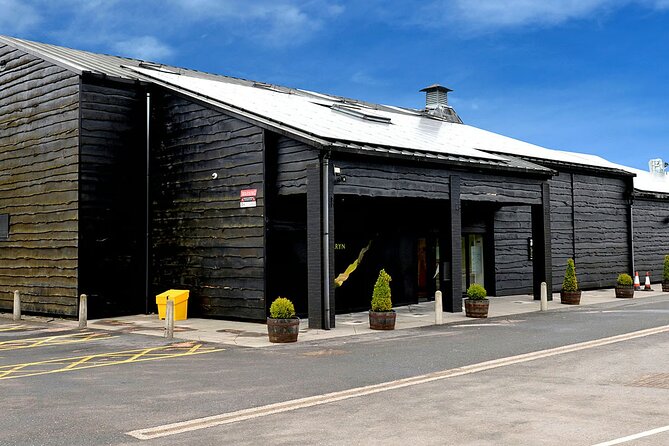
The tour starts at 9:00 a.m. outside the National Museum Cardiff in Cathays Park and returns to the same meeting point. Private transportation is included, and the group has a maximum of seven people.
That small size is a real advantage on roads where a large coach would be awkward. You can hear the guide more easily, ask questions, and have a more personal conversation about Welsh mining and local communities. Andy can also make on-the-fly additions when the day allows.
The same format creates the main comfort concern. One past participant felt the vehicle was too small for six people over a full day, while the guide described it as a comfortable seven-seater and noted that the front seat had been requested. The practical point is simple: if you are tall or sensitive to limited legroom, ask about the vehicle before booking. A small group does not always mean spacious transport.
The schedule is also ambitious. The listed stops add up to about seven and a half hours, leaving the rest of the nine-hour day for driving between valleys, forest roads, and towns. That is a lot to fit into one outing. I would choose this tour for variety, not for long, unhurried visits at every stop.
Is $178.83 a fair price?
At $178.83 per person, this is not a budget day trip. The price pays for a full day of private transport, a driver-guide, a maximum group of seven, and admission to Big Pit’s main museum experience.
The value is strongest if you want several places connected by a single story. Getting from Cardiff to Fourteen Locks, Cwmcarn, Six Bells, Abertillery, Saint Illtyd, and Big Pit on your own would require careful planning and a car. Public transport would not give you the same flexibility on the forest and mountain-road sections.
The value is weaker if you mainly want Big Pit. In that case, an independent visit may cost less, though you would lose Andy’s wider explanation of the valleys and the stops at the memorial, canal, forest, and town.
I would also budget for lunch, drinks, and snacks. Coffee and tea are excluded, as is the midday meal. The free admission at the first five stops helps, but Big Pit is the paid attraction that carries the main included-entry benefit.
Who should book this South Wales day tour?
I would recommend it to you if you want industrial heritage and scenery in the same day, especially if you are staying in Cardiff without a car. It suits people who enjoy thoughtful commentary, memorial sites, historic engineering, and views from a vehicle rather than long hikes.
It is also a good fit if Big Pit is high on your list but you want more context than a stand-alone museum visit provides. The stops at Six Bells and Abertillery make the mine feel connected to real communities, not isolated as a display.
I would hesitate if you need generous space in the vehicle, dislike a tightly timed schedule, or want a peaceful day with little commentary. Andy’s style includes political context, which some people may find unnecessary and others may see as essential to understanding mine closures and Welsh public life.
Should you book it?
Book this tour if you want an efficient, small-group introduction to the South Wales valleys and consider Big Pit a must-see. The underground visit is the clear highlight, but the canal, memorial, town, forest, and mountain road give it useful depth.
Skip it if you want to spend most of the day at one attraction or if transport comfort is your top priority. For the right person, $178.83 buys more than a mine ticket: it buys a full day of connections between Welsh industry, memory, countryside, and modern community life.
FAQ
Where does the tour start and finish?
The tour starts at the National Museum Cardiff in Cathays Park, Cardiff CF10 3NP, at 9:00 a.m. It ends back at the same meeting point.
How long does the experience last?
The tour lasts approximately nine hours.
How many people can join the tour?
The maximum group size is seven people.
Is Big Pit National Coal Museum included?
Yes. Admission to Big Pit National Coal Museum is included, including the museum areas and the world-famous underground tour described in the tour details.
Is lunch included?
No. Lunch is not included. The tour suggests Kenny’s Vinyl Vault Crystal Café, which has vegan options, or Fradds Café in Abertillery.
Are coffee, tea, and snacks included?
No. Coffee, tea, and snacks are not included in the price.
Can I cancel for a full refund?
Yes, if you cancel at least 24 hours before the experience start time. Changes or cancellations made less than 24 hours before departure are not accepted for a refund. The tour may also be canceled if minimum numbers are not reached or if weather conditions are unsuitable.
New listings around Cardiff
- Cardiff Dance Party Package★ 5.0 · 3 reviews
- Cardiff Bay Private Guided Walking Tour★ 5.0 · 4 reviews
- CO2-Offset|Cardiff by yourself with private driver 4/8hr disposal★ 5.0 · 4 reviews
- Cardiff’s Civic Centre: A Self-Guided Audio Tour★ 4.0 · 4 reviews
- Leather workshops, Private classes★ 5.0 · 5 reviews
- Sightseeing Tour Cardiff Bay and Vale of Glamorgan Full-Day Driver Guided★ 5.0 · 5 reviews
- Private Day Tour of Cardiff, including Cardiff Castle, St Fagans, & Cardiff Bay★ 5.0 · 5 reviews
- 2-hour Life Drawing Session in Cardiff★ 5.0 · 6 reviews
Cardiff Tours, compared.
The Wandering Bard’s Valley Tour or the Swansea Bay Tour.
Read our review →


Cardiff Mystery Adventure: Cardiff’s Missing Masterpiece
Read our review →Browse the lists this tour appears in