
Reviewed · LONDON TOURS
Hidden Gems Tour of the City of London
London’s oldest district is packed into a surprisingly small area, and this 140-minute walking tour links Roman remains, medieval power, Victorian finance, and modern architecture in one tidy route. You get the main City of London landmarks without spending a full day on a single museum.
I like the included entry to London Mithraeum or Guildhall, since it adds an indoor historic site rather than leaving you with an entirely outdoor walk. I also like the viewing platform at 120 The Garden, which gives the route a change of pace and a high-up look at the City.
The main consideration is that the tour covers many major places from the outside, so it is not a substitute for a full visit inside St Paul’s Cathedral or the Tower of London. The low price is excellent for a guided orientation, but you may want to budget separately for those larger attractions.
Key points at a glance

- Roman London in the modern City: The route includes ancient remains and entry to London Mithraeum or Guildhall.
- Five famous sights in one walk: See St Paul’s Cathedral, the Monument, Bank of England, Leadenhall Market, and the Tower of London area.
- A useful city view: Entry to the viewing platform at 120 The Garden adds a broad look over the financial district.
- A guide-led history walk: The tour is in English, and guide Nick has led an especially personal, story-filled version of it.
- Good value at $24: You receive a guided two-hour-plus walk and included site access without paying for a large attraction ticket.
- Easy planning: Cancellation is free up to 24 hours before the tour, and you can reserve now and pay later.
Roman foundations beneath the City of London

The best reason to book this tour is the contrast. One minute, you are looking at the polished towers of the modern financial district. The next, the route points you toward evidence of Roman London or a medieval guild building.
That shift gives the City of London its special character. This is not a historic quarter frozen in time. It is a working business district built over older streets, walls, temples, markets, and civic buildings. A guide helps connect those layers, which can be hard to spot when you walk alone.
The itinerary includes entry to London Mithraeum or The Guildhall. London Mithraeum offers a Roman focus, while Guildhall represents the City’s long civic life. Since the information allows for one or the other, check which site applies to your departure date before booking if that choice matters to you.
The indoor entry is important. Two hours and 20 minutes outdoors can feel long if the weather turns wet, and the included site gives you a more focused stop among the open-air landmarks. It also adds substance to the walk, rather than treating the City as a series of photo stops.
A handful of other London outings to weigh up
- From London: Harry Potter Warner Bros Studio Tour
★ 4.7 · 26,588 reviews - London: Westminster to Greenwich River Thames Cruise
★ 4.5 · 22,836 reviews - Magical London: Harry Potter Guided Walking Tour
★ 4.7 · 22,044 reviews
St Paul’s Cathedral and the story of rebuilt London
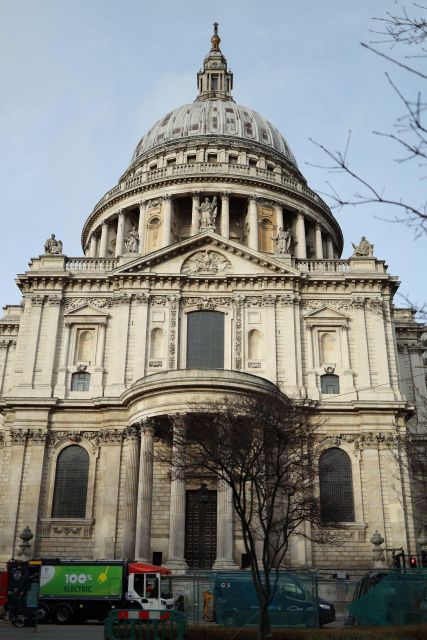
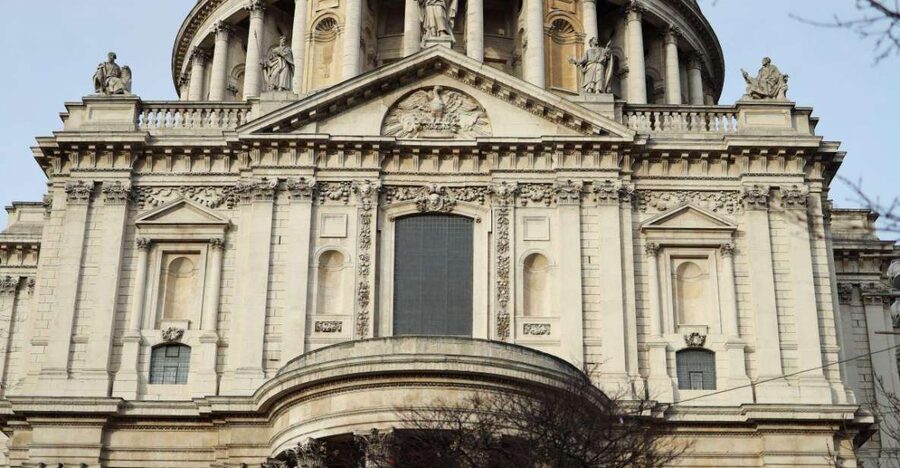
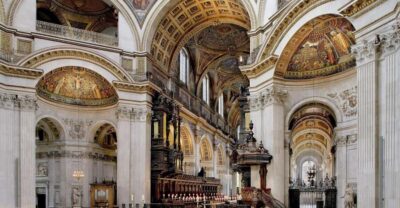
St Paul’s Cathedral is one of the route’s anchor points. Its dome and grand scale help you get your bearings in the City, while the surrounding streets show how tightly old and new London sit together.
You should not assume that this tour includes a full cathedral visit. St Paul’s is listed as a highlight, but the included admissions specify London Mithraeum or Guildhall and the platform at 120 The Garden. Think of the cathedral as an important stop on the walking route, with the guide explaining its place in London’s story.
That distinction can save you disappointment. If you want to see the interior, crypt, galleries, or dome of St Paul’s, plan a separate visit and allow extra time. This tour is better for understanding where the cathedral fits into the wider City than for replacing a dedicated cathedral ticket.
The route also brings you toward the Monument to the Great Fire of London. Together, St Paul’s and the Monument help explain how the City changed after the 1666 fire. The tour can show you how one disaster reshaped streets, buildings, and civic memory, without asking you to spend the day in a single museum.
The Monument and a city rebuilt from ashes

The Monument is one of London’s most useful history markers because it links a physical column with a major turning point. Its presence turns an ordinary-looking section of the City into a place where the past is easy to picture.
The attraction is listed as a highlight, not as an included climb or separate admission. You will want to ask the guide how much time is set aside there, especially if you are hoping to visit the inside. The value here comes from the explanation and the setting, not from assuming that every major landmark includes entry.
I like this part of the route because it gives the walk a clear thread. Roman London explains the beginning of the story. The fire explains a major break in that story. The modern towers and office streets show what came after.
That structure also helps children and first-time visitors follow along. Instead of hearing a long list of dates, you move from one visible marker to another. The guide can keep the story tied to the pavement beneath you.
Bank of England and the City’s money district
The Bank of England brings a different side of London into view. Here, the subject changes from churches and fires to finance, government, and the machinery of commerce.
The tour does not advertise entry to the Bank of England, so expect to see it as part of the route rather than take an interior tour. That is still worthwhile if you want a quick introduction to why the City remains one of London’s key business centers.
This stop also gives the guide a chance to explain the City as a place of power, not only a collection of pretty old buildings. The financial quarter can feel impersonal when you pass through it alone. With context, its streets become part of the story of how London works.
The balance is useful. You get religious history at St Paul’s, disaster and rebuilding at the Monument, civic history at Guildhall if that is your included site, and financial history around the Bank of England. The route does not stick to one era or one type of building.
Elsewhere in London, a change of pace:
- London: Madame Tussauds London
★ 4.6 · 20,915 reviews - London: Warner Bros. Studio Tour with Transfers
★ 4.7 · 17,586 reviews - London: Tower Bridge Entry Ticket
★ 4.7 · 15,560 reviews - London: St Paul’s Cathedral Entry Ticket
★ 4.7 · 9,813 reviews
Leadenhall Market’s elaborate Victorian setting
Leadenhall Market is likely to be one of the most visually memorable stops. Its decorative market setting offers a strong contrast with the stone offices and glass towers elsewhere in the City.
The market is a place to pause and look upward as well as forward. The covered structure and ornate design make it more than a simple shortcut between streets. It shows how commerce, architecture, and daily city life have overlapped for generations.
The tour does not promise food, shopping time, or a dedicated meal break. If you want to browse stalls or stop for a drink, do not count on having a long free period during a 140-minute guided walk. You can return later if the market catches your attention.
That is a recurring theme here: the tour helps you identify places worth revisiting. You see several important sites in one organized outing, then decide which deserve a slower second look.
The Tower of London area and the edge of royal London
The Tower of London is another headline landmark on the route. Its presence shifts the story from the financial center toward royal authority, imprisonment, ceremony, and the eastern edge of the City.
The available information does not state that Tower of London admission is included. Plan on seeing the Tower as part of the walk unless your booking details clearly say otherwise. A full Tower visit requires a separate ticket and more time than this tour allows.
That limitation is not a flaw if you want a broad introduction. The Tower is large and rewarding, but it can easily occupy several hours. Pairing a short exterior visit with the City walk lets you cover more ground on your first day, then return to the Tower when you can give it proper attention.
The route’s range is its real strength. You are not simply walking from one famous building to the next. You are moving through Roman, religious, civic, commercial, royal, and modern London in a single compact outing.
Looking down from 120 The Garden
Entry to the viewing platform at 120 The Garden adds something that many walking tours lack: a chance to see the district from above.
Street-level walking helps you notice doorways, ruins, signs, and building details. A high viewpoint helps you understand how the City fits together. From above, you can better appreciate the tight concentration of landmarks and the mix of older buildings with newer towers.
The tour information does not give a guaranteed time limit at the platform or describe the exact view on the day. Weather and access conditions can affect what you see. Still, this included stop is a useful value point, particularly at a total price of $24 per person.
It also breaks up the rhythm of the walk. Two hours and 20 minutes is a substantial outing, and a viewpoint gives you a quieter moment to take photos and collect the different parts of the route.
What the guide adds to the experience
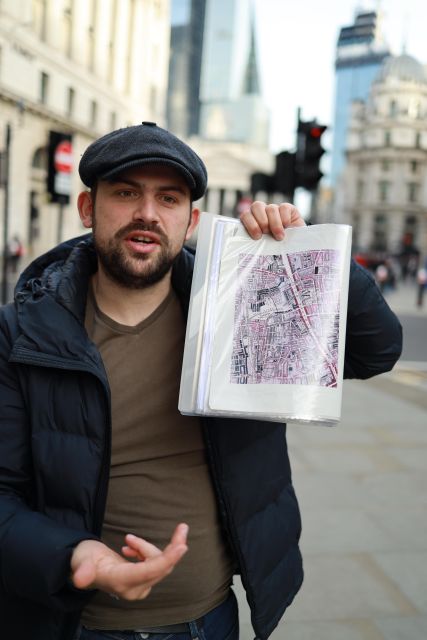
This tour depends heavily on the person leading it. The strongest feedback is about the guide’s enthusiasm and ability to keep the walk interesting. Guide Nick is specifically associated with a particularly personal outing, even when only one person had booked.
That detail matters. A one-person tour can feel unusual, but it may also allow the guide to adjust the pace and answer more questions. You should not assume every departure will be private or nearly private, but the experience can work well with a small group.
The walk is conducted in English. If you enjoy hearing stories, asking questions, and getting explanations tied to the places in front of you, the live guide is the main reason to choose this over a self-guided route.
I would keep your expectations realistic. The supplied information does not promise specialist talks at every stop, guaranteed group size, or entry to every landmark. The guide’s role is to connect the sites and make the City easier to read, not to provide a complete tour of each attraction.
Is $24 a fair price?

At $24 per person, this is a strong price for a 140-minute guided walk, especially with entry to London Mithraeum or Guildhall and the 120 The Garden viewing platform included.
The value depends on what you want. If you are seeking a full visit to St Paul’s Cathedral, the Tower of London, the Bank of England, and other major sites, this price will not cover those admissions. You would need to pay separately and give each attraction more time.
If you want orientation, context, and a sensible route through the City, the price works well. You see several of London’s most important landmarks, learn how they relate to one another, and receive access to at least two additional sites or viewpoints.
I also like the flexible booking terms. You can cancel up to 24 hours before the start for a full refund, and reserve without paying immediately. Those policies are useful when London weather or a crowded sightseeing schedule makes your plans uncertain.
Who should book this City of London walk?
I would recommend it to first-time visitors who want to understand the City before tackling individual attractions. It also suits repeat visitors who have seen central London but have not spent much time around the financial district and Tower Hill.
History-minded adults will get the most from the Roman, civic, religious, and financial links. The tour may also suit older children who can manage a 140-minute walk, though the provider lists babies under one year as unsuitable.
The listing also excludes people over 95 years old. That is an unusual restriction, so check the booking terms carefully if it affects someone in your party.
The tour is wheelchair accessible, which makes it a practical option for many visitors who want a guided look at the City. The exact ease of every street, entrance, or viewpoint can vary, so it is sensible to confirm any specific mobility needs before departure.
Practical tips for making the most of it
Wear comfortable shoes. The route covers several historic points over more than two hours, and the appeal comes from moving between them rather than sitting in one place.
Bring a rain layer and keep your schedule slightly open afterward. The tour includes an indoor site, but much of the experience takes place outside, and the timing may leave you wanting a longer visit at St Paul’s, Leadenhall Market, or the Tower.
Treat the walk as a well-priced introduction, not a replacement for every attraction admission. If you know you want the interior of St Paul’s or a full Tower of London visit, schedule those separately.
If Nick is leading your departure, expect a guide who takes the subject personally and enjoys sharing what makes the route worth seeing. The strongest praise centers on the tour being informative, interesting, and capable of keeping you guessing, which is exactly what you want from a history walk through familiar streets.
Should you book it?
Book this tour if you want a compact, affordable introduction to London’s oldest district, with a live English-speaking guide and useful included access to London Mithraeum or Guildhall and 120 The Garden.
Skip it if your priority is spending several hours inside St Paul’s Cathedral or the Tower of London, since those admissions are not listed as included. For most visitors, the best approach is to use this walk as your City of London orientation, then return to the places that deserve a longer visit.
FAQ
How long is the Hidden Gems Tour of the City of London?
The tour lasts 140 minutes, or two hours and 20 minutes.
What landmarks are included on the route?
The highlights are St Paul’s Cathedral, the Monument to the Great Fire of London, the Bank of England, Leadenhall Market, and the Tower of London.
Is admission to the landmarks included?
The included admissions are to London Mithraeum or Guildhall and the viewing platform at 120 The Garden. The information does not state that entry to St Paul’s Cathedral, the Bank of England, or the Tower of London is included.
What language is the tour conducted in?
The live tour guide speaks English, and English is the listed tour language.
Is the tour wheelchair accessible?
Yes. The activity is listed as wheelchair accessible.
Can I cancel the booking?
Yes. You can cancel up to 24 hours in advance for a full refund. You can also reserve now and pay later.
New listings around London
- London: Bermondsey Craft Brewery Tour★ 5.0 · 3 reviews
- Colourful Notting Hill Photography Tour★ 5.0 · 3 reviews
- The London Historic Pubs Tour★ 4.0 · 3 reviews
- Ultimate Royal London, Thames River Boat Ride & Walking Tour★ 5.0 · 3 reviews
- London: Wallace Collection & National Gallery Private Tours★ 5.0 · 3 reviews
- London: The Birthplace of The Rolling Stones Private Tour★ 5.0 · 3 reviews
- Historic pub tour with Brazilian guide (in Portuguese)★ 5.0 · 3 reviews
- London: Royal Tour with Westminster Abbey & Afternoon Tea★ 3.0 · 3 reviews
London Tours, compared.

Westminster to Greenwich River Thames Cruise
Read our review →
Magical London: Harry Potter Guided Walking Tour
Read our review →
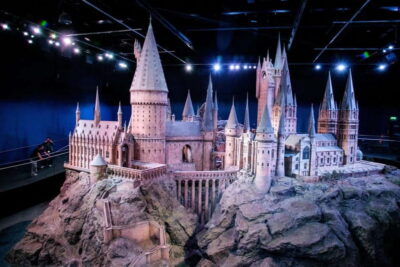


Warner Bros. Studio Harry Potter Tour with Transfers
Read our review →Browse the lists this tour appears in