
Reviewed · LONDON TOURS
Jack The Ripper Tour in London’s East End
The most gripping part of this Whitechapel walking tour is the contrast between the ordinary modern streets and the crimes that made them infamous. You visit the actual sites linked to the murders, then use old photographs, letters, and the Goulston Street clues to picture what happened in autumn 1888.
I like the strong storytelling, especially when guides such as Ian, Rory, Chris, and Michael connect the murders to East End life at the time. I also like the small-group feel reported on several outings, which makes it easier to hear, ask questions, and discuss your own theory. The drawback is simple: much of the old district has changed, so you will not see a perfectly preserved Victorian Whitechapel, and the graphic subject matter is not for everyone.
Key points to know before you book
- You visit real murder sites: The route focuses on locations connected with Jack the Ripper’s victims and other killings sometimes linked to him.
- Goulston Street matters: You examine the famous clue, and the debate over what it did, and did not, prove.
- The guides make the difference: Ian, Rory, Chris, Jericho, Michael, Eva, Jed, Konstantin, and others have been praised for clear delivery, humor, and strong command of the case.
- It is a proper walking tour: Expect two hours on foot through Whitechapel and the East End, often in crowded city streets and changing weather.
- Old evidence adds texture: Still photographs and letters help connect the modern streets to the police investigation of 1888.
- The tour is best for curious adults and older children: It suits anyone interested in crime, Victorian London, or unsolved mysteries, but the subject includes murder and graphic detail.
Starting beside Liverpool Street Station
Your meeting point is to the left of the entrance to the City of London police station at 182 Bishopsgate, EC2M 4NP. Leave Liverpool Street Station by the Bishopsgate West exit, and the police station is across Bishopsgate.
Arrive 10 minutes early. This is useful advice, not a formality. Liverpool Street is a large transport hub, and the station exits can leave you facing a broad, busy road with several landmarks competing for your attention. One group lost the first 15 minutes after a change to the meeting point was not reflected in its booking details, so check your confirmation carefully before setting out.
The current meeting instructions point you to the police station near Eataly, KFC, and Five Guys. If you are using the Underground or a train, give yourself enough time to get outside and cross to the correct side of Bishopsgate.
The tour ends back at the meeting point. That makes it easy to continue into the City of London, return to Liverpool Street, or connect with another activity afterward. Still, I would not schedule anything tightly after the walk. One outing lasted closer to two and a half hours, even though the advertised duration is two hours.
Further Ripper walks after dark:
- London: The Original Jack the Ripper Walking Tour
★ 4.7 · 7,833 reviews - London: Jack the Ripper Small Group Tour
★ 4.7 · 3,159 reviews - German Language : Original Jack the Ripper Tour
★ 4.6 · 1,805 reviews
Whitechapel in 1888, before the mystery takes over
The guide begins by setting the murders in their Victorian East End context. That opening matters because the case is often treated as a puzzle detached from ordinary life. The tour instead looks at the streets, working conditions, poverty, policing, and public fear that shaped how the crimes were understood.
You hear how the discovery of a body triggered one of London’s most famous manhunts. The identity of Jack the Ripper was never proven, and the lack of a final answer has kept the case alive for more than 120 years.
A good guide also separates confirmed evidence from later storytelling. That distinction is one of the tour’s strengths. The name Jack the Ripper, the letters, the newspaper coverage, and the many proposed suspects helped turn a set of murders into a lasting public legend. The route asks you to compare that legend with what can actually be tied to the streets and documents.
The guides have different personalities. Ian has been praised for giving clear explanations, answering questions, and making the group feel part of the investigation. Rory brings an animated style and connects the murders to the culture of the period. Chris explains the material clearly, even when English is not your first language. Michael uses dark humor and graphic storytelling, which some people will enjoy and others may find too strong.
Walking the streets linked to the victims
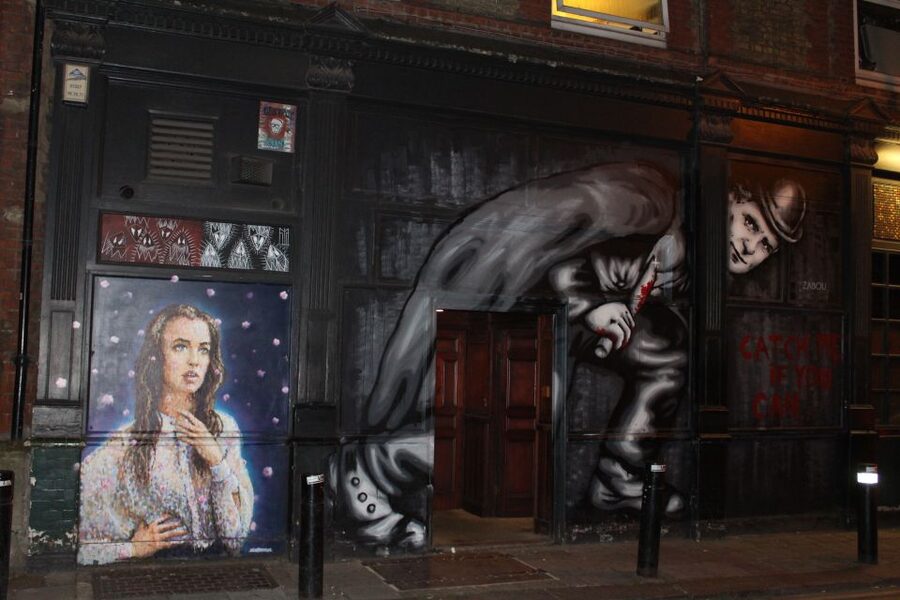
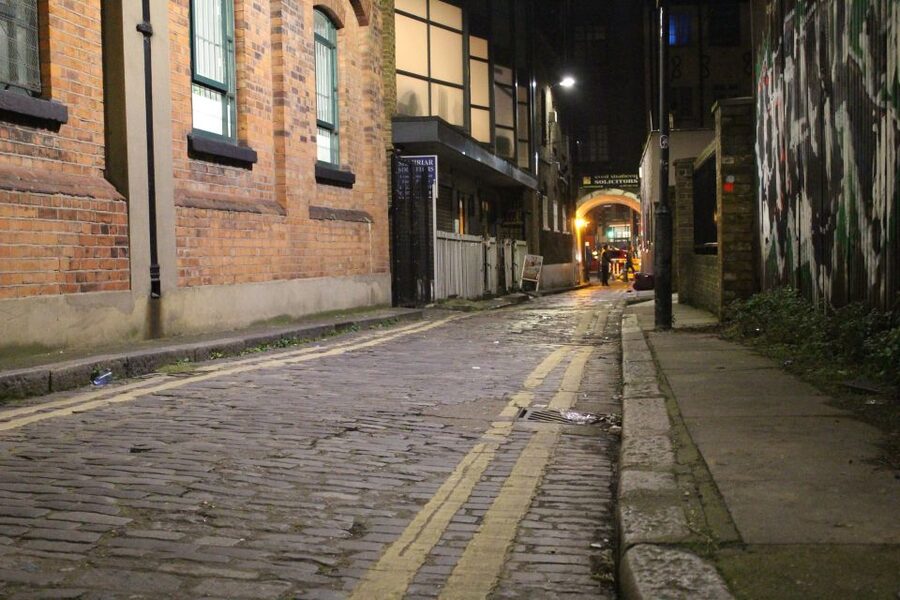
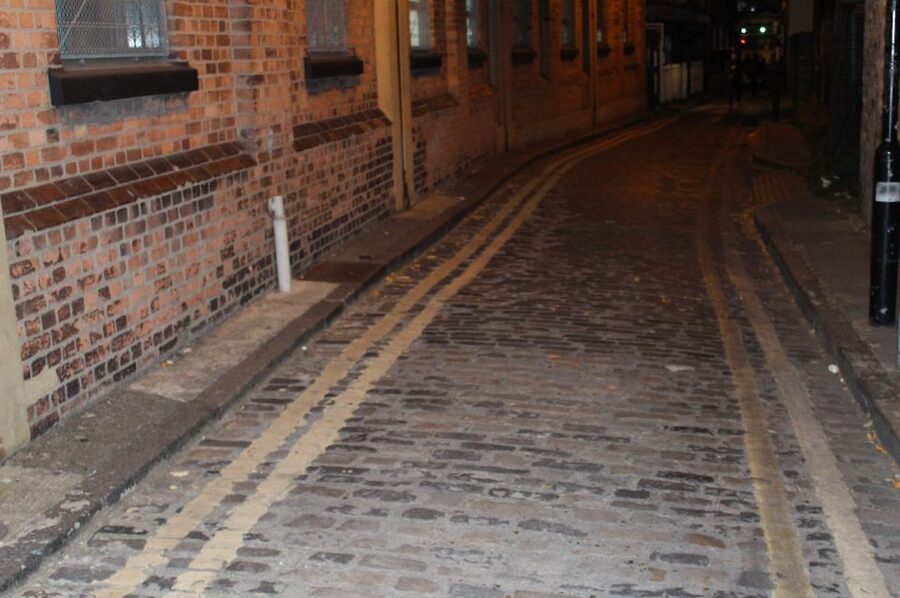
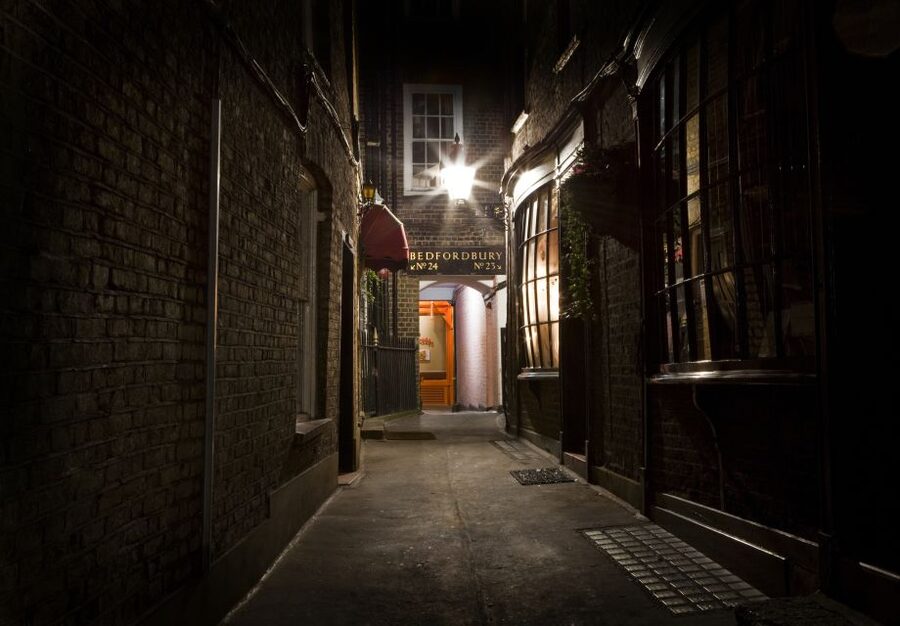
The heart of the experience is the route through Whitechapel and the East End. You follow streets used by the victims and pass dark passages and alleys that preserve something of the area’s shape, even when the buildings themselves have changed.
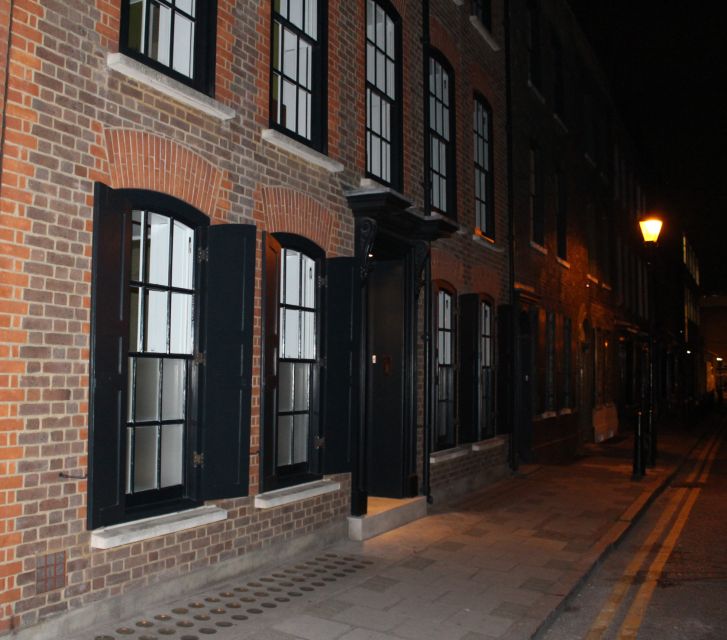
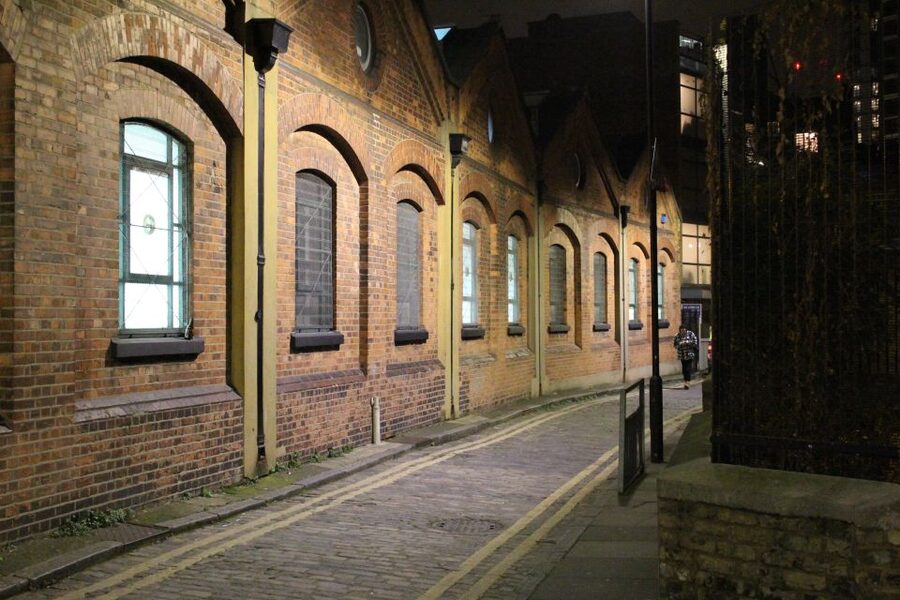
Do not expect a museum-style display with rooms frozen in 1888. This is a living part of London, and modern businesses and buildings now occupy many of the old sites. That can be a disappointment if you want Victorian facades at every stop. I find the change useful, though, because it forces you to use the guide’s photographs and descriptions rather than relying on scenery alone.
At each location, the guide explains what is known about the crime, what was found, and how the site became part of the wider Ripper story. You are not simply given a list of addresses. The route shows how close together some locations were and how the darkness, narrow passages, and limited lighting would have shaped the investigation.
The subject is grim. The tour deals with women who were murdered, and the narration can include disturbing details. Guides aim to tell the story in an engaging way, but the material remains serious. I would avoid this walk if you are uncomfortable with crime scenes, descriptions of violence, or the use of real victims’ deaths as the focus of an evening out.
Murder sites, disputed cases, and the limits of the evidence
The tour visits the actual sites associated with Jack the Ripper’s victims, as well as places linked to other women who were thought to have been killed by the same man. This is important because the list of possible victims has never been entirely settled.
The guide explains the difference between crimes firmly connected to the central Whitechapel case and crimes included because they shared certain features or occurred in the same period. That uncertainty gives the walk its investigative character, but it also means you will hear theories rather than a final solution.
The best part is the way the guide invites you to weigh the evidence yourself. Ian, for example, has been praised for discussing the group’s own ideas about the victims and for giving his personal view of who might have been responsible. At the end, you may find yourself testing suspects against the facts instead of simply accepting the most famous theory.
If you already know the case well, the tour may not reveal every detail. One experienced participant felt that the two-hour format left out material such as the second murder of Annie Chapman, the leather apron theory, and some discussion of the Goulston Street graffiti. That is a fair warning for serious Ripper enthusiasts. The walk is an accessible overview with vivid locations, not a complete research seminar.
A handful of other London outings to weigh up
- From London: Harry Potter Warner Bros Studio Tour
★ 4.7 · 26,588 reviews - London: Westminster to Greenwich River Thames Cruise
★ 4.5 · 22,836 reviews - Magical London: Harry Potter Guided Walking Tour
★ 4.7 · 22,044 reviews - London: Madame Tussauds London
★ 4.6 · 20,915 reviews
Goulston Street and the clue that refuses to settle
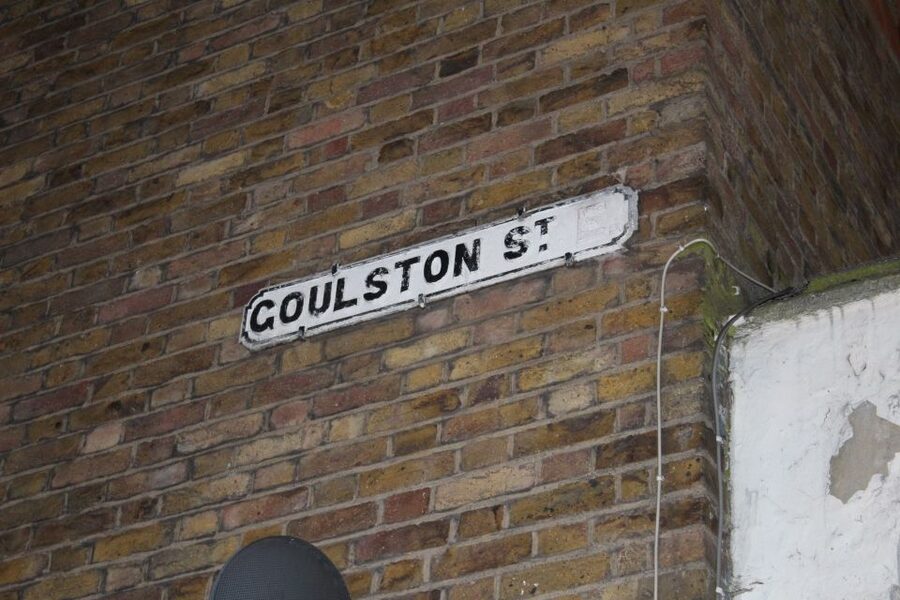
Goulston Street is one of the most intriguing stops because it shows how a small piece of evidence can dominate a criminal investigation. You learn about the writing found there, the circumstances around it, and why it was treated as a possible clue.
The real value is not just seeing the location. It is understanding the problem of interpretation. Was the writing connected to the killer? Was it written by someone else? Did the police preserve or remove it for the right reasons? The guide lays out the known points and the gaps, leaving you to decide how much weight it deserves.
This section works especially well for people who enjoy mysteries but do not want a tour that treats every rumor as fact. The case has accumulated layers of newspaper reports, letters, suspect theories, and later speculation. A careful guide helps you see where evidence ends and imagination begins.
The supplied description specifically promises attention to the clues and non-clues of Goulston Street. That wording is telling. The tour is not only about finding hints. It is also about recognizing when an apparent hint may not tell us much at all.
Photographs, letters, and the making of a legend
Still photographs and letters give the walk a stronger connection to the original investigation. Instead of hearing a polished modern version of the story, you see some of the documentary material that shaped public reaction at the time.
The photographs are disturbing by nature, so be prepared. They are used to support the discussion of the crimes and their locations, not simply for shock value. Letters add another layer, showing how the case became public theater as well as police work.
The guide also explains how public perception changed over time. The murders were already sensational in 1888, but later books, films, suspect theories, and amateur investigations turned Jack the Ripper into a character almost separate from the crimes themselves.
I like this part because it gives you a better way to think about famous mysteries. The question is not only who committed the murders. It is also how a story becomes fixed in the public mind, why certain clues survive, and why other facts fade away.
A two-hour walk shaped by the guide
The route is only as strong as the person leading it. The high rating of 4.5 out of 5 from 718 ratings reflects a very consistent theme: guides bring energy, clarity, and personality to difficult material.
Ian receives especially warm praise for his humor, patience, and willingness to answer questions. Rory is described as friendly, engaging, and attentive to the whole group. Chris is good at explaining the story clearly, including to people who speak English as a second language. Jericho has been praised for making the period easy to follow, while Eva is noted for animated storytelling and a clear grasp of the competing theories.
Other guides, including Jed, Konstantin, and Michael, have also earned strong marks for making the walk personal rather than mechanical. You may get a different style depending on the departure time and guide assigned. That is worth remembering if you see a particular guide’s name when booking, but you should not assume a specific person is guaranteed unless your confirmation says so.
The groups appear to be kept to a manageable size on at least some departures. That improves the experience in two ways: you can hear the story in noisy streets, and you have a better chance to ask about your own suspect theory. Group size can vary, so treat this as a likely benefit rather than a promise.
Rain, dark humor, and practical comfort
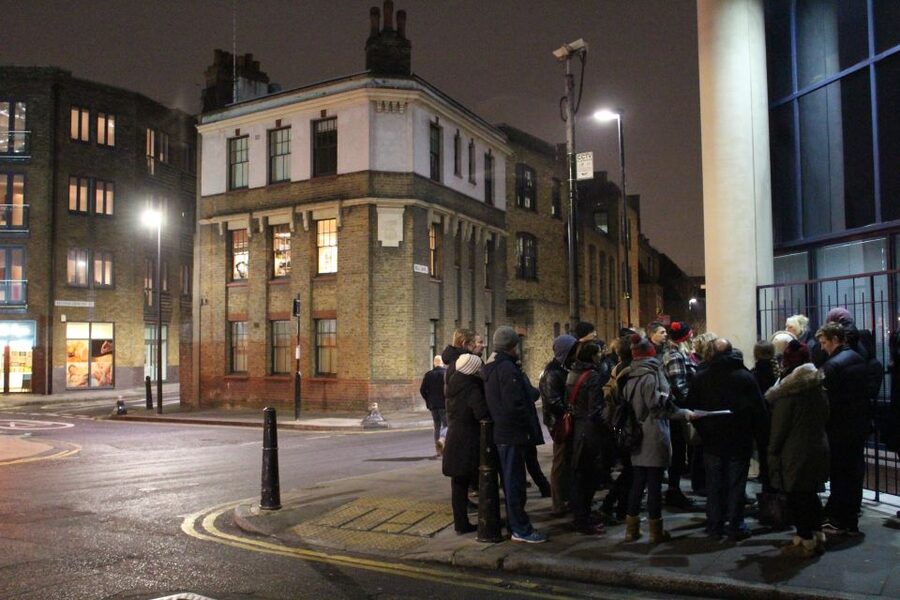
London weather can change quickly, and this is an outdoor walk with no shelter built into the experience. One participant went through heavy rain and still considered the storytelling worth it, but you should bring a waterproof jacket and shoes that can handle wet pavement.
The walk works particularly well after dusk because the subject is atmospheric, but darkness can also make it harder to see the modern surroundings. You are there for the narration and locations, not for grand views or a polished attraction.
Dark humor is part of the tone for some guides. Michael, in particular, has been praised for combining graphic storytelling with a dry comic touch. That style can keep a long, grim subject from becoming flat, but it will not suit every mood. If you prefer a solemn presentation, the personality of your guide may matter as much as the route.
You should also be comfortable walking for two hours. The route uses city streets, passages, and alleys, and the tour does not offer a seated alternative in the information provided. If walking is not appealing, this is the wrong booking from the start.
Is $22.90 good value?
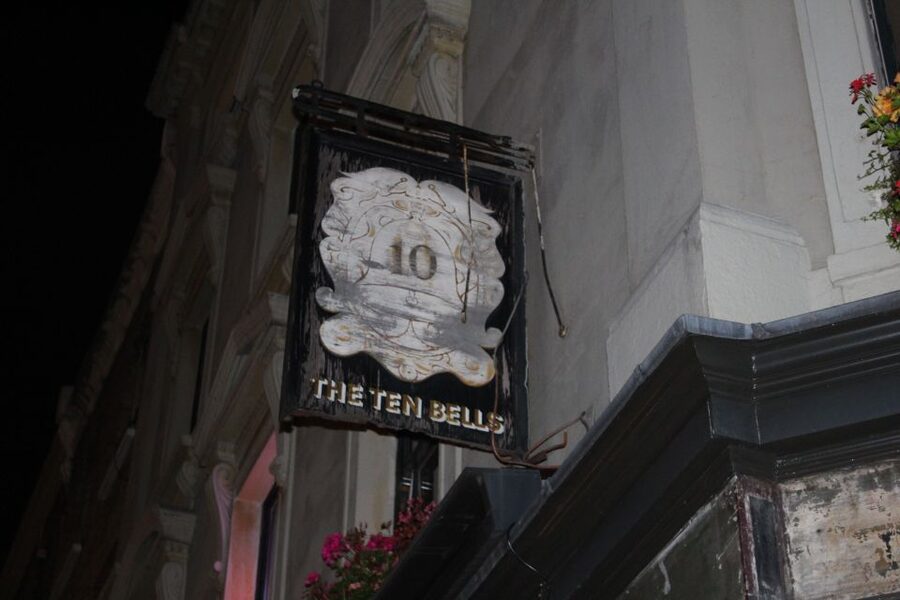
At $22.90 per person, this is a reasonably priced way to spend two hours in central London. You are paying for a professional English-speaking guide, access to a carefully chosen route, and the interpretation that connects modern streets with old evidence.
The value is strongest if you enjoy live storytelling. A map and a book can give you names and dates, but they cannot answer your questions at the spot where the clue, body, or police discovery entered the story. The guide adds the human layer and helps you understand why each location matters.
The value is weaker if you expect preserved buildings, a large museum collection, or new information about every suspect. Much of East London has been rebuilt or adapted, and serious students of the case may already know the main theories. In that case, the main benefit is seeing the locations and hearing a skilled guide frame the evidence.
Flexible booking also helps. You can reserve now and pay later, and cancellation is free up to 24 hours before the tour for a full refund. The tour is conducted in English only, so choose it when you are comfortable following a detailed spoken account for two hours.
Who will enjoy this Whitechapel tour?
I would choose this walk if you like unsolved crimes, Victorian London, and place-based storytelling. It is also a good fit if you want an evening activity that feels different from London’s major monuments.
You do not need to be a Ripper expert. The guide provides the background, explains the major evidence, and gives you enough information to follow the theories. The tour can also suit people who speak English as a second language, provided they are comfortable with spoken English. One guide made a point of speaking loudly and clearly for that reason.
Families should judge the subject carefully. The walk is not described as a children’s attraction, and the murder details and photographs may be too graphic for young children. Older teenagers with an interest in crime or history may appreciate it, but parental judgment is needed.
This is less suitable if you want a quiet, reflective walk or a fully preserved historic district. The modern East End is part of the experience, but it means you must listen closely to appreciate what has changed and what remains.
Should you book the Jack the Ripper Tour?
Book it if you want a vivid, guide-led investigation rather than a simple sightseeing walk. The real sites, Goulston Street discussion, documentary images, and competing theories give the two hours a clear purpose. The strongest guides turn the route into a conversation, and you may finish with your own suspect in mind.
Skip it if graphic crime stories unsettle you, if you need a tour in another language, or if you expect every old building to remain intact. Serious Ripper enthusiasts should also check the exact departure details and understand that a short walk cannot cover every murder, theory, and disputed clue.
For most curious visitors, the price is fair and the format is easy to fit into a London schedule. Arrive early at the Bishopsgate police station, dress for rain, wear good walking shoes, and allow extra time after the advertised two hours. That preparation lets you focus on the case, the streets, and the guide’s telling of one of London’s most stubborn mysteries.
FAQ
Where does the Jack the Ripper tour start?
Meet your guide 10 minutes before departure to the left of the entrance of the City of London police station at 182 Bishopsgate, London EC2M 4NP. From Liverpool Street Station, use the Bishopsgate West exit and look across Bishopsgate for the police station.
Where does the tour end?
The tour ends back at the meeting point near the City of London police station.
How long does the tour last?
The advertised duration is two hours. Allow a little extra time in case the walk runs longer than scheduled.
What language is the tour conducted in?
The tour is conducted in English only, with a live English-speaking guide.
What does the tour include?
The tour includes a professional guide. It visits murder sites, locations connected with other possible Ripper victims, East End streets and alleys, and Goulston Street. The guide also uses still photographs and letters during the presentation.
How much does the tour cost?
The listed price is $22.90 per person.
Can I cancel or pay later?
You can cancel up to 24 hours in advance for a full refund. You can also reserve your place and pay later, which keeps your plans flexible.
New listings around London
- London: Hampton Court Private Guided Tour★ 3.4 · 15 reviews
- London: Secrets of Freddie Mercury Tour with a Cocktail★ 4.1 · 15 reviews
- London: Jack the Ripper Tour and Underground Prison in Spanish★ 5.0 · 15 reviews
- Spanish Language : Original Harry Potter Walking Tour★ 4.5 · 15 reviews
- London: Private Couples Photography Session with Landmarks★ 5.0 · 15 reviews
- London: The Saturday Supershow Cabaret at Phoenix Arts Club★ 4.5 · 15 reviews
- London: 2-Hour Guided Tour of the British Museum★ 4.7 · 16 reviews
- London’s Ghosts & Gruesome Past Nighttime Walking Tour★ 4.8 · 16 reviews
London Tours, compared.

Westminster to Greenwich River Thames Cruise
Read our review →
Magical London: Harry Potter Guided Walking Tour
Read our review →


Warner Bros. Studio Harry Potter Tour with Transfers
Read our review →Browse the lists this tour appears in