
Reviewed · WALES TOURS
Learn to forage in Llangollen
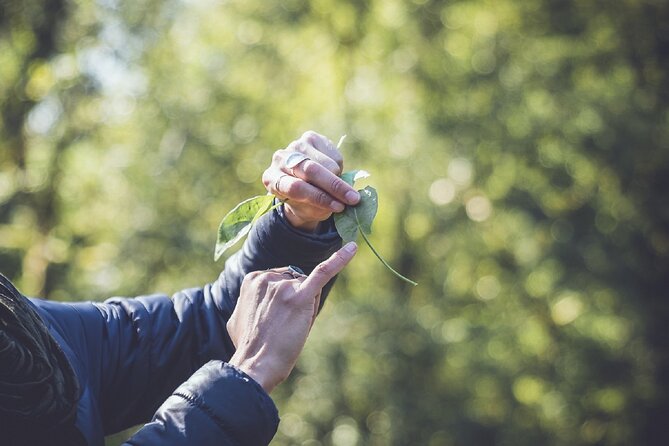
The best part of this Llangollen foraging walk is that it changes how you see an ordinary canal path. Leah helps you notice edible plants, useful herbs, fungi, and trees that you might otherwise pass without a glance. I like the strong focus on safe identification, and I like that folklore and practical kitchen ideas sit alongside the basic rules.
The route is short, level, and easy to manage, with frequent stops rather than a steady march. That makes it a good choice for families and mixed-age groups. The main thing to consider is the weather: this is an outdoor activity, and the walk will be less appealing if you arrive in poor clothing for rain or cold.
Key points at a glance
- Learn beside Llangollen Canal: The walk follows a picturesque canal-side route and nearby meadow in the heart of Llangollen.
- Focus on safe identification: You learn which edible and medicinal plants and fungi to recognize, along with what to avoid.
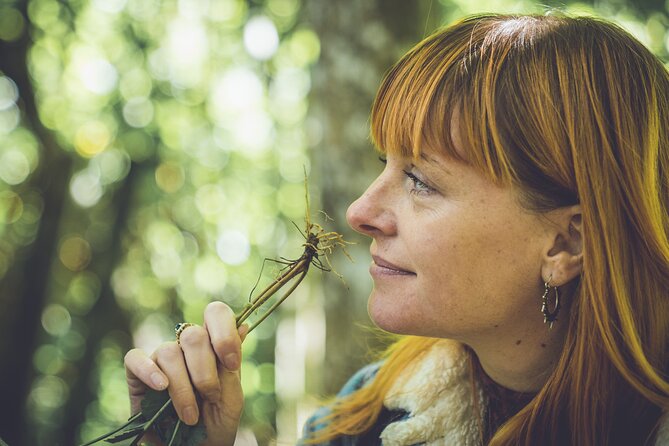
- Led by Leah: Her teaching combines practical foraging advice, plant lore, and a clear enthusiasm for the natural world.
- Easy for most fitness levels: The route is short, even, and broken up by regular stops.
- Small-group setting: A maximum of 12 people allows time for questions and shared discussion.
- Hands-on ideas to take home: You may learn simple uses for plants, including the memorable sticky weed swamp juice mentioned during one session.
Why this Llangollen walk feels different
Foraging tours can sometimes become a list of plant names. This one aims for something more useful: it teaches you how to look, what to check, and when to leave a plant alone.
That matters because safe foraging is not simply about spotting something familiar. You need to understand several features, compare similar plants, and know which parts may be suitable for use. The walk covers these basic principles before moving into examples found along the route.
Leah also brings in folklore and traditional plant uses. That gives the session a wider feel. You are not only learning what a plant is called, but also how people have understood and used it over time. The result is part nature walk, part practical class, and part local storytelling.
I especially like that the teaching is interactive rather than a long talk. You are encouraged to look closely, ask questions, share observations, and use your senses. That makes the session easier to remember than a series of facts delivered from a distance.
A handful of other Wales outings to weigh up
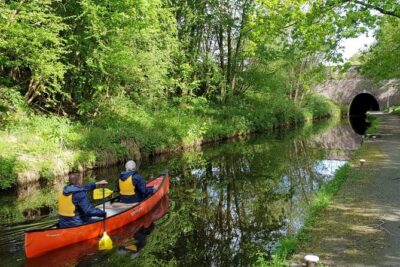
- Pontcysyllte Aqueduct Canoe Tours in Llangollen
★ 5.0 · 2,229 reviews - Whitewater Rafting on the River Dee in Llangollen
★ 5.0 · 939 reviews - White Water Rafting Experience in River Dee in Llangollen
★ 5.0 · 465 reviews
Following the canal through Llangollen
The walk begins at the meeting point in Llangollen and returns there at the end. The main stop is Llangollen Canal, with the route also taking in meadow areas. The setting gives the class a pleasant balance of water, path, grass, plants, and trees.
A canal towpath is a sensible place for an introductory walk. It is generally easier underfoot than a rough hillside, and the level route means you can pay attention to the plants instead of worrying about steep climbs. You will stop often to discuss what is growing nearby, so comfortable walking shoes should be enough for most people.
The pace is gentle. This is not a hike designed to cover miles. It is a short exploration where the distance matters less than the quality of the stops. You might spend several minutes looking at one plant, discussing how to identify it, hearing a story about it, and considering a possible use.
The Llangollen setting also makes the activity easy to fit into a wider visit. You are not being taken far out into remote countryside. The start and finish are in Llangollen, near public transportation, and the walk stays close to the canal area.
One practical limit is that the route description does not promise a particular set of plants on every date. Foraging depends on season, recent weather, and what is growing at the time of your visit. You should book this for the learning and the setting, not for a guaranteed basket of particular ingredients.
What you learn about safe foraging
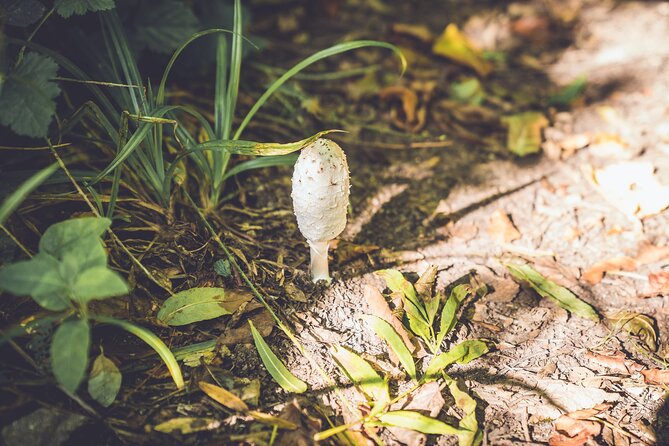
The most important lesson is likely to be caution. Leah explains how to identify edible and medicinal plants and fungi, but also points out what to avoid. That distinction is essential for beginners.
A useful introduction should leave you more confident, but not careless. The aim here is to help you continue learning after the walk, with a better sense of what questions to ask before picking anything. You will be encouraged to observe shape, smell, texture, and other features rather than relying on a quick glance.
The session is described as an exploration of the senses. That may mean looking closely at plant structure, noticing scent, handling leaves carefully, and considering how different plants feel and smell. You should still follow Leah’s guidance closely, especially when the subject turns to fungi or medicinal properties.
The medicinal section adds interest, but it should be treated as a starting point rather than personal medical advice. Learning that a plant has a traditional use does not mean it is suitable for everyone or appropriate for treating a health problem. The value is in understanding the plant and its place in traditional knowledge, while keeping sensible boundaries.
This is also where the small group helps. With no more than 12 people, there is a better chance to ask about a plant you have seen at home or on a regular walk. The class format allows questions to shape the session instead of leaving you with a fixed lecture.
Folklore, food, and the sticky weed experiment
The folklore is one of the most distinctive parts of the walk. Plants often carry old stories, customs, and beliefs, and Leah includes these alongside practical identification. This gives you another way to remember them.
The food advice keeps the subject grounded. You learn hints about using ingredients that are found during the walk, rather than hearing only abstract descriptions. One particularly memorable idea is sticky weed swamp juice, a drink that one participant planned to try at home. It sounds unusual, but that is part of the fun: foraging can expand your idea of what belongs in a kitchen.
You should not expect a full cooking class or a large tasting menu. The supplied details describe tips and ideas for using finds, not a meal or formal food preparation session. Think of it as a gentle introduction to possibilities, with the main emphasis still on identification and awareness.
I like this balance. It gives you enough practical inspiration to continue experimenting, while keeping the central message on safety. You leave with ideas, not the false impression that every plant along a path is ready to pick and eat.
Elsewhere in Wales, a change of pace:
- Snowdonia & The 3 Castles Tour
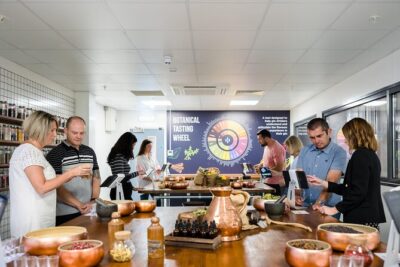
★ 5.0 · 325 reviews - Gin Tour at Hensol Castle Distillery
★ 5.0 · 263 reviews - Canoe Trip Over the Pontcysyllte Aqueduct
★ 5.0 · 258 reviews - Whitewater Rafting Activity, Bala,Wales
★ 5.0 · 224 reviews
A relaxed pace for families and mixed groups
The route is suitable for all fitness levels because it is short and on even ground. Regular stops make it less demanding than a normal two-and-a-half-hour walk. You are there to learn, not to keep up with a fast-moving guide.
This makes the activity useful for families, friends, and small celebrations. One group used it as part of a day marking a sister’s 40th birthday, while another found that both children and adults enjoyed looking at the plants and asking questions.
Children may respond well to the sensory side of the activity. There are plenty of natural prompts: What does this leaf feel like? Does that plant have a smell? Why might one species be useful and another best left alone? The format encourages curiosity without requiring a high level of prior knowledge.
Still, the activity takes place outdoors for about two and a half hours. Younger children need to be comfortable walking and stopping outside for that length of time. The route is easy, but it is not an indoor workshop with guaranteed shelter.
Service animals are allowed. Most people can take part, and the activity is near public transportation. Dress for the local weather, and remember that a rainy canal walk will call for waterproof layers and sensible footwear.
Leah’s teaching style and the small group
Leah is the guide, and her role is central to the appeal of the walk. She brings clear subject knowledge, enthusiasm, and a warm teaching style. The session is designed to feel shared, with the group encouraged to learn from one another as well as from her.
That approach suits people who might feel nervous about starting foraging. You do not need to arrive with a list of plant names or previous experience. The course begins with fundamentals and builds through examples found on the route.
The tone is gentle and relaxed. It is not presented as a test, and you are not expected to identify everything by the end. Instead, you gain a framework for looking more carefully and continuing your own study.
The maximum group size of 12 is worth noting. It is small enough to keep the walk personal, but large enough to create a social atmosphere. If you prefer private instruction or a silent nature walk, this may not be the right format. If you enjoy asking questions and comparing observations, the group structure should work well.
Is the $54.85 price good value?
At $54.85 per person, the cost is higher than a simple self-guided walk along Llangollen Canal. You can see the area for free, after all. The price pays for the guide’s specialist preparation, teaching, plant identification, folklore, and the chance to ask questions in real time.
The value depends on what you want from the day. If your goal is only fresh air and canal views, this is more than you need. If you want a safe starting point for foraging and hope to keep learning afterward, the fee is easier to justify.
The two-and-a-half-hour length also gives the price some weight. You are not rushing through a short demonstration. The frequent stops let Leah explain several plants and answer questions, while the group setting keeps the experience social.
I would see this as a practical learning activity rather than a sightseeing tour. You are paying for guidance and confidence, not transport, lunch, or a long list of attractions. That is a fair exchange if the subject genuinely interests you.
The activity is often booked well ahead, with an average booking lead time of 108 days. That suggests you should not leave it until the day before, especially if you need a particular date. It also makes the experience a useful gift for someone who likes nature, food, or unusual local activities.
Weather, meeting point, and cancellation details
The meeting point is in Llangollen, and the walk ends back where it starts. The supplied location information uses a plus code for the start, so check the exact confirmation details carefully before setting out.
The activity is offered in English and uses a mobile ticket. It is near public transportation, and service animals are permitted. Most people can participate, but you should still consider your own comfort with spending two and a half hours outside.
Free cancellation is available if you cancel at least 24 hours before the local start time. Changes or cancellations inside that 24-hour window are not accepted for a refund. The activity also needs a minimum number of people to run, so if it is canceled for that reason, you will be offered another date or experience, or a full refund.
Who should book the Llangollen foraging walk?
I would recommend it to first-time foragers, families with curious children, couples looking for a quiet outdoor activity, and anyone who enjoys learning through close observation. It also suits people who want a low-pressure birthday or gift experience rather than a standard attraction.
You will get the most from it if you are happy to ask questions and pay attention to small details. A basic interest in plants is enough. You do not need to know the difference between common species before you arrive.
I would be more cautious about booking if you want a strenuous hike, a guaranteed harvest, or a formal cooking session. The route is deliberately easy, and the emphasis is on learning, not collecting a large amount of food.
FAQ
Where does the foraging walk take place?
The walk takes place in Llangollen, Wales, mainly along Llangollen Canal and nearby meadow areas.
How long does the experience last?
The walk lasts approximately two hours and 30 minutes.
What will I learn during the walk?
You will learn basic foraging principles, including how to identify edible and medicinal plants and fungi safely, as well as which species to avoid.
Does the walk include folklore?
Yes. Leah shares folklore and traditional information connected with the plants found along the route.
Is the route suitable for beginners?
Yes. The walk teaches basic principles and is suitable for people who are new to foraging.
Is the walk suitable for all fitness levels?
The route is short and on even ground, and the group stops often to discuss the plants. It is described as suitable for all fitness levels.
How many people can join the activity?
The maximum group size is 12 people.
Is the activity indoors or outdoors?
It is an outdoor activity, so you should dress appropriately for the weather.
Is the experience offered in English?
Yes. The activity is offered in English.
Can I cancel for a full refund?
Yes, if you cancel at least 24 hours before the experience start time. Cancellations made less than 24 hours in advance are not refunded.
Should you book it?
Book this walk if you want to see familiar paths differently and learn a sensible starting method for foraging. Leah’s mix of safety, folklore, plant uses, and relaxed discussion gives the session more character than a basic nature stroll.
The strongest reasons to go are the easy canal route, the small group, and the chance to leave with practical ideas such as sticky weed swamp juice. Just bring weather-ready clothing, keep your expectations focused on learning rather than harvesting, and reserve well ahead if your dates are fixed.
New listings around Wales
- Private Snowdonia, Bodnant Gardens & Castles Tour★ 4.0 · 3 reviews
- Cardiff Bay Private Self-Guided Tour★ 5.0 · 4 reviews
- Llanberis, Conwy and Caernarfon Castle: A Self-Guided Driving Tour of Snowdonia★ 4.5 · 5 reviews
- Snowdonia’s Mountains Lakes & Mines Private Tour★ 5.0 · 7 reviews
- Walking with Alpacas★ 5.0 · 8 reviews
- 2 Hours Historical Tour of Caernarfon★ 5.0 · 9 reviews
- Private Snowdonia’s Mountains, Lakes & Mines Tour★ 5.0 · 9 reviews
- Day Hike: Mount Snowdon The Highest Mountain In Wales★ 5.0 · 14 reviews
Wales Tours, compared.
Pontcysyllte Aqueduct Canoe Tours in Llangollen
Read our review →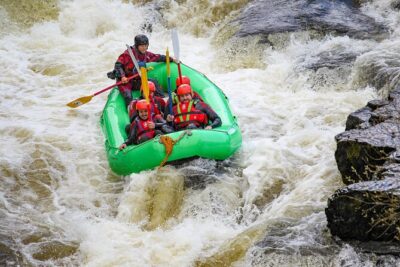
Whitewater Rafting on the River Dee in Llangollen
Read our review →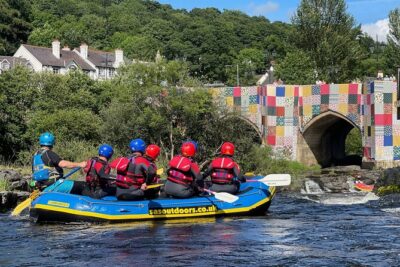
White Water Rafting Experience in River Dee in Llangollen
Read our review →
Browse the lists this tour appears in