
Reviewed · LIVERPOOL TOURS
Liverpool: 1980s Music Walking Tour with Guitarist “Nasher”
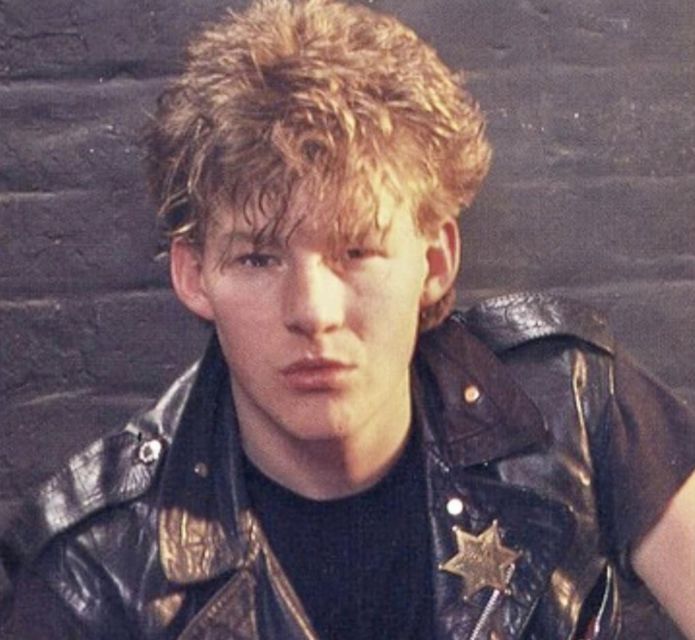
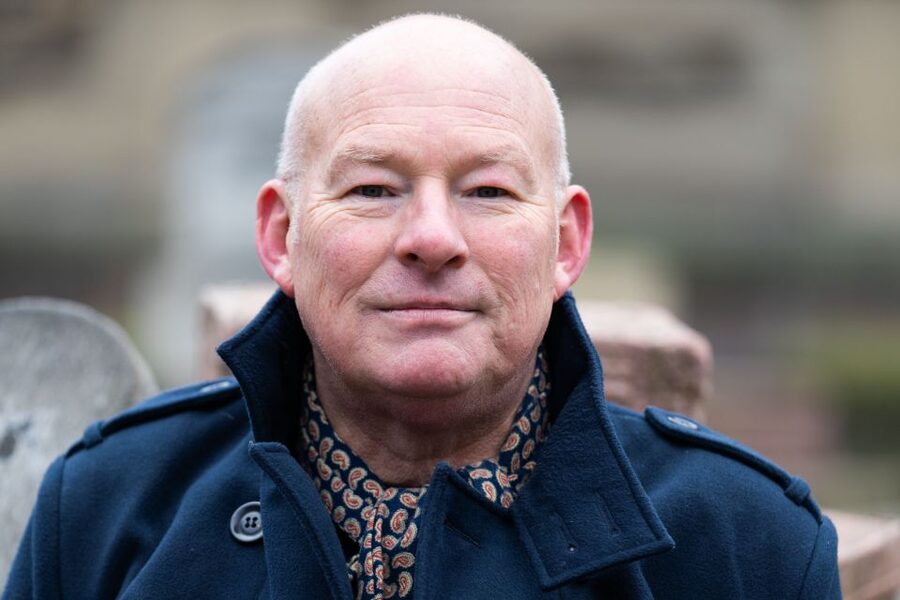
Liverpool’s music story feels more personal when Brian Nasher Nash is holding the map. The Frankie Goes to Hollywood guitarist leads you through the city streets where bands rehearsed, played, drank, and slowly built careers before the wider world noticed.
I like the small group of 12 and the access to places most city tours skip, including Ministry Rehearsal Rooms and the old Probe Records location. I also like that the tour is not limited to Frankie Goes to Hollywood, so you get a wider view of Liverpool’s music scene. The main consideration is the price, $80.82 per person, which makes this a specialist experience rather than a general sightseeing bargain.
Key points at a glance
- Walk with Brian Nasher Nash: Hear a guitarist’s personal account of Frankie Goes to Hollywood and Liverpool’s 1980s music scene.
- Visit the Frankie rehearsal cell: See the place connected with the band’s formation and early rehearsals.
- Explore Ministry Rehearsal Rooms: Learn about the many Liverpool acts linked with this important music space.
- Follow the city’s wider music story: The route includes Echo and the Bunnymen, the Teardrop Explodes, the Farm, Wah Heat, Black, A Flock of Seagulls, and the Pale Fountains.
- Finish at a central Liverpool pub: Relax with Nasher, ask questions, take photographs, and get memorabilia signed.
- Expect an easy-paced walk: The tour lasts 2.5 hours and begins near the Liverpool Institute for Performing Arts.
Why Nasher changes the feel of the walk
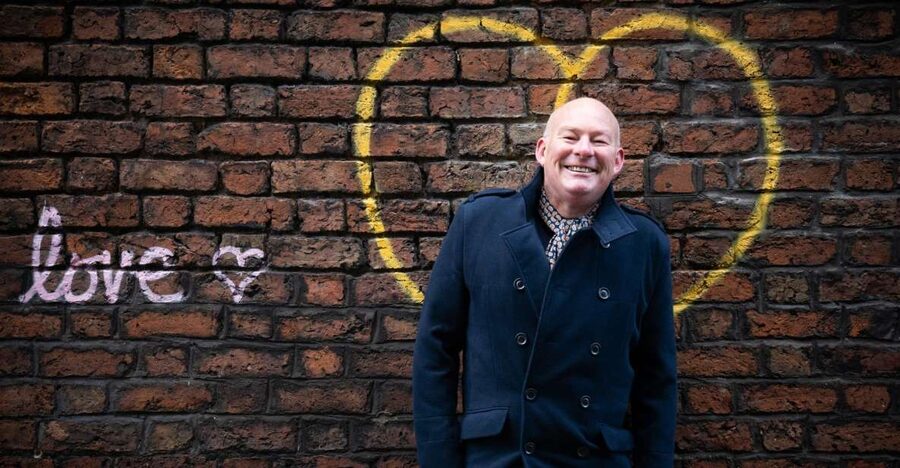
A standard music tour can point out a building and tell you which band once used it. This walk adds the person who was part of that world. Brian Nash, known as Nasher, played guitar with Frankie Goes to Hollywood, so his stories come from direct experience rather than a distant timeline.
That does not mean the whole outing is a formal Frankie Goes to Hollywood biography. It is better understood as Nasher’s personal route through Liverpool, with Frankie at its center and plenty of room for other artists. You hear about the period that shaped him, the people around the bands, and the places where music careers took form.
The tone is personal and informal. Nasher is described as welcoming from the first greeting, and the small group gives you a fair chance to speak with him rather than simply listen from the back of a crowd. If you have a question about a song, a venue, or the daily life of a working band, this format gives you a natural opening to ask it.
The tour is conducted in English. That matters because the value lies heavily in anecdotes, timing, and personality. If you are comfortable following conversational English, you will get much more from the walk than you would from a route based only on plaques and dates.
More Walking Tours in Liverpool
- Liverpool: Beatles Highlights Walking Tour
★ 4.8 · 274 reviews - Liverpool: A Walk Through Time: Full History Walking Tour
★ 4.8 · 184 reviews - Liverpool: The Beatles and Cavern Quarter Walking Tour
★ 4.7 · 133 reviews
Starting at LIPA and getting ready to walk
The meeting point is outside the Liverpool Institute for Performing Arts on Mount Street, postcode L1 9HF. You should arrive 10 minutes early and look for the suitcases at the top of Mount Street near Hope Street.
From Liverpool Lime Street Station, the walk to the meeting point takes about 15 minutes. Build that time into your morning, especially if you have luggage or are unfamiliar with central Liverpool. If rain arrives, you can shelter in the entrance area of LIPA, about 30 seconds from the suitcases.
Wear comfortable shoes. This is an easy, slow-paced walk, but 2.5 hours on your feet still calls for sensible footwear. The route is mainly about seeing places and listening to stories, not rushing between major landmarks.
The start point also sets the tone. LIPA is tied to performance and training, making it a fitting place to begin a city walk about musicians, rehearsal rooms, and the long path from local band to national success.
Frankie Goes to Hollywood beyond the chart hits
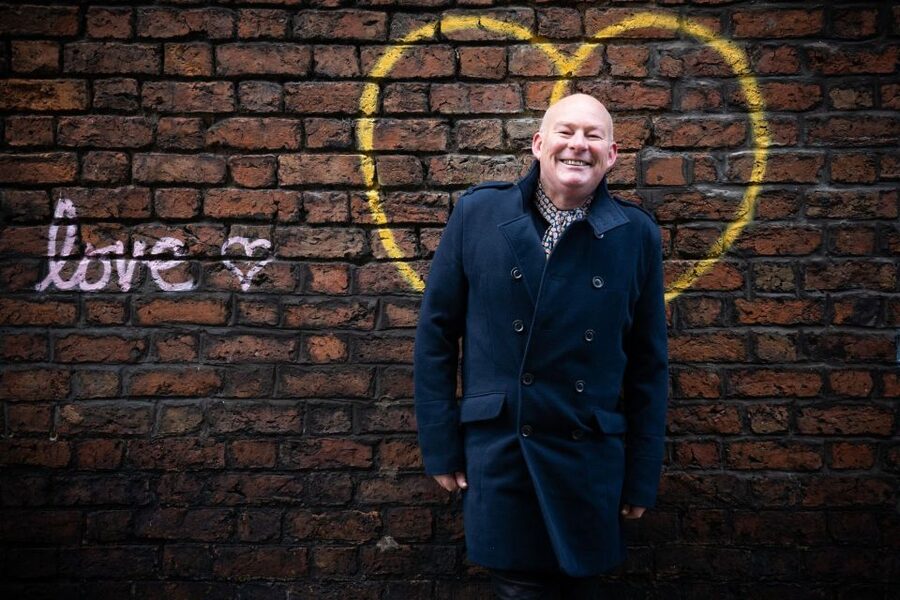
Frankie Goes to Hollywood is the obvious draw, but the best part of Nasher’s account is likely the gap between public image and ordinary band life. The tour looks at the band’s rise while also placing it inside Liverpool’s wider network of musicians, clubs, rehearsal spaces, and record shops.
You may know the group through its major 1980s hits and bold public image. Here, you get a more grounded picture of the city behind that success. Nasher shares what happened during the band’s early days and describes the places connected with its progress.
A particularly important stop is the cell where Frankie Goes to Hollywood formed and rehearsed. This is the kind of location that can mean more to a fan than another famous statue. It connects the finished records with the cramped, practical stage before the records existed.
The setting is not presented as a polished museum exhibit. That is part of its appeal, but it also means you should not expect a large collection of costumes, instruments, or memorabilia. The reward is the story attached to the place and Nasher’s own connection to it.
Ministry Rehearsal Rooms and Liverpool’s band network
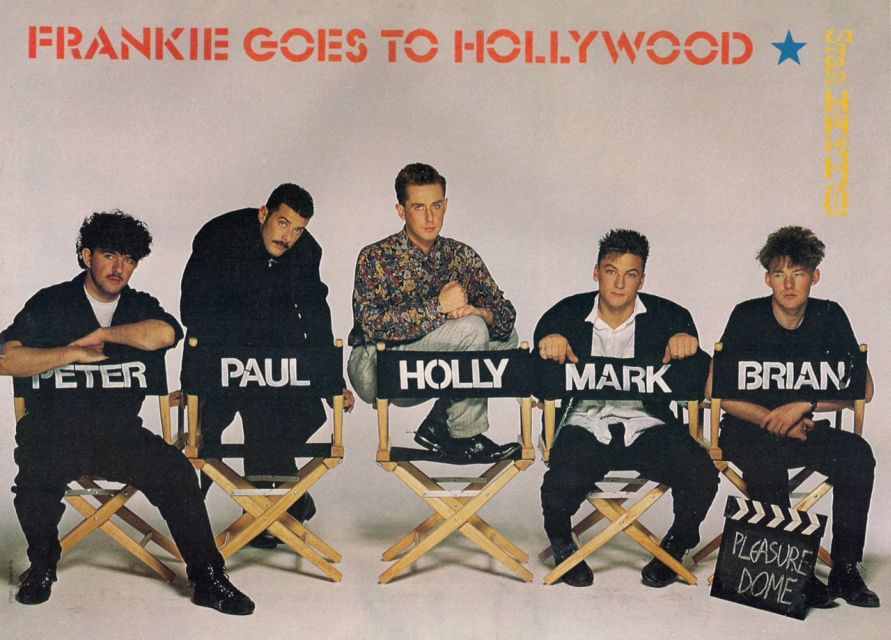
The visit to Ministry Rehearsal Rooms gives the walk a wider reach. This location was used by Echo and the Bunnymen, the Teardrop Explodes, Frankie Goes to Hollywood, the Farm, Wah Heat, Black, A Flock of Seagulls, and the Pale Fountains.
That list helps explain why Liverpool’s music story cannot be reduced to one band or one decade. You get a sense of how the same city spaces could serve different groups, styles, and generations. One rehearsal room can become a shared part of many careers.
I like this stop because it gives context to the music. Records are usually heard as finished products, but rehearsal rooms show the work behind them. Bands had to meet, practice, experiment, and find a sound before they reached a stage or studio.
Access to active or working locations can depend on practical conditions, so you should treat the stop as a chance to see and hear about the place rather than expect a full backstage visit. The supplied details confirm a visit to Ministry Rehearsal Rooms, but they do not promise a particular rehearsal, performance, or interior display.
Elsewhere in Liverpool, a change of pace:
- Liverpool: Liverpool Football Club Museum and Stadium Tour
★ 4.8 · 10,764 reviews - Liverpool: City & Beatles Tour with Live Guide & Live Music
★ 4.8 · 5,249 reviews - Liverpool: The Beatles Story Ticket
★ 4.7 · 4,197 reviews - Liverpool: Sightseeing River Cruise on the Mersey River
★ 4.4 · 3,427 reviews
Probe Records and the second wave of Liverpool music
The route also takes you to the location of Probe Records, described as a home for the second wave of Liverpool groups in the 1970s and 1980s. For music fans, record shops matter because they were meeting points as much as retail spaces.
Probe’s importance here is not just the sale of vinyl. Its location links bands, listeners, and the local music conversation. A stop there helps you picture how musicians and fans found one another before online platforms, social media, and instant access to new releases.
The tour’s wider list of artists may appeal even if Frankie Goes to Hollywood is not your main interest. The music discussed can include the Beatles, Echo and the Bunnymen, Stiff Little Fingers, David Bowie, and Coldplay, along with the Liverpool acts connected to the rehearsal rooms and record scene.
That broad approach is useful for couples or small groups with different tastes. One person can come for Frankie, another for post-punk, and another for Liverpool’s general music culture. You will not spend every minute on one discography.
Venues, studios, pubs, and places outside the tourist trail
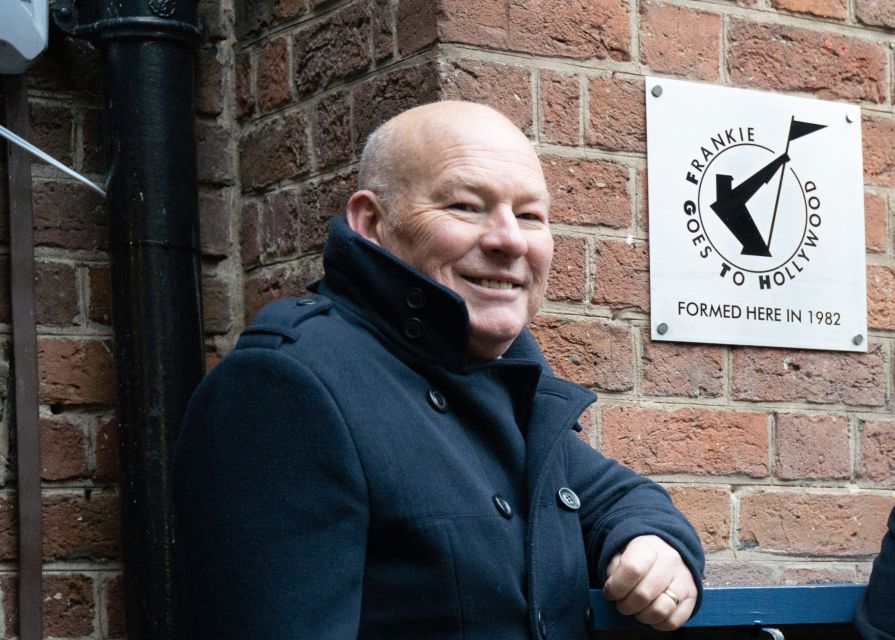
Nasher points out former gig venues, recording studios, pubs, hangouts, and other sites linked with Liverpool’s music life. These are not necessarily the city’s headline attractions, and that is the reason to take this tour instead of simply following a standard city-center route.
You get a city seen through working musicians’ habits. A pub can matter because bands met there. A venue can matter because an early show helped a group find an audience. A studio can matter because it captures the point when a local sound began to travel.
The supplied details do not name every stop, so you should not book expecting a fixed checklist of famous buildings. The experience is built around Nasher’s route and stories. That flexibility can be a strength, since the walk feels less like a procession of signposts and more like a conversation tied to real places.
The pace is deliberately easy. You can pay attention to the stories, take photographs, and ask questions without being pushed from one point to the next. If you want a fast tour that covers many standard Liverpool attractions, this is not the right choice.
The first UK superclub and the changing sound of the city
One stop focuses on what is described as the first UK superclub, a venue that helped change dance music in Britain. The name is not provided in the tour details, but the subject adds an important chapter to the route.
Frankie Goes to Hollywood is often filed under pop and 1980s chart music. Liverpool’s story was wider than that. Clubs helped reshape how people heard records, danced, and followed new sounds. Including a superclub gives the tour a link between band culture and the later growth of dance music.
This is also a good example of the experience’s balance. You are not simply following the locations of one famous group. You are looking at how Liverpool’s music places changed over time and how different scenes overlapped.
The exact condition or current use of each former music site is not specified. Some places may be recognizable mainly through Nasher’s explanation, so listen for the connection rather than expecting every stop to look as it did in the 1980s.
Stories matter more than polished displays
The strongest part of this outing is the anecdotal style. Nasher shares personal stories about his rise to stardom and the heady years when Frankie Goes to Hollywood moved from Liverpool into the wider music world.
You may hear details that do not appear in a formal museum account. The appeal is the human scale: how a band formed, where it rehearsed, which places mattered, and what the period felt like from inside the scene.
The humor is part of the package. Nasher’s style includes cheeky anecdotes, which keeps the walk from becoming a dry lecture. It also means the experience will suit you best if you enjoy conversation and personality rather than a tightly scripted historical presentation.
The small group is crucial. With no more than 12 people, you are not lost in a large crowd, and Nasher can respond to individual questions. A larger group would make a personal chat much harder, especially at the end of the tour.
Ending at a pub with time for questions
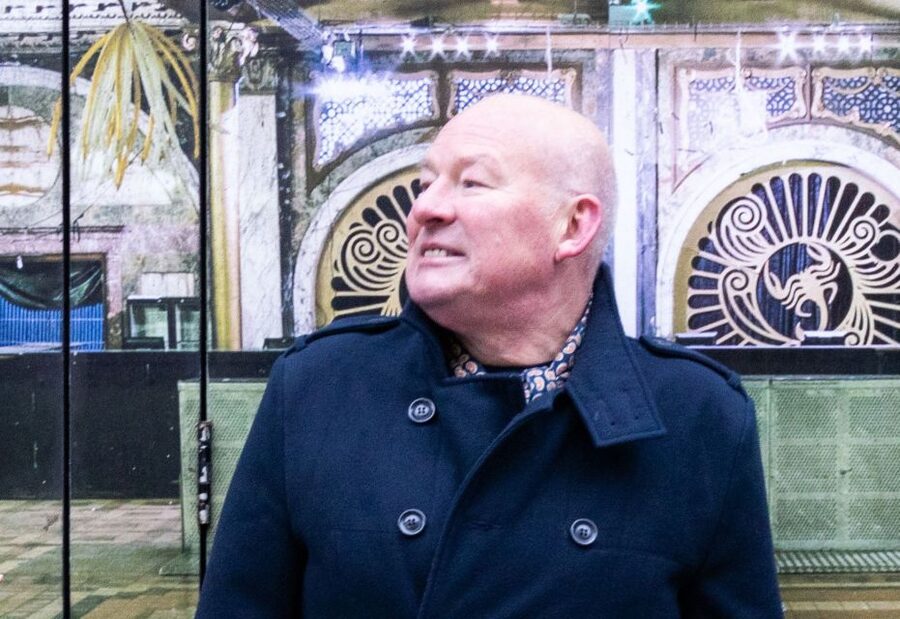
The official walk concludes at a pub closely associated with Nasher’s life in central Liverpool. This is more than a final location marker. It gives you time to sit, relax, ask questions, and speak with him after the walking portion has finished.
You can also take photographs, get memorabilia signed, and take a selfie with Nasher. The selfie is listed as a highlight, but the chance to ask follow-up questions may be more valuable for serious music fans. Sometimes the question that occurs to you halfway through the walk only comes out at the end.
The pub setting makes the finish feel social rather than abrupt. Food and drinks are not listed as included, so plan to pay for anything you order there. The service included in the tour is Nasher’s guiding and conversation.
Allow some flexibility in your schedule. The planned duration is 2.5 hours, but a personal music walk can run longer when questions and stories keep going. The format encourages conversation, and the final pub stop gives that conversation somewhere comfortable to continue.
Is $80.82 a fair price?
At $80.82 per person, this is not a low-cost way to see Liverpool. You are paying for access to a specialist guide with a direct connection to one of the city’s best-known 1980s bands, not simply for transport or entry to a series of attractions.
The value is strongest if you would happily pay for a long conversation with a working musician about Liverpool’s music places. You also get a maximum group size of 12, a 2.5-hour guided route, access to locations outside the normal sightseeing circuit, and time for photographs and questions.
The value is weaker if you mainly want a general introduction to Liverpool, the Beatles, or the city’s major landmarks. The route is focused on music culture and personal stories. It is not a substitute for a broad city tour or a standard Beatles attraction.
For a devoted Frankie Goes to Hollywood fan, the price may be easier to justify because of the rehearsal cell, Nasher’s personal connection, and the chance to discuss the band directly. For a casual visitor, I would book only if the 1970s and 1980s music scene is a real priority.
Who should book this Liverpool music walk?
I would recommend it most strongly to:
- Frankie Goes to Hollywood fans who want more than a playlist and photographs.
- People interested in Echo and the Bunnymen, the Teardrop Explodes, the Farm, and other Liverpool groups.
- Music lovers who prefer personal stories to formal museum displays.
- Visitors who enjoy small groups and time for questions.
- Anyone happy to spend 2.5 hours walking at an easy pace.
I would think twice if you dislike guided conversation, have very limited time in Liverpool, or want a tour centered on the Beatles. The Beatles can be mentioned, but this is not designed as a Beatles tour.
The walk may also suit visitors who have already seen Liverpool’s main sights. It adds a different layer to the city by showing how ordinary places became part of music history.
Practical details before you book
Meet 10 minutes early outside LIPA on Mount Street. Look for the suitcases at the top of Mount Street by Hope Street, and use the LIPA entrance as nearby shelter if it is raining.
The meeting point is about a 15-minute walk from Lime Street Station. The tour ends back at the starting point, so you do not need to arrange a separate ride across the city afterward.
Comfortable shoes are the one item specifically recommended. The walk is easy and slow-paced, but you will still be outdoors and on your feet for much of the experience.
The tour is in English, with Brian Nasher Nash as the live guide. You can cancel up to 24 hours before the start for a full refund, and the reserve-now, pay-later option allows you to hold a place without paying immediately.
Should you book the Nasher tour?
Book this tour if you want Liverpool through a musician’s eyes, especially if Frankie Goes to Hollywood, Echo and the Bunnymen, or the city’s 1970s and 1980s scene matters to you. The rehearsal cell, Ministry Rehearsal Rooms, Probe Records location, and pub conversation give the walk a personal edge that a standard sightseeing route cannot match.
Skip it if you are looking for a cheap overview of Liverpool or a tour packed with major landmarks. At $80.82, the price depends on how much you value Nasher’s time, stories, and direct connection to the music.
For the right audience, this is a friendly, unusual way to connect Liverpool’s streets with the people who made its music.
FAQ
Who leads the Liverpool music walking tour?
Brian Brian Nash, known as Nasher, leads the tour. He was the guitarist with Frankie Goes to Hollywood.
How long does the tour last?
The scheduled duration is 2.5 hours.
How large is the tour group?
The group is limited to a maximum of 12 people.
Where does the tour start?
The tour starts outside the Liverpool Institute for Performing Arts on Mount Street, postcode L1 9HF.
How do I find the meeting point?
Meet by the suitcases at the top of Mount Street by Hope Street. You should arrive 10 minutes before the start time.
How far is the meeting point from Lime Street Station?
The meeting point is approximately a 15-minute walk from Lime Street Station.
Where does the tour end?
The activity ends back at the meeting point.
Is the tour conducted in English?
Yes. English is the tour language and Nasher is the live guide.
What should I bring?
Bring comfortable shoes for the slow-paced walking route.
Can I cancel the booking?
Yes. You can cancel up to 24 hours in advance for a full refund. You can also reserve now and pay later.
New listings around Liverpool
- Liverpool: Total Beatles Car Tour Casbah & Cavern Clubs★ 5.0 · 3 reviews
- Liverpool: Drag Queen Cocktail Masterclass at FunnyBoyz★ 4.5 · 3 reviews
- DISCO KARAOKE with Drag Queens @ Dysco, Liverpool★ 5.0 · 3 reviews
- Inspirational Women: Liverpool Past/Present History Tour★ 5.0 · 3 reviews
- Liverpool Heritage,History & Culture Walking Shore Excursion★ 5.0 · 3 reviews
- Soulful Sunday Roast Dinner with Drag Queens★ 4.6 · 3 reviews
- Liverpool: Guided Food and Drink Tour with Full Lunch★ 5.0 · 3 reviews
- Liverpool Views, brews, football & History Tour★ 5.0 · 3 reviews
Liverpool Tours, compared.
Liverpool Football Club Museum and Stadium Tour
Read our review →
City & Beatles Tour with Live Guide & Live Music
Read our review →
Browse the lists this tour appears in