
Reviewed · LIVERPOOL TOURS
Liverpool: Music Icons Tour with 90s band ‘The Farm’
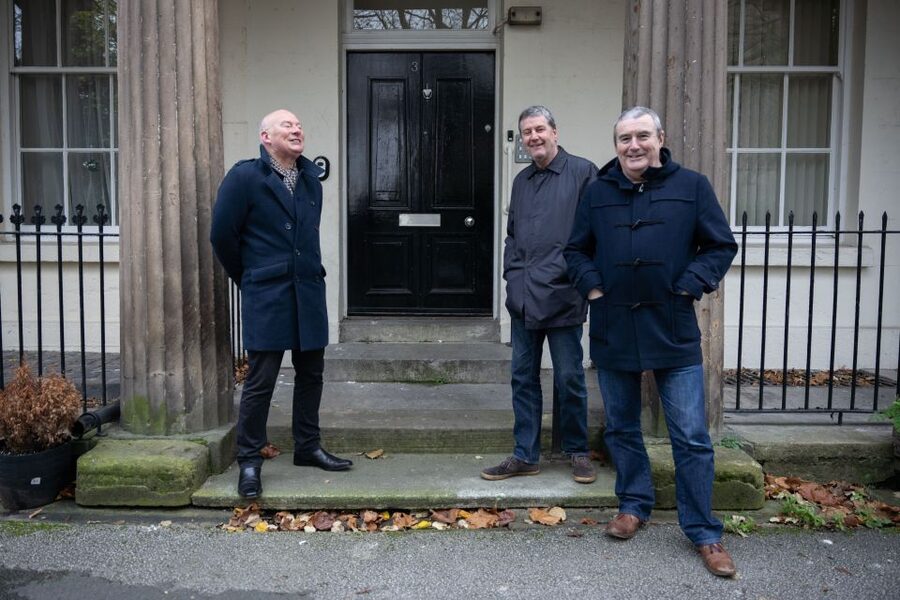
The best part of this Liverpool walk is simple: your guide is part of the story. Pete Hooton, The Farm’s lead singer, or guitarist Keith Mullin takes you through the city connected to his career, pointing out places tied to Liverpool music that do not usually appear on a standard sightseeing route.
I like the small group, limited to 12 people, because it gives you a real chance to ask questions. I also like the mix of personal memories and music history, from The Farm’s rise in the 1990s to the venues and rehearsal spaces used by bands such as Echo and the Bunnymen, Frankie Goes to Hollywood, and A Flock of Seagulls.
The main consideration is that this is a walking tour, not a concert or museum visit. You will spend about two hours on city streets, and the experience depends on your interest in Liverpool music and the personality of the guide leading your group.
Key points to know before booking
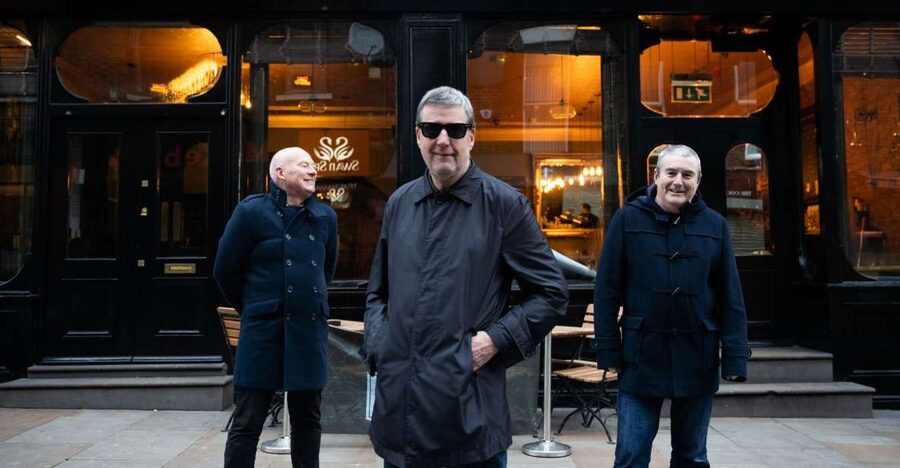
- Pete Hooton or Keith Mullin leads the walk: You meet a genuine member of The Farm rather than a general city guide.
- Ministry Rehearsal Rooms are a major stop: The site is linked with Echo and the Bunnymen, the Teardrop Explodes, Frankie Goes to Hollywood, The Farm, Wah Heat, Black, A Flock of Seagulls, and The Pale Fountains.
- You see more than Beatles landmarks: The route focuses on Liverpool’s wider music culture, especially the 1970s, 1980s, and 1990s.
- The tour ends in a pub: A drink is included, with time for conversation, signed memorabilia, photographs, and selfies.
- The group is capped at 12: That small size matters when you want to hear a story or ask about a particular band.
- Wear comfortable shoes: The route is described as easy and slow paced, but it still lasts roughly 2.5 hours.
Starting at LIPA on Mount Street
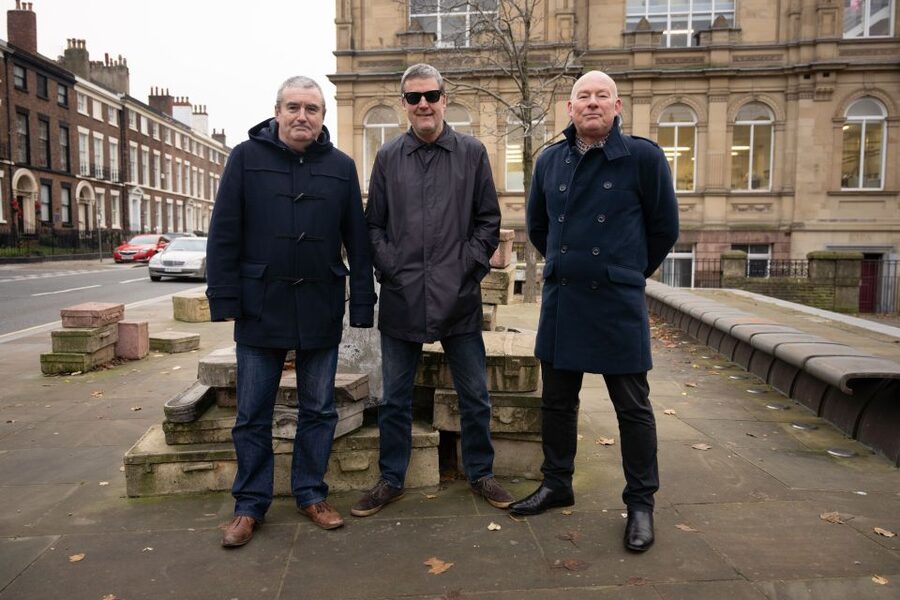
You meet 10 minutes before the start outside the Liverpool Institute for Performing Arts, at Mount Street, Liverpool L1 9HF. The meeting point is by the suitcases at the top of Mount Street near Hope Street.
From Lime Street Station, allow about 15 minutes to walk there. That makes the tour fairly easy to fit into a day in central Liverpool, but do not cut it close if you are arriving by train. If rain arrives, you can shelter in the entrance area of LIPA, about 30 seconds from the suitcases.
The setting is fitting. LIPA is closely tied to performance and creative education, so you begin in a part of the city that already feels connected to music and theatre. The information does not promise a formal visit inside the building, so think of it as the meeting point rather than a separate attraction.
The walk is in English, and the guide speaks directly to the group. If you want to ask detailed questions about The Farm, the Liverpool scene, or the wider music business, this is the moment to do it. A group of no more than 12 should make that practical.
More farm visits in Liverpool:
- Durham: Adventure Valley Farm Park Entry Ticket
★ 4.7 · 5 reviews
Walking through Liverpool’s wider music story
This tour is not built around one band alone. The Farm provides the personal thread, but the route also covers the people and places that shaped Liverpool’s music culture across several decades.
Pete Hooton or Keith Mullin shares stories from the period when The Farm was riding high in the charts. That gives you a first-person view of the 1990s, when bands, clubs, rehearsal rooms, record shops, and pubs formed a working network across the city.
I find that approach more useful than a simple list of famous names. A music city is best understood through its everyday places. A rehearsal room can tell you more about how a group developed than a polished plaque. A pub can reveal how musicians met, argued, planned gigs, and kept in touch.
The guide also brings personal memories into the route. The experience is designed around anecdotes that are not normally available in a standard guidebook. You should expect stories about the music business, Liverpool’s entertainment scene, and the period when The Farm moved from local band to chart success.
The tone is intended to be friendly and relaxed rather than academic. That matters because the value here comes from conversation. You are not simply looking at buildings. You are hearing why certain places mattered to the people who used them.
The first UK superclub and the rise of dance music
One of the stops focuses on the first UK superclub that changed the direction of dance music in Britain. The supplied details do not name the club, so you should treat this as a site explained by the guide rather than a separately advertised club visit.
This part adds useful context to the 1990s. The Farm’s era was not only about guitar bands and chart singles. Dance music, club culture, and new ways of presenting live and recorded music were reshaping British nightlife at the same time.
A guide who lived through that period can explain how these changes felt on the ground. You might hear how club audiences differed from traditional gig crowds, how Liverpool fitted into the national scene, and how musicians responded to a fast-changing industry.
If your interest is limited to The Farm’s biggest songs, this section may feel like a side road. If you want a broader picture of Liverpool’s music life, it gives the tour more range and prevents it from becoming a narrow band biography.
Probe Records and Liverpool’s second wave
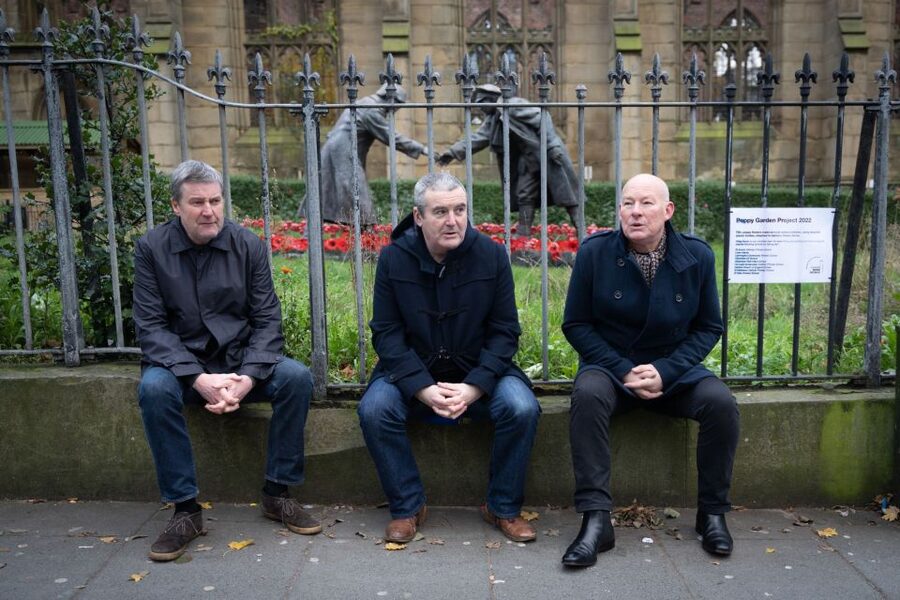
The tour also takes you to the location of Probe Records, a key address linked with the second wave of Liverpool groups from the 1970s and 1980s.
Probe is important here because record shops were more than places to buy albums. They helped connect musicians, fans, and new sounds. A shop with a strong local following could become a meeting place and a source of information about releases, gigs, and bands that had not yet reached a national audience.
The stop widens the timeline beyond The Farm’s 1990s success. You can connect the music of earlier Liverpool groups with the scene that followed. The route is therefore useful for someone who knows Echo and the Bunnymen, Frankie Goes to Hollywood, or the Teardrop Explodes, even if The Farm is the main reason for booking.
The exact presentation will depend on the guide. Pete and Keith may tell different stories, since each had his own role and memories. That is a strength rather than a flaw, but it also means the tour is not a fixed audio guide with identical commentary every time.
A handful of other Liverpool outings to weigh up
- Liverpool: Liverpool Football Club Museum and Stadium Tour
★ 4.8 · 10,764 reviews - Liverpool: City & Beatles Tour with Live Guide & Live Music
★ 4.8 · 5,249 reviews - Liverpool: The Beatles Story Ticket
★ 4.7 · 4,197 reviews - Liverpool: Sightseeing River Cruise on the Mersey River
★ 4.4 · 3,427 reviews
Inside the Ministry Rehearsal Rooms
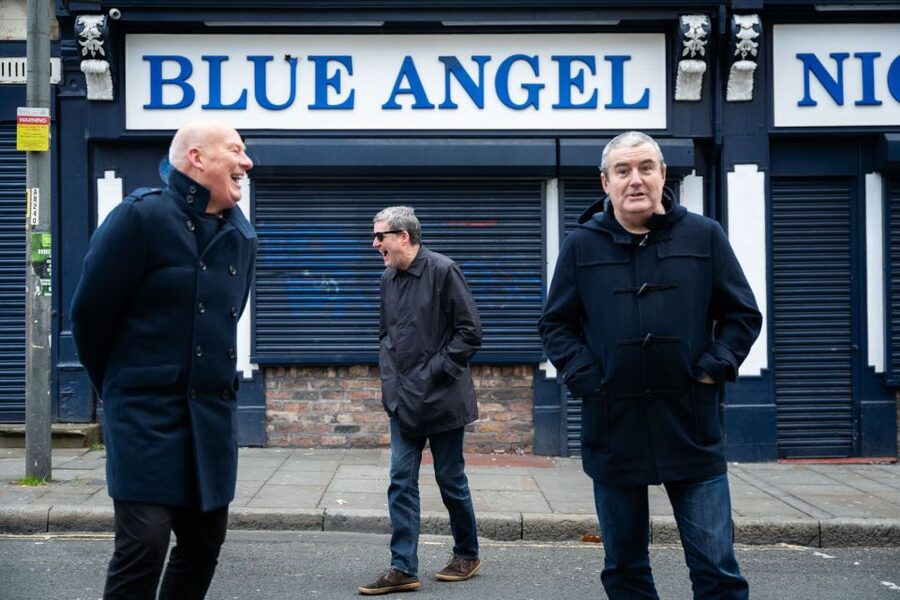
The Ministry Rehearsal Rooms are among the most distinctive parts of the walk. This is where you learn about a working music space associated with a long list of Liverpool acts, including Echo and the Bunnymen, the Teardrop Explodes, Frankie Goes to Hollywood, The Farm, Wah Heat, Black, A Flock of Seagulls, and The Pale Fountains.
For a music fan, that list gives the stop real weight. You are not only hearing about successful records. You are being shown a place where groups prepared, tested songs, and built the skills that later reached stages and studios.
The information describes a visit to the Ministry Rehearsal Rooms, but it does not promise a rehearsal, performance, or behind-the-scenes access beyond the tour itself. Keep your expectations sensible. The appeal is the connection to the acts and the guide’s explanation of why the place mattered.
This is also one of the points where the small group helps. In a group of 12, you can ask about a particular band or period without trying to speak over a crowd. If you bring a notebook, you may want to write down names and places, since the route covers a lot of music history in a short time.
A pub ending with time for real conversation
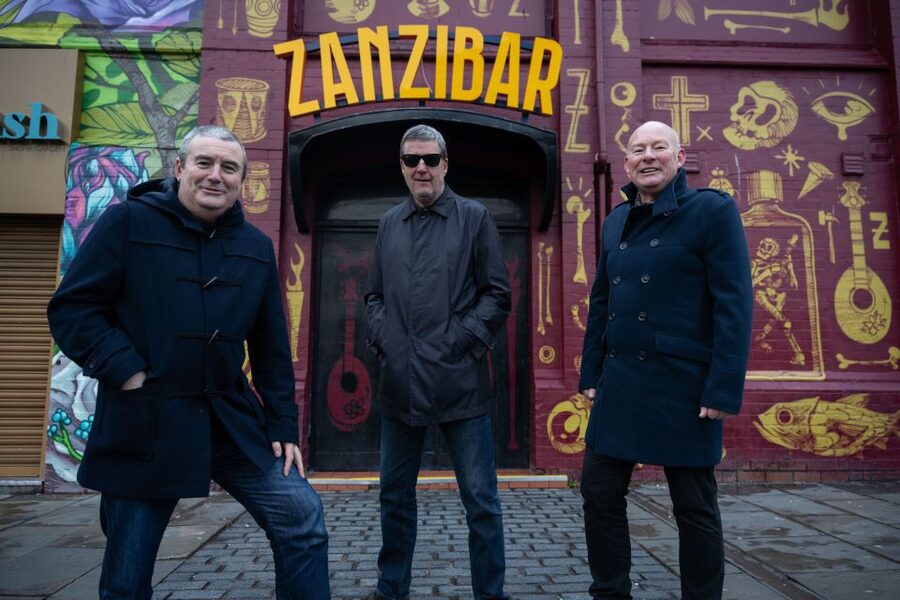
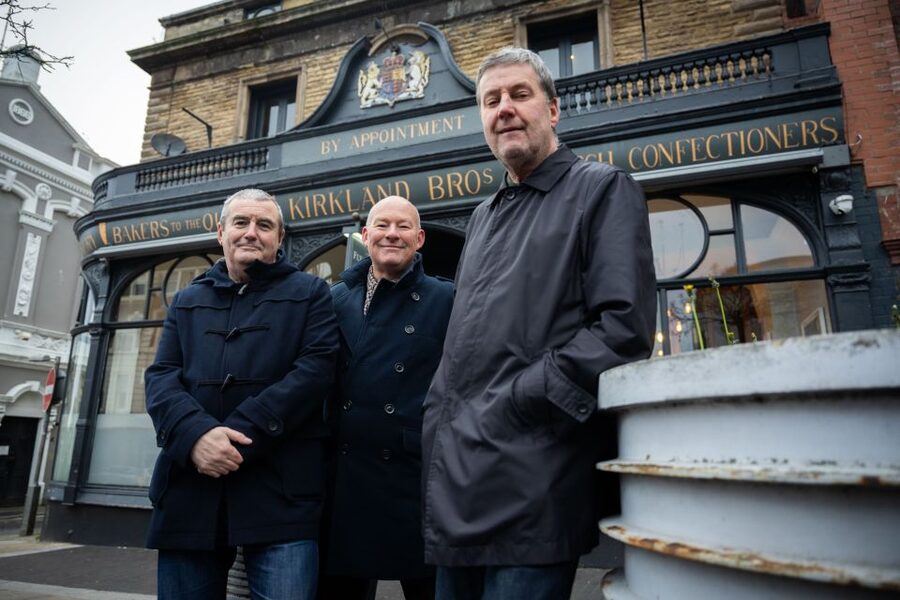
The walk concludes at a central Liverpool pub closely associated with the guide’s life. You receive one beverage, then have time to relax, ask questions, take photographs, and get memorabilia signed.
This final stop changes the pace. During the walk, you are moving between places and listening to stories. At the pub, you can focus on a conversation with Pete or Keith. That may be the most valuable part for serious fans, especially if you have a question about The Farm that a standard city tour could never answer.
The pub also gives the experience a social finish. You are not rushed straight back onto the street after the last stop. You can chat with the guide and other members of the group in a setting connected to Liverpool’s music culture.
The drink is included, but it is worth seeing this as a modest extra rather than the reason to book. The real value is the access to the musician and the chance to ask questions in a relaxed setting.
You can also take a selfie with Pete or Keith at the end. Signed memorabilia is welcome, according to the tour details. Bring only what you can comfortably carry during the walk, and do not assume that every type of item will be signed.
What the $80 price really buys you
At $80 per person, this is not the cheapest way to see Liverpool. You are paying more than you would for a self-guided walk, a general city stroll, or a visit to a record shop. The question is not simply how many sights you see. It is how much you value direct access to a working musician with personal ties to the subject.
The group size is a key part of the price. With a maximum of 12 people, the guide can talk with the group rather than deliver a speech to a large crowd. You are also paying for stories and access that cannot be reproduced by following a map.
The price includes the 90s band member as guide and one beverage at the concluding pub. It does not mention transport, meals, or entry to other attractions. The route is on foot, so you should budget separately for anything else you want to do in Liverpool that day.
I would call it good value for a dedicated music fan, a follower of The Farm, or someone who wants Liverpool’s story beyond the usual major sights. I would be more cautious if you are only mildly interested in 1990s music. In that case, a general Liverpool tour may give you more familiar landmarks for less money.
Is this a hard walk?
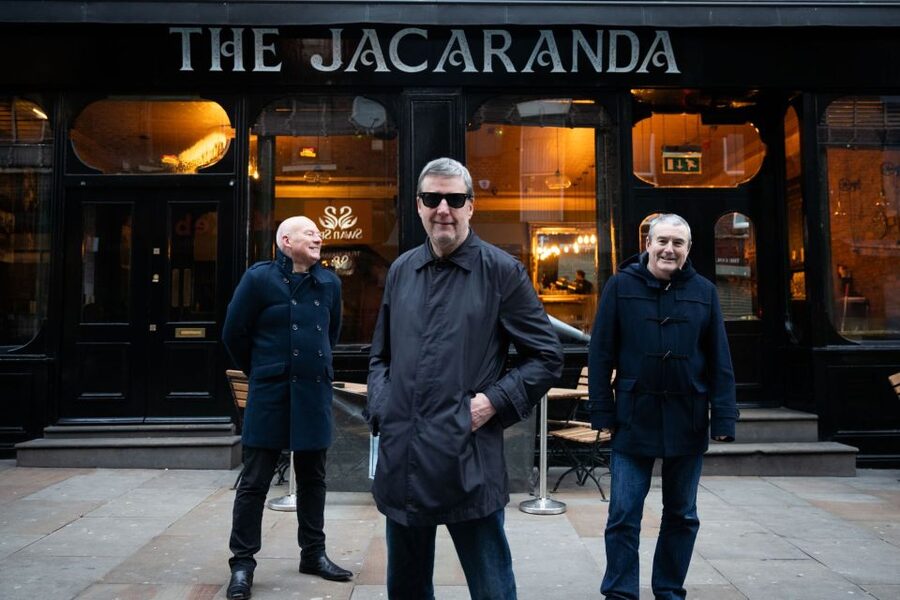
The route is described as easy and slow paced. You still need comfortable shoes because the activity lasts 2.5 hours and takes place on foot around central Liverpool.
The advertised duration is 2.5 hours, although one account of the experience with Keith ran close to three hours. That suggests the schedule may have some flexibility when conversation is flowing, but you should plan around the full 2.5-hour duration and avoid booking a tight appointment immediately afterward.
No accessibility details are provided, so I would ask the provider directly if you need information about steps, pavement conditions, or the precise route. The tour is slow, but that alone does not answer every mobility question.
Weather is another practical point. The meeting place offers shelter if it rains, but the walk itself is outdoors. Bring suitable clothing and shoes. Liverpool weather can change quickly, and the experience is much easier to enjoy when you are not distracted by wet feet.
Who will get the most from this tour?
This is a strong choice for:
- Fans of The Farm and the 1990s British music scene
- People interested in Liverpool bands beyond the Beatles
- Local residents who want to see less familiar parts of their own city
- Visitors who prefer personal stories to standard sightseeing commentary
- Small groups who enjoy asking questions and talking with a guide
- Anyone interested in rehearsal rooms, record shops, clubs, and music venues
The tour may be less suitable for young children unless they already enjoy music history. It is also not the best match if you want a formal museum experience, a live performance, or a route focused only on Liverpool’s most famous landmarks.
The experience has also worked well for people who already know Liverpool. One particularly useful point is that the route can reveal streets and music addresses even local residents have not visited before. You do not need to be a first-time visitor to get something from it.
Pete Hooton or Keith Mullin?
You do not choose between the two guides in the information provided. Your tour will be led by Pete Hooton or Keith Mullin, depending on the date and arrangement.
Pete is The Farm’s lead singer, while Keith is the guitarist. Both bring a direct connection to the band, but they may focus on different memories and details. If you are booking because of one particular member, confirm who is scheduled before paying.
That said, I would not treat the guide assignment as a reason to avoid the tour. The strongest part of the format is meeting a band member face to face, hearing personal stories, and having time for questions. The individual guide will shape the tone, but the basic idea remains the same.
The published feedback gives special weight to Pete’s warmth, humor, and easy conversation, while Keith is praised for detailed stories and friendly chat. Those qualities matter on a walking tour, since a dry lecture would make even good locations feel flat.
Booking, timing, and cancellation
You meet 10 minutes before departure at LIPA, and the walk starts in central Liverpool. From Lime Street Station, allow about 15 minutes on foot, with extra time for finding the suitcases at the top of Mount Street.
The tour is offered in English. You can reserve now and pay later, which helps if your Liverpool plans are not fixed. You can also cancel up to 24 hours before the tour for a full refund.
Check the available starting time when you book. The duration is listed as 2.5 hours, and the tour may run longer if the conversation continues, so leave a little space in your schedule.
Should you book the Music Icons Tour with The Farm?
Book it if you want Liverpool through the eyes of someone who helped make its music, especially if you like The Farm, 1990s British pop, club culture, or the city’s post-punk and alternative scenes.
The strongest reasons are the maximum group size of 12, the access to Pete Hooton or Keith Mullin, and the route’s focus on working music places such as Probe Records and Ministry Rehearsal Rooms. The pub conversation and included drink give the tour a friendly finish rather than a quick goodbye.
Skip it if you want a broad introduction to Liverpool, a major attraction inside a building, or a tour with little walking. At $80, this is a specialist experience. For the right audience, that focus is exactly what makes it worthwhile.
FAQ
How long does the Liverpool Music Icons Tour last?
The tour lasts 2.5 hours. One account describes nearly three hours of friendly conversation, so leave some extra time after the scheduled finish if possible.
Who leads the tour?
The guide is either Pete Hooton, lead singer of The Farm, or Keith Mullin, guitarist with the band.
Where does the tour begin?
It begins outside the Liverpool Institute for Performing Arts at Mount Street, Liverpool L1 9HF. Meet by the suitcases at the top of Mount Street near Hope Street.
How far is the meeting point from Lime Street Station?
The meeting point is approximately a 15-minute walk from Lime Street Station.
What happens if it rains before the tour?
You can shelter in the entrance area of LIPA, about 30 seconds from the suitcases at the meeting point.
What places are included on the route?
The walk includes music venues, recording studios, pubs, hangouts, the location of Probe Records, Ministry Rehearsal Rooms, and the site of the first UK superclub linked with changes in British dance music.
Which bands are connected with the Ministry Rehearsal Rooms?
The listed connections include Echo and the Bunnymen, the Teardrop Explodes, Frankie Goes to Hollywood, The Farm, Wah Heat, Black, A Flock of Seagulls, and The Pale Fountains.
Is a drink included?
Yes. One beverage is included at the pub where the tour concludes.
Can I take photographs or get memorabilia signed?
Yes. The final pub stop provides time for photographs, selfies with Pete or Keith, questions, and signed memorabilia.
What should I wear?
Wear comfortable shoes. The experience is an easy, slow-paced walking tour lasting about 2.5 hours.
Is the tour offered in English?
Yes. The live tour guide speaks English.
Can I cancel the booking?
You can cancel up to 24 hours in advance for a full refund. Reserve now and pay later is also available.
New listings around Liverpool
- Liverpool: Total Beatles Car Tour Casbah & Cavern Clubs★ 5.0 · 3 reviews
- Liverpool: Drag Queen Cocktail Masterclass at FunnyBoyz★ 4.5 · 3 reviews
- DISCO KARAOKE with Drag Queens @ Dysco, Liverpool★ 5.0 · 3 reviews
- Inspirational Women: Liverpool Past/Present History Tour★ 5.0 · 3 reviews
- Liverpool Heritage,History & Culture Walking Shore Excursion★ 5.0 · 3 reviews
- Soulful Sunday Roast Dinner with Drag Queens★ 4.6 · 3 reviews
- Liverpool: Guided Food and Drink Tour with Full Lunch★ 5.0 · 3 reviews
- Liverpool Views, brews, football & History Tour★ 5.0 · 3 reviews
Liverpool Tours, compared.
Liverpool Football Club Museum and Stadium Tour
Read our review →
City & Beatles Tour with Live Guide & Live Music
Read our review →

Browse the lists this tour appears in