
Reviewed · LONDON TOURS
London: East End Instagrammable Street Art & Graffiti Tour
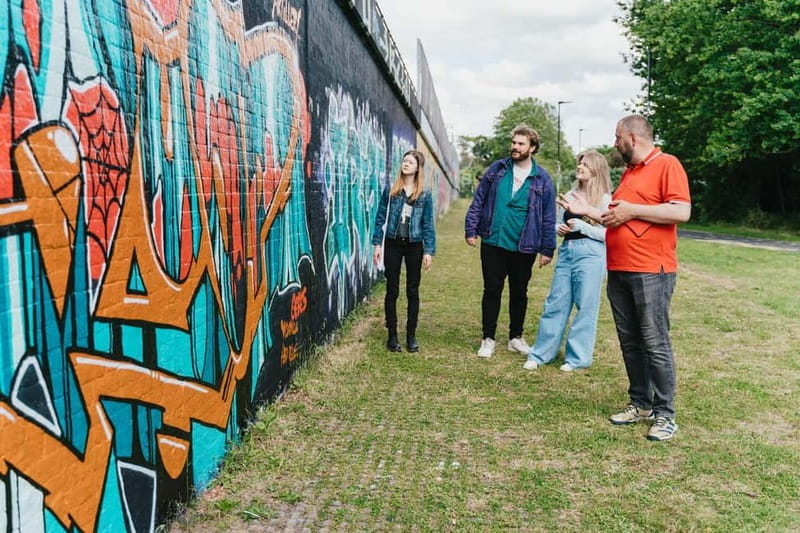
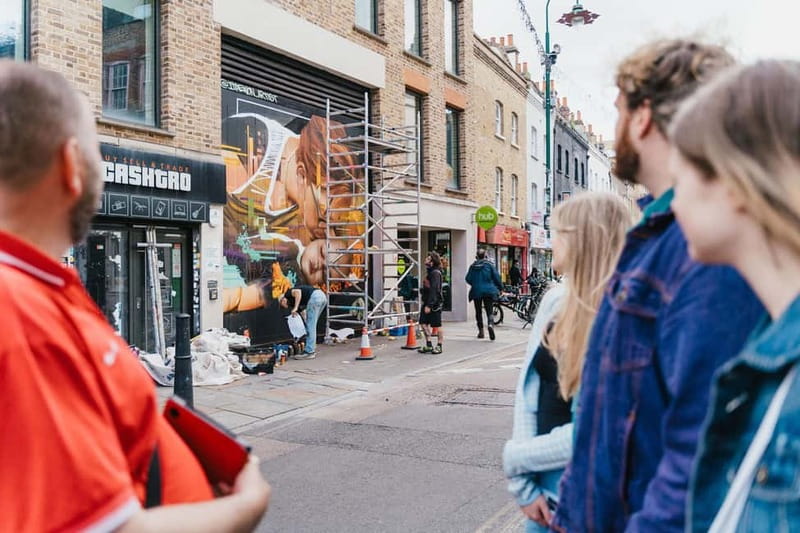
East London’s street art is not displayed behind glass. It spreads across shutters, side streets, old warehouses, narrow yards, and entire building walls. This two-hour walk takes you from Whitechapel Gallery through Spitalfields, Brick Lane, and Shoreditch, with stories about the artists, the East End, and the changing nature of graffiti.
I like the mix of famous names and lesser-known corners, including Banksy, Stik, Thierry Noir, Phlegm, Ben Eine, and Neon. I also like that the walk leaves room for photos and includes a chance to make your own street art. The main drawback is that outdoor art changes quickly, and the exact finish point can shift with it, so you should treat this as a living route rather than a fixed museum visit.
Key points
- Banksy, Stik, and Thierry Noir: See work linked to three major names in street art, including a Banksy piece incorporated into the art’otel.
- Brick Lane and Shoreditch: Walk through two of London’s best-known street art areas, with time to look up, step into side yards, and find smaller works.
- Art that keeps changing: Allen Gardens and other walls may look different from one visit to the next.
- East End context: Hear about Whitechapel, the old Jewish quarter, Spitalfields, the Huguenot community, and the area’s Graffiti Wars.
- Make your own mark: At 7 Stars Yard, you may get the chance to leave a small creation of your own.
- Flexible, practical format: The tour lasts two hours, runs in rain or shine, is wheelchair accessible, and allows cancellation up to 24 hours before departure.
Why this East End walk is different
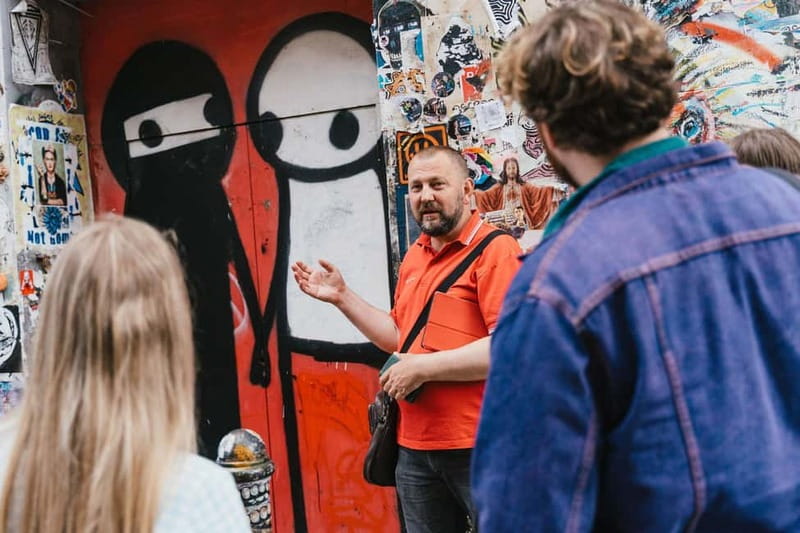
I like this tour because it treats street art as part of London’s daily life, not as a tidy collection of attractions. You walk past cafés, shops, hotels, apartment buildings, and busy roads while your guide points out work that is easy to miss from a passing bus.
The art also gives you a fresh way to understand East London. A wall may show a political idea, a local tribute, a playful character, or simply an artist testing a new style. Your guide connects those pieces to the streets around them, so the tour is about place as much as paint.
The route begins outside Whitechapel Gallery at 80 Whitechapel High Street. That is a useful meeting point, since it is easy to identify and places you at the western edge of the walk. From there, the group moves through Whitechapel, Spitalfields, Shoreditch, Brick Lane, and nearby streets before finishing around Liverpool Street Station.
More street art walks in London:
- London: Street Art and Graffiti Guided Walking Tour
★ 4.9 · 1,354 reviews - London: Landmarks & Secrets Bike Tour with Pub & Street Art
★ 4.9 · 314 reviews - London: East End Street Art Tour and Spray Painting Workshop
★ 4.8 · 297 reviews
Whitechapel, Spitalfields, and the old East End
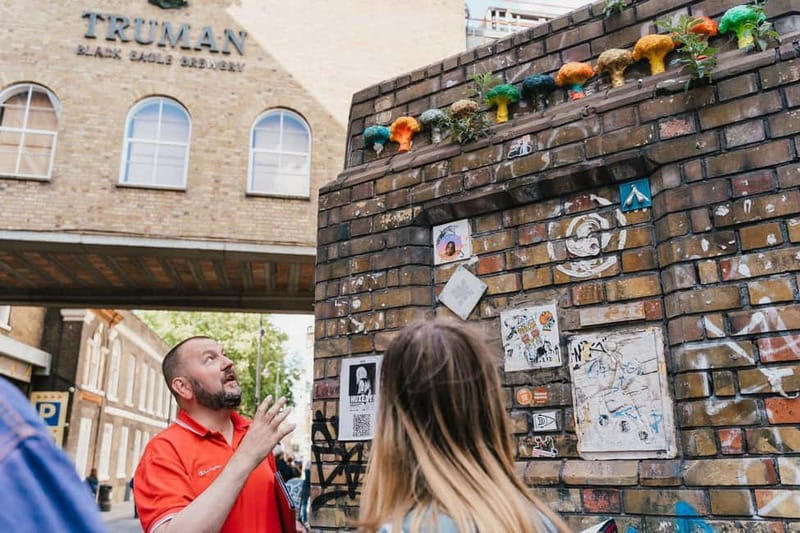
The opening section gives you the setting for everything that follows. Whitechapel is known for the Jack the Ripper murders, but the tour does not reduce the district to that grim association. You also hear about the old Jewish quarter and the communities that shaped this part of London.
In Spitalfields, the focus turns toward the area’s changing identity. Old streets now sit beside cafés, galleries, restaurants, and creative businesses. That contrast helps explain why street art fits here: the neighborhood has long absorbed new arrivals, new ideas, and new uses for old buildings.
Near Henage Street, two huge wall pieces fill an entire building. One is by Phlegm, whose thin, strange creatures are easy to recognize. The other is by Fanakapan, known for silver balloon forms. These large works are a good early reminder that street art can be much bigger and more carefully planned than a quick tag.
A smaller stop features Paul Bommer’s Huguenot plaque. It adds another layer to the area’s story and keeps the route from becoming a simple parade of large murals. You get a sense of how many periods and communities overlap within a few blocks.
Brick Lane, where every wall asks for a second look
Brick Lane is the heart of the walk. It is also where you need to slow down. The best view of a work may not be straight ahead. Your guide may have you look from another angle, step across the road, or turn around to see how a piece fits the wall beside it.
This is one of the tour’s strongest features. You are not just told where to stand for a photograph. You learn how the artwork uses its surroundings. A narrow building, a curve in the wall, or a gap between structures can change what you notice.
On Hanbury Street, a huge bird catches your eye from a side street. Move closer and you find more detail around it. This is typical of the route: a large image draws you in, then the smaller pieces reward a closer look.
The tour also points out painted adverts and old-school graffiti styles. On Ebor Street, large-format adverts painted by graffiti artists share space with smaller pieces by Neon. Ben Eine’s bold lettering gives the area a different visual rhythm, with words that function almost like architectural shapes.
At one Brick Lane wall, look up for the number five. The number helps you identify the artist responsible for part of the wall and opens a discussion about newer artists and changing styles. Collaborations are common here, so a single wall can contain several hands and several ideas.
7 Stars Yard and the smaller details

7 Stars Yard is a narrow passage that can feel less open than the main streets. That is part of its appeal. You enter a tighter space and find work that might be overlooked if you stayed on Brick Lane.
The guide may invite you to think of yourself as the eighth star and leave a creation behind. The exact activity can depend on the conditions and the current artwork, but the point is clear: this is not only a photo walk. You get a small connection to the act of making street art.
I would not book this tour expecting a full graffiti workshop. The main activity is walking, looking, and listening. Still, the chance to make your own piece adds a welcome hands-on moment, especially for families and anyone who has always wanted to try street art without committing to a large class.
A handful of other London outings to weigh up
- From London: Harry Potter Warner Bros Studio Tour
★ 4.7 · 26,588 reviews - London: Westminster to Greenwich River Thames Cruise
★ 4.5 · 22,836 reviews - Magical London: Harry Potter Guided Walking Tour
★ 4.7 · 22,044 reviews - London: Madame Tussauds London
★ 4.6 · 20,915 reviews
Princelet Street and art with a local message
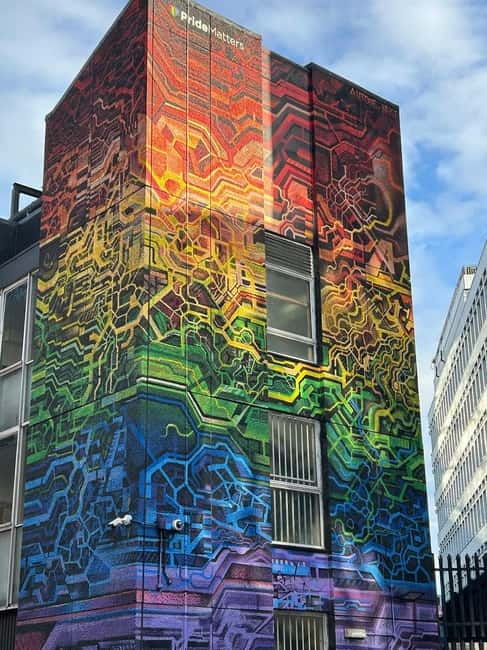
Princelet Street brings a more serious tone. A work by Stik is dedicated to the Muslim community and reflects its long connection with the area.
The piece has been defaced and repainted several times. That cycle matters. It shows how public art can become part of a local conversation, and how repainting can be an act of resilience. Your guide explains the work rather than treating it as just another colorful backdrop.
This stop is also a good reason to take the tour instead of relying only on a self-guided map. A photograph can show you the figures and colors, but it cannot explain why the work matters to the neighborhood or why its repeated restoration is significant.
Dray Walk and Allen Gardens
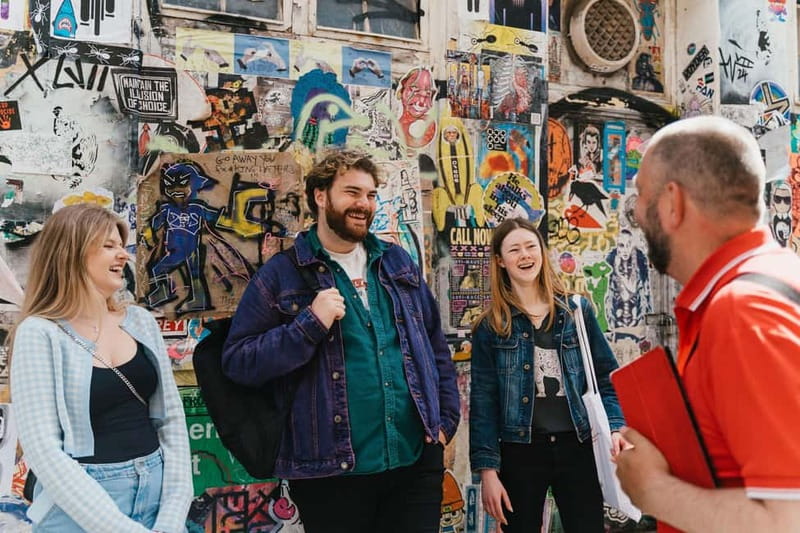
Dray Walk adds a playful note. Look for broccoli painted in many colors. Some versions are realistic, while others use bright, unexpected shades. The artist who began this trend now has a gallery, which gives the guide a chance to explain how an odd recurring image can grow into a larger career.
At Allen Gardens, the scale changes again. Many walls are covered with graffiti, and the work can change often. A piece you photograph today may be painted over by the next visit.
That uncertainty is both a strength and a limitation. If you want a permanent checklist of famous works, outdoor street art can frustrate you. If you like seeing a neighborhood in motion, Allen Gardens is one of the most useful stops. Take your photos when you see something you like, since it may not be there later.
Rivington Street and the Banksy moment
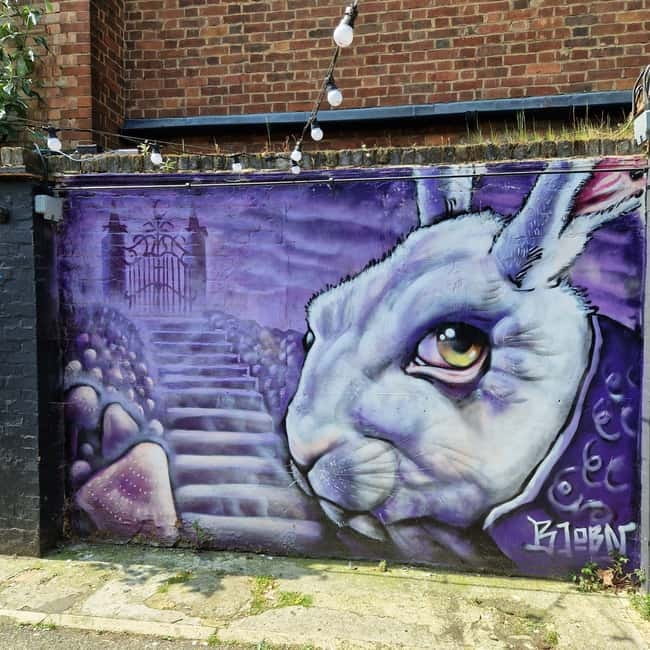
No London street art walk would feel complete without a Banksy reference, and Rivington Street supplies it. The guide has a secret place to show you Banksy’s work, although the tour description does not promise a particular piece at every departure.
That is worth keeping in mind. Banksy’s name draws attention, but this is not a Banksy-only outing. His work is one part of a wider story that includes local artists, international figures, collaborations, lettering, political images, and fast-changing walls.
A second Rivington Street stop features Thierry Noir. The French artist is best known for pioneering work on the Berlin Wall in the 1980s, but his influence reaches London too. Seeing his work here gives you a link between street art in different cities and different political settings.
The guide also discusses the Graffiti Wars near Shoreditch High Street. The subject sounds dramatic because it was. At the same time, the conflict produced some memorable art and helped shape the area’s reputation. It is a useful closing idea for the walk: arguments over public space can create work that later becomes part of a city’s identity.
The art’otel and a changing finish
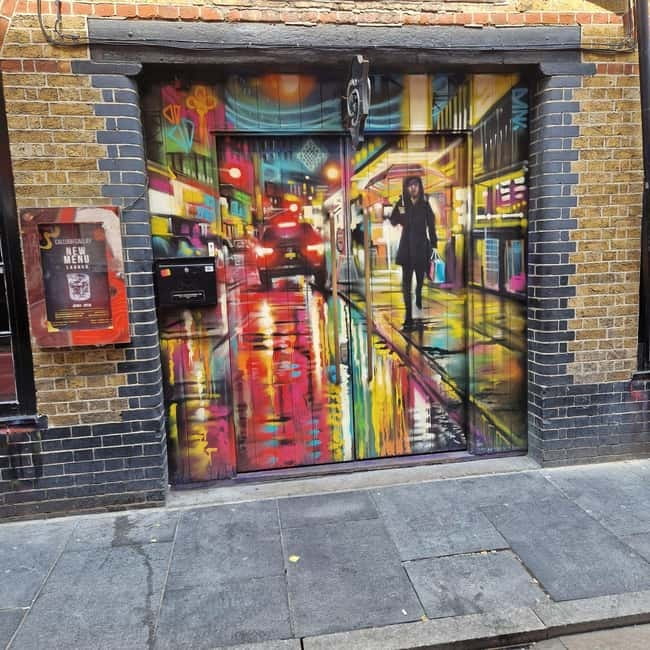
One of the more unusual stops is the art’otel London Hoxton. An older Banksy work is now part of a newer hotel. You do not need to book a room to see it, which makes the stop easy to include in the route.
It is also a neat example of how East London keeps changing. Work that began in a rougher urban setting can later sit beside a polished hotel. The art remains visible, but its surroundings and audience have shifted.
The route is scheduled to finish near Liverpool Street Station, though the exact endpoint can change because the art itself changes. That is practical if you are catching a train or continuing around central London, but leave a little flexibility in your plans.
How the two-hour pace feels
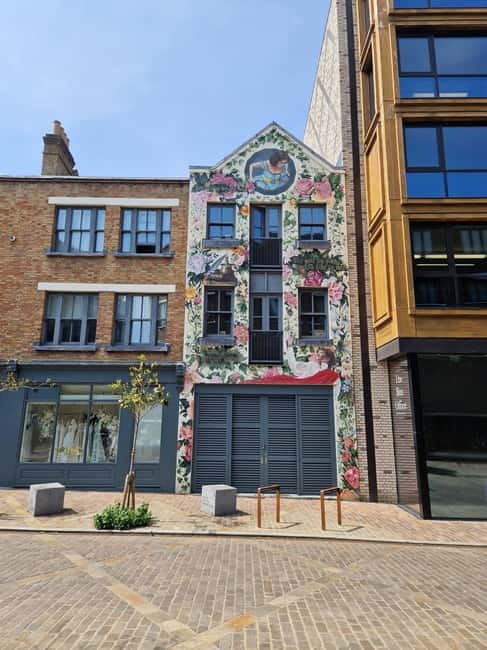
Two hours is enough for a focused introduction, not a full survey of East London’s street art. You cover a lot of ground, with broad sightseeing sections through Spitalfields, Shoreditch, and Brick Lane, then shorter stops at individual works.
That format suits you if you prefer movement and variety. You will see large murals, small pieces, painted adverts, lettering, narrow yards, and art tied to local communities. You will not spend long periods standing in one spot.
The pace also depends on the group and the guide. Matt is described as enthusiastic and clear, even for people who do not speak English as a first language. Margaret is praised for her passion and for giving detailed explanations. Another guide was noted for answering questions and matching the group’s pace.
Those details matter because street art tours can become rushed if the guide focuses only on getting from wall to wall. Here, you should have time for photos and questions. The walk is in English, so a strong command of everyday English will help you catch the stories, though clear explanations can make it manageable for many international visitors.
Price, weather, and practical value
At $49 per person, this is not the cheapest way to walk around Brick Lane, but the price can make sense if you want interpretation rather than a list of locations. You are paying for two hours with a guide who can identify artists, explain local stories, point out work that you might miss, and adjust the route as the walls change.
The strongest value comes from the range. You get famous names, local context, photo stops, and a chance to make your own art. If you already know East London well and can identify Banksy, Stik, Ben Eine, and Thierry Noir on your own, the price may feel less attractive.
Wear comfortable shoes. The tour is on foot, runs rain or shine, and takes place outdoors. Bring a rain layer and keep your camera ready. Since the exact finish point may shift, do not schedule an immediate appointment at a precise location after the walk.
The activity is wheelchair accessible, which is useful, though outdoor routes can change with street conditions and the position of current artwork. If access is especially important for you, confirm the day’s route when booking.
Free cancellation is available up to 24 hours before departure, and you can reserve now while paying later. That gives you some useful flexibility during a London visit, where weather and plans can change quickly.
Who should book this street art tour
I would choose this walk for:
- First-time visitors who want a side of London beyond Westminster and the major museums
- People who enjoy photography and want reliable stops for striking wall art
- Families and mixed-age groups, thanks to the visual variety and possible art-making activity
- Visitors interested in modern culture, migration, neighborhoods, and public space
- Fans of Banksy who also want to learn about artists such as Stik, Phlegm, Fanakapan, and Thierry Noir
- International visitors who value a clear English-speaking guide and time for questions
I would think twice if you dislike walking in all weather or want a guaranteed list of permanent murals. Street art is temporary by nature. Some works may be covered, altered, or replaced, and that is part of what you are seeing.
Should you book the East End street art walk?
Book it if you want context, not just colorful walls. The best parts are the hidden corners, the stories behind the artists, the connection between art and East End communities, and the chance to see how quickly the neighborhood changes.
The $49 price is fair for a two-hour guided introduction, especially if this is your first visit to Brick Lane and Shoreditch. I would choose it over wandering alone if you want to understand what you are looking at and find places you might otherwise pass.
If you have only one short morning in London and want major historic sights, choose a more traditional tour. If you want a lively, visual walk with Banksy, Stik, bold lettering, odd broccoli, giant birds, and walls that refuse to stay the same, this is a strong choice.
FAQ
Where does the tour start?
Your guide meets you directly outside Whitechapel Gallery at 80 Whitechapel High Street.
Where does the tour finish?
The route is scheduled to finish at Liverpool Street Station, Stop G, London EC2M 4RB. The exact finish point can change because the street art in the area is always changing.
How long does the tour last?
The tour lasts two hours. Starting times vary, so check availability when you book.
What language is the tour in?
The tour is conducted in English with a live English-speaking guide.
Is the tour wheelchair accessible?
Yes, the activity is listed as wheelchair accessible.
Does the tour run in bad weather?
Yes. Tours run rain or shine, so bring suitable clothing for an outdoor walk.
Can I make my own street art?
The tour includes a chance to make your own street art, with 7 Stars Yard identified as a possible place to leave your own creation.
Can I cancel the booking?
Yes. You can cancel up to 24 hours in advance for a full refund. You can also reserve now and pay later to keep your plans flexible.
New listings around London
- London: Secrets of Freddie Mercury Tour with a Cocktail★ 4.1 · 15 reviews
- London: Hampton Court Private Guided Tour★ 3.4 · 15 reviews
- London: Jack the Ripper Tour and Underground Prison in Spanish★ 5.0 · 15 reviews
- Spanish Language : Original Harry Potter Walking Tour★ 4.5 · 15 reviews
- London: The Saturday Supershow Cabaret at Phoenix Arts Club★ 4.5 · 15 reviews
- London: Private Couples Photography Session with Landmarks★ 5.0 · 15 reviews
- London: 2-Hour Guided Tour of the British Museum★ 4.7 · 16 reviews
- London’s Ghosts & Gruesome Past Nighttime Walking Tour★ 4.8 · 16 reviews
London Tours, compared.
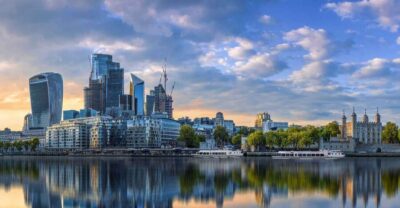
Westminster to Greenwich River Thames Cruise
Read our review →
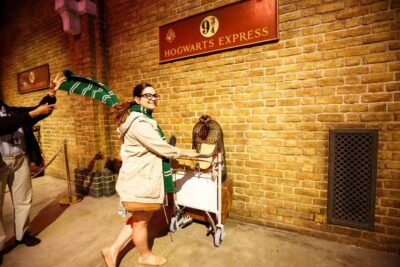
Magical London: Harry Potter Guided Walking Tour
Read our review →
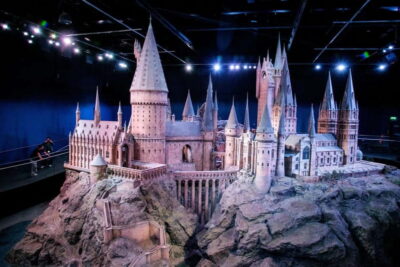


Warner Bros. Studio Harry Potter Tour with Transfers
Read our review →Browse the lists this tour appears in