
Reviewed · LONDON TOURS
London: Easy Access Tower of London and Crown Jewels Tour
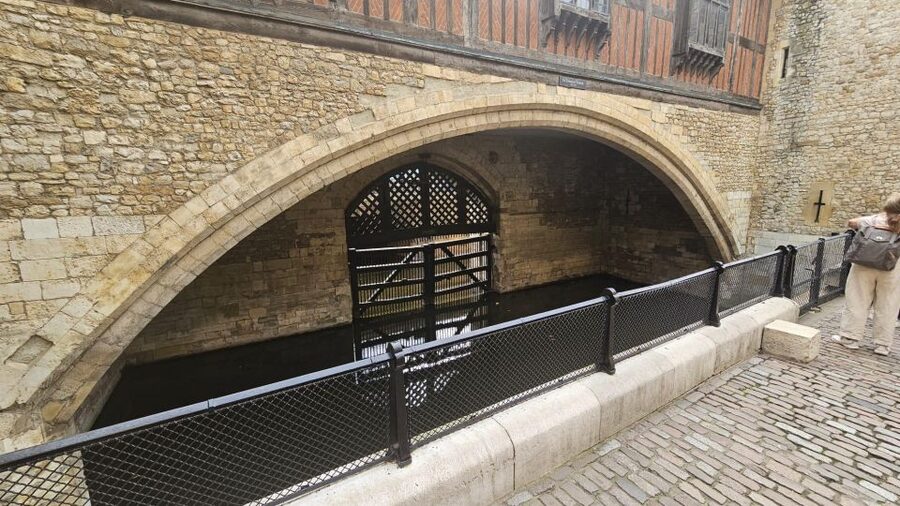
The Tower of London is not just a castle with shiny jewels. It is a fortress, palace, prison, armory, and execution ground packed into one hard-edged site. I like that this tour brings you first to Tower Green and the scaffold site, then connects those grim stories to the White Tower, the ravens, and the royal treasures.
I especially like the timed entry and the guide-led route. You skip the ticket-office queue, and a strong guide such as Ben, John, Leon, or Warren can turn a maze of stone walls into a clear story. The drawback is the pace and terrain: this is a long, active visit over cobblestones, stairs, inclines, and uneven ground, with little appeal for anyone needing a wheelchair or mobility scooter.
Key points to know before booking
- See the Crown Jewels without starting at the ticket desk: Timed admission and a separate entrance save useful time.
- The dark stories come first: Hear about Anne Boleyn, prisoners, executions, and torture inside the Tower.
- A guide adds the missing connections: The architecture, royal power, ravens, Beefeaters, and weapons make more sense together.
- The White Tower is a major part of the visit: Plan time for its displays, steep steps, and medieval feel.
- The ravens are part of the Tower’s identity: Raven House is included, though seeing the birds in an active moment cannot be promised.
- Wear shoes for a serious walk: Expect cobbles, hills, stairs, inclines, declines, and weather exposure.
Why this Tower tour works better than wandering alone
The Tower of London can be confusing on a first visit. Several structures sit inside one fortified compound, and the most famous stories took place in different corners. A guide gives you a useful framework before you head off to inspect the displays on your own.
The live guides are the main reason to choose this format. Ben is repeatedly praised for mixing humor with solid historical detail. John is known for clear explanations and taking questions. Leon has a gift for linking Tower facts with wider London history, while Warren is especially animated and good at keeping a three-hour walk moving.
Guides change, so you cannot book a particular person unless the operator specifically confirms it. The advertised languages are English, German, Spanish, French, Italian, and Portuguese. The quality of the visit will depend partly on your guide’s style, but the format gives you a much better chance of understanding the site than a simple admission ticket.
The tour is priced at about $120 per person. That is not cheap, but the price includes admission to the Tower, Crown Jewels Exhibition, White Tower, Tower Armory, Raven House, Tower Green, the scaffold site, and Lower Wakefield Tower. You are also paying for a live guide and timed access, not just entry.
For a first visit to London, I consider that reasonable value if you want a strong overview and do not enjoy piecing together history from wall panels. If you prefer to read at your own speed, skip grim stories, or spend hours in one exhibition, standard admission with an audio guide may suit you better.
Further ways into the Tower of London:
- London: Tower of London Entry & Beefeater Private Audience
★ 4.4 · 1,441 reviews - London: VIP Tower of London & Tower Bridge Early-Access Tour
★ 4.8 · 862 reviews - London: Tower of London Guided Tour with Boat Ride
★ 4.6 · 704 reviews
Meeting at Tower Hill
Your meeting point is outside the main exit of Tower Hill Underground Station, between CitizenM Hotel and Trinity Square Gardens. Look for the red Tower Hill Tram refreshment stand. The station is served by the Circle and District lines.
Arrive 15 minutes before departure. This detail matters. You must check in with the guide before entering, and late arrivals cannot be accommodated. Missed tickets and tours cannot be refunded or moved to another time.
The meeting area is practical, but it can be busy and easy to misread if you rush out of the station. Leave yourself enough time to identify the hotel, gardens, and refreshment stand. Do not head straight toward the Tower gates without checking in.
The tour does not include hotel pickup, food, drinks, or local transportation. You make your own way to Tower Hill and leave the attraction independently at the end. The listed drop-off points are Tower Bridge Quay and the Tower of London area.
Entering a fortress built for power
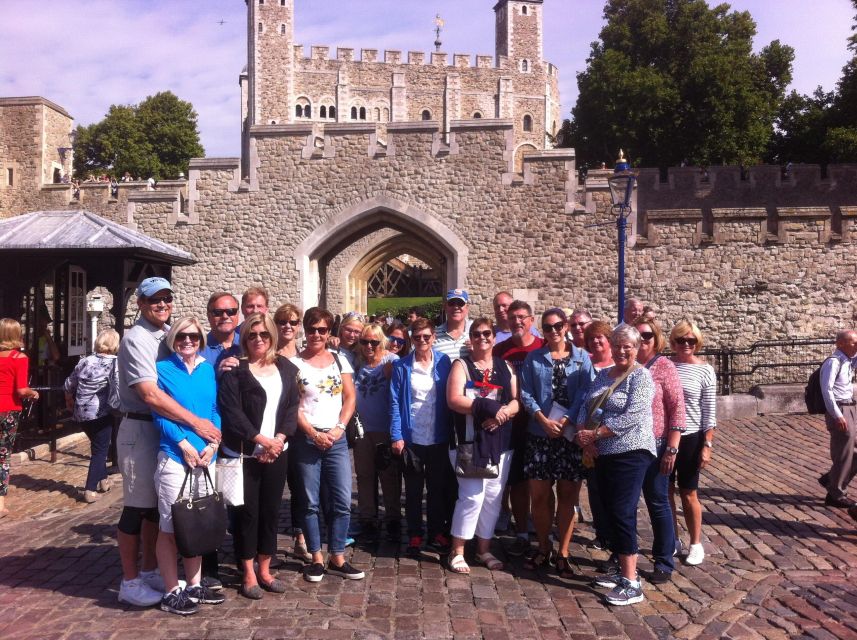
The tour begins outside, where the guide introduces the Tower’s defensive form and explains how its buildings changed over time. This opening is useful because the Tower is not one single building. It is a large fortified complex that served several roles across the centuries.
Inside, you learn how the site developed from a military stronghold into a royal residence and then into a place associated with imprisonment, executions, weapons, and ceremony. The architectural story gives the darker material some needed context. The Tower was not built only to hold prisoners. It was designed to project royal control over London.
I like this opening because it prevents the visit from becoming a parade of disconnected anecdotes. The walls, towers, courtyards, and river position all become part of the same story. Guides also tend to point out details you could easily pass without noticing, including where particular events took place and how the site’s layout shaped daily life.
The group remains on foot for much of this section. Expect uneven paving, cobblestones, steps, slopes, and some exposed areas. Good walking shoes are not optional here, particularly in wet weather.
Tower Green and the scaffold site
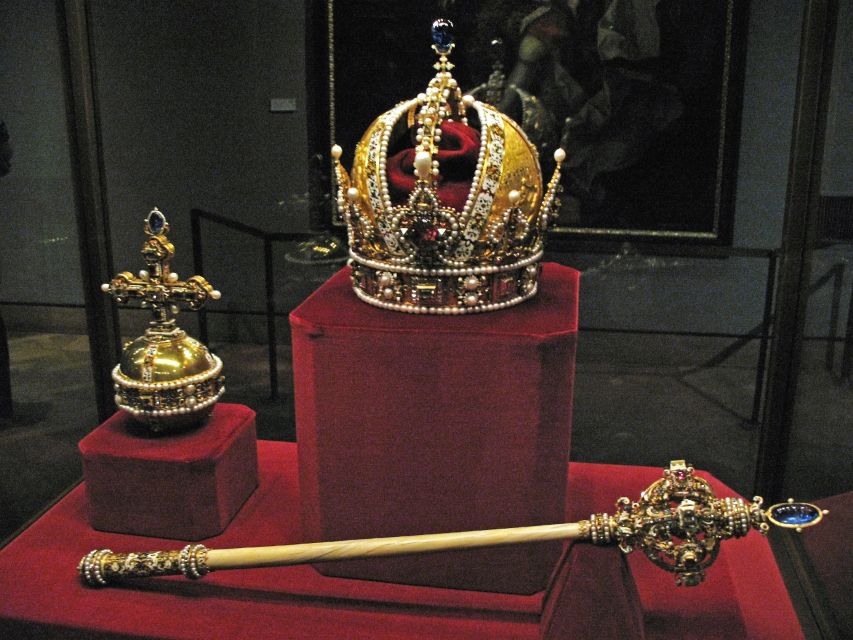
The execution site is one of the most affecting stops. Many people know the Tower through stories of public beheadings, but the exact places matter. Tower Green was associated with private executions for prisoners whose rank or circumstances meant they were not put before a crowd on Tower Hill.
Anne Boleyn is the name most visitors expect to hear. She was the second wife of Henry VIII and one of the most famous prisoners connected with the Tower. The guide places her story alongside those of other prisoners and explains how royal politics, accusation, imprisonment, and ceremony met within these walls.
This part of the tour is grim, and the tone is not softened. One account describes the history as cruel because the focus falls heavily on tragedy. That is fair warning for families with young children or anyone hoping for a light royal sightseeing stop.
Still, I think the site is important. The Tower’s polished jewels can make it seem like a museum of pageantry, while Tower Green shows the human cost of political power. A good guide also explains the difference between public and private executions, making the history more precise than the usual list of famous names.
A handful of other London outings to weigh up
- From London: Harry Potter Warner Bros Studio Tour
★ 4.7 · 26,588 reviews - London: Westminster to Greenwich River Thames Cruise
★ 4.5 · 22,836 reviews - Magical London: Harry Potter Guided Walking Tour
★ 4.7 · 22,044 reviews - London: Madame Tussauds London
★ 4.6 · 20,915 reviews
The torture chambers and Lower Wakefield Tower
The torture displays offer another look at the Tower’s role as a prison. You see implements such as the rack, the Scavenger’s Daughter, and manacles, along with stories of people held and questioned inside the complex.
The rack is familiar from popular culture, but the Scavenger’s Daughter is less widely known. The display gives you a chance to see the actual shape of these instruments and understand how confinement and physical punishment were used to force information or obedience.
This is a compact but powerful part of the visit. It can also be uncomfortable. The descriptions are direct, and the subject is not suitable for every child. The guide helps by explaining the historical setting rather than treating the devices as curiosities.
Lower Wakefield Tower is included in the admission. The stone interiors are atmospheric, but the route can feel tight and difficult for anyone with balance, back, or mobility problems. The operator does not recommend this experience for wheelchair users, people with mobility impairments, or people with back problems.
Meeting the Beefeaters and seeing the ravens
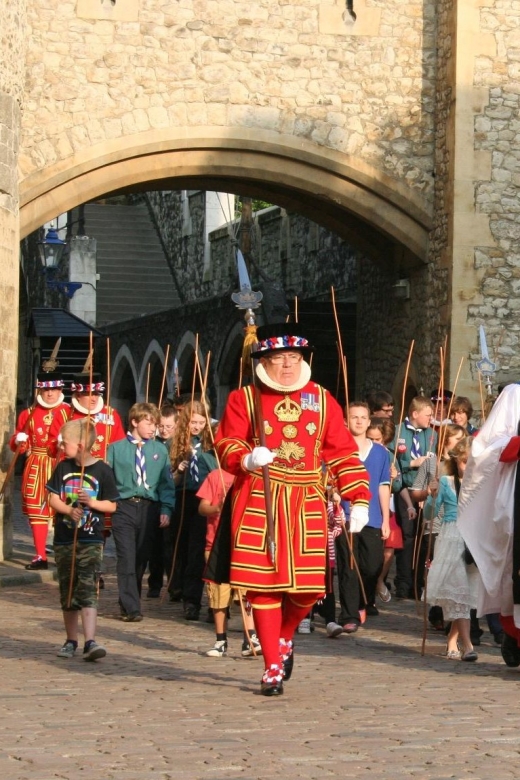
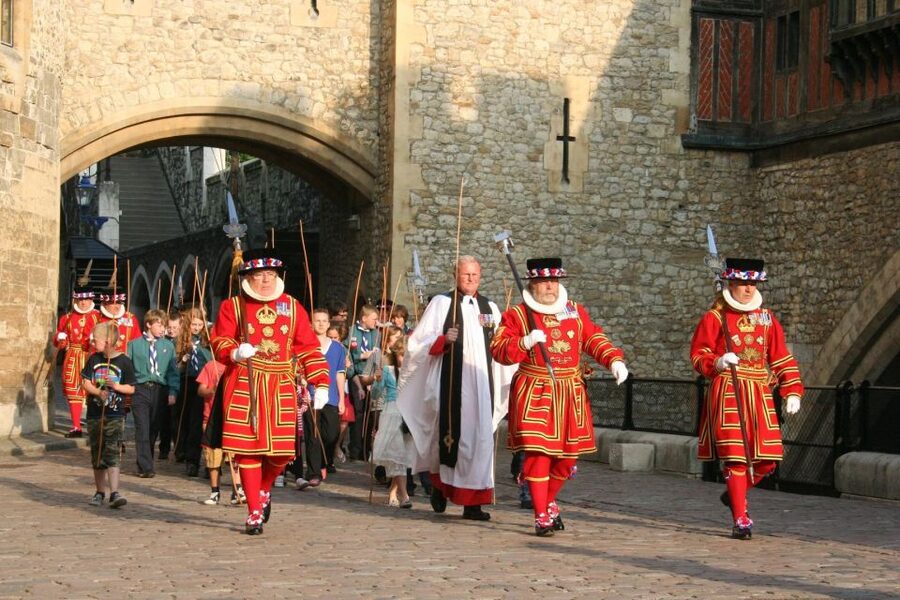
The Yeoman Warders, commonly called Beefeaters, are the ceremonial guardians of the Tower. You may see them carrying out their duties during the visit. They are not simply costumed photo subjects, and the best guides explain their place in the Tower’s modern life as well as their ceremonial role.
Your guide may have a good working rapport with Tower staff, which can help the group move efficiently. That is not something you should count on at every departure, but it is one reason a live guide can be useful in a busy attraction.
Raven House is included too. The Tower’s ravens have been part of its identity for more than 300 years, and the guide explains why these birds matter to the site’s legends and daily care. You can see the raven enclosure, but the exact behavior of the birds will depend on the moment.
The ravens provide a welcome change of mood after the prison and execution stories. They are strange, memorable, and very much part of the Tower experience rather than a decorative extra.
The Crown Jewels: the tour’s headline sight
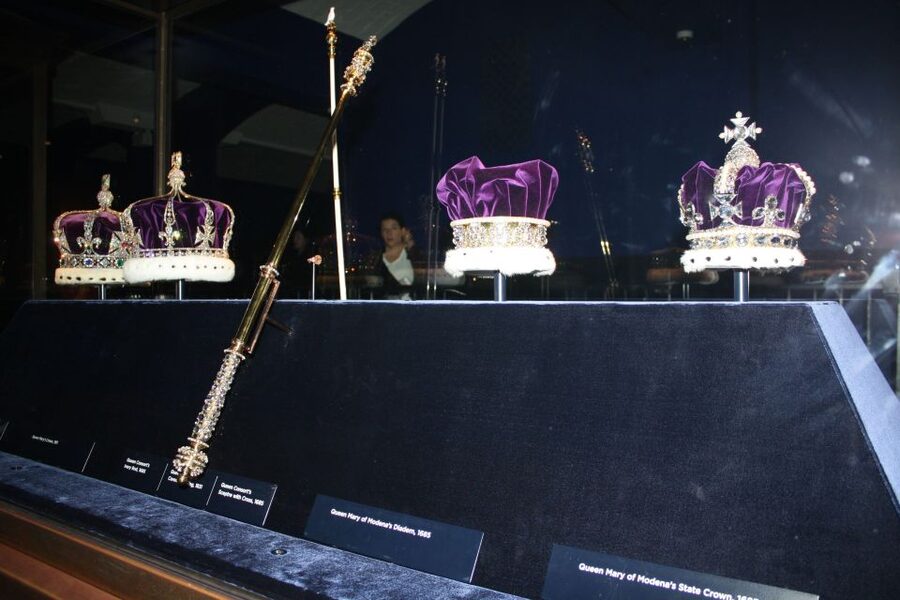
The Jewel House holds the Crown Jewels, the collection most people associate with the Tower. Timed entry is particularly valuable here because the queues can be long, and the exhibition is one of the busiest parts of the visit.
The guide leads you to the Crown Jewels, but the way you move through the display may vary with crowd levels and staff procedures. You might see the major royal treasures, including the Koh-i-Noor diamond, as well as crowns and ceremonial objects tied to coronations and royal office.
Arriving early in the day can help. Several departures have been positioned among the first visitors inside, giving the group a better chance of seeing the jewels with fewer people around. That advantage is not guaranteed, but it is a strong reason to choose an early starting time when the schedule allows.
The Crown Jewels are visually impressive, but I would not make them the only reason to book. The exhibition can feel more like a controlled viewing line than a leisurely museum room. You keep moving, and the display is designed to handle crowds. The guide’s context helps you understand why the objects matter beyond their size and sparkle.
The White Tower and the Tower Armory
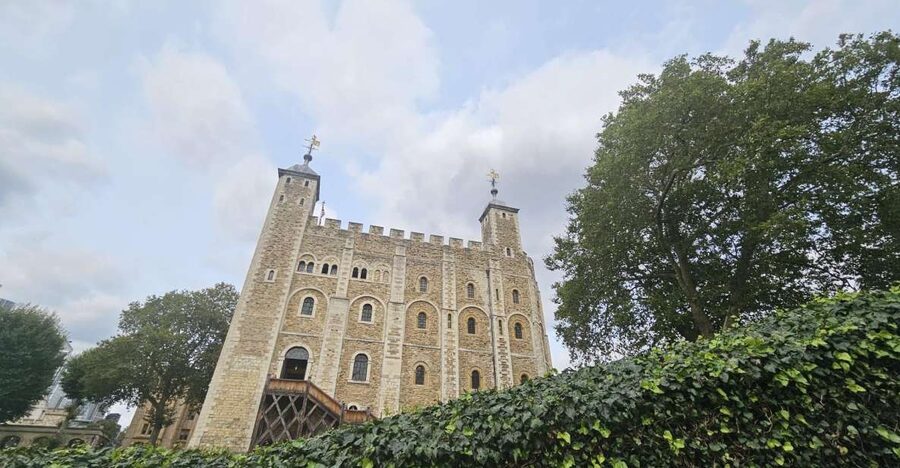
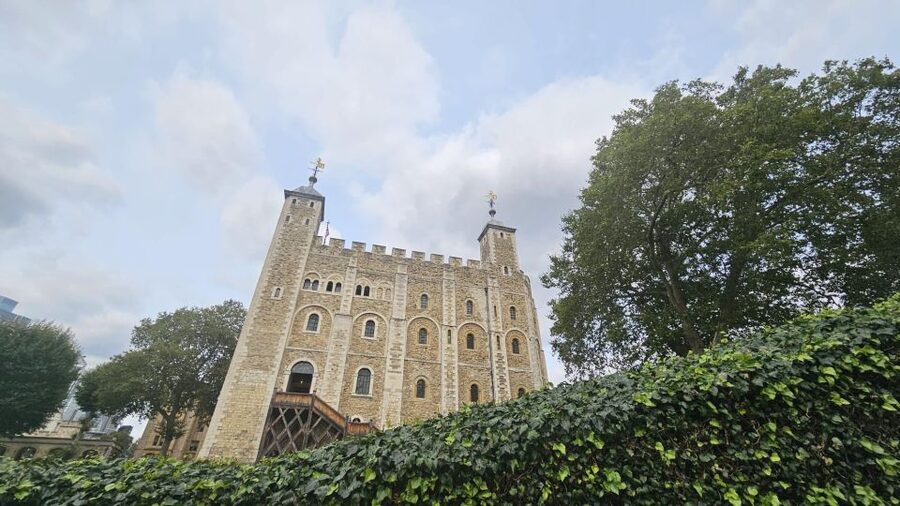
The White Tower is the oldest and most imposing structure in the complex. It gives the tour its strongest sense of medieval military power. Inside, you can visit the armory displays and see how weapons and armor fit into the Tower’s long service as a royal fortress.
This section is scheduled for about an hour, though the exact time you spend in each area can depend on the group and opening hours. The tower includes stairs and uneven surfaces, so do not assume that a famous indoor sight means an easy walk.
The White Tower works best after the guide has explained the site’s broader story. You can look at the construction, rooms, and armory with a clearer sense of purpose. The route also gives you a different mood from the Crown Jewels: less polished ceremony, more stone, weaponry, and defensive strength.
You should also know that the guided portion may not cover every corner in detail. The experience leaves you with direction and some independent time, but one person found the remaining free time too short for the souvenir shop and further browsing when the Tower was nearing closing. If you want a slow, complete exploration, check the day’s hours and choose a departure that leaves room afterward.
Walking conditions, timing, and comfort
The advertised duration is three to four hours. That makes this a substantial half-day commitment, not a quick photo stop between Westminster and St Paul’s.
You will walk over cobbles and uneven paths, climb stairs, and deal with inclines and declines. Some sections are outdoors, so bring weather-appropriate clothing. The Tower operates in all weather conditions, and stone courtyards can feel cold even when central London seems mild.
Oversize luggage, large bags, baby strollers, mobility scooters, non-folding wheelchairs, and electric wheelchairs are not allowed. The operator also says mobility devices cannot be reliably supported because sidewalks, curbs, and paths may not have suitable ramps.
I would choose this tour if you are comfortable walking regularly and can manage stairs without assistance. I would not book it for someone with serious back trouble, limited stamina, or a mobility impairment unless the operator has confirmed that the planned route is suitable.
Who gets the best value from this experience
This tour fits first-time London visitors who want the Tower’s major sights in one organized visit. It is also a good match for anyone who likes history explained through people and places rather than a page of dates.
Families with older children can enjoy the ravens, armor, royal jewels, and dramatic stories, but the torture and execution material is strong. Teenagers who like grim history may find it memorable. Younger children may tire before the visit ends.
I also recommend it for travelers who are uneasy about navigating a large historic attraction alone. The guide points out where to go next, explains the parts that are easy to miss, and can help the three-hour route feel manageable.
Independent visitors should compare the $120 cost with the admission price and the value of a live guide. If you want to photograph every corner, linger over displays, or use an audio guide at your own pace, a self-guided visit may be more flexible. If you want a clear route, early access advantages, and stories delivered with humor, the paid tour earns its keep.
An optional Royal Thames cruise is available with selected bookings. It is not part of every option, so check the exact package before paying. Food, drinks, and ordinary transportation are not included.
Should you book the Tower of London tour?
Book it if the Crown Jewels, Anne Boleyn, the ravens, the Beefeaters, and the Tower’s prison stories all appeal to you. The best part is the combination: you see the famous objects, then understand the fortress and the people connected to it.
I would choose an early departure, wear comfortable shoes, and allow extra time after the guided route if you want to explore the White Tower or shop. The published score is 4.7 from 1,189 ratings, and the most consistent praise goes to guides who balance humor with clear historical detail.
Skip it if you need step-free access, dislike guided pacing, or want to spend a full day wandering independently. For everyone else, this is a practical way to make sense of one of London’s most complicated and unsettling sights.
FAQ
How long does the Tower of London tour last?
The tour lasts approximately three to four hours. The guided Tower of London portion is listed at about one and a half hours, with additional time for the Crown Jewels and White Tower.
What is included in the ticket?
Admission includes the Tower of London, Crown Jewels Exhibition, White Tower, Tower Armory, Raven House, Tower Green and the scaffold site, and Lower Wakefield Tower. An English-speaking guide is included, and a Royal Thames cruise is included only if you select that option.
Where does the tour meet?
Meet outside the main exit of Tower Hill Underground Station, between CitizenM Hotel and Trinity Square Gardens, next to the red Tower Hill Tram refreshment stand.
How early should I arrive?
Arrive 15 minutes before departure. You must check in with the guide before entering the Tower.
Can late arrivals join the tour?
No. Late arrivals cannot be accommodated, and missed tours or tickets cannot be refunded or rescheduled.
Is the Crown Jewels Exhibition included?
Yes. Entry to the Crown Jewels Exhibition is included, and the timed-entry format helps you avoid the ticket-office line.
Which languages are available?
Live guides may operate in English, German, Spanish, French, Italian, or Portuguese. Check the available language when selecting your departure.
Is the tour suitable for wheelchair users?
The tour is not recommended for wheelchair users or people with mobility impairments. The route includes uneven paths, cobblestones, stairs, hills, inclines, and declines, and suitable ramps cannot be guaranteed.
What should I bring?
Wear comfortable shoes and clothing suited to the weather. Large bags, oversize luggage, baby strollers, mobility scooters, non-folding wheelchairs, and electric wheelchairs are not allowed.
New listings around London
- London: Secrets of Freddie Mercury Tour with a Cocktail★ 4.1 · 15 reviews
- London: Hampton Court Private Guided Tour★ 3.4 · 15 reviews
- London: Jack the Ripper Tour and Underground Prison in Spanish★ 5.0 · 15 reviews
- Spanish Language : Original Harry Potter Walking Tour★ 4.5 · 15 reviews
- London: Private Couples Photography Session with Landmarks★ 5.0 · 15 reviews
- London: The Saturday Supershow Cabaret at Phoenix Arts Club★ 4.5 · 15 reviews
- London: 2-Hour Guided Tour of the British Museum★ 4.7 · 16 reviews
- London’s Ghosts & Gruesome Past Nighttime Walking Tour★ 4.8 · 16 reviews
London Tours, compared.

Westminster to Greenwich River Thames Cruise
Read our review →
Magical London: Harry Potter Guided Walking Tour
Read our review →


Warner Bros. Studio Harry Potter Tour with Transfers
Read our review →Browse the lists this tour appears in