Reviewed · LONDON TOURS
London: London in WW2 and Churchill War Rooms Entrance
The most memorable part of this experience is the link between wartime Westminster above ground and Churchill’s underground command center below it. You walk past the monuments where Britain’s government faced war, then enter the cramped bunkers where decisions were made under pressure.
I like the small-group format, capped at 15 people, and the strong storytelling from guides such as Babs, Nathan, Richard, and Jeremy. I also like that the ticket includes Churchill’s War Rooms, a costly and important museum that is easy to pair with a Westminster walk.
The main drawback is the split in guiding style. Your guide leads the outdoor portion, but the War Rooms are self-guided with an audio device. The museum can also become crowded, and three hours may feel tight if you want to examine every display.
Key points to know before booking
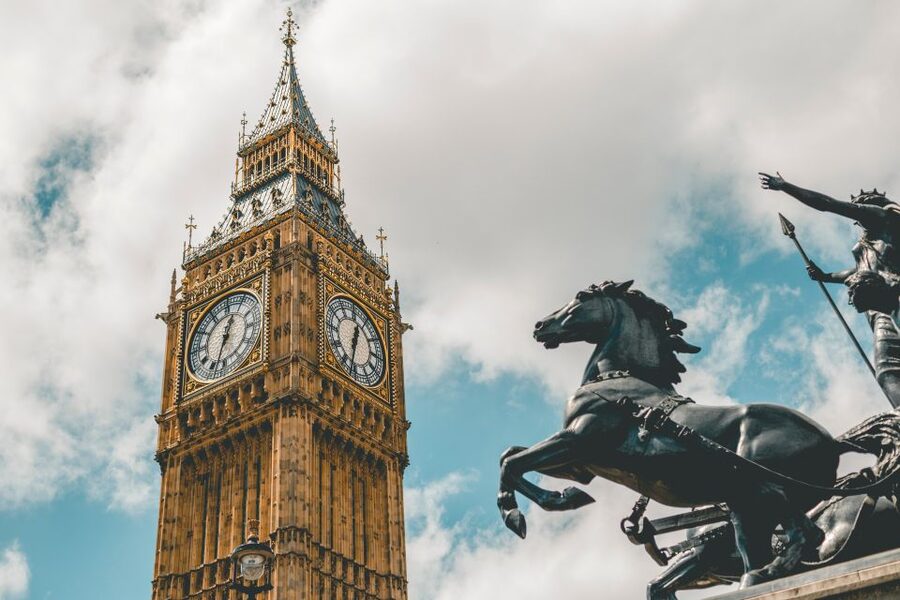
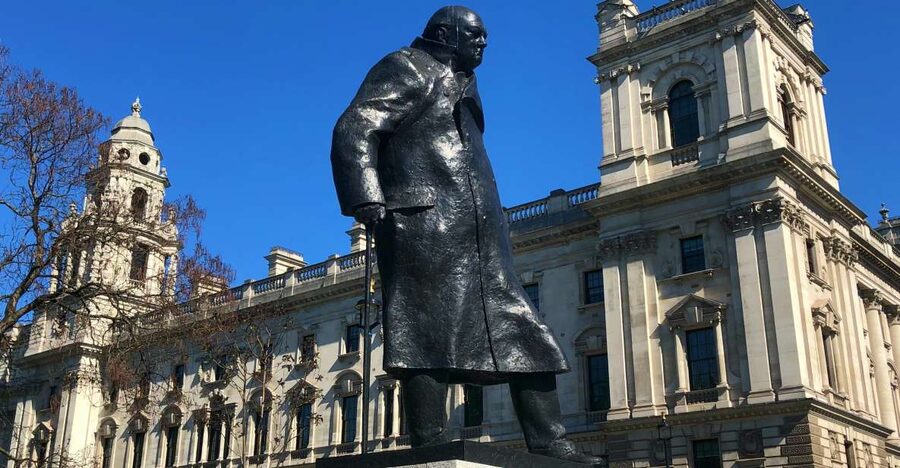
- The route connects famous sights to wartime stories: See Westminster Abbey, Big Ben, the Houses of Parliament, Downing Street, the Cenotaph, Whitehall, and the former Ministry of War area.
- The guide makes the difference: Babs, Nathan, Richard, Jeremy, and other guides are praised for lively storytelling, humor, and strong knowledge of Churchill and the Second World War.
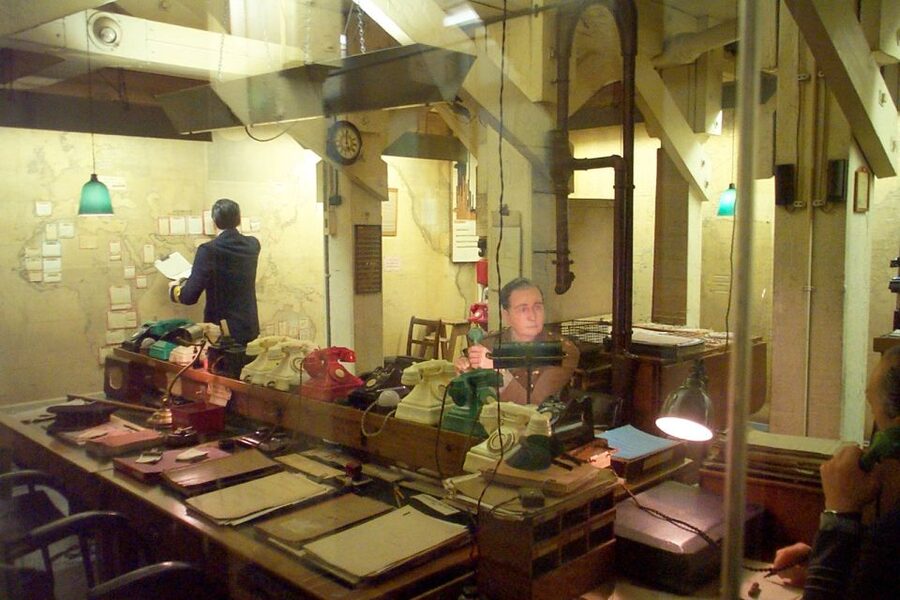
- The War Rooms are preserved underground: Walk through offices, corridors, map rooms, and working spaces kept much as they were during the war.
- The tour is small but not private by default: Shared groups have 15 people or fewer, with private tours also available.
- The museum section uses an audio guide: You explore at your own pace after the walking tour ends.
- Plan for outdoor weather and security: Wear comfortable shoes, bring water and an umbrella, and allow time for the security check at the War Rooms.
Starting beside Westminster Station
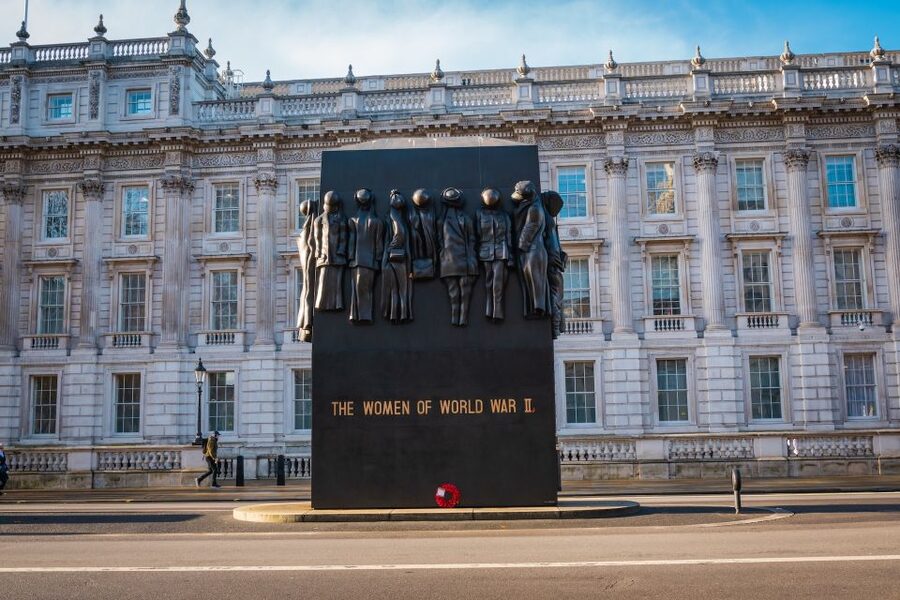
Your meeting point is easy to reach, but you need the correct station exit. Meet by the Boadicea and Her Daughters Statue outside Westminster Station, Exit 2. Follow signs for Exit 2, marked Victoria Embankment, then take the stairs to street level. The guide will be at the top beside the statue, holding an orange Urban Saunters sign.
This is a busy part of London, so arrive with enough time to find the statue. Do not simply come out of the first station exit and hope to spot the group. Westminster Station has several exits, and using the wrong one can put you on the opposite side of a large, crowded junction.
The tour takes place rain or shine. That matters in London, where even a short forecast can change quickly. Comfortable shoes are essential, and an umbrella is a smart addition. You will be outside for the Westminster portion, with stops at monuments and government buildings rather than a long countryside-style walk.
The route is best for people who can walk and stand comfortably. It is not suitable for wheelchair users or people with mobility impairments. Baby strollers and luggage or large bags are not allowed, so arrange your day around that restriction.
A handful of other London outings to weigh up
- From London: Harry Potter Warner Bros Studio Tour
★ 4.7 · 26,588 reviews - London: Westminster to Greenwich River Thames Cruise
★ 4.5 · 22,836 reviews - Magical London: Harry Potter Guided Walking Tour
★ 4.7 · 22,044 reviews
Reading wartime Westminster from the pavement
The opening walk gives you a useful setting for the museum. Instead of meeting Churchill only as a famous face on a poster, you see the government quarter where Britain’s wartime decisions were announced, debated, and carried out.
You pass the Houses of Parliament and Big Ben, symbols that most people already know from photographs. The wartime angle changes how you look at them. The tour sets the scene of a city living with blackout rules, air raid sirens, food rations, restrictions, and bombing raids that arrived under cover of darkness.
The detail about Big Ben no longer sounding is especially evocative. A familiar London sound had to be silenced during the war, part of the wider effort to reduce risk and preserve security. Small details like this make the period feel less like a list of battles and more like daily life under strain.
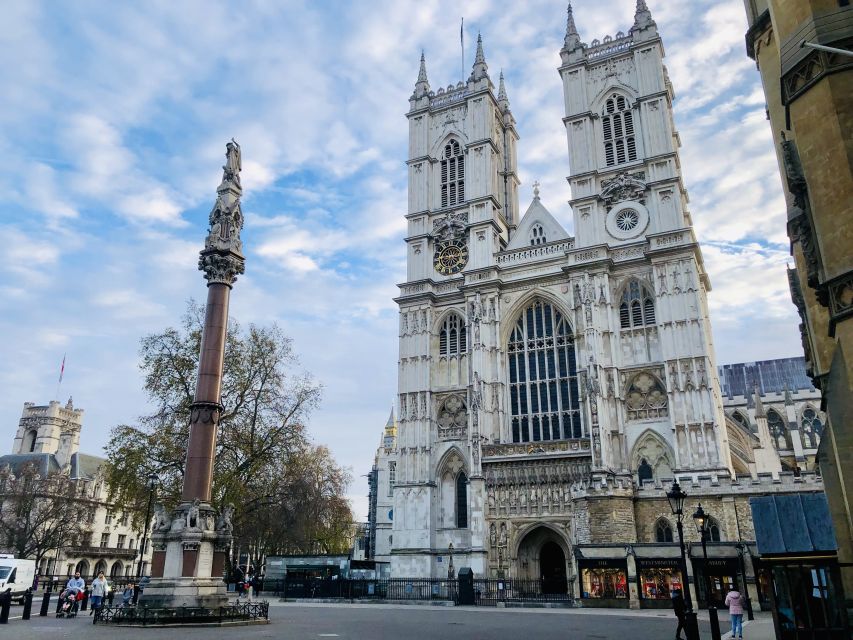
Westminster Abbey adds another layer. You see the building as a national symbol, but the tour also uses the surrounding area to explain how public life and national morale were shaped during the conflict. The emphasis is not only on Churchill. It includes the wider network of civil servants, military planners, politicians, and ordinary people who kept the country functioning.
The guide usually gives the walk its personality. Nathan is particularly strong at telling stories with both humor and feeling, while Babs brings high energy and a clear affection for Churchill. Richard is noted for his wit and ability to make a group feel welcome. Jeremy is praised for a lively presentation and detailed explanations.
Those differences matter because the route itself is compact. You are not covering a huge section of London. The value comes from what your guide explains at each stop, not from the number of streets under your feet.
The Cenotaph and the human cost of war
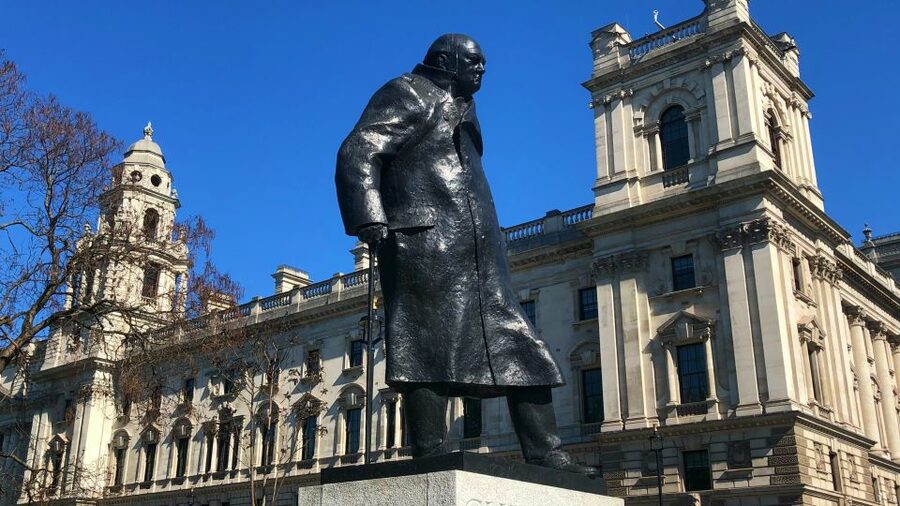
The Cenotaph is one of the most important pauses on the route. This memorial is easy to walk past if you are sightseeing on your own, but a guide can explain why it matters in the context of wartime Britain and the people who served.
The tour places military sacrifice alongside the political story. You hear about the enormous task facing the government, but also about the individuals who served in Britain and abroad. The strongest guiding style here is personal without becoming sentimental. One guide may focus on the Battle of Britain, another on a lesser-known figure or a revealing story about life in wartime London.
I find this part useful because it prevents the tour from becoming a Churchill-only portrait. Churchill is central, but the story also includes the people who worked beside him and the civilians who lived with the consequences of each decision.
The Cenotaph can also be a busy public space, and this is one place where group positioning may affect how clearly you hear. A group of 15 or fewer is much easier to manage than a large coach party, but you should still stay close to the guide and avoid drifting toward the back.
Whitehall, Downing Street, and government under pressure
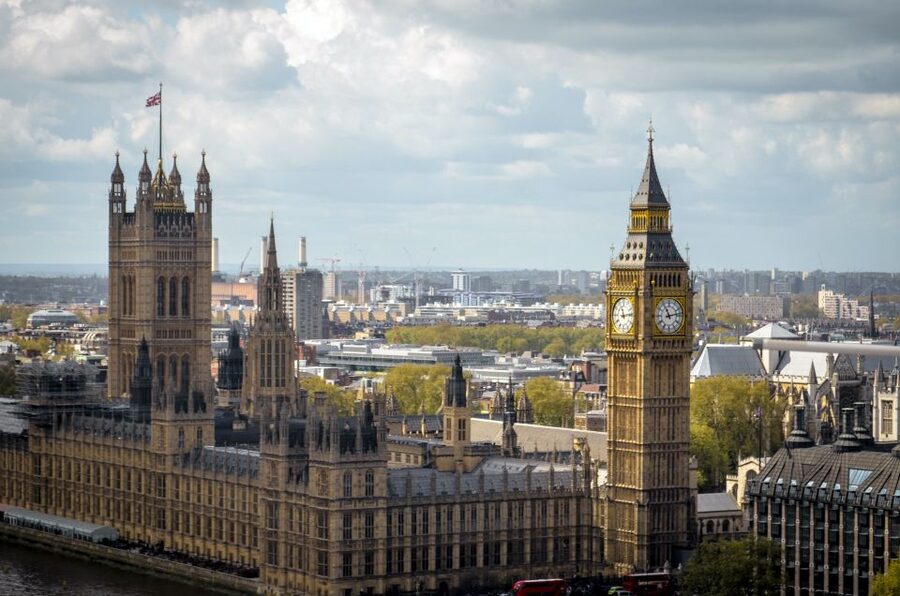
The walk continues through Whitehall, with stops connected to the Ministry of War, Downing Street, and the machinery of government. These places are visually impressive, but their wartime importance is less obvious without explanation.
Downing Street, for example, is not simply a famous address for photographs. It represents the political center of the crisis, where leadership, communication, and public messaging had to work together. The tour uses these recognizable places to explain how wartime decisions moved from offices and meetings into action.
Whitehall also helps you understand the physical closeness of British government. Important buildings are gathered within a relatively small area. That makes the transition to the underground War Rooms feel logical. The bunker was not an isolated museum piece. It was part of the working system beneath the government quarter.
The outdoor section is at its best when you listen for connections rather than trying to memorize every date. Ask questions if your group allows time. Several guides are praised for being patient, interactive, and willing to explain side details.
On a hot day, shade becomes useful during the stops. On a wet day, an umbrella and waterproof shoes will make the experience much more pleasant. There is no food or drink included, and you should not count on a formal break during the three-hour activity. Bring water before you meet the group.
Elsewhere in London, a change of pace:
- London: Madame Tussauds London
★ 4.6 · 20,915 reviews - London: Warner Bros. Studio Tour with Transfers
★ 4.7 · 17,586 reviews - London: Tower Bridge Entry Ticket
★ 4.7 · 15,560 reviews - London: St Paul’s Cathedral Entry Ticket
★ 4.7 · 9,813 reviews
Descending into Churchill’s War Rooms
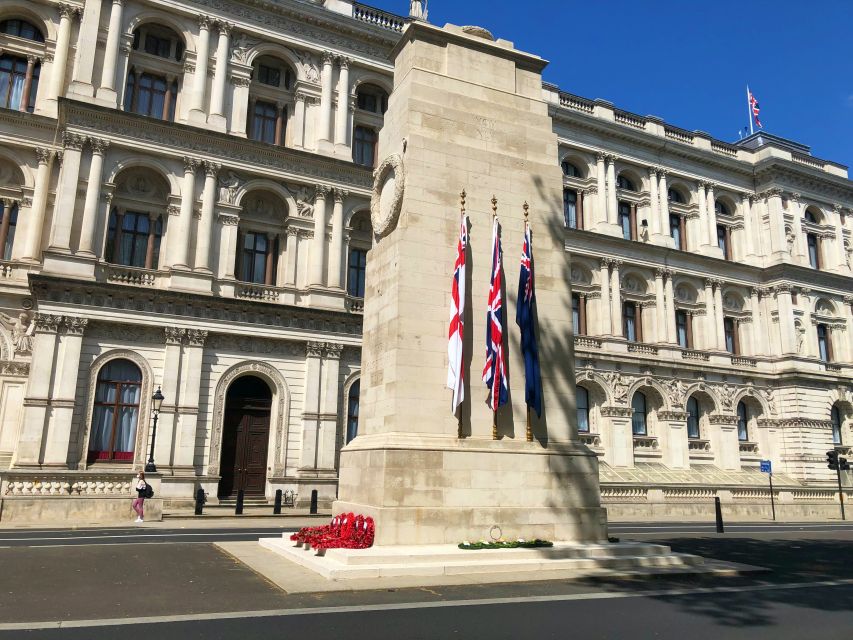
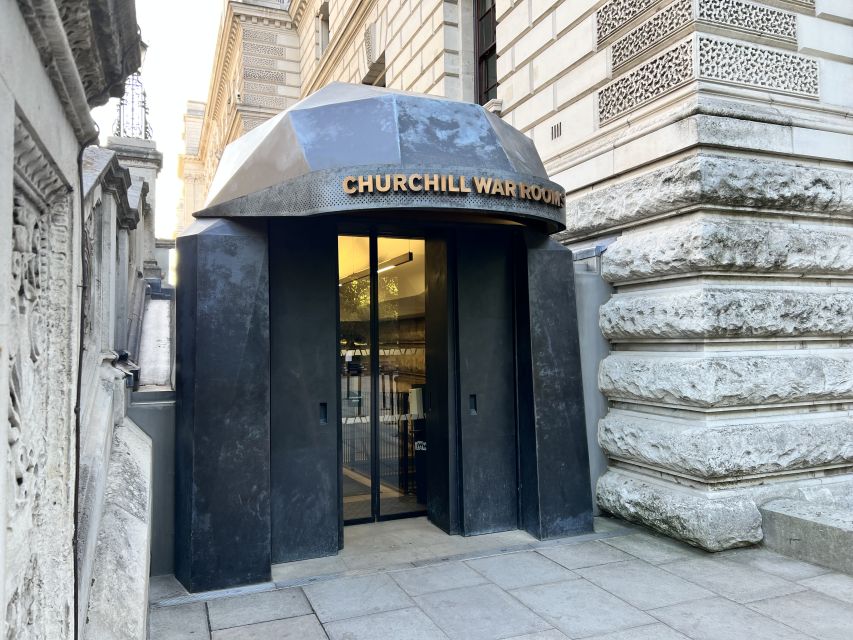
After the walking tour, you say goodbye to the guide and enter Churchill’s War Rooms. This handoff is important to understand before booking. The outdoor portion is guided live, but the museum portion is explored independently with an audio guide.
The War Rooms are the preserved underground bunkers used by Winston Churchill and his cabinet during the Second World War. You move through the network of corridors and rooms where strategy, communications, administration, and daily work continued beneath London.
The setting does much of the work. Narrow passages, functional rooms, maps, desks, and preserved equipment show the practical side of wartime leadership. You are not merely looking at a grand residence or a ceremonial office. You are seeing a working underground complex designed to keep government operating during air raids.
The audio guide lets you pause and choose your own pace. That is helpful if one room interests you more than another, or if you prefer to listen carefully rather than keep up with a live group. It also means you can spend time with the displays that appeal to your family or companions.
There is a trade-off. A live guide can answer a question immediately and adjust the story to the group. An audio guide cannot do that. The museum may also become crowded, making it harder to examine some exhibits closely. If you are visiting at a busy time, patience will help.
The War Rooms are substantial enough that you could easily want more time than the scheduled experience provides. If your tour starts later in the day, keep your attention on the main rooms and exhibits first. You may not have enough time to study every presentation in detail.
What the guides do best
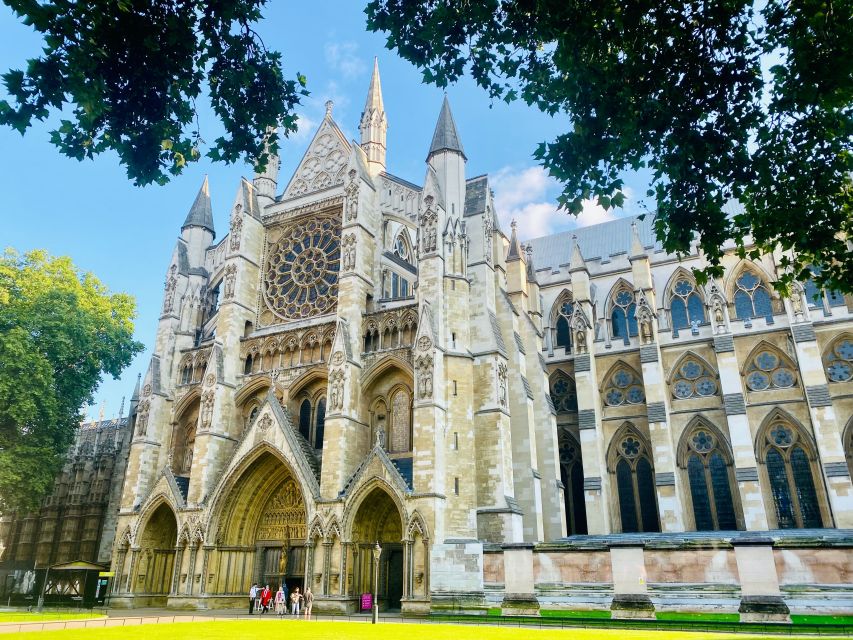
The highest value in this experience comes from the people leading the outdoor walk. The information is familiar in broad outline, but a good guide adds the small stories and connections that you would miss alone.
Nathan is repeatedly praised for strong narration, historical detail, humor, and a passionate presentation. His style is especially useful if you want context before entering the museum. He is described as bringing the people behind the events into focus, including those who worked alongside the major leaders.
Babs is another frequently praised guide. Her energy, warmth, and love of Churchill help keep the subject lively. She is also attentive to practical comfort, such as looking for shade on a warm day. That sort of awareness can make a difference during an outdoor walking tour.
Richard is known for humor, clear explanations, and an easy manner. Jeremy is praised for high energy, detailed delivery, and patient answers. Paul and Peter are also described as passionate guides with strong stories and the ability to adapt the presentation to the group.
You cannot choose a particular guide based on the information provided, so book this for the format and subject rather than for one individual. Still, the repeated praise for several guides suggests that the company has a strong bench of presenters.
The activity works for mixed ages. The stories and famous landmarks give younger visitors something concrete to follow, while the political and military context offers plenty for adults. One guide was able to hold the attention of a group ranging from a senior citizen to a tween. That does not mean every child will enjoy three hours of war history, but the storytelling approach helps.
Is $96 a fair price?
At $96 per person, this is not a cheap stroll. The price includes a live Westminster walking tour, a small shared group or private format, entry to Churchill’s War Rooms, and the museum audio guide.
The War Rooms admission is a major part of the value. If you already plan to visit the museum, adding a guided Westminster introduction can make the ticket feel worthwhile. You receive context before the exhibits, rather than entering cold and trying to connect every room to the larger story.
The small group also matters. Fifteen people or fewer gives the guide a better chance to answer questions and keep the group together. A private option costs more in many tour settings, though no private-tour price is provided here, so check the current rate before deciding.
I would not choose this tour simply to see Big Ben or Downing Street. You can view those sights without paying for a tour. I would choose it if you want an organized historical narrative and expect to value the War Rooms admission.
For someone with little interest in Churchill or the Second World War, the price may feel high. For a history-minded visitor who would buy a War Rooms ticket anyway, the outdoor briefing adds useful context and saves the trouble of arranging two separate activities.
Timing, security, and practical comfort
The full activity lasts three hours, with starting times based on availability. Your schedule matters because the museum portion is self-paced, and the War Rooms contain enough material to occupy more time than a quick visit.
All visitors must pass through security before entering the War Rooms. Do not bring large bags or luggage, and avoid planning this directly between airport transfers or hotel check-in with heavy belongings.
There is no hotel pickup or drop-off. You make your own way to Westminster Station and leave the War Rooms independently after the self-guided portion. That makes the tour easy to fit into a central London day, but you need to plan your onward route yourself.
Free cancellation is available up to 24 hours before the start time, and you can reserve now and pay later. Those terms help if your London schedule is still shifting, though you should confirm the current booking conditions when you reserve.
Who should book this Westminster experience?
I would recommend it most strongly to first-time London visitors who want to understand the famous government district, not just photograph it. It is also a good match for anyone already planning a Churchill War Rooms visit and looking for an informative introduction.
Families can benefit from the compact route and the mix of outdoor sights, human stories, and underground rooms. The subject is serious, but the guides use humor and anecdotes to keep it moving.
History fans will appreciate the attention to Churchill, the Battle of Britain, wartime government, and the people working behind the headlines. The experience also suits visitors who are not specialists. You do not need a long list of dates to follow the main story.
I would hesitate if you need step-free access, plan to bring a stroller, or dislike standing outdoors in uncertain weather. I would also think twice if you prefer a fully guided museum visit, since the War Rooms portion uses an audio guide.
Should you book it?
Book this tour if you want the War Rooms placed in their Westminster setting and value a lively guide before entering the bunker. The 4.9 rating from 669 ratings reflects a strong pattern of satisfaction, especially with the guides’ storytelling, humor, and command of the subject.
Skip it if you only want quick photos of Westminster’s landmarks or if you need a flexible museum visit with no fixed walking portion. For everyone else, the combination is well judged: a compact outdoor route, famous sights with wartime meaning, and entry to one of London’s most important twentieth-century museums.
FAQ
Where does the tour meet?
Meet by the Boadicea and Her Daughters Statue outside Westminster Station, Exit 2. Follow signs for Exit 2, Victoria Embankment, then take the stairs to street level. The guide will hold an orange Urban Saunters tour sign.
How long does the experience last?
The activity lasts three hours. Check availability for the available starting times.
Is the tour guided in English?
Yes. The walking tour is led by a live English-speaking guide, and the War Rooms section includes an audio guide.
Is Churchill’s War Rooms admission included?
Yes. Entry to Churchill’s War Rooms is included in the price, along with the audio guide used inside.
Is the activity suitable for wheelchair users?
No. The experience is not suitable for wheelchair users or people with mobility impairments.
Can I bring luggage or a stroller?
No. Baby strollers, luggage, and large bags are not allowed. All visitors must also pass through security before entering the War Rooms.
New listings around London
- Windsor Castle & Hampton Court Palace VIP Black Taxi Tour★ 4.9 · 14 reviews
- London Royal Tour – Buckingham Palace Entry – 12 guests 2,5h★ 4.9 · 14 reviews
- London: GoBoat Rental in Canary Wharf with London Docklands★ 4.2 · 14 reviews
- London: Christmas Party Dinner Cruise★ 3.9 · 14 reviews
- London: Traditional Afternoon Tea Tour in a Luxury Coach★ 4.7 · 15 reviews
- Hobbledown Heath One-Day Entry Ticket★ 4.2 · 15 reviews
- Iconic London: Bard, Beatles, Bond & Baker Street★ 4.9 · 15 reviews
- London: Sherlock Holmes Tour by Black Cab★ 4.9 · 15 reviews
London Tours, compared.

Westminster to Greenwich River Thames Cruise
Read our review →
Magical London: Harry Potter Guided Walking Tour
Read our review →