
Reviewed · LONDON TOURS
London: Rock ‘n’ Roll History Tour
London’s rock story is written across ordinary streets: a Chelsea shopfront, a Kensington flat, a Notting Hill club, and a north London crossing made famous by four pairs of walking feet. This 3.5-hour bus tour links those places into one fast-moving afternoon, with stops at Abbey Road and views of many other music landmarks from the coach.
I like two things right away. First, the route covers several London districts, so you get music history along with a useful look at Chelsea, Kensington, and Notting Hill. Second, guides such as Clive, Ian, Colin, and Steve bring plenty of stories and photographs to help you picture the people behind the addresses.
The trade-off is pace. London traffic is slow, and the large bus cannot stop at every site. Some places are quick views from your seat, while Abbey Road is the main photo stop. If you want a long, quiet visit at each landmark, this is not that kind of tour.
Key things to know before you book
- Abbey Road is the main hands-on stop: You get time to walk the famous crossing and take photographs.
- The route follows several music eras: Expect the 1960s, 1970s punk, Queen, reggae, and other London pop landmarks.
- Chelsea leads the story: King’s Road connects fashion, the Rolling Stones, the Beatles, Cream, and early punk.
- The guide makes the difference: Clive, Ian, Colin, Richard, Steve, and others have been praised for strong stories, humor, and local detail.
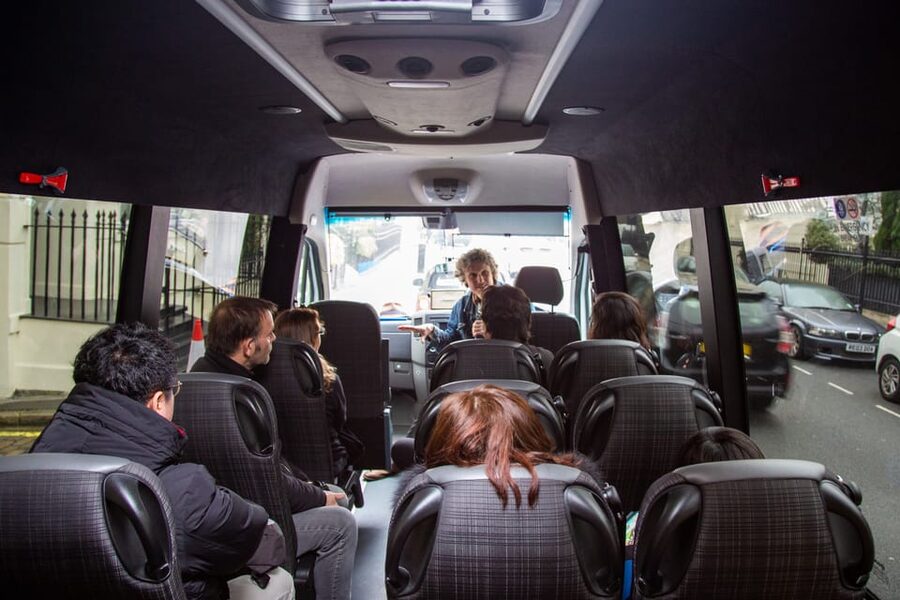
- The bus saves your feet: An air-conditioned coach links far-flung areas, useful if you cannot walk long distances, though the tour is not suitable for wheelchair users.
- The price is $74 per person: That is fair if you want broad coverage and live commentary rather than museum entry or an intimate walking tour.
Why London works so well as a rock museum

London’s music landmarks are not gathered in one neat quarter. They stretch from Chelsea in the west to St John’s Wood in the north, with Kensington and Notting Hill between them.
That spread is the reason the bus matters. On foot, you would spend much of the afternoon moving between districts. Here, you can watch the city pass by while your guide explains how musicians, clubs, record companies, fashion shops, and rented flats fitted together.
The experience focuses especially on the 1960s and 1970s. You will hear about the period when London’s counter-culture took shape, then about punk’s sharper, noisier challenge to the music business.
This is not a museum visit with display cases and headphones. It is a guided survey of real streets and former addresses. Some buildings have changed use, and some music sites are marked only by their location. The value comes from the story attached to the place.
More History Tours in London
- London: Historic Pubs of Central London Walking Tour
★ 4.9 · 1,065 reviews - London: Soho Music and Historic Pubs Walking Tour
★ 4.9 · 836 reviews - London: Royal Historic Pubs Walking Tour
★ 5.0 · 536 reviews
King’s Road and Chelsea’s music-and-fashion past
The tour heads first toward King’s Road, one of London’s best-known streets for fashion and youth culture. Its shops and clubs helped make Chelsea a meeting point for musicians, designers, and the wider counter-culture.
Here, the guide connects the street to the Rolling Stones, including a flat shared by members of the band and places associated with Mick Jagger and Marianne Faithfull. You also hear about the Chelsea Drug Store, a famous name from the area’s 1960s identity.
The Beatles appear in the Chelsea story too, through places linked to album history. Eric Clapton’s Cream years also enter the tale, along with Chelsea locations connected with celebrity weddings.
The useful part is the mix. You are not only ticking off band names. You are seeing how fashion, nightlife, relationships, and music overlapped in one London district.
Do not expect a long walking tour of King’s Road. The bus route gives you context and views, but traffic and narrow streets limit the time spent outside. Bring your attention to the guide’s descriptions, and keep your camera ready when the coach slows near a site.
Punk arrives in the streets
The route then moves through places tied to the birth of London punk. You may pass former gig sites, recording studios, shops, and other addresses linked with the Sex Pistols, The Clash, Poly Styrene, and X-Ray Spex.
This section changes the tone of the tour. The earlier stops focus on stars, fashion, and celebrity culture. Punk brings a different message: small venues, direct songs, attitude, and a refusal to wait for permission.
The locations matter because punk was never only a sound. It was also a look, a shopping habit, a club scene, and a reaction to the polished music world that came before it.
The tour does not promise entry into these former venues or studios. You will mostly see sites from the bus, with the guide explaining what happened there. That can feel brief, but it lets you cover more ground and place the punk story within the wider route.
Kensington, where Queen took shape
Kensington supplies one of the tour’s most important band stories. This is where Queen formed, where album parties took place, and where Freddie Mercury lived.
For Queen fans, these details give the neighborhood a personal connection. You are not only hearing about concerts and records. You are following the early working life of a band that grew from local London surroundings into one of the world’s biggest acts.
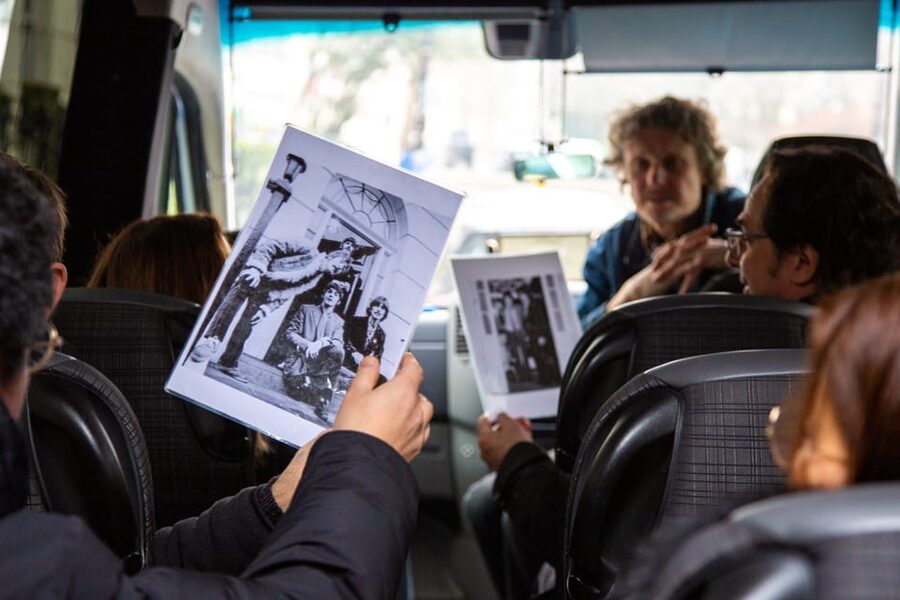
The guide may use photographs or an image album to show how streets and buildings looked during the period being discussed. That visual help is especially useful when a former home or office has no obvious public sign.
Kensington also adds a break from the narrow focus on music. The tour points out other London sights along the way, so you get a broader sense of the districts connected to the artists.
Elsewhere in London, a change of pace:
- From London: Harry Potter Warner Bros Studio Tour
★ 4.7 · 26,588 reviews - London: Westminster to Greenwich River Thames Cruise
★ 4.5 · 22,836 reviews - Magical London: Harry Potter Guided Walking Tour
★ 4.7 · 22,044 reviews - London: Madame Tussauds London
★ 4.6 · 20,915 reviews
Notting Hill’s reggae and counter-culture story
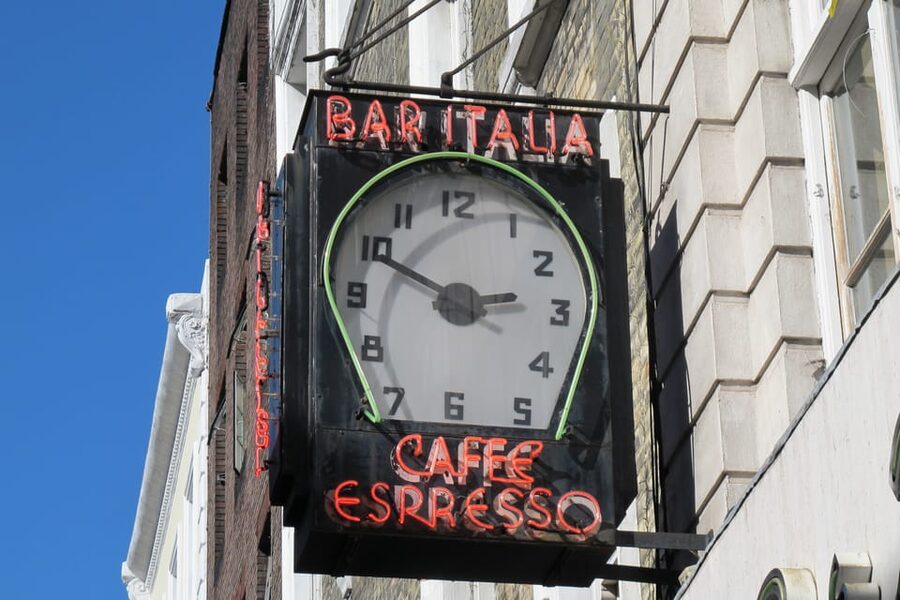
Notting Hill brings another layer to the afternoon. It has long been associated with London’s Caribbean community and with the city’s reggae scene.
The music story here includes the neighborhood’s connections with hippies and punks. That combination helps explain why Notting Hill became such an important meeting point for different groups and sounds.
This is one of the tour’s strongest features for anyone who wants more than a Beatles-and-Queen checklist. London rock history did not happen in isolation. Caribbean music, migration, fashion, youth movements, and local nightlife all helped shape the city’s sound.
The route also includes places connected with Jimi Hendrix, including addresses where he lived, played, and died. Those stops bring a more serious note to the tour. Hendrix’s London story was short, but his presence here was significant.
As in Chelsea and Kensington, you should expect exterior views and commentary rather than lengthy visits inside buildings. The bus lets you cover the district efficiently, but you will not have much time to wander Notting Hill independently.
The Beatles, Jimi Hendrix, and the final Abbey Road crossing
The Beatles return in the later part of the tour through former homes, gig sites, and the location of the Get Back rooftop concert.
That rooftop performance has a special place in pop history because it turned an everyday city building into a concert stage. Seeing the site from the street gives you a quick link to that famous final public performance by the group.
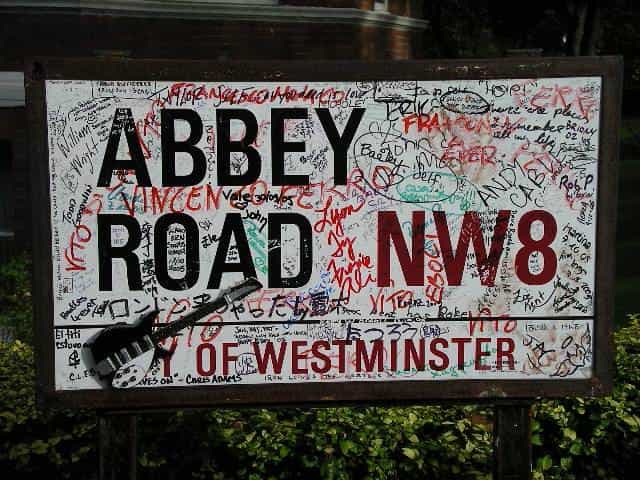
The tour ends at Abbey Road, where you get the clearest chance to step out and take part in the story. The crossing is a working public road, not a stage set, so you need to be alert and follow the guide’s instructions.
This is the moment to have your phone or camera ready. Guides have taken photographs for each group, and the stop is designed to give you a proper chance to recreate the famous image.
Abbey Road can be crowded, and you may need to share the crossing with traffic and other people taking pictures. Still, it is the most satisfying part for many music fans because you are not simply looking at a former address. You are walking across the place itself.
The tour does not include entry to Abbey Road Studios. The appeal is the exterior and the crossing, plus the connection to the Beatles album cover.
What the bus adds, and what it cannot do
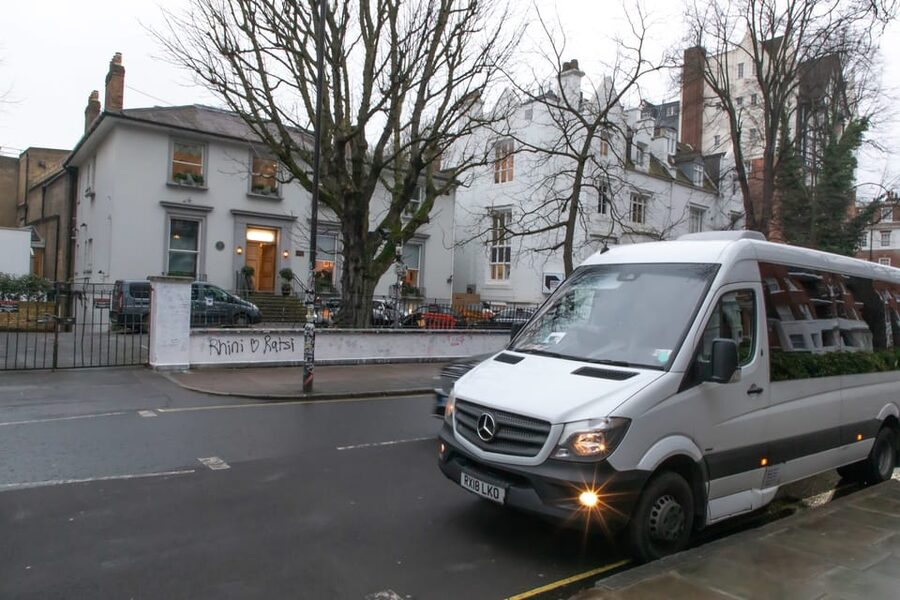
The air-conditioned bus is a practical choice for this route. Chelsea, Kensington, Notting Hill, and St John’s Wood are not close enough to cover comfortably in one short walking outing.
The coach also gives you shelter on cold or rainy days. One particularly useful advantage is that you can see a lot of London without spending the whole afternoon on pavements. Several people have found the bus comfortable, roomy, and cool in warm weather.
A skilled driver matters here. London’s narrow streets and heavy traffic can make a large vehicle awkward, yet drivers such as George, Dave, Paul, and Sylvius have been praised for calm handling and careful navigation.
The downside is visibility. A large bus cannot pull over at every interesting doorway, and some views may be short. If your main goal is to photograph every former home, a small private walking tour would suit you better.
You should also wear comfortable shoes. Even though most of the route is by coach, you will leave the bus at Abbey Road and may have additional brief stops or walking moments.
The guide is the heart of the experience
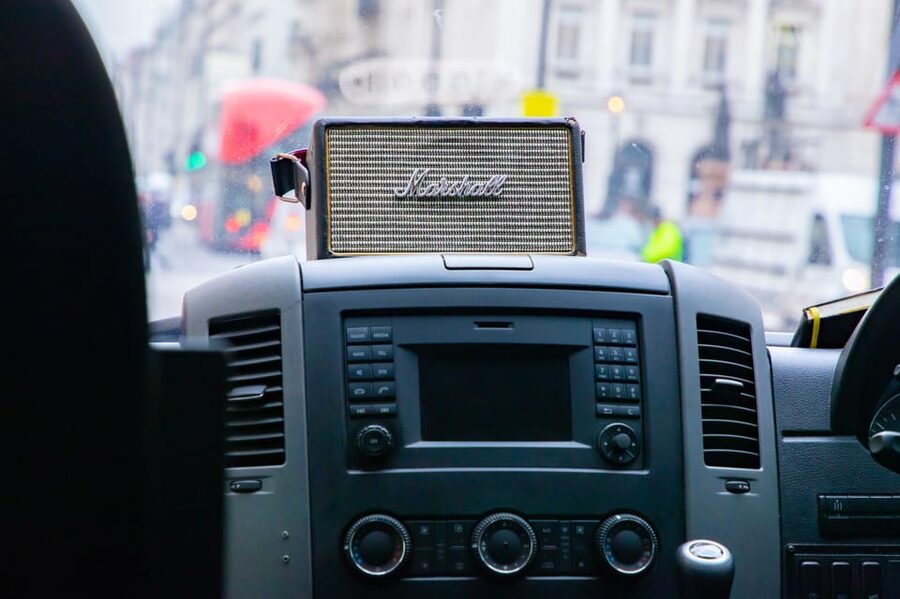
The music facts are important, but the guide determines how much you get from them. A dry list of addresses would quickly become tiring. The strongest guides turn each site into a small story, often adding photographs, connections between artists, and details about London life at the time.
Clive has been singled out for detailed explanations and for using a photo album to give the past a clearer shape. Ian is known for lively banter and broad knowledge of classic rock. Colin has a reputation for careful preparation, wit, and a steady pace.
Richard has helped with Abbey Road photographs, while Steve has been praised for connecting music sites with song lyrics and the wider history of the neighborhoods. Names can vary by departure, so you should treat these as examples rather than a promise of a particular guide.
The English-only format works best if you are comfortable following a fast spoken tour. Music fans who already know the major bands will still find extra value in the addresses and local connections. If you are only mildly interested in rock, the neighborhood commentary keeps the tour from becoming a three-hour list of obscure musicians.
How much time do you really get?
The advertised duration is 3.5 hours, though one outing ran longer while still covering the planned sights. That is helpful if the guide is finishing a story or traffic slows the bus, but leave some space in your schedule afterward.
The route has a lot to cover. You move through four notable London districts and several decades of music, so the pace can feel quick. One person found it moved a little fast, while others liked the rhythm and felt the tour covered an impressive amount in one afternoon.
Think of this as an overview that helps you decide where to return later. You may spot a former studio, pub, or home that deserves a slower visit. Take notes if you want to build your own music-themed walking route afterward.
Arrive at least 10 minutes early for check-in. Until March 31, 2026, the meeting point is the Duke of York Column in St James’s, about a five-minute walk from Piccadilly Circus or Charing Cross stations.
From April 1, 2026, departures move to the Millennium Gloucester Hotel in Kensington. Wait by the hotel’s casino entrance, a few minutes from Gloucester Road Underground Station. Check your booking date carefully because the meeting point changes.
There is no hotel pickup or drop-off. Plan your route to the meeting point and allow extra time for London transport.
Is $74 good value?
At $74 per person, this is not the cheapest way to see London streets. It is reasonably priced if you value a live guide, an air-conditioned coach, and coverage of several districts in a single outing.
The tour includes transportation, the English-speaking guide, the music history route, and the Abbey Road stop. It does not include museum admission because the experience is built around exterior sites and street locations.
I see the price as good value for three kinds of people. First, it suits a dedicated music fan who wants many landmarks without arranging several separate visits. Second, it works for someone who wants to see more of London but cannot manage a long walking day. Third, it is a useful introduction if you want ideas for a later, slower exploration.
The value is weaker if you want private attention, long photo stops, or entry into studios and former clubs. You are paying for coverage and storytelling, not exclusive access.
Free cancellation up to 24 hours before departure and the option to reserve now and pay later make planning less rigid. Those terms are useful, but the real booking decision should rest on whether you enjoy guided sightseeing from a coach.
Who should book this rock history tour?
I would recommend it to Beatles, Queen, Rolling Stones, Cream, Jimi Hendrix, punk, and reggae fans. You do not need encyclopedic music knowledge, but a little interest in British pop culture will make the stories land better.
It also suits solo visitors. The bus gives you a ready-made afternoon plan, and the Abbey Road photo stop is easier when the guide helps take pictures.
The tour can work well for families with older children and for parents who want a music-focused activity instead of another standard sightseeing loop. Younger children with no interest in music may find the commentary long.
People with limited stamina may appreciate the coach and the small number of major stops. However, the experience is not suitable for wheelchair users, and you should still be able to get on and off the bus and walk at Abbey Road.
Choose another format if you want to spend hours inside music museums, attend a concert, or explore one neighborhood in detail. This is a broad city tour, not a specialist archive visit.
Should you book it?
Book this tour if you want London’s rock story told as a connected city tale. You will see where artists lived, played, recorded, partied, and changed the culture, then finish by walking Abbey Road.
I especially recommend it early in a London stay. The route introduces Chelsea, Kensington, Notting Hill, and St John’s Wood, and it may show you districts you would not otherwise reach.
Skip it if you dislike bus tours or need long periods at each site. But if $74 fits your budget and you want a lively, efficient afternoon with strong music stories, this is a sensible pick. Keep your shoes comfortable, arrive early, and save your best camera shot for Abbey Road.
FAQ
How long does the London Rock ’n’ Roll History Tour last?
The tour lasts 3.5 hours. One outing ran longer, so it is sensible to leave a little flexibility after the scheduled finish.
What neighborhoods does the tour visit?
The route covers Chelsea, Kensington, Notting Hill, and St John’s Wood. It also includes stops or views connected with King’s Road and Abbey Road.
Is Abbey Road included?
Yes. The tour includes a visit to Abbey Road and a photo stop at the famous street crossing.
Is transportation provided?
Yes. Transportation is provided by an air-conditioned bus. Hotel pickup and drop-off are not included.
Where does the tour meet?
Until March 31, 2026, meet at the Duke of York Column in St James’s, about five minutes from Piccadilly Circus or Charing Cross stations.
From April 1, 2026, meet at the Millennium Gloucester Hotel in Kensington, near Gloucester Road Underground Station. Wait by the hotel’s casino entrance.
What language is the tour in?
The live tour guide speaks English, and the tour is conducted in English.
Is the tour suitable for wheelchair users?
No. The experience is listed as unsuitable for wheelchair users. Comfortable shoes are recommended.
New listings around London
- London: Hampton Court Private Guided Tour★ 3.4 · 15 reviews
- London: Secrets of Freddie Mercury Tour with a Cocktail★ 4.1 · 15 reviews
- London: Jack the Ripper Tour and Underground Prison in Spanish★ 5.0 · 15 reviews
- Spanish Language : Original Harry Potter Walking Tour★ 4.5 · 15 reviews
- London: Private Couples Photography Session with Landmarks★ 5.0 · 15 reviews
- London: The Saturday Supershow Cabaret at Phoenix Arts Club★ 4.5 · 15 reviews
- London: 2-Hour Guided Tour of the British Museum★ 4.7 · 16 reviews
- London’s Ghosts & Gruesome Past Nighttime Walking Tour★ 4.8 · 16 reviews
London Tours, compared.

Westminster to Greenwich River Thames Cruise
Read our review →
Magical London: Harry Potter Guided Walking Tour
Read our review →


Warner Bros. Studio Harry Potter Tour with Transfers
Read our review →Browse the lists this tour appears in