Reviewed · TICKETS
Milton Keynes: Bletchley Park Entry Ticket
Bletchley Park is where wartime secrecy meets human ingenuity. Inside the mansion, huts, and blocks, you follow the work of Alan Turing and thousands of codebreakers who attacked enemy ciphers while Britain tried to keep the place invisible. The Enigma machines and early computers are the stars, but the personal stories give the site its real force.
I like the free one-hour guided tour, which helps you understand a complicated subject before you tackle the exhibits alone. I also like the 12-month return privilege, because one day is rarely enough for the huts, films, outdoor areas, and technical displays. The main drawback is simple: the site is large, and limited parking can fill early.
Key points to know before you go
- The annual ticket is unusually good value: Your one-day admission also allows free return visits for 12 months.
- The guided tour gives you a useful starting point: Register at the information desk for a free one-hour tour, subject to availability.
- The wartime huts are the heart of the visit: You can enter authentic buildings connected with codebreaking work.
- The Enigma story is only part of the site: Exhibits also cover people, secrecy, machines, modern computing, and daily life.
- Plan for several hours: A half day is the minimum sensible visit, while five hours or more may still leave buildings for another day.
- Arrive early by car: On-site parking is free but limited. Bletchley train station is only a few minutes away on foot.
Why Bletchley Park matters
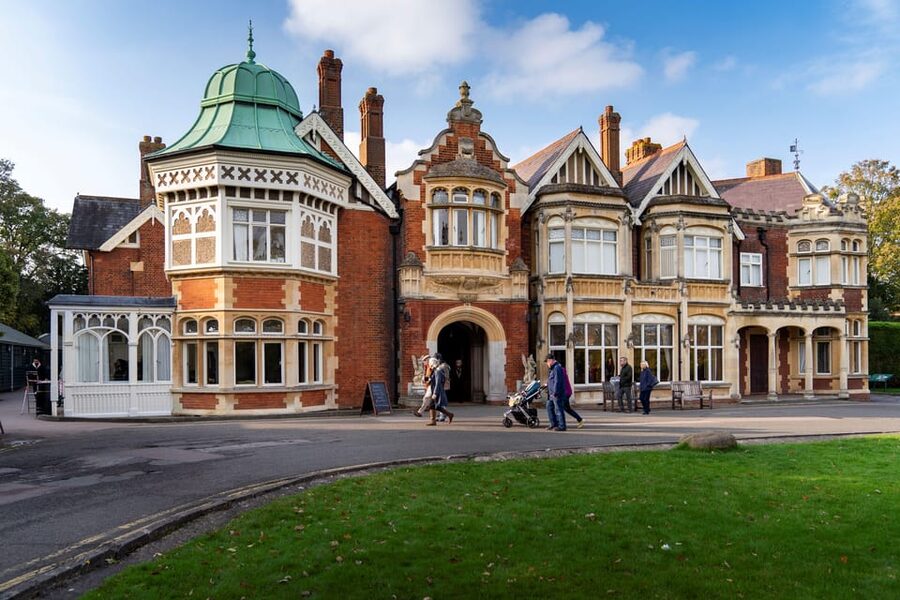
Bletchley Park was once one of the most secret places in the world. During the Second World War, mathematicians, linguists, engineers, clerks, administrators, and military staff worked here to read enemy communications.
The work was not simply a matter of finding a machine and turning a handle. Codebreaking required pattern recognition, mathematics, disciplined teamwork, fast decisions, and machines designed for very specific problems. The site shows how these skills came together.
The achievement had a major effect on the Allied war effort. The information produced here helped the Allies understand enemy plans and communications. The secrecy was so strict that many people who worked at Bletchley Park could not tell their families what they did.
That silence is part of the atmosphere. You walk through ordinary-looking buildings and then learn that work inside them influenced the course of the war. The contrast between the quiet grounds and the importance of the work is one of the most memorable parts of the visit.
A handful of other Britain outings to weigh up
- London: The London Eye Entry Ticket
★ 4.6 · 35,875 reviews - London: Tower Bridge Entry Ticket
★ 4.7 · 15,560 reviews - London: Westminster Abbey Entrance Ticket
★ 4.6 · 11,254 reviews
Start at the mansion and get your bearings
Bletchley Park is not a single museum hall. It is a historic estate with a mansion, wartime huts, blocks, gardens, paths, exhibitions, cafés, and outdoor areas.
Begin at the mansion if you can. It helps you understand the setting before the technical displays take over. The building also gives a sense of the unusual mix of people and duties that made the wartime operation work.
At the information desk, collect a map and ask about the free guided tour. The tour lasts about an hour and is available subject to registration and staffing. I would make this one of your first decisions, since it gives structure to a large site.
A few visitors have found the welcome slightly unclear when they were not told where to start or that free headphones were available. Ask directly about the map, audio guide, and tour registration. That small step can save you time and help you get your bearings fast.
The huts and blocks show the human side
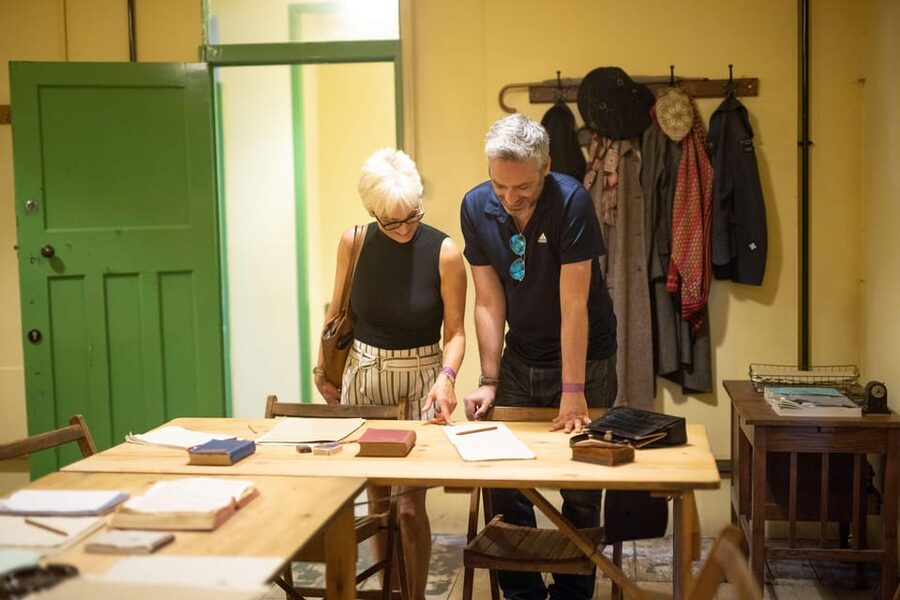
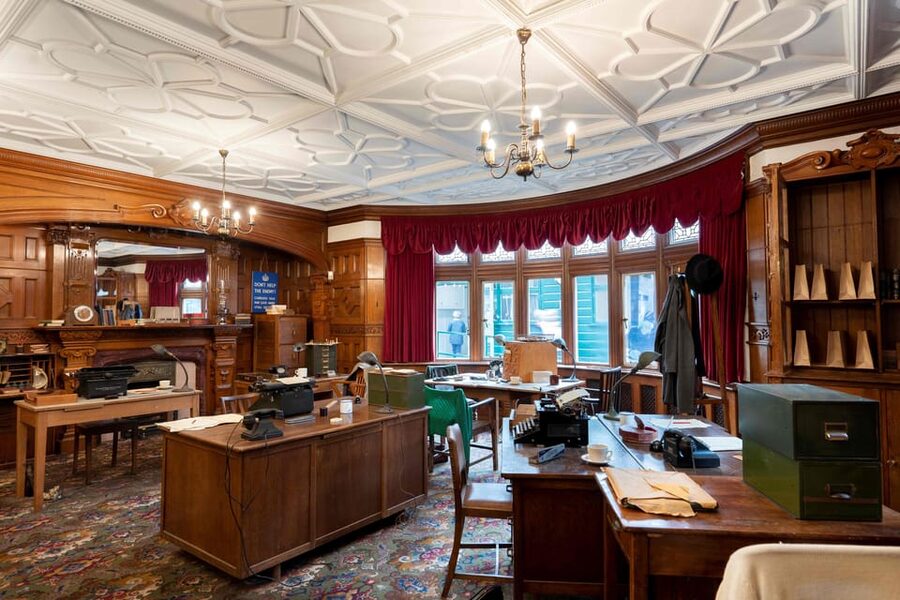
The authentic huts and wartime blocks are the most atmospheric part of Bletchley Park. Their modest appearance makes the work feel more real. This was not a grand command centre in the popular sense. It was a collection of busy workplaces where people handled messages, tested ideas, and tried to make sense of coded information.
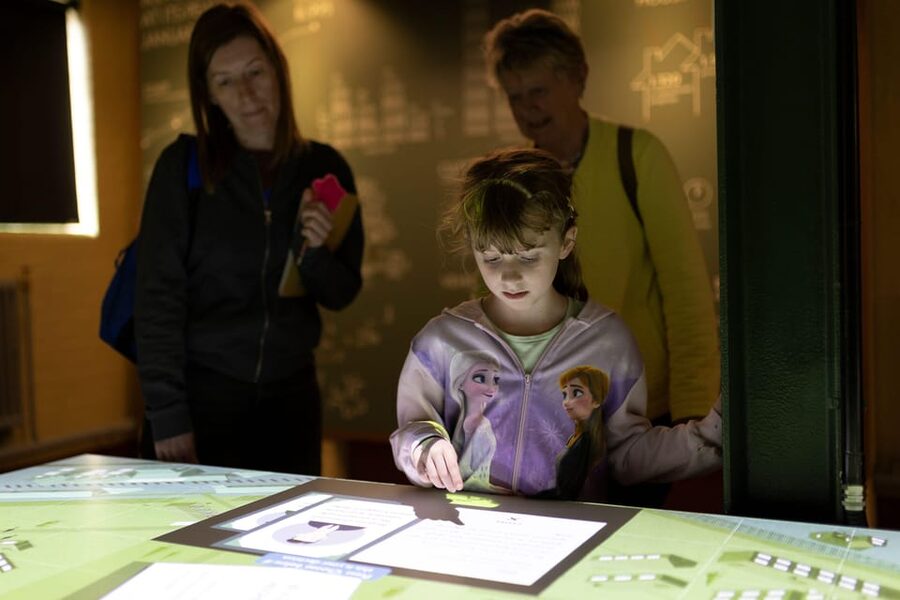
Set-dressed rooms and interactive displays help explain what happened in these buildings. You can hear about the people who worked there and see how secrecy shaped their lives. The personal details matter because the subject can otherwise become a blur of machines, letters, and technical terms.
The site eventually involved more than 8,000 people. That scale is hard to grasp from a book, but the spread of buildings helps you understand how large the operation became.
Allow plenty of walking. Paths connect the buildings, and some routes may feel tiring if you are trying to see everything in one visit. Comfortable shoes are a better choice than high heels, which are not allowed. Seating, shade, and tables are available in the grounds, useful on hot days or when you need a pause between exhibitions.
Take the guided tour before tackling the details
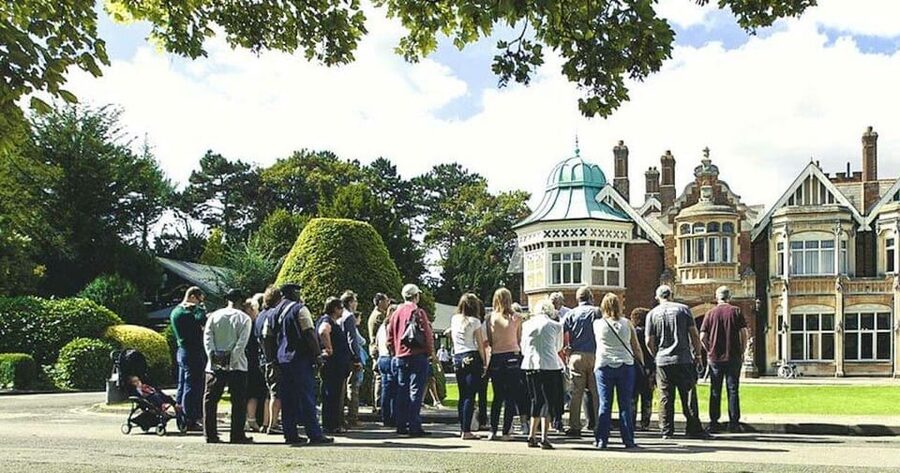
The free guided tour is one of the best ways to make sense of the visit. Guides such as John, David, and Sheila have been praised for adding stories and context rather than simply pointing out rooms.
The tour lasts one hour, so it does not take over your day. It gives you a framework: why the site existed, how the departments worked, and how the codebreakers’ efforts fitted into the wider war.
A strong guide can also explain unfamiliar terms. One practical issue is that displays sometimes use specialist language before you have learned what it means. The term bombe, for example, may need explanation if you have not studied codebreaking before.
Hearing is worth considering. One guide was reported to speak too quietly for some older listeners. Stand near the guide, ask for clarification, and use the free audio guide for a second explanation when available.
If you prefer to move at your own pace, skip the tour and use the audio commentary. The audio guide offers a detailed route through the site, and it works well for people who want to stop often or avoid a fixed group.
Elsewhere in Britain, a change of pace:
- From London: Harry Potter Warner Bros Studio Tour
★ 4.7 · 26,588 reviews - London: Westminster to Greenwich River Thames Cruise
★ 4.5 · 22,836 reviews - Magical London: Harry Potter Guided Walking Tour
★ 4.7 · 22,044 reviews - London: Madame Tussauds London
★ 4.6 · 20,915 reviews
Understand Enigma without needing a mathematics degree
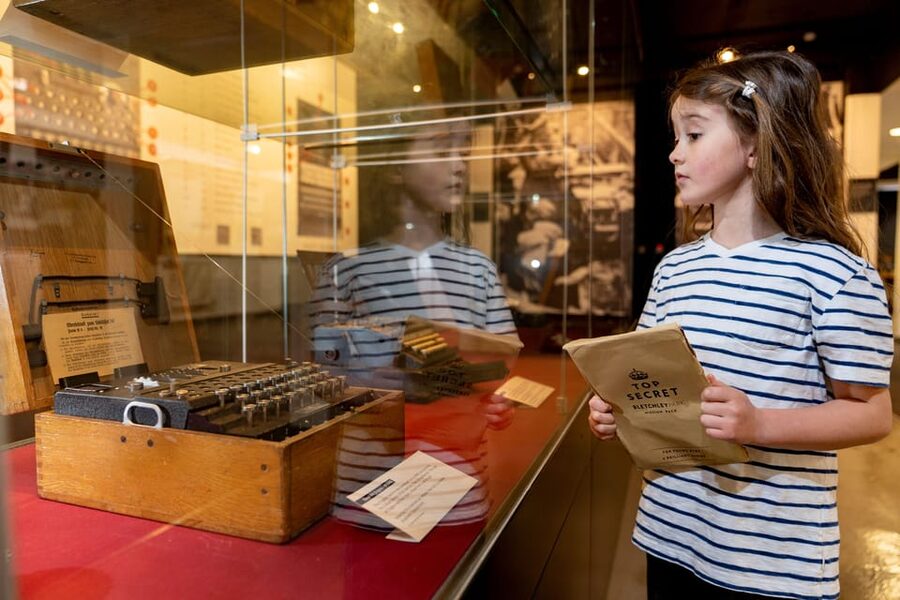
The Enigma displays explain why the German cipher system was so difficult to break. The machines used changing settings and complex combinations, so a message intercepted one day could not simply be read by applying the same method the next day.
Bletchley Park also explains the work needed around the machines. Human judgment remained central. The codebreakers had to spot patterns, test theories, reject bad leads, and act quickly when a promising line appeared.
The exhibits use films, hands-on activities, displays, and machines to make the subject more approachable. Still, some sections may feel dense if you arrive with no background. Give yourself time to read, and do not feel you must understand every technical detail on the first pass.
The best way to enjoy this part is to focus on the problem-solving. Ask yourself what the codebreakers knew, what they did not know, and how each small clue could narrow the possibilities.
See the birthplace of modern computing
Bletchley Park is also important for the development of modern computing. The machines built for codebreaking were created to handle tasks that were too slow or difficult for people to complete by hand.
This section connects wartime urgency with later technology. You can see how a specific military problem pushed engineers and mathematicians toward new ways of processing information.
The appeal is not limited to computer enthusiasts. I found the larger lesson more interesting: new technology did not replace human thought. It extended what people could test and calculate, while the crucial questions still came from people.
There are displays about artificial intelligence too. You might expect this section to feel separate from the wartime story, but it helps connect Bletchley’s experiments with the wider history of computing. If you have children or teenagers with you, the interactive elements may hold their attention better than long text panels.
Films and interactive displays keep the visit moving
Bletchley Park does a good job of mixing quiet reading with things you can watch and operate. Films provide a quick route into the story, while hands-on elements give younger visitors a reason to stay with the subject.
The displays cover more than the famous names. Alan Turing is an important part of the story, but the site also presents the work of the wider community. That broader view prevents the visit from becoming a single-person biography.
The presentation is generally clear, with signs that are easy to read. Some displays use period-style design, which supports the wartime setting without turning the place into a theme park.
The balance is not perfect for everyone. If you want a simple demonstration of exactly how a cipher works, you may find parts of the visit confusing. An audio guide or guided tour is especially useful here.
Give yourself at least half a day
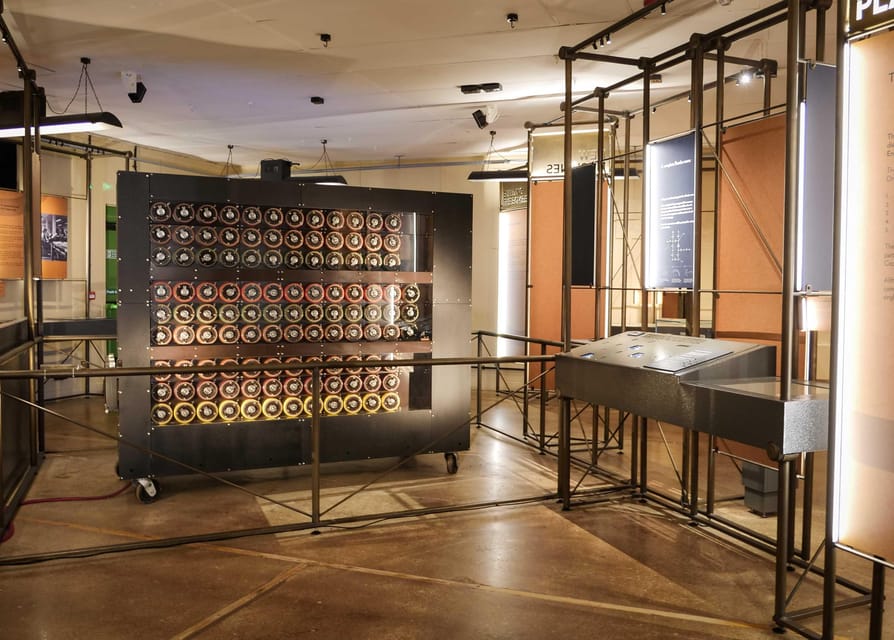
The official advice is to allow at least half a day. That is a sensible minimum, not an ambitious target.
Three hours can give you a worthwhile visit if you focus on the mansion, a few key huts, and the main exhibitions. Four to five hours gives you time for the guided tour, audio material, films, outdoor spaces, and a meal.
Even after five hours, you may not see every building. That is where the annual pass becomes important. Instead of rushing through the final exhibits, you can return later and focus on another part of the site.
A good first visit might look like this:
- Arrive soon after opening and collect a map.
- Register for the guided tour if one is available.
- Explore the mansion and the main wartime buildings.
- Use the audio guide for sections you want to study more closely.
- Stop for food and take a break outdoors.
- Finish with the computing and interactive displays, or save them for a return visit.
Opening hours vary by season. From March to October, Bletchley Park is open from 9:30 am to 5:00 pm, with last admission at 4:00 pm. From November to February, it closes at 4:00 pm, with last admission at 3:00 pm.
Food, parking, and getting there
Food and drinks are not included, but you can buy them at the on-site café and coffee shop. That makes a longer visit easier, especially since the grounds offer places to sit.
Parking is free but limited. Arriving early is the safest plan, particularly on busy days and special event weekends. There are disabled parking spaces and two electric vehicle charging points, but spaces remain limited.
By train, Bletchley Park is only a few minutes’ walk from Bletchley station. For driving directions, use Sherwood Drive, MK3 6DS in your navigation system. The formal postal address may send you to the wrong place.
The site is wheelchair accessible, with accessible toilets and parking. One wheelchair user found it easier to explore independently rather than use the audio guide, so you can choose the pace and format that suits you.
The $37 price makes more sense if you return
At $37 per person, this is not a cheap quick museum stop. The value comes from the amount of time you can spend there and the free return visits for 12 months.
If you live nearby or will be in the area again, the annual reentry changes the calculation. You can return for a shorter visit, catch exhibitions you missed, or come back in better weather after an interrupted first day.
The ticket includes the mansion, huts, blocks, exhibitions, outdoor spaces, multimedia guide subject to availability, and guided tour subject to availability. Parking is also free when spaces are available.
The price is less attractive if you only have an hour or two. You will see something, but you will not get the full value from the grounds and multiple buildings. If your schedule is tight, treat Bletchley Park as a main destination rather than a quick stop between other towns.
Special event weekends can add extra performances, period dress, music, and activities. These may make the visit more lively, but they can also mean more people and less quiet inside the buildings. Check the calendar if you prefer a calm museum day.
Who will enjoy Bletchley Park most
You should book this if you like wartime history, espionage, engineering, mathematics, computing, or stories about ordinary people doing difficult work under pressure.
Families can make a full day of it thanks to films, interactive displays, and open space. Children may not follow every technical explanation, but the machines, secret messages, and hands-on activities give them several ways into the story.
It also suits solo visitors and couples who want to set their own pace. The audio guide allows you to linger over one subject or move on when a display becomes too technical.
You should be prepared for reading and walking. The site is not a short, tightly scripted attraction. It rewards patience, curiosity, and a willingness to connect information from several buildings.
Personal photography is allowed, but tripods and professional equipment need permission. Pets are not allowed, apart from assistance dogs. Bikes, skateboards, skates, chewing gum, and high-heeled shoes are also prohibited, and minors cannot enter unaccompanied.
Should you book Bletchley Park?
Yes, if you can spare at least half a day. The strongest reasons are the authentic huts, the clear presentation, the free guided tour, and the chance to return for a year.
Book early in the day if you are driving, and register for the tour as soon as you arrive. Bring comfortable shoes, allow time for lunch, and use the audio guide if the technical displays begin to blur together.
I would not choose it as a rushed add-on. I would choose it as the main event, then return later for the buildings you missed. At $37, that flexibility makes this one of the better-value historic attractions in the Milton Keynes area.
FAQ
How long should I spend at Bletchley Park?
Allow at least half a day. Three hours can cover the main highlights, but four to five hours is more comfortable if you want the guided tour, audio guide, exhibitions, outdoor areas, and time for food.
Does the ticket allow return visits?
Yes. Admission includes free return visits for 12 months, provided you keep the ticket according to the admission terms.
Is there a guided tour?
A free one-hour guided tour is available subject to availability. Register at the information desk when you arrive.
Is an audio guide included?
A free multimedia or audio guide is available subject to availability. Ask at the entrance or information desk, as it may not be explained automatically.
How do I reach Bletchley Park by train?
Bletchley Park is a few minutes’ walk from Bletchley train station.
Is Bletchley Park wheelchair accessible?
Yes. The site has accessible facilities, including accessible toilets and disabled parking spaces.
New listings around Britain
- Brighton Delicious Donut Adventure by Underground Donut Tour★ 5.0 · 14 reviews
- From Cambridge: Guided Day Tour to Bath and Stonehenge★ 4.8 · 14 reviews
- From Southampton: Stonehenge & Salisbury Private Day Trip★ 4.9 · 14 reviews
- Edinburgh: Stirling, Whisky & St Andrews Tour in Italian★ 3.9 · 14 reviews
- Blackpool: Viva Decades Rewind Show Ticket★ 3.9 · 14 reviews
- Royal Horticultural Society: Harlow Carr Garden Ticket★ 4.7 · 14 reviews
- London: GoBoat Rental in Canary Wharf with London Docklands★ 4.2 · 14 reviews
- London Royal Tour – Buckingham Palace Entry – 12 guests 2,5h★ 4.9 · 14 reviews
Tickets, compared.
Buckingham Palace: The State Rooms Entrance Ticket
Read our review →