
Reviewed · LONDON TOURS
Night Photography Tour in London
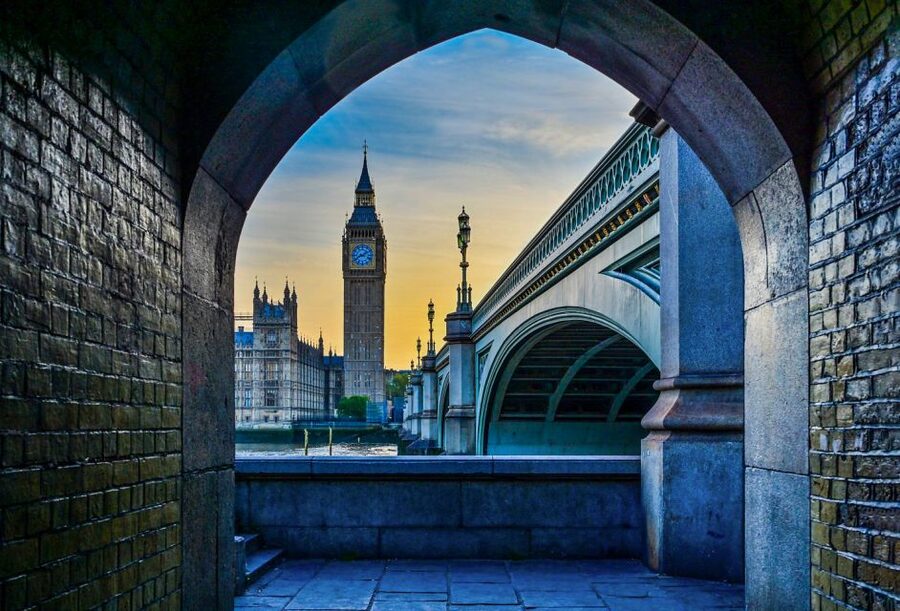
London after dark gives you more than pretty lights. It gives you reflections on the Thames, glowing landmarks, passing buses, and a useful reason to slow down and frame the city carefully. This private 2.5-hour photography walk moves from Westminster to Tower Bridge, with a professional guide helping you make better night images as you go.
I like the personal coaching, especially for anyone who owns a camera but rarely changes it from automatic mode. I also like that the guide can work with both a proper camera and a smartphone, and that David has been praised for patiently helping with both. The main catch is practical: you need a tripod, or you must hire one for £30.
Key points to know before you book
- Three major night views: Photograph the London Eye, St Paul’s Cathedral, and Tower Bridge from different parts of the Thames.
- Personal instruction: Your guide adjusts advice to your skill level, including low-light settings and long exposure.
- Private group format: The $282.87 price covers up to five people, making the cost more reasonable when shared.
- Camera or smartphone friendly: You can join with a DSLR, mirrorless camera, or smartphone.
- Tripod required: Bring your own or hire one for £30 during the tour.
- A lesson you can keep using: An electronic guidebook arrives after the tour with more tips and techniques.
Why London at night works so well for photography
The best part of this experience is the way it turns a sightseeing walk into a practical photo lesson. You are not simply shown famous buildings and sent on your way. You are encouraged to notice how light, water, movement, and framing change a familiar view.
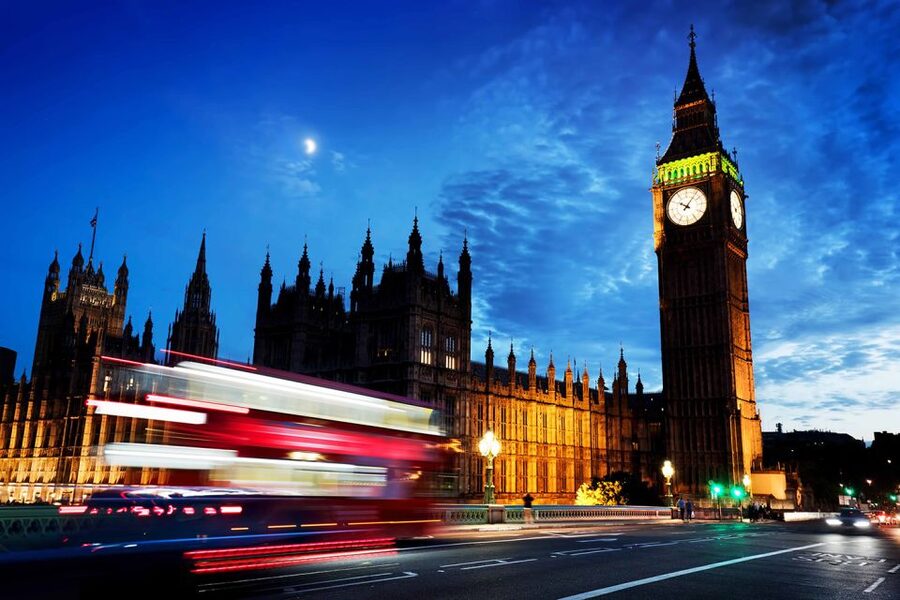
The Thames does much of the work. Its reflections can add a second layer to the London Eye, Big Ben, St Paul’s Cathedral, or Tower Bridge. City lights provide bright subjects, while dark water and sky give your pictures contrast. Double-decker buses add movement and color, which can make a carefully timed exposure feel distinctly London.
I also like the timing of the route. The tour does not try to cover every landmark in the city. Instead, it links three strong photo locations along the river, giving you time at each stop rather than rushing through a long list of sights.
Your guide can help you understand why a shot works, not just where to point the camera. That matters at night, when a small change in position can reduce glare, improve a reflection, or place a landmark more cleanly in the frame.
More photo sessions in London:
- London: Private Photoshoot with Video Clip Option
★ 4.8 · 182 reviews - London: Private Landmark Tour with Professional Photographer
★ 4.7 · 91 reviews - London Customisable 30 minute photoshoot
★ 4.7 · 45 reviews
Meeting outside Caffè Nero at Westminster station
The meeting point is outside Caffè Nero near Westminster station. This is a useful starting place because you can reach it by Underground, but the exact starting time depends on availability when you book.
Arrive ready to walk and ready to begin. Your guide will need to spend time explaining settings and helping you make images, so you do not want to use the opening minutes sorting out batteries, memory cards, or a tripod.
The tour is conducted in English and operates as a private group. That is a major advantage if you are learning. You can ask basic questions without worrying about holding up a large mixed group, and a couple or family can focus on the kind of pictures they actually want to make.
The format also suits different skill levels. A beginner may need help with camera controls, while a more experienced photographer may want advice on long exposures, reflections, or composition. The guide’s coaching is tailored to you rather than delivered as a fixed speech.
The London Eye and the first 45 minutes
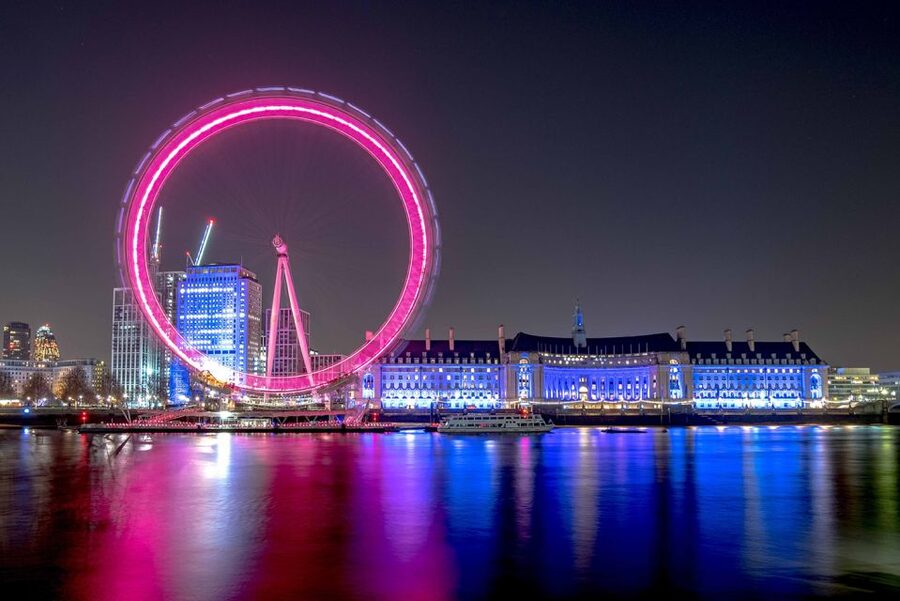
The first major stop is the London Eye, where you have about 45 minutes for photography, sightseeing, and instruction. This is a good place to start because the subject is large, recognizable, and surrounded by city light.
Your guide can help you work with the Eye as a central subject or use it as part of a wider Thames view. The nearby water can provide reflections, while the surrounding lights give you several brightness levels to manage in one frame.
This is where low-light advice becomes useful. At night, your camera may try to raise the ISO or use a slow shutter speed. Your guide can explain how to make deliberate choices instead of letting the camera decide everything. With a tripod, you can keep the camera steady during a longer exposure and reduce the risk of a blurry image caused by hand movement.
The Eye is also a practical first lesson in composition. You might find that a straight-on view feels too obvious, while a small shift can include more river, light, or surrounding architecture. The point is not to find one magic angle. It is to learn how to assess a scene and make a choice.
The drawback is that this is a popular part of central London, so the area may not feel quiet or empty. The attraction itself is the main subject, though, and the guide can help you work with the setting rather than wait for a perfectly clear view.
Crossing the Thames with low-light settings in mind
The route takes you across and along both the north and south banks of the Thames. That movement matters because the same landmark can look completely different when seen from the opposite bank.
You will also get a natural break between formal photo stops. Use it to check your images, adjust your settings, and ask questions. Night photography often involves small corrections. A picture that looks too dark, too bright, or too soft can often be improved with a change to shutter speed, aperture, ISO, or tripod position.
If you use a smartphone, you are not left out of the lesson. The guide can provide advice on using your phone for night scenes, and David has received specific praise for helping with both a camera and an iPhone. That makes this a good choice for couples or families carrying different kinds of equipment.
The walk is part of the experience, so wear footwear you can manage for 2.5 hours. The activity is listed as wheelchair accessible, but the route includes movement along the river and across the city. If you have specific mobility needs, confirm the route details and meeting arrangements before booking.
More evening outings in London:
- London: London by Night Sightseeing Open-Top Bus Tour
★ 4.5 · 5,516 reviews - London: River Thames Evening Cruise with Bubbly and Canapés
★ 4.4 · 2,493 reviews - London: Jack the Ripper Evening Walking Tour
★ 4.9 · 1,449 reviews - London: Tootbus London by Night Bus Tour
★ 4.0 · 302 reviews
St Paul’s Cathedral after dark
The second main stop is St Paul’s Cathedral, with about 45 minutes for photography and sightseeing. Here the character of the pictures changes. Instead of concentrating on a modern wheel and open river views, you are working with a large historic building and its surrounding city lines.
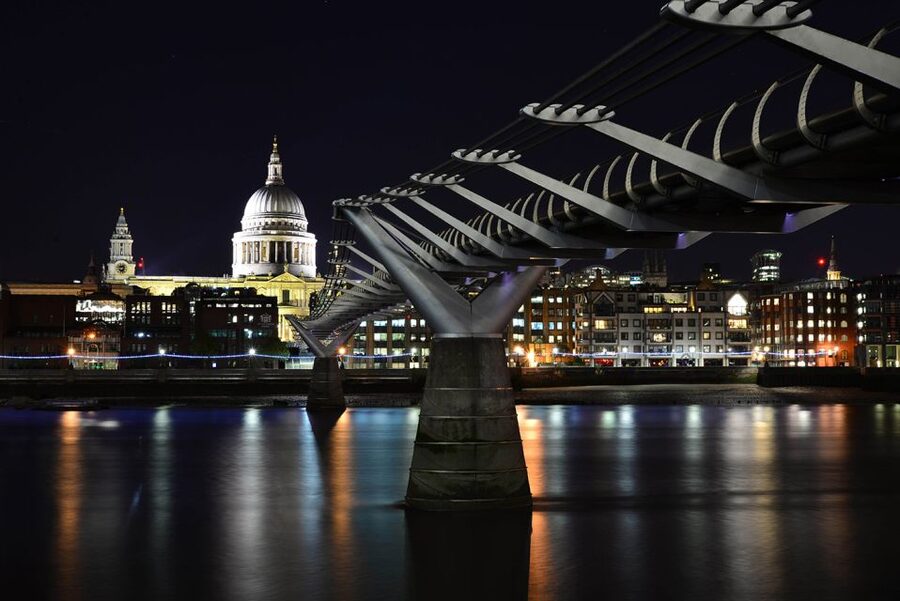
St Paul’s can reward careful framing. Its dome gives you a strong focal point, while the darker surroundings can help draw attention toward the building. Your guide can show you how to avoid letting bright lights or nearby structures distract from the main subject.
This is another useful place to work on long exposure. A steady camera can capture the cathedral and surrounding lights with more detail than a hurried handheld shot. The tripod is not an optional luxury here if you want to make the most of the lesson. It is a stated requirement for the tour, and hiring one costs £30 if you do not bring your own.
The 45-minute stop gives you time to try more than one composition. I value that because the first photograph is often only a starting point. You can compare a tighter architectural view with a wider city picture and learn what changes when you move or alter the focal length.
You should not expect an interior visit to St Paul’s Cathedral. This is a photo stop and sightseeing visit focused on the exterior view. That keeps the tour moving toward Tower Bridge and keeps the attention on night photography.
Tower Bridge and the final 45 minutes
The final major stop is Tower Bridge, where the tour ends. You have roughly 45 minutes to photograph one of London’s most rewarding night subjects.
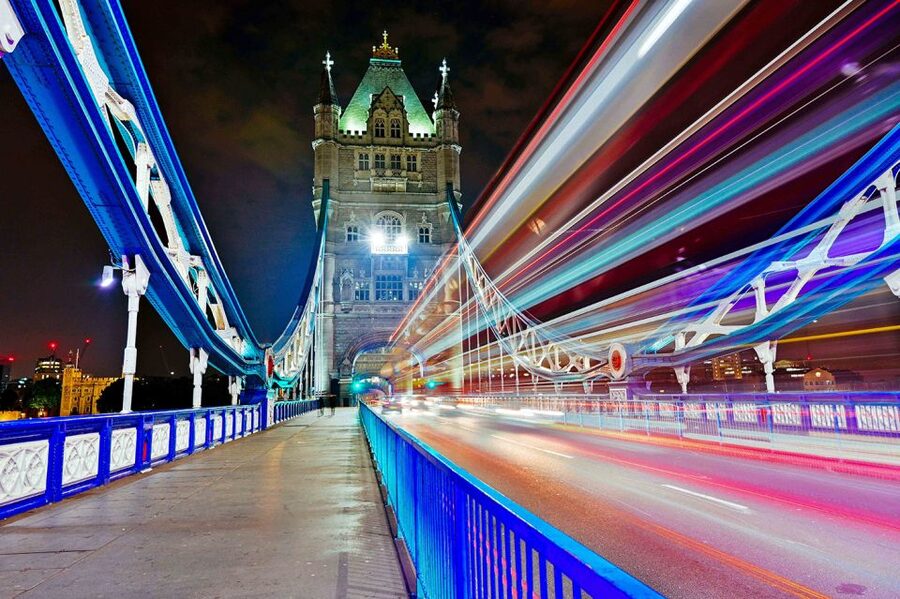
Tower Bridge offers strong lines, lit stonework, and a clear relationship with the river. It can be photographed as a full structure, framed with the Thames, or used as a background for reflections and passing city activity. Your guide can help you decide whether the picture should emphasize architecture, water, or the wider city scene.
This is likely to be the most satisfying stop for anyone who enjoys long exposure. A tripod lets you keep the bridge sharp while allowing moving lights or water to create a softer effect. You can also practice waiting for a useful moment rather than taking a picture every few seconds.
The tour information says the experience ends at Tower Bridge, while another meeting note says the activity ends back at the meeting point. Because those details do not match, confirm the final drop-off point when you reserve. The route itself is described as finishing at Tower Bridge, so plan your onward transport from that area unless the operator tells you otherwise.
What the coaching is really worth
The value here is not just the chance to photograph famous places. London has plenty of viewpoints you can visit without paying for a guide. The added value is having someone beside you who can explain what to change when your night pictures are not working.
That is especially helpful if you are unsure about:
- How to keep a low-light image sharp
- When to use a longer exposure
- How a tripod changes your camera choices
- How to handle bright landmarks and dark surroundings
- How to frame reflections on the Thames
- How to use a smartphone for night scenes
The guide’s patience matters. David was specifically praised for helping one person learn both a camera and an iPhone, which suggests the instruction is not limited to photographers carrying expensive equipment. Another piece of feedback, written in German, describes the guide as friendly and helpful, with the route adjusted to suit personal wishes.
That kind of flexibility is more useful than a long technical lecture. You can bring your own questions and spend more time on the parts that confuse you.
The electronic guidebook provided after the tour adds value too. Night photography takes practice, and you may not remember every setting or tip in the moment. A guidebook gives you something to consult when you try the techniques again at home.
Is $282.87 a fair price for up to five?
The price is $282.87 per private group of up to five people. For one person, that is a high cost for a 2.5-hour walking tour. For five people sharing the booking, it works out to about $56.57 each, before any tripod hire.
That group pricing makes the experience a better fit for a family, a couple traveling with friends, or a small photography club. You get private instruction rather than joining a large group, and each person can use a different device.
You should also budget for the tripod if needed. Hiring one adds £30, so check your equipment before booking. A smartphone alone is suitable for the tour, but the tripod requirement still applies according to the activity details.
The price makes the most sense when you see the outing as both a guided sightseeing walk and a photography lesson. If you only want a few quick pictures of London at night, you can visit these areas on your own for less. If you want to improve your technique and leave with a clearer idea of how to shoot in low light, the private format gives you a stronger reason to pay.
Who will get the most from this night walk?
I would recommend this tour most strongly to beginners and improving photographers who want direct help in real conditions. Night photography is hard to learn from theory alone, and these locations give you several chances to practice.
It also suits:
- Couples with different camera skills
- Families carrying cameras and smartphones
- Visitors who want landmark photos with guidance
- Anyone interested in reflections and long exposures
- Small groups that can share the private price
You do not need a DSLR. The tour supports DSLRs, mirrorless cameras, and smartphones. That makes it approachable, but you should still bring a device you know how to operate at a basic level.
It may be less suitable if you dislike walking, want a large number of landmarks, or prefer to explore completely independently. The route is focused and instructional. You spend time learning at three main stops, not racing around London for a postcard from every angle.
Practical details before you reserve
The activity lasts about 2.5 hours, and available starting times are shown during the booking process. Since this is a night photography experience, the chosen start time will shape how dark the sky and surroundings are at each location, but no fixed start time is provided.
The live guide speaks English. The group is private, and the activity is listed as wheelchair accessible. You can reserve now and pay later, which helps if your London schedule is still shifting.
You can cancel up to 24 hours in advance for a full refund. That is useful for a trip with uncertain weather or changing plans, though the supplied details do not explain how poor weather affects the tour itself.
Bring your camera or smartphone, a tripod if you have one, and enough battery power for a long evening of screen use and repeated shots. If you need to hire the guide’s tripod, arrange that for the tour and allow for the extra £30 charge.
Should you book the London night photography tour?
Book it if you want more than a guided walk and you are willing to practice. The private setup, patient instruction, camera and smartphone support, and three strong Thames locations make this a practical way to improve quickly.
I would be more cautious if you are traveling alone on a tight budget, since the full group price is much harder to justify for one person. The value improves sharply when four or five people share it.
For a small group with a tripod and an interest in better night pictures, this is a focused London experience with a clear payoff. You finish at Tower Bridge with new techniques to keep using, plus an electronic guidebook to help you remember them.
FAQ
How long does the London night photography tour last?
The tour lasts about 2.5 hours. Check availability when booking to see the starting times.
Where does the tour begin?
The meeting point is outside Caffè Nero near Westminster station.
Which London landmarks are included?
The route includes photo stops at the London Eye, St Paul’s Cathedral, and Tower Bridge.
Where does the tour finish?
The route information says the tour finishes at Tower Bridge. Another activity note says it ends back at the meeting point, so confirm the final location when booking.
Can I use a smartphone instead of a camera?
Yes. The experience is suitable for smartphones as well as DSLRs and mirrorless cameras.
Do I need to bring a tripod?
Yes, a tripod is required. If you do not have one, you can hire one for £30 for the duration of the tour.
Is the tour private and wheelchair accessible?
Yes. It is a private group activity and is listed as wheelchair accessible.
New listings around London
- London: Bermondsey Craft Brewery Tour★ 5.0 · 3 reviews
- Colourful Notting Hill Photography Tour★ 5.0 · 3 reviews
- The London Historic Pubs Tour★ 4.0 · 3 reviews
- Ultimate Royal London, Thames River Boat Ride & Walking Tour★ 5.0 · 3 reviews
- London: Wallace Collection & National Gallery Private Tours★ 5.0 · 3 reviews
- London: The Birthplace of The Rolling Stones Private Tour★ 5.0 · 3 reviews
- Historic pub tour with Brazilian guide (in Portuguese)★ 5.0 · 3 reviews
- London: Royal Tour with Westminster Abbey & Afternoon Tea★ 3.0 · 3 reviews
London Tours, compared.
Westminster to Greenwich River Thames Cruise
Read our review →
Magical London: Harry Potter Guided Walking Tour
Read our review →
Warner Bros. Studio Harry Potter Tour with Transfers
Read our review →Browse the lists this tour appears in