
Reviewed · OXFORD TOURS
Oxford Castle and Prison: Guided Tour
Oxford Castle and Prison compresses 1,000 years of history into one hour, from a Saxon tower and medieval crypt to prison cells used until 1996. The setting is unusually varied: one moment you are high above Oxford, and the next you are underground beneath the remains of St. George’s Chapel.
I like the excellent storytelling and the way the tour mixes guided explanation with time to explore alone. I also like the mix of big historical figures, prison stories, interactive displays, and the chance to see Oxford from St. George’s Tower. The main drawback is practical: steep climbs and confined spaces make this a poor choice for anyone with limited mobility.
Key points to know before you go
- A rare climb above Oxford: St. George’s Tower offers 360-degree views after a steep ascent.
- The 900-year-old crypt: This is the only surviving part of St. George’s Chapel.
- A prison that closed in 1996: The site feels much more recent than its medieval beginnings suggest.
- Guides make the difference: Rory, Anne, Yiyang, Katie, James, and others have been praised for clear, funny, engaging storytelling.
- A useful second half: After the roughly 50-minute guided tour, you can revisit parts of the site and explore the exhibition independently.
- Check the climbing requirements: The tour is not recommended for people with mobility impairments, and children under five cannot enter St. George’s Tower.
Entering a castle that became a prison

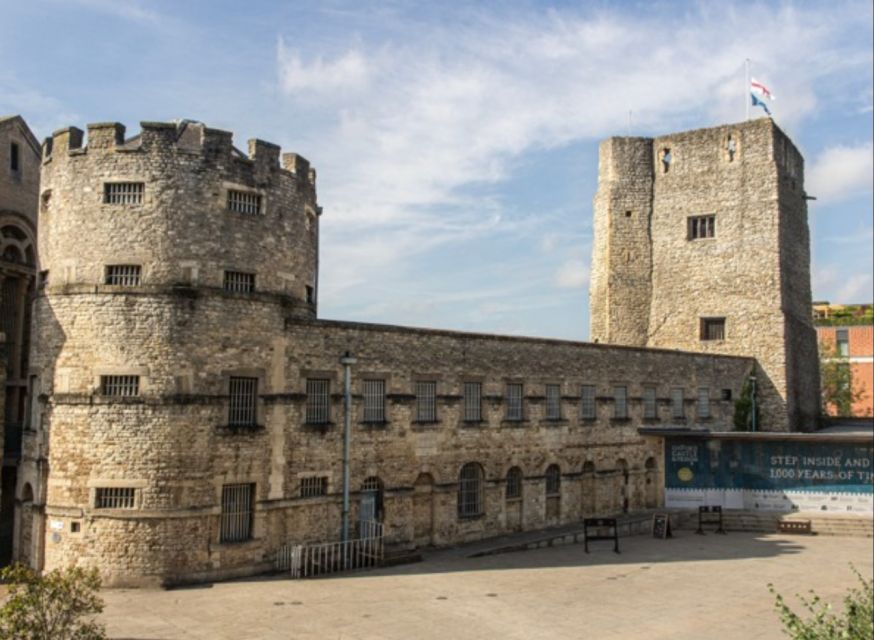
Oxford Castle began in 1071 as a Motte-and-Bailey fortress, built soon after the Norman conquest. Much of what you see today is not a complete medieval castle in the grand palace sense. Instead, it is a layered site, with a mound, tower, crypt, prison buildings, and later exhibition spaces all telling different parts of Oxford’s story.
That mixture is the appeal. You are not simply walking around one preserved building. You are moving through a place that changed purpose over centuries, serving at various times as a religious site, a royal residence, and the county jail.
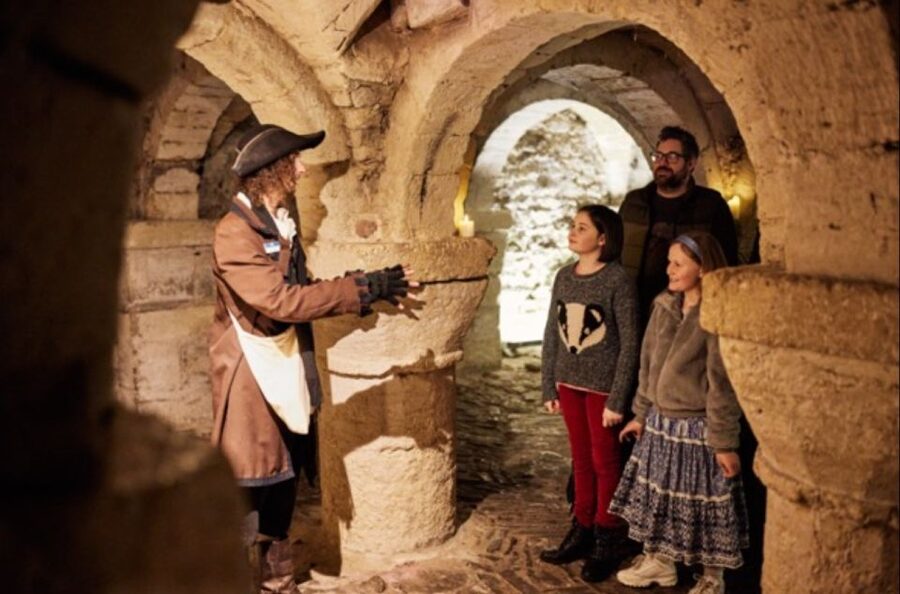
The tour uses costumed guides, which suits the site without turning it into a theatrical show. The best guides, including Rory, Anne, Yiyang, and Katie, have been praised for making the facts easy to follow and adding humor at the right moments. I would expect the guide’s style to vary, but the experience depends heavily on this live storytelling.
The history reaches from medieval legends connected with King Arthur to the escape of Empress Matilda, then forward to the lives and crimes of more recent prisoners. That broad time span gives the tour a clear purpose: Oxford Castle is not just a medieval curiosity. It is a place where the city’s religious, royal, legal, and social history meet.
A handful of other Oxford outings to weigh up
- Oxford: University and City Walking Tour with Alumni Guide
★ 4.7 · 4,429 reviews - Oxford: City and University Tour, including college entry
★ 4.5 · 2,243 reviews - Oxford: Harry Potter Walking Tour Including New College
★ 4.6 · 1,446 reviews
St. George’s Tower and the climb above Oxford
The tour’s high point, literally and figuratively, is Saxon St. George’s Tower. It is one of Oxford’s oldest surviving buildings, and the climb ends with broad views across the city.
The 360-degree panorama helps you understand Oxford’s layout in a way a street-level walk cannot. You can look out across the historic city and then connect what you see with the stories you have just heard. This is one of the strongest reasons to choose the guided castle tour rather than simply visiting the prison exhibits alone.
The climb is also the clearest warning. You need to manage stairs and height, and the tour is specifically not recommended for people with mobility impairments. Children under five are not allowed into the tower for health and safety reasons.
If you cannot climb, you may wait at the bottom with a guardian and watch The Story of Oxford Castle video. You can rejoin the group when it returns from the tower and continue with the rest of the tour. That arrangement is helpful, but it means the tower experience itself is not accessible to everyone in the party.
Weather can affect the outdoor sections. Poor conditions have prevented access to the mound, so do not treat every high-level viewpoint as guaranteed in wet or unsafe weather. Even then, you can still see the castle mound and continue through the indoor sections.
The crypt beneath St. George’s Chapel
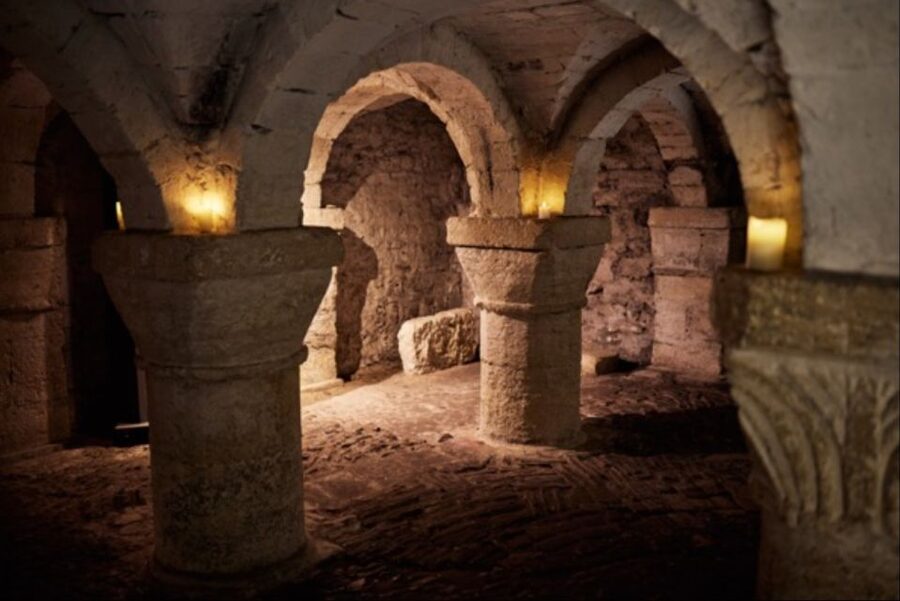
From the tower, the tour goes underground into the 900-year-old crypt, the only surviving remains of St. George’s Chapel. This change in setting is one of the most memorable parts of the route.
The crypt is atmospheric because it is compact, old, and largely defined by stone, shadow, and low underground space. It gives you a direct sense of the site’s religious past, before the castle became mainly associated with imprisonment and punishment.
You should not expect a huge subterranean complex. The value lies in the age and survival of the space. The crypt is a small but powerful reminder that the castle once included a religious foundation, not just defensive walls and jail cells.
This is also where the tour benefits from having a guide. Without explanation, an old stone room can be hard to place in time. A good guide connects the crypt to St. George’s Chapel and helps you understand why this surviving fragment matters.
The mound and the medieval fortress

The castle mound is the visible reminder of the 11th-century Motte-and-Bailey castle. The motte is the raised earthwork, while the bailey was the enclosed area around it. Together, they formed a standard Norman fortress design.
The mound is less about surviving rooms than about understanding the castle’s original shape. From this position, you can picture the defensive logic of the site and see how the later buildings grew around it.
The tour also includes the vaulted Well Chamber. This is another place where the castle’s practical needs come into focus. A fortress required a reliable water supply, and the chamber gives the site a more grounded feel than a simple royal story would provide.
Conditions matter here. Wet weather may close the mound, and the climb can be tiring for anyone who is unsteady on their feet. If the mound is open, it adds useful context to the tower and prison buildings. If it is closed, the rest of the tour still carries most of the historical weight.
Elsewhere in Oxford, a change of pace:
- Oxford: University Walking Tour with Christ Church Visit
★ 4.6 · 820 reviews - Oxford: Harry Potter Insights Divinity School Group Tour
★ 4.6 · 783 reviews - Morse, Lewis and Endeavour Walking Tour of Oxford
★ 4.8 · 710 reviews - Oxford: City Sightseeing Hop-On Hop-Off Bus Tour
★ 4.5 · 706 reviews
Debtors’ Tower and Prison D-Wing
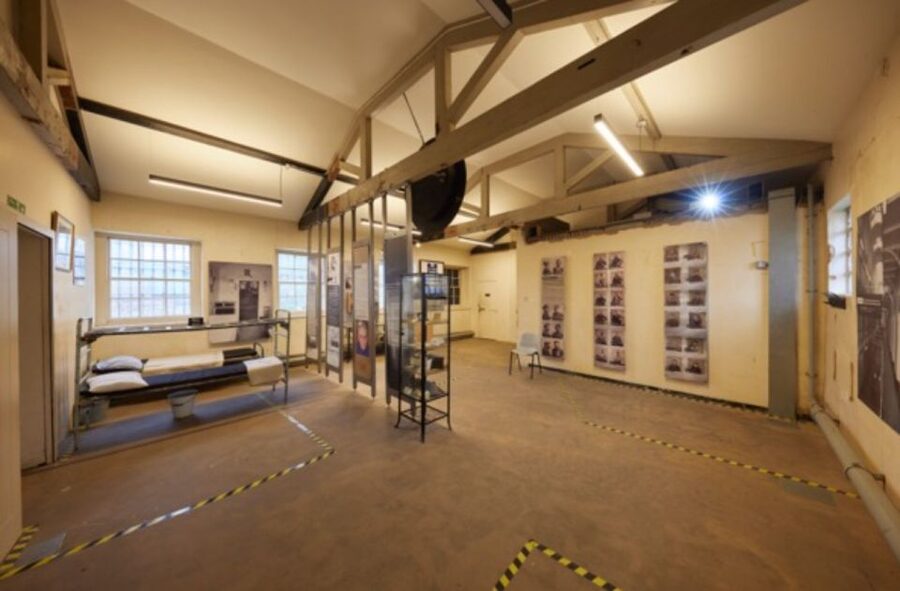
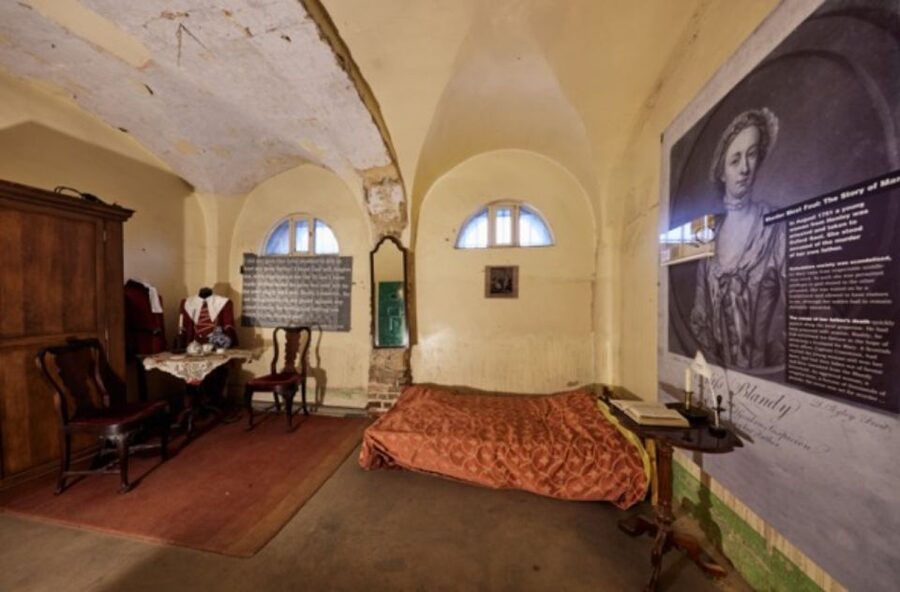
The most sobering part of the experience is the move into the 18th-century Debtors’ Tower and Victorian Prison D-Wing. These rooms are austere rather than grand, and that is exactly why they work.
You see cells and prison spaces presented to show how the site operated. The exhibition includes reconstructed cell settings, mugshots, dressing-up elements, and interactive displays. Some of these features make the visit accessible for families, while the prison stories and harsher details may be more confronting for younger children.
The prison is especially striking because it was not closed centuries ago. Oxford Castle and Prison remained in use until 1996, linking medieval foundations with a very recent past. That fact changes the atmosphere. You are not just looking at an archaeological site. You are looking at a place that still belonged to the working justice system within living memory.
The prison section also gives the tour its human scale. Fortifications and royal stories can feel distant, but cells and inmate records bring the site back to ordinary people who were confined there. The historical exhibition continues this thread with stories about inmates, crimes, and the modern history of the jail.
Some families will appreciate the way guides adjust their delivery for children. A seven-year-old can follow the stories, while older visitors can pay closer attention to the prison system and the individual cases. The material includes grim subjects, so parents should use their judgment, especially with children who are sensitive to stories of crime and punishment.
Why the guided format works
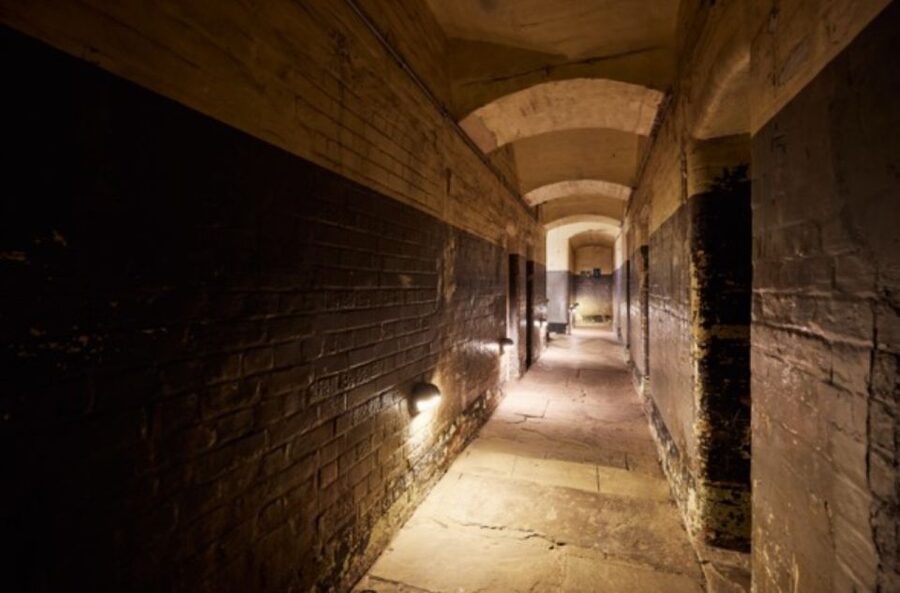
You can explore some historic sites by reading panels at your own speed. Oxford Castle is harder to understand that way because its buildings come from such different periods and served such different purposes.
A live guide gives you the thread that joins everything together. The best guides use the rooms as prompts for stories instead of reciting dates. James has been praised for turning the tour into an entertaining history lesson, while Melissa and Ciaran were noted for their energy and interactive approach. Alister, Rob, Oliver, Emily, Molly, and others have also led tours that balance information with humor.
The exact guide will depend on your visit, so I would not book solely to see a particular person. Still, the repeated praise for the guiding style points to an important value: the buildings are much easier to appreciate when someone explains what happened in each one.
The tour lasts about 50 minutes, although the activity is sold as a one-hour experience. After the accompanied portion, you can enter the exhibition wing and continue through the prison at your own pace. That split is smart. You get a focused introduction first, then time to return to displays or rooms that caught your attention.
I especially like this arrangement for families and mixed-interest groups. Someone who wants the full historical story can read more afterward, while someone who prefers a shorter visit can finish once the guided part ends. It also gives you time to take photographs where permitted and look again at the cells and interactive displays.
Family appeal, atmosphere, and the honest drawbacks
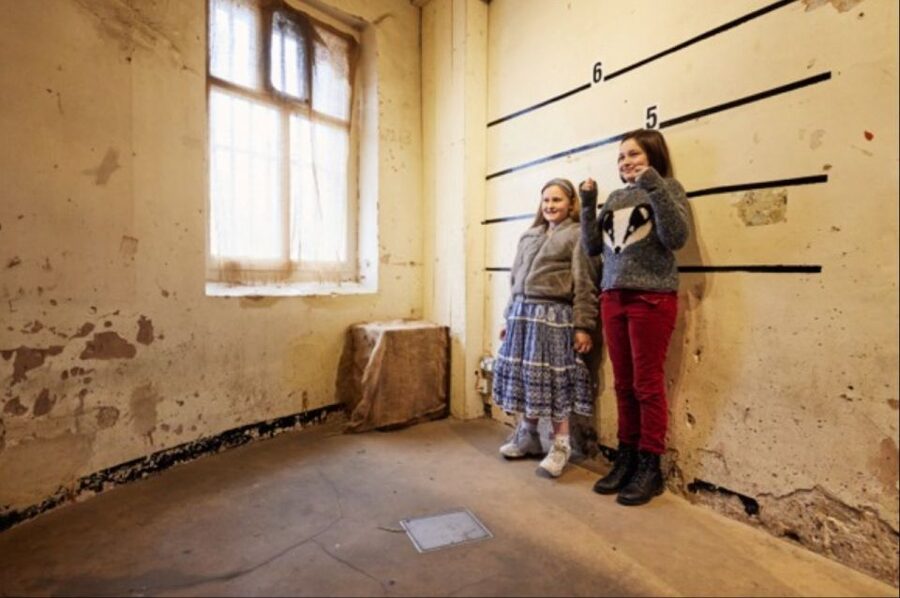
This is a family-friendly visit in the sense that children can follow the guide, enjoy the interactive elements, and take part in features such as historical dressing-up and prisoner photographs. Guides have been able to include children between three and eleven without speaking down to them.
Still, this is not a cheerful attraction. The prison section includes brutality, confinement, murder cases, and the realities of the Victorian justice system. Younger children may focus on the fun parts, but adults should be ready to explain the more difficult material.
The narrow, historic spaces also affect comfort. You should expect stairs, underground rooms, and confined areas. Anyone with limited mobility should check the site’s access information before booking, since the tour is not recommended for people with mobility impairments.
Another consideration is pace. The guided portion moves through several major areas in roughly 50 minutes, so you will not have unlimited time at every stop. The independent exhibition time helps, but visitors who want a slow, detailed study of every display may wish they had longer with the guide.
The site is easy to find in central Oxford, and nearby parking has been described as convenient. On arrival, go inside to the ticket booth to make contact with the staff. That small point has caused confusion for some people, so do not wait outside expecting the guide to collect you immediately.
Is $28 good value for one hour?
At $28 per person, this is not the cheapest short attraction in Oxford. The value depends on what you want from the visit.
If you only want to see an old mound or take a quick look at prison rooms, the price may feel high. The guided tour earns its cost by combining several distinct areas: St. George’s Tower, the crypt, the mound, the Well Chamber, Debtors’ Tower, Prison D-Wing, and the exhibition.
You are also paying for interpretation, not just entry. The difference between wandering through old rooms and understanding their purpose is considerable here. The guide explains how the site moved from fortress to religious center, royal setting, and jail, then connects that past with prisoners held there until 1996.
The free time afterward strengthens the deal. You are not pushed out when the guide finishes. You can go back through the exhibition and prison areas, study the interactive displays, and revisit sections you missed during the group walk.
I would call the price fair for visitors who enjoy history and want context. It may feel less worthwhile for someone with little interest in prisons, medieval buildings, or guided storytelling. One four-star assessment described the price as somewhat high but still recommended the experience, which seems like a sensible way to view it.
Practical details for planning your visit
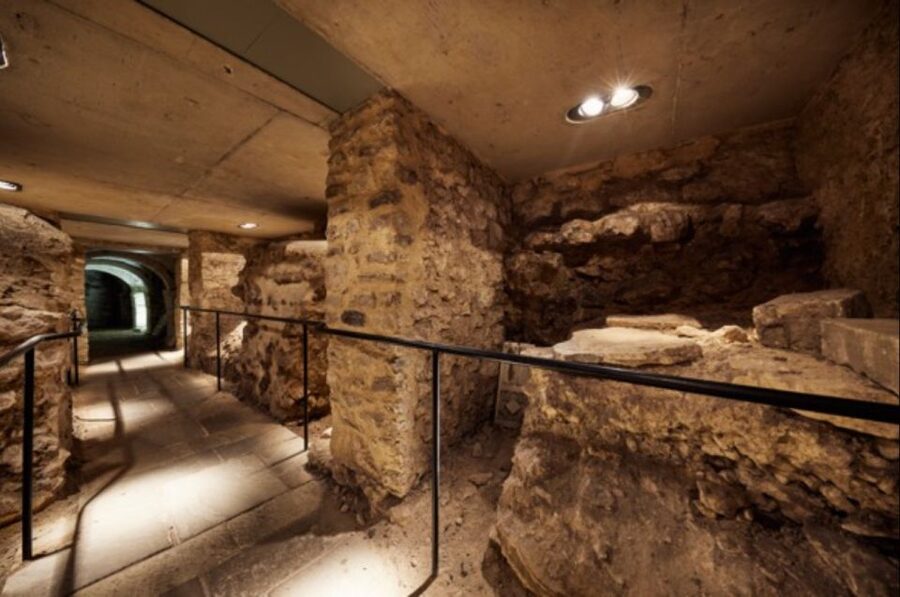
The meeting point is Oxford Castle and Prison in South East England, and the tour is conducted in English. Starting times vary, so check availability for the day you want.
Plan on about one hour for the guided experience, then allow extra time for the exhibition if you like reading displays or returning to the prison sections. The guided part lasts approximately 50 minutes, so the advertised duration does not include an extended independent visit.
Wear shoes suitable for stairs and uneven historic surfaces. The tour includes a tower climb, underground spaces, and the castle mound when conditions allow. If you have balance, stair, or mobility concerns, check the access information before paying.
Children under five cannot go up St. George’s Tower. A visitor who cannot make the climb may wait below with a guardian, watch the Oxford Castle video, and rejoin the group afterward.
Booking terms are flexible: you can cancel up to 24 hours in advance for a full refund, and reserve now while paying later. Those terms are useful if your Oxford schedule depends on weather or changing day plans.
Should you book Oxford Castle and Prison?
I would book this tour if you want a compact, story-led introduction to Oxford’s less polished past. It offers something different from the university colleges and grand libraries: Norman power, religious foundations, prison life, and modern criminal justice in one visit.
It suits families with school-age children, first-time Oxford visitors, and anyone who prefers a guide to bring old buildings to life. The tower views and crypt add variety, while the prison exhibition gives you time to explore without being hurried.
Think twice if you have limited mobility, dislike confined spaces, or mainly want an easy panoramic viewpoint. The climb and historic interiors are central to the experience, not minor details.
For most visitors who can manage the stairs, the combination of lively guiding, strong city views, and a prison that remained open until 1996 makes the $28 worthwhile. Book it early in your Oxford day if you want time afterward to revisit the exhibition and connect the castle stories with the rest of the city.
FAQ
How long does the Oxford Castle and Prison guided tour last?
The guided portion lasts approximately 50 minutes. Afterward, you can explore the exhibition wing and prison areas independently.
What language is the tour conducted in?
The live tour guide speaks English. Translation materials in other languages may be available by asking at the desk.
Can children join the tour?
Children can join, and guides have adapted tours for families with younger children. However, children under five cannot enter St. George’s Tower because of health and safety regulations.
Is the tour suitable for people with mobility impairments?
The tour is not recommended for people with mobility impairments. Check the site’s access information before booking.
What happens if I cannot climb St. George’s Tower?
You may wait at the bottom with a guardian and watch The Story of Oxford Castle video. You can rejoin the group when it returns from the tower and continue the tour.
Is the castle mound always open?
Access to the mound can depend on weather and safety conditions. Poor weather has prevented visitors from climbing it, so access is not guaranteed on every visit.
New listings around Oxford
- Oxford: City and Universities Express Tour & Audio Guide★ 4.5 · 18 reviews
- Oxford: The Original Uncomfortable Oxford™ Tour★ 4.6 · 21 reviews
- Oxford: MINI Factory Tour – Go Behind the Scenes★ 5.0 · 22 reviews
- Oxford: Private Walking Tour with University Alumni Guide★ 4.9 · 23 reviews
- From London: Oxford, Cotswolds & Country Pub Lunch★ 4.9 · 25 reviews
- Oxford: University Tour for Prospective Students★ 4.9 · 26 reviews
- Oxford: Harry Potter Tour with New College & Divinity School★ 4.6 · 28 reviews
- Oxford: Alumni-Led Walking & Punting Tour w/opt New College★ 4.3 · 30 reviews
Oxford Tours, compared.

University and City Walking Tour with Alumni Guide
Read our review →
City and University Tour, including college entry
Read our review →
Harry Potter Walking Tour Including New College
Read our review →
University Walking Tour with Christ Church Visit
Read our review →
Harry Potter Insights Divinity School Group Tour
Read our review →
Morse, Lewis and Endeavour Walking Tour of Oxford
Read our review →

Browse the lists this tour appears in