
Reviewed · LONDON TOURS
Royal London: from Saxons to Tudors & Stuarts Walking Tour
London’s royal story comes alive in the places where power, scandal, love, and execution once shaped the country. This two-hour walk links the site of Britain’s largest former royal palace, Henry VIII’s marriage to Anne Boleyn, the execution of Charles I, and the Stuart setting where Shakespeare’s plays were first performed.
I like the small groups of six, which give you room to ask questions rather than simply follow a guide with a flag. I also like the way the tour reaches beyond famous television kings and queens, bringing in figures such as Edward the Confessor and William the Conqueror. The main drawback is clear: you stay outside for the full two hours, and the walk is not suitable for wheelchair users, children under 13, or people with mobility impairments.
Key points to know before you book
- The route connects Saxon, Tudor, and Stuart London in one compact walk.
- Whitehall’s former palace site helps explain the scale of royal power in London.
- Henry VIII and Anne Boleyn’s marriage is one of the tour’s key royal scandals.
- Charles I’s execution brings the conflict between monarchy and Parliament into sharp focus.
- Groups are limited to six, with guides including Natalie and Nichole.
- Every stop is viewed from outside, so this is a history walk, not an admission ticket to royal buildings.
A thousand years of monarchy in two hours
This is a story-led walking tour rather than a simple list of palaces and dates. You move through central London while the guide explains how the monarchy changed from the Saxon period through the Norman Conquest, the Tudors, and the Stuarts.
That broad span is useful because royal history can otherwise become a blur of Henrys, Edwards, Marys, and Charleses. The guide’s job is to give those names a place in a larger story: who claimed the throne, who controlled the court, which marriages changed the line of succession, and why one king ended up losing his head.
The tour is especially suited to you if shows such as The Tudors, The White Queen, Becoming Elizabeth, Gunpowder, Mary & George, or Outlander have made you curious about the real people behind the drama. You will not get a costume performance or a full palace visit. You will get the locations and political background that help those stories make more sense.
The small format matters here. Natalie has been praised for her broad grasp of British history, humor, and willingness to answer questions. Nichole has also been described as friendly, funny, and insightful. With only six people, you have a better chance of stopping the guide to ask about a king, a marriage, or a disputed version of events.
More Walking Tours in London
- Magical London: Harry Potter Guided Walking Tour
★ 4.7 · 22,044 reviews - London: The Original Jack the Ripper Walking Tour
★ 4.7 · 7,833 reviews - London: Harry Potter Movies Walking Tour (Kids Go Free)
★ 4.7 · 3,071 reviews
Meeting at Trafalgar Square
The walk begins at the entrance to Waterstones bookshop in Trafalgar Square, postcode WC2N 5EJ. This is a practical starting point, with the square providing an easy central reference point and a place to use the toilets before setting off, though opening hours can change.
Look for the guide described as a short, quirky woman. Natalie and Nichole are among the guides associated with the walk, so check the booking details for the name of your particular guide if that matters to you.
Arrive ready to walk rather than expecting a formal check-in desk. Wear comfortable shoes. The route lasts two hours and takes place entirely outdoors, so a bottle of water is sensible. Bring an umbrella as well, since the tour runs rain or shine.
The meeting point also makes this easy to pair with other central London plans. You can schedule it before or after sightseeing around Trafalgar Square, though leave yourself enough time to finish the walk without rushing to another booking.
The former palace that explains royal London
One of the most useful stops is the site where the largest royal palace once stood. This is the kind of place that can be easy to miss because the palace itself has disappeared, but the absence is part of the lesson.
A royal palace was not simply a grand home. It was a working center of government, ceremony, household life, and political influence. By stopping at the former palace site, you can picture how much of London’s power once gathered in one royal complex.
The guide uses this setting to explain the monarchy as an institution rather than a collection of colorful personalities. You may hear about William the Conqueror, Edward the Confessor, and the Norman changes that followed the conquest. These early chapters give the later Tudor and Stuart stories a firmer base.
I find this approach more helpful than starting with Henry VIII alone. The Tudor drama becomes easier to understand when you know that questions of inheritance, conquest, religion, and royal authority had been troubling England for centuries.
Because this part is viewed from outside, the experience depends on the guide’s explanation. You will not walk through surviving palace rooms or inspect royal objects inside a museum. If you want interiors, you will need to arrange separate admissions elsewhere.
Henry VIII, Anne Boleyn, and the danger of royal marriage
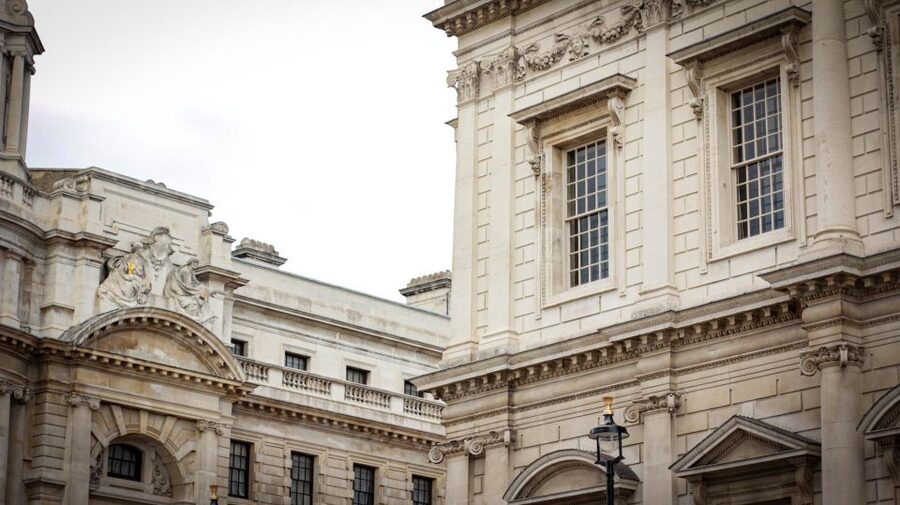
Henry VIII’s marriage to Anne Boleyn is one of the tour’s central stories. The stop where they married gives the familiar tale a physical setting and helps you look beyond the usual image of Henry as a large, angry king with six wives.
Their relationship affected the English church, the royal succession, and the balance of power around the crown. A royal marriage could be a personal affair, but it could also force major political and religious change. That is why this stop carries more weight than a simple romance story.
The tour also asks you to consider the people and motives around the royal couple. Palace politics involved ambition, fear, loyalty, and survival. A guide who can connect the emotional drama to the larger machinery of government adds real value, especially if your previous knowledge comes mainly from television.
You should expect a lively account rather than an academic lecture. Natalie has been praised for adding humor to her explanations, and that tone suits stories filled with ambition and bad decisions. The humor should make the material easier to remember without removing its darker side.
Elsewhere in London, a change of pace:
- From London: Harry Potter Warner Bros Studio Tour
★ 4.7 · 26,588 reviews - London: Westminster to Greenwich River Thames Cruise
★ 4.5 · 22,836 reviews - London: Madame Tussauds London
★ 4.6 · 20,915 reviews - London: Warner Bros. Studio Tour with Transfers
★ 4.7 · 17,586 reviews
Charles I and the king who lost his head
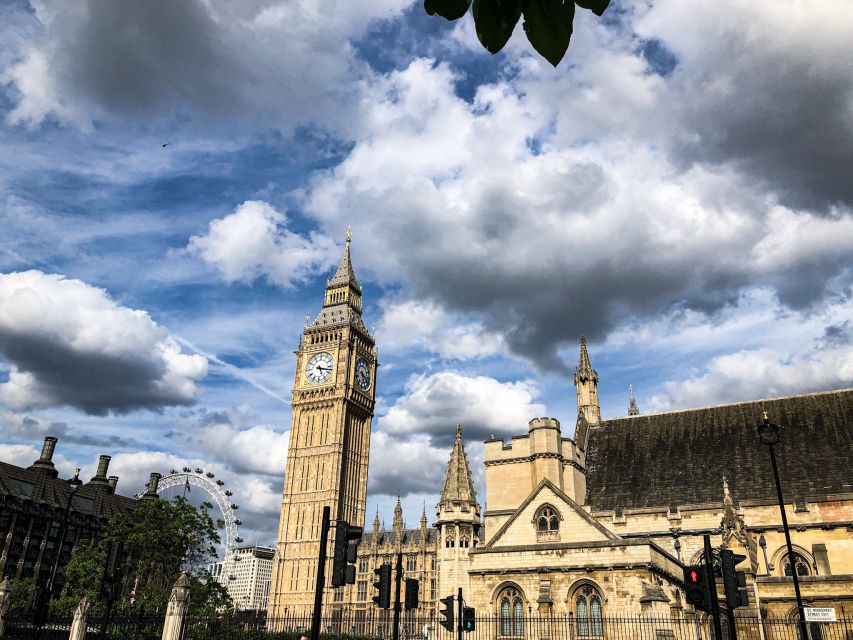
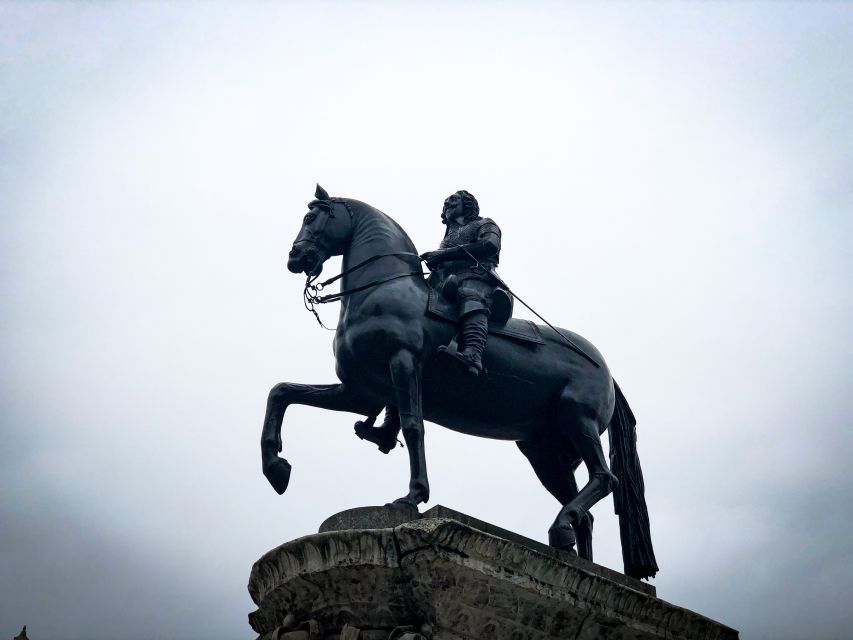
The stop connected with Charles I’s execution gives the walk its sharpest political edge. Here, the story shifts from royal marriages and court intrigue to the question of whether a king could be held accountable by the nation he ruled.
Charles I’s fate is a useful reminder that the monarchy was never all-powerful in a simple way. Conflicts between the crown and Parliament eventually led to civil war and the public execution of a reigning monarch. The site helps turn a major constitutional crisis into something connected to a real place in London.
This is also where the Stuart period feels distinct from the Tudor era. The Tudors are often remembered for succession crises and religious upheaval, while the Stuarts bring arguments about royal authority, Parliament, and the limits of kingship into the foreground.
The guide can make a big difference here. One of the strongest features of the walk is the chance to ask questions as these complicated events unfold. If you are unsure why Charles was condemned, or how the monarchy returned afterward, a small group lets you ask for clarification without interrupting a large crowd.
Again, this is an outdoor explanation rather than a visit to an execution museum or preserved courtroom. The value comes from the connection between the site and the story.
Shakespeare in a Stuart royal setting
The Shakespeare stop adds a welcome change of pace. Alongside kings, queens, marriages, and executions, you learn about the Stuart setting where Shakespeare premiered his plays.
That link shows how royal history was also cultural history. The court was not only a place of political maneuvering. It was a place where theater, ceremony, performance, and royal image mattered.
The setting is described as a Stuart gem, but you should read that as a reference to the building or site seen from outside, not as a promise of indoor access. The tour does not include visits to places of interest, so you will not automatically enter to see an interior or attend a performance.
Still, the stop helps balance the heavier material. Shakespeare’s connection to the court gives you another way to understand the Stuart world, where the monarchy’s public image was carefully shaped through ceremony and art.
If you already know Shakespeare well, you may appreciate the royal connection more than a basic introduction to his plays. If you are coming mainly for the Tudor scandals, this section gives the route a broader cultural reach.
The love stories behind the royal headlines
The tour asks you to consider the greatest royal love story of all time. The supplied details do not name which romance the guide presents as the greatest, so you should expect the answer to emerge during the walk rather than assume it means Henry and Anne.
That open question is part of the appeal. Royal relationships are often remembered as grand romance, but the reality can include duty, inheritance, religion, personal danger, and public pressure. A good guide can show how love and politics rarely stayed separate at court.
The same idea applies to the love-torn king described in the tour highlights, who was doomed to execution. The wording points to a human story within a political disaster. You are not only following dates and battles. You are looking at how private decisions could become public crises when the person involved was a monarch.
This approach will suit you if you enjoy royal period dramas but want more context. It may be less satisfying if you prefer a tightly defined route with every stop announced in advance. The walk is built around connected stories, and the guide’s interpretation is a large part of what you are paying for.
What the $29 price gets you
At $29 per person, this is a reasonably priced way to spend two hours in central London, especially for a small group limited to six people. You are paying for a live English-language guide, a focused route, and the chance to ask questions in a setting that should feel more personal than a large city walk.
The value is strongest if you want context. The tour links scattered royal sites and explains why they matter. It can also help you decide which palaces, museums, or historic buildings deserve a separate visit later.
The price is less attractive if you expect entry to a palace or historic interior. No admissions are included. You are paying for the outdoor storytelling, not for access to the buildings themselves.
One booking note is worth mentioning: a past participant described having a private tour for £15, but that was a separate personal circumstance and should not be treated as the normal price. The listed price for this experience is $29 per person.
You can cancel up to 24 hours before the start for a full refund, and you can reserve now and pay later. Those terms are useful if your London schedule is still shifting.
How demanding is the walk?
The tour lasts two hours and is described as manageable, but you are on your feet outside for the entire time. Comfortable shoes are essential, particularly if wet weather makes the pavement less pleasant.
The experience is not suitable for people with mobility impairments or wheelchair users. Children under 13 are also not permitted. These limits matter because the tour is built around walking between outdoor sites, standing while listening, and keeping to a compact schedule.
Rain does not cancel the walk. Bring an umbrella and a water bottle, and dress for the forecast. Trafalgar Square has toilets, but their opening hours are subject to change, so use them before departure if needed.
There is no stated provision for languages other than English. You should be comfortable following two hours of spoken English and historical names.
Who will enjoy this royal walk?
I would choose this tour for a first or second visit to London if you want a strong introduction to the city’s monarchy stories without spending half a day inside one attraction. It is also a good fit for fans of Tudor and Stuart dramas who want to connect screen stories with actual London locations.
The walk suits solo visitors and couples particularly well because the six-person limit keeps the discussion personal. A history-minded family with older teenagers could enjoy it, but children under 13 cannot join.
You may want a different experience if you need step-free access, dislike standing outdoors, or want to see palace rooms and royal collections. This is a guide-led history walk, not a museum tour.
The rating of 4.9 from 31 ratings reflects a strong response to the guides. The most consistently praised qualities are their clear historical explanations, humor, friendliness, and ability to answer questions. Natalie’s podcast was also mentioned, which may appeal to anyone who likes continuing the subject after the walk.
Should you book Royal London: From Saxons to Tudors and Stuarts?
Book it if you want personal storytelling, royal scandals, and political history in a compact central London route. The small group and guides such as Natalie and Nichole are the main reasons to choose it over a larger, cheaper city walk.
Skip it if you need indoor sightseeing, wheelchair access, or a route that avoids standing in bad weather. For everyone else, $29 is fair for two hours of focused guidance, especially when you treat the walk as an introduction to London’s royal sites rather than a substitute for palace admission.
FAQ
How long does the Royal London walking tour last?
The tour lasts two hours.
Where does the tour meet?
Meet at the entrance to the Waterstones bookshop in Trafalgar Square, London, WC2N 5EJ, United Kingdom.
What language is the tour conducted in?
The live tour guide speaks English.
How many people are in each group?
Each walk is limited to six attendees.
Does the tour include entry to palaces or other attractions?
No. The walk takes place outside and does not include visits inside places of interest.
What should I bring?
Wear comfortable shoes and bring a bottle of water. An umbrella is also recommended because the walk runs rain or shine.
Is the tour suitable for wheelchair users?
No. The experience is not suitable for wheelchair users or people with mobility impairments.
Can children join the tour?
Children under 13 are not permitted to join.
What royal figures and events does the walk cover?
The walk discusses figures and events including Edward the Confessor, William the Conqueror, Henry VIII, Anne Boleyn, Charles I, Shakespeare, and the Tudor and Stuart monarchies.
Can I cancel for a refund?
Yes. You can cancel up to 24 hours in advance for a full refund. You can also reserve now and pay later.
New listings around London
- London: Secrets of Freddie Mercury Tour with a Cocktail★ 4.1 · 15 reviews
- London: Hampton Court Private Guided Tour★ 3.4 · 15 reviews
- London: Jack the Ripper Tour and Underground Prison in Spanish★ 5.0 · 15 reviews
- Spanish Language : Original Harry Potter Walking Tour★ 4.5 · 15 reviews
- London: Private Couples Photography Session with Landmarks★ 5.0 · 15 reviews
- London: The Saturday Supershow Cabaret at Phoenix Arts Club★ 4.5 · 15 reviews
- London: 2-Hour Guided Tour of the British Museum★ 4.7 · 16 reviews
- London’s Ghosts & Gruesome Past Nighttime Walking Tour★ 4.8 · 16 reviews
London Tours, compared.

Westminster to Greenwich River Thames Cruise
Read our review →
Magical London: Harry Potter Guided Walking Tour
Read our review →
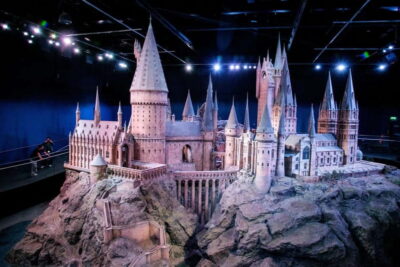


Warner Bros. Studio Harry Potter Tour with Transfers
Read our review →Browse the lists this tour appears in