
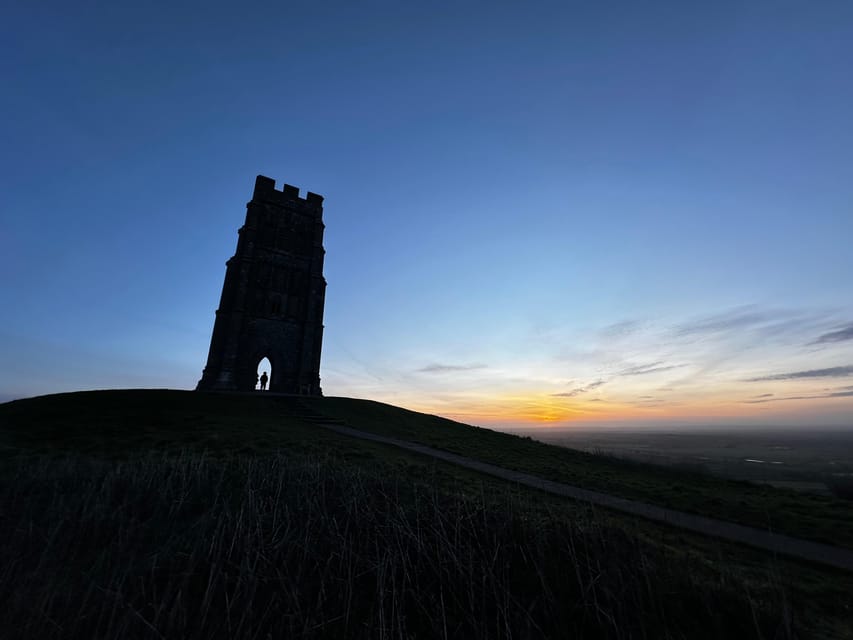
Reviewed · SALISBURY & STONEHENGE TOURS
Glastonbury Day Tour – ‘The Quest’ – Magdalene, King Arthur
Glastonbury is one of those places where Christian tradition, Arthurian legend, Pagan belief, and local folklore share the same small patch of ground. This full-day quest follows that overlap from St John the Baptist’s Church to the Holy Thorn, Glastonbury Abbey, Chalice Well, White Spring, and the top of Glastonbury Tor.
I like the way the tour connects separate sites into one story, and I like the time given to both famous landmarks and quieter spiritual places. Guides such as Torr, Michael, and Edward have been praised for making the past clear and entertaining. The main drawback is that it is a long walking day, with entrance fees and lunch not included.
Key points to know before booking
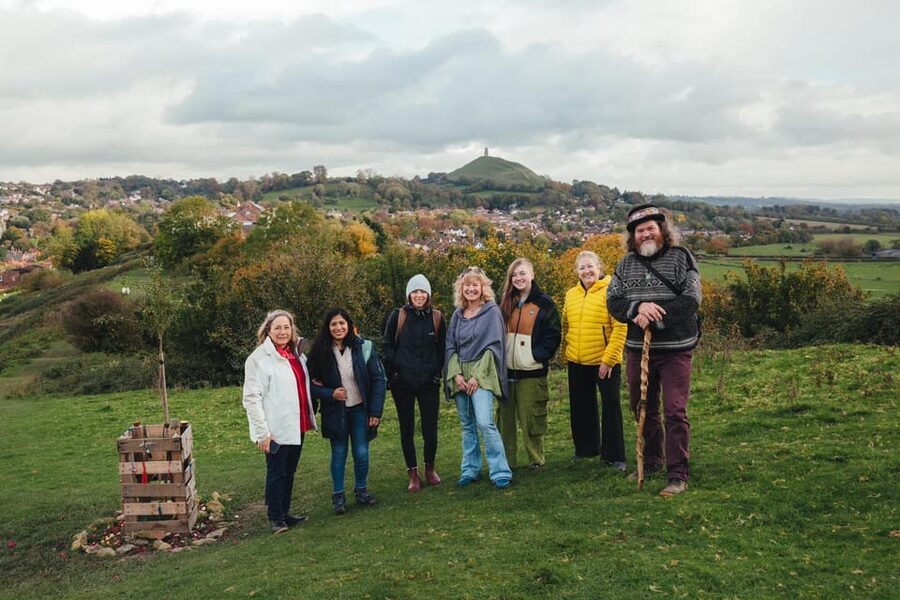
- The Holy Thorn links Glastonbury to early Christian tradition: Hear the story of Joseph of Arimathea and the staff said to have come from Jesus.
- The Abbey adds Arthurian drama: Visit the traditional burial place of King Arthur and Guinevere and learn how the site connects to the wider Avalon story.
- Chalice Well and White Spring offer very different moods: One is a quiet garden with red-tinted water, while the other is a candle-lit water temple.
- The Tor is the physical finale: Expect a climb rewarded by broad views toward Wales and an explanation of the sleeping-dragon legends.
- The guide makes the difference: Torr, Michael, and Edward have each led highly praised tours, with an emphasis on stories, links between sites, and time to look around.
- Plan for extra costs: Food and entrance fees are not included in the $101 price.
Why this Glastonbury tour feels different
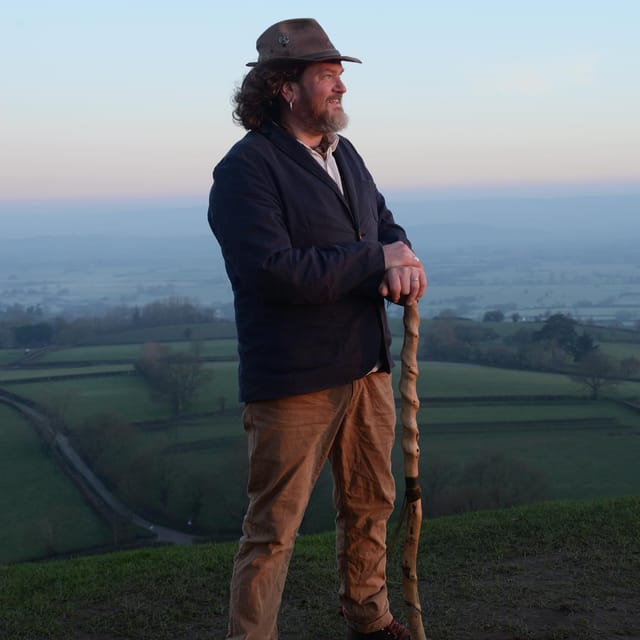
Many Glastonbury visits focus on the ruined abbey or the Tor alone. This one treats the town as Avalon, a sacred place shaped by several traditions over thousands of years.
You will hear about Druids and Pagan initiation, early Christianity, Mary Magdalene, Joseph of Arimathea, King Arthur, Guinevere, the Holy Grail, and the masculine and feminine symbolism attached to local springs. Some of this belongs to religious tradition or legend rather than settled historical fact. A good guide helps you understand that distinction while still allowing the stories to work their spell.
That balance matters here. If you want a strictly academic tour, parts of the experience may feel too mystical. If you enjoy old stories, sacred places, and the way belief shapes a town, this approach gives you far more than a quick walk past the main sights.
The tour costs $101 per person. Since the guide is included but food and entrance fees are not, the value depends on how much interpretation you want. You are paying for a full day of structure and storytelling, not a package that covers every admission or meal. For a first visit, that can be a fair trade, especially when the guide links places that are easy to visit separately but harder to understand as one story.
A handful of other Britain outings to weigh up
- Stonehenge Admission Ticket
★ 4.6 · 6,388 reviews - London: Stonehenge Morning or Afternoon Tour Optional Lunch
★ 4.4 · 3,966 reviews - From London: Stonehenge Morning Day Trip with Admission
★ 4.8 · 3,423 reviews
Starting at St John the Baptist’s Church
The day begins at St John the Baptist’s Church, a useful central meeting point on the High Street. Be careful here: the meeting place has caused confusion, so look for the church rather than relying on a vague High Street description.
The church also serves as an early clue to the tour’s approach. Its windows help tell old local stories, and the building places you directly inside Glastonbury’s Christian layer before the route moves toward Avalon, Arthurian legend, and the springs.
A guided walk begins here and sets the tone for the day. You are not simply being taken from one attraction to the next. You are given a story about how the town’s religious and legendary traditions overlap.
The opening hour is especially useful if you know little about Glastonbury. If you already have a strong interest in local folklore, you may find some ideas familiar, but the links between the sites still give the day shape.
The Holy Thorn and the early Christian story

One of the most distinctive stops is the Holy Thorn. The tradition says that Joseph of Arimathea planted a staff in Glastonbury after receiving it from Jesus. The staff supposedly took root and grew into the thorn tree associated with the town.
You should treat this as sacred tradition, not verified biography. That does not make the stop unimportant. The story explains why Glastonbury has held such power for Christian pilgrims and spiritual seekers, and it gives the town a living symbol of its early Christian identity.
The guide also places the story beside older Pagan and Druid traditions. According to the account presented on the tour, Joseph worked with people who had already used Avalon for spiritual initiation. This is where the experience moves beyond a simple church history walk. You are asked to consider how new beliefs may be layered over older sacred customs.
I like this part because it gives context without requiring you to accept every legend literally. You can listen for the historical clues, enjoy the folklore, and decide how much spiritual meaning you want to attach to the place.
St Margaret’s Chapel and Glastonbury Abbey
From the Holy Thorn, the route continues through the hidden chapel of St Margaret toward Glastonbury Abbey. The chapel adds a quieter moment before the larger abbey site.
The Abbey is the day’s major historical setting. Its ruins give you a strong sense of scale, while the guide explains the claimed location of the Wattle Church, described here as England’s first building for Christian worship. Tradition places its construction in 62 AD by Mary Magdalene and Joseph of Arimathea.
Again, this is a tradition-rich story rather than a point you should approach as settled fact. The value lies in seeing how Glastonbury has built its identity around early Christianity and the arrival of the family of Christ.
The route then reaches the traditional burial place of King Arthur and Guinevere. Arthur’s connection to Glastonbury became especially powerful because the Abbey promoted the site as his final resting place. Your guide explains why the grave is here and how the Arthurian story has been tied to the Christian traditions of Avalon.
The Abbey portion lasts about an hour. That is enough time for a focused explanation and some independent looking, though you should not expect an entire morning for every ruin and corner. Entrance fees are not included, so check the current admission cost when planning your budget.
Elsewhere in Britain, a change of pace:
- London: The London Eye Entry Ticket
★ 4.6 · 35,875 reviews - From London: Harry Potter Warner Bros Studio Tour
★ 4.7 · 26,588 reviews - London: Westminster to Greenwich River Thames Cruise
★ 4.5 · 22,836 reviews - Magical London: Harry Potter Guided Walking Tour
★ 4.7 · 22,044 reviews
The Arthurian thread through Glastonbury
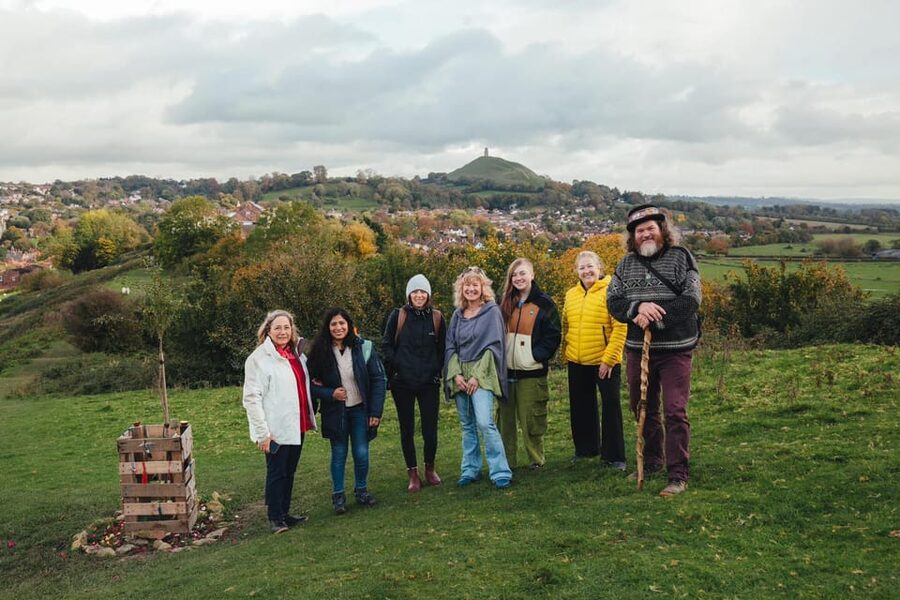
Arthurian Glastonbury works best when you accept that myth, politics, faith, and tourism have always influenced one another. The tour does not treat King Arthur as a separate fantasy subject. Instead, it connects Arthur and Guinevere to the same sacred ground associated with Joseph of Arimathea and Mary Magdalene.
That connection is one of the more interesting features of the day. Glastonbury is not merely presented as the place where Arthur was buried. It becomes a meeting point for several powerful British stories.
You will also hear why Glastonbury is identified with Avalon. The name suggests an island or otherworldly place, though the modern town is firmly on dry land. The surrounding hills, springs, ruins, and misty folklore help explain why the idea has endured.
This is a good place to keep your expectations sensible. The tour offers interpretation and tradition, not archaeological proof of every legend. Its strength is in showing you why these stories matter to the people and places connected with them.
Lunch and the town of Glastonbury
After the morning’s historical and religious sites, you have a lunch break before the spring visits. Food is not included, so you will need to buy your own meal.
The schedule gives you a practical pause after several hours on foot. It also lets you experience Glastonbury as a living town rather than only as a collection of sacred sites. The route includes a guided visit around Glastonbury itself, with about an hour set aside for this part of the day.
Do not expect the guide to provide a formal food tour. The point is to reset, eat, and prepare for the more reflective afternoon stops. Bring enough time and money for lunch, and remember that the day continues with more walking.
Chalice Well and the search for the Grail
The afternoon quest turns toward the Holy Grail at Chalice Well. Local tradition says the Grail is buried beneath the well, making this one of the central spiritual stops of the tour.
Chalice Well is presented as a peaceful garden, and the atmosphere differs from the Abbey’s ruined stonework. Here the focus is on water, quiet, healing, and personal reflection. You can drink the water yourself, as the spring is said to have healing qualities.
The well’s red waters are linked with female energy. You do not have to share that belief to appreciate the setting or understand why the site attracts people seeking calm and renewal. The guide explains the symbolism and the Grail tradition, then gives you a chance to experience the place directly.
I like the fact that this stop is not only a lecture. Drinking the water makes the visit personal, even if you regard the healing claim as spiritual rather than medical. Do not treat it as a substitute for medical care, but you can still take part respectfully.
The visit lasts about an hour. Expect a slower pace than at the Abbey, with time to listen and look around.
White Spring and the candle-lit water temple
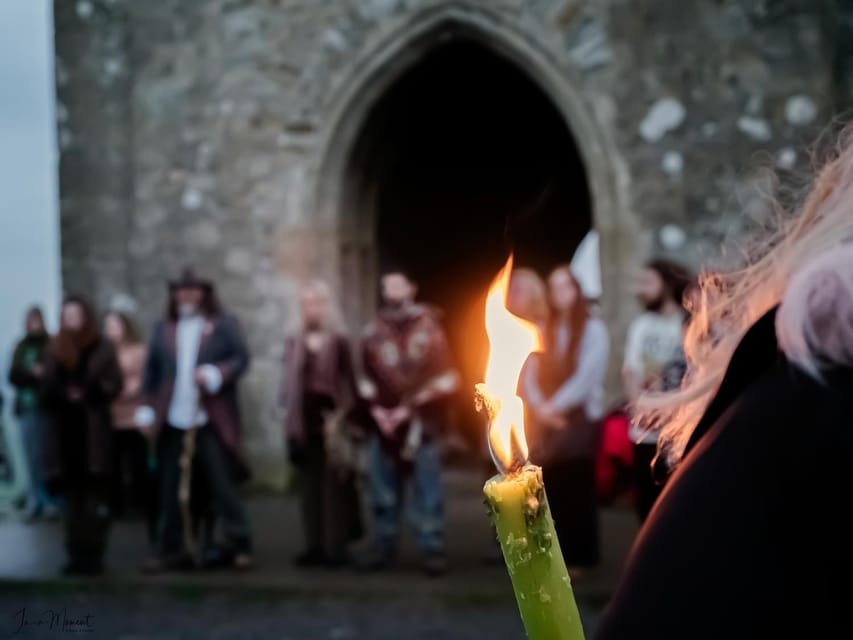
White Spring is close to Chalice Well, but it offers a sharply different experience. The spring is housed in a candle-lit water temple, and its water is associated with male energy.
Together, the two springs create the tour’s symbolic balance: red and white, female and male, Chalice Well and White Spring. That contrast is central to the guide’s explanation and to Glastonbury’s modern spiritual identity.
The White Spring visit lasts about 30 minutes. The setting may include people bathing without clothing, so tell the operator in advance if you would prefer not to witness this. That is an important practical detail, particularly if you are visiting with children or simply prefer a more conventional sightseeing experience.
This stop will suit you if you are open to spiritual customs and unusual sacred spaces. It may feel outside your comfort zone if you want a standard church-and-ruins tour. The short visit keeps it from taking over the day, but the atmosphere is a real part of the experience.
Climbing Glastonbury Tor
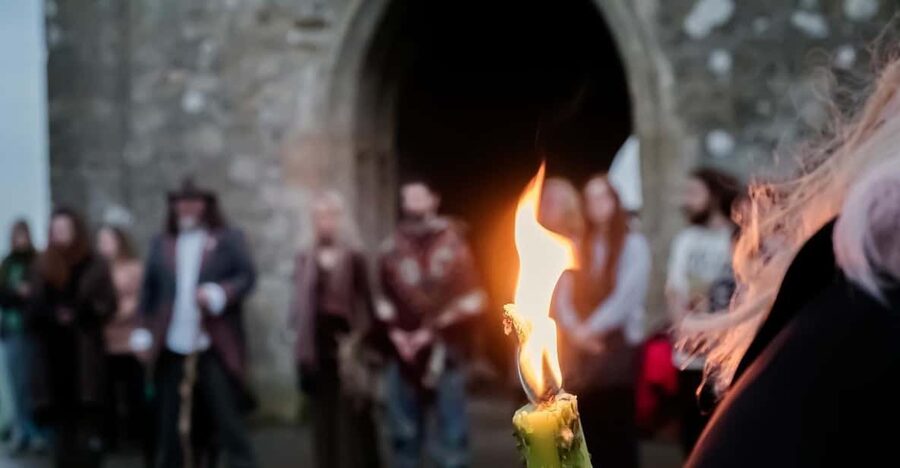
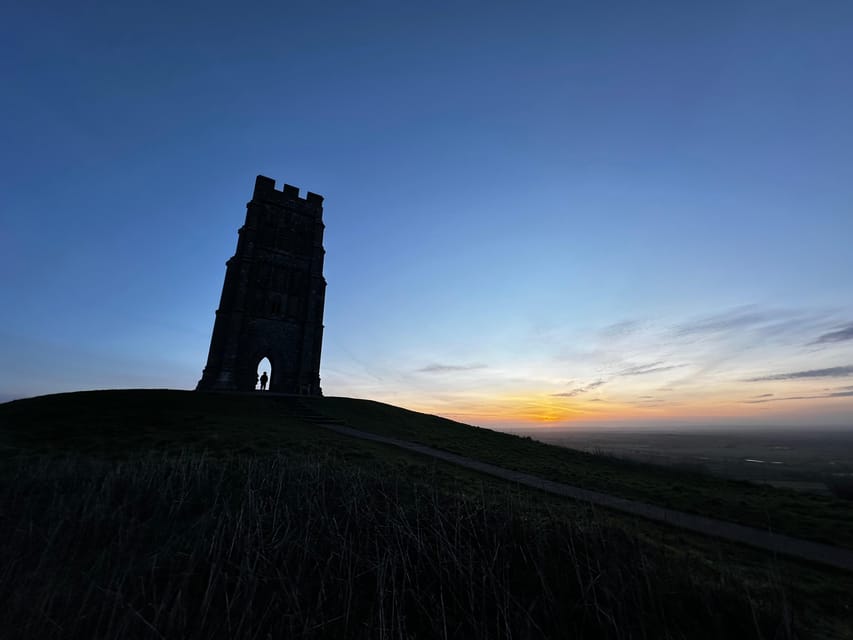
The final major stop is Glastonbury Tor, the hill that dominates the town and gives the day its most physical finish. You climb to the top with the guide, hear why the hills are called sleeping dragons, and look across the sacred countryside toward Wales.
The Tor is not just a viewpoint. It is treated as a place of strong energy, with layers of folklore and spiritual meaning attached to its shape and position. The ruined tower at the summit gives the climb a striking focal point, though the tour description does not include a separate entrance arrangement for the Tor.
Wear proper hiking shoes. Rain gear is also essential in South West England, where weather can shift quickly. Even if you are comfortable walking in town, the Tor adds an uphill section to a day that already includes several hours on foot.
The climb is worth saving for last. After hearing about Avalon, Arthur, the springs, and the Grail, you can look back over the area and see how the pieces fit together physically. The view toward Wales gives the day a clear sense of place, rather than ending inside another building.
Guides, group feel, and the human side
The guide is the key part of this experience. The day depends on someone who can explain the difference between history, legend, religious tradition, and modern spiritual belief without flattening them into one claim.
Torr has been praised for clear explanations of the attractions and the links between them. Michael has led tours described as friendly, engaging, and well informed, and one version of the day included time at his personal museum collection. Edward has also been singled out for his care and his strong fit with Glastonbury’s unusual atmosphere.
These names do not guarantee who will lead your departure, but they give you a useful sense of the guiding style available. The strongest part of the experience is likely to be the live storytelling, especially when the guide leaves you time to explore after explaining a site.
Organization has been less consistent. One booking began many hours late because the agency had missed the reservation, and another experience was criticized for weak organization. That is not a reason to dismiss the tour, but it is a reason to confirm your booking and meeting place ahead of time.
The experience is listed as wheelchair accessible. Still, the day includes a climb to Glastonbury Tor, so ask the provider for practical route details if you use a wheelchair or have limited mobility. Accessibility on the town portion does not automatically answer every question about the Tor or the springs.
What the $101 price really covers
At $101, this is not the cheapest way to see Glastonbury’s sights. You must also budget for lunch and admission fees.
The price makes more sense if you value a full day with a guide who explains the connections among the sites. On your own, you can walk through town, visit the Abbey, find the wells, and climb the Tor. The harder part is understanding why these places are linked and where tradition ends and documented history begins.
If you prefer to set your own pace, the tour may feel restrictive. One person found that much of the route could have been done alone, and that is a fair point. The main benefit is not exclusive access. It is interpretation, structure, and the chance to cover all the major stops in one day.
Free cancellation up to 24 hours before the start gives you some flexibility, and you can reserve now and pay later. Check the available start time before booking, since the exact schedule is not fixed in the information provided.
Who should book The Quest?
I would choose this tour if you are fascinated by Avalon, Arthurian stories, early Christianity, Pagan traditions, sacred springs, or spiritual symbolism. It is particularly useful for a first Glastonbury visit when you want the major sites arranged into one coherent day.
You will also appreciate it if you enjoy asking how legends shape real places. The guide can help you see the Abbey, wells, church, and Tor as parts of one story instead of isolated stops.
I would hesitate if you want only proven history, dislike mystical explanations, or prefer a relaxed day with little walking. The route is full, the weather may be wet, and extra costs are not included.
FAQ
Where does the tour begin?
The tour begins at St John the Baptist’s Church in Glastonbury and returns there at the end of the day.
How long does the tour last?
The experience lasts one full day.
What language is the tour conducted in?
The live tour guide speaks English.
Is food included?
No. Food is not included, so you need to arrange and pay for lunch yourself.
Are entrance fees included?
No. Entrance fees are not included in the tour price.
Does the tour visit Glastonbury Abbey?
Yes. The route includes a guided visit to Glastonbury Abbey for about one hour.
Will I visit Chalice Well?
Yes. The tour includes about one hour at Chalice Well, where you can drink the spring water.
Does the tour visit White Spring?
Yes. White Spring is included for about 30 minutes. The site may have nude bathers, so tell the provider if you would prefer not to witness this.
Should I bring hiking shoes and rain gear?
Yes. Hiking shoes and rain gear are listed as recommended items, particularly because the route includes a climb to Glastonbury Tor.
Can I cancel for a full refund?
Yes. You can cancel up to 24 hours in advance for a full refund.
Should you book this Glastonbury day tour?
Book it if you want Glastonbury explained as Avalon, a place where Christian tradition, Pagan custom, Arthurian legend, and sacred water all meet. The best parts are the links among the sites, the stories of the Holy Thorn and Arthur’s burial, the contrasting springs, and the final view from the Tor.
Skip it if you are confident planning the town on your own and want to avoid admission costs, mystical themes, or a long walking day. Before paying, confirm the meeting point, check which guide is scheduled, and allow extra money for food and entry fees. For the right kind of visitor, the $101 buys a memorable day of context and storytelling, not simply transportation from one attraction to another.
New listings around Britain
- London: Secrets of Freddie Mercury Tour with a Cocktail★ 4.1 · 15 reviews
- London: Hampton Court Private Guided Tour★ 3.4 · 15 reviews
- Edinburgh: Isle of Skye, Highlands & Jacobite Steam Train★ 4.6 · 15 reviews
- London: Jack the Ripper Tour and Underground Prison in Spanish★ 5.0 · 15 reviews
- Spanish Language : Original Harry Potter Walking Tour★ 4.5 · 15 reviews
- THE HANGOVER BRUNCH | Benidorm Bingo & Drag Queens★ 4.5 · 15 reviews
- London: Private Couples Photography Session with Landmarks★ 5.0 · 15 reviews
- London: The Saturday Supershow Cabaret at Phoenix Arts Club★ 4.5 · 15 reviews
Salisbury & Stonehenge Tours, compared.
Stonehenge Morning or Afternoon Tour Optional Lunch
Read our review →

Stonehenge, Glastonbury & Avebury Small Group Tour
Read our review →
Stonehenge: App Guided Tour + Admission Included
Read our review →
Browse the lists this tour appears in