
Reviewed · MUSEUMS
Hadrian’s Wall: Chesters Roman Fort and Museum Entry Ticket
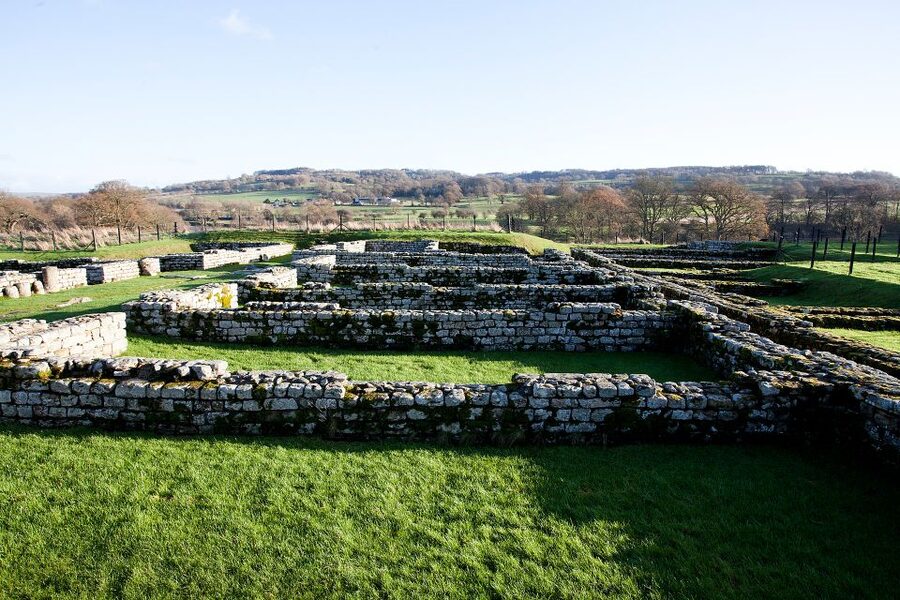
The best reason to visit Chesters Roman Fort is its bathhouse. Set beside the North Tyne, this unusually complete complex still shows the rooms where cavalrymen could take hot, cold, and steam baths. I love that the site feels practical rather than grand: you are seeing a working military base, not just a pile of stones. The digital reconstructions also help you picture the barracks, where soldiers shared space with their horses.
I also like the Clayton Museum, with its Roman objects, inscriptions, and original Edwardian display cabinets. The e-reader gives you useful facts as you walk, and the small fort trail helps families keep moving. The main drawback is value: at about $13 per person, plus possible parking charges, the visit may feel brief if you are not especially interested in Roman ruins.
Key points at a glance

- Britain’s most complete Roman cavalry fort: See the headquarters, courtyard, barracks, shrine, officers’ quarters, and commandant’s house.
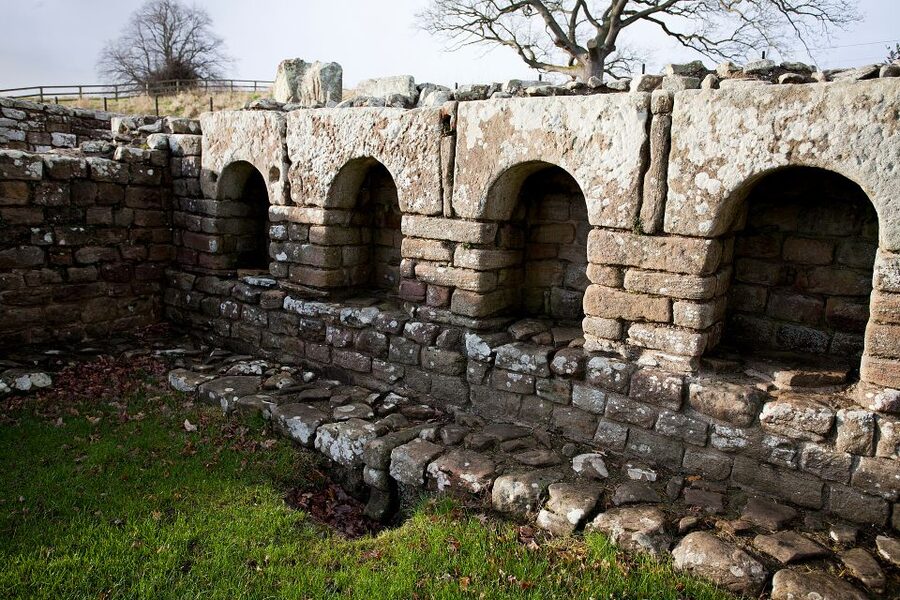
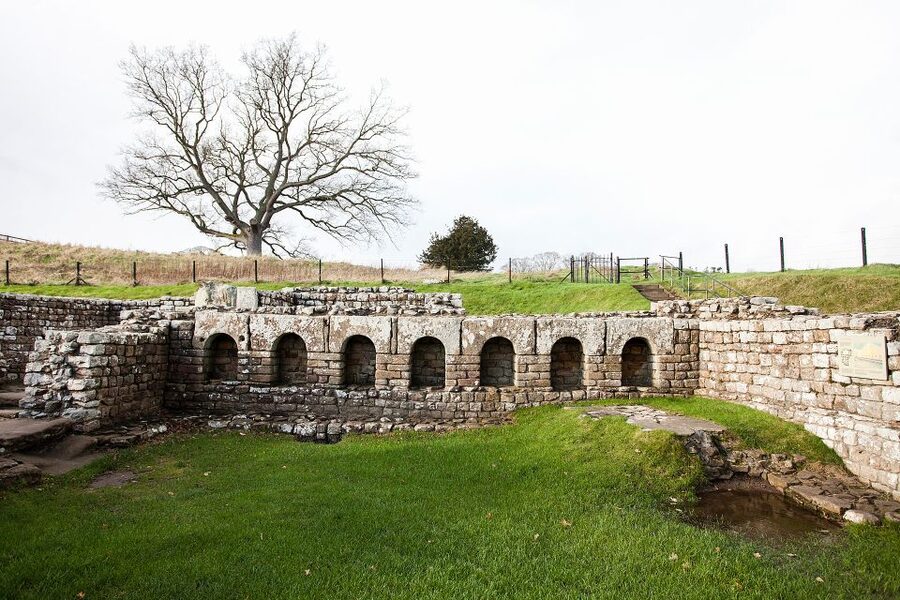
- A remarkably preserved bathhouse: Explore hot, cold, and steam-bath rooms beside the North Tyne.
- Roman soldiers from Northern Spain: Learn about the cavalrymen who used the fort and its bathhouse.
- A practical museum visit: Pick up an e-reader for facts, objects, inscriptions, and digital room reconstructions.
- Useful stop on Hadrian’s Wall: Chesters works well as a launch point for visiting other nearby Roman sites.
- Plan around the seasons: Last entry is 4 PM from April 1 through October 29, and 3 PM from October 30 through March 31.
Why Chesters Roman Fort is worth your time
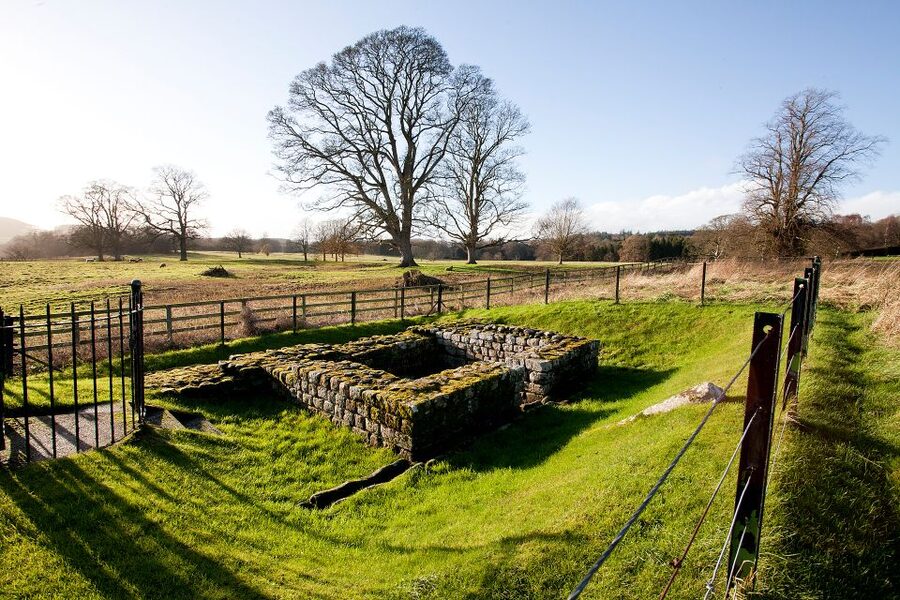
Chesters gives you one of the clearest looks at daily military life along Hadrian’s Wall. The ruins are not limited to defensive walls and foundations. You can trace the layout of a cavalry fort, then walk over to a bathhouse that remains unusually easy to understand.
That matters because Roman sites can sometimes require a lot of imagination. At Chesters, the surviving walls and room shapes give you a better sense of how the place worked. You can move from the headquarters building to the courtyard, see the hall and regimental shrine, and then picture the commandant living in a far more comfortable house than the ordinary soldiers.
The setting adds to the experience. The bathhouse sits by the North Tyne, giving this military site a calmer feel than you might expect. Soldiers stationed at one of the empire’s northern outposts could come here to wash, rest, and use the hot, cold, and steam rooms. Today, the riverside location makes the bathhouse the natural focal point of your visit.
This is an entry ticket, not a scheduled guided tour with a named guide. You explore at your own pace, supported by the e-reader, museum displays, and a fort trail sheet. That arrangement suits you if you prefer to stop for photographs, linger over inscriptions, or move quickly through rooms that interest you less.
More Museum Tours in Britain:
- Liverpool: Liverpool Football Club Museum and Stadium Tour
★ 4.8 · 10,764 reviews - London: Chelsea Football Club Stadium and Museum Tour
★ 4.8 · 4,576 reviews - London Transport Museum Entrance Ticket
★ 4.5 · 1,323 reviews
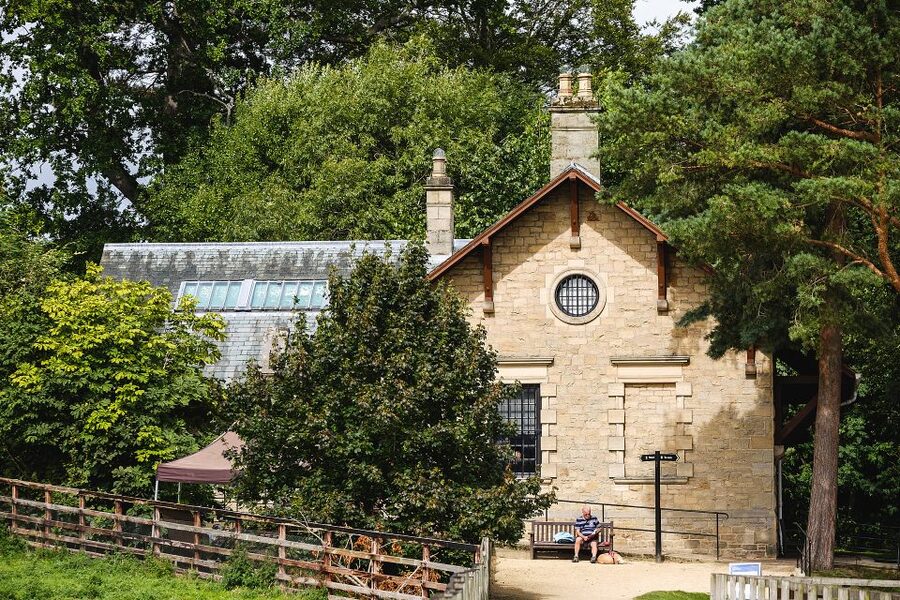
Starting with the Clayton Museum
I would begin inside the Clayton Museum before walking around the ruins. The museum helps you understand what you are looking at outside, and the e-reader puts background information in your hand from the start.
The collection includes Roman objects and inscriptions found at Chesters and along Hadrian’s Wall. These small pieces can make the fort feel more personal. Instead of seeing only masonry, you get clues about the people who served here and the wider military system that supported the wall.
The museum also tells the story of John Clayton, a Victorian lawyer known as the Savior of the Wall. His work helped protect important parts of Hadrian’s Wall, and Chesters is connected to that preservation story. The museum first opened in 1896 for the Trustees of the Clayton Collection, and many of its original Edwardian display cabinets remain.
Those cabinets are not just decoration. They give the museum an old-fashioned character that fits the site. You should not expect a large modern museum with dozens of interactive stations. Instead, the Clayton Museum offers a more focused collection, with the e-reader providing extra context as you inspect the displays.
The digital reconstructions are particularly useful. They show rooms such as the barrack block as they may have appeared in Roman times. The barracks were shared by cavalrymen and their horses, a detail that helps you understand how crowded and functional the fort would have been.
Walking through the cavalry fort
After the museum, pick up the Chesters Fort takeover trail sheet from the admissions team. It gives families and younger visitors a simple way to explore the site, though adults can use it as a quick route through the main remains too.
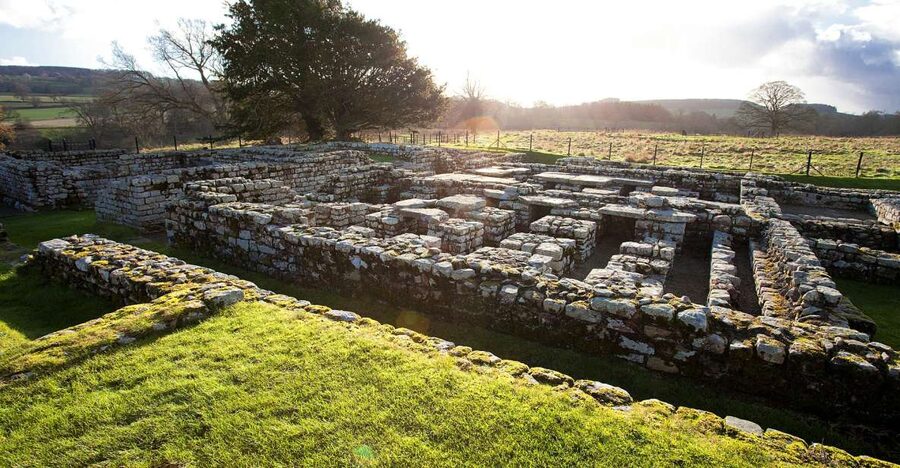
Chesters is described as the most complete Roman cavalry fort in Britain. The layout includes the headquarters building, courtyard, hall, regimental shrine, officers’ quarters, and barrack areas. Each section shows a different part of military life.
The headquarters was the administrative heart of the fort. The courtyard and hall helped organize the unit, while the regimental shrine connected military duty with Roman religious practice. You can move between these spaces and get a feel for how the fort was divided between command, ceremony, storage, and everyday work.
The officers’ quarters offer an important contrast. The fort was not only a rough outpost for ordinary soldiers. Senior personnel had better accommodation, and the remains of the commandant’s house show how much more comfortable that life could be.
The commandant’s house was elaborate and luxurious by military standards. Its ruins are worth seeking out even if you are mainly visiting for the bathhouse. I like this part of Chesters because it puts rank and status into physical form. The fort was a Roman workplace, but it was also a small community with clear social divisions.
The bathhouse beside the North Tyne
The bathhouse is the main reason I would choose Chesters over a quick stop at a less complete fort. It is Britain’s best-preserved military bathhouse, and its surviving plan makes the bathing routine easier to follow.
You can see the complex of rooms used for hot, cold, and steam baths. The bathhouse was a place for hygiene, exercise recovery, and relaxation, giving soldiers a break from the hard routine of a northern posting.
The soldiers who used it originally came from Northern Spain. That detail adds a human touch to the ruins. These were not anonymous Roman figures from a textbook. They were cavalrymen from far from home, serving at one of the empire’s northernmost outposts and using this riverside spa as part of their daily life.
The bathhouse is also where the setting works best. The North Tyne gives you a peaceful backdrop, while the stone rooms show how carefully the Romans built facilities for comfort even at the edge of their empire.
Do not rush this section. Walk around the rooms slowly and use the e-reader to connect the surviving foundations with the digital reconstructions. The combination is much clearer than relying on the ruins alone.
A handful of other Britain outings to weigh up
- London: The London Eye Entry Ticket
★ 4.6 · 35,875 reviews - London: Tower Bridge Entry Ticket
★ 4.7 · 15,560 reviews - London: Westminster Abbey Entrance Ticket
★ 4.6 · 11,254 reviews - London: St Paul’s Cathedral Entry Ticket
★ 4.7 · 9,813 reviews
What the digital reconstructions add

Digital reconstructions are especially helpful at Chesters because they bridge the gap between Roman design and modern ruins. A low wall can be hard to interpret by itself. A reconstruction can show you how that wall fitted into a barrack, bathhouse, or administrative room.
The barrack block is a good example. Knowing that cavalrymen shared the building with their horses changes how you read the space. This was not simply a sleeping area. It was part of a military system built around mounted troops, their equipment, and the animals they depended on.
The reconstructions also help you picture the commandant’s house and the other important buildings. You still need to use your imagination, but the e-reader gives you a firmer starting point.
I would treat the device as a companion rather than a full guided tour. It gives you facts at the points where you need them, but you remain free to look around without following a strict timetable. That is useful if you are combining Chesters with other Hadrian’s Wall sites during the same day.
How long to allow and when to arrive
Your ticket is valid for one day, but no fixed duration is given. I would allow enough time for the museum, bathhouse, fort remains, and a break in the tearoom. The exact length depends on how closely you read the displays and how much time you spend with the digital reconstructions.
The entry deadline matters more than the total visit length. During the summer season, from April 1 through October 29, last entry is at 4 PM. During the winter season, from October 30 through March 31, last entry is at 3 PM.
Arriving earlier gives you more freedom. You can start with the museum, walk the fort without rushing, and still have time for the tearoom. A late arrival could force you to choose between the indoor displays and the outdoor remains, especially in winter.
Comfortable shoes are important. The fort is an outdoor archaeological site, and weather-appropriate clothing is essential in Northumberland. Even a visit that begins in the museum can quickly turn into a long walk around exposed ruins.
Food at the Chesters tearoom
The Chesters tearoom is a useful part of the visit, especially if you are treating the fort as a stop during a longer day along Hadrian’s Wall. It serves light lunches made with locally sourced ingredients, along with sweet treats and hot and cold drinks.
For a distinctly Northumbrian touch, try a traditional stottie cake. It is a simple local food choice that fits the setting better than a generic snack. The tearoom gives you a place to pause after walking the fort and bathhouse.
You should not book Chesters solely for the food. The tearoom is an added convenience, not the central attraction. Still, having lunch or a hot drink on site makes it easier to give the ruins the time they deserve.
Is the $13 admission good value?

At about $13 per person, Chesters is reasonably priced if you plan to use the museum, e-reader, bathhouse, fort trail, and outdoor ruins. You are paying for access to a substantial Roman site rather than a single viewpoint or a short exhibit.
The value is strongest for people who already enjoy Roman history or are visiting several Hadrian’s Wall locations. One useful way to think about Chesters is as a starting point for the wider area. You can use the fort to get your bearings before continuing to other sites along the wall.
The value is less certain if you expect a large attraction with a long program of activities. One poor experience specifically judged the admission and parking cost too high for the amount of time spent on site, with about £23 paid for two people plus £4 for parking. That is a fair warning: if Roman ruins do not hold your attention, Chesters may feel small.
Prices can change, so check the current admission and parking arrangements when booking. The ticket data gives a price of $13 per person, while the separate parking cost comes from a visitor’s account in pounds. Treat parking as a possible extra rather than assuming it is included.
Who will enjoy Chesters most?
I would recommend Chesters to anyone who wants a clear, manageable Roman site with several different buildings to explore. The bathhouse is a strong draw for first-time visitors to Hadrian’s Wall because it is unusually complete and easy to connect with everyday life.
Families can use the takeover trail sheet to turn the visit into a simple Roman adventure. The digital reconstructions also help children understand what the ruins once looked like, though the appeal will still depend on their interest in archaeology and history.
The site suits independent explorers more than people looking for a lively guided performance. There is no named guide included, and the experience is based on your own walk through the museum and fort. The e-reader gives structure, but you remain in charge.
Wheelchair access is available. You should still bring practical clothing and comfortable shoes, since much of the experience takes place outdoors around historic ruins.
Booking flexibility and family details
You can cancel up to 24 hours before the visit for a full refund, and you can reserve now while paying later. That is useful if your plans depend on changing weather or a full day of visits along Hadrian’s Wall.
A family ticket covers two adults and up to three children between 5 and 17 years old. It is not designed for a family with more than two adults, so check the ticket type carefully before booking.
Small-group availability is listed, but this is fundamentally a self-guided entry experience. Do not expect a reserved walking tour or a personal guide to lead you from building to building.
Should you book Chesters Roman Fort?
Book it if you want to see one of the clearest Roman cavalry forts in Britain, especially if the bathhouse and military life interest you. The riverside setting, original museum cases, digital reconstructions, and remains of the commandant’s house give you several strong reasons to stay beyond a quick photograph.
Think twice if you are paying for a large family group, adding parking, and planning only a short stop. The site rewards curiosity, but it may not feel like good value if you are not inclined to read displays or study ruins.
For most people building a Hadrian’s Wall day, I would include Chesters. Start with the Clayton Museum, use the e-reader, make the bathhouse your main outdoor stop, and leave enough time for the headquarters and commandant’s house. That approach gives you the best sense of how Roman soldiers lived, worked, rested, and served at the empire’s northern edge.
FAQ
Where is Chesters Roman Fort?
Chesters Roman Fort is in Northumberland, United Kingdom, along Hadrian’s Wall.
What does the admission ticket include?
The ticket includes entry to Chesters Roman Fort and the Clayton Museum.
How long is the ticket valid?
The ticket is valid for one day.
Is Chesters Roman Fort wheelchair accessible?
Yes, wheelchair access is available.
What are the last entry times?
From April 1 through October 29, last entry is at 4 PM. From October 30 through March 31, last entry is at 3 PM.
Is this a guided tour?
No specific guide is included. You explore independently with an e-reader, museum displays, and a Chesters Fort takeover trail sheet.
What should I bring?
Bring weather-appropriate clothing and comfortable shoes.
What does the family ticket cover?
The family ticket is valid for two adults and up to three children aged 5 to 17.
New listings around Britain
- Bath: Silent Disco Guided Walking Tour★ 5.0 · 13 reviews
- Scotland: West Highlands, Mull and Iona 4-Day Tour★ 4.5 · 13 reviews
- London: French Macaron Workshop in London★ 4.5 · 13 reviews
- London: Sherlock Holmes Museum & Westminster Walking Tour★ 4.4 · 13 reviews
- Loch Ness,Cawdor Castle,Outlander Sites &More from Inverness★ 5.0 · 13 reviews
- Ultimate Harry Potter & London Full-Day Tour by Black Cab★ 5.0 · 13 reviews
- EasyAccess Tower Bridge & Engine Room & Scenic Thames Cruise★ 5.0 · 13 reviews
- Manchester: Trax Social Racing Simulator Experience★ 3.1 · 13 reviews
Museums, compared.

Liverpool Football Club Museum and Stadium Tour
Read our review →
Chelsea Football Club Stadium and Museum Tour
Read our review →



Browse the lists this tour appears in