
Reviewed · LONDON TOURS
London: British Museum Highlights Tour: How Beauty Was Born
The most interesting idea here is that beauty keeps changing. In two hours, you move from Greek bodies and Egyptian funerary art to Mesopotamian invention, Indian spirituality, tragic love, and medieval stories about Jesus. I like the small group of eight, which gives the guide room to explain rather than simply point. I also like the clear theme, how each object connects to a larger question about beauty, belief, and human nature.
The main drawback is pace. The British Museum holds more than 8 million objects, and this tour can only show you a handful. You will also do a moderate amount of walking, and the experience is not suitable for wheelchair users or people with mobility impairments.
Key points to know before booking
- The Rosetta Stone anchors the tour: See the object that helped scholars decipher Egyptian hieroglyphs.
- The Parthenon sculptures frame the beauty theme: Greek art becomes a starting point for discussing the body, balance, and cultural influence.
- Egyptian mummies bring life and death into the conversation: Expect ancient beliefs about the body, medicine, and the afterlife.
- Eight people is the maximum group size: This is a better setup for questions than a large museum crowd.
- A lively storyteller leads the route: The tour mixes serious ideas with jokes and unusual tales, including medieval stories about Jesus.
- Plan for light travel: Wear comfortable shoes, leave backpacks behind, and bring water for before or after the museum visit.
Why this British Museum tour takes a different route
Many museum tours work like a greatest-hits album. You see the famous stone, the famous sculptures, and the famous mummies, then move on. This experience uses those objects as evidence in a wider story about how people have defined beauty and meaning across time.
That approach gives the tour a useful shape. You are not simply memorizing names and dates. You are asked to compare different ideas about the human body, death, love, religion, invention, and the soul. The connections will suit you if you enjoy museums more when someone gives the objects a clear purpose.
The guide uses humor along the way. There are jokes about Olympic athletes, yoga mats, thirsty mummies, Cupid, and the extra stories about Jesus that did not become part of the standard biblical accounts. That tone will not suit everyone, especially if you want a quiet, academic lecture. For most people, though, a little humor can keep a two-hour museum visit moving.
The tour is in English and is led by an expert storyteller. No individual guide name is provided, so you should not book expecting a particular person. The strongest praise for the experience focuses on the detailed explanations and the guide’s ability to solve an entry problem at the museum. That practical help matters in a busy public institution.
More Museum Tours in London
- London: Chelsea Football Club Stadium and Museum Tour
★ 4.8 · 4,576 reviews - London: British Museum Guided Tour
★ 4.3 · 1,182 reviews - London: Jack the Ripper Museum Tickets
★ 4.2 · 894 reviews
Meeting the guide at Edward VII’s Entrance
You meet at the group entrance to the British Museum, specifically Edward VII’s Entrance. Look for a guide holding a My London Guide sign. The tour ends back at this meeting point, so you do not need to arrange a separate pickup afterward.
There is no hotel pickup or drop-off. That is normal for a central London museum visit, but leave enough time to reach the entrance without rushing. Your booking gives you an express security check, yet airport-style screening rules still matter. Large bags and backpacks are not allowed inside the museum.
Bring comfortable shoes and a camera. Photography is allowed without flash, but food and drinks are not permitted in the exhibition halls. Water is useful before or after the tour, not while you are walking among the displays.
The tour lasts about two hours. Starting times vary, so check the available time slots before you commit to other plans. A morning or early afternoon booking can work well as part of a museum day, while a later slot leaves time for nearby central London sights.
The Rosetta Stone and the power of written language
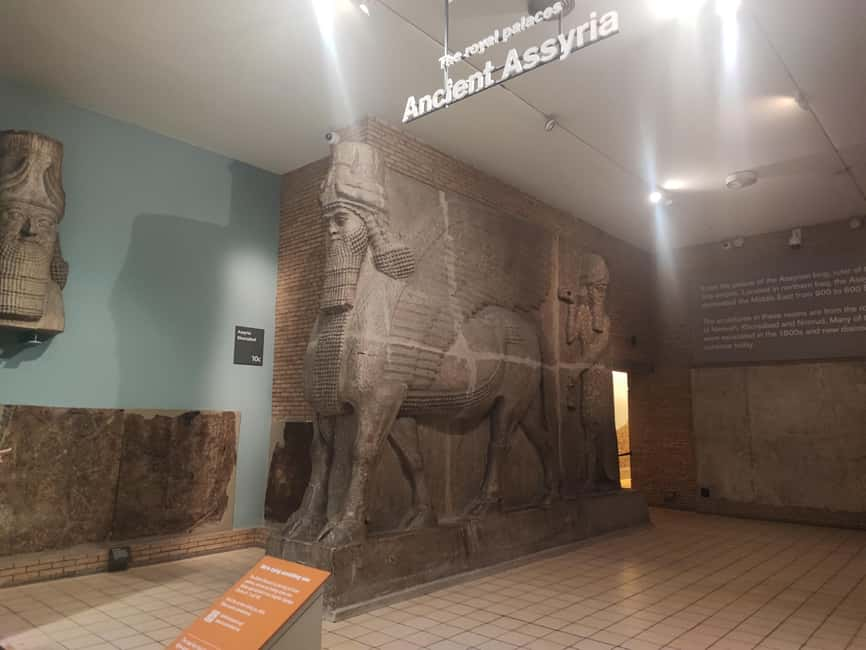
The Rosetta Stone is one of the museum’s essential stops. Its importance is not only its age or appearance. The same decree appears in more than one script, which allowed scholars to compare the texts and make sense of Egyptian hieroglyphs.
That makes the stone a good opening for a tour about beauty and human achievement. It reminds you that an object can be valuable because of the ideas it makes possible. Without the ability to read hieroglyphs, much of ancient Egyptian culture would remain far harder to understand.
The guide can also use this stop to show how museums work. A single object may connect language, politics, religion, archaeology, and modern scholarship. You do not need prior knowledge to appreciate it, but you will get more from the stop if you take time to look beyond the famous name.
Expect other people around this display. The British Museum is a major public attraction, and the Rosetta Stone draws attention. The small group should help you stay with your guide, but this is not a private room or a silent viewing.
Greek ideals beside the Parthenon sculptures
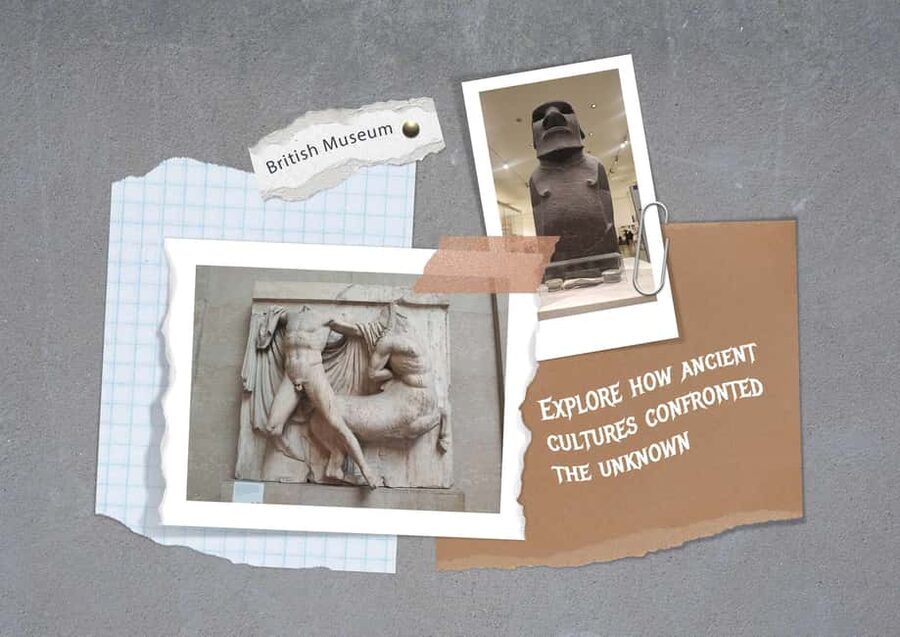
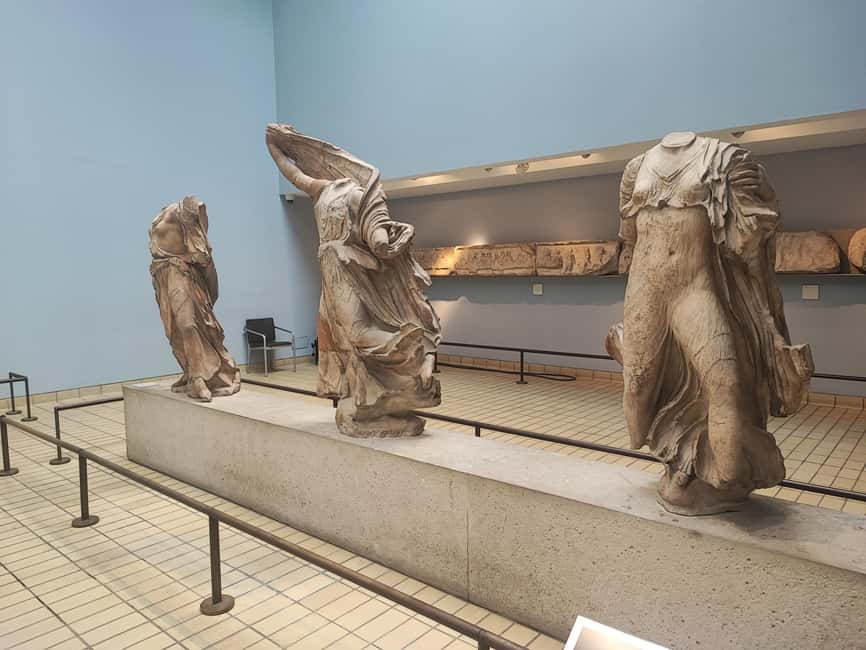
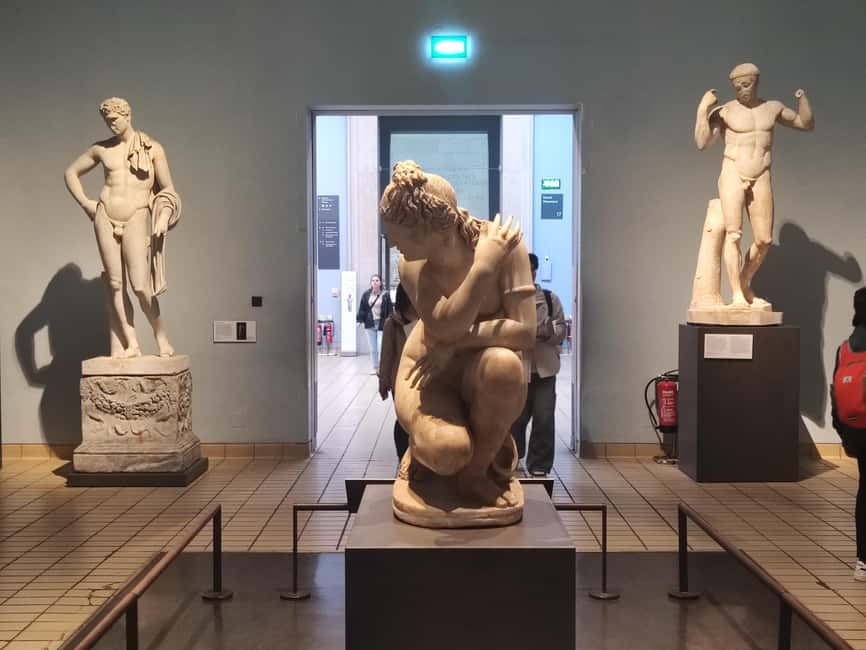
Ancient Greece gives the tour its clearest discussion of physical beauty. The Parthenon sculptures offer a chance to look at the Greek interest in proportion, movement, anatomy, and the ideal human form.
The guide connects these works to modern ideas about beauty. That connection is worth considering because Greek art still influences how Western culture presents bodies, heroes, athletes, and perfection. The point is not that ancient Greece created one final standard. It is that its artistic choices continue to shape what many people recognize as beautiful.
The sculptures also bring a practical museum issue into view. Their presence in London is tied to long-running arguments about ownership, removal, and cultural heritage. The supplied tour details do not promise a full debate on that subject, so you should not book this experience expecting a dedicated political discussion. Still, the objects naturally raise questions about how museums acquired major works and who should hold them.
This part will appeal to you if you like art with a clear visual language. You can compare the Greek ideal with the other cultures shown later. The drawback is that the discussion may feel quick if you want close attention to every sculpture. Two hours requires the guide to keep moving.
Further British Museum visits:
- London: Tour of the British Museum
★ 4.1 · 678 reviews - London: British Museum Audio Tour & Priority Entrance Ticket
★ 4.5 · 631 reviews - Afternoon Tea at the British Museum
★ 4.2 · 511 reviews - London: British Museum Guided Tour
★ 4.5 · 267 reviews
Egyptian mummies and the meeting of life and death
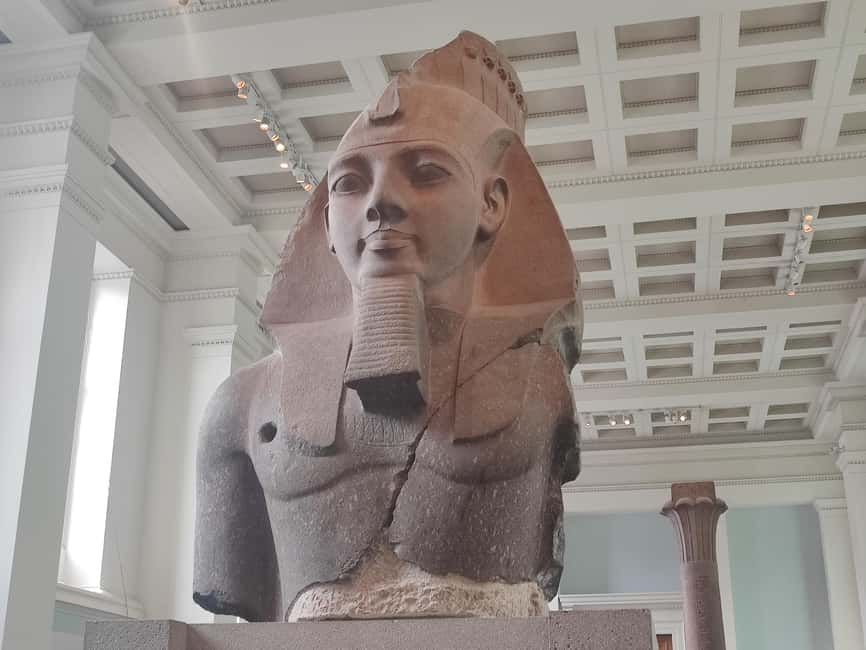
The Egyptian section shifts the mood. Mummies invite you to think about the body after death, but they also show how ancient Egyptians treated death as part of a continuing relationship with life.
The tour places Egyptian achievement beside beliefs about the afterlife, hieroglyphs, pyramids, and medicine. This is useful because mummies are often treated as spooky objects. Here, they become a way to discuss care, ritual, science, and the hope that identity could continue beyond death.
You may also hear the guide use playful word jokes in this section. If you appreciate a relaxed style, that can make a familiar museum subject easier to remember. If you prefer solemn treatment of human remains, the humor may feel less comfortable. The guide’s tone is something to consider when choosing this tour.
Take your time with the displays when you can, but stay aware of the group. The route involves a moderate amount of walking, and the museum’s large galleries can be tiring. This is not a sit-down presentation, so supportive shoes will make the experience easier.
Mesopotamia, the wheel, and ideas that still affect you
The Mesopotamian section asks a practical question: what did the first cities and farming societies invent that still shapes daily life?
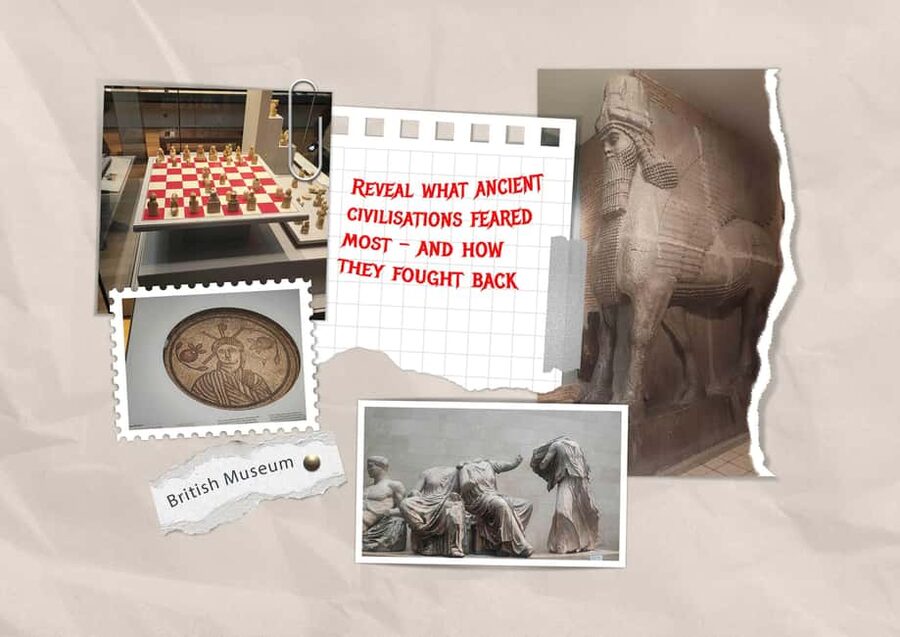
The tour highlights the wheel, siege engines, and modern farming. These subjects may seem less visually famous than the Rosetta Stone or Parthenon sculptures, but they help broaden the idea of beauty. Human creativity is not limited to sculpture and painting. It also appears in tools, systems, machines, and ways of organizing food and work.
This stop should appeal to you if you like connections between ancient objects and modern life. A wheel or farming tool can look simple, yet its impact reaches far beyond the display case. The guide’s job is to make that link clear without turning the visit into a technical class.
You will not see every part of the museum’s Mesopotamian holdings. The tour is selective, and the guide must protect time for Egypt, Greece, India, love stories, and medieval art. Think of this as a well-chosen introduction rather than a full study of Mesopotamia.
Indian ideas about rebirth and the soul
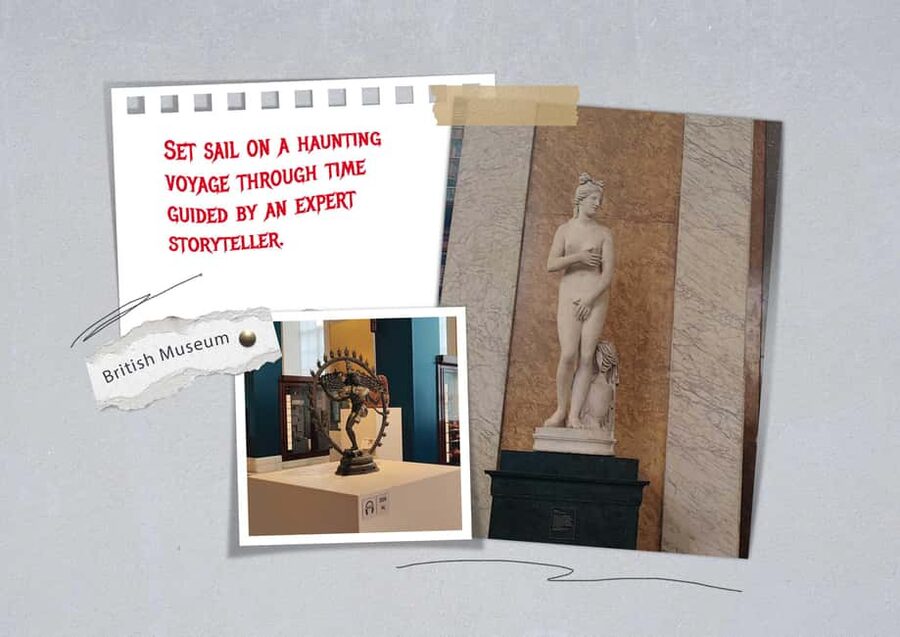
The Indian material adds a spiritual side to the route. The tour connects ancient India with yoga, rebirth, and paths toward enlightenment, then asks how those ideas continue to influence modern views of life and the soul.
This section gives the theme more depth. Beauty is not always about the surface of the body. It can also mean inner balance, spiritual progress, or the relationship between one life and the next. The reference to yoga mats keeps the presentation light, but the subject itself is serious.
I like this stop because it prevents the tour from becoming a simple parade of European art. It gives you a chance to compare physical ideals from Greece with ideas about the inner self from India. The tour does not claim to cover every Indian tradition, so expect a broad introduction rather than detailed religious history.
For you, the value depends on how much you enjoy thematic links. If you prefer precise object-by-object catalog information, this part may feel too wide-ranging. If you enjoy asking how old beliefs remain present in modern habits, it should add a welcome change of pace.
Tragic love, fate, and familiar human feelings
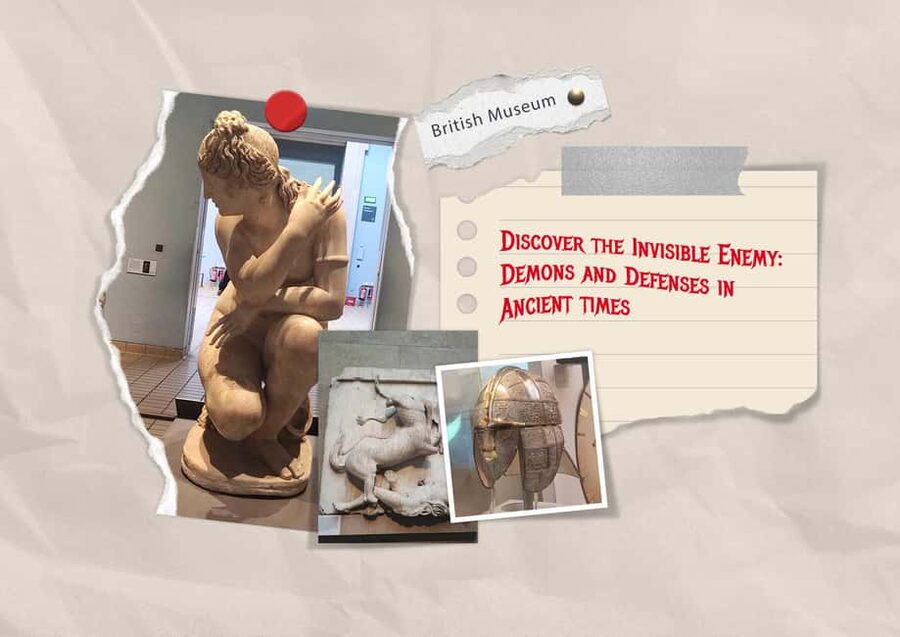
The tour then turns to tragic love stories and the way earlier societies presented powerful emotions. The central question is simple: why do stories of love, loss, and fate continue to reach people across centuries?
This is one of the more human parts of the experience. You are encouraged to think about the audience for these works, not only the people who made them. What did ancient or medieval viewers feel when they saw a doomed romance? How did art help people face jealousy, grief, desire, or forces beyond their control?
The Cupid joke signals the guide’s style, but the subject can still be thoughtful. Love stories are a useful bridge between distant cultures and your own experience. You may not recognize the names or settings, yet the emotions can feel familiar.
The limitation is that the tour details do not identify one specific love story or one single object. The guide chooses works within the museum’s collection, so the exact focus may vary. If you want a tour built around one famous myth, this is not that. If you prefer a wider look at how people express emotion, it is a good fit.
Medieval stories about Jesus beyond the standard account
The final theme looks at unusual medieval stories about the childhood of Jesus. These are described as comic-book-like narratives, a useful way to understand how religious stories were made accessible through pictures and dramatic scenes.
The point is not to replace the familiar biblical accounts. It is to show that Christian storytelling had additional traditions and imaginative episodes that did not become part of the standard edition. This can be an engaging way to look at medieval art because the images served as stories for people who might not have read religious texts.
You may find this section especially useful if you enjoy art that works like visual storytelling. Instead of treating medieval works as stiff or remote, the guide presents them as narrative media with characters, conflict, and memorable scenes.
The topic can touch on religious belief, so expect a playful but not purely comic treatment. The supplied details do not promise a specialist theology lecture. You will get a concise look at alternative narratives and the way medieval artists presented them.
What $33.67 buys you in two hours
At $33.67 per person, the tour is priced above simply entering a free museum. The value comes from the guide, the route, the small group, and the express security check.
For a first visit, I think the price can make sense. The British Museum is enormous, and many people lose time wandering between famous objects without understanding how they connect. A two-hour guide gives you a starting framework and helps you leave with a clear set of highlights.
The maximum of eight participants is important. You are not paying for a giant group that gathers around a raised flag. A small group makes it easier to hear, ask questions, and stay close to the guide. It does not guarantee a private tour, but it creates a more personal setting.
The value drops if you already know the museum well or want to explore at your own speed. You will see only selected parts, and you cannot stop for long at every favorite object. Independent visitors may prefer to spend that time on one collection.
Free cancellation up to 24 hours before the activity and the option to reserve now and pay later make the booking less rigid. Those terms are helpful if your London schedule is still changing.
Who should book this experience?
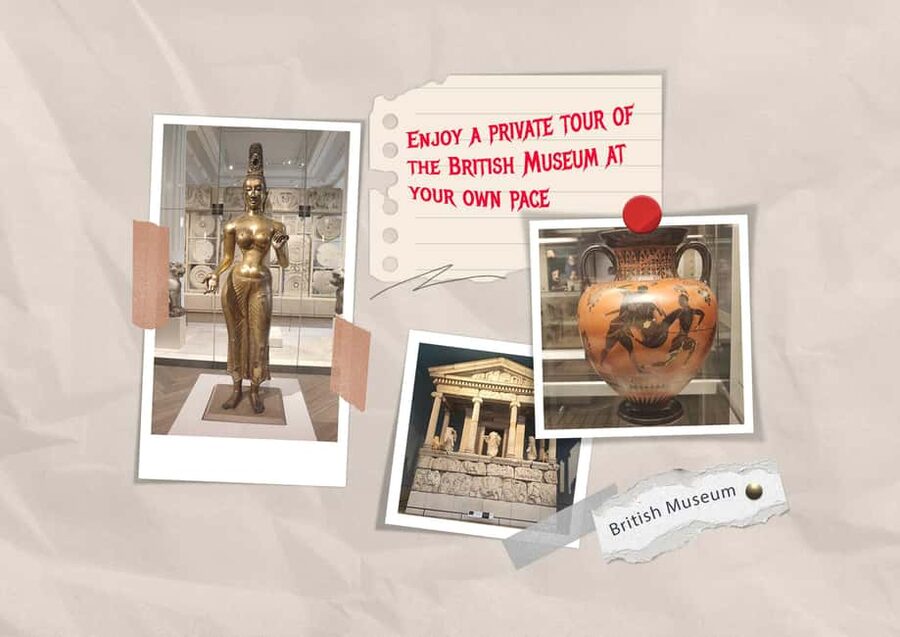
I would choose this tour for a first-time British Museum visitor who wants a clear story rather than a room-by-room march. It suits adults and older children who can manage two hours of walking and enjoy questions about art, religion, invention, and human behavior.
It is also a good choice if you tend to feel lost in large museums. The route gives you famous anchors, including the Rosetta Stone, Parthenon sculptures, and Egyptian mummies, while adding less obvious subjects from Mesopotamia, India, and medieval Europe.
You may want another option if you use a wheelchair, have a mobility impairment, or find moderate walking difficult. The experience is specifically not suitable for wheelchair users or people with mobility impairments.
Pack light. Large bags and backpacks are not allowed, and food and drinks cannot enter the exhibition halls. Bring a camera if you like, but turn off the flash. The tour is conducted in English only.
Should you book the British Museum Highlights Tour?
Book it if you want a lively, tightly planned introduction to the British Museum and like the idea of comparing beauty across cultures. The small group, express security check, and guide-led storytelling add real value to a short museum visit. The strongest praise centers on detailed explanations and practical help when an entry problem arose.
Skip it if you want a quiet independent visit, a specialist lecture on one collection, or enough time to study every object. At $33.67, you are paying for interpretation and structure, not exhaustive coverage. For many first visits, that is a fair trade.
FAQ
How long does the British Museum Highlights Tour last?
The tour lasts about two hours.
What is the price of the tour?
The listed price is $33.67 per person.
How many people can join the tour?
The group is limited to a maximum of eight participants.
What language is the tour conducted in?
The live tour guide conducts the experience in English.
Where does the tour begin?
The meeting point is the group entrance to the British Museum at Edward VII’s Entrance. The guide will hold a My London Guide sign.
Where does the tour end?
The activity ends back at the meeting point.
Is museum entry included?
The experience includes fast track entry through an express security check.
Can I take photographs inside the museum?
Photography is allowed, but flash photography is not permitted.
Are backpacks and food allowed inside?
Large bags and backpacks are not allowed inside the museum, and food and drinks are not permitted in the exhibition halls.
New listings around London
- London: Bermondsey Craft Brewery Tour★ 5.0 · 3 reviews
- Colourful Notting Hill Photography Tour★ 5.0 · 3 reviews
- The London Historic Pubs Tour★ 4.0 · 3 reviews
- Ultimate Royal London, Thames River Boat Ride & Walking Tour★ 5.0 · 3 reviews
- London: Wallace Collection & National Gallery Private Tours★ 5.0 · 3 reviews
- London: The Birthplace of The Rolling Stones Private Tour★ 5.0 · 3 reviews
- Historic pub tour with Brazilian guide (in Portuguese)★ 5.0 · 3 reviews
- London: Royal Tour with Westminster Abbey & Afternoon Tea★ 3.0 · 3 reviews
London Tours, compared.
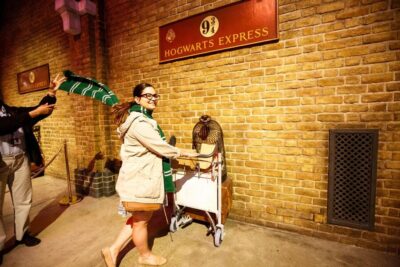

Westminster to Greenwich River Thames Cruise
Read our review →
Magical London: Harry Potter Guided Walking Tour
Read our review →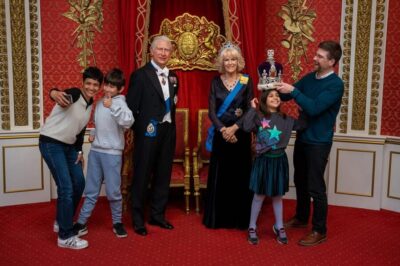
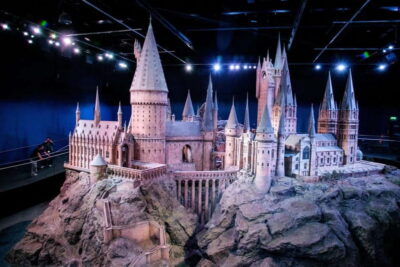


Warner Bros. Studio Harry Potter Tour with Transfers
Read our review →Browse the lists this tour appears in