
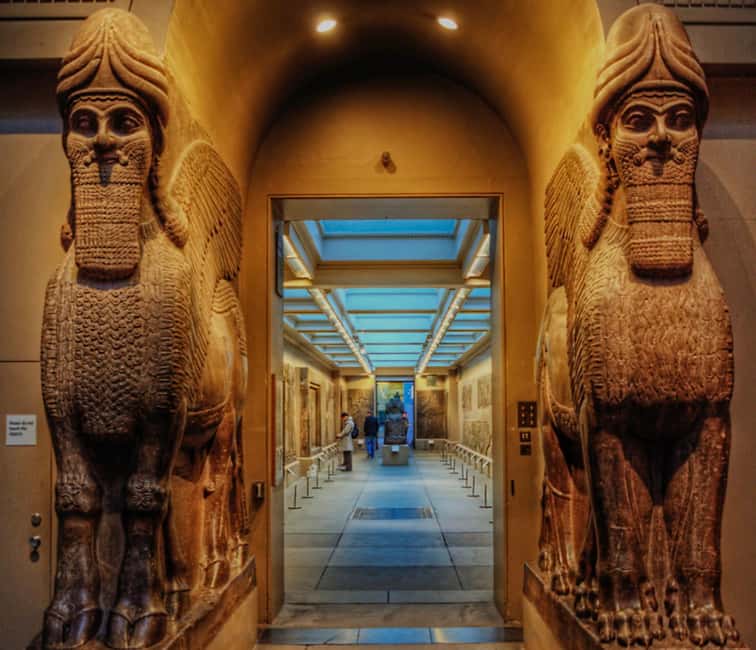
Reviewed · LONDON TOURS
London: British Museum with Expert Guide.
The Rosetta Stone, Egyptian mummies, Parthenon sculptures, Assyrian lion hunts, and Lewis Chessmen make up the backbone of this brisk British Museum tour. A certified English-speaking guide, including Strabo, leads you to the objects that give this enormous museum its shape and meaning.
I like the focused route, which keeps you from wandering through room after room without knowing what matters. I also like the guide-led storytelling, especially for families and younger visitors who may need a clear thread through thousands of years of art and archaeology. The main drawback is time: 80 minutes goes quickly, and you will only sample the museum rather than see it all.
Key points at a glance
- Rosetta Stone first: See the object that helped scholars read ancient Egyptian hieroglyphs.
- Five famous collections: The route covers Egypt, Greece, Assyria, medieval Scotland, and more.
- Guide Strabo: Strabo is named as one of the guides, and the tour is designed for clear explanations, questions, and a little humor.
- Good value at $20.20: The price is modest for help navigating one of London’s largest museums.
- Montague Place meeting point: Meet outside by the two stone lions, not at the museum’s other entrance.
- Flexible planning: You can cancel up to 24 hours before the tour for a full refund and reserve without paying immediately.
Why a guide helps inside the British Museum
The British Museum is the sort of place where a map can only take you so far. Its galleries hold objects from across the world and across thousands of years, so the real challenge is not finding something interesting. It is deciding what deserves your limited time.
This 80-minute visit gives you a clear route through several of the museum’s best-known objects. I like that balance. You get enough background to understand why each piece matters, but you are not asked to sit through a long academic lecture.
The guides are certified and lead the tour in English. Strabo is specifically named as a guide, and the experience is built around explanation rather than a simple walk from display to display. You can ask questions, and the guide can adjust the conversation for different ages and interests.
That matters when you are traveling with a family. Younger teenagers may not want a long speech on ancient chronology, but they can follow a story about how a carved stone helped people read a lost language, or why a medieval chess set looks so different from the pieces you know today.
The tour also works well if this is your first visit to the museum. You leave with a mental map of the major sections and can decide where to return after the guided portion.
More Museum Tours in London
- London: Chelsea Football Club Stadium and Museum Tour
★ 4.8 · 4,576 reviews - London: British Museum Guided Tour
★ 4.3 · 1,182 reviews - London: Jack the Ripper Museum Tickets
★ 4.2 · 894 reviews
Meeting by the Montague Place lions
The meeting point is outside the Montague Place entrance, beside the two stone lions. The British Museum has two entrances, so this detail is worth taking seriously. Arriving at the wrong door could mean a needless dash around the building, especially if you are trying to meet the guide at a set start time.
The activity begins and ends back at the meeting point. The information for the experience also allows time after the tour to visit the gift shop, where you can browse books, souvenirs, and replicas.
The museum is in central London, but the supplied details do not specify transport directions, so you will need to plan your own route. I would arrive with enough time to find Montague Place and identify the lions before the start.
The tour is wheelchair accessible, though some areas can be harder to navigate. If you use a wheelchair or have limited mobility, allow extra time and be ready for the fact that not every part of a large historic collection may feel equally easy to reach.
The Rosetta Stone and the start of the story
The Rosetta Stone is the natural opening point. It is not simply a famous slab of stone. Its importance comes from the same message being written in different scripts, which gave scholars the evidence they needed to make sense of ancient Egyptian hieroglyphs.
A good guide can turn that basic fact into a practical story. You learn why the writing had become difficult for modern scholars to read, how comparison helped, and why this one object changed the study of ancient Egypt.
I like beginning here because it sets up the rest of the tour. Instead of seeing Egyptian objects as isolated treasures, you start thinking about how people recover meaning from the past. The stone also gives the group an immediate landmark and a strong first success.
Do not expect a long, quiet examination of every detail. The tour has several major stops to cover, so the guide has to keep moving. You will get the essential story and the object’s place in the wider collection, then continue to the Egyptian galleries.
Mummies, coffins, and Egyptian ideas about death
The Egyptian section shifts the focus from writing to belief. You see mummies and coffins while learning about the ancient Egyptian understanding of life after death, along with the rituals and methods connected to mummification.
This part can be especially effective for children and teenagers because the objects are direct and easy to connect with. A coffin is not just a decorated box. It reflects ideas about identity, protection, status, and what a person hoped would happen after death.
I appreciate that the tour puts the mummification process into a belief system rather than treating it as a strange technical trick. The guide’s job here is to explain why these practices mattered to the people who used them.
The Egyptian collection is large, so this stop will not cover every period or object. That is the tradeoff of a highlights tour. You will see selected pieces and gain a working understanding of the subject, but you should return afterward if ancient Egypt is your main reason for visiting.
Further British Museum visits:
- London: Tour of the British Museum
★ 4.1 · 678 reviews - London: British Museum Audio Tour & Priority Entrance Ticket
★ 4.5 · 631 reviews - Afternoon Tea at the British Museum
★ 4.2 · 511 reviews - London: British Museum Guided Tour
★ 4.5 · 267 reviews
The Parthenon sculptures and ancient Greece
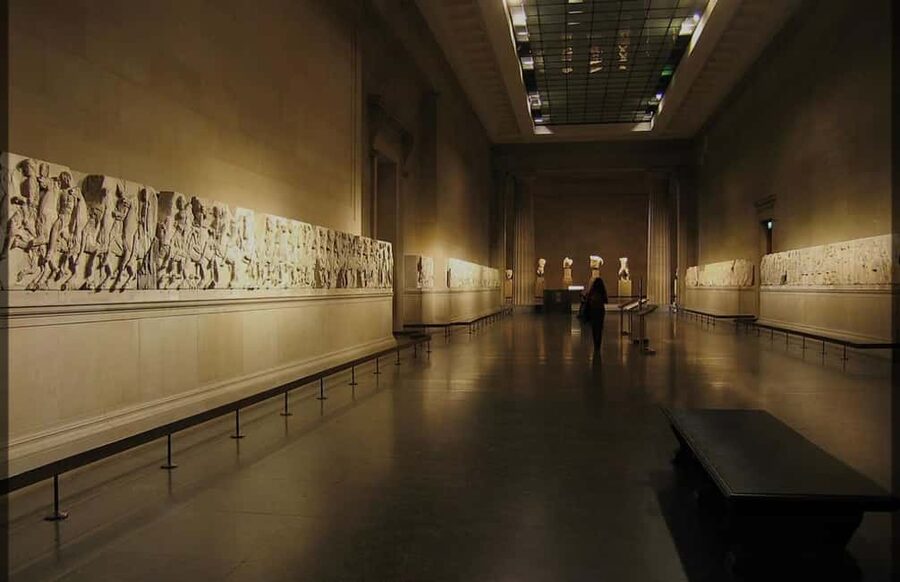
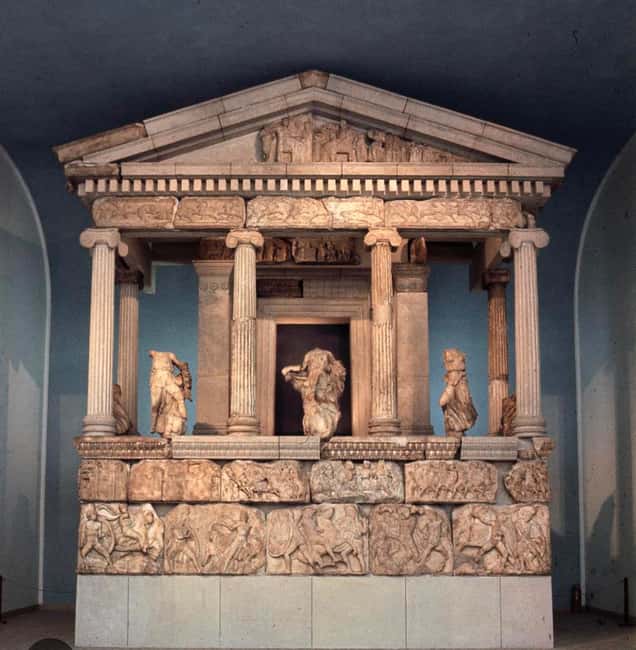
The tour then reaches the sculptures taken from the Parthenon in Athens, often called the Elgin Marbles. These works date from the fifth century BCE and show scenes linked to Greek mythology and the grand design of the temple.
The sculptures help you picture ancient Greece as more than a collection of broken statues. Their original setting, subject matter, and scale point to the artistic and religious importance of the Parthenon.
This is also one of the places where a guide adds useful context. A label can identify the date and subject, but a spoken explanation can connect the figures, the building, and the wider culture that produced them.
The name Elgin Marbles carries a long-running debate about ownership and their place in London. The supplied tour information focuses on the art and its insight into ancient Greece, so do not assume that the guide will provide a full discussion of the modern dispute. If that question matters to you, it is worth asking directly during the visit.
As with the Egyptian rooms, the time here is limited. You will not study every sculpture at length. You will get a strong introduction and a reason to return for a slower look.
Assyrian lion hunts and royal power
The Assyrian section brings a different mood. The lion hunt reliefs are intricate carvings tied to the power of the Assyrian court. They show royal authority through controlled violence, ceremony, and artistic skill.
I find this a useful contrast with the Greek galleries. The Parthenon sculptures often bring to mind ideal human form and mythological subjects. The Assyrian reliefs place you closer to the machinery of empire and the public image of a ruler.
The guide can point out how much information is packed into the carvings. You are not just looking at a single dramatic animal. The reliefs offer clues about the king, the hunt, the court, and the way power was presented.
This is one of the strongest reasons to choose a guided visit instead of simply walking through the museum alone. Without context, the reliefs can look like a series of impressive stone panels. With an explanation, they become a record of how an empire wanted its ruler to be seen.
The Lewis Chessmen and a change of pace
The Lewis Chessmen provide a welcome change after the monumental ancient collections. These medieval chess pieces were found on the Isle of Lewis in Scotland and are associated with Viking culture.
Their small size and expressive faces make them easy to enjoy. You can look at them as gaming pieces, but they also open a window onto trade, craftsmanship, storytelling, and medieval life.
I like this stop because it shows the museum’s range. The tour is not limited to Egypt, Greece, and the ancient Near East. It also includes a group of objects from the British Isles that has become famous for its individual characters.
The chessmen are a good reminder that a museum object does not need to be huge to carry a memorable story. After the scale of temple sculpture and palace reliefs, these small carved figures give the tour a more personal finish.
What the 80-minute format means for you
An 80-minute guided tour is long enough to build a story but short enough to fit into a busy London day. You can pair it with another central London activity without giving up half a day.
The limit is obvious: the British Museum is far too large for a complete visit in 80 minutes. The route focuses on famous highlights, so you should not book this expecting detailed coverage of every gallery.
I see the short format as a strength if you are visiting London for the first time, have children with you, or want an introduction before exploring independently. It is less suitable if your main aim is extended study of one collection.
The guide’s style also matters. The strongest comments about this experience point to clear explanations, humor, easy answers to questions, and an ability to avoid overwhelming the group. Strabo is described as friendly and helpful, and the tour can include interests such as Egyptian objects, the Rosetta Stone, Assyrian art, Parthenon sculptures, and even Aztec material when requested.
That does not mean every session will follow exactly the same conversation. The main stops are established, but questions can shape the amount of attention given to a particular subject.
Is $20.20 a fair price?
At $20.20 per person, this is a reasonably priced way to add structure to a museum visit. You are paying for a live guide who helps you find major objects and gives them context, not for a long private tour or full access to every collection.
The value is strongest when you are short on time. Without a guide, you may spend part of your visit finding the right rooms, reading labels, and trying to work out which objects are essential. A focused route can make the rest of your museum time more useful.
The value is also strong for families. A guide who keeps the language clear and the pace moving can make the experience easier for younger visitors. The tour has been described as informative without being overloaded with facts, which is exactly what most families need in a large museum.
If you already know the British Museum well and prefer to set your own route, the price may be less appealing. You might get more from a self-guided visit, especially if you want to spend an hour in one gallery rather than move among several collections.
The overall rating listed for the experience is 3.4 out of 5 from 91 reviews. I would read that as a sign to keep expectations sensible. Guide quality and personal interests can shape the experience, and the short format will not suit everyone.
Practical details for a smoother visit
The tour is offered in English with a live guide. Check the available starting times before booking because the schedule can vary.
Photography is allowed inside the museum, but flash photography is prohibited. Food and drinks are not allowed in the exhibition rooms, so plan to eat and drink before or after the museum portion.
The museum is wheelchair accessible, although some areas may be more difficult to navigate. If accessibility is important to you, consider contacting the provider before booking so you can clarify the route for your needs.
You can cancel up to 24 hours in advance for a full refund. The reserve-now, pay-later option also gives you some flexibility while arranging a London itinerary.
After the guided portion, use the opportunity to visit the gift shop or continue looking around. The tour ends at the meeting point, but the gift shop offers a practical way to carry the museum experience home through books, replicas, and souvenirs.
Who should book this British Museum tour?
I would recommend it to first-time visitors who want a clear introduction without spending several hours in guided rooms. It is also a good fit for families, especially when a teenager needs a lively explanation rather than a long list of dates.
It suits you if you want to see the Rosetta Stone, Egyptian material, the Parthenon sculptures, Assyrian reliefs, and the Lewis Chessmen in one visit. The guide can connect these objects into a story about civilizations, belief, power, art, and daily life.
I would be more cautious if you want a specialist tour of only ancient Egypt, only Greece, or only British collections. The route is broad by design, and 80 minutes leaves little room for extended discussion.
Should you book it?
Book this tour if you want a low-cost, focused introduction to the British Museum and appreciate a guide who explains the major objects with energy and humor. The Rosetta Stone, mummies, Parthenon sculptures, Assyrian lion hunts, and Lewis Chessmen give you a strong first look at the collection.
Skip it if you prefer to wander alone, already know the museum well, or want to spend long periods studying one gallery. For everyone else, $20.20 is a sensible price for a guided start, particularly when your London schedule is tight.
FAQ
How long does the British Museum guided tour last?
The guided tour lasts 80 minutes. Check the available starting times when booking.
Where does the tour meet?
Meet outside the Montague Place entrance by the two stone lions. The museum has two entrances, so use Montague Place rather than assuming both entrances serve as meeting points.
Where does the tour end?
The activity ends back at the meeting point.
What language is the tour in?
The live tour guide speaks English.
Which objects are included?
The tour features the Rosetta Stone, Egyptian mummies and coffins, the Parthenon sculptures, Assyrian lion hunt reliefs, and the Lewis Chessmen. The guide may also discuss other areas based on questions and interests.
Is the British Museum wheelchair accessible?
The museum is wheelchair accessible, though some areas may be challenging to navigate.
Can I take photographs?
Photography is allowed, but flash photography is prohibited.
Can I cancel the booking?
Yes. You can cancel up to 24 hours in advance for a full refund. The reserve-now, pay-later option lets you book without paying immediately.
New listings around London
- London: Secrets of Freddie Mercury Tour with a Cocktail★ 4.1 · 15 reviews
- London: Hampton Court Private Guided Tour★ 3.4 · 15 reviews
- London: Jack the Ripper Tour and Underground Prison in Spanish★ 5.0 · 15 reviews
- Spanish Language : Original Harry Potter Walking Tour★ 4.5 · 15 reviews
- London: Private Couples Photography Session with Landmarks★ 5.0 · 15 reviews
- London: The Saturday Supershow Cabaret at Phoenix Arts Club★ 4.5 · 15 reviews
- London: 2-Hour Guided Tour of the British Museum★ 4.7 · 16 reviews
- London’s Ghosts & Gruesome Past Nighttime Walking Tour★ 4.8 · 16 reviews
London Tours, compared.

Westminster to Greenwich River Thames Cruise
Read our review →
Magical London: Harry Potter Guided Walking Tour
Read our review →


Warner Bros. Studio Harry Potter Tour with Transfers
Read our review →Browse the lists this tour appears in