
Reviewed · LONDON TOURS
London: Florence Nightingale Museum Ticket
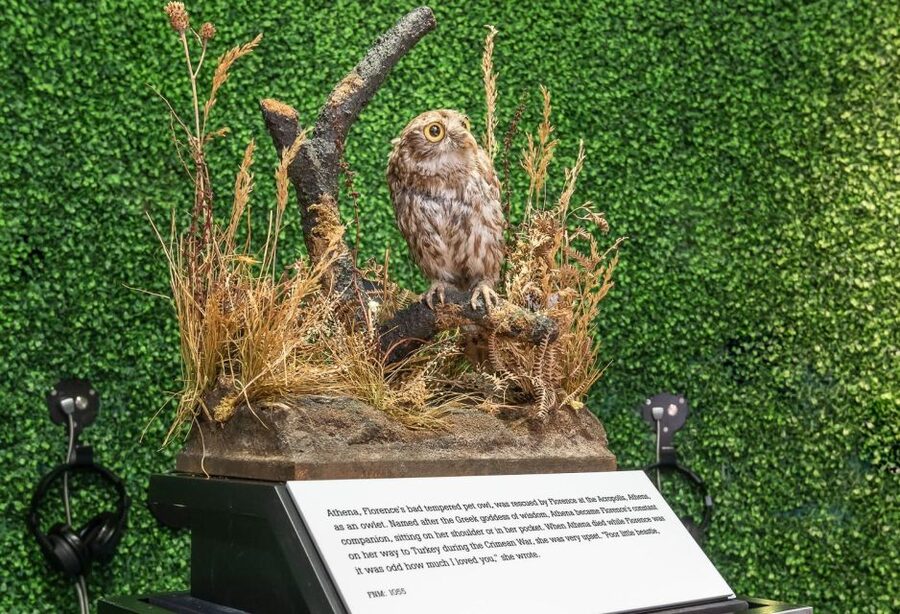
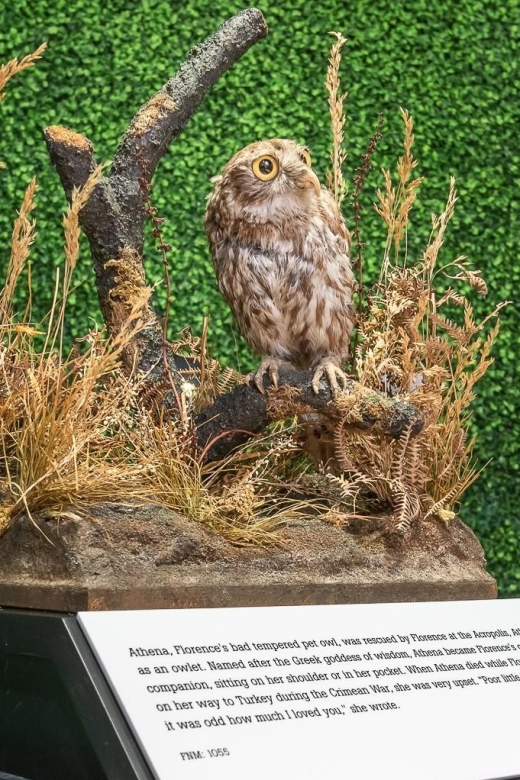
Florence Nightingale’s famous lamp is only part of the story. At this small museum beside St Thomas’ Hospital, you can trace how a wealthy Victorian woman defied her family to become a nurse, then pushed for better care for ordinary people. Her pet owl Athena and personal medicine chest add a warm, human touch.
I like the strong medical detail and the way the displays connect Nightingale’s family life with her work. I also like the easy setup: book ahead, arrive at the hospital, and enter anytime during the museum’s hours. The main drawback is its limited size, so this is best as a focused visit rather than a major half-day attraction.
Key points to know before you go
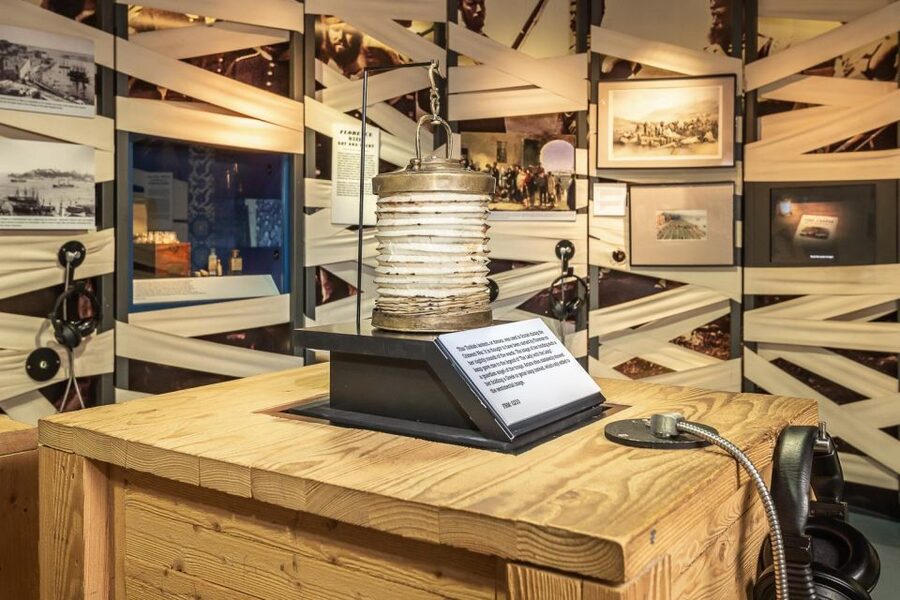
- See the actual Lady with the Lamp: Florence Nightingale’s lamp helps connect the famous nickname with the person behind it.
- Meet Athena the owl: Her pet owl gives the collection an unusual, personal detail.
- Follow her path from privilege to nursing: The displays cover her childhood, family, decision to nurse, and work during the Crimean War.
- Expect useful medical context: The collection explains her contributions to nursing and healthcare reform in clear, practical terms.
- Plan around hospital access: The museum is at parking level in the grounds of St Thomas’ Hospital, near the Houses of Parliament and London Eye.
- Keep the visit flexible: Your ticket is valid for one day, with entry at any point during opening hours on that date.
Meeting Florence Nightingale at St Thomas’ Hospital
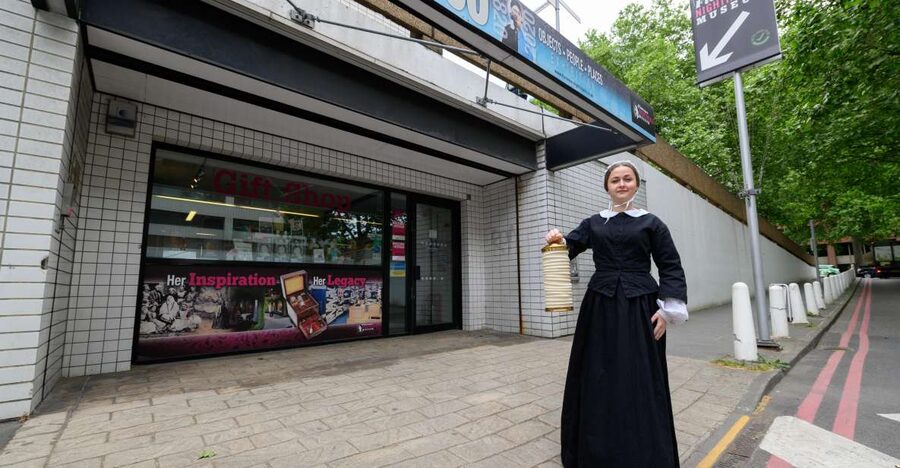
The Florence Nightingale Museum sits in the grounds of St Thomas’ Hospital, a short walk from the Houses of Parliament and the London Eye. That location gives the visit a useful sense of place. You are not seeing a distant memorial collection tucked away in a generic gallery. You are visiting a museum connected with a working hospital and with the nursing tradition Nightingale helped shape.
Look for signs to the museum using the St Thomas’ Hospital signage. The museum is at parking level, so allow a few extra minutes to find the entrance if you are arriving on a busy London sightseeing day.
Your $16 ticket is for one day, and you can arrive at any time during the stated opening hours on your booked date. That is handy if you are combining the museum with Westminster, the London Eye, or a walk along the South Bank. You do not need to build your day around a fixed entry time.
The experience is conducted in English. No individual guide is named, and the format is best understood as a museum visit rather than a guided walking tour. A small group limit of nine people keeps the setting from feeling crowded, though the museum itself is still a compact attraction.
More Museum Tours in London
- London: Chelsea Football Club Stadium and Museum Tour
★ 4.8 · 4,576 reviews - London: British Museum Guided Tour
★ 4.3 · 1,182 reviews - London: Jack the Ripper Museum Tickets
★ 4.2 · 894 reviews
Florence’s childhood and the choice that changed nursing
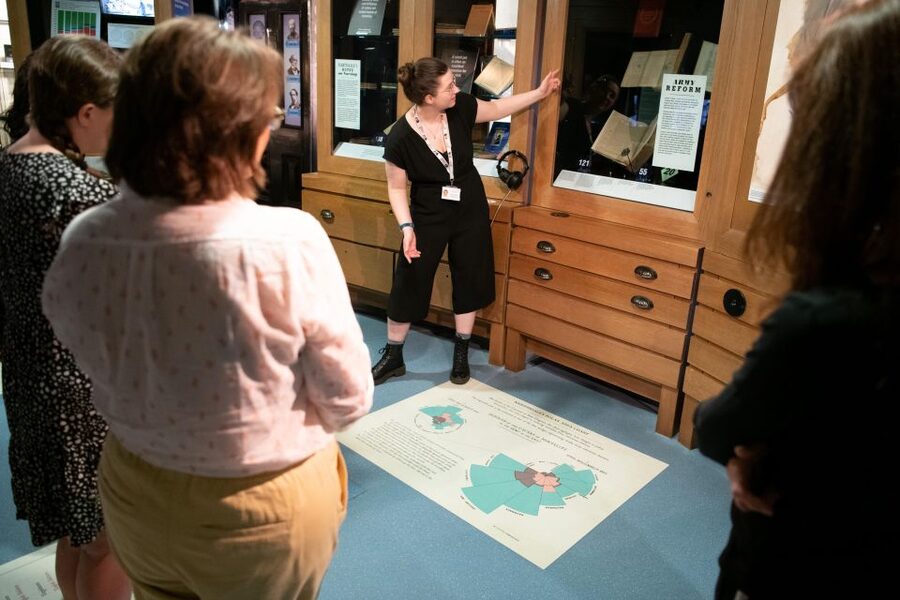
The visit begins with Florence Nightingale the person, not only the public symbol. You learn about her affluent childhood and family background, then see how unusual her career choice was for a woman of her position.
Nightingale fought against her parents’ wishes to become a nurse. That detail matters because it gives the rest of the visit its backbone. She was not simply handed a respected role. She chose nursing at a time when the work had low social status and was not the obvious path for a well-connected young woman.
I find this section especially useful for families and students because it shows that social change often begins with a difficult personal decision. The displays connect her private life with her public achievements, rather than treating her as a statue with a lamp.
You can also expect attention to her family and childhood, which helps explain the world she came from. The museum does not present nursing reform as an isolated event. It shows the contrast between comfort and hardship, privilege and service, which makes her decision more striking.
The Crimean War and the Lady with the Lamp
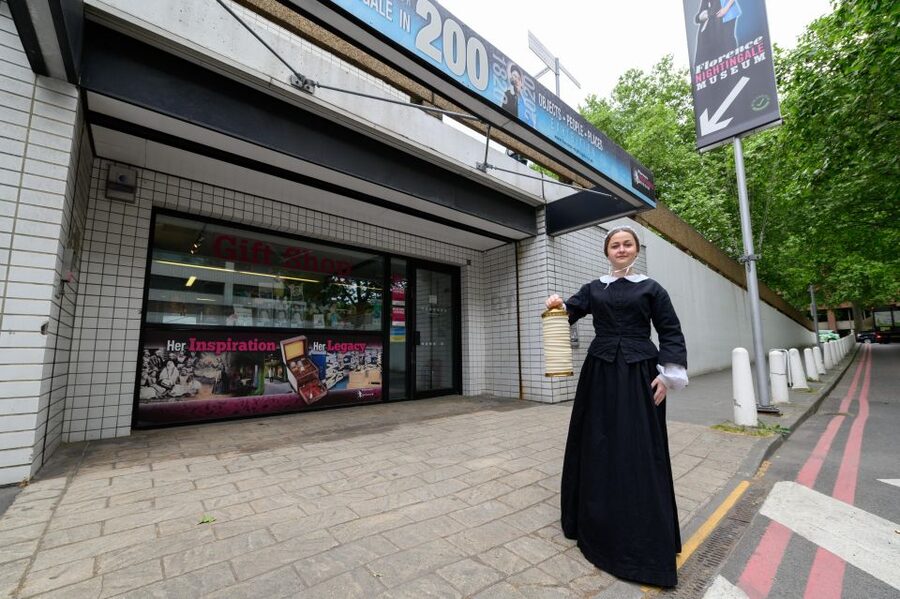
The Crimean War is central to Nightingale’s public image, and the museum uses her work there to explain why she became famous. You learn about her nursing efforts and the conditions that made better healthcare so urgent.
Her lamp is the object most people come to see. It connects directly to the nickname The Lady with the Lamp, a phrase that turned Nightingale into an international symbol of care. Seeing the actual lamp gives the story a physical anchor, even if you already know the basic tale.
I like that the lamp is not treated as the whole story. It is memorable, but the larger point is the work behind it: organization, standards, medical practice, and a campaign for better care. The museum gives you a chance to move past the familiar image and consider the practical changes she helped promote.
The collection also includes her medicine chest. This is another valuable object because it brings nursing and medical work down to a personal scale. Instead of only reading about reforms, you can look at an item connected with the tools and habits of the period.
The medical information is one of the strongest parts of the visit. If you have an interest in healthcare, nursing, or the treatment of illness, you may spend more time here than a casual sightseeing visitor expects. One detailed response specifically praised the quality and extent of the medical information, including the way Florence interacted with very young children.
That reference to children adds an important layer. Nightingale is often remembered as a stern reformer or a wartime nurse. The collection also helps show her concern for vulnerable people and her contact with children, giving the story a more personal tone.
Her campaign for better healthcare
Nightingale’s work did not end with the Crimean War. The museum explains how she campaigned for improved healthcare for ordinary people and contributed to the development of nursing as a profession.
This part is where the ticket offers its best value. You are not just looking at old possessions. You are learning how one person helped change expectations around cleanliness, organization, training, and patient care. The museum presents her achievements as a set of practical contributions, not as a vague story about kindness.
For you, the main benefit is context. The famous lamp is easy to understand in a few seconds. Her healthcare campaign takes longer, and the displays give you a reason to think about what changed and why it mattered.
The information also makes this a useful stop for people who work in healthcare or study nursing. You can focus on professional development and medical practice, while a general visitor can follow the human story of a woman trying to improve conditions for people who had little power.
You should not expect a large national museum with room after room of major exhibits. This is a focused collection, and its strength comes from the connection between the objects and Nightingale’s work. If you want one concise London stop devoted to nursing history, it fits the bill. If you want a full day of galleries, it will feel too small.
Elsewhere in London, a change of pace:
- From London: Harry Potter Warner Bros Studio Tour
★ 4.7 · 26,588 reviews - London: Westminster to Greenwich River Thames Cruise
★ 4.5 · 22,836 reviews - Magical London: Harry Potter Guided Walking Tour
★ 4.7 · 22,044 reviews - London: Madame Tussauds London
★ 4.6 · 20,915 reviews
Athena the owl and the personal side of the collection
Athena, Florence Nightingale’s pet owl, is one of the most unexpected highlights. The owl gives the museum a lighter detail among the medical material and reform work.
I like this kind of object because it makes a famous figure easier to picture as a real person. Nightingale was not only a nurse, campaigner, and public figure. She also had a pet and a private life.
Athena may be especially appealing if you are visiting with children. The museum’s subject can sound serious, but the owl adds an accessible point of interest. You can use it as a way into the larger story, then explain how Nightingale’s personal world contrasted with the difficult work she took on.
The displays about her childhood, family, lamp, owl, and medicine chest work best together. Each object answers a different question: where she came from, what she chose, what made her famous, what she cared for, and how she worked.
How long to allow and how to fit it into London
The ticket is valid for one day, and the museum’s opening hours are Tuesday through Sunday, from 10:00 a.m. to 5:00 p.m. Last entry is at 4:30 p.m., so do not arrive at the hospital just before closing and expect a full visit.
The museum opens late on the last Thursday of each month, until 8:00 p.m., with final admission at 7:30 p.m. There is a cash and card bar in the museum shop from 5:00 p.m. on that evening. The late opening does not apply in December.
You can pair the museum with nearby Westminster sights because of its position at St Thomas’ Hospital. The Houses of Parliament and London Eye are both a short walk away, making this a practical addition to a day in central London.
I would plan it as a short, focused cultural stop rather than the main event of an entire day. The flexible entry time helps you fit it before or after other attractions. You can also choose a late Thursday visit if your daytime schedule is already full.
Food and drinks are not allowed inside. Keep that in mind if you are traveling with children or planning a meal around the visit. Eat before entering or save your meal for elsewhere in the area.
Is the $16 ticket good value?
At $16 per person, the ticket is reasonably priced for a specialist London museum. The value depends on your interest. If Nightingale, nursing, medical history, or social reform matters to you, the personal artifacts and medical information make the admission worthwhile.
If you know only the lamp image and expect a large attraction with many rooms, the price may feel less attractive because the museum is compact. You are paying for a concentrated collection and a clear subject, not for hours of entertainment.
The strongest value comes from the combination of authentic objects and useful explanation. You can see Nightingale’s lamp, medicine chest, and pet owl while also learning about her childhood, family, Crimean War work, and healthcare campaign.
The booking terms add practical value. You can reserve now and pay later, which keeps your London plans flexible. You can also cancel up to 24 hours in advance for a full refund. Those features matter when your day depends on weather, transport, or other timed attractions.
The high overall rating reflects a visit that handles the basics well: booking is straightforward, reminders arrive on time, and the museum provides substantial medical information. The useful point for you is not the number itself, but what it suggests about the experience: this is a dependable, focused museum visit rather than a complicated tour.
Who will enjoy this museum most?
I would recommend the museum to anyone with an interest in nursing, healthcare, women’s history, or Victorian social change. It is also a good choice if you want to see how one individual turned a personal calling into a wider campaign for better public care.
Families can make good use of the visit, especially if children are interested in the owl or in the lamp. The medical material may suit older children and teenagers better than very young visitors, but the collection gives parents several ways to explain the story.
It also suits visitors who have already seen the major London sights and want something more specific. You can combine it with Westminster and the South Bank without crossing the city.
I would be less likely to recommend it to someone looking for a large interactive attraction, a long guided tour, or entertainment that fills most of a day. No guide’s name or special live presentation is provided, so you should expect to move through the collection at your own pace.
The museum is wheelchair accessible, which makes it a practical choice for many visitors. English is the stated language, so plan accordingly if you need information in another language.
My advice before booking
Book ahead if the museum fits your plans, especially if you value the reserve-now, pay-later option. Check the Tuesday through Sunday schedule before booking, and remember that the last entry is 4:30 p.m. on regular days.
Give yourself enough time to locate the museum inside the St Thomas’ Hospital grounds. The hospital signage is your guide, and the museum is at parking level.
If you have a strong medical interest, allow more time for the healthcare material than you might expect. If you are visiting mainly to see the lamp, you can make this a shorter stop and then continue toward the Houses of Parliament or London Eye.
Should you book the Florence Nightingale Museum?
Book this ticket if you want a compact London museum with genuine personal objects, medical detail, and a clear story about one woman’s fight to improve nursing. The lamp is the headline object, but the medicine chest, Athena the owl, family material, and healthcare campaign give the visit lasting value.
Skip it if you want a major attraction with a full-day program or a named guide leading a scheduled tour. For most visitors interested in Florence Nightingale or the history of nursing, though, $16 is a fair price for a focused and flexible stop near Westminster.
FAQ
Where is the Florence Nightingale Museum?
The museum is in the grounds of St Thomas’ Hospital in South East England, at parking level. It is a short walk from the Houses of Parliament and the London Eye.
How much does admission cost?
The ticket costs $16 per person.
How long is the ticket valid?
The ticket is valid for one day, on the date you book. You may enter anytime during the museum’s opening hours on that date.
What are the museum’s regular opening hours?
The museum is open Tuesday through Sunday from 10:00 a.m. to 5:00 p.m. Last entry is at 4:30 p.m.
Does the museum open late?
Yes. On the last Thursday of each month, it remains open until 8:00 p.m., with last admission at 7:30 p.m. There is no late opening in December.
Is the museum wheelchair accessible?
Yes, the Florence Nightingale Museum is wheelchair accessible.
Is a guide included?
An English-speaking host or greeter is listed, but no individual guide is named. The experience is a museum ticket visit rather than a specified guided tour.
Can I cancel or pay later?
You can cancel up to 24 hours in advance for a full refund. You can also reserve now and pay later.
New listings around London
- London: Secrets of Freddie Mercury Tour with a Cocktail★ 4.1 · 15 reviews
- London: Hampton Court Private Guided Tour★ 3.4 · 15 reviews
- London: Jack the Ripper Tour and Underground Prison in Spanish★ 5.0 · 15 reviews
- Spanish Language : Original Harry Potter Walking Tour★ 4.5 · 15 reviews
- London: Private Couples Photography Session with Landmarks★ 5.0 · 15 reviews
- London: The Saturday Supershow Cabaret at Phoenix Arts Club★ 4.5 · 15 reviews
- London: 2-Hour Guided Tour of the British Museum★ 4.7 · 16 reviews
- London’s Ghosts & Gruesome Past Nighttime Walking Tour★ 4.8 · 16 reviews
London Tours, compared.

Westminster to Greenwich River Thames Cruise
Read our review →
Magical London: Harry Potter Guided Walking Tour
Read our review →


Warner Bros. Studio Harry Potter Tour with Transfers
Read our review →Browse the lists this tour appears in