
Reviewed · LONDON TOURS
London: Museum of Brands Skip-the-Line Ticket
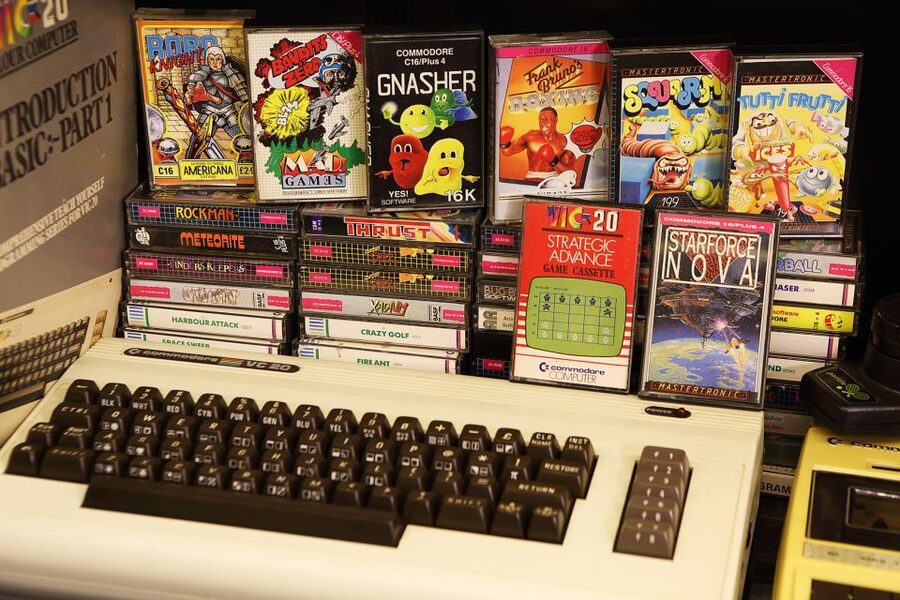
The Museum of Brands turns everyday shopping into a story about 200 years of social change. In its Time Tunnel, familiar products sit beside major events such as royal coronations, two world wars, the moon landing, and the arrival of the digital age. I like the way this makes history feel close to home: a packet, tin, or advert can tell you as much about an era as a grand monument.
I also like two practical details: the museum is just five minutes from Portobello Road Market, and your ticket includes the temporary displays and award-winning memorial garden. The main consideration is scale. With more than 12,000 items, the collection is packed rather than grand and spacious, so visitors wanting a large national museum or a tightly guided tour may find it less satisfying.
Key points before you go
- More than 12,000 objects: See packaging, advertisements, toys, tins, and other items linked to daily life.
- A chronological Time Tunnel: Follow consumer culture from Victorian times through transport, entertainment, war, space travel, and the digital age.
- Five minutes from Portobello Road: Pair the museum with one of Notting Hill’s best-known market areas.
- Historic television adverts: Watch commercials from earlier decades after completing the main route.
- Changing displays: Past themes have included 1950s toys, London’s punk scene, chocolate brands, and biscuit tins.
- Garden and café pause: Finish with the memorial garden, cake, coffee, or Prosecco at your own cost.
Why everyday packaging makes good museum material
You do not need to be a serious collector to enjoy this museum. Its subject is familiar: the things people bought, ate, played with, listened to, and watched. That makes the visit easy to enter. You are not studying distant rulers or obscure battles. You are looking at objects that shaped ordinary routines.
The collection follows the way consumer culture changed over roughly two centuries. A package can show how design tastes shifted. An advert can reveal what people were encouraged to want. A toy can point to changing ideas about childhood. A travel-related item can reflect how railways, motor cars, and airplanes opened new possibilities.
I find this approach useful because it connects private memory with public events. You might recognize an old brand from childhood, then see it placed beside the technology, politics, or entertainment of its time. One of the strongest pleasures here is the sudden flash of recognition. A visitor from Indonesia described the appeal as learning the story of brands and packaging over time, while a British visitor said the museum brought childhood memories back. Those reactions capture the museum’s main strength.
This is not only a display of old products. It asks you to consider why society arrived at its current habits. Shopping, leisure, advertising, and entertainment did not appear fully formed. They developed as transport improved, household life changed, and new media reached more people.
More Museum Tours in London
- London: Chelsea Football Club Stadium and Museum Tour
★ 4.8 · 4,576 reviews - London: British Museum Guided Tour
★ 4.3 · 1,182 reviews - London: Jack the Ripper Museum Tickets
★ 4.2 · 894 reviews
Following the Time Tunnel from Victorian life to the digital age
The museum’s central route is the Time Tunnel, laid out in chronological order. That sequence gives your visit a clear shape. You begin with Victorian-era consumer culture and move forward rather than jumping between unrelated themes.
The early part gives you a sense of how commercial life began to expand. The invention of the railway transformed movement and trade, and the museum uses consumer objects to help you see the effect. Products could reach more people, and brands could become more widely known. Packaging was not just protection for an item. It also helped identify and promote it.
As you continue, the motor car and airplane show how travel and leisure changed. These inventions affected more than transportation. They altered where people could go, how quickly they could get there, and what kinds of products and experiences could be sold to them. The museum keeps the focus on daily life, so you see these large changes through consumer culture rather than through technical displays alone.
The route also follows the growth of cinema, radio, and television. This is one of the most engaging parts for anyone interested in popular entertainment. These inventions changed how people spent their free time and how brands reached them at home. Advertising moved from printed materials into sound and moving images, giving companies new ways to create familiar names and memorable messages.
Major public events appear along the way. Royal coronations, the two world wars, and the moon landing provide markers for the eras. These events help you place the objects in time, but the emphasis remains on how people lived and what they bought. The result is a social timeline told through recognizable things.
The final stretch reaches the digital age. That ending is important because it keeps the museum from treating the past as a closed chapter. The habits you have today grew out of earlier changes in retail, communication, entertainment, and design.
Packaging, advertising, and the memories attached to brands
Packaging is often thrown away, which is part of what makes this collection interesting. Once preserved, an ordinary wrapper or container becomes evidence of a particular period. Colors, lettering, materials, and illustrations all suggest what a company wanted customers to notice.
The collection includes more than 12,000 items, so you should expect plenty of visual detail. You may spend more time with objects that trigger a personal memory than with those that are historically famous. That is not a weakness. The museum works best when you let your own memories guide you through the displays.
Advertising adds another layer. A brand is not only a product. It is also a promise about comfort, fun, status, convenience, or modern life. As you move through the Time Tunnel, you can see how those promises changed. The arrival of radio and television gave advertisers new tools, while major events shaped the mood in which messages were received.
After the main route, you can watch television adverts from the past. This is a useful follow-up because printed packaging and moving advertisements tell different parts of the story. The display items show what products looked like, while the adverts show how companies tried to make those products feel important.
The material also offers a quiet lesson in nostalgia. Old branding can make you smile, but the museum encourages you to look beyond the warm feeling. Ask what the product represented at the time, who it was aimed at, and how advertising helped make it part of everyday life.
Temporary displays that add a sharper theme
The temporary displays give the museum a reason to revisit. Their subjects have included 1950s toys, the London punk scene, chocolate brands, and biscuit tins. These themes show how wide the collection can be.
A display on 1950s toys can place childhood objects against postwar consumer culture. A London punk exhibition shifts the focus to music, youth identity, and design. Chocolate brands bring food marketing into view, while biscuit tins show how a practical container could become a decorative keepsake.
The important point is that these displays are temporary, so you should not assume every past theme will be on view during your visit. They can make the experience feel more specific than the main chronological route, but the current subject is worth checking before you book if one particular theme matters to you.
I like this mix of permanent and changing material. The Time Tunnel provides the broad structure, while the temporary displays can slow you down around one cultural subject. If you have limited interest in brands but enjoy toys, music, food, or design, the changing area may be what makes the museum worthwhile.
Elsewhere in London, a change of pace:
- From London: Harry Potter Warner Bros Studio Tour
★ 4.7 · 26,588 reviews - London: Westminster to Greenwich River Thames Cruise
★ 4.5 · 22,836 reviews - Magical London: Harry Potter Guided Walking Tour
★ 4.7 · 22,044 reviews - London: Madame Tussauds London
★ 4.6 · 20,915 reviews
A gentle stop near Portobello Road Market
The location is one of the museum’s strongest practical advantages. It sits on Lancaster Road in the heart of Notting Hill, about five minutes from Portobello Road Market.
That makes this an easy addition to a day in the area. You can visit the museum before the market, after it, or use one as a break from the other. Portobello Road has its own energy and visual appeal, while the museum offers a quieter, indoor look at consumer culture.
The nearby location also helps you keep the visit flexible. The ticket is valid for one day from first activation, and the museum is open Monday through Saturday from 10:00 a.m. to 6:00 p.m. On Sundays and bank holidays, it opens from 11:00 a.m. to 5:00 p.m. That shorter Sunday schedule matters if you are combining it with other plans.
The museum is closed on August 27, 28, and 29, December 24, 25, and 26, and January 1. Check the date carefully if your London trip falls near a holiday period.
Finishing with the memorial garden
The memorial garden changes the mood after the displays. Instead of ending at the gift shop, you have the option to sit outdoors and let the collection settle.
The garden is award-winning, and entrance is included with the museum ticket. You can buy cake and coffee or a glass of Prosecco there, but food and drinks are not included in the $18 admission price. This is a small but useful detail when comparing the total cost of the visit.
I would treat the garden as part of the experience, not simply somewhere to wait. The museum is full of visual prompts, and a quiet pause gives you time to think about the wider themes: how travel opened up, how entertainment moved into the home, and how advertising became part of ordinary life.
The gift shop continues the museum’s subject with souvenirs linked to the collection and tasty treats. It is a natural final stop if you want a small reminder of the visit, though purchases are personal expenses.
Is the $18 ticket good value?
At $18 per person, this is a fair price for a one-day visit if you enjoy design, advertising, popular culture, or objects with a personal connection. Your admission covers the main museum, temporary displays, and garden. The chance to watch historic television adverts adds another element beyond the display cases.
The value depends on how you use the visit. If you rush through the Time Tunnel in 20 minutes, the price may feel high. If you take time with the objects, watch the adverts, see the temporary display, and relax in the garden, it becomes a more rounded outing.
The skip-the-line ticket is useful for simplicity, though no expected waiting time is provided. It gives you a direct admission option and helps you avoid spending part of your Notting Hill day sorting out entry.
The museum is also a good value choice for a rainy day or for a break between outdoor activities. Since it is close to Portobello Road, you can combine two nearby experiences without committing an entire day to either one.
Who will enjoy this museum most?
I would recommend it most strongly to:
- People who enjoy old packaging, advertising, toys, and consumer design
- Visitors who like social history told through ordinary objects
- Anyone with an interest in cinema, radio, television, music, travel, or leisure
- Families and mixed-age groups who can each find familiar items
- Visitors already planning to explore Portobello Road
- Anyone looking for a compact London museum with an indoor route and garden pause
It may be less suitable if you want major paintings, famous ancient objects, or a large-scale national museum. The collection is about consumer culture, so its appeal comes from recognition, context, and visual variety rather than grand masterpieces.
The language of the experience is English, and an English-speaking host or greeter is provided. The museum is wheelchair accessible. No specific guided commentary or named guide is listed, so you should expect to explore the collection rather than follow a personal tour led by a specialist.
Timing your visit without rushing
Give yourself enough time to notice the details. The route is chronological, which makes it easy to follow, but a large collection can tempt you to hurry. I would begin with the Time Tunnel, then watch the adverts, visit the temporary display, and save the garden for last.
Morning hours are longer Monday through Saturday, while Sunday and bank holiday hours begin later and end earlier. If you are pairing the museum with Portobello Road, plan around the opening times of both places rather than assuming you can arrive at any hour.
The ticket is valid for one day from first activation, so you do not need to treat the visit as a fixed timed tour based on the information provided. Still, make sure you arrive while the museum is open and allow room for the garden and café if those matter to you.
Free cancellation is available up to 24 hours in advance, and you can reserve now while paying later. That flexibility helps if your London schedule is still taking shape.
Should you book the Museum of Brands?
Book it if you like the stories behind ordinary things. The best moments come when a familiar package, toy, advert, or brand suddenly connects with a wider change in society. Its location near Portobello Road, included garden, and modest $18 price make it easy to fit into a Notting Hill day.
Skip it if you want a major art collection or a formal guided tour. The museum is compact, object-heavy, and personal in its appeal. For the right visitor, that is exactly the point: it turns the stuff of daily life into a thoughtful, often nostalgic look at how modern society was made.
FAQ
Where is the Museum of Brands located?
The museum is on Lancaster Road in Notting Hill, in South East England. It is about five minutes from Portobello Road Market.
What does the Museum of Brands ticket include?
The ticket includes entrance to the museum, its temporary displays, and the memorial garden.
How much does admission cost?
The listed price is $18 per person.
What are the museum’s opening hours?
It is open Monday through Saturday from 10:00 a.m. to 6:00 p.m. On Sundays and bank holidays, it is open from 11:00 a.m. to 5:00 p.m.
Is the museum wheelchair accessible?
Yes. The activity information states that the museum is wheelchair accessible.
Can I cancel my booking?
Yes. You can cancel up to 24 hours in advance for a full refund. You can also reserve now and pay later.
More skip the line tickets in London
- London: Westminster Abbey Skip-the-line Entry & Guided Tour
★ 4.9 · 368 reviews - Skip-the-Line London Westminster Abbey Guided Tour in German
★ 4.9 · 135 reviews - London: Natural History Museum Private Tour & Skip the line
★ 5.0 · 42 reviews - Skip the line Westminster Abbey & Guard Change Ceremonies
★ 3.9 · 17 reviews
New listings around London
- London: Secrets of Freddie Mercury Tour with a Cocktail★ 4.1 · 15 reviews
- London: Hampton Court Private Guided Tour★ 3.4 · 15 reviews
- London: Jack the Ripper Tour and Underground Prison in Spanish★ 5.0 · 15 reviews
- Spanish Language : Original Harry Potter Walking Tour★ 4.5 · 15 reviews
- London: The Saturday Supershow Cabaret at Phoenix Arts Club★ 4.5 · 15 reviews
- London: Private Couples Photography Session with Landmarks★ 5.0 · 15 reviews
- London: 2-Hour Guided Tour of the British Museum★ 4.7 · 16 reviews
- London’s Ghosts & Gruesome Past Nighttime Walking Tour★ 4.8 · 16 reviews
London Tours, compared.

Westminster to Greenwich River Thames Cruise
Read our review →
Magical London: Harry Potter Guided Walking Tour
Read our review →
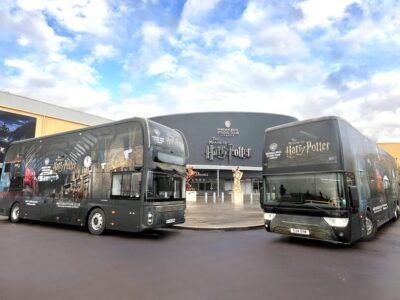
Warner Bros. Studio Harry Potter Tour with Transfers
Read our review →Browse the lists this tour appears in