
Reviewed · LONDON TOURS
London: Royal Museums Greenwich Day Pass
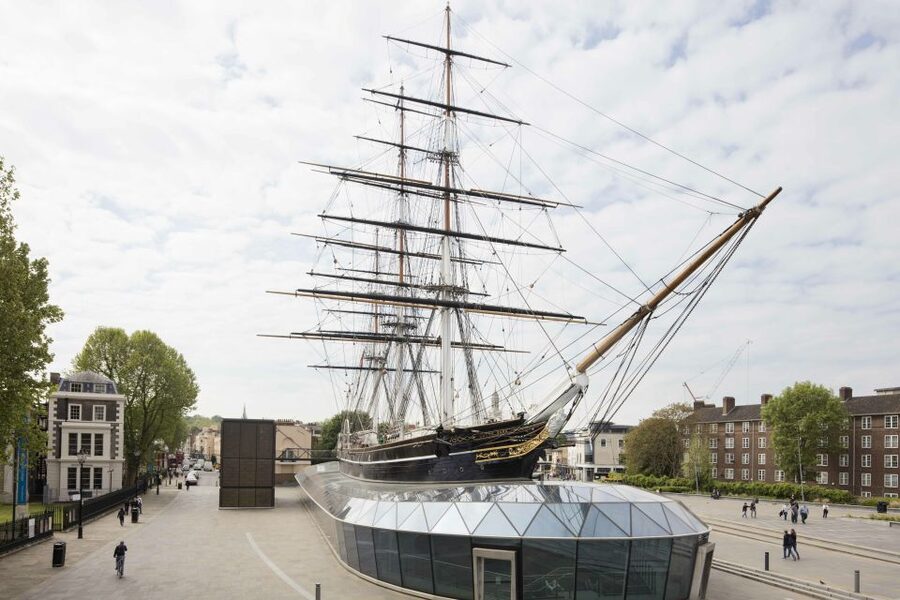
Greenwich gives you one of London’s best history-and-science days in a compact area. You can stand with one foot in the east and one in the west at the Prime Meridian, then walk downhill to the Cutty Sark, a surviving 19th-century tea clipper with towering masts and 11 miles of rigging.
I like the mix of hands-on landmarks and serious museums. The Observatory explains how people measured time and navigated the world, while the Cutty Sark puts you inside the cramped working life of a sailing ship. I also like that the National Maritime Museum and Queen’s House add plenty of extra value. The main drawback is time: six hours sounds generous, but Greenwich’s uphill walk, detailed exhibits, and four separate sites can easily fill the day.
Key points to know before booking

- Stand on the Prime Meridian: Take your classic east-west photograph in the Meridian Courtyard at the home of Greenwich Mean Time.
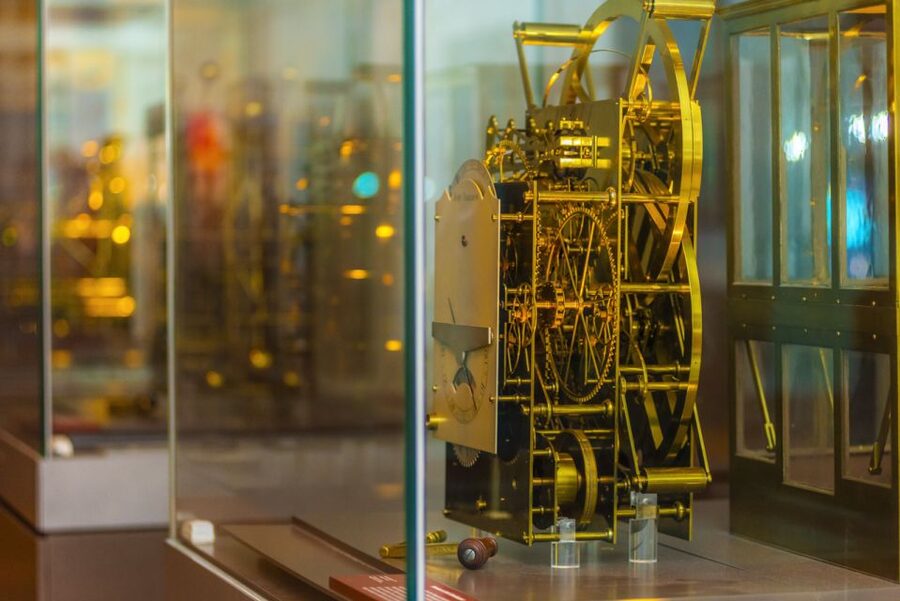
- See John Harrison’s clocks: Learn how one inventor helped solve the difficult problem of finding longitude at sea.
- Walk beneath the Cutty Sark: The ship was raised more than three metres, allowing you to see its hull and elegant lines from below.
- Allow for the hill: The Observatory sits in Greenwich Royal Park, and the walk up is more demanding than the map may suggest.
- Use the free museums wisely: The Queen’s House and National Maritime Museum are included, though general entry is free unless you visit special exhibitions or guided tours.
- Plan your order: If the Cutty Sark is essential, visit it early. The Observatory and art-filled Queen’s House can take longer than expected.
Why Greenwich makes a strong full-day outing
The Royal Museums Greenwich pass works because the attractions are close enough to connect on foot, but varied enough to keep the day moving. You are not spending six hours in one large museum. Instead, you move from royal parkland to astronomy, then to maritime technology, royal art, and global exploration.
The setting helps. From Greenwich Royal Park, you get broad views across the River Thames and toward the City of London. The climb to the Observatory is part of the outing, not just a minor walk between stops. You may find it tiring, especially if you are carrying bags or traveling with young children, but the view makes the effort worthwhile.
The pass costs about $40 per person. That is a fair price if you visit both the Royal Observatory and Cutty Sark and make time for at least one of the two museums. It is less compelling if you only want the Queen’s House and National Maritime Museum, since ordinary entry to those two is free.
The activity lasts up to six hours, with sites open from 10 AM to 5 PM and last entry at 4 PM. That gives you a useful day, but not an unlimited one. You need to keep an eye on the clock, particularly if you read every display in the Observatory.
More Museum Tours in London
- London: Chelsea Football Club Stadium and Museum Tour
★ 4.8 · 4,576 reviews - London: British Museum Guided Tour
★ 4.3 · 1,182 reviews - London: Jack the Ripper Museum Tickets
★ 4.2 · 894 reviews
Climbing to the Royal Observatory in Greenwich Park
Make the Royal Observatory your first stop if astronomy, timekeeping, or the Prime Meridian is your main reason for coming. It sits on Blackheath Avenue in Greenwich Royal Park, at the top of the hill.
The walk gives you a fine introduction to Greenwich. As you rise through the park, look back toward the Thames and central London. The view is one of the strongest parts of the outing, but do not underestimate the slope. Several people have found the climb more demanding than expected, so allow extra time and wear comfortable shoes.
Inside, you can pick up an interactive audio guide in English, Spanish, Chinese, French, German, Italian, Portuguese, or Korean. It helps put the rooms and instruments into context without requiring a scheduled guided tour.
The visit begins in the Meridian Courtyard, where the Prime Meridian Line runs through the site. This is the point traditionally used as zero degrees longitude, separating the eastern and western hemispheres. The photo is simple, but the idea behind it is memorable: modern maps and global timekeeping depend on an invisible line marked here.
The Meridian Courtyard can be busy, so you may need patience for a clear photograph. Still, this is the moment most people expect from a Greenwich visit, and the pass makes it easy to continue into the Observatory afterward.
Flamsteed House and the clocks that changed navigation
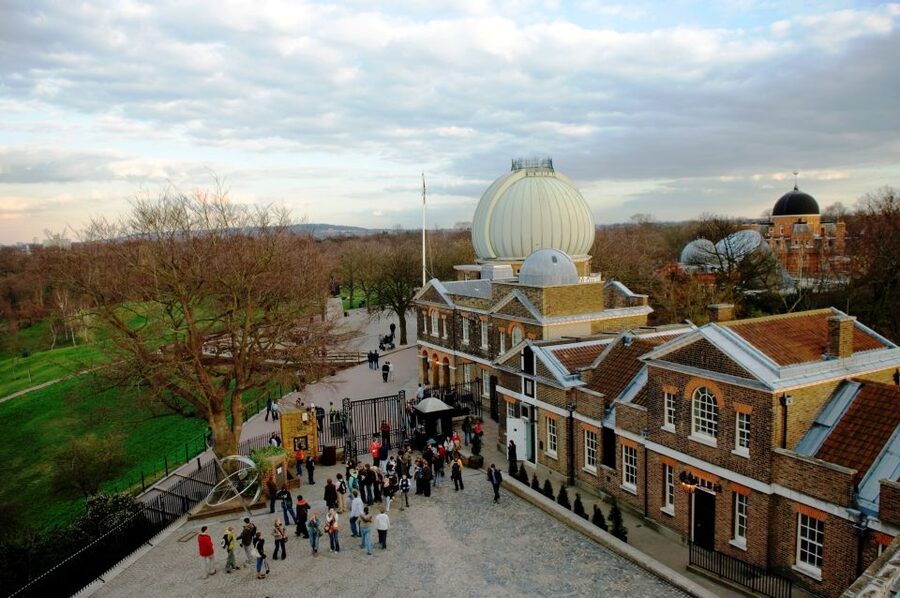
Flamsteed House was the first purpose-built home of the Astronomers Royal. Walking through it gives you a sense of the working observatory rather than just a collection of museum displays.
The Octagon Room is the architectural highlight. Designed by Sir Christopher Wren, it is one of the best-preserved Wren interiors in London. Its elegant proportions contrast with the practical instruments elsewhere in the building.
The most important objects for many visitors are John Harrison’s clocks. Finding longitude at sea was once a major problem. A ship could measure latitude by observing the sun or stars, but accurately fixing east-west position required dependable timekeeping. Harrison’s inventions helped change that.
You do not need a technical background to appreciate the clocks. The audio guide and displays explain why a clock that remained accurate during a sea voyage mattered so much. This is one of the Observatory’s strongest sections because it links a small mechanical object to safer navigation and worldwide travel.
Outside Flamsteed House, look for the bright red Time Ball. First used in 1833, it remains one of the world’s earliest public time signals. The Shepherd Gate Clock, mounted outside the building, was the first clock to show Greenwich Mean Time publicly.
These details reward a slower pace. If you rush straight to the Prime Meridian photograph and the telescope, you may miss the practical story of how time was shared with the public and used at sea.
The Great Equatorial Telescope beneath the onion dome
The Great Equatorial Telescope sits inside the Observatory’s huge onion-shaped dome. More than 100 years ago, it gave astronomers new ways to observe the universe.
The telescope is visually striking, even if you are not an astronomy enthusiast. Its scale makes clear that the Observatory was not only about clocks and maps. It was also a serious center for studying the night sky.
Displays connect the Observatory with scientists and inventors including Harrison, Isaac Newton, Edmond Halley, James Bradley, E. Walter Maunder, George Airy, and Albert Einstein. You will find a blend of astronomy, physics, navigation, and timekeeping.
Families may find parts of the Observatory less hands-on than expected. The displays are interesting, but there is not a large children’s activity area. If you are visiting with children, the Cutty Sark often provides the more immediate sense of adventure.
Elsewhere in London, a change of pace:
- From London: Harry Potter Warner Bros Studio Tour
★ 4.7 · 26,588 reviews - London: Westminster to Greenwich River Thames Cruise
★ 4.5 · 22,836 reviews - Magical London: Harry Potter Guided Walking Tour
★ 4.7 · 22,044 reviews - London: Madame Tussauds London
★ 4.6 · 20,915 reviews
Boarding the Cutty Sark near the Thames
From the Observatory, walk downhill toward King William Walk and the Cutty Sark. The ship is the centerpiece for many visitors, and it offers a much different experience from the Observatory.
The Cutty Sark was launched in 1869 for the China tea trade. She became famous for fast passages around the globe, where speed mattered because tea was a valuable cargo and shipping companies wanted to shorten the journey.
The ship’s original wooden planks and iron frames have been carefully conserved. A major six-year conservation project raised the vessel more than three metres above the ground. This lets you walk directly underneath the hull and study the shape that helped the ship move quickly through the water.
That underside view is easy to overlook, but it is one of the most unusual parts of the visit. You can see the long, elegant lines of the ship from a position sailors and dock workers would not normally have had.
Once aboard, explore the sailors’ quarters and the main deck. The quarters show how limited life at sea could be, while the deck gives you a sense of the ship’s working scale. The tall masts and 11 miles of rigging make the Cutty Sark feel much larger than it first appears from the riverfront.
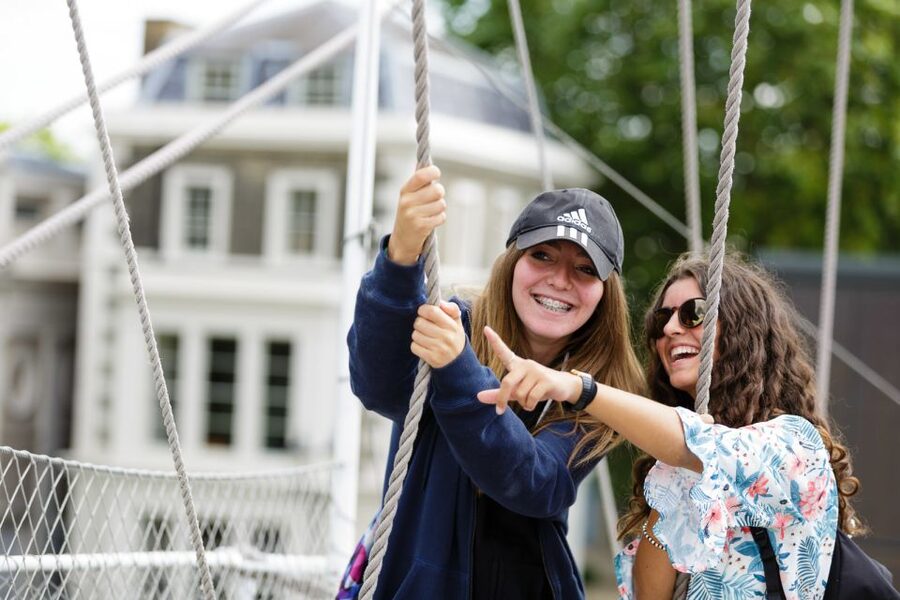
You can also take the helm at the ship’s wheel. It is a small but satisfying touch, especially for children and anyone who enjoys interactive exhibits. From the deck, you get pleasant views of the River Thames and Greenwich.
The Cutty Sark is well laid out and informative, but allow enough time to move through it properly. If you arrive late in the day after spending hours at the Observatory and Queen’s House, you may not get admission before the final entry time.
Queen’s House, a quieter stop for art and architecture
The Queen’s House sits between the Observatory and the river. It was designed by Inigo Jones and is an important piece of 17th-century architecture.
The building feels different from both the Observatory and Cutty Sark. Its clean lines and formal spaces reflect a royal villa rather than a working institution. The main attraction here is the combination of building, art, and royal history.
You will see paintings and artworks in rooms that make the architecture part of the experience. The Queen’s House is free to enter, apart from special exhibitions and guided tours, so it is an easy addition to your day.
I would not give it priority over the Cutty Sark if your time is limited. The Queen’s House is best for visitors who enjoy art, historic interiors, or a calm break from the busier major attractions. It can also be a smart stop while walking between the Observatory and the ship.
One practical lesson is to watch your timing. The Queen’s House can draw you into a longer visit, especially if you stop to study the paintings. That is worthwhile, but it may leave too little time for the Cutty Sark.
The National Maritime Museum and the story of exploration
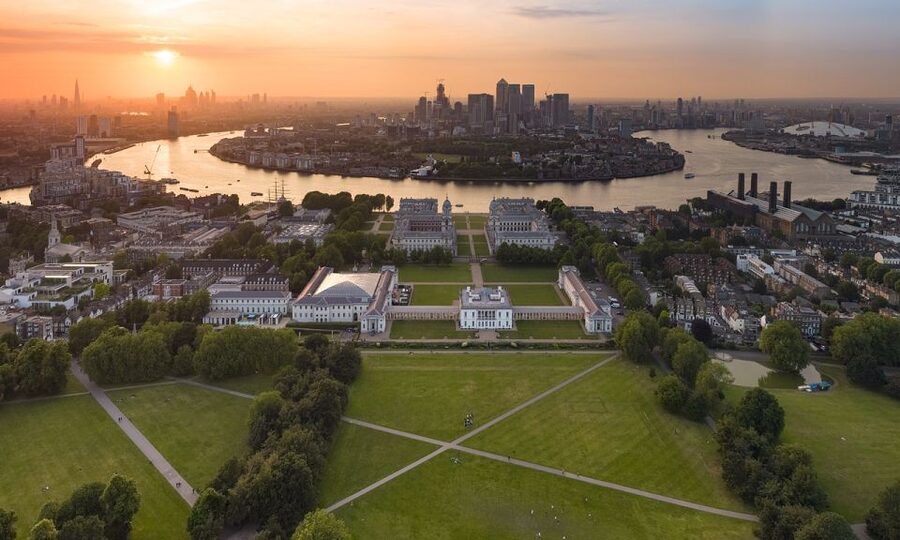
The National Maritime Museum is the largest museum of its type in the world. Its subject is much wider than ships. The galleries cover exploration, navigation, trade, warfare, science, and the people whose work helped shape the modern world.
This is the place to add context to the Cutty Sark. The ship shows you one vessel in detail. The museum explains the larger systems around it: voyages, technology, empire, commerce, and the risks faced by people at sea.
You can spend several hours here if you read every display, so treat it as a flexible part of the pass rather than a final box to tick. If the Observatory and Cutty Sark are your priorities, choose a few galleries instead of trying to see the whole museum.
General entry is free, but special exhibitions and guided tours cost extra. The same applies at the Queen’s House. The pass gives you access to the main attractions, not every temporary feature.
Building a six-hour plan that works
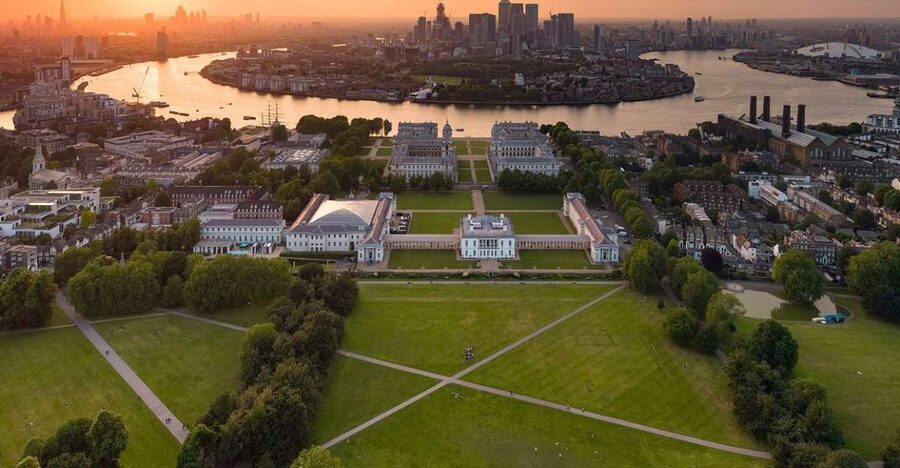
A sensible schedule depends on your priorities. For the widest range of sights, start at the Observatory when the sites open at 10 AM. Allow roughly two hours for the hill, Meridian Courtyard, Flamsteed House, clocks, Time Ball, and Great Equatorial Telescope.
Then walk downhill to the Queen’s House. You might spend 30 to 60 minutes there, depending on your interest in art and architecture. Continue to the National Maritime Museum for a focused visit and a break.
Finish at the Cutty Sark if you are confident you can arrive before the 4 PM last entry. That order works well for people who want to understand navigation before seeing the ship.
If the Cutty Sark is the top priority, reverse the plan. Start at the ship, since it is a shorter, more contained visit, then go to the Observatory and use the remaining time for the two free museums. This approach protects you from missing the ship after a slow morning with the Observatory’s detailed displays.
Food and drink are not included. Greenwich has cafés, shops, and restaurants close to the attractions, so you can stop for a quick meal rather than leaving the area. A break matters here, since the day includes a hill, museum floors, and a fair amount of walking.
The downloadable audio guide is useful, but phone signal and Wi-Fi can be weak around the Observatory. If possible, prepare before entering and keep your phone charged. The guide is available in eight languages, which makes the visit easier to follow for many international visitors.
Who should buy this pass
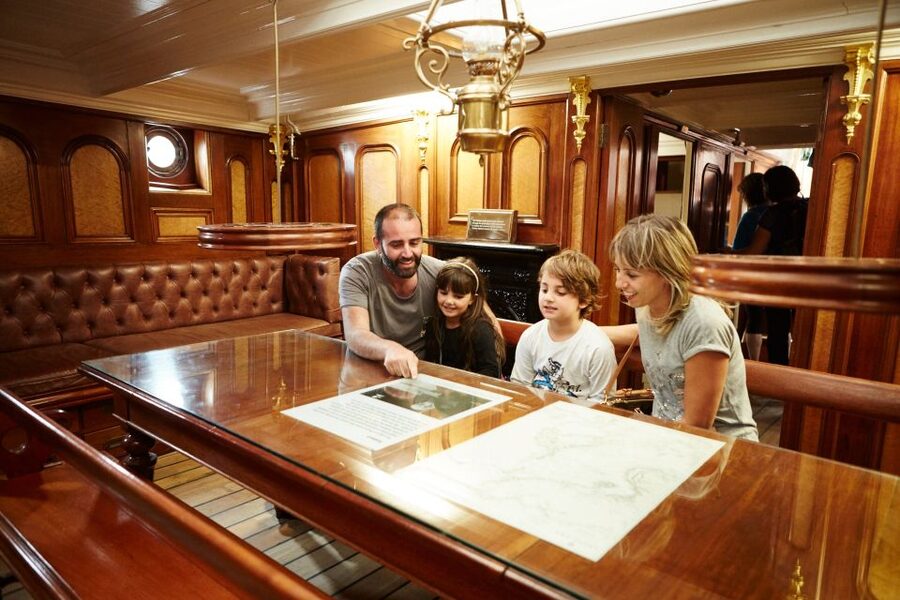
This is a good choice if you want a full Greenwich day without arranging separate tickets or deciding the order of every museum. It suits first-time visitors who want the Prime Meridian, the Cutty Sark, and a taste of London’s maritime and royal past.
Families can enjoy the ship’s wheel, the large rigging, and the clear physical scale of the Cutty Sark. The Observatory may appeal more to older children and adults, since some displays are designed for careful looking rather than play.
History fans will find plenty to hold their attention, especially in Flamsteed House, the clocks, and the National Maritime Museum. Art lovers may prefer to add extra time at the Queen’s House.
You may want to skip the pass if you only plan to visit the free museums. You may also find it poor value if you dislike walking uphill or have less than a full day in Greenwich. The pass works best when you visit at least the Observatory and Cutty Sark, then use the free museums to fill out the day.
Final verdict: a strong pass if you protect your priorities
I would book this pass for a planned Greenwich day, particularly if the Prime Meridian and Cutty Sark are both on your list. The combination of astronomy, timekeeping, ship design, royal architecture, and maritime history gives you a fuller picture of London than a single museum visit.
My main advice is simple: decide what you cannot miss before you arrive. If that is the Cutty Sark, visit it first. If it is the Observatory and the Prime Meridian, go uphill early. The Queen’s House and National Maritime Museum are valuable extras, but their free general admission means they should not be the main reason you pay for the pass.
At around $40, it offers good value for a six-hour visit to the two paid attractions, with two important free museums added in. Just allow for the hill, keep track of last entry, and do not try to read every label in every building.
FAQ
What does the Royal Museums Greenwich Day Pass include?
It includes entry to the Royal Observatory and Cutty Sark, plus access to the National Maritime Museum and Queen’s House. Downloadable multilingual interactive guides are included at the two main attractions.
Is entry to the National Maritime Museum and Queen’s House free?
General entry to both is free. Special exhibitions and guided tours are not included and may require separate payment.
What languages are available for the audio guide?
The audio guide is available in English, Spanish, Chinese, French, German, Italian, Portuguese, and Korean.
How long does the experience last?
The suggested duration is six hours. All four sites open at 10 AM and close at 5 PM, with last entry at 4 PM.
Where are the attractions located?
The Royal Observatory is on Blackheath Avenue in Greenwich Royal Park. The Cutty Sark is on King William Walk. The Queen’s House and National Maritime Museum are also in the Greenwich museum area.
Is the activity wheelchair accessible?
Yes, the activity is listed as wheelchair accessible. The route includes the walk through Greenwich Royal Park to the hilltop Observatory, so you should consider that part of the visit when planning your day.
New listings around London
- London: Secrets of Freddie Mercury Tour with a Cocktail★ 4.1 · 15 reviews
- London: Hampton Court Private Guided Tour★ 3.4 · 15 reviews
- London: Jack the Ripper Tour and Underground Prison in Spanish★ 5.0 · 15 reviews
- Spanish Language : Original Harry Potter Walking Tour★ 4.5 · 15 reviews
- London: The Saturday Supershow Cabaret at Phoenix Arts Club★ 4.5 · 15 reviews
- London: Private Couples Photography Session with Landmarks★ 5.0 · 15 reviews
- London: 2-Hour Guided Tour of the British Museum★ 4.7 · 16 reviews
- London’s Ghosts & Gruesome Past Nighttime Walking Tour★ 4.8 · 16 reviews
London Tours, compared.
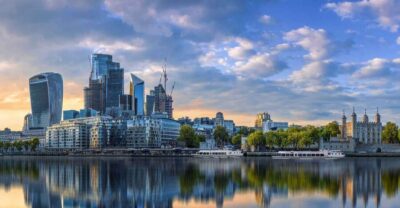
Westminster to Greenwich River Thames Cruise
Read our review →
Magical London: Harry Potter Guided Walking Tour
Read our review →
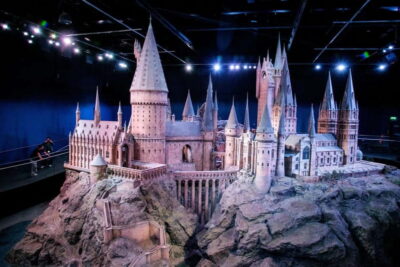


Warner Bros. Studio Harry Potter Tour with Transfers
Read our review →Browse the lists this tour appears in