

Reviewed · LONDON TOURS
London: British Museum Highlights Guided Small Group Tour
The British Museum is the sort of place that can leave you staring at a map, wondering where to begin. This 2 to 2.5-hour highlights tour solves that problem by linking major objects across 6,000 years of human history, from an Egyptian stone that changed our reading of ancient scripts to tiny chess pieces carved from walrus ivory.
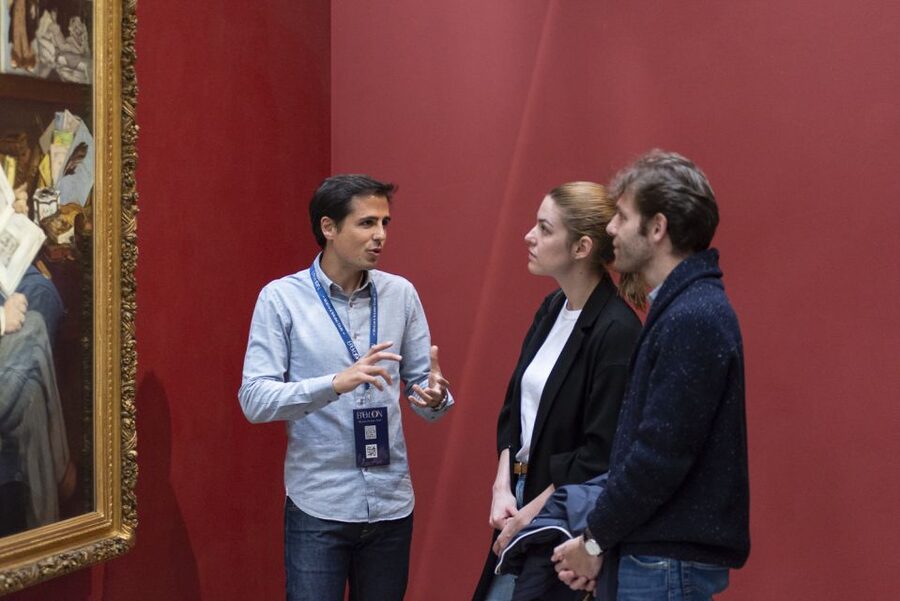
I like two things especially. First, the guide gives each object a story, so you are not just looking at old stone, metal, or bone. Second, the small format, with no more than eight people in the semi-private option, makes it easier to hear, ask questions, and keep pace through crowded galleries.
The main limitation is time. The museum holds millions of objects, and even a well-planned tour can only sample the collection. Some people also want more stops, while this experience usually spends longer with a smaller number of important pieces. That is a fair trade, but you should plan extra museum time afterward if you want to see more.
Key points at a glance
- The Rosetta Stone anchors the visit: See the actual carved stone that helped scholars read Egyptian hieroglyphs.
- The tour covers several civilizations: Expect Egyptian, Assyrian, Greek, Persian, Mesopotamian, Japanese, and medieval treasures.
- Small groups keep the pace personal: Semi-private tours are limited to eight people, with private tours also available.
- Guides make the difference: James, Andy, Sasha, Stef, Sheldon, Luis, and others have been praised for clear explanations, humor, and strong storytelling.
- The route favors meaning over quantity: You see a selection of major pieces rather than racing past dozens of displays.
- Book extra time if possible: The tour gives you a useful framework, but it cannot cover the entire museum.
Why a guided visit helps at the British Museum
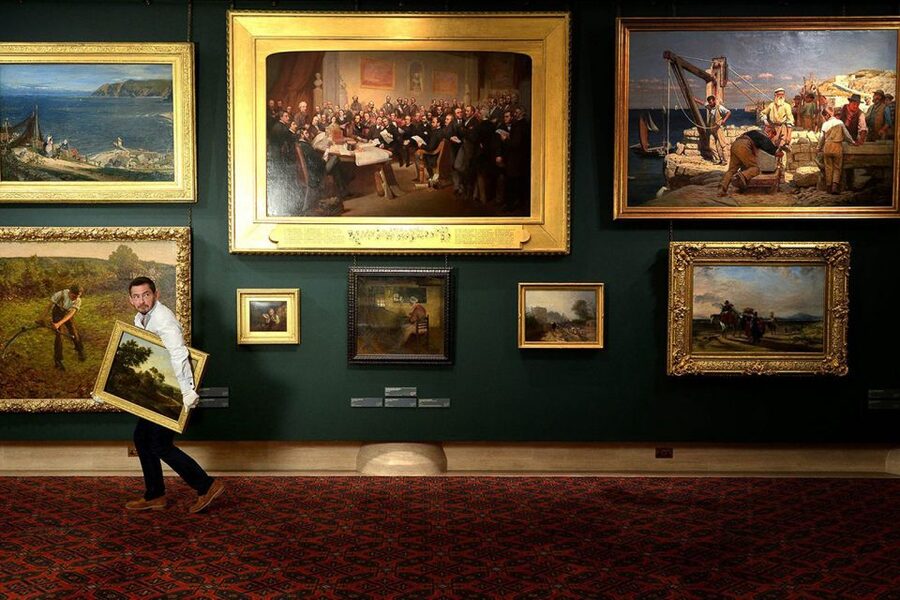
The British Museum is free to enter in general, but free entry does not make it easy to understand. The collection spans thousands of years and reaches across much of the world. Without a plan, you can spend a long time walking from gallery to gallery and still miss the pieces that best explain the museum’s scope.
That is where this tour earns its price. Your guide acts as a filter. Instead of trying to process every label, you focus on a carefully chosen group of objects and learn why each one matters.
I particularly like the way the route moves between famous works and less familiar pieces. The Rosetta Stone gets the headline, but the Assyrian Lion Hunt reliefs, Oxus Treasure, Mummy of Katebet, and Royal Game of Ur provide the wider story. You see writing, warfare, religion, games, luxury goods, and personal belief across different cultures.
The tone is serious without being dry. Several guides have been praised for adding humor and inviting questions, which matters in a museum where long blocks of information can quickly blur together. The strongest guides do not simply recite dates. They explain what you are looking at and connect it to human choices, power, belief, and daily life.
More Museum Tours in London
- London: Chelsea Football Club Stadium and Museum Tour
★ 4.8 · 4,576 reviews - London: British Museum Guided Tour
★ 4.3 · 1,182 reviews - London: Jack the Ripper Museum Tickets
★ 4.2 · 894 reviews
The Rosetta Stone and the power of writing
The Rosetta Stone is likely to be one of the first major moments of the tour. You are seeing the real object, not a reference to the language-learning company with a similar name. Its importance comes from the inscriptions that helped scholars make sense of Egyptian hieroglyphs.
A guide can turn this from a famous object into a useful lesson in how knowledge survives. The stone represents translation, persistence, and the way one artifact can help open an entire writing system to modern study.
The drawback is that the Rosetta Stone is a popular stop, so your viewing time may depend on the crowd around it. A guide can still help by explaining the object clearly and keeping the group organized, but do not expect a quiet, private room.
This is a good example of why a guided visit works well here. You may already know the stone’s name, but a strong explanation gives it purpose. You leave understanding not only what it is, but why it changed the study of ancient Egypt.
Assyrian Lion Hunt reliefs and royal power

The Assyrian Lion Hunt reliefs offer a very different experience. These carved panels show royal hunting scenes and are among the tour’s most striking examples of ancient storytelling in stone.
The subject is not simply hunting. It is also about kingship and control. The ruler appears as a powerful figure confronting danger, while the reliefs show movement, tension, and careful attention to the animals themselves. Your guide can help you read the scenes rather than treating them as decorative wall panels.
This stop rewards patience. Details can be easy to miss when you are standing among large slabs and busy galleries. Look at the lions, the posture of the figures, and the way the scene presents the ruler. A guide who knows the gallery well can point out the parts that would otherwise pass unnoticed.
The tour’s focus on the reliefs also gives you a useful contrast with the Rosetta Stone. One object helps preserve language. The other uses images to present authority. Together, they show how societies record what matters to them.
The Parthenon Sculpture and the museum’s difficult questions
The Parthenon Sculpture brings ancient Greek art into the route, but it also raises questions about ownership and empire. The displays are impressive, yet the story of how major objects reached a museum in Britain is not always comfortable.
This is one area where the best guiding goes beyond admiration. One private-tour guide, Emily, was praised for speaking frankly about less flattering parts of British history and the way objects came to the museum. That kind of direct treatment adds value, especially if you want more than a parade of famous names.
You can look closely at the sculptural work while also considering the larger debate around cultural property. The tour does not turn the visit into a lecture on museum policy, but the subject fits naturally into a museum whose collection comes from many regions of the world.
Allow yourself time to look before moving on. The scale and detail of the sculpture can be difficult to absorb in a quick stop. If this is a part of the museum that matters most to you, tell the guide early. Private tours offer more room to shape the emphasis around your interests.
Further British Museum visits:
- London: Tour of the British Museum
★ 4.1 · 678 reviews - London: British Museum Audio Tour & Priority Entrance Ticket
★ 4.5 · 631 reviews - Afternoon Tea at the British Museum
★ 4.2 · 511 reviews - London: British Museum Guided Tour
★ 4.5 · 267 reviews
The Lewis Chessmen and the human side of the collection
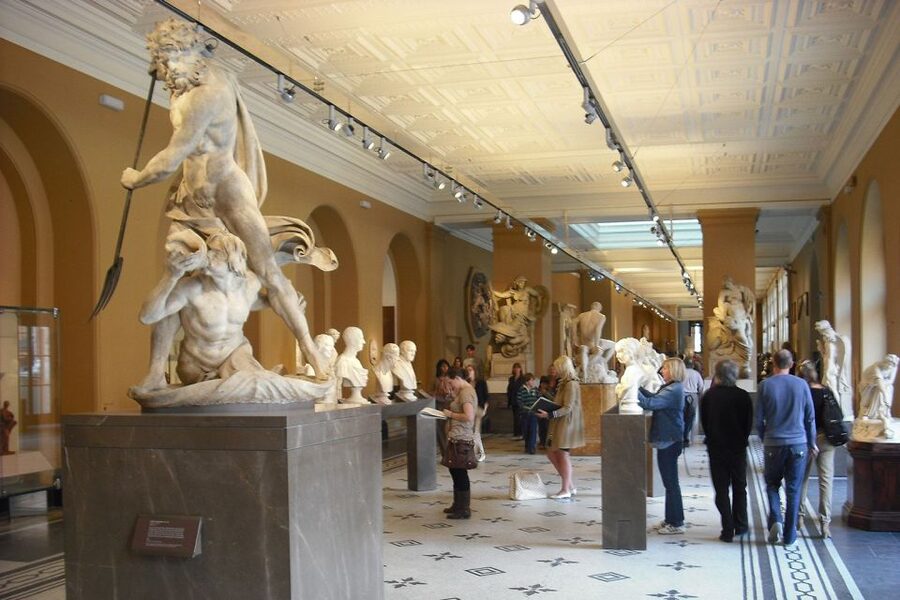
The Lewis Chessmen are smaller than many of the museum’s headline pieces, but they often make a strong impression. These medieval chess pieces bring the collection down to a human scale. You can imagine people handling them, playing with them, and giving personality to a game.
That makes them a useful pause after the grand reliefs and monumental sculpture. The museum is not only about rulers, temples, and armies. It also preserves objects connected to leisure, imagination, and ordinary human habits.
A guide may use the chessmen to explain how a familiar game can reveal social ideas and artistic style. The pieces are memorable because they have individual expressions and forms, rather than looking like anonymous game counters.
This is also a good stop for families. Several guides have been praised for keeping children and teenagers interested, including Ivo, Alex, and Luis. The chessmen offer an easy entry point for younger visitors who may not yet care about dates or dynasties.
The Oxus Treasure and the reach of ancient trade
The Oxus Treasure adds another layer to the tour. It represents the movement of precious objects, artistic ideas, and political influence across ancient regions.
The value of this stop is not only visual. A guide can show you how the objects relate to wealth, craftsmanship, ritual, and long-distance connections. You begin to see the museum’s collection as a record of contact between societies, not a set of isolated rooms.
The Oxus Treasure also helps balance the better-known Egyptian and Greek displays. If you visit alone, you might pass it while heading toward the Rosetta Stone or Parthenon Sculpture. On the tour, it receives a place in the larger story.
As with every stop, the exact display can change if an object is on loan, being restored, or temporarily unavailable. The named highlights are typical rather than an absolute guarantee.
The Mummy of Katebet and the Egyptian galleries
The Mummy of Katebet brings an individual presence to the Egyptian collection. Instead of seeing ancient Egypt only through monuments and royal names, you encounter the remains and burial equipment associated with one person.
This can be a more personal stop than the Rosetta Stone. A guide can explain what the mummy and related objects tell us about belief, death, identity, and preparation for the next life. The subject may be intense for some children, but it gives the Egyptian galleries a human focus.
The tour usually uses a small selection of objects to explain broad ideas. That approach works well here. You do not need every detail of Egyptian chronology to understand why a burial object mattered to the person who commissioned or used it.
If you have strong interests in Egypt, ask about the balance between the mummy, the Rosetta Stone, and other galleries. On a private tour, your guide has more scope to adjust the route.
Samurai armor and the pleasure of variety
Samurai armor gives the tour a change of pace. After ancient stone reliefs and Egyptian objects, the armor offers a bold look at Japanese craftsmanship and warrior culture.
This stop is useful because it prevents the tour from becoming narrowly focused on Europe, Egypt, or Greece. The British Museum’s collection reaches across the world, and the armor makes that international scope clear.
The appeal is immediate. You can see the practical side of protection alongside decoration and status. A good guide can explain how to look at the armor as both equipment and a statement about the wearer.
The route does not claim to cover every region equally. Two and a half hours is not enough for that. Still, the inclusion of Samurai armor helps you understand the range of the museum and may point you toward galleries worth revisiting afterward.
The Royal Game of Ur and everyday life in the ancient world
The Royal Game of Ur is another object that helps make the distant past feel more familiar. Games reveal how people spent free time, what they valued, and how objects moved between private life and elite life.
This is the sort of piece you could easily overlook without guidance. It lacks the scale of a relief or the fame of the Rosetta Stone. Yet it gives the tour a welcome sense of ordinary behavior and shared human habits.
I like the way objects such as the chessmen and Royal Game of Ur keep the tour from focusing only on conquest and religion. They remind you that people in ancient societies also played, competed, decorated objects, and created moments of leisure.
The exact amount of time spent here depends on your guide and the crowd. Since the tour is built around highlights, some stops may receive only a short explanation.
How the guides shape the experience
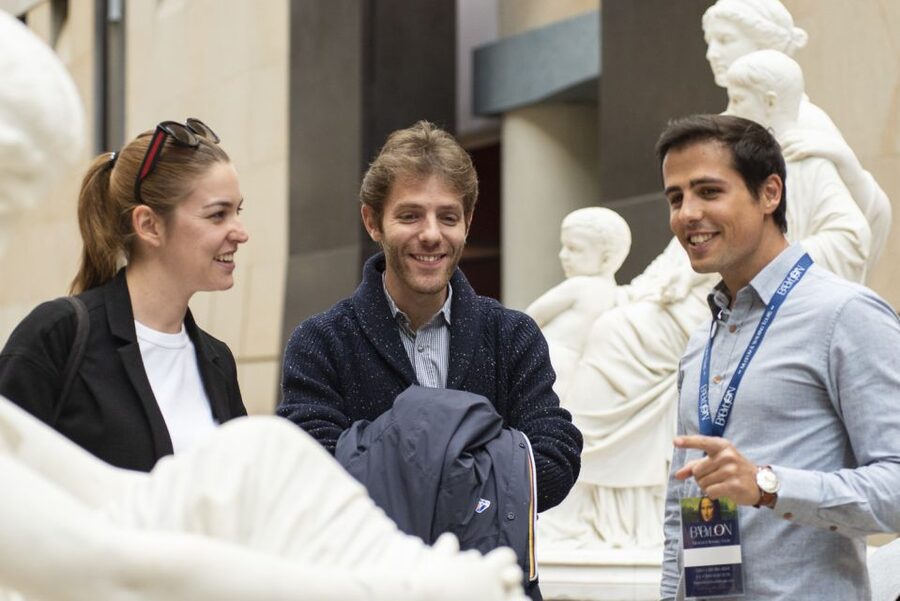
The guide is the main reason to choose this experience over visiting alone. The museum itself supplies the objects, but the guide supplies the order, context, and human voice.
Different guides bring different strengths. James has been praised for moving efficiently through the museum while still explaining the key works. Andy is known for vivid storytelling and wide knowledge, with one private tour described as feeling like two and a half hours with a history professor. Sasha and Stef have been praised for energy, humor, and a strong ability to make the material interesting.
Sheldon has received praise for including the group in discussion, while Luis has been noted for handling crowds and keeping the group close to the featured pieces. These details matter because the British Museum can become difficult to navigate when the galleries fill.
The most useful guides do not talk nonstop. They give you time to look, answer questions, and adjust the explanation to the people in front of them. If you are traveling with teenagers, children, or a family member who is not a museum fan, mention that at the start.
Group size, timing, and the $112 price
At $112 per person, this is not the cheapest way to see the British Museum. The value depends on how much you want structure and interpretation.
For a first visit, I think the price can make sense if you have limited time or feel overwhelmed by the collection. You are paying for a professional local guide, a focused route, and the chance to ask questions in a private or semi-private setting.
The semi-private option allows up to eight people, and at least two people are required for it to run. If the minimum is not met, an alternative date or full refund is offered. A private option gives you more control and is the better choice for visitors with specific interests.
The short length is both strength and weakness. You can fit it into a busy London day without losing half a day. But several people would have preferred another 30 minutes or a few more objects. I would treat the tour as an introduction, then continue alone if your schedule allows.
The activity is offered daily, with starting times shown when you check availability. The meeting point can vary by the option booked, so read the confirmation carefully.
Practical advice before you go
Bring a passport or ID card. Large bags and luggage are not allowed, so travel light and avoid arriving with suitcases.
Only a small amount of walking is involved, but you will be moving through museum galleries. Wheelchair access is available on request for a private tour only. The small-group format is not available for wheelchair users who need an accessible route, despite the general accessibility information, so confirm the arrangement before booking.
Food and drinks are not included. Hotel pickup and drop-off are also not included, and temporary exhibitions cost extra if you want to visit them.
You can cancel up to 24 hours before the tour for a full refund, and the reserve-now, pay-later option lets you hold a place without paying immediately. These policies are useful when your London schedule is still shifting.
Who should book this British Museum tour?
I would choose this tour if you are visiting the museum for the first time, have only a few hours, or want someone to explain why the objects matter. It is also a strong choice for families, since guides such as Alex, Ivo, Luis, and others have shown they can keep younger visitors involved.
History fans should appreciate the level of explanation, especially on private tours. The experience also suits people who prefer a few objects explained well rather than a fast checklist of famous displays.
I would skip it if you enjoy wandering at your own pace, plan to spend a full day in the museum, or already know exactly which galleries you want to visit. In that case, the $112 may be better spent elsewhere, and you can explore independently.
Should you book it?
Book this British Museum highlights tour if you want a clear route through a huge collection and value sharp explanations over maximum coverage. The strongest part is the guide’s ability to connect objects that span continents and centuries, from the Rosetta Stone and Assyrian reliefs to chess pieces and Samurai armor.
Just keep your expectations sensible. You will not see everything, and a few favorite objects may be unavailable or receive less time than you hoped. For most first-time visitors, though, the focused pace, small group, and strong record of engaging guides make this a practical way to begin.
FAQ
How long does the British Museum highlights tour last?
The tour lasts between 2 and 2.5 hours, depending on the option and schedule selected.
What language is the tour offered in?
The live tour guide speaks English.
What objects are usually included?
Highlights generally include the Rosetta Stone, Assyrian Lion Hunt reliefs, Parthenon Sculpture, Lewis Chessmen, Oxus Treasure, Royal Game of Ur, Mummy of Katebet, and Samurai armor.
Are all listed objects guaranteed to be on view?
No. Objects may be unavailable if they are on loan, being restored, or otherwise not displayed.
How many people can join the semi-private tour?
The semi-private tour has a maximum of eight guests. At least two people must book for it to run.
Is a private tour available?
Yes. You can choose a private tour or a semi-private small-group option.
Is hotel pickup included?
No. Hotel pickup and drop-off are not included.
Are food and drinks included?
No. Food and drinks are not included unless specifically stated.
Can I bring luggage?
No. Luggage and large bags are not allowed. Bring only what you need, along with a passport or ID card.
Can wheelchair users join the tour?
Wheelchair tours are available on request as private tours only. A wheelchair user who needs an accessible route cannot join the semi-private small-group option.
What happens if the semi-private tour does not reach its minimum number?
If the minimum of two people is not met, an alternative date or a full refund is offered.
Can I cancel the booking?
Yes. You can cancel up to 24 hours in advance for a full refund. You can also reserve now and pay later.
New listings around London
- London: Secrets of Freddie Mercury Tour with a Cocktail★ 4.1 · 15 reviews
- London: Hampton Court Private Guided Tour★ 3.4 · 15 reviews
- London: Jack the Ripper Tour and Underground Prison in Spanish★ 5.0 · 15 reviews
- Spanish Language : Original Harry Potter Walking Tour★ 4.5 · 15 reviews
- London: The Saturday Supershow Cabaret at Phoenix Arts Club★ 4.5 · 15 reviews
- London: Private Couples Photography Session with Landmarks★ 5.0 · 15 reviews
- London: 2-Hour Guided Tour of the British Museum★ 4.7 · 16 reviews
- London’s Ghosts & Gruesome Past Nighttime Walking Tour★ 4.8 · 16 reviews
London Tours, compared.

Westminster to Greenwich River Thames Cruise
Read our review →
Magical London: Harry Potter Guided Walking Tour
Read our review →


Warner Bros. Studio Harry Potter Tour with Transfers
Read our review →Browse the lists this tour appears in