
Reviewed · BRISTOL TOURS
Bristol: Brunel’s SS Great Britain Experience Entry Ticket
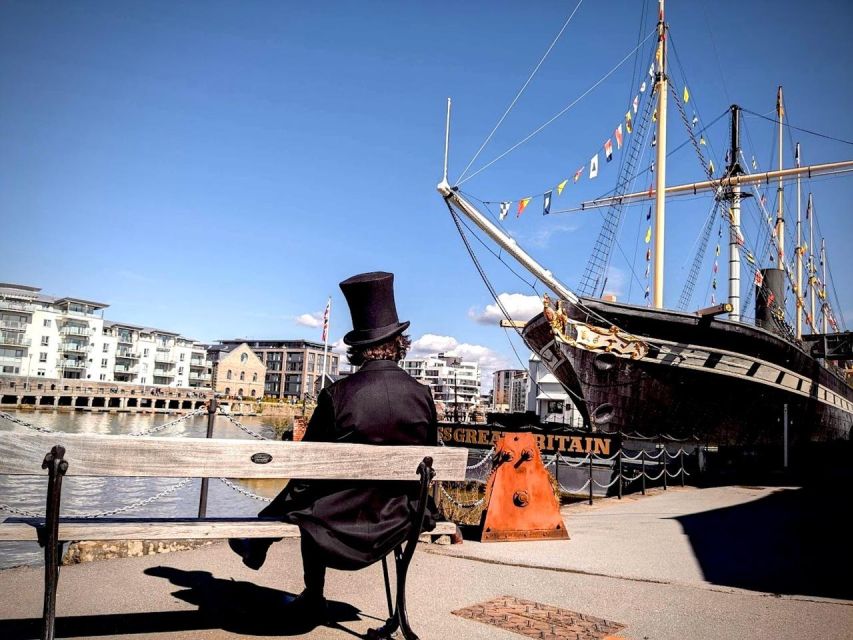
Bristol’s SS Great Britain lets you walk through a real Victorian ocean liner, from the powerful 1,000-horsepower engine below deck to the recreated 1845 upper deck. You see how sharply first class and steerage were separated, then follow personal stories that make the ship feel lived in rather than simply displayed.
I like the freedom to explore at your own pace, and I like the clever sound features in the First Class Dining Saloon, where past passengers seem to speak around you. The main drawback is that some displays are hard to read, especially those placed in low drawers, and the focus on Brunel and other men leaves too little room for women in engineering.
Key points to know before you go
- A real ship in its original dry dock: SS Great Britain sits where it was built, giving the visit a strong sense of place.
- The engine room is the mechanical star: Brunel’s original 1,000-horsepower engine shows the scale of the ship’s ambition.
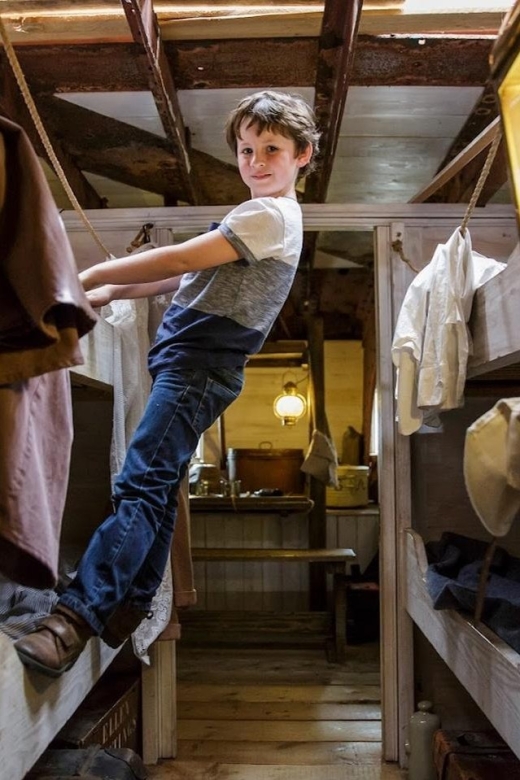
- Class divisions are easy to understand: First-class rooms and steerage quarters reveal two very different voyages.
- Two museums add context: You get more than a ship tour, with exhibits about Brunel, the vessel, and its passengers.
- Audio features make the dining saloon lively: Voices and stories help you picture a meal at sea.
- Plan for a full day: Your ticket is valid for one day, so take your time instead of rushing through the ship.
Why SS Great Britain feels different from a standard museum visit
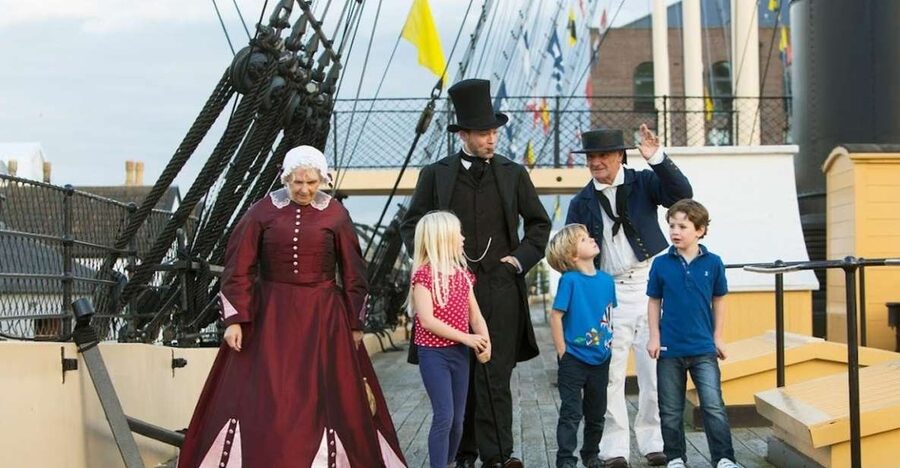
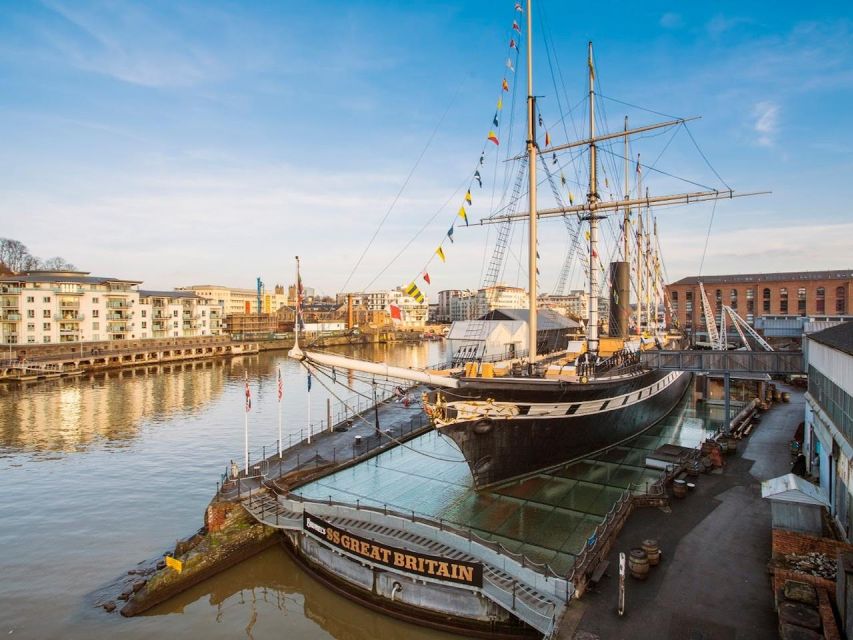
Many maritime museums ask you to look at a ship from the outside or peer into a few preserved rooms. Here, you step aboard SS Great Britain and move through the vessel as a working passenger might have done in the 1840s.
That physical scale matters. You can see the long corridors, cramped lower areas, grander first-class spaces, and machinery that powered the ship. The vessel is not just a backdrop for information panels. Its decks and rooms are the main evidence.
The ship sits in the same dry dock where it was constructed. That setting adds useful context before you even reach the first exhibit. You are not looking at a boat moved into a modern hall. You are standing in a historic working space tied directly to Brunel’s project.
The visit combines the ship with two museums. That makes the experience more useful for first-time visitors because you can connect the engineering, the people, and the wider story of 19th-century sea travel. If you only want a quick photograph of the hull, this is more than you need. If you enjoy seeing how an object worked and how people used it, the extra material earns its place.
A handful of other Bristol outings to weigh up
- Bristol: Blackbeard to Banksy Guided Walking Tour
★ 4.9 · 1,422 reviews - From Bristol: Stonehenge and Cotswold Villages Day Tour
★ 4.8 · 717 reviews - Bristol: Air Raid Shelter & St. Nicholas Market Walking Tour
★ 4.8 · 320 reviews
Starting below deck with Brunel’s engine
The engine room gives the visit its strongest sense of machinery and scale. Brunel’s original 1,000-horsepower engine is a remarkable focal point because it shows the practical problem behind the ship’s fame: a vessel this large needed serious power.
You do not need to be an engineer to appreciate it. The size of the components, the space around them, and the sense of force built into the design make the technology understandable at a glance. The machinery also keeps the story from becoming only about polished dining rooms and wealthy passengers.
This section is especially good for older children and anyone who likes design, transport, or industrial history. It gives you something solid to look at before moving into the more atmospheric parts of the ship.
Allow time to pause here. It is easy to hurry toward the recreated passenger spaces, but the engine room explains why SS Great Britain was such an important step in ocean travel. Brunel’s ideas were not abstract. They had to work inside a huge, complicated machine.
Walking the recreated 1845 upper deck
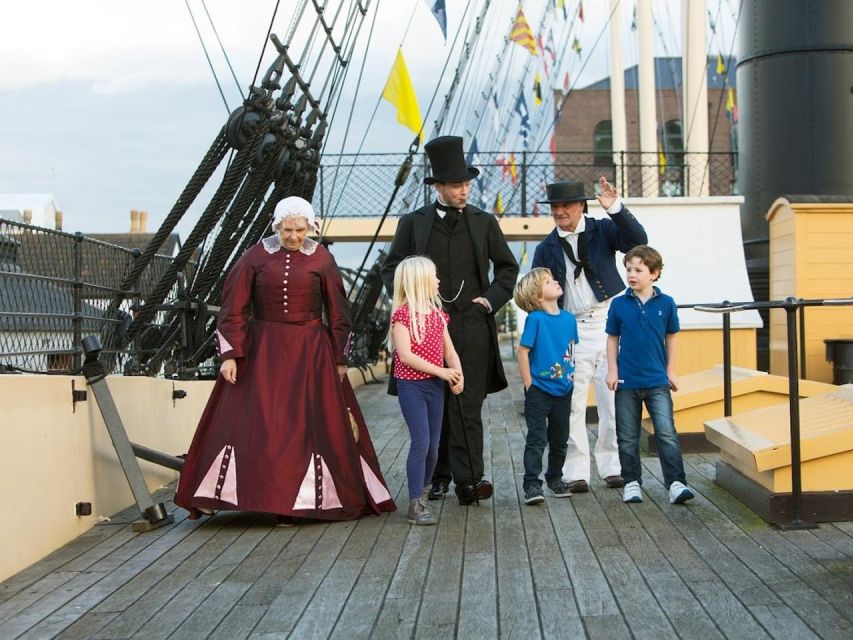
The upper deck is recreated to show the ship in its 1845 form. This is where the sharp social structure becomes clear. First-class passengers had more comfort and space, while steerage passengers used much simpler quarters.
That contrast is one of the visit’s most effective teaching tools. You do not have to read a long explanation to understand that people on the same voyage did not share the same experience. The distance between the classes can be seen in the rooms, furnishings, and general sense of space.
First class receives the grander treatment, but the steerage areas are just as important. They keep the story grounded in the lives of ordinary passengers, many of whom were making a major journey under conditions far removed from modern cruise travel.
The free-flow layout works well here. You can move through the ship at your own pace instead of being held to a tightly controlled path. I would take advantage of that freedom by visiting the grand rooms first, then returning to the lower passenger areas with the class contrast in mind.
Some exhibit text is placed in drawers low to the ground. That arrangement may appeal to children, but it is less convenient for adults and can make important information easy to miss. If you want the fullest visit, check the lower displays carefully rather than relying only on the large panels.
Listening to passengers in the First Class Dining Saloon
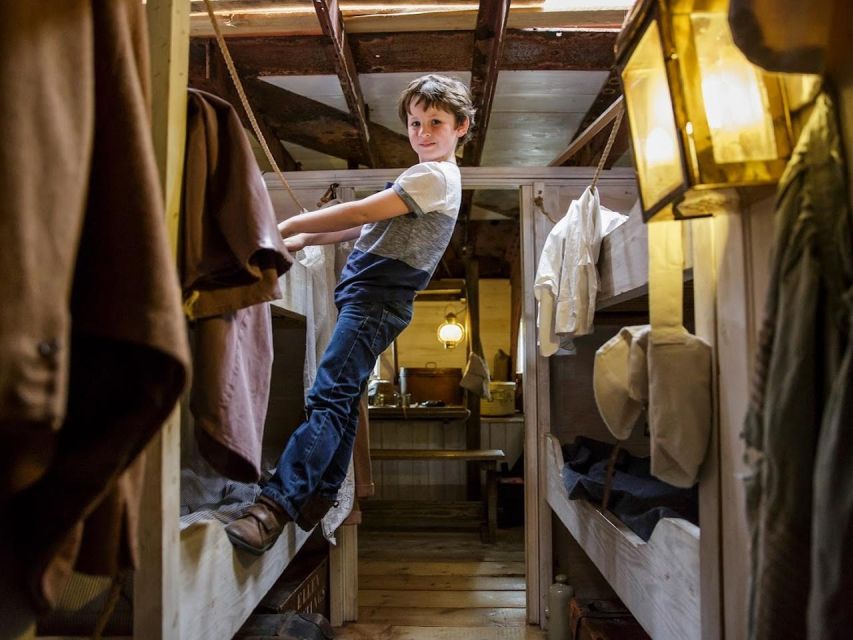
The First Class Dining Saloon adds sound to the physical setting. Voices from past passengers play around the room, turning a static dining space into something more active.
This is one of the best examples of the attraction using technology for a clear purpose. The audio is not simply background noise. It helps you picture conversation, expectations, and the social rules of a long sea voyage.
The personal accounts include Allan Gilmour’s diary entries and the unusual story of Teres Carrol. These details give the ship a human scale. Brunel may have designed the vessel, but passengers gave it its daily life.
I like this part because it slows you down. Machinery encourages you to look closely at structure and motion. The dining saloon asks you to imagine people, manners, meals, and the long hours between ports.
The effect will not suit everyone. If you prefer quiet museums or want to read every panel without interruption, the animated audio may feel busy. For most people, though, it adds welcome character, especially after the more technical displays.
Elsewhere in Bristol, a change of pace:
- From Bristol: Oxford and the Cotswolds Full-Day Tour
★ 4.7 · 244 reviews - Bristol: Guided Ghost Tour
★ 4.8 · 193 reviews - Bristol: Wake The Tiger Amazement Park Entry Ticket
★ 4.3 · 156 reviews - Bristol: Self-Guided Sightseeing Audio Tour
★ 4.4 · 151 reviews
The two museums and the Brunel story
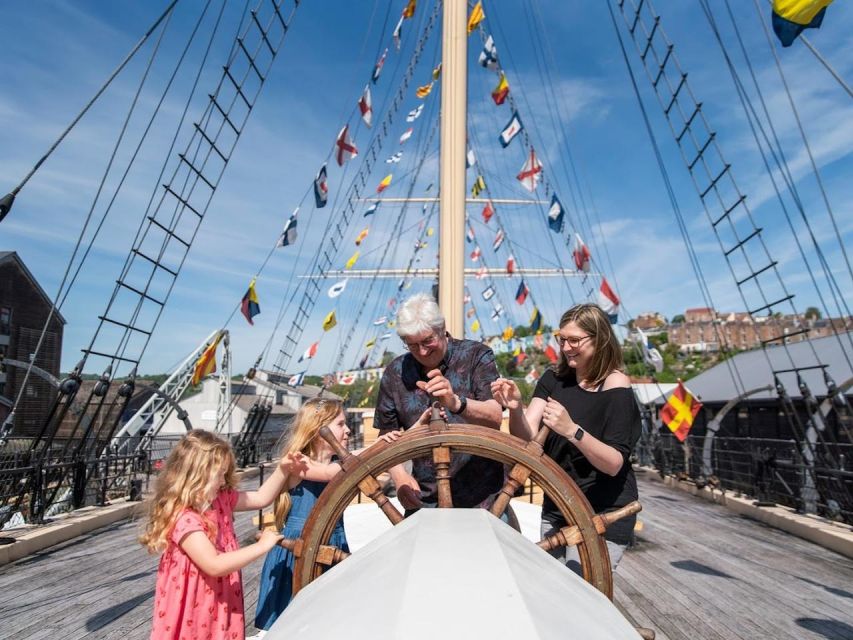
The museums help explain why SS Great Britain matters beyond its appearance. One thread follows Brunel’s engineering work and the decisions that shaped the ship. Another brings attention to the people who sailed on it.
The Brunel material is the clearest route into the design story. You can see how the ship’s construction, engine, and scale reflected an ambitious approach to transport. The attraction presents Brunel as the central figure, and that focus gives the visit a strong narrative line.
Still, the presentation could do more to show women who worked in engineering or made important contributions to the field. If you are visiting with girls who are interested in science or design, use the ship itself as a starting point, but be aware that the exhibition does not offer a balanced picture of engineering achievement.
The passenger stories help correct the focus on famous men. Allan Gilmour’s diary and Teres Carrol’s story are memorable because they show how large events affected individuals. You get a better sense of the ship as a place where many separate lives crossed.
Read the museums before or after the ship, depending on your style. I prefer beginning with the vessel so I can form my own questions, then using the exhibits to fill in the details. If you like background first, the museums will give you a useful framework before you step aboard.
Bristol’s waterfront adds to the visit
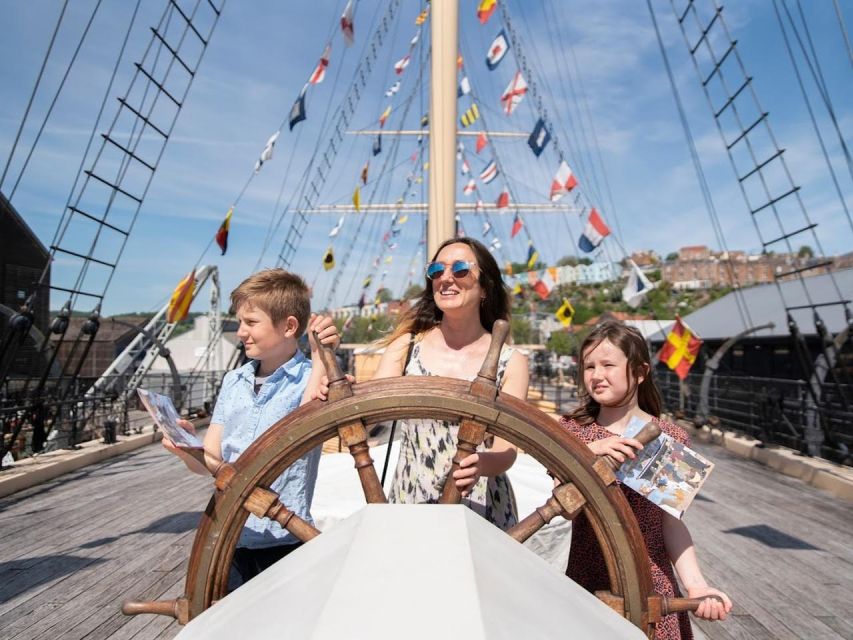
SS Great Britain sits on Bristol’s historic waterfront, so the attraction works well as part of a wider afternoon in the city. You can combine the ship and museums with a walk along the water rather than treating the ticket as an isolated indoor stop.
This is helpful on a wet day. The dry dock and museum spaces give you a substantial activity when the weather is poor, though you should still wear comfortable shoes. You will be on your feet and moving between different parts of the ship and exhibition areas.
The waterfront setting also makes the ship easier to appreciate. A vessel of this size needs room around it. Seeing the hull in the dock gives you a better idea of its proportions than standing inside alone.
I would not assume the ticket includes food or drinks. Those are available to buy, but personal spending is separate. Plan a pause if you want one, especially since the ticket is valid for a full day and does not force you to rush.
How much time should you allow?
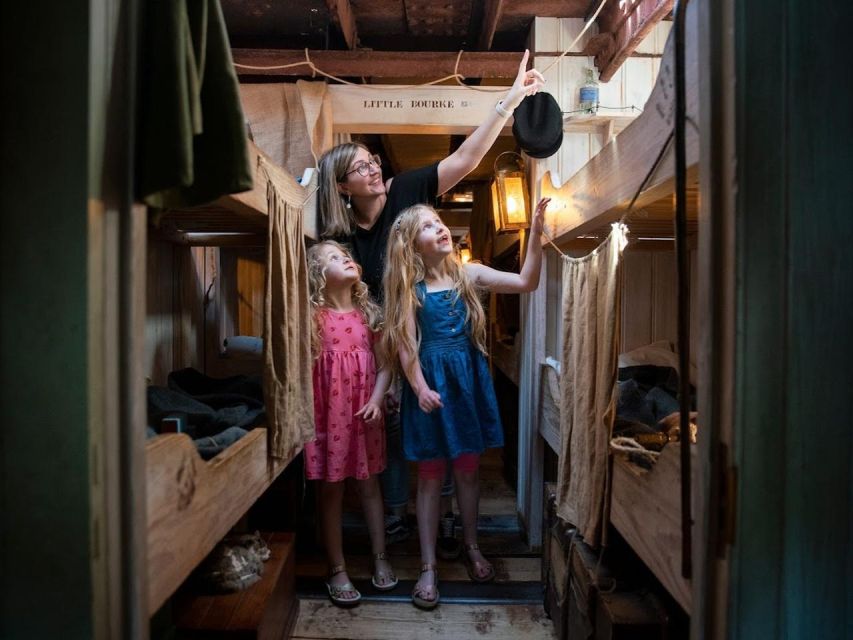
The ticket is valid for one day, with entry times based on availability. That flexibility is useful because the ship includes several distinct parts: the dry dock, two museums, engine room, passenger decks, and sound-led areas.
A rushed visit would miss much of the point. You could see the main rooms quickly, but the personal accounts and technical displays reward slower attention. I would allow a good portion of the day if you enjoy reading and listening, especially if you also want time on Bristol’s waterfront.
The attraction has a small-group format limited to 10 participants, and skip-the-line entry is included. That should make arrival easier, though the experience itself is designed for you to explore rather than follow a long guided walk.
A Bristol guide named Simon is praised for giving lively city introductions, explaining local culture, public transport, landmarks, and free things to do. That information is useful if your day includes a separate Bristol orientation, but do not count on a guided SS Great Britain tour from this entry ticket. The ship visit centers on independent exploration and the exhibits.
Is the $29.63 ticket good value?
At $29.63 per person, this is not a bargain-priced museum stop. It is a reasonable purchase if you plan to use the full day and take in the ship, engine room, two museums, and waterfront setting.
The value comes from the combination. You are not paying only to enter a preserved vessel. You are getting access to a major engineering object, recreated passenger areas, personal stories, interactive elements, and museum displays in one place.
The ticket is less appealing if you have only a short gap in Bristol or mainly want to see the outside of the ship. In that case, the price may feel high for the time available. It becomes stronger value for families, history fans, ship enthusiasts, and anyone who enjoys exhibits that mix real objects with sound and hands-on details.
A full-day ticket also gives you room to adjust your pace. You can spend longer in the engine room, return to a passenger area, or take a break before walking around the waterfront. That matters more than a simple low entry price when the attraction offers several layers.
Free cancellation up to 24 hours ahead and reserve-now, pay-later booking add flexibility. Those terms are useful if your Bristol plans may change, but they do not alter the basic value question: book it when you have enough time to explore properly.
Who will enjoy SS Great Britain most?
I would recommend this experience to:
- Families with children who like ships, machines, or hands-on exhibits.
- Adults interested in Brunel, Victorian engineering, and transport.
- People who enjoy social history and want to compare first class with steerage.
- Visitors looking for a substantial indoor activity on a wet Bristol day.
- Anyone who prefers free-flow visits instead of a fixed guided route.
It may be less suitable if you dislike enclosed ship spaces, have difficulty standing for extended periods, or want a short, purely outdoor attraction. Comfortable shoes are important, and pets are not allowed, although assistance dogs are permitted.
The exhibition also has a clear limitation for anyone looking for broad representation in engineering history. Brunel’s work receives most of the attention, while women engineers and other overlooked figures are not given enough space.
Practical ways to get more from your visit
Start by looking at the ship as a whole from the dry dock. That first view gives you a sense of size before the interior breaks the vessel into rooms and machinery.
Next, spend real time in the engine room. Notice how the equipment changes your understanding of Brunel’s achievement. Then move to the upper deck and compare first-class areas with steerage rather than viewing each section separately.
In the dining saloon, pause long enough for the audio to work its magic. Listen for the personal tone of the passenger accounts, then connect those voices with the spaces you have already seen.
Check low drawers and smaller displays as well as the main panels. Some useful material is not placed at ideal reading height, so a quick walk past can leave gaps in your understanding.
Finally, leave time for Bristol’s waterfront. The ship is the main event, but the surrounding setting helps you place it in the city and makes the visit feel like part of a larger day rather than a single indoor stop.
Should you book this Bristol ship experience?
Book it if you want more than a photo opportunity. The combination of a restored ocean liner, Brunel’s original engine, class-divided decks, passenger stories, and two museums gives you plenty to see for the price, especially when you can use the ticket throughout one day.
I would be more cautious if your schedule is tight or if you want a modern, highly polished exhibition with equal attention to every kind of engineer. The low-set displays can be awkward, and the presentation could better represent women in engineering.
For most visitors with half a day or more in Bristol, I think it is a strong choice. Wear comfortable shoes, take your time, and treat the ship as a place to explore rather than a quick checklist stop.
FAQ
How long is the SS Great Britain ticket valid?
The ticket is valid for one day. Starting times depend on availability.
What does the ticket include?
It includes entry to SS Great Britain, access to two museums, the engine room, and the upper deck.
Is food included?
No. Food and drinks are not included, though they are available to purchase.
Can I cancel the booking?
Yes. You can cancel up to 24 hours in advance for a full refund.
Can I reserve now and pay later?
Yes. The booking option allows you to reserve your spot and pay nothing immediately.
Are pets allowed?
Pets are not allowed. Assistance dogs are permitted.
New listings around Bristol
- Bristol: Bristol Zoo Project Entry Ticket★ 4.3 · 18 reviews
- From Bristol: 4-Day Cornwall, Devon & Stonehenge Tour★ 4.3 · 22 reviews
- Bristol: The House Magicians Comedy and Magic Show★ 4.7 · 37 reviews
- Bristol: The Best Of Bristol, Guided Bike Tour★ 4.8 · 68 reviews
- St Mary Redcliffe Church Bristol: Guided Tour★ 4.7 · 67 reviews
- Bristol: Self-Guided Sightseeing Audio Tour★ 4.4 · 151 reviews
- Bristol: Wake The Tiger Amazement Park Entry Ticket★ 4.3 · 156 reviews
- Bristol: Paddleboarding Harbourside Tour★ 5.0 · 3 reviews
Bristol Tours, compared.



Air Raid Shelter & St. Nicholas Market Walking Tour
Read our review →



Browse the lists this tour appears in