
Reviewed · LONDON TOURS
British Museum & National Gallery Highlight Tour 8 guests 5h
London’s two great museums can swallow a whole day before you find the objects you came to see. This 5.5-hour small-group tour gives you a clear route through the National Gallery and British Museum, with an English-speaking guide explaining why the works matter instead of leaving you to guess.
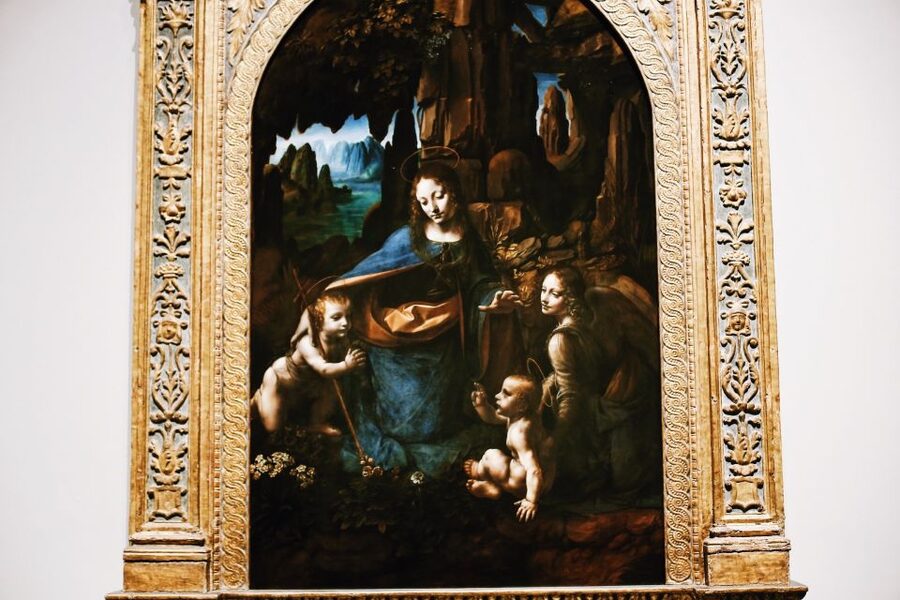
I like the focus on famous masterpieces, including Sunflowers, The Ambassadors, The Arnolfini Portrait, and The Virgin of the Rocks. I also like the contrast between painted art in the morning and 6,000 years of objects in the afternoon. The main caution is practical: the tour costs $206 per person, and one serious booking problem has been reported, so confirm the meeting point, entry arrangements, and museum access before paying.
Key points at a glance
- Two major museums in one day: Visit the National Gallery and British Museum with a planned route rather than trying to cover either collection alone.
- A short list of major works: Look for da Vinci, Van Gogh, Vermeer, Rembrandt, Monet, Seurat, Botticelli, and other leading painters.
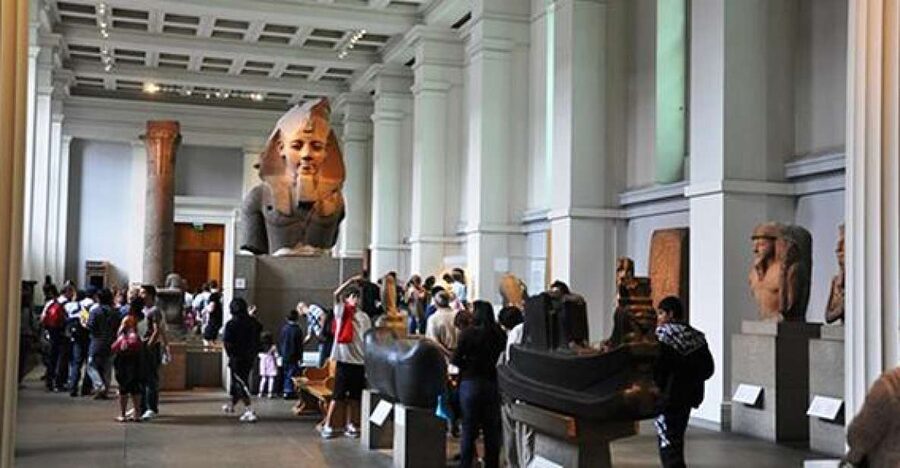
- Objects with a human story: The British Museum section includes the Rosetta Stone, Assyrian lion hunt reliefs, the Lewis Chessmen, and a mummy identified as Katebet.
- Small groups of up to eight: Choose a semi-private format or arrange a private tour for a more personal pace.
- A real lunch break: Food and drinks are not included, so plan and budget for your own meal between museums.
- Guide choice may matter: Matilda received especially strong praise, while Becky was repeatedly singled out for her wit, energy, and knowledge.
Why this route works for first-time museum visitors
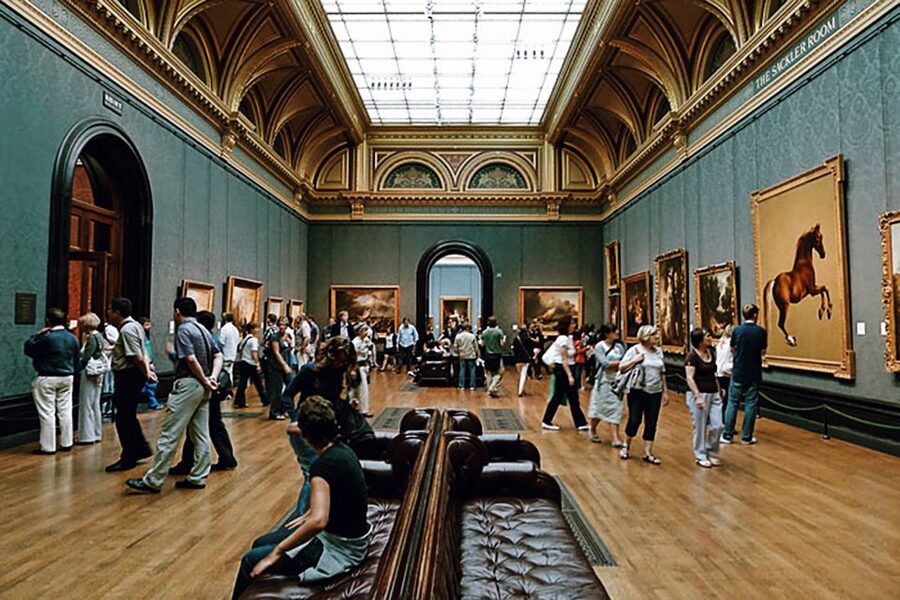
The National Gallery and British Museum are not ordinary sightseeing stops. Both are free-standing institutions with large collections, multiple rooms, and more material than you can sensibly absorb in one visit. A guide-led route helps you spend your limited time on well-known works and gives you enough background to see connections between them.
The morning centers on paintings from the 1300s onward. That range lets you watch European art change over hundreds of years. You move from religious images and carefully arranged portraits to the broken brushwork and new visual ideas of the nineteenth century.
The afternoon changes the scale and subject. Instead of concentrating on painted surfaces, you look at sculpture, jewelry, armor, reliefs, game pieces, and burial objects. That shift is one of the best reasons to pair the museums. You are not spending five hours hearing the same type of explanation.
The tour is aimed at people who want context without signing up for an academic lecture. The guide is expected to explain the painters, cultures, and objects in plain language, then point out what to look for. That can be especially useful if names such as Botticelli, Vermeer, or Seurat are familiar but their work is not.
More Museum Tours in London
- London: Chelsea Football Club Stadium and Museum Tour
★ 4.8 · 4,576 reviews - London: British Museum Guided Tour
★ 4.3 · 1,182 reviews - London: Jack the Ripper Museum Tickets
★ 4.2 · 894 reviews
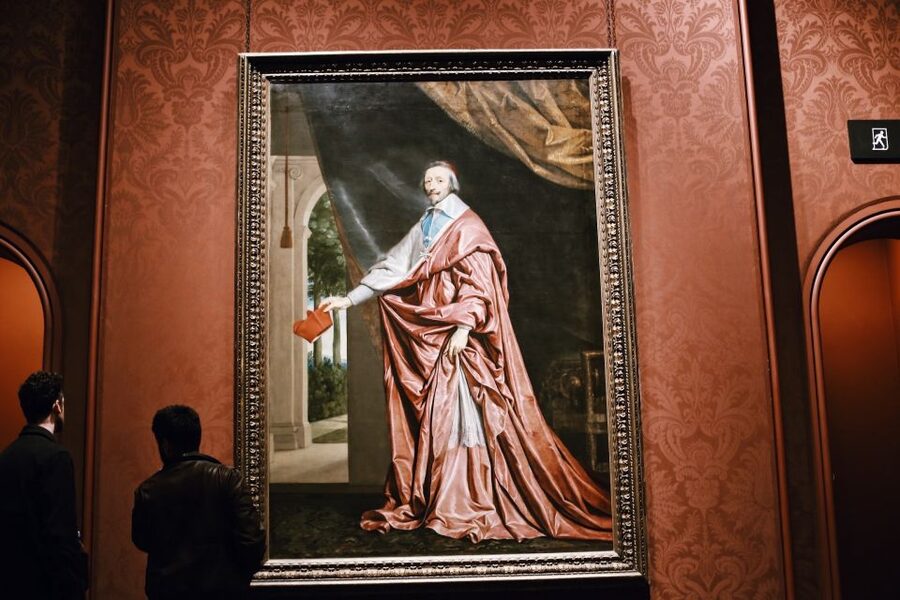
The National Gallery: famous paintings with a useful route
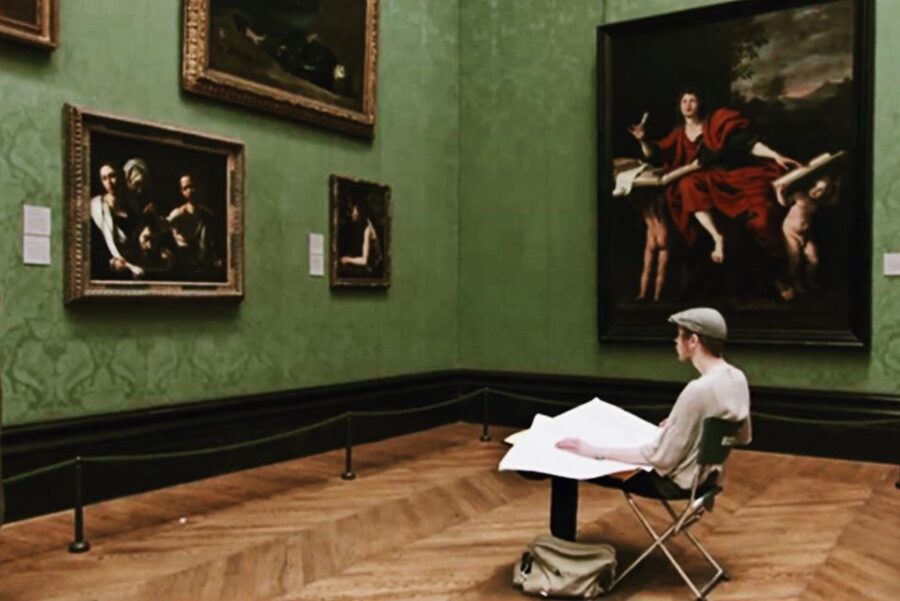
The National Gallery portion begins with the painters behind the pictures. That matters because a room full of celebrated names can otherwise become a parade of unfamiliar faces and titles. Your guide should give you a framework for understanding style, subject, and period before moving through the selected works.
You might see Botticelli, Monet, Rembrandt, and Vermeer, along with works by da Vinci and Van Gogh. The precise selection can change because paintings may be on loan, under restoration, or temporarily unavailable. Treat the published list as a strong guide to the intended highlights, not a guarantee that every work will be on the wall that day.
Da Vinci’s The Virgin of the Rocks is one of the key stops. It gives the guide a chance to discuss the careful arrangement of figures, the unusual rocky setting, and da Vinci’s approach to light and landscape. You do not need a background in Renaissance art to benefit from this kind of explanation, but you do need time to look closely.
Van Gogh’s Sunflowers brings a very different mood and technique. The painting is familiar from reproductions, yet the original lets you judge its surface, color, and scale for yourself. A guide can also help you resist the common mistake of treating Van Gogh as only a tragic personality. The picture deserves attention as a work of design and paint, not just as a famous biography.
Other planned highlights may include The Madonna of the Pinks, The Toilet of Venus, The Ambassadors, The Arnolfini Portrait, and Venus and Mars. These works cover religious art, mythology, domestic life, portraiture, and symbolism. That range makes the stop more than a greatest-hits walk through one narrow period.
The Ambassadors and The Arnolfini Portrait are particularly good choices for guided viewing because small details carry much of their meaning. You might find yourself looking at objects, clothing, gestures, or background features that are easy to miss when walking alone. The guide’s job is to show you where to look, then give you room to form your own view.
The route also reaches forward to Seurat’s Bathers at Asnières. Placing it after earlier works makes the changing language of painting easier to see. The point is not simply to name artistic movements. It is to notice what happens when artists alter the handling of color, light, space, and everyday subjects.
You should not expect to see all 2,300 paintings. No sensible five-hour visit could do that, and trying would make the day tiring rather than rewarding. The value here is selection: a guide chooses representative works and explains why they deserve your attention.
The lunch break between the museums
There is a lunch break between visits, and it is at your own expense. This is a useful pause after the National Gallery, but it also means the advertised duration does not represent five and a half hours of uninterrupted gallery time.
The exact meeting point can vary by booking option, so read your confirmation carefully. You will need to move between the two museums, and the information provided does not include hotel pickup or drop-off. Plan your day around the stated meeting instructions rather than assuming the guide will collect you from your hotel.
I would keep lunch simple and watch the clock. A long meal could put pressure on the British Museum section, which already has far too much to see. Also remember that food and drinks are not included unless your selected option specifically says otherwise.
The British Museum: six millennia in selected objects
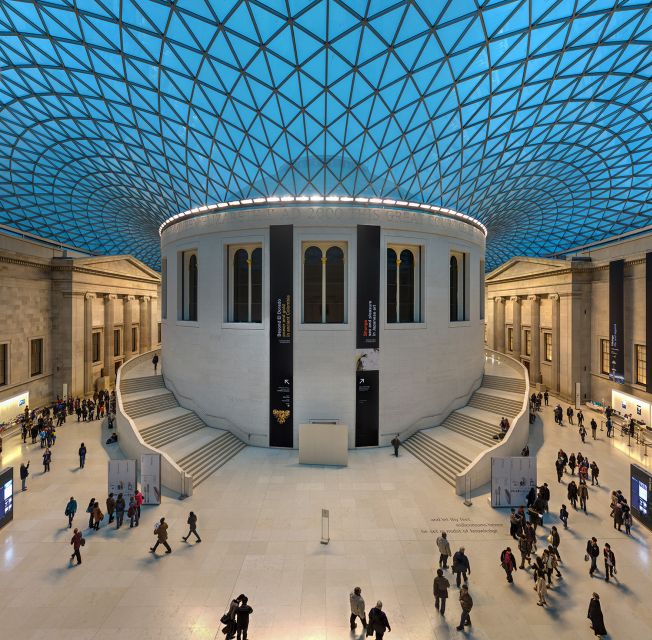
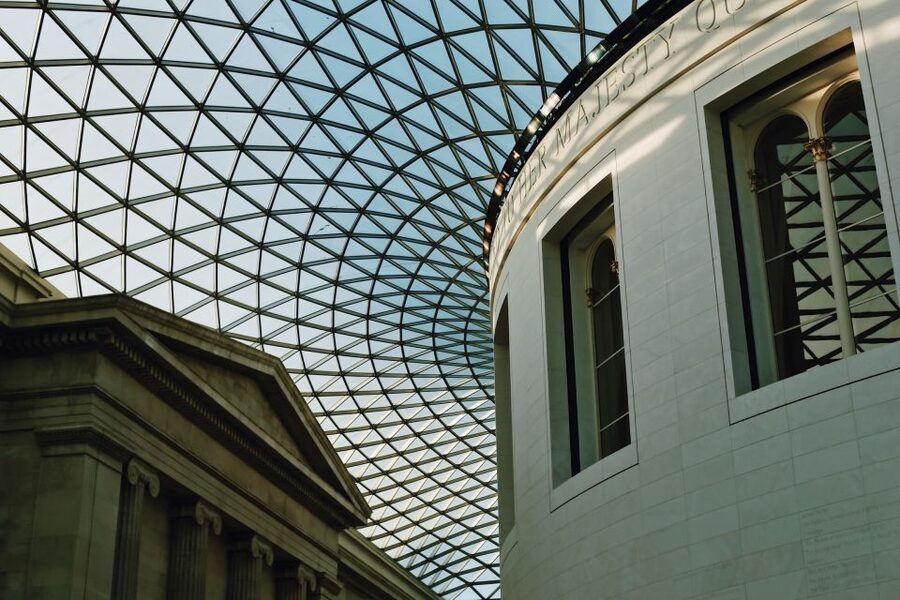
After lunch, the focus moves from paintings to human civilizations across roughly 6,000 years. The British Museum can be difficult to navigate without a plan. Its collection reaches across continents and eras, so a guide-led selection is useful if your aim is to understand landmark objects rather than wander through every room.
The Rosetta Stone is the obvious starting point. It is not simply a famous slab of stone. Its inscriptions helped scholars compare scripts and read Egyptian hieroglyphs. Seeing the actual object gives the guide a natural way to explain how language, archaeology, and patient scholarship work together.
The Assyrian lion hunt reliefs offer a different kind of lesson. These carved scenes show royal power, ceremony, and the controlled depiction of animals. Look closely at the lions, horses, weapons, and movement. The reliefs are visually dramatic, but they also reveal how an empire wanted its ruler to be seen.
The Parthenon sculptures bring ancient Greek art into the discussion. They raise questions about architecture, display, ownership, and the way modern museums present objects from other places. The tour description promises a serious but enjoyable approach, so you can expect historical explanation without needing to settle every larger museum debate during the visit.
The Lewis Chessmen are smaller and more playful than the monumental reliefs. Their carved faces and individual personalities make medieval material culture feel immediate. They also show that historic objects do not need to be huge, beautiful, or solemn to hold your attention.
The Oxus Treasure and the Royal Game of Ur widen the route again. Jewelry and precious objects can tell you about status, trade, craftsmanship, and belief. A board game, by contrast, offers a more ordinary connection with people in the distant past. The selection works because it mixes power, religion, daily life, and entertainment.
The Mummy of Katebet adds a personal dimension. A mummy is not just an archaeological specimen, and the guide can help place the object within the beliefs and practices surrounding death in ancient Egypt. Samurai armor then shifts the focus to Japan, warfare, craftsmanship, and identity.
This combination is one of the afternoon’s strengths. You are not limited to one civilization or one type of object. You might move from stone inscriptions to carved hunting scenes, then to game pieces, a mummy, and armor. The guide’s explanations are important because the objects come from very different settings and cannot be understood through appearance alone.
Further British Museum visits:
- London: Tour of the British Museum
★ 4.1 · 678 reviews - London: British Museum Audio Tour & Priority Entrance Ticket
★ 4.5 · 631 reviews - Afternoon Tea at the British Museum
★ 4.2 · 511 reviews - London: British Museum Guided Tour
★ 4.5 · 267 reviews
What the guide adds to the museum experience

The strongest praise for this tour centers on the guides. Matilda was singled out as an exceptional guide, and Becky received repeated approval for her lively delivery, wit, and command of the material. If the booking system allows guide requests, asking for Matilda or Becky is a reasonable tip, though availability cannot be promised.
A good guide changes the pace of a museum visit. Instead of reading every label, you hear a short explanation, inspect the object, and ask a question while the subject is still in front of you. That is especially helpful at the British Museum, where a long text panel can give you facts but not always a sense of why an object deserves your time.
The best version of this experience should feel like a conversation with a sharp local interpreter, not a school lesson. You are paying for selection and explanation as much as for movement through the galleries. The tour promises live commentary in English, and the available comments suggest that personality is an important part of the experience.
Still, a guide cannot solve every museum problem. Crowds, room closures, conservation work, and loans can affect the route. If a favorite painting is absent, you should expect the guide to substitute another work rather than treat the published list as fixed.
Group size, walking, and comfort
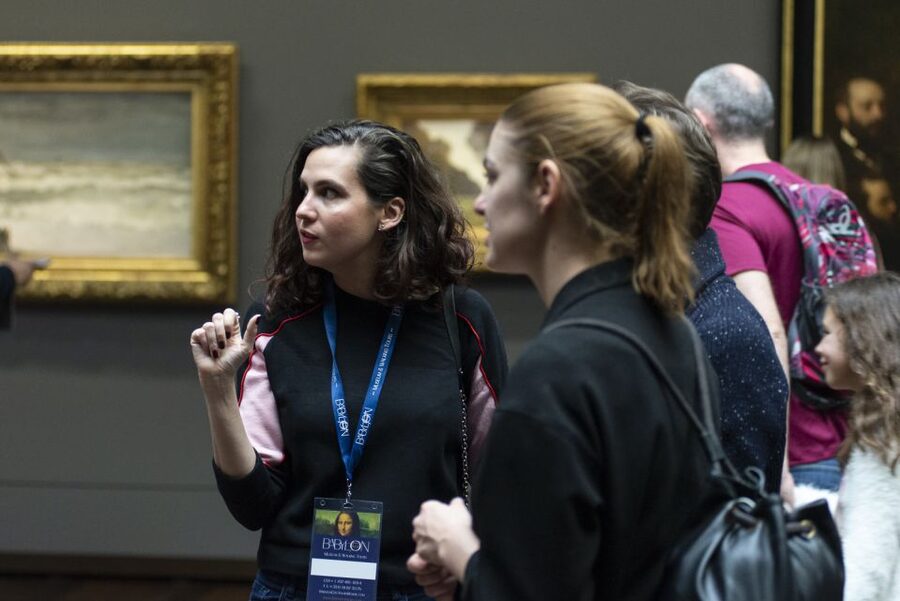
The semi-private option is limited to eight people, while private tours are also available. Eight is small enough for questions and easier listening than a large coach group, though it is not the same as having the guide entirely to yourself.
A moderate amount of walking is involved. You will spend much of the visit on your feet, and the two museums have large interiors. Wear comfortable shoes and bring only what you need. Large bags and luggage are not allowed, and you should bring a passport or ID card.
The accessibility information needs careful attention. One part of the details says tours are available for wheelchair users on request, while another says the experience is not suitable for wheelchair users. Because those statements conflict, anyone needing step-free access or other assistance should contact the provider before booking and receive a clear confirmation.
The tour is offered daily, with starting times shown according to availability. The information gives a total duration of 5.5 hours, while another note refers to a 2 to 2.5 hour duration. That shorter figure may relate to one section or may be an error. Ask for the exact schedule before you commit, especially if you have a theatre booking, train, or other fixed plan afterward.
Is $206 per person a fair price?
At $206 per person, this is not a budget museum visit. You are paying for a professional local guide, a planned route through two major institutions, and the convenience of handling the day in one booking. A private option can make the price more reasonable for a small family or group that wants a tailored pace.
The value is weaker if you are comfortable researching the museums yourself, moving between them independently, and choosing your own highlights. The National Gallery and British Museum both reward self-guided visits, and you could spend less by entering on your own, though you would give up the live explanations and structured route.
Before booking, check exactly what your price includes. The listed inclusions name the private or semi-private format and professional guide, but they do not spell out every admission or booking arrangement. This is important because one booking reportedly ran into trouble when the British Museum did not accept a third-party voucher, followed by a last-minute cancellation and a delayed refund.
That incident does not prove the same problem will affect every booking, but it is a real reason to confirm the entry process. Ask who supplies museum admission, where you meet, what happens if a voucher is not accepted, and how a cancellation is handled. Keep written confirmation of the answers.
The free cancellation period is up to 24 hours before the tour for a full refund, and reserve-now-pay-later booking is available. Those terms give you some flexibility, but they do not remove the need to verify the practical details before the final day.
Who should book this museum tour?
I would choose this experience if you have one day for both museums and want a guide to separate the essential works from the thousands of distractions. It suits first-time visitors, families with older children, and anyone who likes art and archaeology but does not want to prepare a long museum plan.
It is also a good fit if you enjoy stories about people and objects more than silent label reading. The named highlights provide familiar anchors, while the less obvious stops, such as the Royal Game of Ur and Lewis Chessmen, add variety.
You may prefer independent visits if you want to linger for hours at one painting, skip lunch on your own schedule, or explore temporary exhibitions. Temporary exhibits are not included, and the fixed route leaves less freedom than a ticket you use alone.
The tour is available in English only. A minimum of two adults is required per booking. That makes it unsuitable for a solo visitor booking alone, even though a private format is available.
Final verdict: useful structure, but confirm the details
This is a smart pairing for a short London visit. The National Gallery supplies famous paintings and a clear story of changing art, while the British Museum adds objects from across 6,000 years. The small group, live commentary, and strong guide feedback, especially for Matilda and Becky, give the tour real appeal.
The weak point is not the museum content. It is the booking risk and the fairly high price. Confirm the meeting point, museum entry method, exact timing, and accessibility before paying. If those details are settled and you want expert help with two overwhelming collections, I think the tour is worth considering. If you prefer freedom, a slower pace, or a lower-cost day, visit the museums independently.
FAQ
How long does the tour last?
The advertised total duration is 5.5 hours. Another activity note lists 2 to 2.5 hours, so ask the provider to confirm the exact schedule for your selected option.
Which museums does the tour visit?
The tour visits the National Gallery and the British Museum in London.
What language is the tour offered in?
The tour is offered in English with a live tour guide.
What paintings may be included at the National Gallery?
Planned highlights may include Sunflowers, The Virgin of the Rocks, The Ambassadors, The Arnolfini Portrait, The Madonna of the Pinks, The Toilet of Venus, and Venus and Mars. Availability can change if a work is on loan or being restored.
Which British Museum objects may I see?
The planned selection may include the Rosetta Stone, Assyrian lion hunt reliefs, Parthenon sculptures, Lewis Chessmen, Oxus Treasure, Royal Game of Ur, Mummy of Katebet, and samurai armor.
Is lunch included?
No. There is a lunch break between the museum visits, and food and drinks are at your own expense unless your selected option states otherwise.
How many people can join the semi-private tour?
The semi-private tour allows a maximum of eight guests. A private option is also available.
Is hotel pickup included?
No. Hotel pickup and drop-off are not included.
What should I bring?
Bring a passport or ID card. Comfortable shoes are sensible because a moderate amount of walking is involved.
Can I bring luggage or a large bag?
No. Luggage and large bags are not allowed.
Is the tour suitable for wheelchair users?
The information is inconsistent. It says wheelchair access may be available on request, but also marks the tour as unsuitable for wheelchair users. Contact the provider before booking to confirm what assistance and access are available.
Can I cancel for a full refund?
You can cancel up to 24 hours in advance for a full refund. Reserve-now-pay-later booking is also available.
Further National Gallery visits
- London: National Gallery Guided Tour with Art Expert Guide
★ 4.7 · 440 reviews - London: National Gallery Guided Tour
★ 3.8 · 67 reviews - London: National Gallery Guided Tour and Afternoon Tea
★ 4.5 · 64 reviews - Westminster and National Gallery 3.5-Hour Tour in Italian
★ 4.9 · 28 reviews
New listings around London
- London: Bermondsey Craft Brewery Tour★ 5.0 · 3 reviews
- Colourful Notting Hill Photography Tour★ 5.0 · 3 reviews
- The London Historic Pubs Tour★ 4.0 · 3 reviews
- London: Wallace Collection & National Gallery Private Tours★ 5.0 · 3 reviews
- Ultimate Royal London, Thames River Boat Ride & Walking Tour★ 5.0 · 3 reviews
- London: The Birthplace of The Rolling Stones Private Tour★ 5.0 · 3 reviews
- Historic pub tour with Brazilian guide (in Portuguese)★ 5.0 · 3 reviews
- London: Royal Tour with Westminster Abbey & Afternoon Tea★ 3.0 · 3 reviews
London Tours, compared.
Westminster to Greenwich River Thames Cruise
Read our review →
Magical London: Harry Potter Guided Walking Tour
Read our review →


Warner Bros. Studio Harry Potter Tour with Transfers
Read our review →Browse the lists this tour appears in