
Reviewed · LONDON TOURS
London: Churchill War Rooms Ticket & Political London Audio
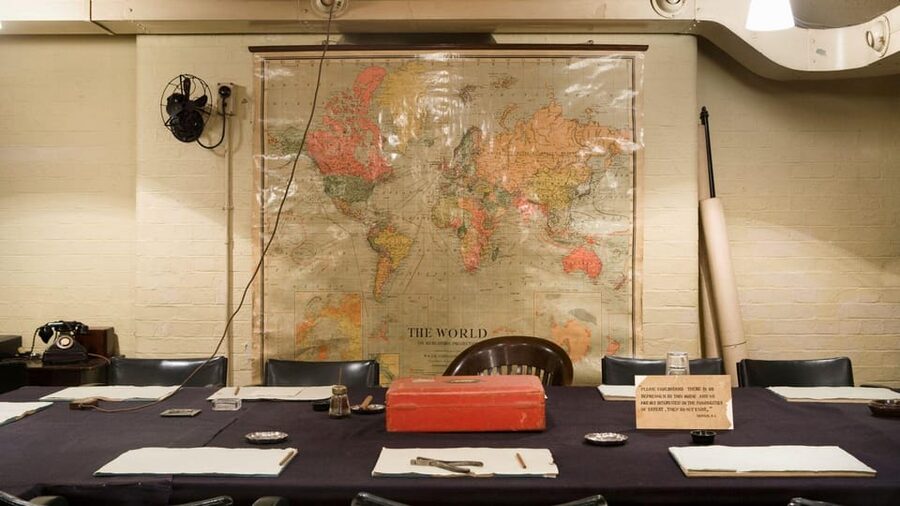
Churchill War Rooms puts you in the cramped underground headquarters where Britain’s wartime government planned against Hitler and the Axis powers. I like the preserved Map Room, with its maps and intelligence work, and the small personal details, such as the ashtrays that hint at Churchill’s constant cigar habit. The self-guided political London audio tour adds useful context above ground.
The main drawback is crowding. At busy times, especially around the holidays, you may be pushed along before you have had time to read or listen properly. Bring your own charged phone and headphones, download the audio before arrival, and leave large bags at your accommodation.
Key points to know before you go
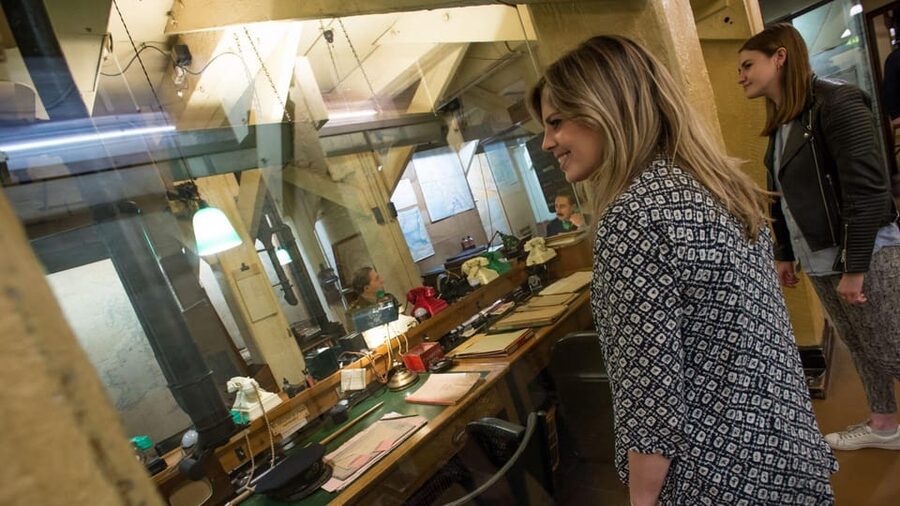
- Walk through the real wartime command center: See the Cabinet War Rooms, Map Room, offices, corridors, and disguised communications spaces used during the Second World War.
- Study the Map Room closely: Allied intelligence tracked German movements here, including the advance and retreat of German forces in Russia.
- Use two separate audio experiences: The museum audio guide explains the bunker, while the political London guide covers 15 outdoor points of interest.
- Plan for a self-guided visit: A host in a VoxCity uniform meets you outside, but there is no live guide leading the tour.
- Allow for crowds and limited space: The underground rooms can feel tight, and busy periods may make the visit feel rushed.
- Bring the right gear: You need a charged smartphone and headphones, and the ticket must be downloaded before you arrive.
Entering Churchill’s underground headquarters
The Churchill War Rooms sit beneath King Charles Street, close to the political heart of London. From the street, the entrance gives little away. Below it, a network of rooms once held the British government, military planners, clerks, mapmakers, and communications staff during the Second World War.
This is not a reconstructed bunker built to imitate a wartime setting. You are walking through the actual underground complex used by the British government. That distinction gives the visit its force. The rooms are practical rather than grand, with narrow corridors, low ceilings, and work areas built for function rather than comfort.
I find the first few minutes especially useful for getting a sense of scale. Churchill and his staff were not simply hiding underground during air raids. They were running a country from here, making decisions that affected soldiers and civilians across the world. The setting helps you picture the pressure of those decisions more clearly than a textbook can.
Your host meets you in front of the museum entrance on King Charles Street and wears a VoxCity uniform. This person helps with the meeting point and entry, but you should not expect a live historian or a guide walking with you through every room. The main visit is self-guided.
More Self-Guided Tours in London
- London: Emirates Stadium Entry Ticket and Audio Guide
★ 4.7 · 5,513 reviews - London: British Museum Audio Tour & Priority Entrance Ticket
★ 4.5 · 631 reviews - London: Royal Walking Tour and Buckingham Palace Audio Tour
★ 4.8 · 154 reviews
The Cabinet War Rooms and daily wartime work
The Cabinet War Rooms form the heart of the underground visit. This was where senior ministers and officials met while London faced bombing and the wider war demanded constant decisions.
The rooms are valuable because they show the ordinary machinery behind major events. You see places where people worked, waited, slept, communicated, and tried to maintain a routine while the city above was under threat. The experience is less about one dramatic object and more about seeing how many people had to keep the system moving.
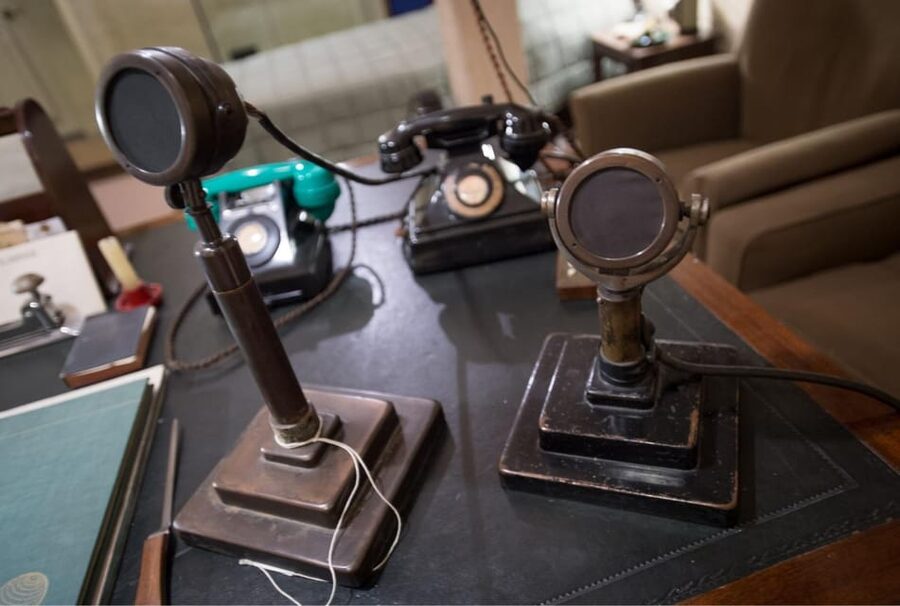
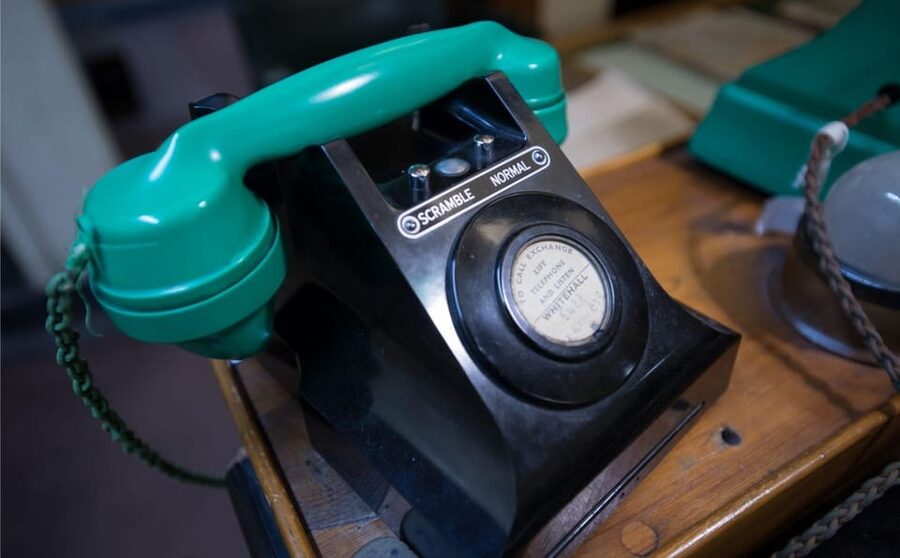
Look closely at the smaller objects. Ashtrays, desks, telephones, signs, and worn working spaces give the bunker a human scale. One detail that catches the imagination is the presence of ashtrays linked with Churchill’s cigar habit. It is a small thing, but it makes the famous wartime leader feel like a person working in a room, not just a figure in a portrait.
The audio guide helps explain what you are seeing and adds personal accounts of life underground during the Blitz. This is a good format for the site because you can pause when a room interests you and move on when you are ready. You are not tied to a group’s pace.
The downside is that the same freedom can be hard to use when the corridors are full. At busy times, you may need to wait for space near a display or move forward before finishing a section. If you want time for every audio stop, choose the quietest available timeslot and avoid arriving with a tight schedule afterward.
Reading the Map Room and wartime intelligence
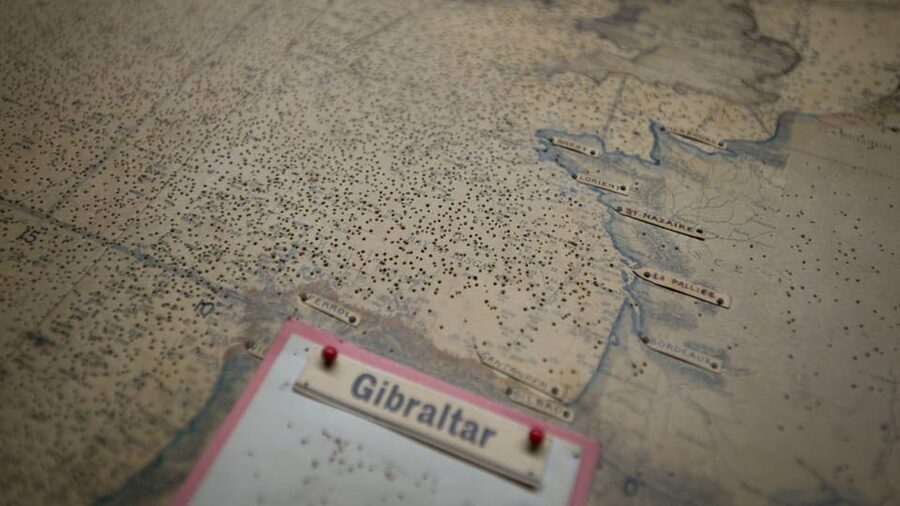
The Map Room is one of the strongest parts of the visit. It was a top-secret center for tracking military developments, and the maps still show how Allied intelligence followed the war’s changing course.
This room gives you a direct sense of how information became action. Staff had to record movements, assess reports, and keep senior leaders informed. The maps are not just decoration. They show the daily work required to understand a war spread across several fronts.
Pay particular attention to the material relating to German forces in Russia. The maps help you follow the advance and eventual retreat of German troops. That makes the room more than a display about Churchill. It shows the wider Allied effort and the steady accumulation of information behind military decisions.
I would spend more time here than you might expect. The room rewards close looking, but crowding can make that difficult. If you find a good viewing position, listen to the audio section before moving on. You may want to repeat parts or return to a map once the room clears.
The Map Room also helps correct a common misunderstanding about wartime leadership. The war was not directed by one person alone. Churchill had a central role, but the bunker depended on teams of analysts, clerks, military officers, and communications staff. Their work is part of what makes this visit worthwhile.
The disguised communications room and the bunker’s human side
One of the more unusual details is a secret communications room disguised as a toilet. The disguise shows the level of care taken to hide sensitive work inside a building already filled with government activity.
This kind of detail breaks up the larger military story. It reminds you that security depended on ordinary-looking spaces and careful routines. Not every room was marked as important, and not every person in the building needed to know what happened behind a closed door.
The audio guide also covers what daily life felt like during the Blitz. You hear about the strain of spending long periods underground while bombs and air raid sirens sounded above. Some videos include loud bombing sounds and sirens, so take note if you are sensitive to sudden noise.
The bunker can feel intense without special effects. Its narrow rooms, heavy subject matter, and lack of daylight do much of the work. The videos add atmosphere, but they are not the only reason the site feels serious.
I appreciate that the visit leaves room for your own reaction. You can focus on the military planning, the personal stories, Churchill’s working habits, or the people who kept the rooms running. The attraction does not require a background in wartime history, though you will get more from it if you know the basic outline of the Second World War.
Elsewhere in London, a change of pace:
- From London: Harry Potter Warner Bros Studio Tour
★ 4.7 · 26,588 reviews - London: Westminster to Greenwich River Thames Cruise
★ 4.5 · 22,836 reviews - Magical London: Harry Potter Guided Walking Tour
★ 4.7 · 22,044 reviews - London: Madame Tussauds London
★ 4.6 · 20,915 reviews
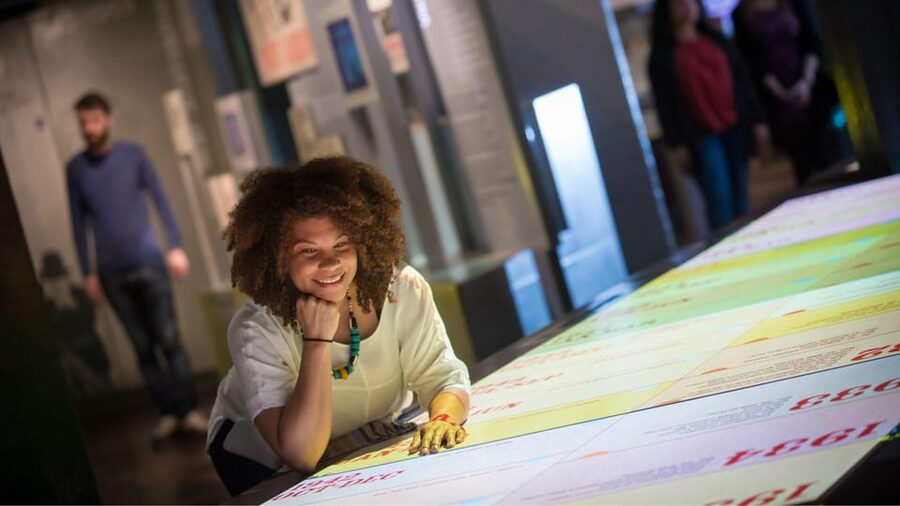
The Churchill Museum adds a wider personal story
The Churchill Museum forms part of the visit and gives the site a wider frame. It is worth allowing time for this section rather than treating it as an optional extra.
The underground rooms explain how the government worked during the war. The museum helps place Churchill’s wartime role within his longer life and political career. That balance matters because the bunker can otherwise become a single-figure story centered only on wartime leadership.
A visit may take about an hour and a half if you move at a steady pace, though your booked timeslot and crowd levels affect how long the visit feels. At a quiet time, you can linger over displays. During a crowded period, the same amount of material may feel compressed.
I would not book this attraction immediately before a fixed appointment unless you leave plenty of room. The site contains more than a quick photo stop, and the audio guide works best when you can pause and listen without watching the clock.
Adding political London with the VoxCity audio guide
The second part of the ticket is a self-guided audio tour of political London. It uses a sightseeing app with a digital map and covers 15 points of interest, including 10 Downing Street and the Houses of Parliament.
This is not a guided walking tour with a meeting time, group leader, or fixed route. You use the app to decide where to go and when to listen. That makes it a useful add-on if you want to continue sightseeing after the bunker visit.
The political route gives the underground rooms a wider setting. After seeing where wartime decisions were made, you can explore the surrounding institutions and streets connected with British government. The contrast is useful: first you see the hidden working rooms, then you see the public face of political power.
You should think of this part as a flexible audio resource rather than a fully escorted tour. The supplied information does not give a total walking time or a required order for the 15 sights. Use the digital map to choose the stops that fit your day, especially if you already have other plans in central London.
The audio guide is available in English, German, French, Italian, Spanish, and Mandarin Chinese. The Churchill War Rooms audio guide adds Portuguese and Hebrew to those choices. Check that you have selected and downloaded the correct guide before setting off.
Audio, tickets, and what to bring
This experience depends on your own phone. Headphones and a charged smartphone are not supplied, so bring both. Download the audio guide by scanning the QR code before arrival, rather than waiting until you are standing outside the museum.
The Churchill War Rooms ticket is an e-ticket sent through WhatsApp within 24 hours of your travel date. You must download the official ticket and bring it with you. Printing it is preferred, which is sensible if your phone battery or mobile connection is unreliable.
A ticket issue can spoil an otherwise good museum visit. One practical report noted trouble processing the ticket on a phone and not receiving a savable download. I would check WhatsApp, email, and your downloaded files before leaving for the museum. If possible, keep a printed copy with your travel papers.
The ticket is valid for the date and timeslot you book. There is no transportation included, so you make your own way to King Charles Street. Suitcases, pull-along baggage, and large bags are prohibited. Travel light.
The activity is wheelchair accessible. Loud bombing sounds and air raid sirens appear in some videos, so keep that in mind when deciding if the format suits you or anyone in your group.
How good is the $62 value?
At $62 per person, this is not a low-cost museum entry. Its value depends on how much use you make of both parts.
The Churchill War Rooms are the main reason to book. You are paying for access to a preserved government bunker, the Map Room, the Cabinet War Rooms, the Churchill Museum, and an audio guide in several languages. For someone interested in Churchill, the Blitz, military planning, or political history, the setting gives the ticket real weight.
The political London audio tour improves the value if you plan to walk around Westminster and nearby political sights anyway. It gives you a map, narration, and 15 points of interest without requiring another booking. I would see it as a useful bonus, not the main product.
The value drops if you only want a short museum visit or dislike listening through a phone. You also need to accept that crowding can limit the amount of time you spend with each display. Since the activity is non-refundable, check the date, timeslot, phone requirements, and bag rules before paying.
Who will enjoy this most?
I would recommend this experience to you if you like places where major events happened and prefer to explore at your own pace. The exact rooms, maps, ashtrays, telephones, and working spaces provide a strong sense of place.
It suits history teachers, students, families with older children, and anyone interested in Churchill or the Second World War. One especially useful feature is that the audio guide explains the site without assuming that you already know every military detail.
It may be less suitable if you want a lively guide, theatrical performances, or a tightly led walking tour. The format is quiet and self-directed. You read, listen, move through the rooms, and decide how long to stay.
Crowd tolerance also matters. If you dislike narrow spaces or being held up behind other people, book with care and avoid the busiest periods if you can. The site remains worthwhile when busy, but the visit is more rewarding when you have room to study the displays.
Should you book the Churchill War Rooms ticket?
Book it if you want to stand in the rooms where Britain’s wartime government planned and communicated, not just see a general museum about Churchill. The Map Room and the preserved working spaces are the strongest reasons to go, while the political London audio tour adds a practical second activity for the same day.
I would book with three conditions: choose a time when you can take your time, bring headphones and a fully charged phone, and prepare the ticket before reaching King Charles Street. If you want a live guide or dislike self-guided audio, this will feel limited. If you value authentic places, careful displays, and the freedom to set your own pace, the $62 price can be fair.
FAQ
Where does the Churchill War Rooms experience begin?
Meet the host in front of the Churchill War Rooms on King Charles Street. The host wears a VoxCity uniform.
Is a live guide included?
No. A host is provided at the meeting point, but the museum visit and political London route are self-guided.
What does the Churchill War Rooms ticket include?
It includes entry to the Churchill War Rooms and the museum’s audio guide.
What languages are available for the Churchill War Rooms audio guide?
The museum audio guide is available in English, German, French, Italian, Spanish, Mandarin Chinese, Portuguese, and Hebrew.
What languages are available for the political London audio guide?
The political London audio guide is available in English, German, French, Italian, Spanish, and Mandarin Chinese.
How many sights are included in the political London audio tour?
The sightseeing app includes a digital map and an audio guide covering 15 points of interest, including 10 Downing Street and the Houses of Parliament.
Do I need to bring headphones?
Yes. Headphones are not included, so bring your own along with a charged smartphone.
How do I receive the ticket?
The e-ticket is sent through WhatsApp within 24 hours of your travel date. You must download the official Churchill War Rooms ticket, and printing it is preferred.
Can I bring a suitcase or large bag?
No. Suitcases, pull-along baggage, and large bags are prohibited.
More audio tours in London
- Bath: Roman Baths Entry Ticket with Audio Guide
★ 4.7 · 425 reviews - Canterbury Cathedral: Entry Ticket with Audio Guide
★ 4.6 · 266 reviews - Bristol: Self-Guided Sightseeing Audio Tour
★ 4.4 · 151 reviews - Llandaff’s Ghosts: A Self-Guided Audio Tour
★ 4.5 · 29 reviews
New listings around London
- London: Secrets of Freddie Mercury Tour with a Cocktail★ 4.1 · 15 reviews
- London: Hampton Court Private Guided Tour★ 3.4 · 15 reviews
- London: Jack the Ripper Tour and Underground Prison in Spanish★ 5.0 · 15 reviews
- Spanish Language : Original Harry Potter Walking Tour★ 4.5 · 15 reviews
- London: Private Couples Photography Session with Landmarks★ 5.0 · 15 reviews
- London: The Saturday Supershow Cabaret at Phoenix Arts Club★ 4.5 · 15 reviews
- London: 2-Hour Guided Tour of the British Museum★ 4.7 · 16 reviews
- London’s Ghosts & Gruesome Past Nighttime Walking Tour★ 4.8 · 16 reviews
London Tours, compared.

Westminster to Greenwich River Thames Cruise
Read our review →
Magical London: Harry Potter Guided Walking Tour
Read our review →


Warner Bros. Studio Harry Potter Tour with Transfers
Read our review →Browse the lists this tour appears in