
Reviewed · LONDON TOURS
London: Postal Museum Entry Ticket and Underground Rail Ride
London’s Mail Rail is the main event here: a small train carries you through the former underground railway built to move letters beneath the city. The ride lasts about 15 minutes, but its clever lighting, projected film, and commentary explain how this unusual postal system worked for more than a century.
I like the hands-on mail-sorting carriage, where a wobbly floor gives you a taste of the skill needed to work aboard a moving train. I also like the museum’s mix of serious objects, including the Penny Black and flintlock pistols, with activities that give children something to do. The main drawback is that the ride is short, and the museum can feel aimed more at families than at adults seeking a large collection.
Key points at a glance

- Ride beneath London: Take a 15-minute trip through the Post Office’s old underground railway tunnels.
- See the Penny Black: View the world’s first postage stamp and learn how postal services developed over 500 years.
- Try sorting mail: Step into a mock-up train carriage and work against a moving, uneven floor.
- Explore real defensive equipment: See flintlock pistols once used to protect mail from theft.
- Plan extra time: The listed duration is 1.5 hours, but many people need two to three hours to see the galleries properly.
- Good for mixed-age families: Children get games, dressing-up opportunities, and interactive displays, while adults get social and technological history.
Why Mail Rail is the best part of the visit

The Postal Museum sits in central London, but its most memorable attraction is below street level. Mail Rail was created to carry letters through tunnels when London’s roads were crowded and slow. The small electric railway linked sorting offices, allowing post to move across the city without being delayed by traffic.
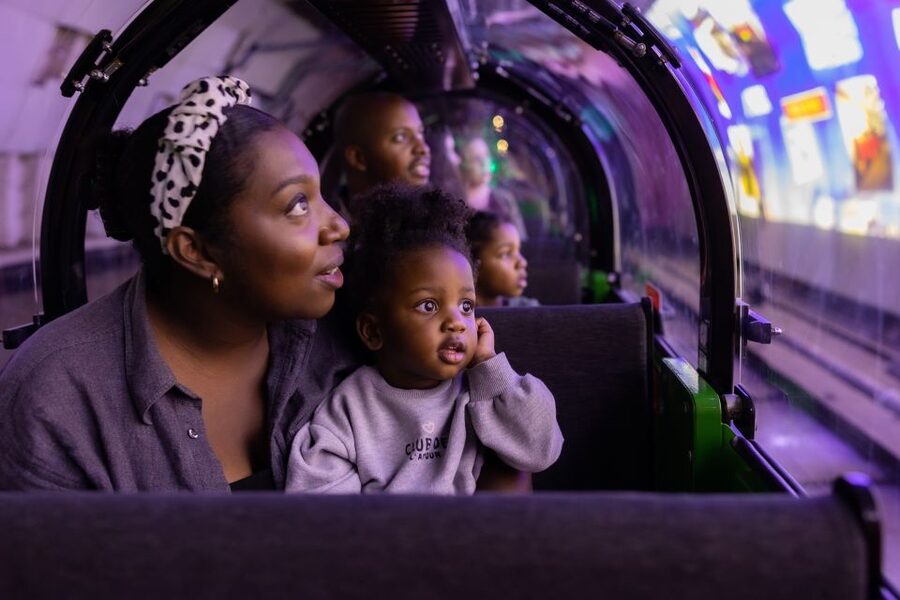
You board a miniature train for a short circuit through the old tunnels. It is not a long railway journey, and you should not book this expecting a full underground tour. The ride is closer to a compact historical presentation with movement, sound, and film.
The train stops at points where projections and commentary explain the railway’s purpose. One particularly effective feature uses a former employee in the audio and video presentation. This gives the story a human voice instead of leaving you with dates and machinery alone.
The effect is strongest when the train enters the dark tunnel sections and the walls become part of the presentation. The ride helps you understand the scale and practicality of the postal network in a way that display panels cannot. You are not simply looking at an old railway car. You are seeing the route that once carried the city’s mail out of public view.
There are two things to keep in mind. The cars are small, so the experience may be uncomfortable for very tall people. It may also be difficult if you dislike enclosed spaces. A brief blackout section can feel startling, especially for younger children, although the darkness is part of the presentation rather than a surprise failure.
The museum handles bags carefully for the ride. You leave them in separate lockers on the train, and a staff member locks and opens them. That arrangement may seem unusual at first, but it is well organized and means you do not need to carry a large bag into the carriage.
More Museum Tours in London
- London: Chelsea Football Club Stadium and Museum Tour
★ 4.8 · 4,576 reviews - London: British Museum Guided Tour
★ 4.3 · 1,182 reviews - London: Jack the Ripper Museum Tickets
★ 4.2 · 894 reviews
The galleries turn postal history into a hands-on lesson
After Mail Rail, give yourself time for the galleries. The museum covers more than 500 years, beginning with the development of organized postal services and moving through changes in communication, sorting, transport, post boxes, and telephone boxes.
The exhibits are not arranged as a dry line of objects. You will find old films, projected timelines, educational games, and practical activities. The approach works well for children because they can touch, test, and play rather than simply read.
Adults may find the social details more interesting than the technology alone. Postal work affected how people kept in touch, how businesses operated, and how quickly news moved. The displays also connect mail with everyday objects such as post boxes and telephone boxes, showing how communication changed from one generation to the next.
The collection includes the Penny Black, the first postage stamp. It is a small object with a huge effect: once postage could be paid in advance with a standard stamp, sending a letter became far easier for ordinary people. You will want to look closely, since this is not a grand, oversized exhibit. Its importance comes from what it changed.
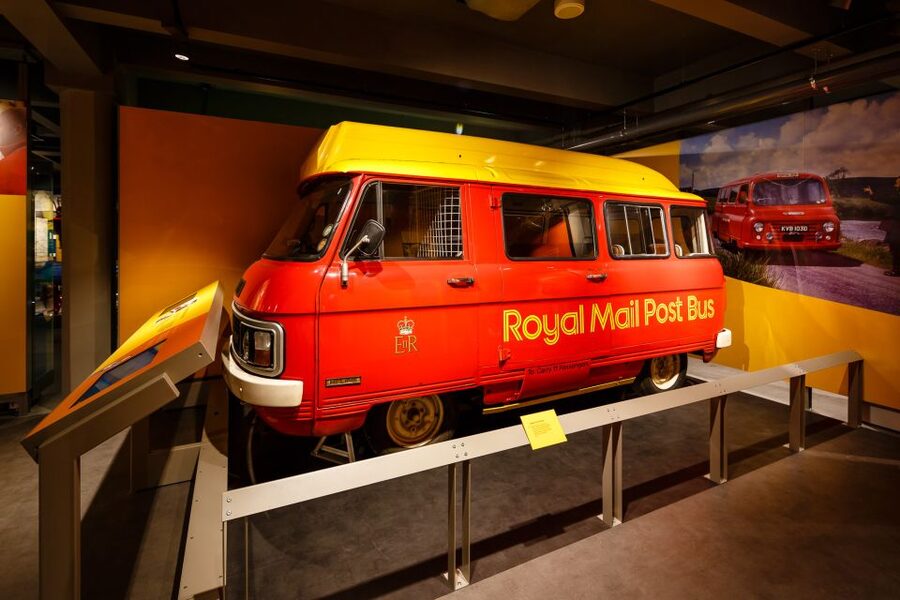
Another memorable object is a Victorian miniature rail car that operated on London’s streets. It gives you a sense of the practical equipment used before and alongside the underground railway. The flintlock pistols add a more surprising note. Mail was valuable, and these weapons were used to defend it from theft.
The galleries also tell less polished stories about postal work. One display concerns a mail stagecoach attacked by a lioness, an odd episode that shows how dangerous and unpredictable mail delivery could be in earlier periods. Details like this help the subject feel connected to real people, animals, risks, and work rather than only to stamps and dates.
Try the moving mail-sorting carriage
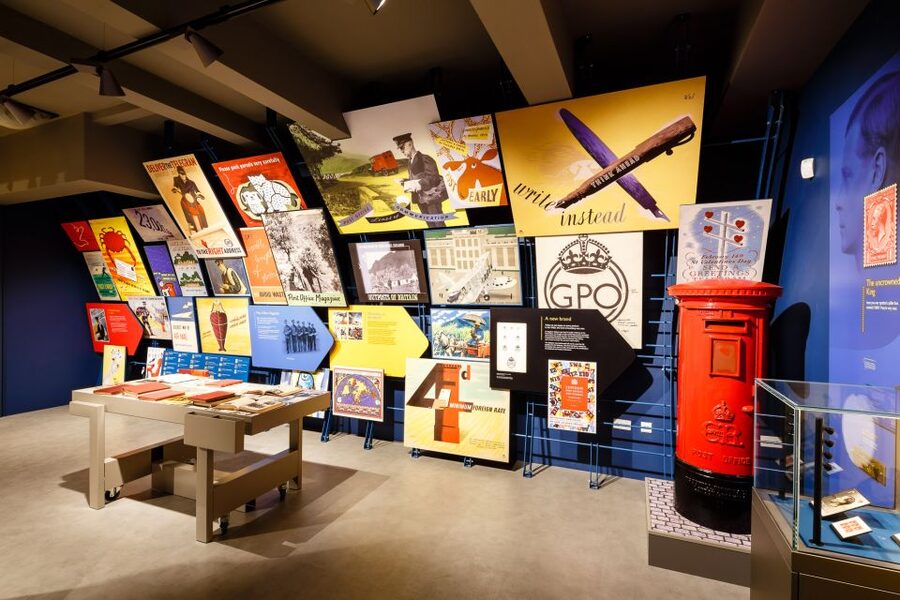
The mail-sorting activity is one of the strongest exhibits for both children and adults. You enter a mock-up train carriage and try to sort letters while the floor wobbles beneath you.
The point is simple but effective. Sorting mail on a moving train demanded balance, speed, and concentration. Once the carriage begins to move, you quickly understand why the job required practice. It is also the kind of activity that works across age groups, since adults can try to beat the system while children enjoy the physical challenge.
Other hands-on displays let you explore how communication developed. You may find yourself explaining old telephones or dialing methods to children who have only used smartphones. That generational contrast is part of the fun, and the museum uses it well.
Children can also design their own stamp, try dressing up, and take part in games. The interactive displays are a major reason families rate the museum so highly. They turn a subject that might sound dull on paper into something children can handle and test.
The trade-off is noise and crowding around the most popular activities. On a busy weekend, younger children may gather around the interactive stations, making it harder for adults to spend time with each one. If you want to read every panel, plan for a slower visit and accept that some activities may be occupied.
How long should you allow?
The advertised duration is 1.5 hours, including the museum visit and the train ride. That is enough for a quick look and the main Mail Rail experience, but it is not enough for everyone.
I would allow two hours at a minimum if you are visiting with children or want to read the displays. Three hours is reasonable for a relaxed visit with time for the activities, galleries, shop, and café.
Several parts can slow you down:
- The train ride itself lasts about 15 minutes.
- The interactive sorting exhibits invite repeat attempts.
- The timeline and historical displays reward careful reading.
- Children may want time for stamp design, dressing up, and games.
- The café provides a useful pause between the railway and galleries.
The best order depends on the time shown on your booking. If your Mail Rail departure is fixed, start there and explore afterward. If you have flexibility, do not rush away after the train. The railway explains the museum’s central idea, but the galleries add the wider story.
The museum is also suitable for a longer afternoon than the official 1.5-hour estimate suggests. One practical advantage is that the ticket can support a return visit within the stated ticket terms, according to the information provided at the venue. Check the current conditions when booking, since admission arrangements can change.
Elsewhere in London, a change of pace:
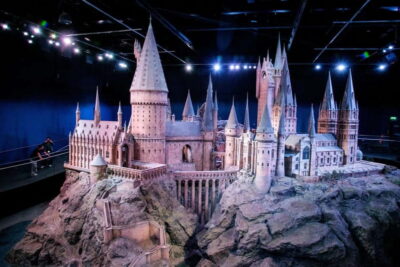
- From London: Harry Potter Warner Bros Studio Tour
★ 4.7 · 26,588 reviews - London: Westminster to Greenwich River Thames Cruise
★ 4.5 · 22,836 reviews - Magical London: Harry Potter Guided Walking Tour
★ 4.7 · 22,044 reviews - London: Madame Tussauds London
★ 4.6 · 20,915 reviews
Is the $24 price good value?
At $24 per person, this is not London’s cheapest small museum stop. The value depends on how much time you spend and whether you use the interactive galleries.
For a quick 90-minute visit centered on the train, the price may feel high. The ride is fascinating, but 15 minutes is still a short trip. If you are mainly interested in underground railways, you may find that the train experience carries most of the admission value.
For a family that stays two or three hours, the calculation improves. Children have several activities, adults get historical objects and films, and the experience is more varied than a single ride. The family-friendly café and related shop also make it easy to spend a full afternoon without adding another attraction immediately.
I would especially consider the price fair for a mixed-age group. One person can focus on postal history, another can try the sorting game, and children can move between activities. It is less compelling if nobody in your group enjoys museums, social history, or hands-on displays.
The café serves snacks and refreshments and is accredited as family-friendly. It is useful rather than a reason to visit by itself. Allow a little patience at busy times, since tables and floor areas may need faster clearing after spills.
Who will enjoy this most?
The Postal Museum suits families with primary-school-age children particularly well. The train is short enough to hold a child’s attention, and the displays provide regular changes of pace. The hands-on features give children a clear role instead of asking them to stand quietly beside glass cases.
It also works for adults who like transport, engineering, communication, or unusual London stories. You do not need to be a stamp collector. The most interesting material concerns how people organized work, moved letters, protected the mail, and adapted to new forms of communication.
The experience can also be meaningful for families with a personal connection to postal work. The displays may help children understand what a parent or grandparent did in a sorting office or railway system. That connection gives the exhibits more weight than a standard museum label.
I would be more cautious if you want a large, quiet museum filled with hundreds of major objects. The collection is manageable in size, and some displays are designed for younger children. Adults can enjoy it, but the museum does not hide its family focus.
The underground ride deserves a warning for anyone who is claustrophobic or very tall. The train is compact, and the tunnel presentation includes darkness. If that sounds uncomfortable, the galleries still offer plenty to see, but the ride is the part you would be giving up.
Practical planning for a smoother visit
Start at The Postal Museum, which is both the meeting point and the location of the activity. Check the available starting times before you choose your day, since Mail Rail runs as part of the timed experience.
The attraction is wheelchair accessible. For families, note that the Sorted! Postal Play Space is booked separately through The Postal Museum website. It is not included automatically with this entry ticket.
The museum is open on Tuesdays during the stated seasonal period through the end of August 2023, but that date is old and should not be treated as a current schedule. Check the museum’s present opening days before you go.
Wear clothes that let you move comfortably for the sorting activity, and keep large bags to a minimum. Staff-managed lockers are provided for the train, but traveling light makes the boarding process easier.
If you want a quieter look at the displays, a weekday visit may be preferable to a busy weekend. The train itself is organized, but the galleries can become lively when many families arrive at once.
The shop sells communication-related goods, including items connected with postal themes. It is a better stop for a small souvenir than a generic London gift shop, especially if you want something tied to the museum’s subject.
Should you book The Postal Museum?
Book it if you want an unusual London attraction that combines a real underground railway story with activities for children. The Mail Rail ride is the clear highlight, and the galleries add enough context to make the short journey worthwhile.
I would choose it for families, curious adults, transport fans, and anyone looking for something beyond the usual royal palaces and major art museums. Plan on two to three hours, not just the advertised 1.5, if you want good value from the ticket.
Skip it if you dislike enclosed spaces, need a long train ride, or prefer a quiet museum with a large collection. For everyone else, the combination of the Penny Black, flintlock pistols, Victorian rail equipment, and the wobbly sorting carriage makes this a distinctive stop in London.
FAQ
How long does the Postal Museum experience last?
The stated duration is 1.5 hours. You may want two to three hours if you plan to read the galleries, use the interactive exhibits, visit the café, and spend time with children at the activities.
How long is the Mail Rail ride?
The underground ride lasts about 15 minutes. It includes commentary, projected video clips, and a journey through the former Post Office railway tunnels.
Is the underground train suitable for people with claustrophobia?
The train is not recommended for people who are uncomfortable in enclosed spaces. The carriage is small, and the presentation includes dark sections.
Is the attraction suitable for children?
Yes. The museum includes educational games, interactive displays, stamp design, dressing-up activities, and a hands-on mail-sorting carriage. Children’s enjoyment is a major part of the experience.
Is the Postal Museum wheelchair accessible?
Yes, the activity information states that the museum is wheelchair accessible.
Is the Sorted! Postal Play Space included?
No. The Sorted! Postal Play Space is bookable separately through The Postal Museum website.
Can I cancel the booking?
You can cancel up to 24 hours in advance for a full refund. The activity also offers a reserve-now-and-pay-later option, according to the stated booking terms.
New listings around London
- London: Secrets of Freddie Mercury Tour with a Cocktail★ 4.1 · 15 reviews
- London: Hampton Court Private Guided Tour★ 3.4 · 15 reviews
- London: Jack the Ripper Tour and Underground Prison in Spanish★ 5.0 · 15 reviews
- Spanish Language : Original Harry Potter Walking Tour★ 4.5 · 15 reviews
- London: The Saturday Supershow Cabaret at Phoenix Arts Club★ 4.5 · 15 reviews
- London: Private Couples Photography Session with Landmarks★ 5.0 · 15 reviews
- London: 2-Hour Guided Tour of the British Museum★ 4.7 · 16 reviews
- London’s Ghosts & Gruesome Past Nighttime Walking Tour★ 4.8 · 16 reviews
London Tours, compared.

Westminster to Greenwich River Thames Cruise
Read our review →
Magical London: Harry Potter Guided Walking Tour
Read our review →



Warner Bros. Studio Harry Potter Tour with Transfers
Read our review →Browse the lists this tour appears in