
Reviewed · MUSEUMS
Sheffield: National Emergency Services Museum Entry Ticket
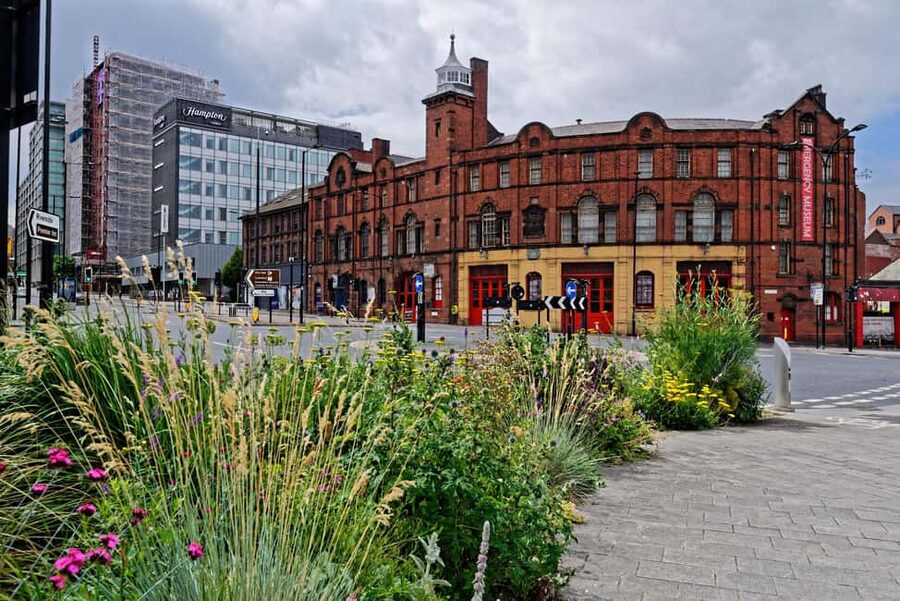
The National Emergency Services Museum puts you inside a real Victorian police, fire, and ambulance station, not a modern building dressed up for display. You can walk through the original police cells and engine house, then explore two further floors filled with emergency vehicles, medical equipment, firefighting records, and hands-on activities.
I like the mix of serious history and family play. Children can climb into the subject through interactive exhibits, while adults get a clear look at how police, fire, and ambulance work changed over time. I also like the scale of the collection, especially the 47-foot lifeboat, which gives the museum a memorable centerpiece.
The main drawback is the old building itself. It has character, but access can be difficult for wheelchair users and people with limited mobility. The museum is also likely to feel chilly, so bring warm clothing, and allow time to deal with Sheffield parking rather than assuming the nearest car park will be obvious.
Key points to know before you go
- Three floors in a genuine Victorian emergency station: Explore former police, fire, and ambulance spaces rather than a purpose-built gallery.
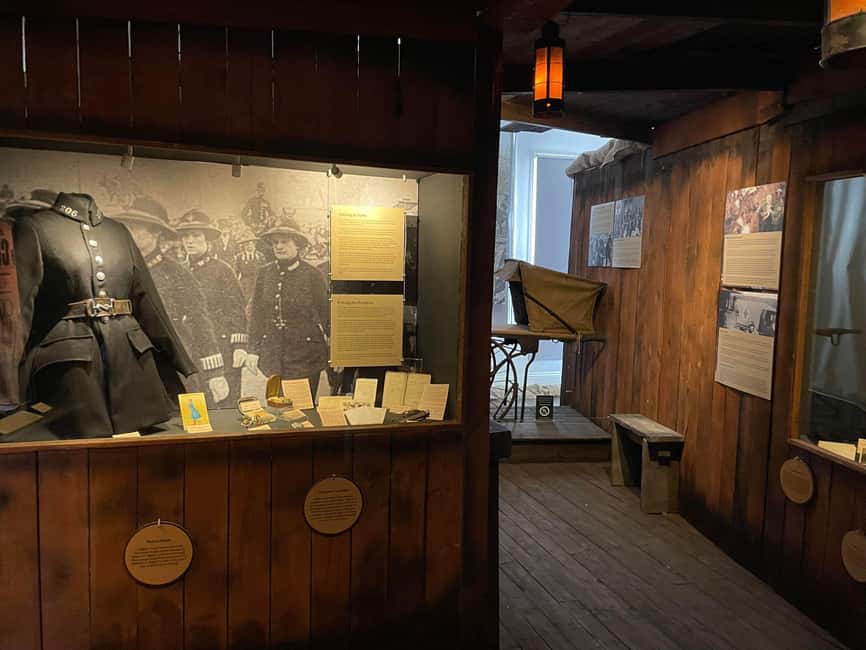
- Original police cells and engine house: These are among the most atmospheric parts of the visit.
- Hands-on activities for children and adults: Interactive displays make the subject easier for younger visitors to grasp.
- A 47-foot lifeboat among the collection: This is one of the museum’s largest and most unusual objects.
- About two hours works well for many visits: You receive a one-day ticket, but a typical visit can fit neatly into a morning or afternoon.
- Parking needs planning: Car park signs in the area may not make each option clear, and nearby parking can be expensive without an app.
Entering Sheffield’s Victorian emergency station
The setting does much of the work before you reach the first display. The museum occupies a Victorian building that once brought police, fire, and ambulance services together under one roof. That gives the visit a useful sense of place: you are not simply looking at old equipment in a neutral room, you are moving through the kind of building where emergency work actually happened.
I like museums that let the building explain part of the story, and this one does. The original police cells provide an immediate connection with the past. They are not just another object behind glass. Their plain, practical design helps you picture the daily work of policing before modern stations, digital records, and current medical systems.
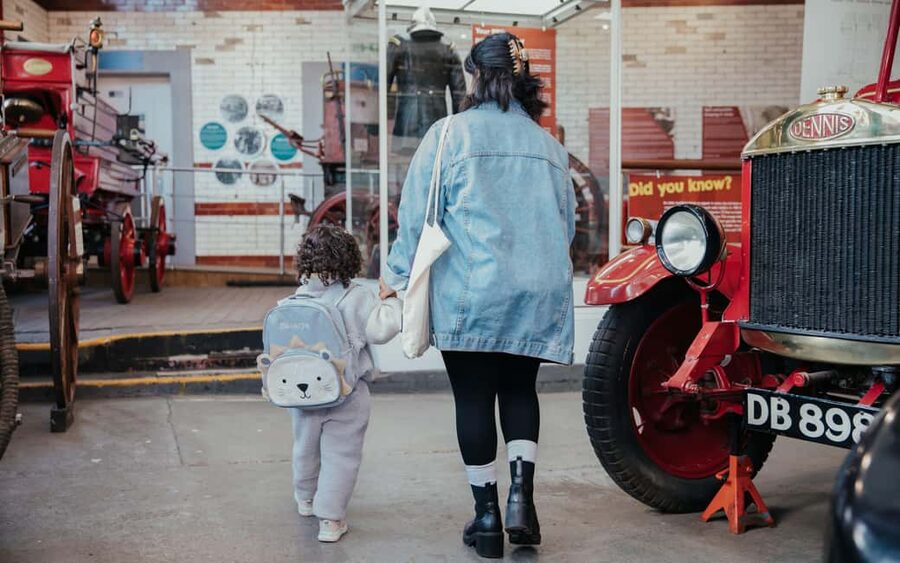
The former engine house adds a different mood. Firefighting displays make more sense when you see them in the space associated with fire crews and equipment. For children, the building can feel like a giant set of connected rooms to explore. For adults, it gives the exhibits a sharper context.
The museum covers three floors, so this is not a quick single-room collection. You can take the visit at a steady pace and pause when a display catches your attention. The one-day ticket gives you flexibility, although the experience is often described as a good couple of hours rather than a full-day commitment.
More Museum Tours in Britain:
- Liverpool: Liverpool Football Club Museum and Stadium Tour
★ 4.8 · 10,764 reviews - London: Chelsea Football Club Stadium and Museum Tour
★ 4.8 · 4,576 reviews - London Transport Museum Entrance Ticket
★ 4.5 · 1,323 reviews
Police cells, fire equipment, and ambulance stories
The collection brings together the three main emergency services, and that variety keeps the visit moving. Police displays include vintage vehicles and the original cells. Firefighting material includes archives and equipment that show how crews worked in earlier periods. Ambulance exhibits bring medical tools and emergency care into the same story.
I find this combination more useful than a museum devoted to only one service. You can compare the different demands placed on police officers, firefighters, and ambulance crews, while also seeing how their equipment developed. The museum focuses on people who served others, but it does not need to turn every display into a dramatic story. The objects themselves carry much of the meaning.
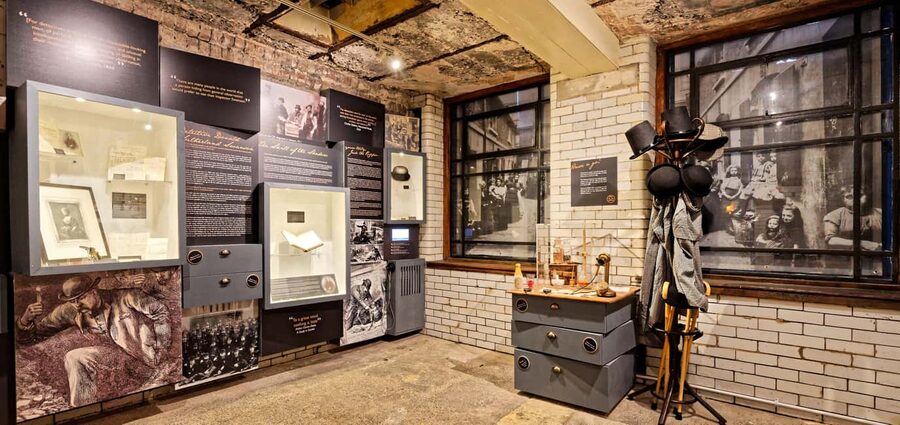
The display boards are particularly helpful if you want more than a quick look. They provide background and explain why certain objects mattered. That makes the museum work for adults who enjoy reading, while the interactive sections keep younger visitors involved.
Some people will move quickly through the written material, especially if children are eager to reach the next activity. I would treat the museum as a visit with two possible speeds. You can browse the vehicles and equipment in a fairly brisk way, or you can slow down and read the information boards to get a fuller picture of emergency services in Britain.
The 47-foot lifeboat and other large objects
The 47-foot lifeboat is one of the collection’s most striking features. Its size changes the scale of the visit. Most museum objects can be examined from a short distance, but a lifeboat gives you something much larger to take in, with a clear link to rescue work and public service.
I would make a point of finding it even if your main interest is police or fire history. It adds another side to the emergency services story and helps show how varied rescue work can be. The museum is not limited to small uniforms, tools, and documents. Large vehicles and equipment give the collection visual energy.
Vintage police cars also appeal to visitors who prefer objects they can understand at a glance. You do not need specialist knowledge to appreciate an old emergency vehicle. Its shape, fittings, and working purpose provide an easy starting point for children, while adults can consider how much equipment and technology have changed.
The same applies to the medical equipment. It may not be as instantly eye-catching as a car or lifeboat, but it explains the practical side of ambulance work. These are the tools used to respond, transport, and save lives. Seen beside police and fire equipment, they help create a broader picture of emergency response rather than a collection focused on one service.
Why the interactive exhibits work for families
The museum’s strongest family feature is its hands-on approach. Children are not expected to spend the entire visit quietly reading labels. Interactive games and activities give them something to do while the adults absorb the historical details.
That balance matters. A museum about emergency services can easily become too technical for younger children, or too light for adults. Here, the displays aim to support both kinds of visit. A child can play and explore, while you can explain what an item was used for and why it made a difference.
I especially like this approach for families with children around primary and early secondary school age. The activities offer a way into the subject without requiring a long attention span. Older children may also appreciate the practical side of the exhibits, especially the vehicles, cells, and equipment.
The museum is not only for families. Adults who come without children can spend more time with the display boards, archives, and historic equipment. The collection has enough serious material to support an informative visit, even though the tone remains accessible and friendly.
You should set aside at least a couple of hours if you want to enjoy both the interactive elements and the written displays. A shorter visit is possible, but rushing would reduce the value of the ticket. The three floors give you enough to explore without requiring a full day, which makes the museum easy to add to a wider Sheffield itinerary.
A handful of other Britain outings to weigh up
- London: The London Eye Entry Ticket
★ 4.6 · 35,875 reviews - London: Tower Bridge Entry Ticket
★ 4.7 · 15,560 reviews - London: Westminster Abbey Entrance Ticket
★ 4.6 · 11,254 reviews - London: St Paul’s Cathedral Entry Ticket
★ 4.7 · 9,813 reviews
Making sense of the three-floor layout
The museum’s three floors create a natural sense of progress, although the Victorian building means the route may not feel as smooth as a modern museum. You move through former working spaces and exhibition areas, with the original structure adding atmosphere but also creating practical limits.
Start by taking a moment to understand the layout rather than racing straight to the most exciting object. The police cells and engine house are useful reference points. Once you know where those are, you can work through the additional floors with a better sense of the building.
The lower areas are likely to appeal first to younger children because the police cells and fire setting are easy to understand. The upper displays reward a slower pace, especially if you want to read about the development of equipment and emergency work.
I would allow extra time if someone in your group walks slowly or needs regular breaks. The information provided for the museum notes that access may be limited for wheelchair users and people with mobility impairments because of the Victorian structure. Although the activity is described as wheelchair accessible, the old building can still make movement more difficult than in a purpose-built museum.
That point is worth checking before booking if access is important to your group. The staff may be able to explain current arrangements, but the building itself cannot offer the same ease of movement as a newer venue.
Price, timing, and what the ticket includes
At $12 per person, the admission is reasonable for the amount of material on display. Your ticket includes access to all exhibitions, so you are not paying separately for the police cells, vehicles, engine house, lifeboat, or interactive sections.
The value is strongest if you spend around two hours exploring at a comfortable pace. That works out as a modest cost for a family activity, especially on a rainy or cold day when you want an indoor stop with something for different age groups.
The ticket is valid for one day. The booking information also allows you to reserve now and pay later, and cancellation is available up to 24 hours before the activity for a full refund. Those terms are useful if your Sheffield plans may change, but they do not replace checking the available start times before you book.
Food and drinks are not included. Plan to eat before or after the visit, or make a separate arrangement during your day in Sheffield. You should also note that upgrading to a year ticket is not included in this admission.
The museum operates in English, and the host or greeter is also English-speaking. That will suit most visitors who want to read the display boards and follow the explanations without translation support.
Parking and getting ready for the visit
Parking deserves more attention than the short distance from a car park sign might suggest. Sheffield’s signs may point you toward parking without making it clear where each individual car park is located. If you are driving, I would check your chosen car park in advance and avoid relying only on signs once you arrive.
Nearby NCP parking can be expensive if you do not use the app. That extra cost can quickly reduce the value of a $12 museum ticket, particularly for a family. Check the payment method and current rate before leaving the car.
The museum is in a Victorian building, and warm clothing is specifically recommended. I would take that advice seriously. Older buildings can feel cold even when you are moving between displays, and children may become uncomfortable before they have finished exploring.
Wear practical shoes and allow enough time to find the entrance and parking. These are small preparations, but they help you begin the visit in a better mood. The museum itself is relaxed, so there is no need to force the day into a rushed schedule.
Who will get the most from this museum
Families are the clearest match. The interactive games give children a reason to stay engaged, and the collection provides adults with enough detail to make the visit worthwhile. The museum also works for mixed-age groups because the exhibits offer several levels of interest.
Children who enjoy vehicles, rescue work, uniforms, or practical challenges will have plenty to focus on. The original cells and engine house provide strong visual points, while the vintage police cars and lifeboat add variety.
Adults with an interest in British public services will find more to read and consider. The display boards are informative, and the equipment shows how emergency work changed over time. You can approach the visit as light family entertainment or as a more serious look at public service, depending on how long you spend with each exhibit.
I would be less likely to recommend it to someone seeking a large art collection, a modern interactive science center, or a highly polished contemporary museum. The appeal here comes from the old building, real service spaces, historic objects, and practical activities. That character also brings the access and temperature limitations.
The museum received a 4.8 rating from 13 reviews, and the strongest pattern is clear: people value the mix of interesting information and activities for children. I would give that praise proper weight, because it points to the museum’s real strength. It is not only a place to look at objects. It gives families a shared subject to discuss and explore.
Should you book the National Emergency Services Museum?
I would book this museum if you want an affordable Sheffield activity that works for both adults and children. The $12 admission includes all exhibitions, and the original cells, engine house, vintage vehicles, medical equipment, and large lifeboat provide enough variety for a satisfying couple of hours.
Book with realistic expectations. This is a Victorian building with possible access limits, not a spacious modern attraction. Bring warm clothing, check parking carefully, and allow time to read the display boards as well as use the interactive exhibits.
For families, public-service enthusiasts, and visitors looking for an unusual indoor stop, it is a strong choice. If anyone in your party has mobility needs, contact the museum before booking so you can understand how the building’s older layout may affect your visit.
FAQ
Where is the National Emergency Services Museum?
The museum is in Sheffield, in South Yorkshire, United Kingdom. It is housed in a Victorian police, fire, and ambulance station.
What does the admission ticket include?
The ticket includes entry to the National Emergency Services Museum and access to all exhibitions.
How long does a visit usually take?
The ticket is valid for one day, but you can expect a typical visit to take around a couple of hours, depending on how long you spend with the displays and activities.
Is the museum suitable for children?
Yes. The museum includes interactive exhibitions, games, and hands-on learning designed to give children and adults something to enjoy.
Is the museum wheelchair accessible?
The activity is described as wheelchair accessible, but the Victorian building may limit access for some wheelchair users and people with mobility impairments. Check the arrangements before booking if this is important for your group.
What should I bring?
Bring warm clothing because the museum is located in a Victorian building.
Are food and drinks included?
No. Food and drinks are not included in the admission ticket.
Can I cancel my booking?
You can cancel up to 24 hours in advance for a full refund. You can also reserve now and pay later, subject to the booking terms.
New listings around Britain
- Bath: Silent Disco Guided Walking Tour★ 5.0 · 13 reviews
- Scotland: West Highlands, Mull and Iona 4-Day Tour★ 4.5 · 13 reviews
- London: French Macaron Workshop in London★ 4.5 · 13 reviews
- Hadrian’s Wall: Chesters Roman Fort and Museum Entry Ticket★ 4.2 · 13 reviews
- London: Sherlock Holmes Museum & Westminster Walking Tour★ 4.4 · 13 reviews
- Loch Ness,Cawdor Castle,Outlander Sites &More from Inverness★ 5.0 · 13 reviews
- Ultimate Harry Potter & London Full-Day Tour by Black Cab★ 5.0 · 13 reviews
- EasyAccess Tower Bridge & Engine Room & Scenic Thames Cruise★ 5.0 · 13 reviews
Museums, compared.

Liverpool Football Club Museum and Stadium Tour
Read our review →
Chelsea Football Club Stadium and Museum Tour
Read our review →




Browse the lists this tour appears in