

Reviewed · LONDON TOURS
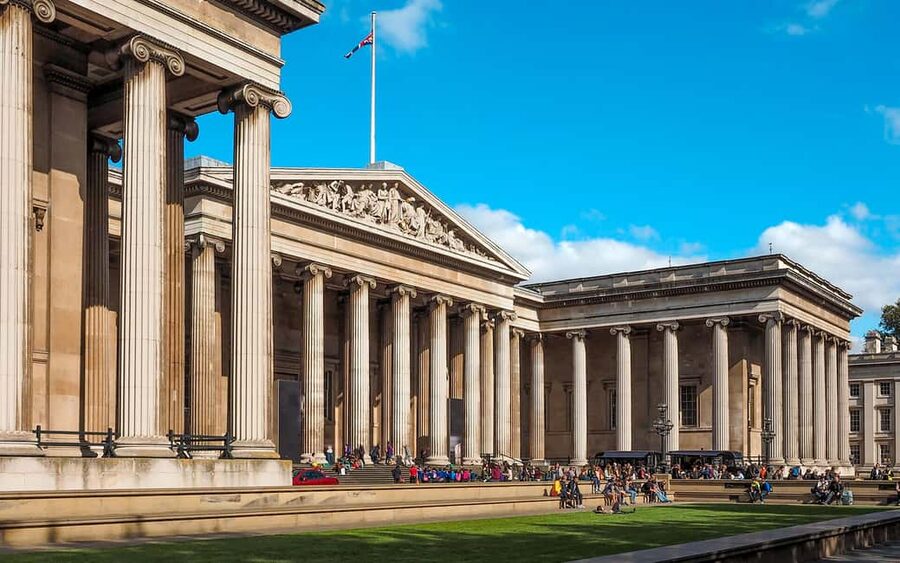
Unveil the Rosetta Stone, Parthenon at British Museum
The Rosetta Stone is the headline here, but it is only the beginning. In two hours, you move from ancient Egypt to Athens, Anglo-Saxon England, and Assyria, with an English-speaking guide explaining why each object matters. I like the clear route through the museum and the chance to see major pieces without trying to plan the galleries yourself.
I also like the human touch. Guide Joe is described as upbeat and well informed, with a knack for keeping even a child interested. The main drawback is the short running time: the British Museum is enormous, so this tour gives you a brisk introduction rather than time to linger over every display.
Key points to know before booking
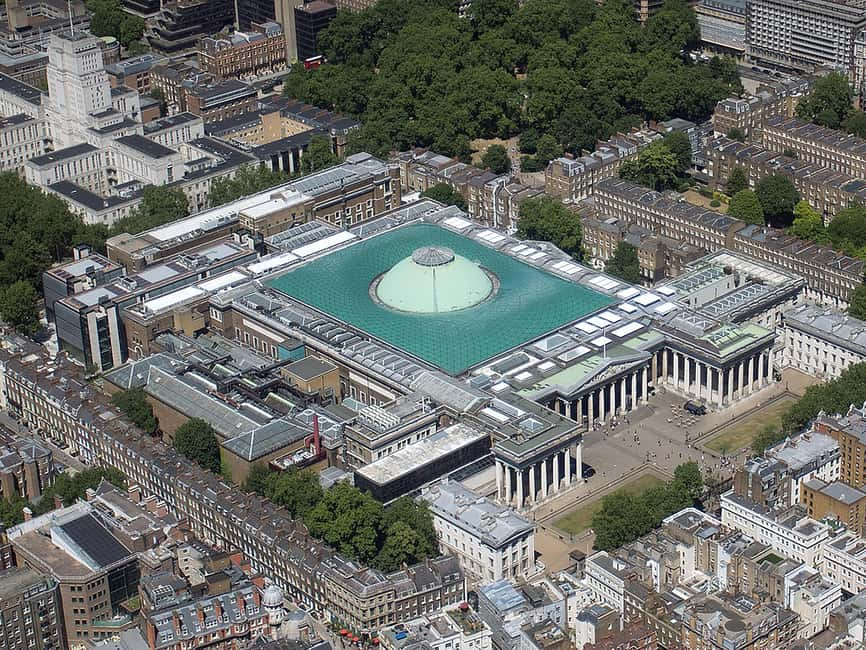
- See five major highlights: The route includes the Rosetta Stone, Parthenon Sculptures, Egyptian mummies, Sutton Hoo helmet, and Winged Bulls from Khorsabad.
- Hear the objects explained: Your guide supplies historical context, stories, and connections that labels alone may not provide.
- Plan on two hours of walking: Comfortable shoes matter, and the museum’s size means the pace can feel full.
- Meet after security: Find your guide on the stairs at the main entrance and arrive at least 15 minutes early.
- Expect a shared tour: This is not private, and the live commentary is in English.
- Check your time carefully: A selected starting time may be changed to another available time on the same day.
Why these British Museum treasures matter
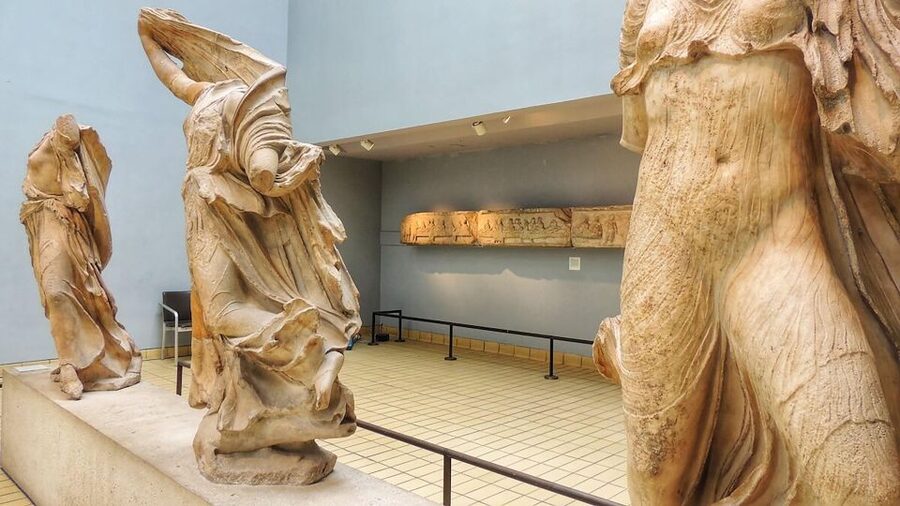
The British Museum can feel like a city in miniature. Its galleries cover thousands of years and many regions, which is exciting but also a little bewildering on a first visit. This tour solves that problem by choosing a handful of objects with big stories and linking them into a manageable walk.
The selection is sensible. The Rosetta Stone gives you a clear explanation of how Egyptian hieroglyphs were read again. The Parthenon Sculptures open a debate about ownership and cultural heritage. The mummies show how ancient Egyptians thought about death. Sutton Hoo brings the story closer to home, while the Winged Bulls reveal the power and ceremony of the Assyrian court.
I like this mix because it avoids treating the museum as a parade of old things. Each stop raises a useful question. How do we read a lost language? Who should hold ancient art? What can burial objects tell us? How did rulers display power? That makes the tour worthwhile for adults and older children who want more than quick photographs.
More Museum Tours in London
- London: Chelsea Football Club Stadium and Museum Tour
★ 4.8 · 4,576 reviews - London: British Museum Guided Tour
★ 4.3 · 1,182 reviews - London: Jack the Ripper Museum Tickets
★ 4.2 · 894 reviews
Starting beneath the Great Court roof
You meet on the stairs at the museum’s main entrance, after passing through security. Give yourself at least 15 minutes before the scheduled start. The museum is busy, and arriving early gives you time to find the entrance without beginning the tour in a rush.
The first visual treat is the Great Court. Its glass roof, designed by Norman Foster, fills the central space with daylight and gives the museum a grand opening. It is worth looking up before the guide gets moving. The ceiling also helps you understand the scale of the place: this is not a small collection that can be covered casually.
The tour begins and ends at the British Museum, so there is no hotel pickup or transport to arrange. That is convenient if you are already in central London, but you need to make your own way to the museum and budget for the walk from your accommodation or station.
The Rosetta Stone and the power of one inscription
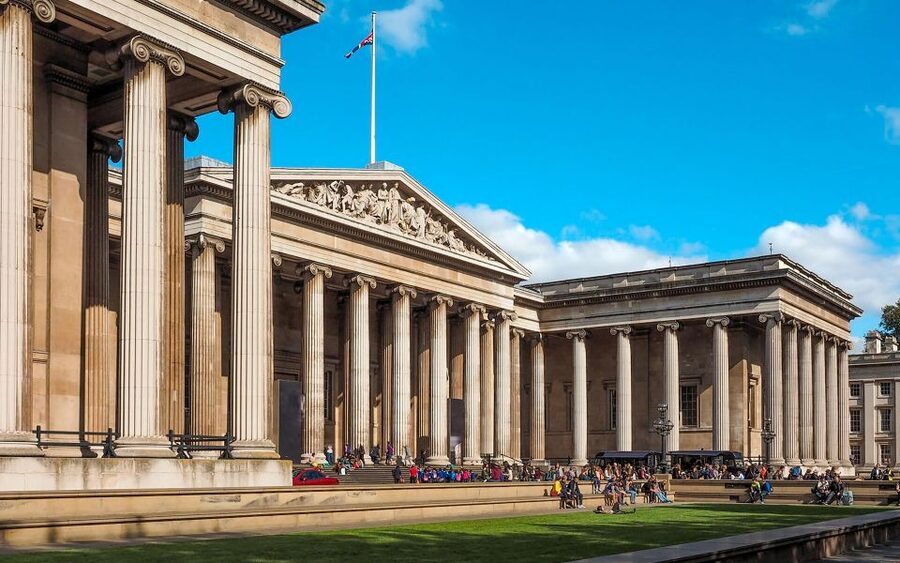
The Rosetta Stone is the essential first stop. Discovered in 1799, it carries the same decree in three scripts, including Egyptian hieroglyphs. That combination gave scholars the vital comparison they needed to work out a writing system that had been unreadable for centuries.
The object itself is not enormous, so the guide’s explanation matters. In a busy museum, it is easy to walk past the stone, take a picture, and miss why it changed the study of ancient Egypt. A good guide points out what you are seeing and explains the chain of reasoning behind the decipherment.
I would pay close attention here, because this is one of the tour’s best moments for families. The idea of a message written in several forms is easy to follow, and it turns language study into a mystery story. Joe’s lively style, noted in the feedback, should help keep this part engaging rather than overly academic.
Do not expect a long private viewing. The tour is shared, and the Rosetta Stone is one of the museum’s most famous objects. You may be moving around other people, so listen closely and keep your questions for a suitable pause.
The Parthenon Sculptures and an honest discussion
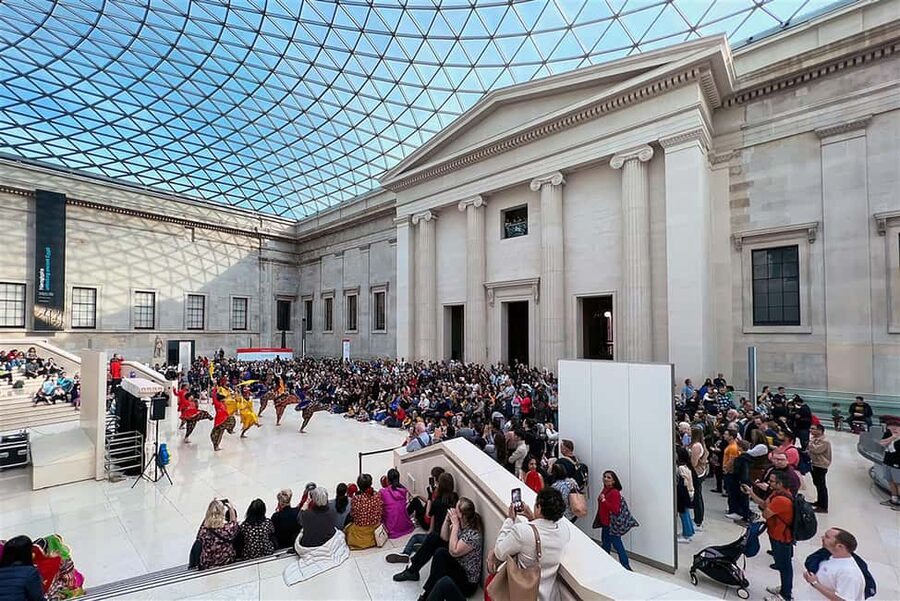
The Parthenon Sculptures bring a different kind of interest. These marble carvings once formed part of the Parthenon in Athens. Lord Elgin, who served as the British ambassador to the Ottoman Empire, brought them to Britain, and their presence in London has remained a source of dispute.
This is where the guide’s balance matters. The issue is not simply about beautiful marble. It involves cultural ownership, the circumstances in which the sculptures were removed, and competing views about where they should be displayed. The tour promises context rather than a one-sided sales pitch, which is a strong reason to choose a guided visit.
The sculptures also help you appreciate the skill behind the fragments. You can consider how the carvings belonged to a larger building and how much meaning is lost when architectural pieces are separated from their original setting. I like that this stop adds a modern ethical question to an ancient collection.
The limitation is time. The Parthenon galleries deserve more than a quick pass, especially if Greek art is your main interest. If these sculptures are the reason you came to the museum, you may want to return on your own after the tour and spend longer with them.
Further British Museum visits:
- London: Tour of the British Museum
★ 4.1 · 678 reviews - London: British Museum Audio Tour & Priority Entrance Ticket
★ 4.5 · 631 reviews - Afternoon Tea at the British Museum
★ 4.2 · 511 reviews - London: British Museum Guided Tour
★ 4.5 · 267 reviews
Egyptian mummies and ancient ideas about death
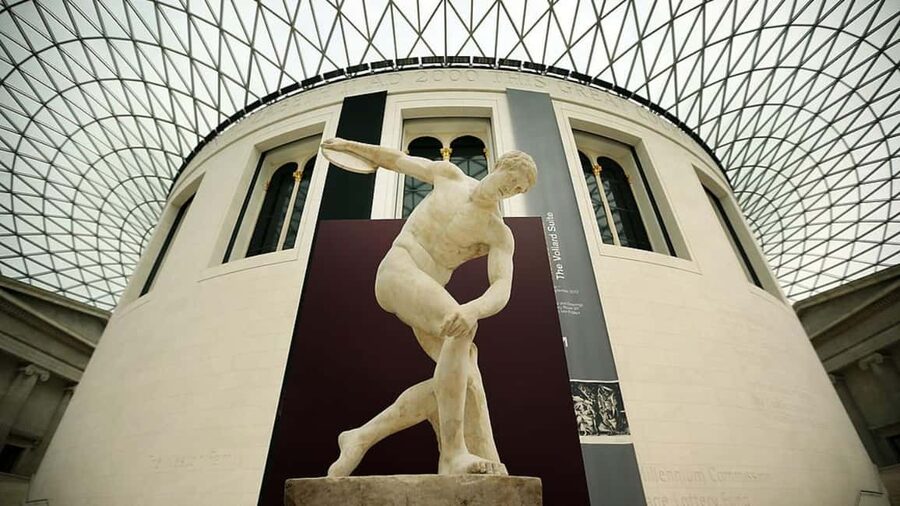
The Egyptian galleries shift the focus from public buildings to personal belief. The mummies and related objects show how carefully ancient Egyptians prepared for burial and the afterlife. Your guide explains the customs and ideas behind the practice, giving you a cultural frame for what can otherwise seem like a collection of eerie displays.
This section can be especially useful for younger visitors. Mummies often attract attention first because of their appearance, but the important point is what they reveal about family, religion, medicine, and the body. A short explanation can turn a startling object into a window on daily life and belief.
The museum’s Egyptian collection is extensive, so you will not see everything during this two-hour route. Think of this stop as a guided sample of the larger galleries. If ancient Egypt is your priority, note the areas that interest you and come back later with more time.
Some displays may require a moment of quiet attention. The tour is on foot and continues through several sections, so wear comfortable shoes and be ready for a steady pace. The museum’s size is part of the pleasure, but it also means tired legs are a real possibility.
Sutton Hoo and the remarkable helmet
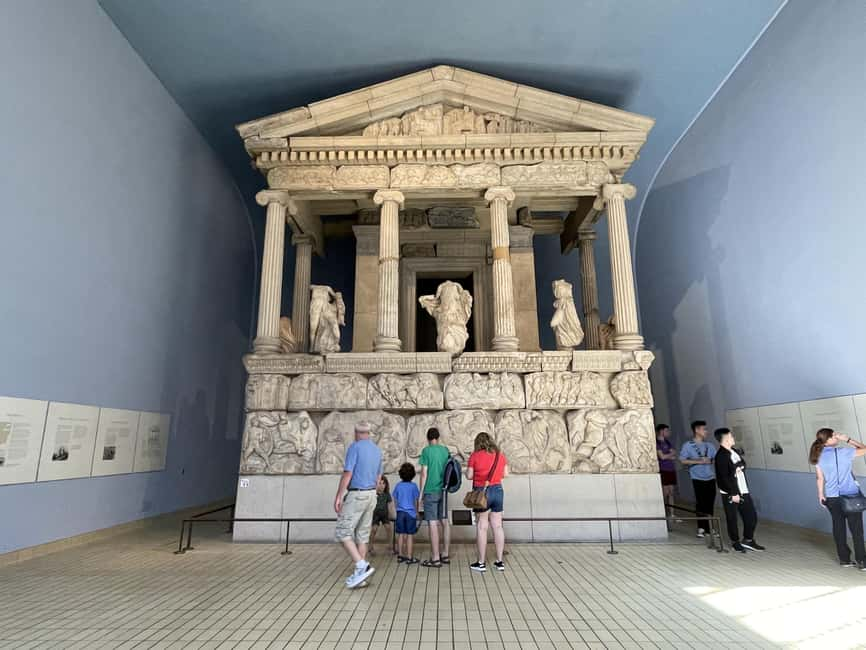
Sutton Hoo gives the tour a welcome change of scale and setting. The objects come from a 7th-century burial ship in Anglo-Saxon England, and the collection includes the famous Sutton Hoo helmet.
The helmet is more than a striking piece of armor. It points to the skill, status, and wider connections of the people associated with the burial. A guide can help you read the object as evidence, not just admire its shape. That is useful because early medieval England is often reduced to a few familiar stories, while Sutton Hoo offers material clues about a complex society.
I like this stop because it connects a major London museum with a site in England itself. You get a sense of how archaeology can reconstruct a world from a burial and its objects. It also gives children a clear visual anchor after the denser discussions of inscriptions and sculpture.
The stop may feel brief if you have a strong interest in Anglo-Saxon art. The tour is designed around several major sights, so it cannot provide a full study of Sutton Hoo. Still, it is a smart inclusion and one of the more distinctive parts of the route.
The Winged Bulls from Khorsabad
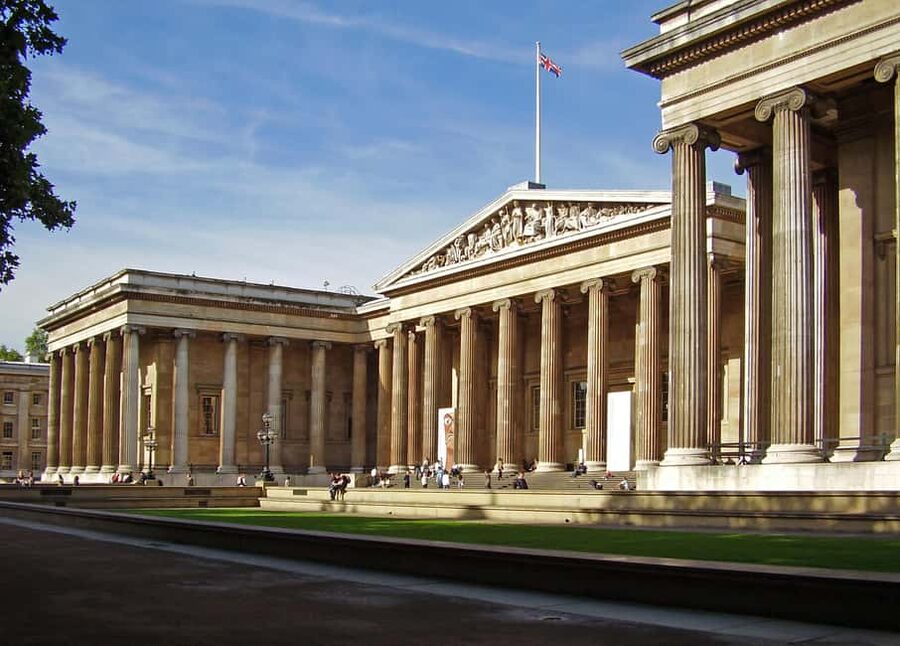
The final major highlight is the Winged Bulls from Khorsabad. These colossal figures once guarded the entrance to the palace of Sargon II, an Assyrian king. Their size was intentional. They were designed to impress anyone approaching the royal space.
Look closely at the combination of animal body, wings, and human features. The figures were not simple decoration. They communicated protection, authority, and the reach of the Assyrian ruler. Standing before them gives you a useful sense of how architecture and sculpture worked together to make power visible.
This is an excellent closing stop because the objects are physically imposing and easy to remember. After smaller items such as the Rosetta Stone and Sutton Hoo helmet, the Winged Bulls provide a dramatic finish. The guide’s stories about their creation and purpose help connect their scale with the political world that produced them.
Again, the museum contains more Assyrian material than you can cover in one guided route. If these statues catch your interest, mark the gallery and return later. The tour gives you the essential meaning, not a full treatment of Assyrian art.
How the two-hour format works for you
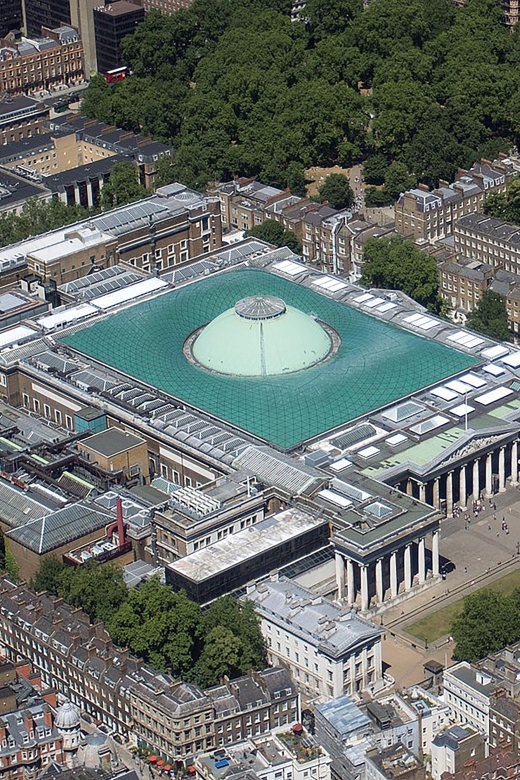
Two hours is enough to see the advertised headline objects and receive a coherent introduction. It is not enough to explore the British Museum at leisure. I would choose this experience if you are visiting London for a short time, prefer a clear route, or feel unsure about which galleries deserve your attention.
The walking is continuous, and the museum is large. Comfortable shoes are not optional advice here. You should also carry only what you need, since moving through busy galleries is easier when you are not managing bulky bags.
Because the tour is not private, the guide must keep a shared pace. That can be a plus if you enjoy a group atmosphere, but it gives you less control over how long you spend at each object. Families should note the positive feedback about Joe keeping a son interested, yet every child is different. The route has plenty of visual drama, but it is still a history tour with sustained walking.
The live language is English. If you need a tour in another language, this activity will not suit you.
Price, timing, and what you receive
At $70.35 per person, the tour is priced above a simple museum visit, but you are paying for a live guide and a planned route through one of London’s biggest cultural institutions. The value depends on how much help you want.
If you already know the museum well and enjoy reading labels at your own speed, the extra cost may not be worthwhile. If you have only a few hours and want the major objects explained without extensive preparation, the fee is easier to justify. A guide can save you from wandering through galleries without a plan.
The price does not include food, drinks, or hotel pickup. You should arrange those separately. Online support is available at the time of boarding, but the main benefit remains the guided museum walk.
Time selection needs care. If your chosen time is unavailable, you may be moved to the first available slot on the same day. For example, a 10:00 booking could become a 14:00 start. Same-day or next-day bookings can also be shifted to the following day if no places remain. Check your final time before setting other London plans.
The activity permits cancellation up to 24 hours in advance for a full refund, and you can reserve now and pay later. Bring a passport or ID card, as requested in the practical information.
Who should book this British Museum tour
I would recommend it to a first-time British Museum visitor who wants a guided introduction instead of an unstructured afternoon. It also suits families, history fans, and anyone who wants the famous objects explained in plain language.
The route works well for people who enjoy seeing contrasts: Egyptian burial practice beside Greek sculpture, Anglo-Saxon treasure beside Assyrian palace guardians. It gives you a broad sense of the museum’s range without asking you to study a single civilization for the entire morning.
I would be more cautious if you use a wheelchair, since the activity is listed as unsuitable for wheelchair users. You should also think twice if you dislike group tours, need a slow pace, or want extended time at one gallery.
My booking advice
Book this tour if the Rosetta Stone is on your must-see list and you want a guide to connect it with other major objects. Joe’s upbeat approach is a useful sign for families, and the route includes enough variety to hold attention over two hours.
Skip it if you already have a detailed museum plan or want to explore every gallery independently. In that case, use the museum’s scale to your advantage and set your own pace.
For most first visits, I see the $70.35 price as reasonable when your London schedule is tight. Arrive early, wear shoes made for walking, confirm your starting time, and treat the tour as an informed first look. You can always return to the galleries that catch your eye.
FAQ
Where does the tour start?
Meet your guide on the stairs at the British Museum’s main entrance after security checks.
How early should I arrive?
Arrive at least 15 minutes before your scheduled start time.
How long does the activity last?
The guided tour lasts two hours.
What language is the tour in?
The live tour guide speaks English.
Is the tour private?
No. This is a shared group tour.
Does the tour include hotel pickup?
No. Hotel pickup is not included, and you must make your own way to the British Museum.
What major objects are included?
The route includes the Rosetta Stone, Parthenon Sculptures, Egyptian mummies, Sutton Hoo helmet, and Winged Bulls from Khorsabad.
Does the tour include food or drinks?
No. Food and drinks are not included.
What should I bring?
Bring a passport or ID card, and wear comfortable shoes for the walking route.
Can the start time change?
Yes. If your selected time is unavailable, you may be transferred to another available time on the same day. Last-minute bookings may be moved to the following day if no places remain.
Can I cancel the booking?
Yes. You can cancel up to 24 hours in advance for a full refund. Reserve now and pay later is also available.
New listings around London
- London: Bermondsey Craft Brewery Tour★ 5.0 · 3 reviews
- Colourful Notting Hill Photography Tour★ 5.0 · 3 reviews
- The London Historic Pubs Tour★ 4.0 · 3 reviews
- Ultimate Royal London, Thames River Boat Ride & Walking Tour★ 5.0 · 3 reviews
- London: Wallace Collection & National Gallery Private Tours★ 5.0 · 3 reviews
- London: The Birthplace of The Rolling Stones Private Tour★ 5.0 · 3 reviews
- Historic pub tour with Brazilian guide (in Portuguese)★ 5.0 · 3 reviews
- London: Royal Tour with Westminster Abbey & Afternoon Tea★ 3.0 · 3 reviews
London Tours, compared.

Westminster to Greenwich River Thames Cruise
Read our review →
Magical London: Harry Potter Guided Walking Tour
Read our review →


Warner Bros. Studio Harry Potter Tour with Transfers
Read our review →Browse the lists this tour appears in