
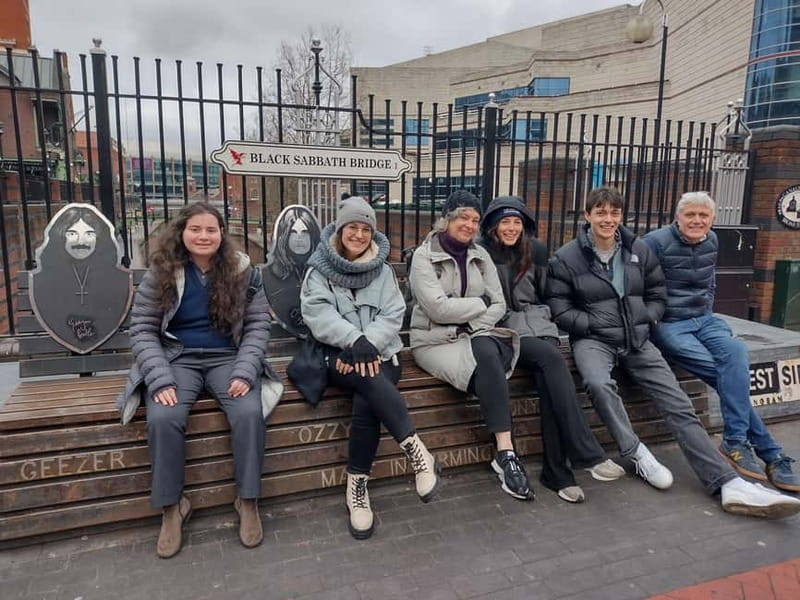
Reviewed · BIRMINGHAM TOURS
Birmingham: Guided City Center Walking Tour (10:30am & 2pm)
Birmingham’s story makes more sense when you walk it in sequence, from St Philip’s Cathedral and its English Baroque setting to the grand civic squares, canals, music halls, and former industrial center. This tour gives you that clear city-center introduction in 90 minutes, with a local guide explaining how a market town became Britain’s second-largest city.
I like the way the route mixes famous sights with useful context about modern Birmingham. I also like the local touch: guides such as Dee, Peter, Richard, and Phil have been praised for their warmth, humor, clear speaking, and strong sense of place. The main consideration is pace. You cover a lot in a short time, so picture stops may be brief, and the tour runs rain or shine.
Key points to know before booking
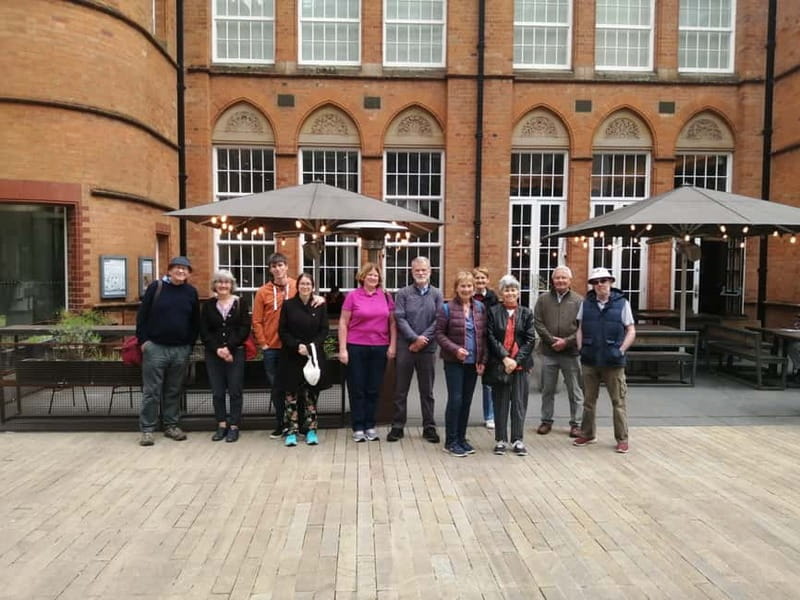
- The route links old and new Birmingham: See St Philip’s Cathedral, the Town Hall, Symphony Hall, Broad Street, and Ikon Gallery in one walk.
- Local guides shape the experience: Dee, Peter, Richard, and Phil are among the guides praised for personal stories, humor, and practical city tips.
- The industrial story is central: Learn how manufacturing, canals, Cadbury chocolate, and civic expansion changed Birmingham.
- The walk is short but full: At 1.5 hours, it works well as an arrival-day introduction or a quick orientation before exploring alone.
- You meet in Cathedral Square: Look for the flag pole and a guide wearing an orange jacket or lanyard.
- Comfortable shoes matter: The tour goes ahead in all weather, so bring suitable clothing and be ready to walk outdoors.
A useful first look at Birmingham
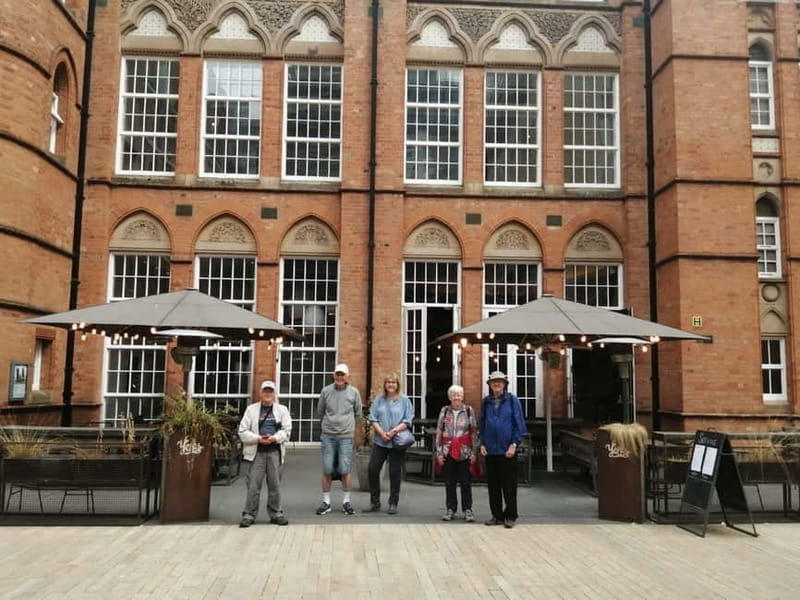
Birmingham can seem scattered when you first arrive. Its major sights are spread across broad squares, shopping streets, canal-side areas, cultural buildings, and busy roads. A guided walk gives you a map in your head before you start exploring on your own.
The route begins in Cathedral Square and moves through the city center toward Ikon Gallery. Along the way, you see civic buildings, public art and fountains, cultural venues, and streets that reveal Birmingham’s changing identity.
At $20.20 per person, the price is reasonable for a 90-minute guided introduction. You are paying mainly for interpretation rather than admission to an attraction. That matters here because the value comes from understanding what you are seeing. A grand building can look like just another stone facade until someone explains its role in Birmingham’s growth.
The tour is offered at 10:30am and 2pm, subject to availability. The morning start leaves your afternoon open, while the later departure can suit you if you arrive in the city around midday. Check the exact start time when booking.
More Walking Tours in Britain:
- Magical London: Harry Potter Guided Walking Tour
★ 4.7 · 22,044 reviews - London: The Original Jack the Ripper Walking Tour
★ 4.7 · 7,833 reviews - Oxford: University and City Walking Tour with Alumni Guide
★ 4.7 · 4,429 reviews
Starting at St Philip’s Cathedral
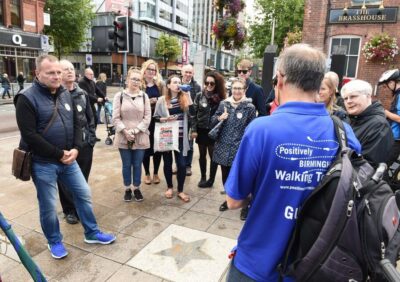
Meet by the flag pole in Cathedral Square. Your guide should be easy to identify by an orange jacket or lanyard. This central meeting point is a practical choice because the cathedral provides an immediate landmark, and the square is a natural place to begin learning the shape of the city.
St Philip’s Cathedral is the first major sight. Its English Baroque architecture gives you an early reminder that Birmingham is not only a modern industrial city. The building sits in the heart of the city center, surrounded by streets that now carry office workers, shoppers, and local traffic.
The guide’s explanation is important here. You begin with Birmingham’s earlier identity as a market town, then follow its expansion into a major industrial center. That change is the backbone of the walk. Instead of receiving disconnected facts, you get a simple timeline that helps the later stops fit together.
You should expect sightseeing rather than a long indoor visit. The supplied details describe the cathedral as a stop, not an included interior tour. If you want to explore inside at length, save that for another visit.
From market town to industrial powerhouse
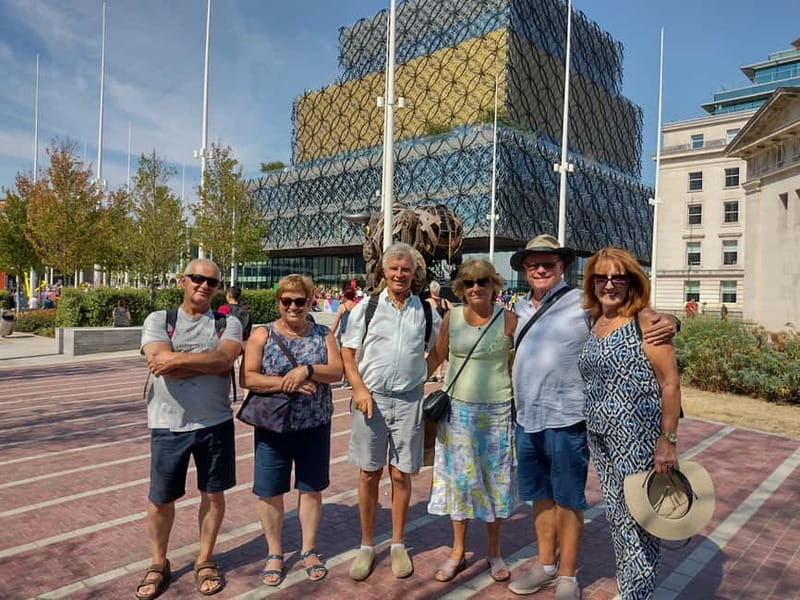
Birmingham’s industrial story gives the tour its strongest sense of place. Your guide explains the city’s boom during the Industrial Revolution and points out how canals supported its growth. The canals are more than a scenic feature. They reflect the practical transport network that helped move goods through an expanding manufacturing city.
You also hear about Cadbury chocolate, one of the local names most closely linked with Birmingham. The tour connects the chocolate story with the wider development of the city, giving you a more rounded picture than a simple list of factories and famous companies.
This part should suit you if you enjoy understanding how cities work. Birmingham’s identity was shaped by production, trade, engineering, transport, and civic ambition. The guide also brings the story into the present by discussing modern life, so the city is not presented as a museum piece.
The route does not promise entry into industrial sites or canal boat transport. You see and discuss these themes while walking between the main city-center sights. That keeps the tour moving, but it also means you may want a separate canal visit if waterways are your main interest.
Broad Street and the modern city
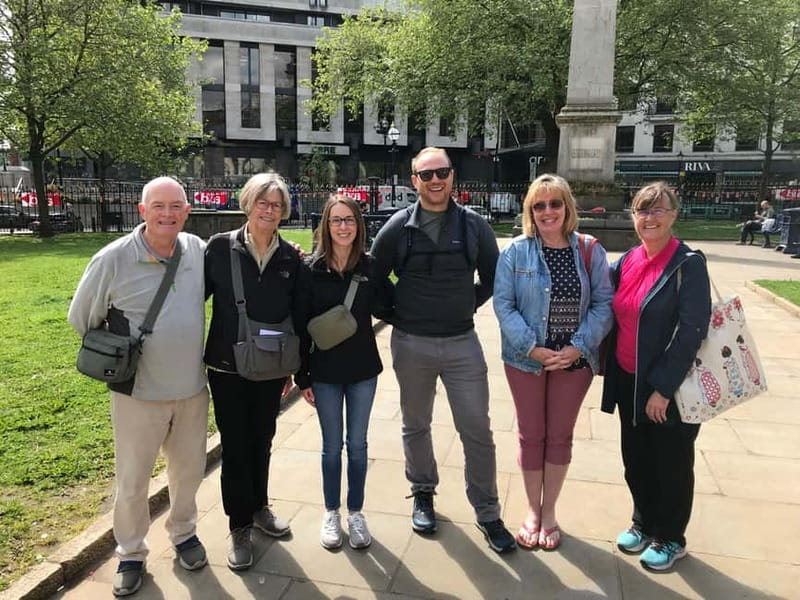
Broad Street brings a different mood. It is known for nightlife, so your guide can show you a part of Birmingham that changes character between day and evening. In daylight, you see the street as part of the city route. The guide’s comments help connect it to modern entertainment and local life.
This is one of the useful features of a local-led walk. You are not only being taken to postcard buildings. You are also hearing how the center functions today, where people go out, and how older parts of Birmingham sit beside newer uses.
The street can be lively, and the urban setting is not always quiet or visually tidy. That is part of the point. Birmingham is a working city, not a preserved historic quarter. You should expect traffic, city noise, and regular walking rather than a slow, private viewing of each building.
The route continues toward Symphony Hall and the surrounding Centenary Square area. Broad Street is one of several places where the tour moves between Birmingham’s industrial past and its current cultural life.
A handful of other Britain outings to weigh up
- Birmingham: Cadbury World Entry Ticket
★ 4.4 · 230 reviews - Birmingham: Slogging Gangs Guided Walking Tour
★ 4.2 · 216 reviews - From Birmingham: Cotswolds Full-Day Tour
★ 4.7 · 215 reviews - Birmingham: Winterbourne House and Garden Admission Ticket
★ 4.7 · 199 reviews
Civic Birmingham around Victoria Square
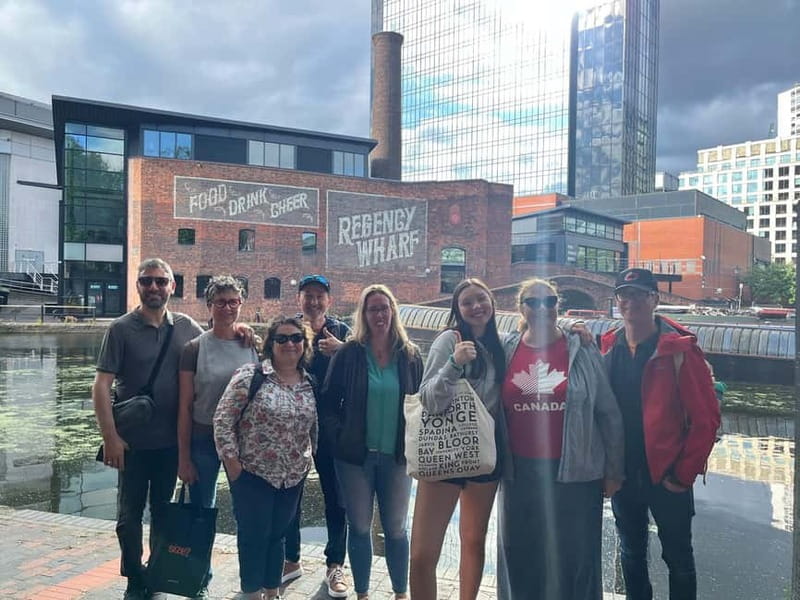
Victoria Square gives the walk its grandest civic setting. Here, you view Birmingham Town Hall and the Council House, buildings that express the city’s wealth and confidence during the nineteenth century.
The square is a good place to pause and look around. The architecture is formal and imposing, and the guide’s commentary helps explain why Birmingham invested in such large public buildings. You also get a sense of how the city center was organized around public institutions, not just commerce.
Birmingham Museum & Art Gallery and Chamberlain Square add another layer. These stops bring art, education, public life, and civic pride into the story. The route is not limited to industrial achievements. It also shows how Birmingham developed the institutions expected of a major city.
The exact amount of time at each place depends on the guide and the group. You may need to listen while walking or take quick photographs between explanations. One practical tip is to keep your camera ready and ask the guide when there will be a short pause for pictures.
Centenary Square, Symphony Hall, and the Hall of Memory
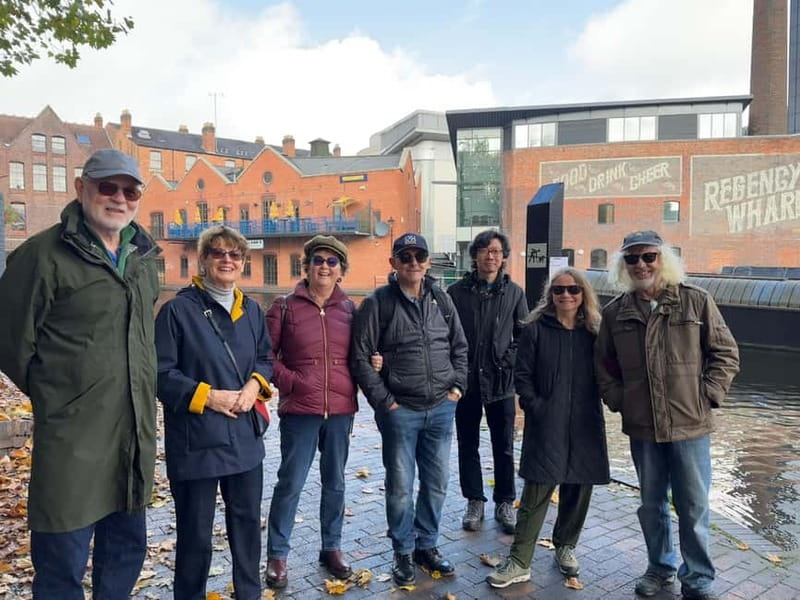
Centenary Square is one of the more open parts of the walk. Its fountains and public space provide a contrast with the enclosed streets around the civic buildings. The square is also home to major cultural venues, including Symphony Hall.
Symphony Hall represents Birmingham’s modern cultural side. Its presence on the route shows how the city has invested in music and public performance as part of its present identity. You do not receive a concert or an interior tour, but you gain a useful view of the building and its place in the center.
The Hall of Memory adds a quieter note. Together with the surrounding square, it gives the guide room to discuss Birmingham’s public memory and civic life. This change in tone is welcome after the commercial energy of Broad Street.
Baskerville House is another stop on this part of the route. You see it from the outside as the walk continues through the city center. The variety is worthwhile: cathedral, civic buildings, museum, memorial, concert hall, and gallery each reveal a different piece of Birmingham.
Finishing at Ikon Gallery
The walk finishes at Ikon Gallery, a nineteenth-century building now associated with contemporary art. This is a fitting ending because it brings you back to Birmingham’s ability to reuse older structures for modern purposes.
The gallery is a useful place to continue your day if you have time. The tour itself includes the exterior stop and does not include gallery admission. You can decide afterward if you want to go inside or continue exploring nearby.
The supplied meeting information contains a small point worth checking. It says the activity ends at Ikon Gallery, while the meeting details also describe the activity as ending back at the meeting point. Since those descriptions do not perfectly match, confirm the final location when you arrive, especially if you have a timed reservation afterward.
What the guides add
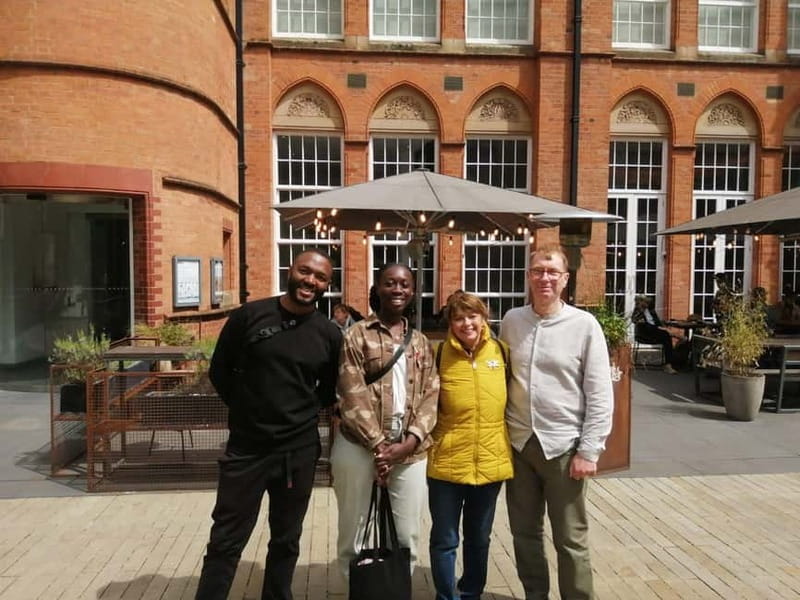
The clearest strength of this experience is the guide. Dee is repeatedly described as warm, enthusiastic, and deeply familiar with Birmingham. Her local connection helps turn the city’s past into something personal rather than distant.
Peter is praised for clear English, humor, polite delivery, and strong knowledge of the city. Richard is described as engaging and fun, while Phil is noted for making the city’s history and character easy to appreciate. You cannot choose a particular guide from the information provided, but these names give you a sense of the guiding style to expect.
The guides also answer questions and offer practical tips for getting around. That can be especially helpful at the start of a Birmingham visit, when you are still working out how the central squares, streets, and cultural buildings connect.
The experience depends on the individual guide. That is normal for a walking tour. The strongest version will feel like a conversation with a local who enjoys explaining the city. If your guide pauses for questions, use the chance to ask about places you want to visit later.
Pace, comfort, and accessibility
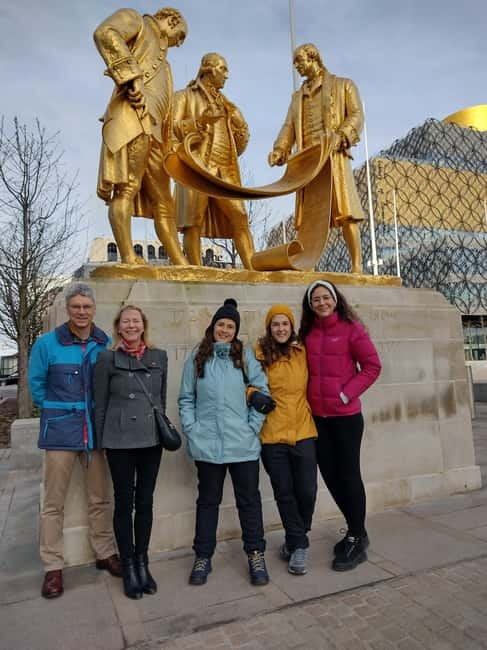
This is a 1.5-hour outdoor walk with no transportation included. Wear comfortable shoes and clothing suited to the weather. The tour operates rain or shine, so a waterproof layer may be useful on wet days.
The route includes city streets, squares, and outdoor viewing points. You should be ready to walk continuously, with sightseeing stops rather than long seated breaks. Anyone who prefers a slow pace should tell the guide at the start.
One wheelchair user specifically found that the tour worked well and made no difference to the experience. That is encouraging, but it does not guarantee that every part of every departure will feel identical. If you use a wheelchair or have mobility concerns, it is sensible to confirm current route conditions before booking.
The group size is not specified. That means the amount of personal attention may vary. A smaller group can make questions easier, while a larger group may require you to stay close to the guide and listen carefully near busy streets.
Who should book this Birmingham walk
I would choose this tour for a first visit, especially if you have only a day or two in Birmingham. It gives you a broad orientation without taking up an entire morning or afternoon.
It also suits you if you want local context rather than a simple sightseeing checklist. The guide covers the market-town beginnings, industrial growth, canals, Cadbury chocolate, public buildings, nightlife, music, and modern city life.
Families, couples, solo visitors, and small groups can all use it as a starting point. The English-language format is best for you if you are comfortable listening while walking. The route includes enough major landmarks to help you plan later visits.
I would be more cautious if you want extended time inside buildings, detailed art interpretation, or a specialized industrial tour. This is a general city-center introduction. Its strength is range and local explanation, not deep examination of one attraction.
Is $20.20 good value?
At $20.20, the tour is priced below many longer guided city experiences while still covering a substantial stretch of central Birmingham. The 90-minute duration keeps the commitment manageable, and the guide provides the main value.
You are not paying for transport, attraction admission, or a meal. That is worth keeping in mind. The cost makes sense if you want a human explanation of the city and a practical route through its central sights. It makes less sense if you prefer to walk independently and read about each building at your own pace.
The free cancellation option up to 24 hours before the tour also gives you some flexibility. You can reserve now and pay later, which helps if your Birmingham plans are still shifting.
My verdict: book it for a clear city-center introduction
Book this walk if you want Birmingham to make sense quickly. The route covers the cathedral, civic squares, museum area, memorials, canals in the city’s story, Broad Street, Symphony Hall, and Ikon Gallery, while local guides bring in the city’s past and present.
The only real limitation is the short format. You will not linger everywhere, and the weather is always a factor. Still, for $20.20, this is a practical first step, especially if you arrive curious about Birmingham but unsure where to begin. Take the 10:30am departure if you want the rest of the day free, or choose 2pm after a relaxed morning.
FAQ
How long does the Birmingham walking tour last?
The tour lasts 1.5 hours.
What time does the tour start?
The listed departure times are 10:30am and 2pm. Check availability for the exact time offered on your chosen date.
Where do I meet the guide?
Meet the guide by the flag pole in Cathedral Square.
How will I recognize the guide?
The guide will be wearing an orange jacket or lanyard.
What language is the tour in?
The live guided tour is in English.
What sights are included?
The route includes St Philip’s Cathedral, Victoria Square, Birmingham Town Hall, Birmingham Museum & Art Gallery, Chamberlain Square, Centenary Square, the Hall of Memory, Baskerville House, Broad Street, Symphony Hall, and Ikon Gallery.
Is transportation included?
No. This is a walking tour, and transportation is not included.
Does the tour include entry to the attractions?
The supplied information lists sightseeing stops but does not include admission to the cathedral, museum, Symphony Hall, or Ikon Gallery.
What should I bring?
Bring comfortable shoes and clothing suitable for the weather.
What happens if it rains?
The tour takes place rain or shine, so dress for the conditions.
New listings around Britain
- London: Secrets of Freddie Mercury Tour with a Cocktail★ 4.1 · 15 reviews
- London: Hampton Court Private Guided Tour★ 3.4 · 15 reviews
- Edinburgh: Isle of Skye, Highlands & Jacobite Steam Train★ 4.6 · 15 reviews
- London: Jack the Ripper Tour and Underground Prison in Spanish★ 5.0 · 15 reviews
- Spanish Language : Original Harry Potter Walking Tour★ 4.5 · 15 reviews
- THE HANGOVER BRUNCH | Benidorm Bingo & Drag Queens★ 4.5 · 15 reviews
- London: Private Couples Photography Session with Landmarks★ 5.0 · 15 reviews
- London: The Saturday Supershow Cabaret at Phoenix Arts Club★ 4.5 · 15 reviews
Birmingham Tours, compared.



Browse the lists this tour appears in