
Reviewed · BIRMINGHAM TOURS
Digbeth, Public art and Peaky Film Guided Walking Tour
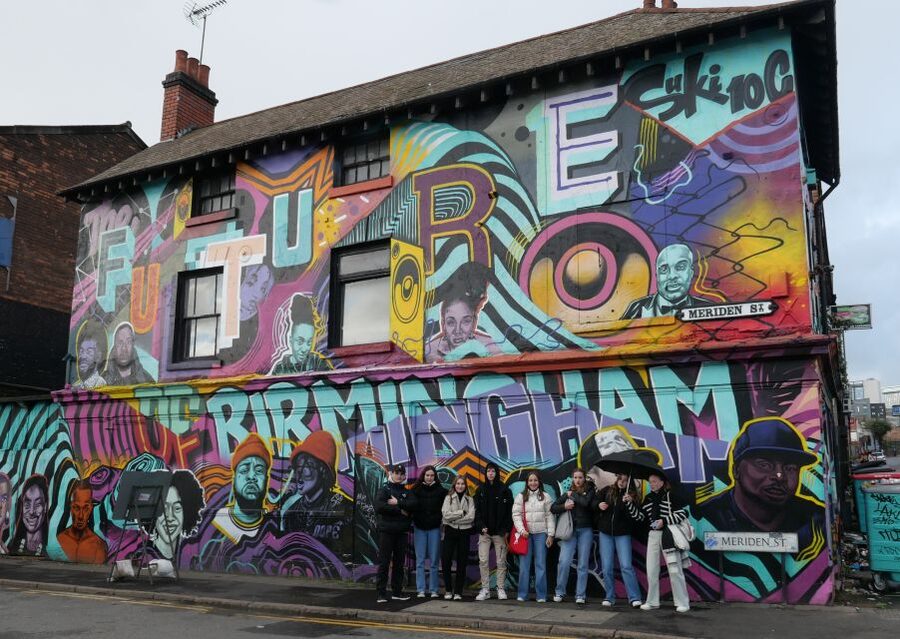
Digbeth is where Birmingham’s polished city centre gives way to old factories, canals, painted walls, markets, and a slightly rougher creative edge. This walk follows that change on foot, from the bronze Bull at the Bullring to the historic Digbeth and Deritend district, with public art and Peaky Blinders film locations providing the visual hook.
I like the way the tour connects Birmingham’s past with its next chapter, especially the contrast between old industrial buildings, new transport projects, and the creative businesses around the Custard Factory. I also like that guide Jonathan Berg, an author and photographer who runs Positively Birmingham, brings a specialist eye to the murals and street art.
The main consideration is the walking. The route covers just over 4 kilometres in two hours, using pavements, footpaths, and towpaths, and it is not suitable for people with mobility impairments. Some visitors may also find the Peaky Blinders element more about film connections and exterior settings than a formal studio tour.
Key points at a glance
- The Bull to Digbeth: Begin beside Birmingham’s famous bronze Bull and leave the shopping centre behind on foot.
- A 4-kilometre city story: Follow streets, footpaths, and towpaths while learning how Birmingham grew from a market hamlet.
- Street art with context: Jonathan Berg’s work as a photographer and author gives the public art a clear local focus.
- Peaky Blinders territory: See the Digbeth area linked with the feature film and the Digbeth LOC studios.
- Custard Factory and Red Brick Market: Add creative venues and independent shopping to the historical walk.
- A practical price: At $20 per person, the tour offers two hours with a live English-speaking guide and an audio headset.
From the bronze Bull into old Digbeth
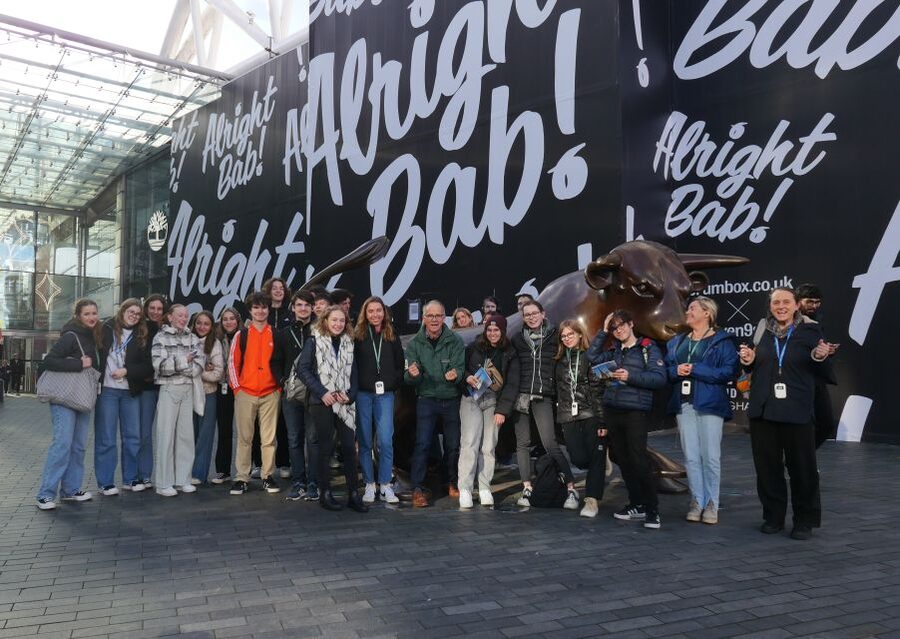
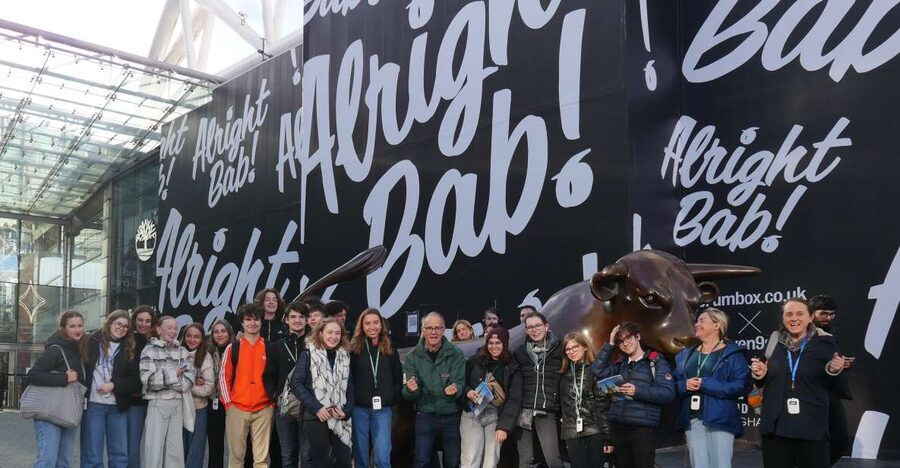
The meeting point is easy to identify: the bronze Bull statue beside the Nike Superstore in Birmingham’s Bullring Shopping Centre. That gives you a useful starting landmark in the middle of the city, though you should allow a moment to find the exact statue if the shopping centre is crowded.
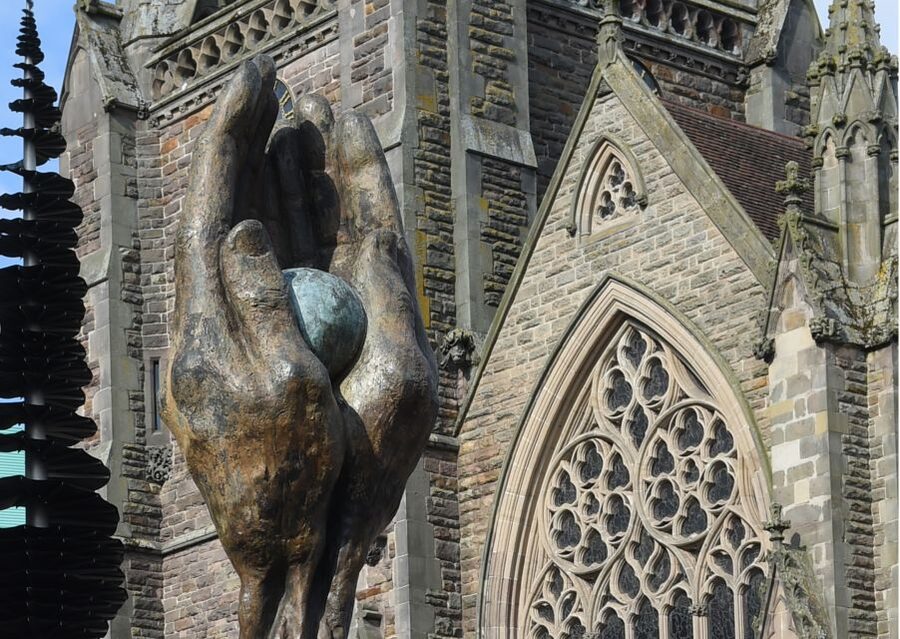
From there, the walk heads toward Digbeth and Deritend. This shift is part of the pleasure. You begin among major shops and familiar city-centre sights, then move toward an area shaped by workshops, industry, canals, warehouses, markets, and creative reuse.
The route is not simply a transfer between two districts. Jonathan Berg uses the walk to explain how Birmingham developed from a market hamlet into a major city. That broad story helps you read the streets around you. Instead of seeing old brick buildings as background scenery, you get a sense of why this part of Birmingham grew where it did and how it related to trade and movement.
You should expect the tour to keep moving rather than settle in one place for long. At two hours and just over 4 kilometres, the pace needs to be steady. The headset is useful here because it lets you hear the guide while standing outdoors and walking near city traffic. You can bring earphones with a 3.5 mm jack, or a new pair will be supplied.
More Walking Tours in Birmingham:
- Birmingham: Slogging Gangs Guided Walking Tour
★ 4.2 · 216 reviews - Birmingham: Guided City Center Walking Tour (10:30am & 2pm)
★ 4.8 · 147 reviews - Birmingham: Discovering Birmingham Guided Walking Tour
★ 4.9 · 26 reviews
Digbeth’s public art, explained by Jonathan Berg
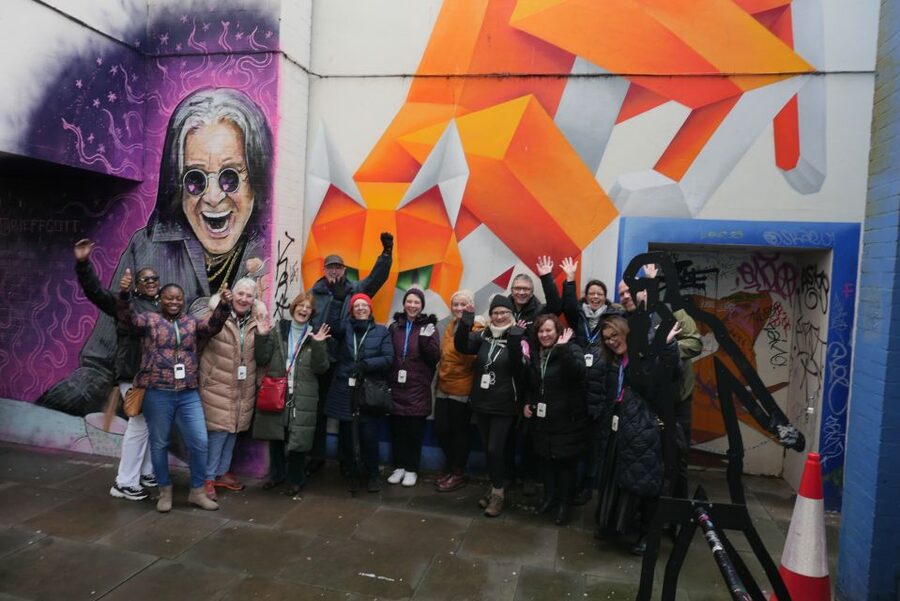
Public art is the heart of this experience. Digbeth is known for its painted walls and large-scale street art, but simply walking past murals is not the same as understanding them. Berg is an author and photographer whose book examines Birmingham’s public art, with particular attention to Digbeth’s street art and artists.
That background matters. You are not just being pointed toward the biggest or most colourful wall. You get a guide who has spent time looking closely at how Birmingham presents itself in public spaces. The tour’s value comes from the links between the artwork, the district, and the city’s changing identity.
The art also gives the walk a strong visual rhythm. Historical explanations can sometimes feel abstract, especially when you are walking through a city you do not know. Murals, painted facades, and other public pieces give you clear reference points. They help you remember Digbeth after the tour, and they provide plenty of material for photographs.
The exact art visible on the day can vary. Street art changes, walls are repainted, and construction can alter access along a route. That is worth keeping in mind if you arrive expecting a fixed gallery display. The appeal is the outdoor setting and the chance to see public art as part of the neighbourhood rather than behind glass.
The strongest praise for this tour has focused on the guide’s enthusiasm, helpfulness, and clear command of the subject. That matches the design of the walk. Berg’s interest is not limited to one theme. He combines local history, photography, public art, film, and urban change, so the experience has more range than a basic mural walk.
Deritend, canals, and Birmingham’s changing city edge
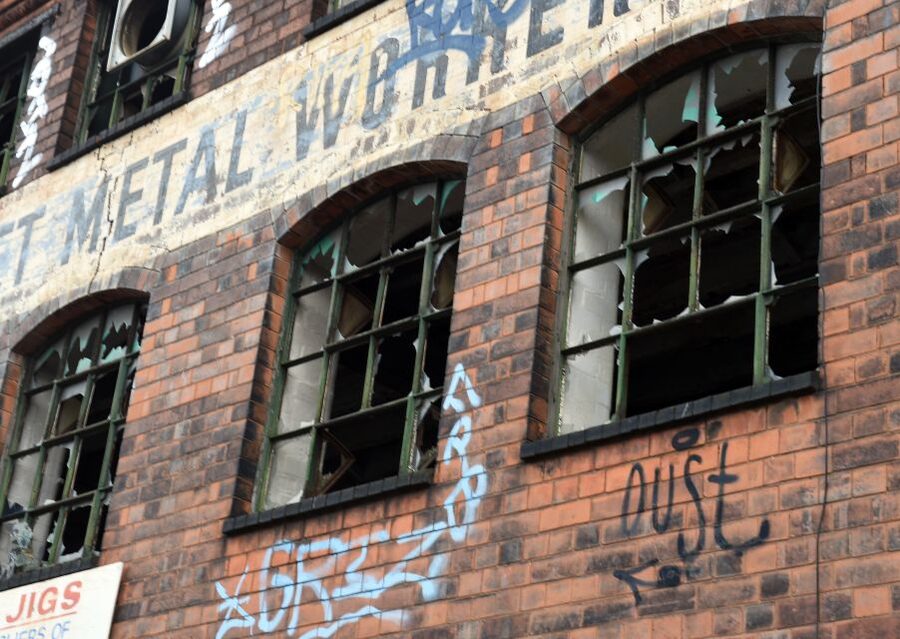
Digbeth and Deritend are useful places for understanding Birmingham because they sit at a point of transition. You can see older industrial traces alongside new investment and construction. The route uses pavements, footpaths, and towpaths, so the experience is not limited to main roads.
The towpath section should appeal to you if you like seeing a city from a quieter angle. It changes the feel of the walk and gives you a break from the shopping-centre environment near the start. It also makes the tour feel more connected to Birmingham’s working past, even though the district is now being reshaped for modern city life.
The coming of HS2 and the Metro tram forms part of the current story. These projects show how Digbeth is being drawn closer to the city centre, physically and economically. The point is not just to look backward at old buildings. You are also seeing a district in the middle of change.
That change can be exciting, but it has a practical downside. Construction and redevelopment may affect the atmosphere or the exact feel of particular streets. If you want a perfectly preserved historic quarter, this is not the right expectation. Digbeth is more interesting as a place in motion, where industrial remains, street art, film production, markets, and transport plans meet.
Peaky Blinders film connections in Digbeth
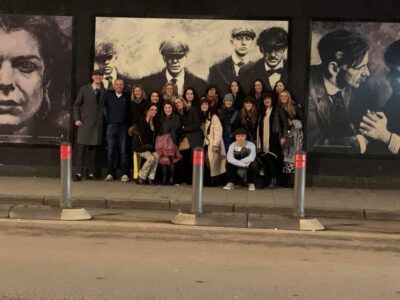
The Peaky Blinders connection gives the walk an easy narrative thread. Digbeth is being used for the Peaky Blinders feature film, with production underway at Digbeth LOC studios. The studios also have Peaky-themed murals that make a natural photo stop.
You should understand the wording here before booking. This is a guided walk through the area and a chance to see film-related locations or possible locations. It is not described as a studio tour, and there is no promise of access inside active production facilities. The studios may be part of the route from the outside, with the murals offering the clearest selfie opportunity.
That distinction will matter to fans. If you want to see where the film world connects with a real Birmingham district, the experience should fit well. If you expect sets, actors, props, or an indoor production visit, the available information does not support that expectation.
The film angle also works for people who are not devoted fans. It gives you a familiar reference point while Berg explains the wider area. You can enjoy the streets, art, and industrial setting without needing to know every character or plot detail.
A handful of other Birmingham outings to weigh up
- Birmingham: Cadbury World Entry Ticket
★ 4.4 · 230 reviews - From Birmingham: Cotswolds Full-Day Tour
★ 4.7 · 215 reviews - Birmingham: Winterbourne House and Garden Admission Ticket
★ 4.7 · 199 reviews - From Birmingham: Stonehenge & Bath Day Tour
★ 4.6 · 158 reviews
The Custard Factory and Red Brick Market
The Custard Factory is one of the key stops listed for the route. Its name points to Birmingham’s industrial past, but today it is associated with creative activity and the changing character of Digbeth. It helps show how older commercial and industrial spaces can take on new uses.
You should not treat this stop as a long indoor visit unless the guide specifically says otherwise. The walk is two hours, and the main focus is the district as a whole. The Custard Factory works best as part of the broader story, linking old buildings with the area’s creative present.
Red Brick Market adds another side of Digbeth. Markets make a useful contrast with formal shopping centres because they often give you a more local, independent feel. Here, the stop helps explain why Digbeth attracts people looking for art, small businesses, and less conventional city-centre experiences.
The two venues also make the walk useful for planning the rest of your day. You can note places to return to after the tour, especially if you want more time for shopping, food, or photography. The guided visit itself is not designed as a lengthy browse, so avoid trying to combine it with a full market visit during the two-hour route.
Why the two-hour format works
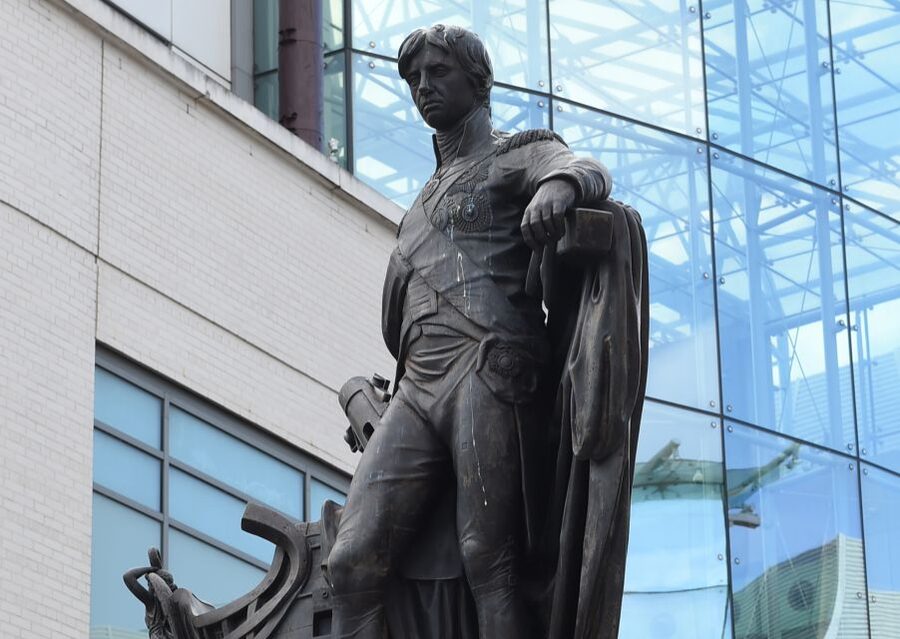
Two hours is enough time to create a strong introduction to Digbeth without turning the outing into an exhausting half-day commitment. The route is just over 4 kilometres, so you receive a substantial walk rather than a short cluster of stops around the Bullring.
I like the balance between movement and explanation. A tour of this length can cover the city-centre starting point, Digbeth and Deritend, public art, the film connection, the Custard Factory, Red Brick Market, and the area’s future transport links. You get an outline of the district, then can decide where to return on your own.
The tradeoff is depth. You will not have unlimited time at each mural, market, or building. If you enjoy stopping for long photo sessions, you may need to choose between listening closely and taking pictures. The headset helps, since you can hear Berg without standing directly beside him, but you still need to keep pace with the group.
The tour is conducted in English. An audio headset is included, and the operator asks you to bring earphones with a 3.5 mm jack if possible. Otherwise, a new pair is supplied. That small detail is worth noting if you are particular about shared or unfamiliar equipment.
The value of $20 per person
At $20 per person, this is a reasonably priced guided introduction to a district you might otherwise skip. The cost covers two hours with a live guide, local interpretation, a route of more than 4 kilometres, and the supplied headset.
The value is strongest if you want explanation rather than a self-guided walk. You can see Digbeth’s murals and markets without paying for a guide, but you would need to research the district’s development, public artists, film connections, and transport changes yourself. Berg’s specialist focus saves you that work.
It is also a good choice if you have already seen Birmingham’s main city-centre sights. One particularly useful approach is to pair this walk with a more conventional Birmingham city tour. That gives you the central landmarks first, then Digbeth’s art, industry, and creative side. The combination provides a broader picture of the city than either route alone.
The price does not include a meal, shopping, or a guaranteed indoor studio visit. You are paying for the guided walk and the stories attached to the streets. That makes it good value for curious walkers, but less suitable if you mainly want entertainment or a formal film attraction.
Who should book this Digbeth walk?
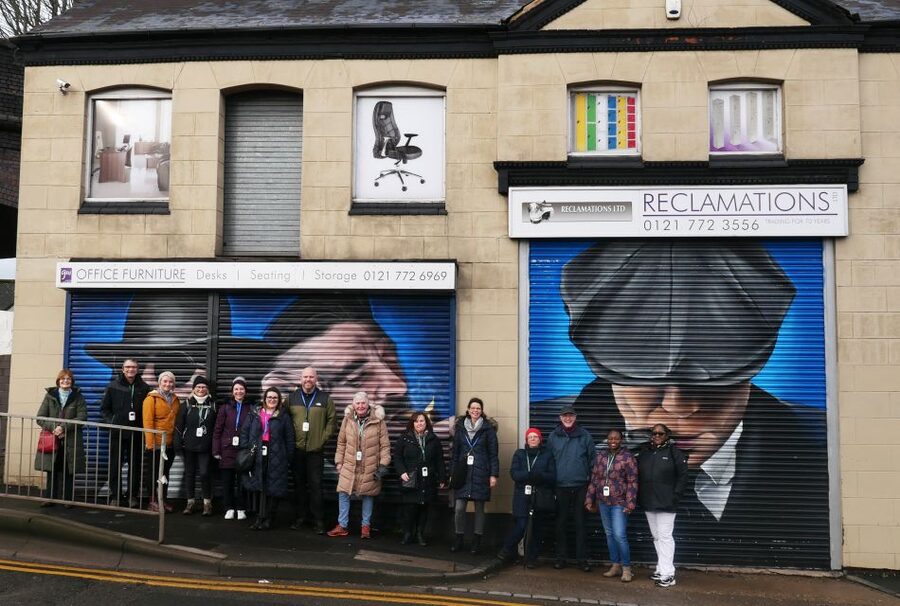
I would recommend it to you if you like city neighbourhoods that are still changing. The tour suits visitors who enjoy public art, industrial stories, photography, local markets, and film locations in equal measure.
It is especially useful for a first visit to Birmingham when you want to get beyond the standard shopping and landmark circuit. It also works for residents or repeat visitors who have seen the centre but have not spent time in Digbeth.
Peaky Blinders fans will have an extra reason to book, particularly because of the connection with Digbeth LOC studios and the themed murals. Still, the walk is not dependent on the show. The history and public art remain the main substance.
You should think twice if you have difficulty walking on pavements, footpaths, or towpaths. The experience is specifically marked as unsuitable for people with mobility impairments. You may also want a different tour if you need a short, stationary activity with frequent indoor seating.
The small number of published ratings gives a positive overall picture, with a 4.7 rating from 11 reviews. The most repeated strengths are the guide’s enthusiasm, useful local detail, and ability to make the walk enjoyable as well as informative. Those qualities matter here because Digbeth rewards someone who can explain connections that are easy to miss.
Practical details before you set out
The tour begins at the bronze Bull statue by the Nike Superstore in the Bullring Shopping Centre. Use the Bullring as your anchor point, not a vague reference to Birmingham city centre.
Wear comfortable shoes. The route is a little over 4 kilometres and includes several types of walking surface. You should also be prepared to spend the full two hours outdoors, since the experience is built around streets, paths, towpaths, murals, and exterior locations.
The tour is in English and led live by Jonathan Berg. You can reserve now and pay later, which is useful if your Birmingham plans are still shifting. Free cancellation is available up to 24 hours before the start time for a full refund.
Starting times vary, so check availability for the day you want. The tour does not list a fixed group size, so you should not assume a private or very small-group experience.
Should you book the Positively Birmingham tour?
Book this tour if you want Birmingham explained through its less polished but more revealing side. You will see street art, old industrial districts, markets, canal-side paths, Peaky Blinders film connections, and the effects of major redevelopment, all in one manageable walk.
Skip it if your main goal is entry to a film studio or a long indoor visit at the Custard Factory or Red Brick Market. Those places are parts of a wider route, not the entire attraction.
For $20, the tour offers a focused and worthwhile way to meet Digbeth. Jonathan Berg’s personal interest in Birmingham’s public art gives the walk a clear point of view, while the local history and film connections keep it accessible. If you can manage the distance and enjoy walking through a district that is still finding its next identity, I would put this near the top of your Birmingham plans.
FAQ
Where does the Digbeth walking tour start?
It starts at the bronze Bull statue beside the Nike Superstore in the Bullring Shopping Centre.
How long does the tour last?
The tour lasts two hours.
How far do you walk?
The route is just over 4 kilometres and uses pavements, footpaths, and towpaths.
Who leads the tour?
Jonathan Berg leads the tour. He is an author and photographer who runs Positively Birmingham walking tours.
Is the Peaky Blinders studio visit indoors?
The tour includes Peaky Blinders film connections and the Digbeth LOC studios area, which has Peaky-themed murals. The available information does not promise entry into the active studios.
Is a headset provided?
Yes. A headset is included so you can hear the guide clearly. You can bring earphones with a 3.5 mm jack, or a new pair will be supplied.
Is the tour suitable for people with mobility impairments?
No. The experience is listed as unsuitable for people with mobility impairments because the route involves more than 4 kilometres of walking on pavements, footpaths, and towpaths.
New listings around Birmingham
- Birmingham : Must-see Attractions Private Walking Tour★ 5.0 · 3 reviews
- Birmingham: City Center Highlights Private Guided Tour★ 5.0 · 4 reviews
- Birmingham: Cadbury World + SEA LIFE + LEGOLAND Discovery★ 5.0 · 5 reviews
- MATRIX VR – Virtual Reality Gaming Experience Session – 1hr★ 4.9 · 7 reviews
- Birmingham: Cadbury World & SEA LIFE Birmingham★ 4.7 · 24 reviews
- Birmingham: Discovering Birmingham Guided Walking Tour★ 4.9 · 26 reviews
- Birmingham: Legoland Discovery Centre Entry Ticket★ 4.1 · 74 reviews
- Birmingham: Victorian Canals and Modern-Day Birmingham Tour★ 4.7 · 92 reviews
Birmingham Tours, compared.




Guided City Center Walking Tour (10:30am & 2pm)
Read our review →
Browse the lists this tour appears in